

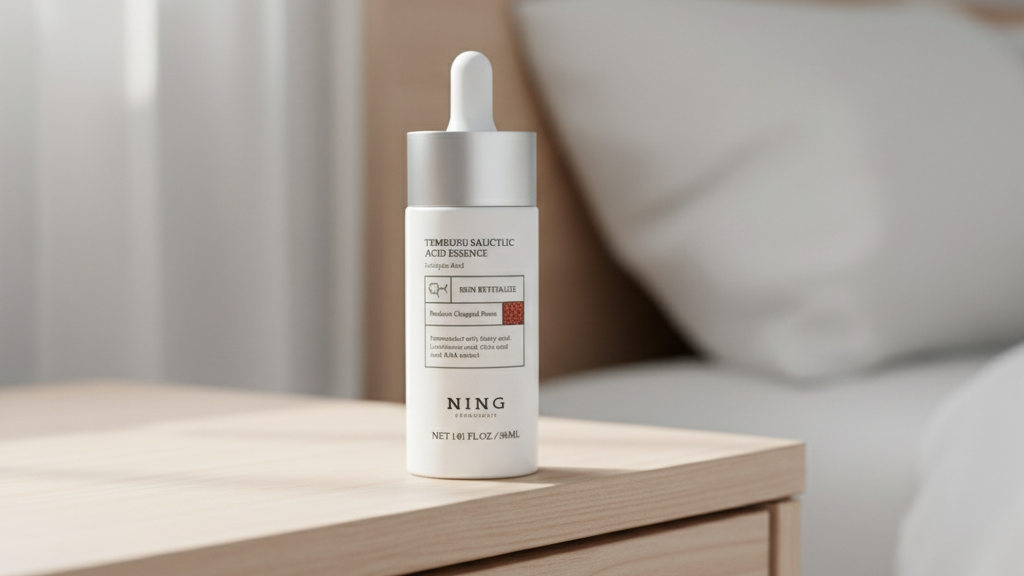

Say Goodbye to Breakouts with These Top-Rated Salicylic Acid Serums
Waking up to a fresh pimple right before a big meeting or a first date is a universal nightmare. We’ve all been there—standing in front of the mirror, wondering why our skin decided to stage a rebellion. If you’re currently in the middle of that battle, you’ve likely heard the hype about salicylic acid. But let’s get real for a second: the skincare market is flooded with "miracle" cures that do nothing but drain your wallet and dry out your face.
If you’re tired of the endless cycle of "clear skin for two days, breakout for ten," it’s time to talk about what actually works. To truly say goodbye to breakouts, you don’t need a ten-step routine that takes forty minutes every night. You need the best salicylic acid serum—one that understands the science of your pores without destroying your skin barrier.
At NING Dermologie, we’ve seen thousands of people struggle with active acne, only to make it worse by over-exfoliating. That’s why we’ve focused on a formulation that balances potency with recovery. Let’s dive into why this specific beta hydroxy acid is the undisputed heavyweight champion of acne treatment.

The "Dirty" Truth About Your Pores
Before you grab the first salicylic acid serum you see on the shelf, you need to know why your skin is acting up. Most people think acne is just "dirt," so they scrub their faces until they’re red and raw. Bad move.
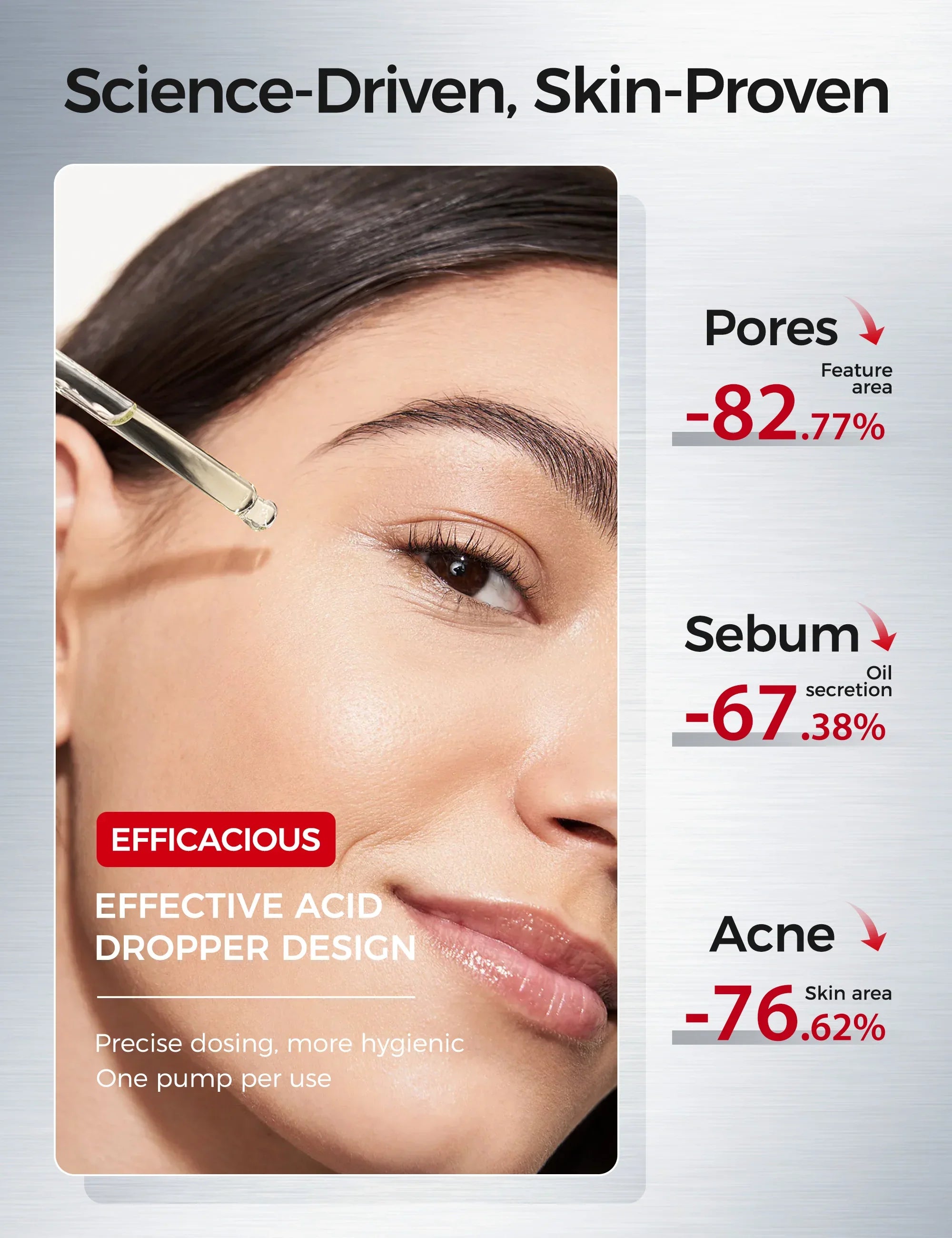
Acne starts deep inside the pore. Your skin naturally produces sebum (oil) to keep things hydrated. But when you have oily and acne-prone skin, that oil production goes into overdrive. Mix that excess oil with dead skin cells that haven’t shed properly, and you’ve got a recipe for a breakout.
This is where salicylic acid comes in. Unlike an alpha hydroxy acid (like glycolic acid or lactic acid), which is water-soluble and mostly works on the skin's surface, salicylic acid is oil-soluble. This means it can actually dive into the oil-filled pore, dissolve the "glue" holding dead skin cells together, and clear breakouts from the inside out.
Why a Serum? (And why NING Dermologie?)
You might see salicylic acid in an acne wash, a salicylic acid cleanser, or even salicylic acid pimple patches. While those have their place, a face serum is the most effective way to deliver the ingredient.
Why? Because it stays on the skin.
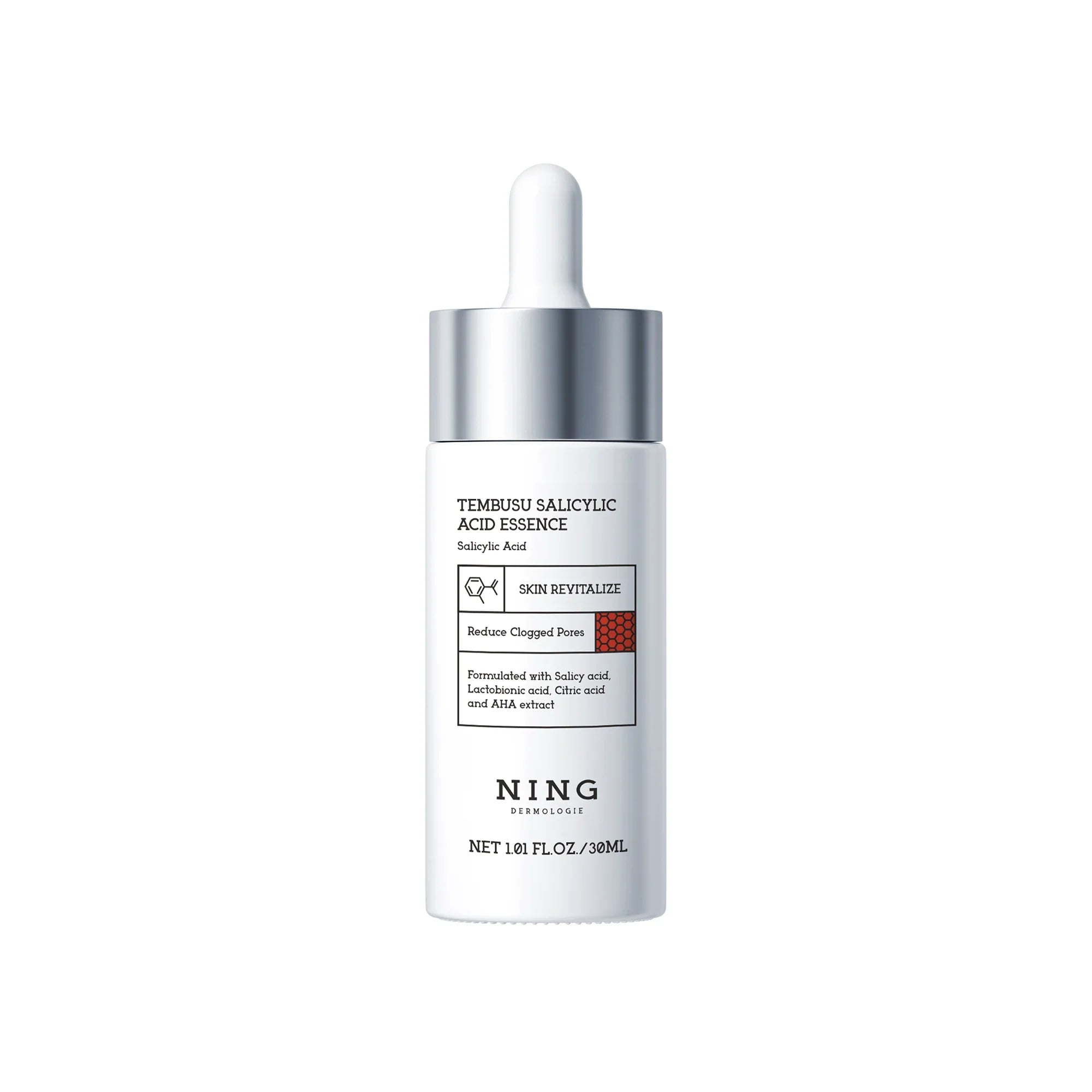
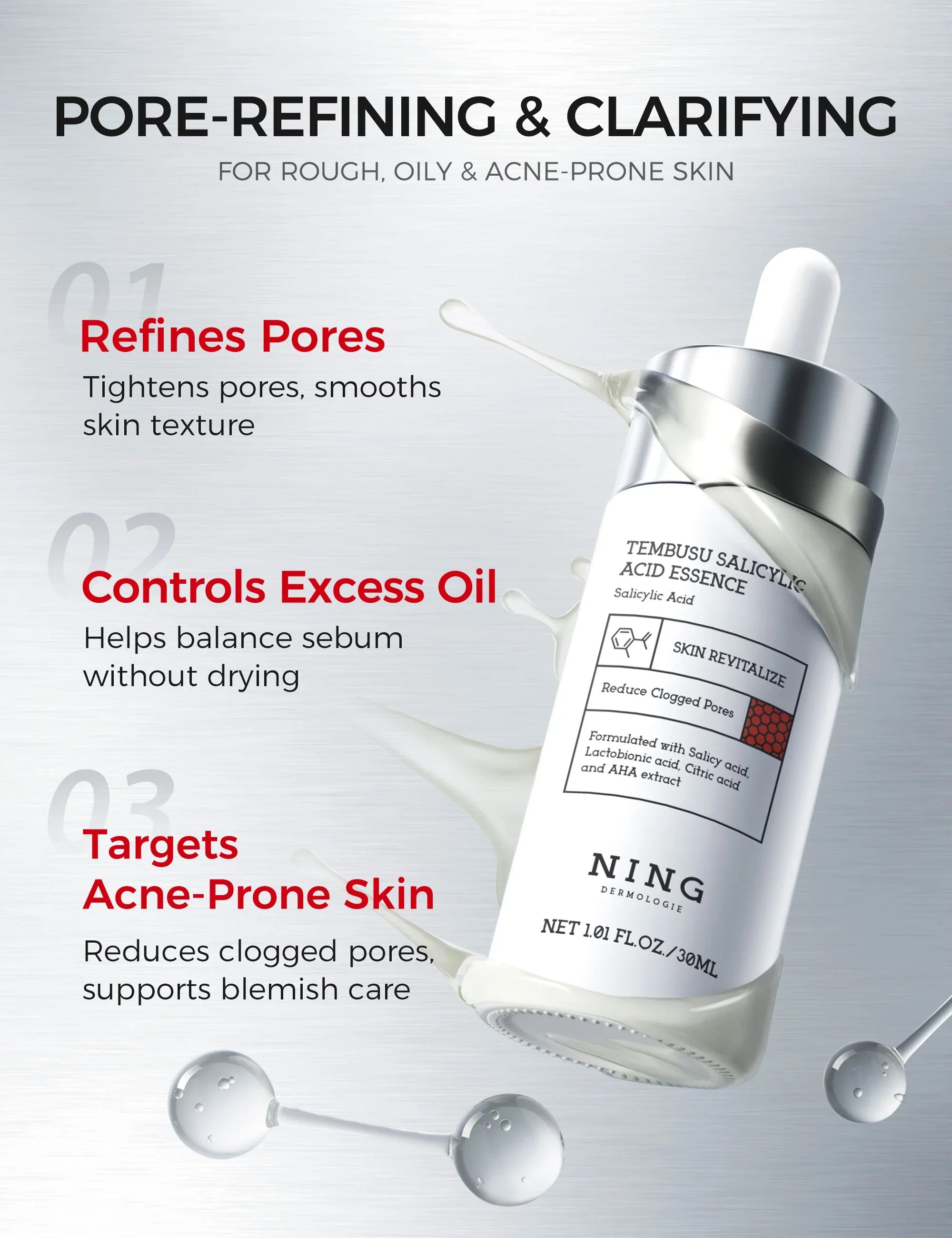
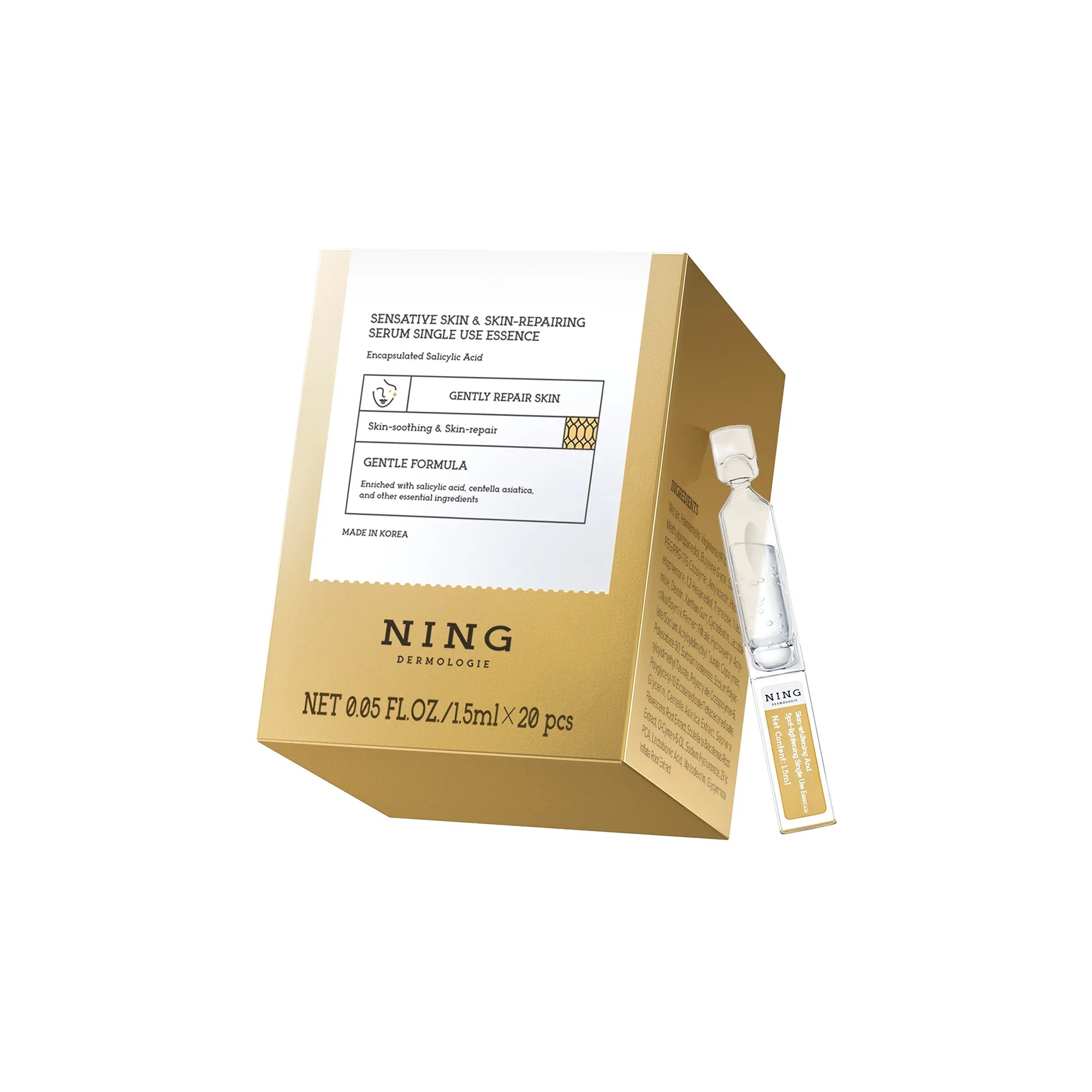
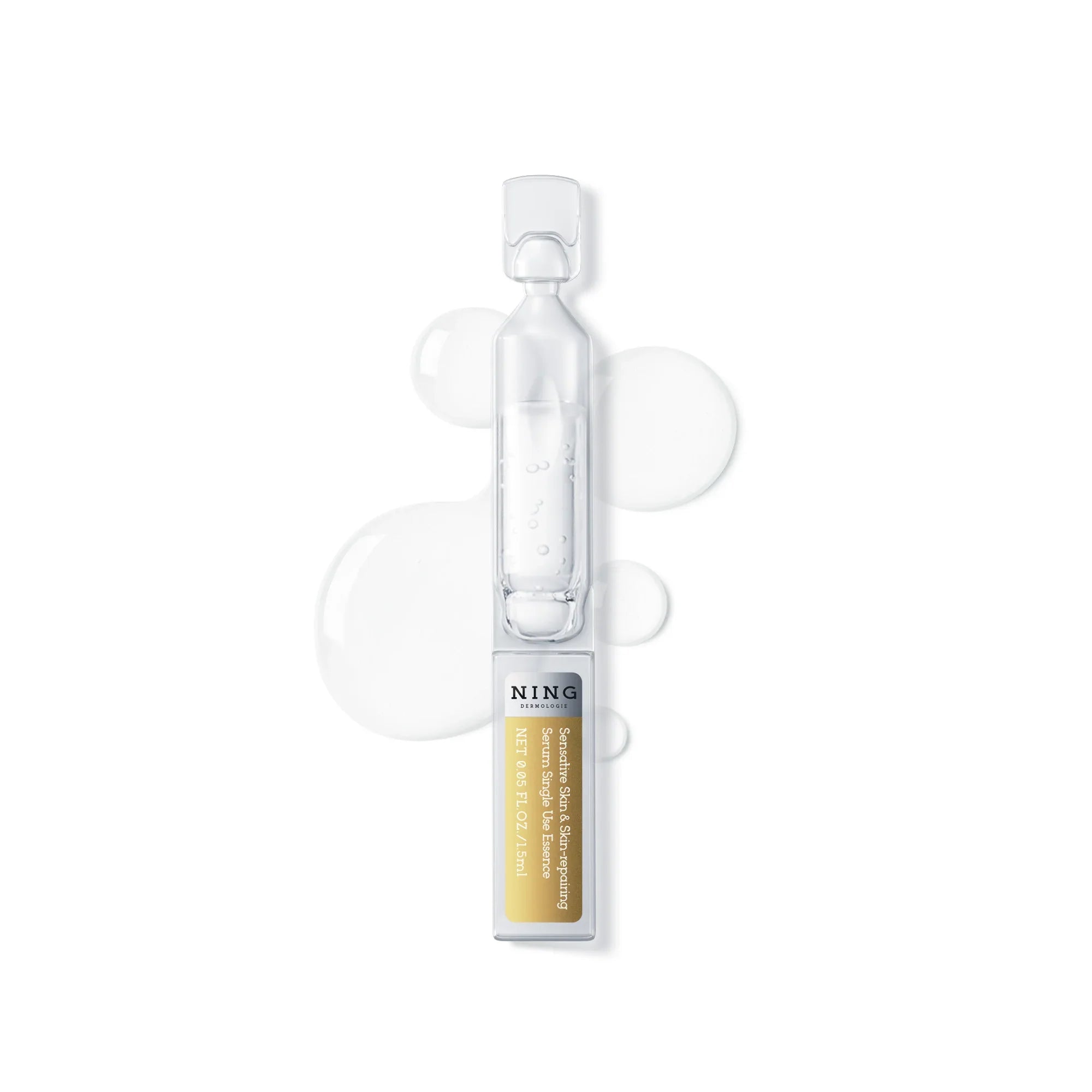
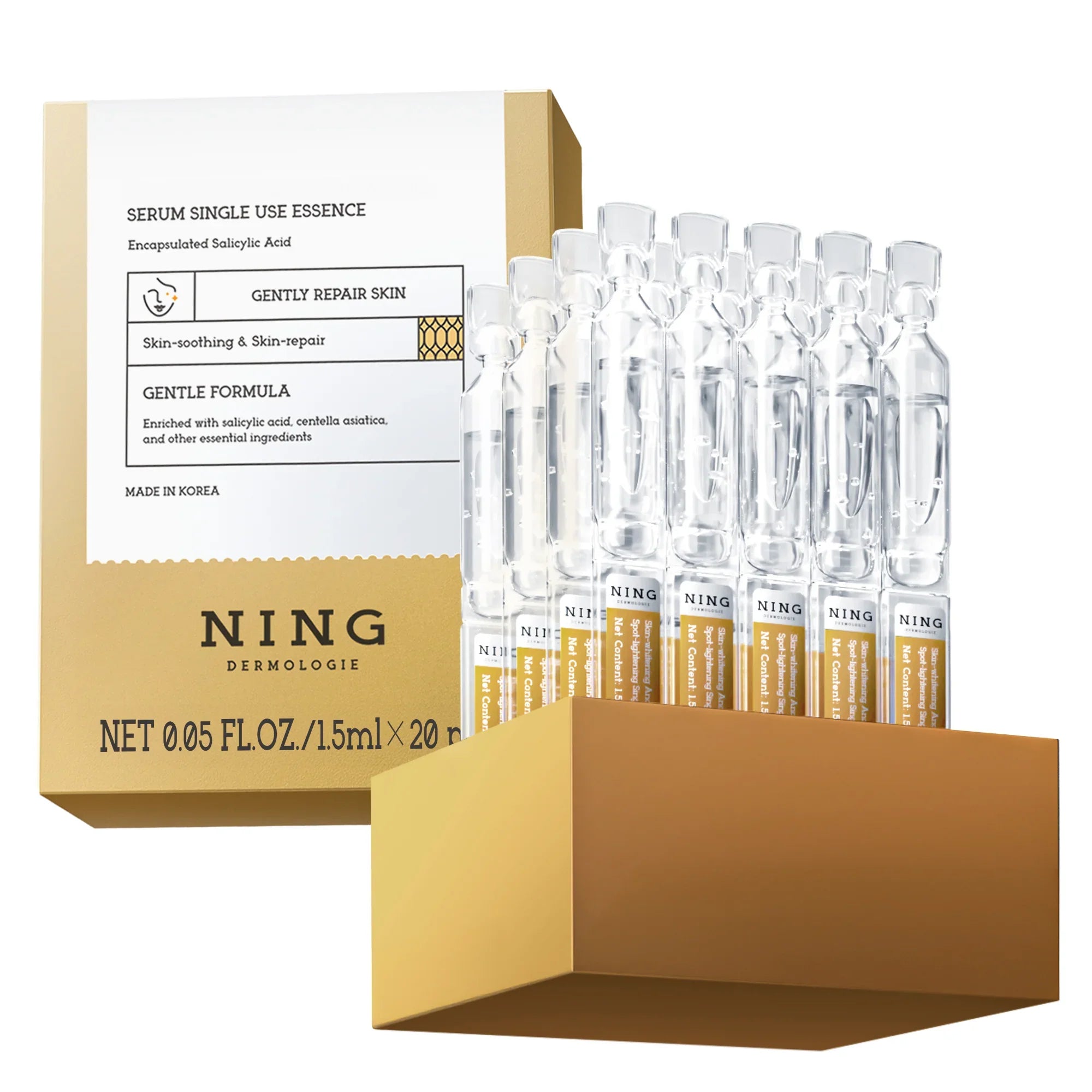
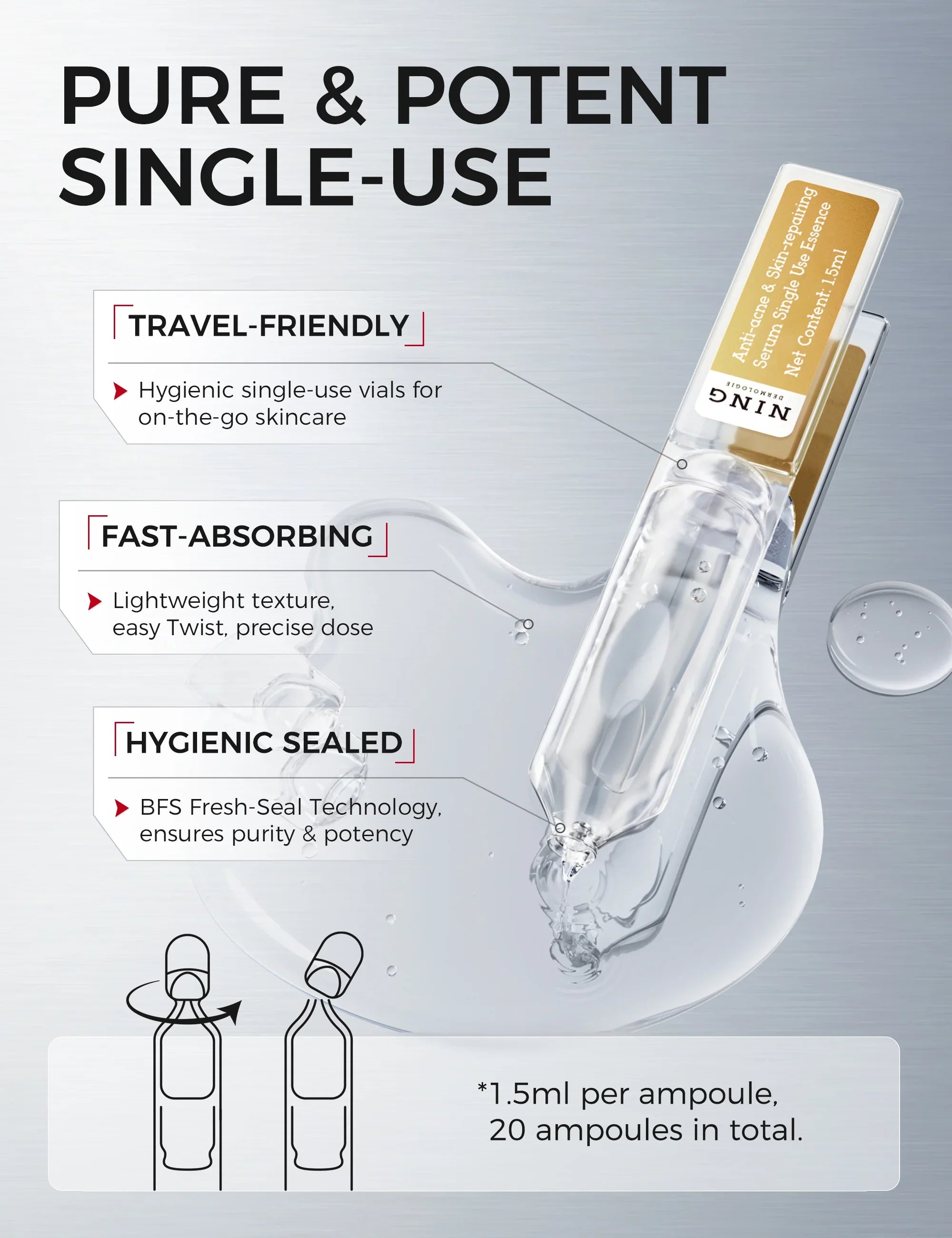
A cleanser is washed off in thirty seconds. A serum provides a concentrated, leave-on treatment that gives the acid time to work. Our NING Dermologie 2% Salicylic Acid Serum is designed specifically for this. At a 2% concentration of salicylic acid, it hits the "sweet spot" where it's strong enough to treats acne and prevent future breakouts, but won't leave your skin feeling like it's been through a desert sandstorm.
Beyond Just "Acid": The Supporting Cast
The best salicylic acid products don't just stop at the acid. If you only use a high-strength acid, you'll likely deal with peeling and irritation. To get smooth skin and improve skin texture, you need a formula that hydrates while it exfoliates.
In our acne serum, we’ve paired the BHA with:
- Hyaluronic Acid: To hydrate the skin so you don't get that tight, "cracked" feeling.
- Niacinamide: This is a game-changer for adult acne. It helps soothe the skin, reduces the redness associated with acne, and helps fade the look of acne marks and acne scars after the blemish is gone.
Choosing the Best Salicylic Acid Serum for Your Skin Type
Not all skin is created equal. What works for a teenager with a "grease-slick" forehead might not work for someone dealing with hormonal adult acne and dry patches.
Oily and Acne-Prone Skin
If you’re constantly blotting your T-zone, you can likely handle a standard 2% salicylic acid serum. You’ll want to focus on acne control and keeping pores to clear. Using a salicylic acid toner in the morning and our NING Dermologie serum at night can help maintain that balance.
Sensitive Skin
If your skin turns red if you even look at a lemon, you need to be careful. You’re looking for a lower concentration of salicylic acid or a formula specifically labeled as suitable for sensitive skin. When you’re new to salicylic acid, start by applying it just twice a week. Let your skin can tolerate the ingredient before moving to daily use.
Managing Blackheads and Whiteheads
For those stubborn little bumps that never quite turn into full pimples, salicylic acid helps by keeping the pore "moving." Blackheads and whiteheads occur when the pore is partially or fully blocked. Regular exfoliation with a best salicylic acid serum ensures that the "gunk" doesn't have a chance to settle.
The "Bye Bye Breakout" Routine: How to Use Salicylic Acid Effectively
It’s not just about what you use, but how you use it. If you’re using salicylic acid incorrectly, you're just wasting money.
-
Cleanse Gently: Don't use a harsh scrub. Use a gentle acne wash or a simple hydrating cleanser.
-
Apply to Dry Skin: Applying acid to damp skin can increase penetration too much, leading to irritation.
-
Gently Press Serum: Take a few drops of the NING Dermologie 2% Salicylic Acid Serum and press it into the areas where you usually breakout.
-
Wait a Minute: Give the acid works time to sink in before moving to the next step.
-
Moisturize: I cannot stress this enough. Even if you feel oily, you MUST use a moisturizer. If your skin gets too dry, it will actually produce more oil to compensate, leading to—you guessed it—more acne breakouts.
-
Sun Protection: Salicylic acid can make your skin more sensitive to the sun. If you’re using an acne serum at night, you must protect your skin from UV rays the next morning.
Common Pitfalls: Why Your Acne Isn't Clearing Up
If you’ve been using a salicylic acid product and aren't seeing results, check for these common mistakes:
- The "More is Better" Trap: Combining salicylic acid with glycolic acid, lactic acid, citric acid, and succinic acid all at once. This is a recipe for a damaged skin barrier. Stick to one primary exfoliant.
- Giving Up Too Soon: Salicylic acid working takes time. You might experience a "purge" where your existing acne seems to get worse as the acid works to push impurities to the surface. Stick with it for at least 4-6 weeks.
- Ignoring the Rest of Your Body: Body acne treatment is just as important. If you struggle with "bacne," try a salicylic acid body wash or spray. The skin on your back is tougher than your face, so it can usually handle a concentration of salicylic acid consistently.
Comparing the Heavy Hitters
You’ve probably seen OTC products like Neutrogena oil-free acne washes or acne patches in every drugstore. While those are fine for an occasional pimple, they often lack the sophisticated delivery systems found in a high-quality face serum.
Drugstore acne control cleanser options often contain harsh sulfates that strip the skin. By contrast, a best overall approach—like the NING Dermologie philosophy—focuses on "healing while treating." We want to improve skin health, not just kill the bacteria.

Maintaining Clear Skin Post-Treatment
Once you finally clear breakouts, don't just stop everything. Maintenance is key. To keep uneven skin at bay and ensure your skin is hydrated, keep the salicylic acid in your skin care routine at a reduced frequency. Maybe use it 2-3 times a week instead of every night. This keeps the skin cell turnover active without over-taxing your face.
Smooth skin isn't an accident; it's the result of consistent, intelligent choices. Whether you're dealing with adult acne or your very first breakout, remember that your skin is an organ, not a battlefield. Treat it with respect, use the right best salicylic acid products, and the results will follow.
Ready to simplify your routine? Shop the NING Dermologie 2% Salicylic Acid Serum here and let’s get your glow back.
Frequently Asked Questions (FAQ)
1. Can I use salicylic acid every day?
For most oily or acne-prone skin types, once-daily use is the goal. However, if you’re new to salicylic acid or have sensitive skin, start slow—two or three times a week. Listen to your skin; if it starts peeling or feels "tight," scale back. Consistency beats intensity every time when trying to improve skin texture without causing irritation.
2. Why does my skin look worse after starting a serum?
This is likely "purging." Because salicylic acid helps speed up skin cell turnover, it pushes trapped clogs to the surface faster than usual. It can feel like a breakout, but it's actually the salicylic acid working to clear the "backlog" in your pores. This phase usually lasts 2-4 weeks. Stay patient; clearer skin is on the other side.
3. Is salicylic acid safe for sensitive skin?
Yes, but you need the right formula. Look for a lower concentration of salicylic acid and ingredients that soothe the skin, like those in NING Dermologie. Avoid "alcohol-heavy" toners. When using a salicylic acid serum, apply a rich moisturizer afterward to ensure the skin is hydrated. Always patch test on your jawline before a full-face application.
4. Can I mix salicylic acid with Vitamin C or Retinol?
It's risky. Mixing a beta hydroxy acid with other strong actives like alpha hydroxy acid or Retinol can lead to severe irritation. To stay safe, use your salicylic acid serum in the morning (with SPF!) and your Retinol at night. This gives your skin time to recover between treatments and prevents a compromised skin barrier.
5. How long does it take to see results on acne marks?
While the serum helps clear breakouts relatively quickly, fading acne marks and uneven skin texture takes longer—usually 6 to 8 weeks. Ingredients like niacinamide in our formula help speed this up. For the best results, never pick at a pimple, as this creates deeper acne scars that are much harder to treat with OTC products alone.





Share:
Daily Defender: Salicylic Acid Serum for Problematic Skin
Salicylic Acid Unveiled: The Benefits Your Skin Has Been Waiting For