



We all want that effortless, “I drink a gallon of water a day” glowing skin. But blindly buying every viral serum on your feed isn't a skincare strategy. If you are serious about fading dark spots, smoothing out fine lines, and actually changing your skin texture, you only need to master two powerhouse ingredients: Vitamin C and Retinol.
I used to slap on ten different products a night, wrecking my skin barrier in the process. It wasn't until I stripped my routine down to these two clinically proven heavyweights that I actually saw results.
Here is your no-nonsense, step-by-step guide to building a Vitamin C and Vitamin A (Retinol) routine that actually works, without the irritation.

Why This Duo is the Gold Standard
Think of Vitamin C as your daytime shield and Retinol as your nighttime repair crew.
Vitamin C is an elite collagen booster. It neutralizes the free radicals you get from UV rays and pollution, while simultaneously brightening your skin tone. On the flip side, Retinol (the most popular form of Vitamin A) speeds up cell turnover. It forces your skin to shed dead cells and build fresh, bouncy ones, acting as the ultimate tool for skin firming and skin renewal.
You don't need a massive 12-step Vitamin C Kit. You just need to know how to layer them right.
The AM Routine: Defend and Glow ☀️
Your morning goal is all about protection and achieving that radiant skin. When deciding whether to use Vitamin C in the AM or PM, morning is always the winner because it supercharges your sun protection.
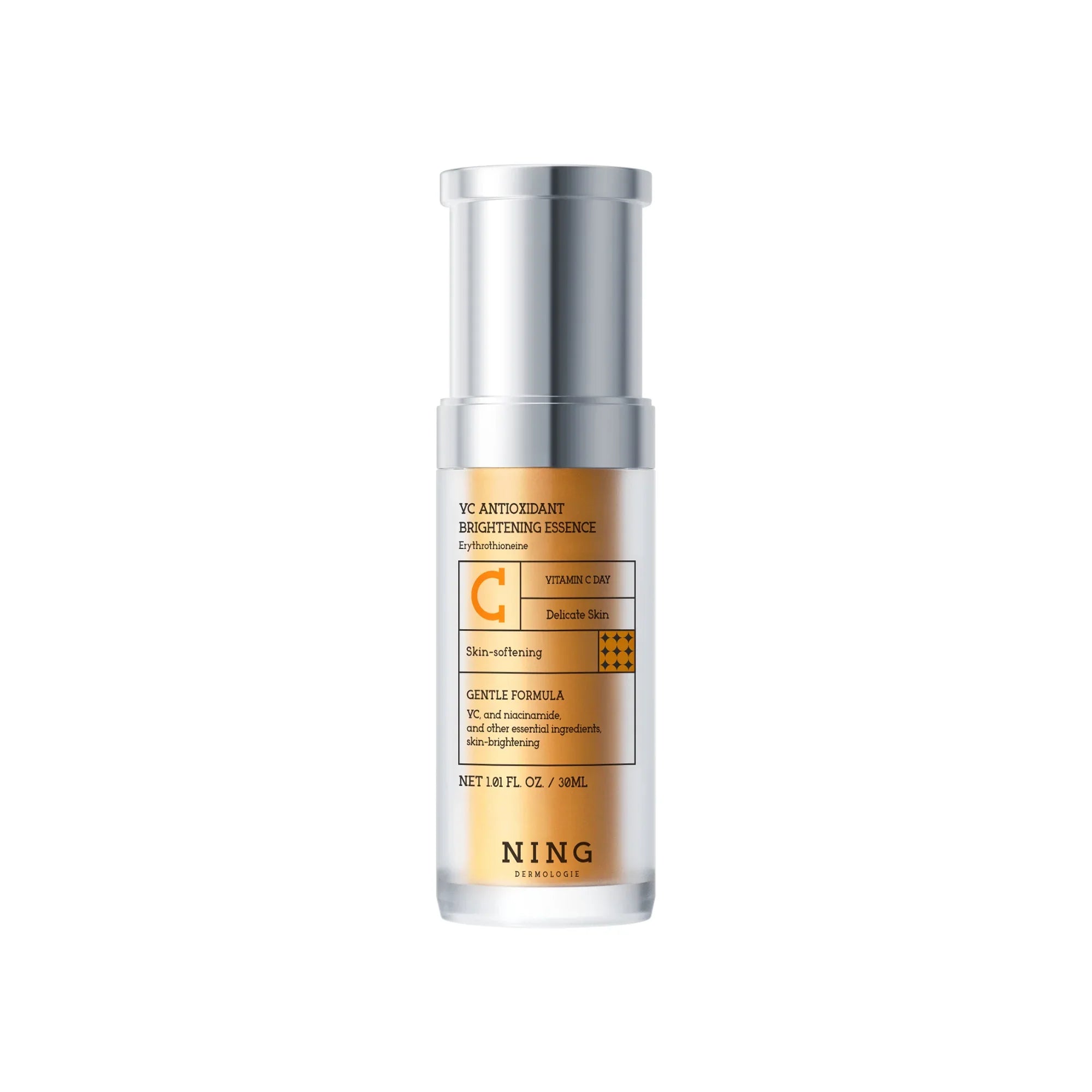
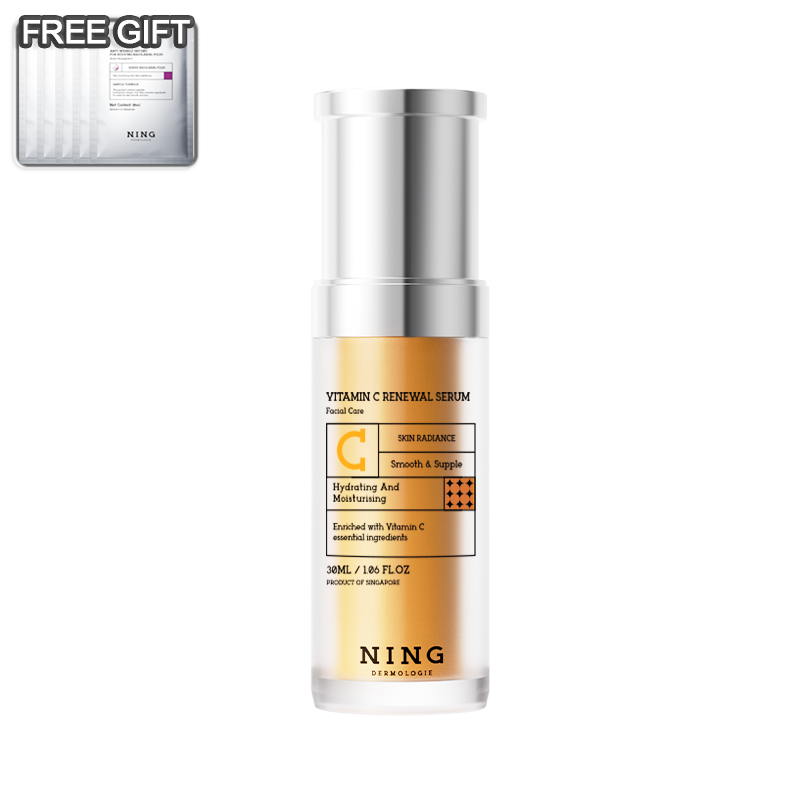
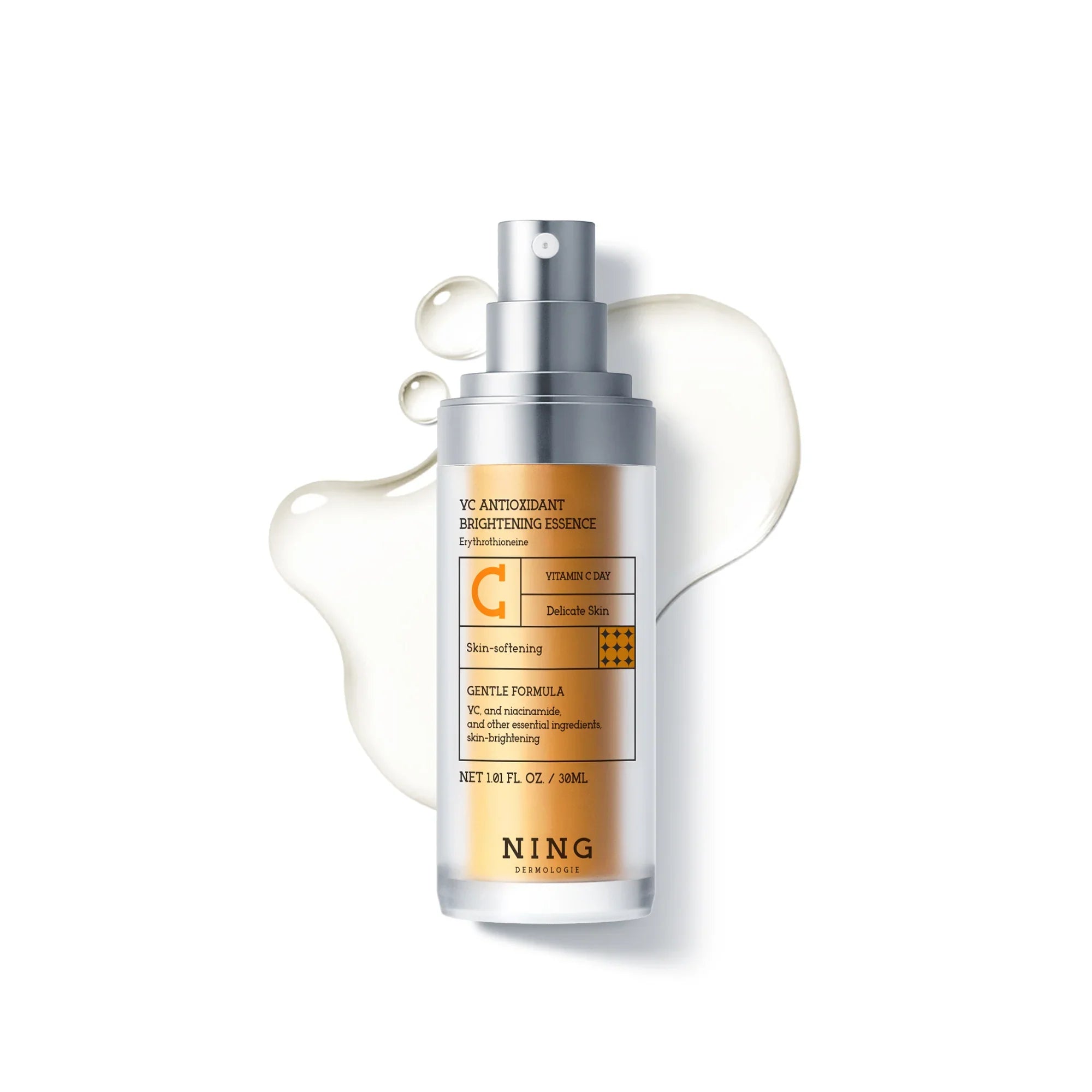
Step 1: The Brightening Serum After a gentle cleanse, apply your Vitamin C on dry skin. If you want maximum potency, look for L-ascorbic acid paired with Ferulic acid (ferulic stabilizes the C and makes it work harder). If you have heavily sensitive skin, L-ascorbic acid might sting, so look for gentler derivatives like Ascorbyl Glucoside or magnesium ascorbyl phosphate.
Pro Tip: A lot of people love the Sunday Riley C.E.O. 15% Vitamin C Brightening Serum for a quick glow, but the formulation's pH level is something to watch if you are prone to redness.
Step 2: Hydration is Non-Negotiable Vitamin C can feel a bit dry. Follow it up with a solid hydration serum. Look for hyaluronic acid or, even better, sodium hyaluronate crosspolymer which sinks deeper into the epidermis to lock in moisture retention.
Step 3: The Shield Never, ever skip sunscreen. The FDA literally issues a "sun alert" for a reason. You need a broad-spectrum sunscreen with at least SPF 30. UV light destroys collagen, undoing all the hard work your expensive serums just did.
The PM Routine: Repair and Resurface 🌙
Nighttime is when your skin goes to work. This is when you tackle fine lines and boost collagen production.
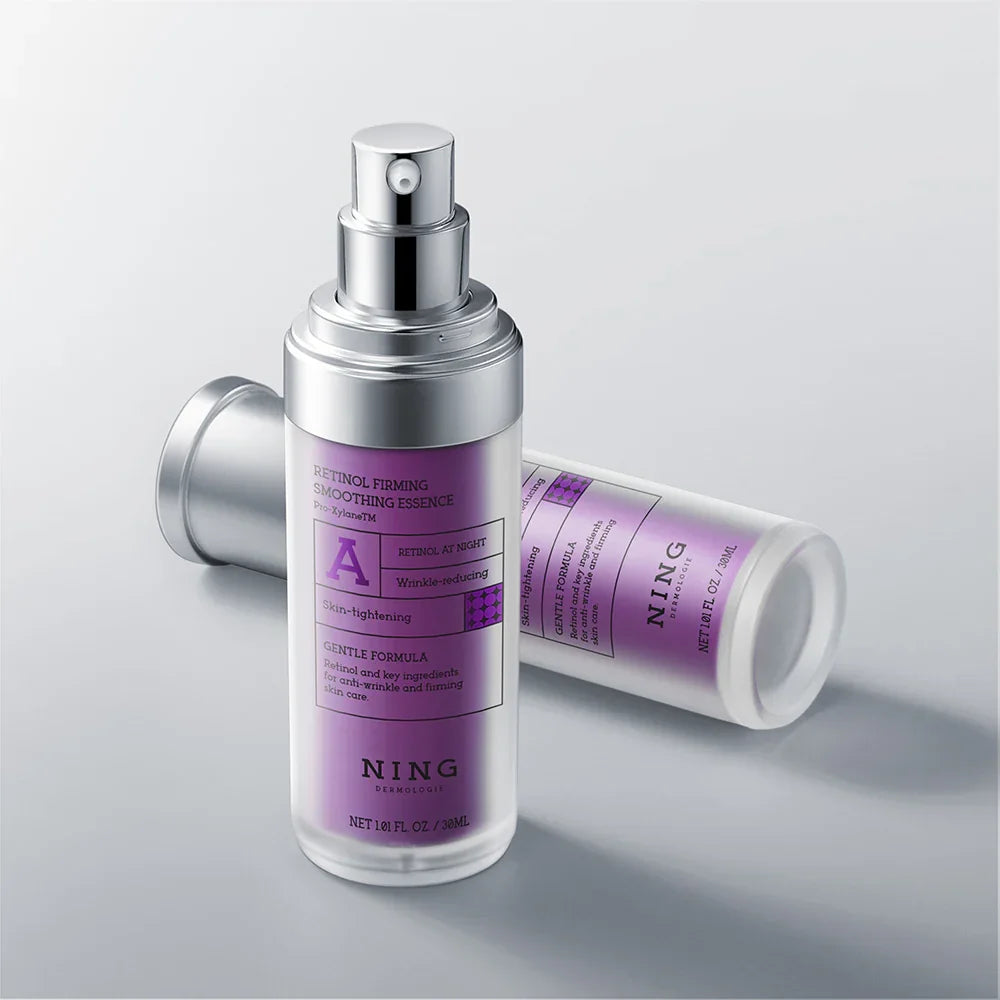
Step 1: The Retinol After double cleansing, make sure your skin is completely dry. Applying Retinol to damp skin increases absorption, which sounds great but actually leads to massive irritation. Start with a low percentage. If traditional retinoic acid is too harsh, look into modern formulations like Retinol 8, which gives you the benefits with less peeling. Products like Sunday Riley's A+ High Dose Retinoid Serum are popular, but you have to build up a tolerance.
Step 2: Intense Barrier Repair Retinol can cause tranepidermal water loss (basically, your skin leaking moisture). You need a heavy-hitting hydration cream to seal everything in. Look for an Ice Ceramide Moisturizing Cream or formulas enriched with hemp seed oil to calm the skin. You can even use a Nightly Firming Mask on top of your moisturizer a few times a week if you have severe dry skin.
The Cheat Code: NING Dermologie 💡
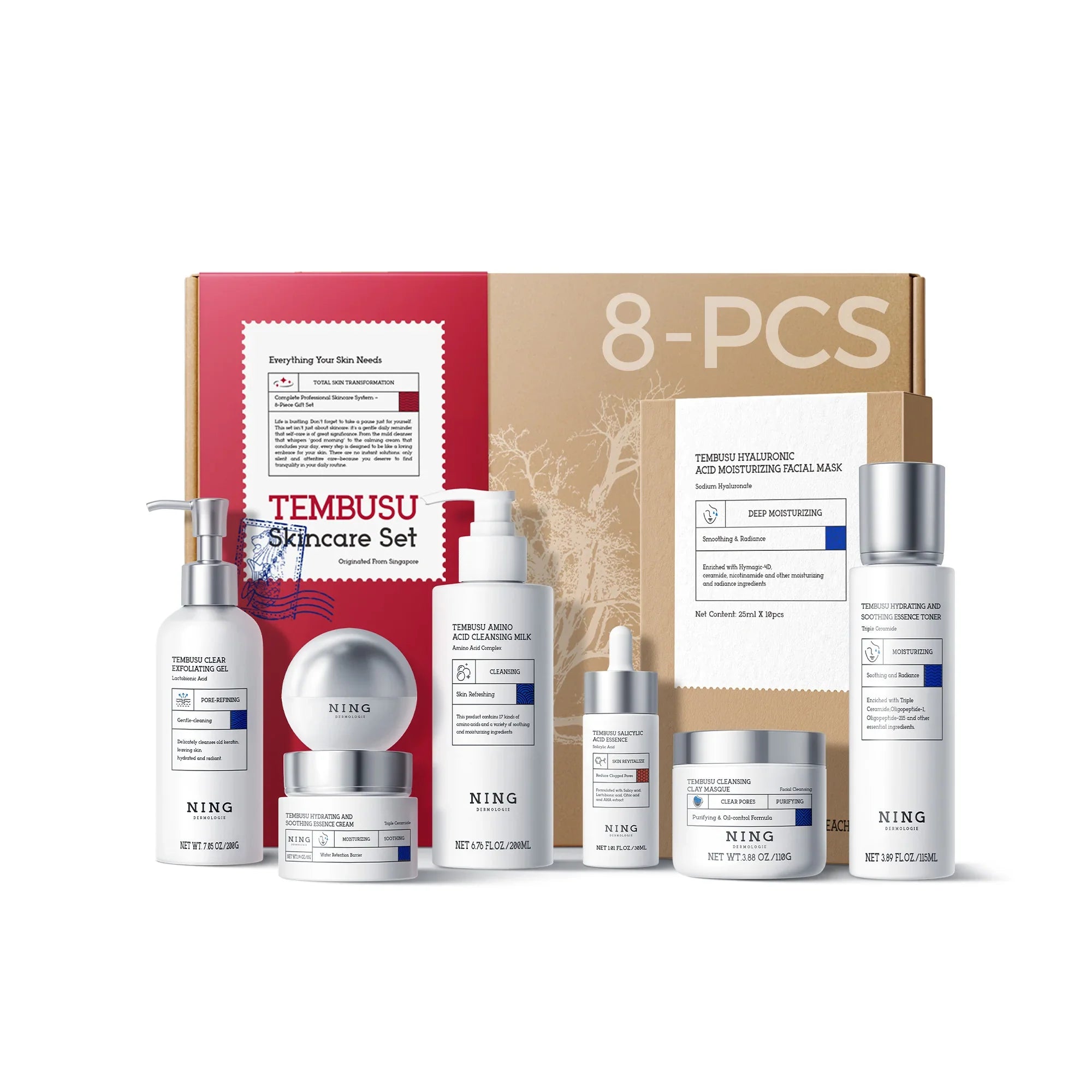
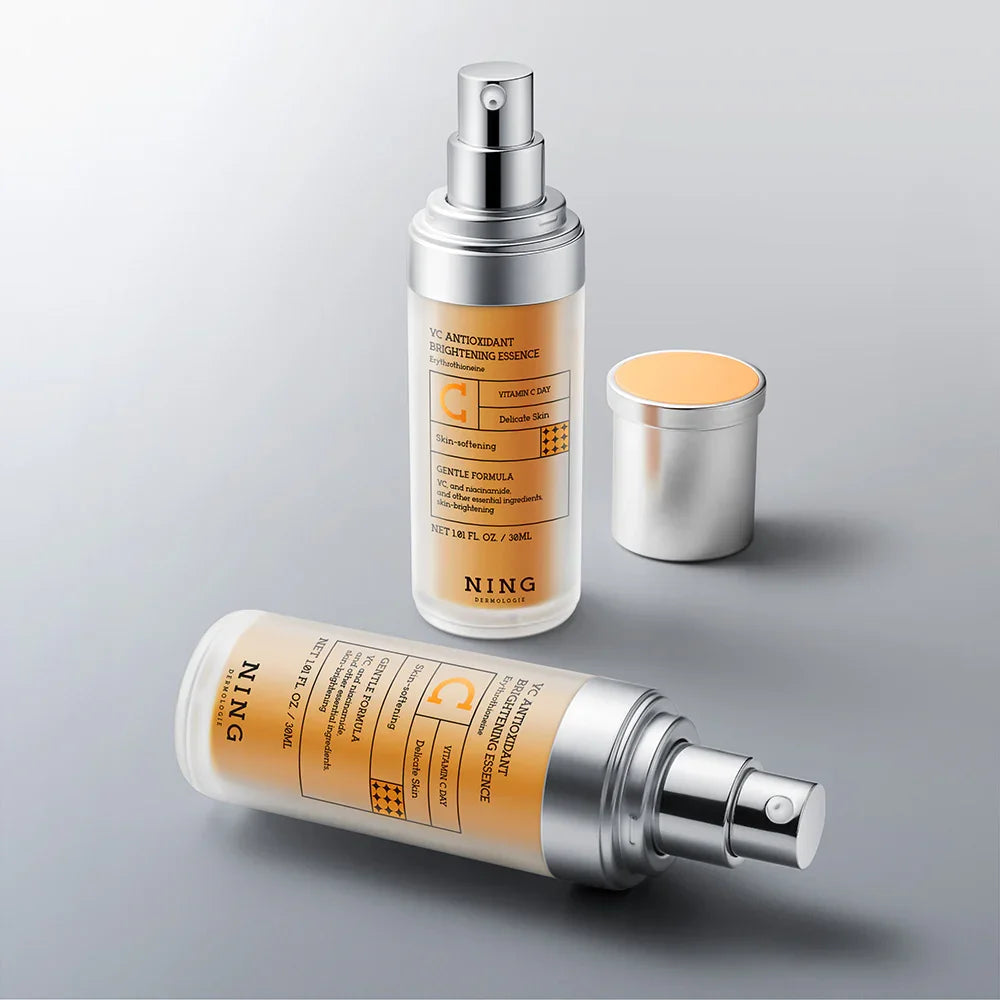
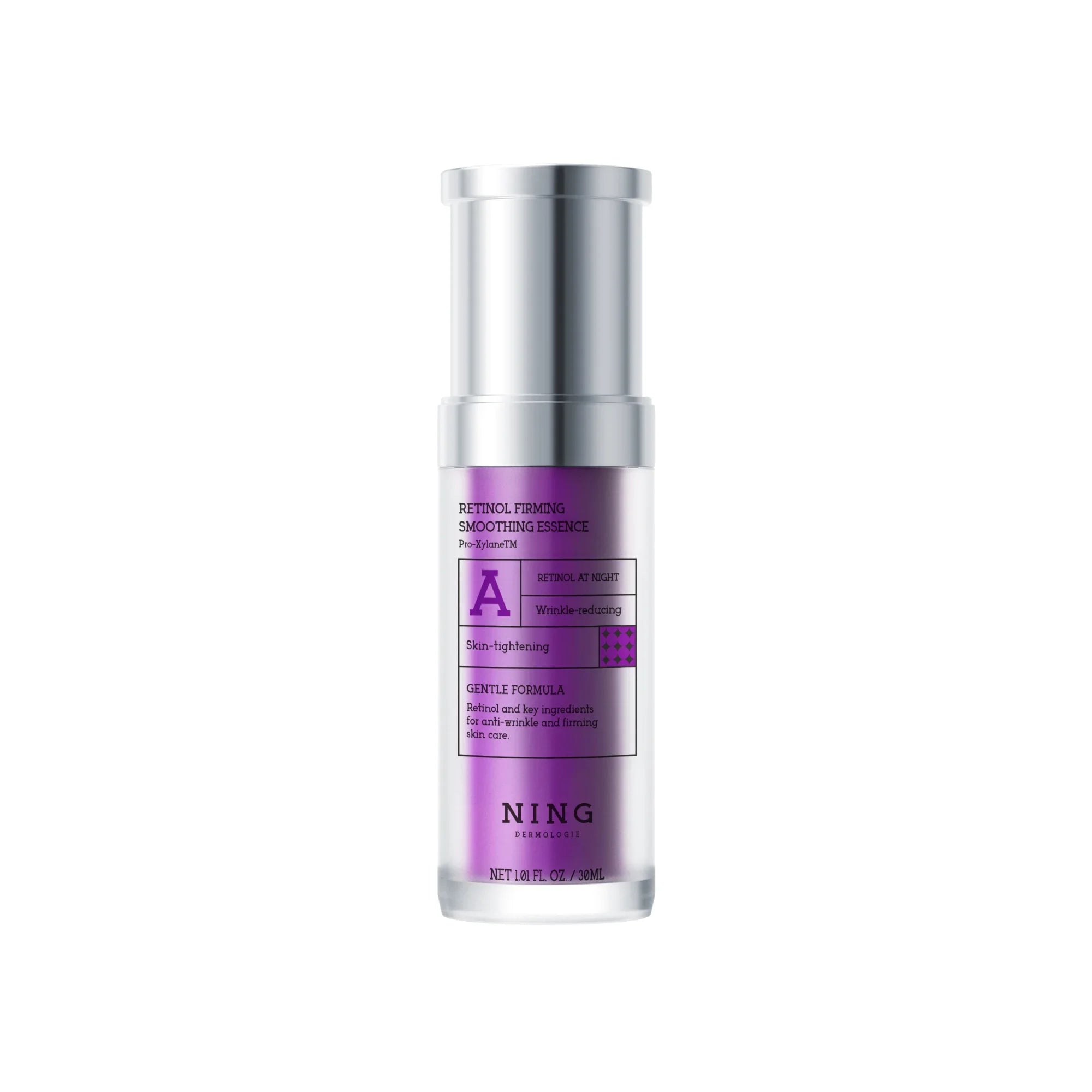
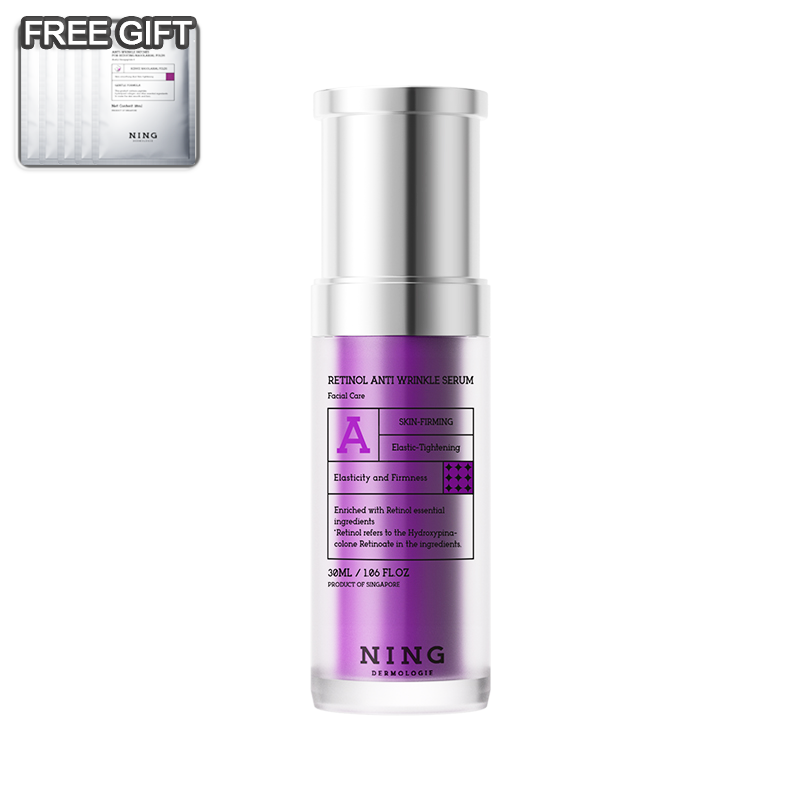
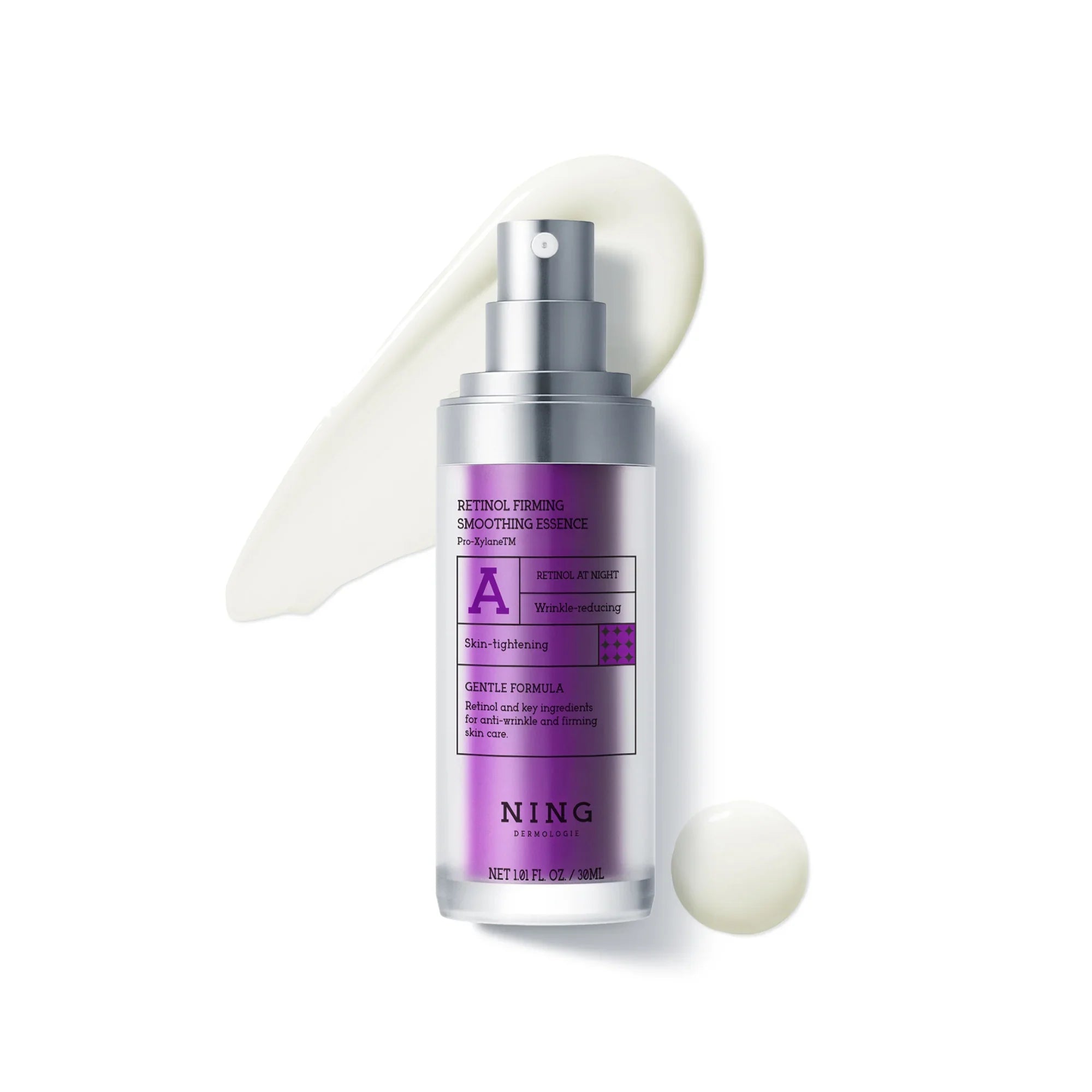
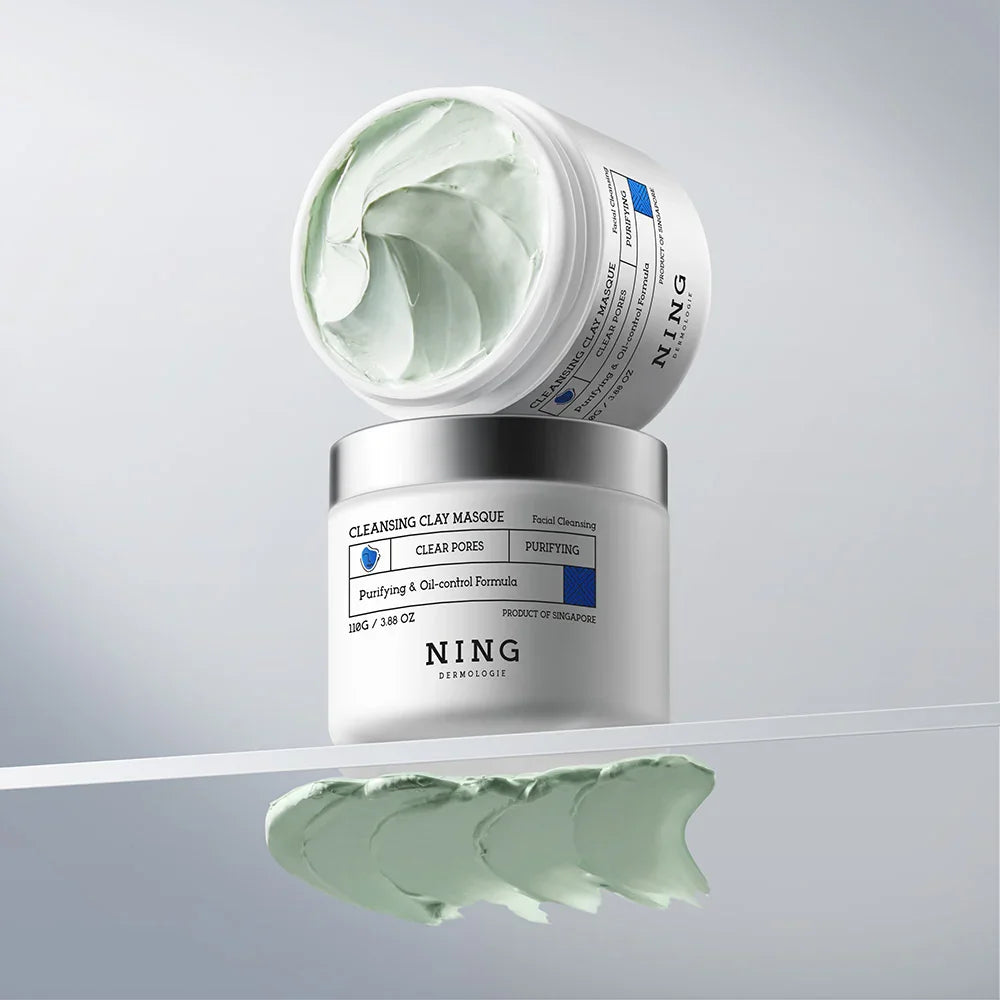
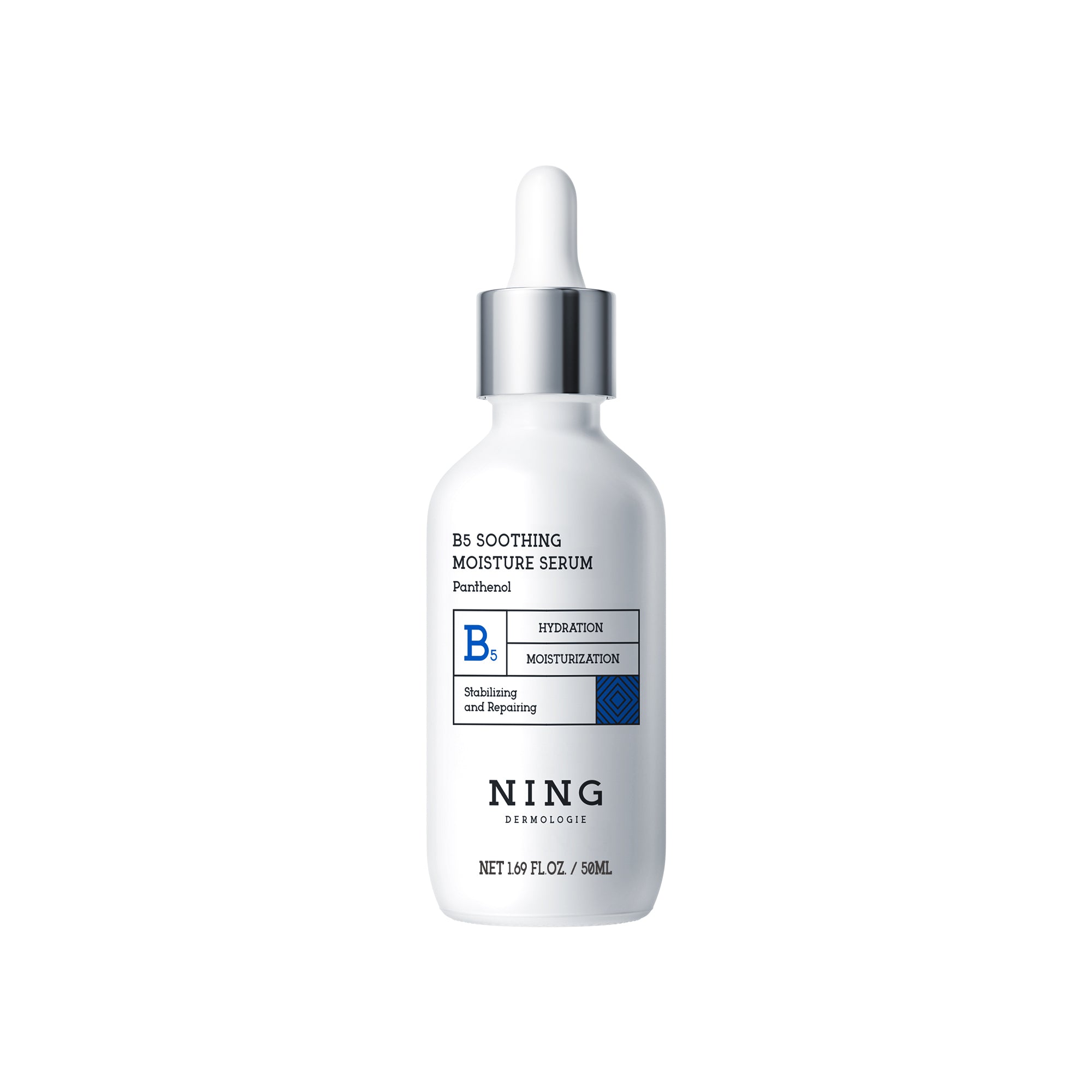
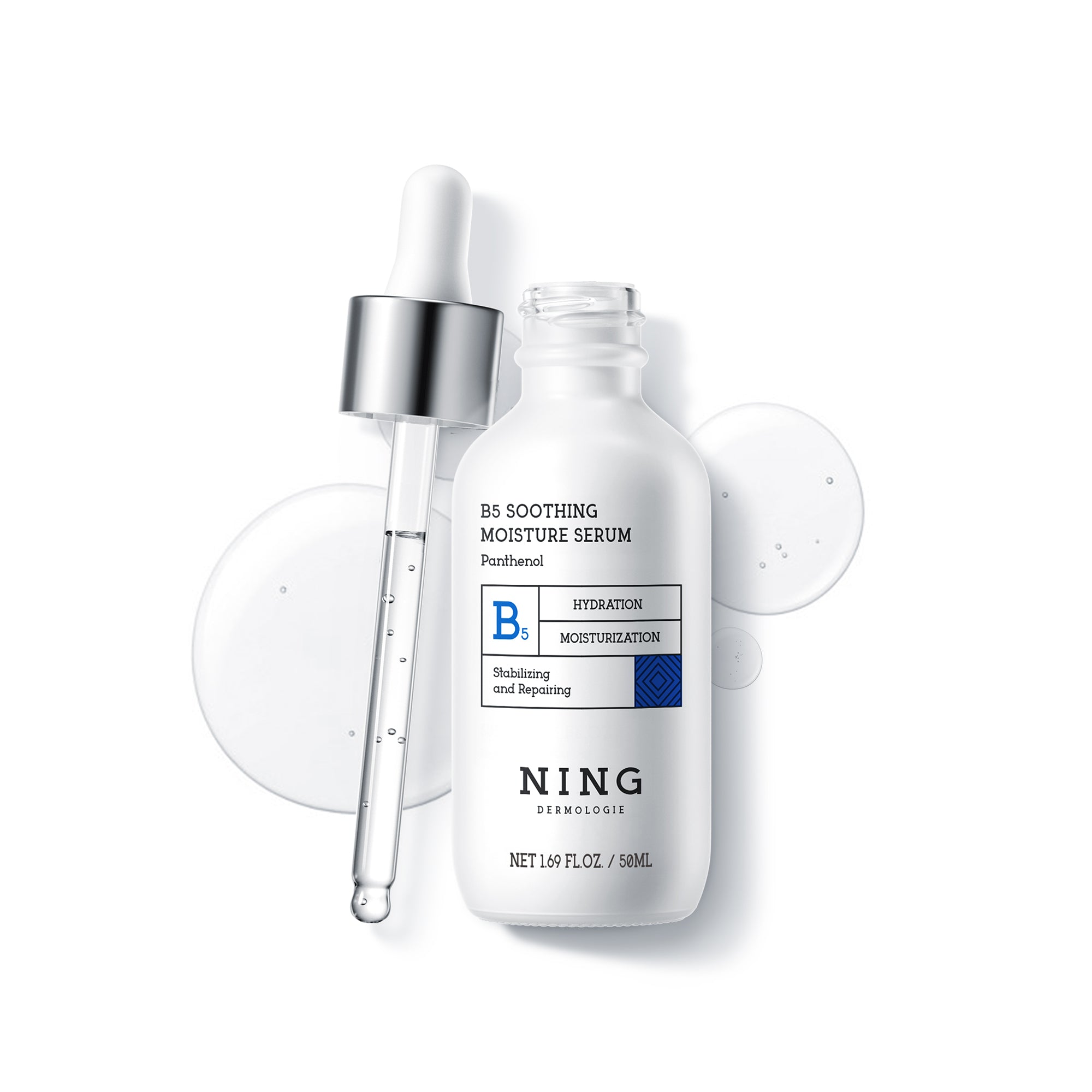
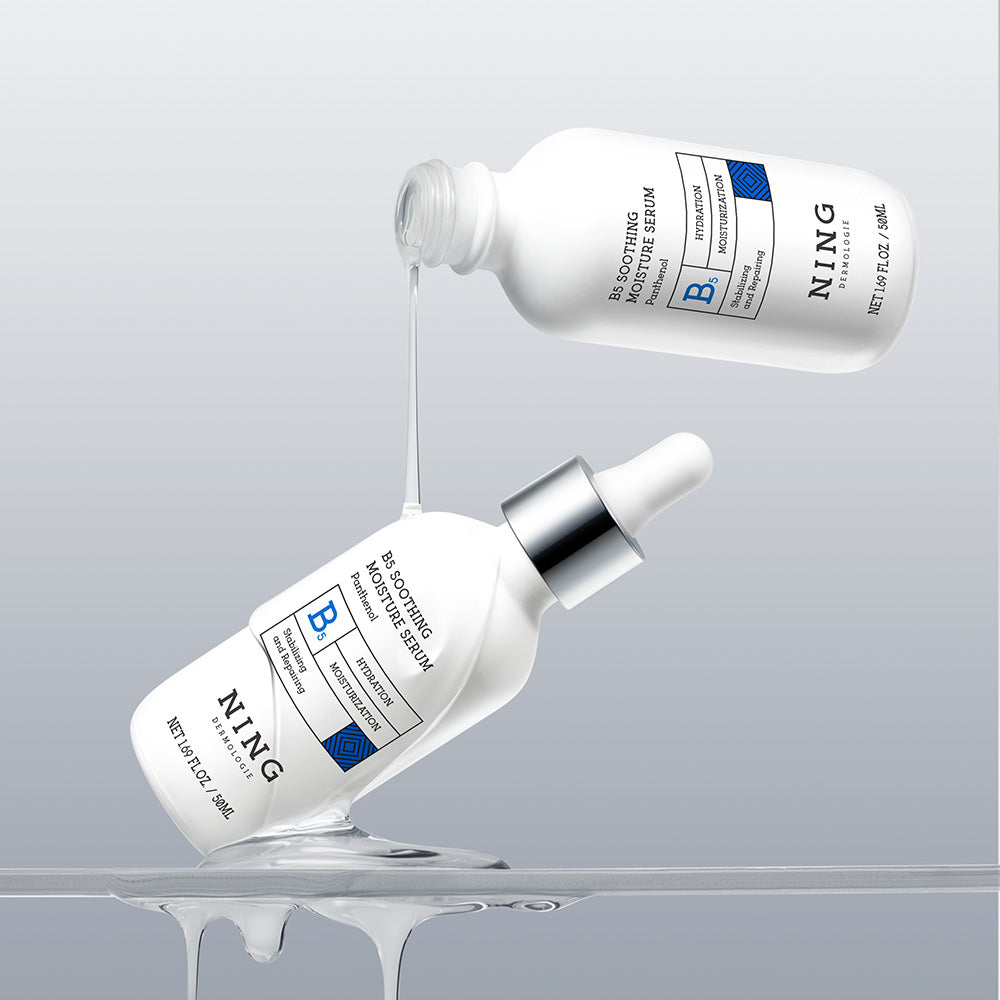
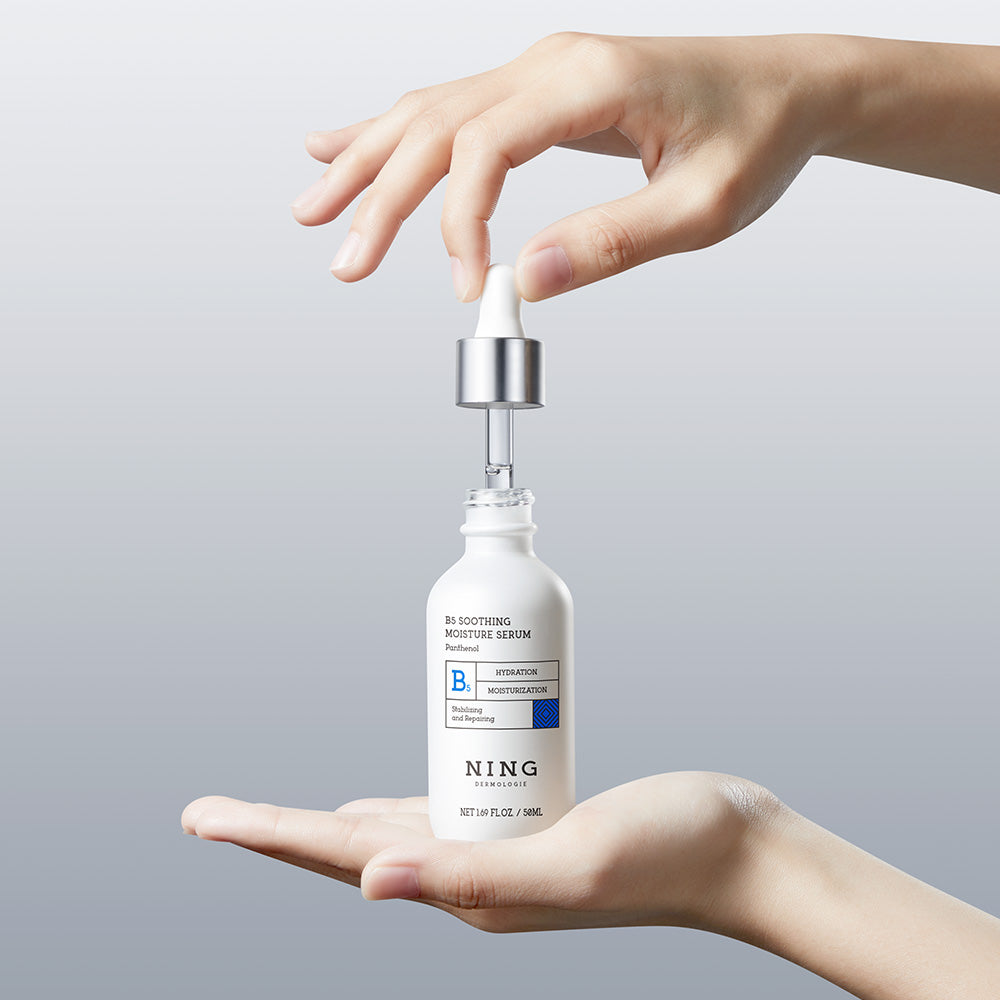
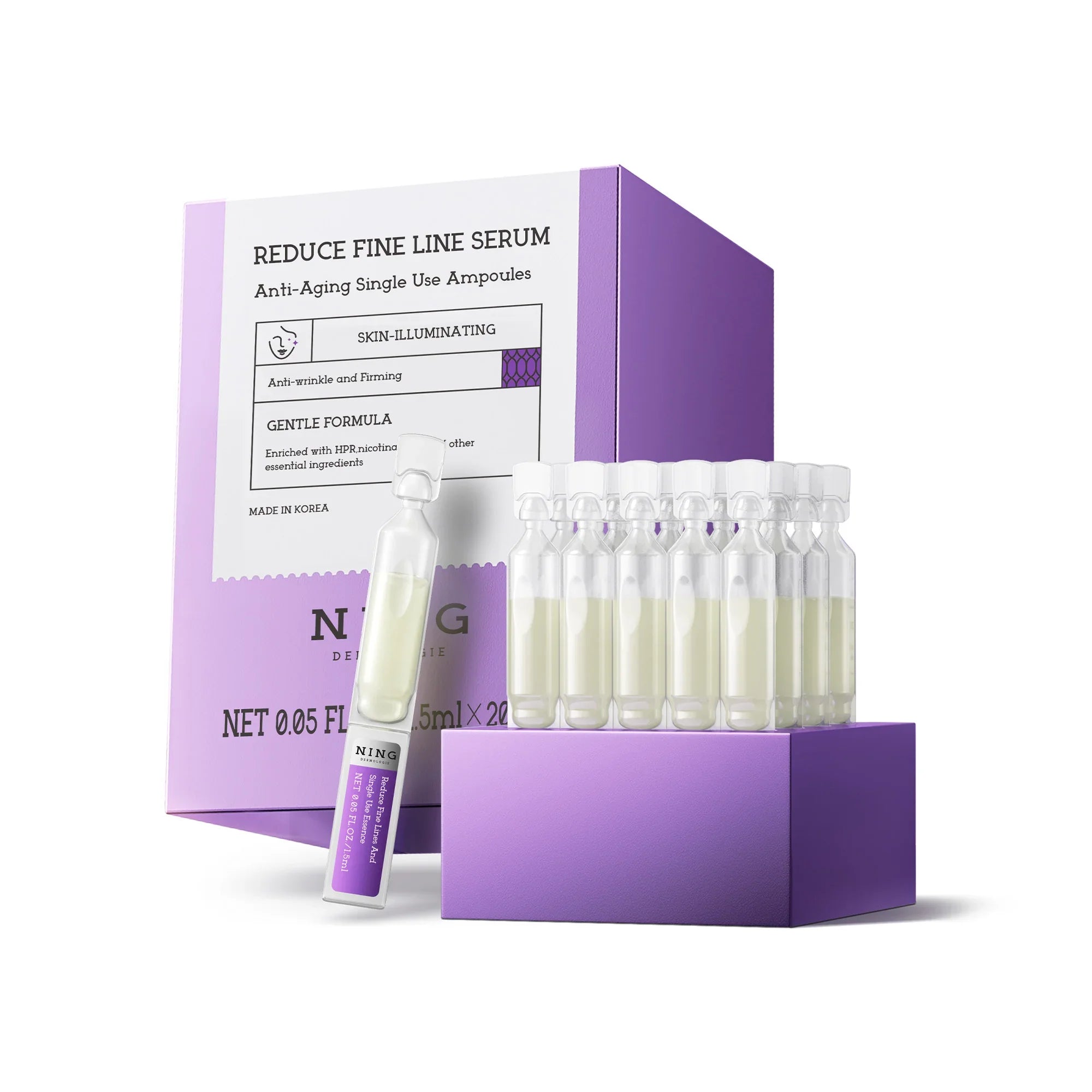
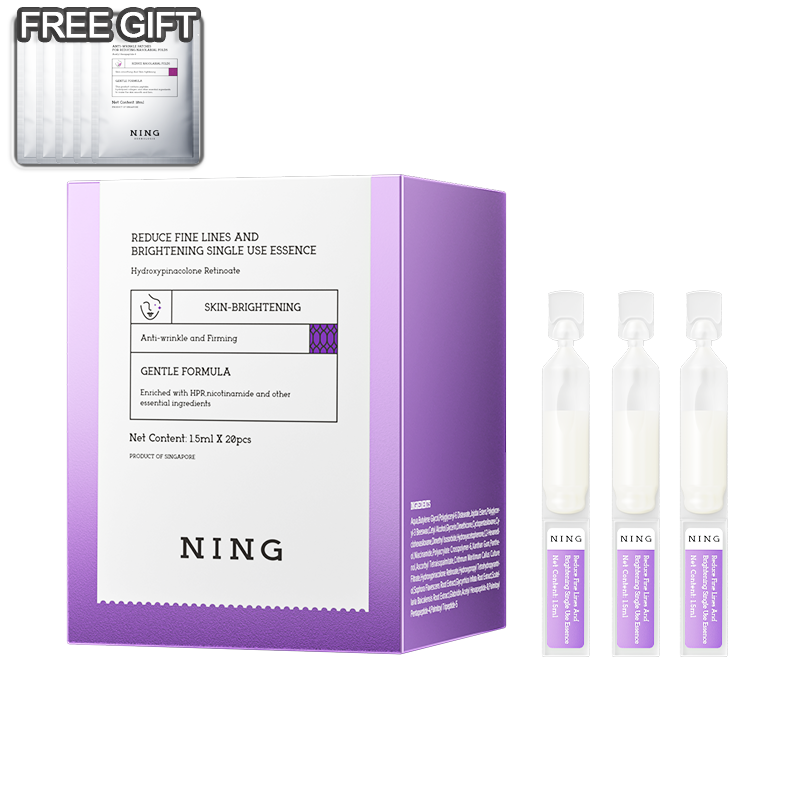
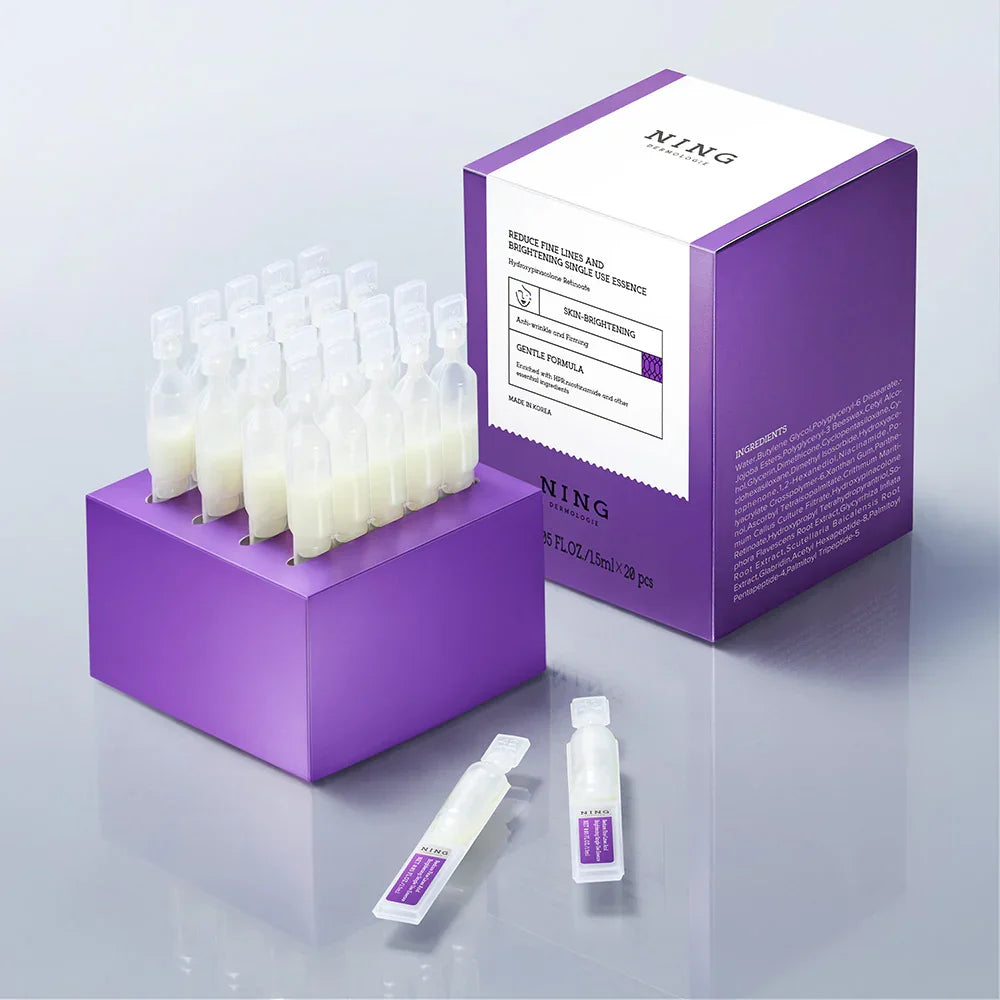
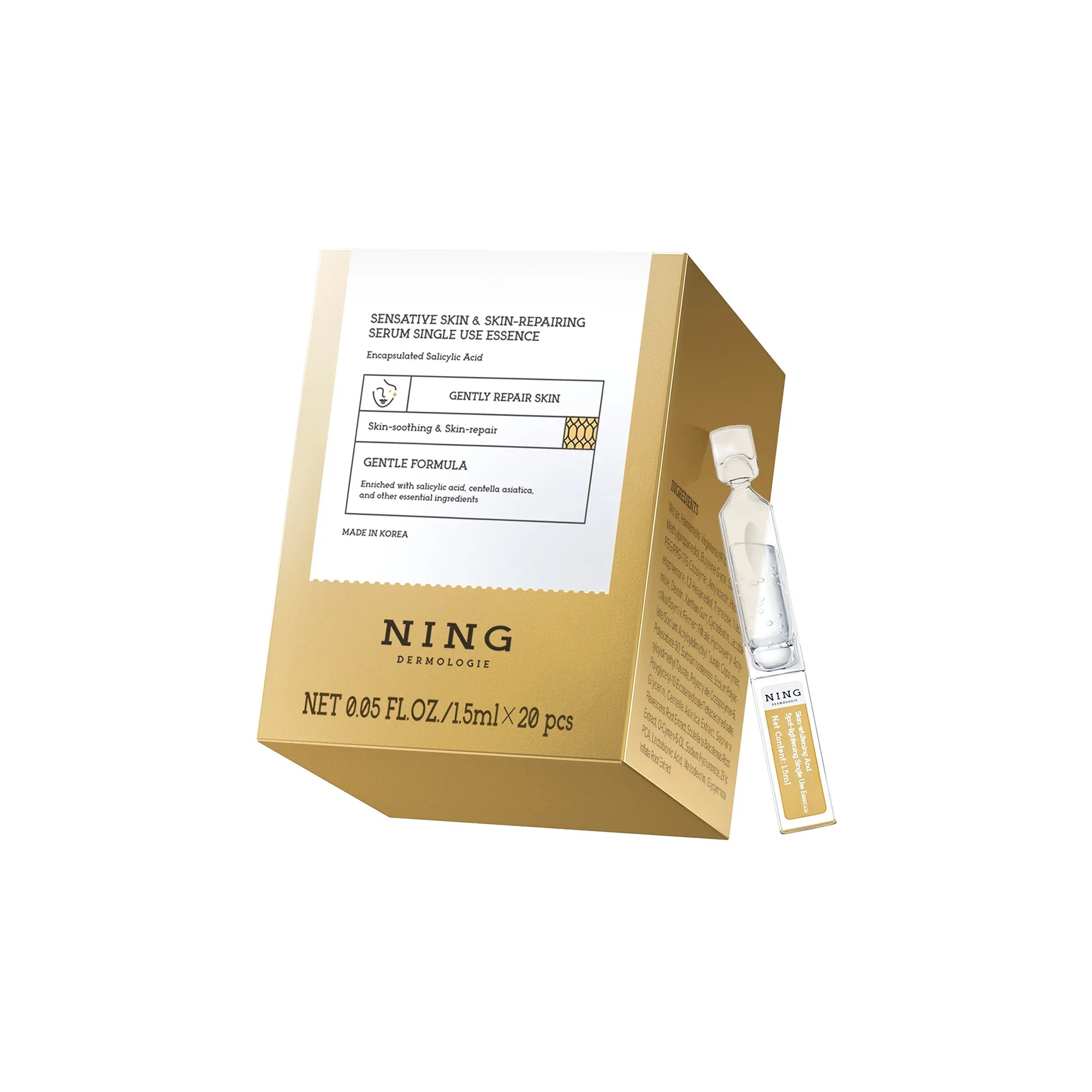
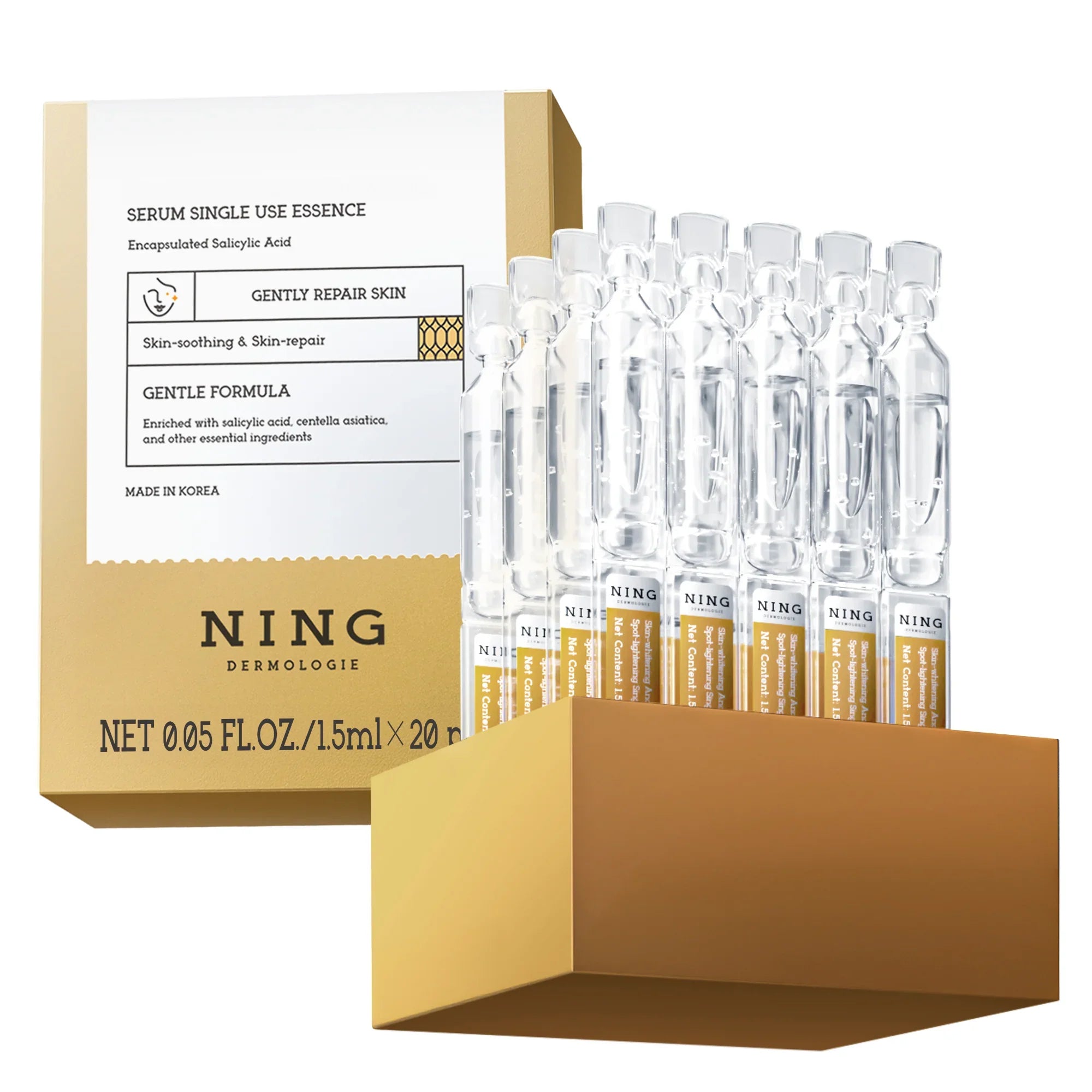
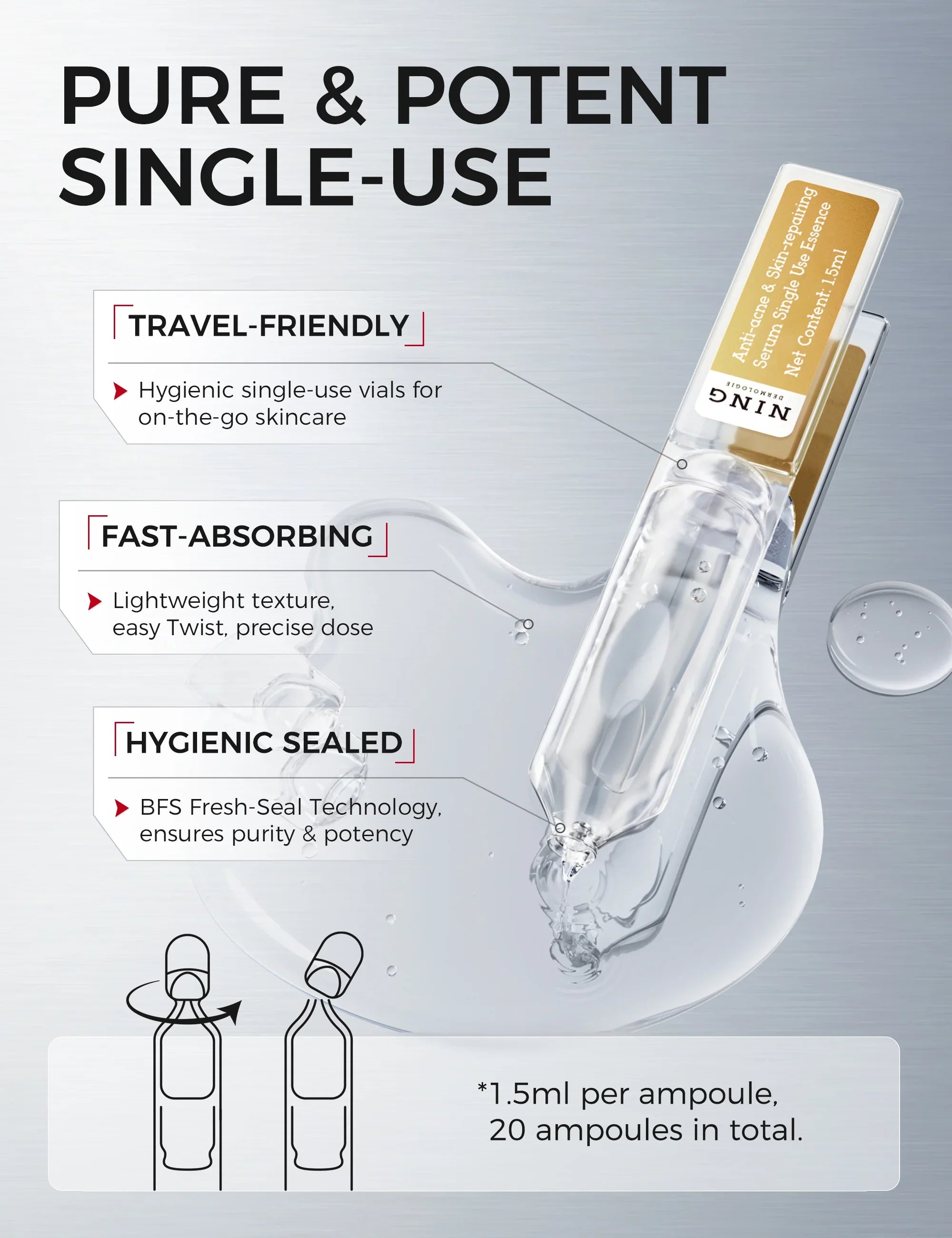
If layering 15 different bottles sounds exhausting, I highly recommend streamlining your routine. The brand NING Dermologie has totally nailed the balance between clinical efficacy and barrier support.
Instead of guessing which percentages mix well, you can just use the NING Dermologie Age-Defying Day & Night Duo. It takes the guesswork entirely out of your daily skin care. The daytime formula delivers stabilized Vitamin C to protect and brighten, while the nighttime formula uses a slow-release Retinol to smooth texture without the ugly peeling phase. It works beautifully for All Skin Types, it's strictly Cruelty free, and they even use recyclable materials for their packaging. It’s a brilliant, straightforward investment for your face.
Don't Forget the Eyes
The delicate eye area is usually the first place to show signs of aging because the skin is incredibly thin. You need specific Eye Care.
Do not put your strong face retinol right under your eyes—you will regret it. Instead, look for a dedicated Eye Brightening Crème. The K-Beauty world does this exceptionally well. If you browse a site like SOKO GLAM for the BEST OF K-BEAUTY, you'll see a massive trend toward using yuzu fruit (like in a Yuzu Vitamin C Bright Eye Cream). Yuzu has incredibly high natural Vitamin C content.
For fine lines, look for a SUPERSTAR EYE CREAM packed with an Active Vital Complex and plant-derived peptides. The best formulas lean heavily on a soothing botanical blend. Keep an eye out for ingredient lists featuring saccharomyces cerevisiae (yeast) extract (amazing for brightening), Opuntia Tuna Fruit Extract (prickly pear, huge for hydration), and glycyrrhiza glabra (licorice) root extract to target dark circles. Sometimes you'll even spot cypripedium pubescens extract to calm inflammation. This combination is the secret to waking up with truly bright eyes.
Mixing with Other Acids (Tread Lightly) ⚠️
Once you have your C and A routine down, you might be tempted to throw alpha hydroxy acids (AHAs) into the mix for extra exfoliation. As dermatologist Joshua Zeichner and Los Angeles facialist Kate Somerville frequently advise: proceed with caution.
Acids like glycolic acid or Lactic Acid (found in cult favorites like Good Genes Lactic Acid Treatment) are fantastic for surface-level brightening. A gentle toner like the Sweet Chef Bright Spot Tonic or a medical-grade boost like ZO Skin Health's Add Brightalive® can work wonders. But do NOT layer AHAs directly with Retinol in the same routine. You will fry your skin barrier. Alternate your nights: use Retinol on Monday, an exfoliating acid on Tuesday, and give your skin a rest with just a hydration serum on Wednesday.
Skincare on the Go ✈️
A quick note on travel: flying destroys your moisture barrier. When you are packing, make sure your routine is Brightening TSA Approved. Finding TSA Approved minis of your Vitamin C and Retinol means you don't have to break your routine just because you are in a hotel room. Consistency is the only way to get results.

Frequently Asked Questions (FAQ)
Can I mix Vitamin C and Retinol together?
Don't layer them at the same time. It’s a fast track to a damaged skin barrier. Use Vitamin C in the morning to protect against environmental damage, and save your Retinol for the night to stimulate cell turnover.
What if Retinol makes my skin peel?
Back off immediately. Drop your usage to just once or twice a week. Try the "sandwich method": apply a light moisturizer, then your retinol, then a heavier cream on top. Your skin just needs time to adjust.
Does Vitamin C actually go bad?
Yes, very quickly. If your serum turns brown, dark orange, or smells like hot dog water, throw it in the trash. It has oxidized and won't do anything for your skin. Keep it in the fridge to extend its life.
Can I skip sunscreen if my makeup has SPF?
Absolutely not. You would need to apply a ridiculous, cakey amount of foundation to actually get the labeled SPF protection. Always use a dedicated broad-spectrum sunscreen as your absolute last skincare step before applying makeup.
How long until I see real results?
Skincare isn't magic; it's biology. Give Vitamin C about 3 to 4 weeks to see a noticeably brighter tone. Retinol needs a solid 3 to 6 months to visibly smooth fine lines and boost collagen. Be patient and stick with it.





Share:
Brightening and Sunscreen System for Melasma-Prone Skin
Brightening and Sunscreen System for Melasma-Prone Skin