

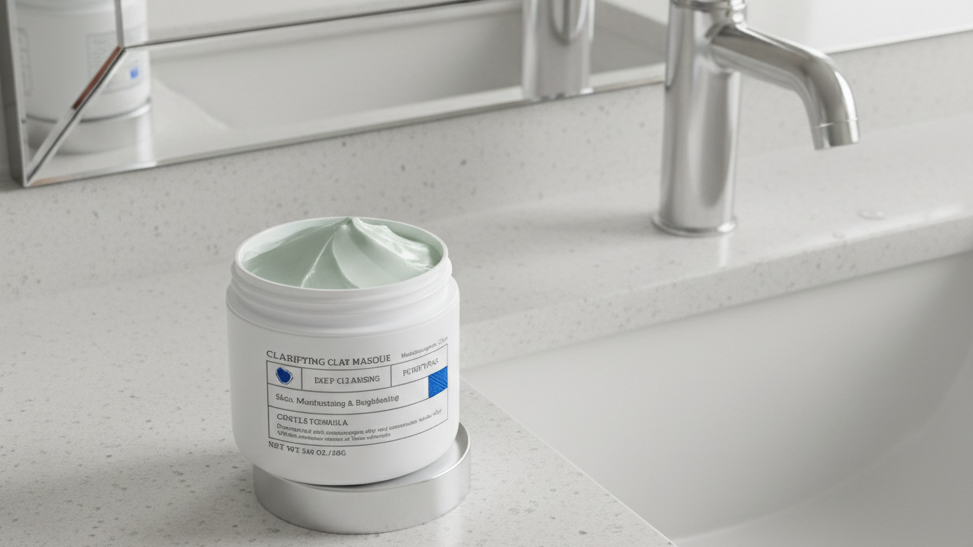

Clay Face Mask Wonders: Combining Nature's Best Elements
There is something deeply, primally satisfying about smearing mud on your face. We live in an era of high-tech lasers and synthetic molecules, yet we keep returning to the earth. Why? Because a well-formulated clay face mask does what a dozen serums cannot—it physically pulls the "junk" out. But not all dirt is created equal. If you’ve ever used a clay mask and felt like your face was cracking under a desert sun, you probably used the wrong clay.
At NING Dermologie, we’ve spent a lot of time obsessing over the geological "personality" of these earths. From the volcanic depths to the riverbeds of France, clay is nature's most patient filter. Whether you are battling a stubborn blackhead or just want that elusive glowing skin, understanding the different types of clay is the first step toward a routine that actually works.

The Science of the "Pull": How a Clay Face Mask Actually Works
Before we talk about brands or colors, we need to understand the physics. Clay powder is essentially a collection of tiny, mineral-rich particles that are incredibly thirsty. When you apply a facial mask made of wet clay, it sits on top of your skin. As it dries, it creates a capillary action.
Think of it like a vacuum. It doesn’t just sit there; it draws excess oil, debris, and dead skin cells from within the pore. This deep pore cleansing is what makes face masks so vital for acne-prone skin. However, the "pull" varies. Some clays, like bentonite clay, are aggressive. They have a high cation exchange capacity, meaning they act like magnets for toxins. Others, like white kaolin clay, are more like a gentle sponge, soaking up just enough oil without stripping your natural oils.
Decoding the Earth: Different Types of Clay Masks
Every skin type has a soulmate in the world of minerals. If you chose the best clay masks based solely on packaging, you might be doing more harm than good. Let’s break down the heavy hitters.
Bentonite Clay: The Heavyweight Champion for Oily Skin
Often referred to as Indian healing clay, bentonite is the powerhouse. Formed from volcanic ash, this clay expands when wet, creating a massive surface area to absorb excess oil. If you have oily skin that feels "congested" by midday, a bentonite clay mask is your go-to. It’s the ultimate detox mask, but it’s powerful. It works wonders on the T-zone, but use it with caution if you have dry patches.
French Green Clay (Illite): The Sebum Controller
French green clay is a staple in European spas for a reason. Its green hue comes from decomposed plant matter and iron oxides. It’s fantastic for deep pore cleansing because it stimulates blood flow while it clay draws out impurities. If you are dealing with a breakout-prone skin cycle, this purifying mask helps calm the storm by absorbing the oil that feeds acne bacteria.
White Kaolin Clay: The Gentle Giant
White kaolin is the mildest of them all. It doesn’t significantly increase blood flow, which means it won't leave your face bright red. It’s the best natural option for sensitive and mature skin. It gently exfoliate dead skin cells and leaves the skin feel soft rather than parched.
Rose Clay and Pink Clay: The Multi-Taskers
Rose clay is usually a blend of white kaolin clay and a bit of red iron oxide. Pink clay is a similar hybrid. These are the "Goldilocks" of the clay face world—not too strong, not too weak. They soothe the skin while providing a light natural exfoliating effect. For combination skin, these face masks are legendary.
Rhassoul Clay: The Mineral Wealth of Morocco
Mined in the Atlas Mountains, rhassoul clay is rich in silica and magnesium. Unlike other clays that can be quite drying, rhassoul has a silkier skin feel. It’s used as both a mask for face and a body mask because it improves skin texture and skin elasticity over time.
The NING Dermologie Philosophy: Respect the Barrier
Most people think a clay mask has to hurt or feel painfully tight to work. That’s a myth we want to bust. At NING Dermologie, we believe in "Balanced Purification." If you strip your natural oils entirely, your skin panics and produces more oil. It’s a vicious cycle.
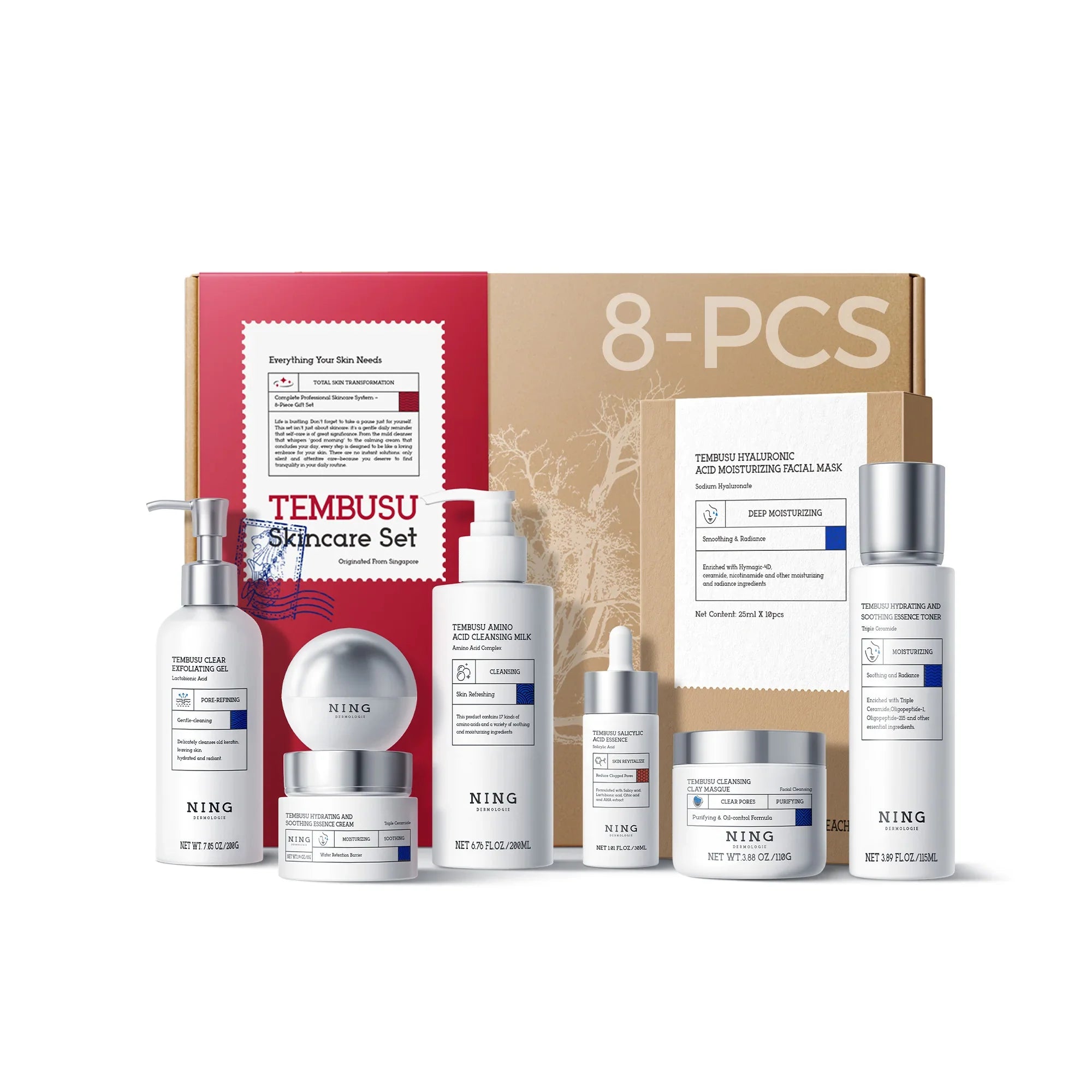
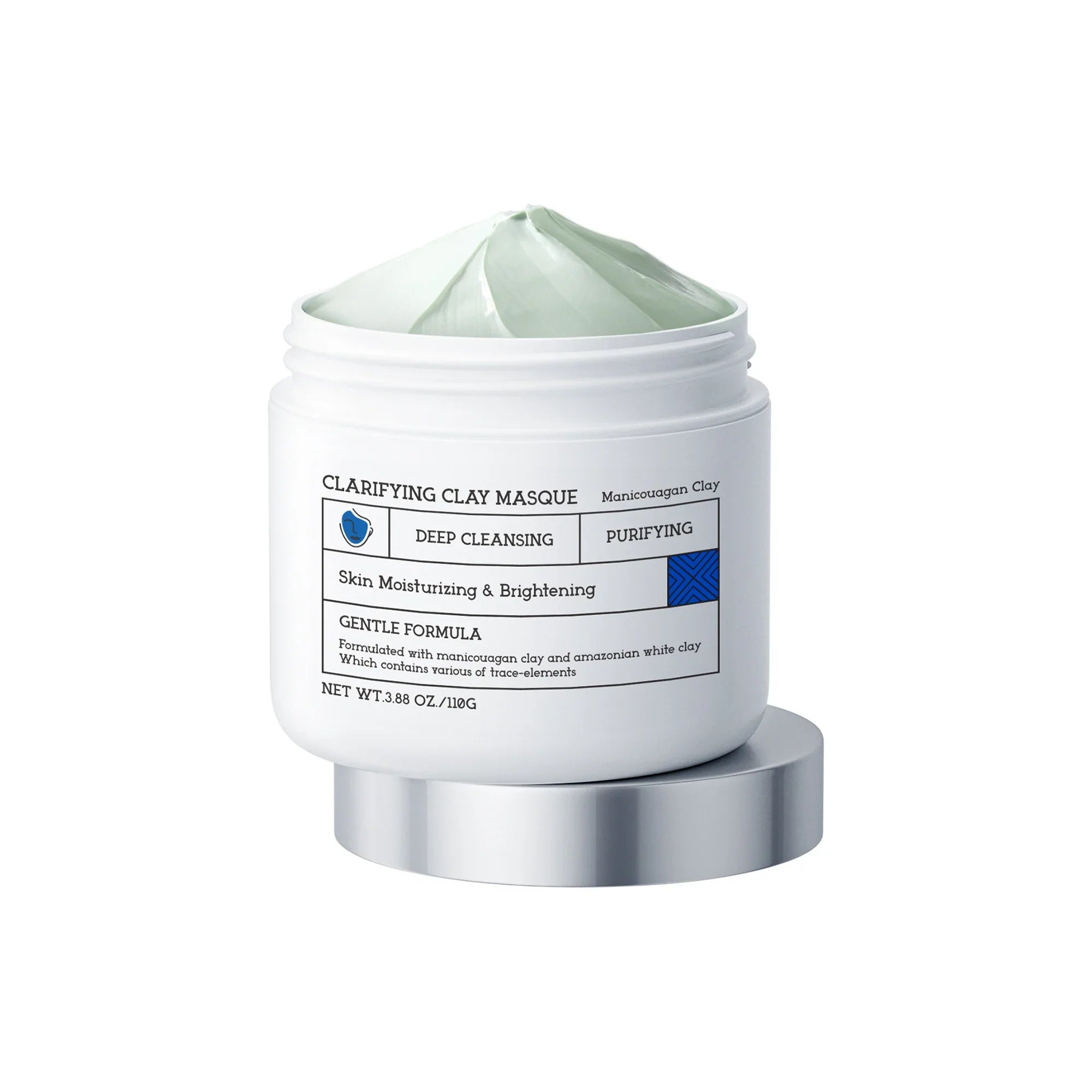
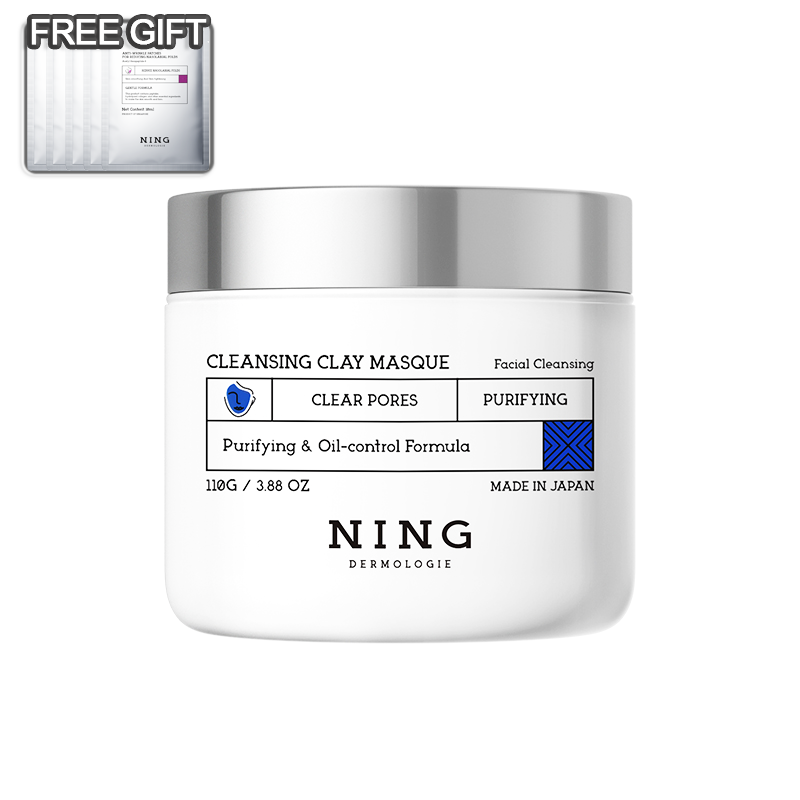
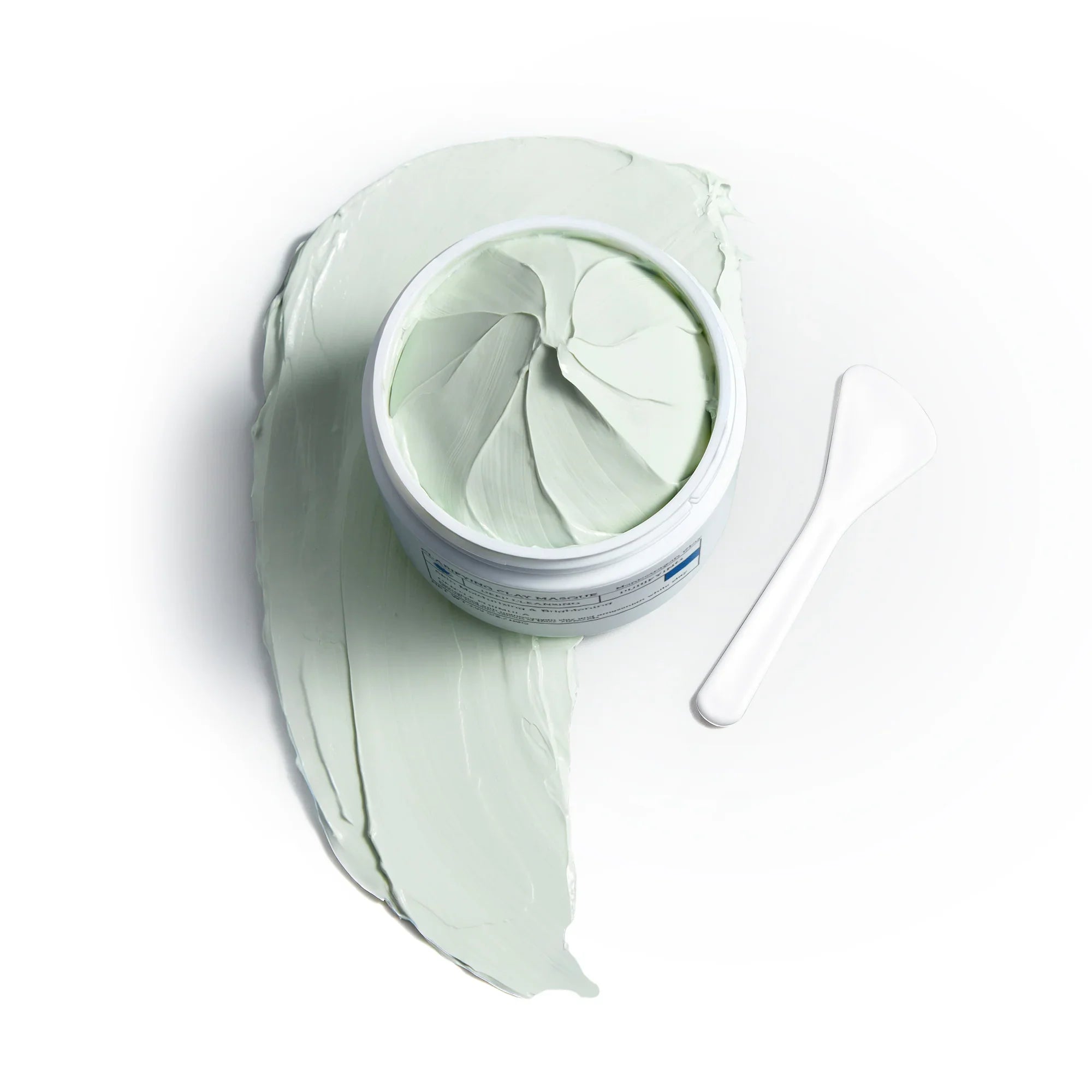
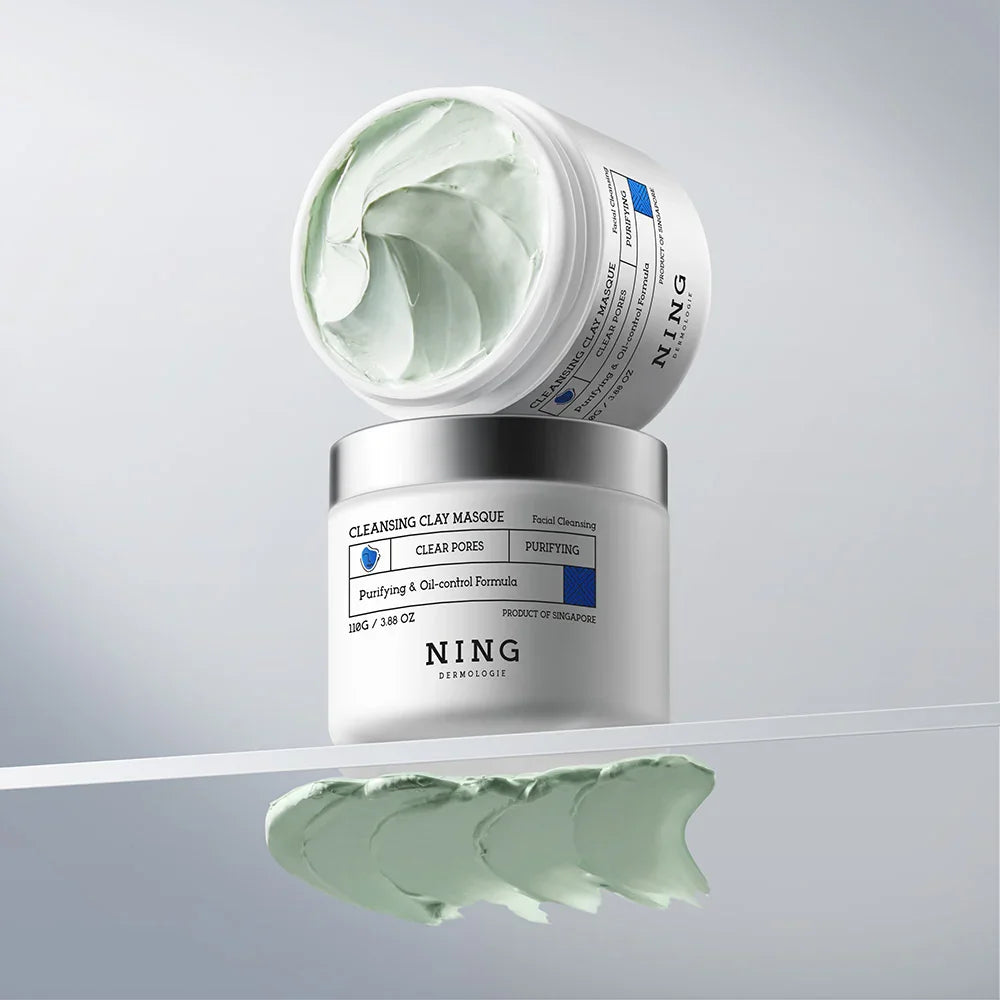
That is why we developed our Clay Mask for Face Sensitive Skin. We didn't want to just make another mud mask that leaves you flaking. We combined kaolin clay with hydrating elements to ensure that while we clear pores, we keep the skin hydrated. It’s specifically designed for dry or sensitive skin that still suffers from clogged pores—a common problem that many traditional clay products ignore.
Choosing the Right Match: A Guide by Skin Type
How do you choose the right clay mask? You have to listen to how your skin responds.
- Oily and Acne-Prone Skin: You need the "magnet" effect. Look for bentonite or volcanic ash. A purifying mask used twice a week will keep blackheads at bay.
- Sensitive Skin: Stick to white kaolin or rose clay. You want a mask for face that focuses on soothing the skin while it cleans.
- Mature Skin: You need minerals. Rhassoul clay or a mud mask enriched with natural ingredients like clay and hyaluronic acid will leave skin looking plump rather than sunken.
- Combination Skin: Multi-masking is your friend. Use a mask for oily skin on your nose and chin, and a rose clay on your cheeks.
8 Best Clay Masks to Transform Your Ritual
If you’re looking to build a collection, here are the archetypes of the 8 best clay masks currently dominating the skin care world:
-
The Purist's Choice: Indian Healing Clay (Bentonite). Pure, raw, and intense.
-
The Cult Classic: Skinceuticals Clarifying Clay. It uses a mix of five acids to away dead skin cells while the clay works.
-
The Luxury Refresh: Tatcha The Clarifying Clay Mask. This cleansing mask uses kucha clay and warming ginger to open the pore.
-
The Hydration Hero: NING Dermologie Clay Mask for Face Sensitive Skin. The go-to for clay masks specifically formulated to avoid the "desert crack" feel.
-
The Volcanic Power: Volcanic AHA Pore Clearing Clay. Great for natural exfoliating and those who want a skin looked brighter instantly.
-
The Ancient Remedy: Fresh Umbrian Clay. A high-mineral facial mask that has been used for centuries.
-
The Brightener: Pink Clay masks. Often infused with Vitamin C to improve skin tone.
-
The Deep Cleaner: Amazonian White Clay masks. Known for being sourced from the mouth of the Amazon River, perfect for deep pore cleansing.
Application Masterclass: How to Use a Clay Face Mask Properly
Most people apply their clay face treatment and then watch a 30-minute sitcom. Stop. You are likely over-drying your face. Here is the professional way to do it:
Step 1: The Prep
Don't just face wash and apply. Use a warm (not hot) towel to soothe the skin and slightly soften the clogged pores. This makes it easier for the clay to help pull debris from your skin.
Step 2: The Application
Apply an even layer. You don't need a half-inch of mud; a thin, opaque layer is enough. Using a clay brush helps keep things hygienic and ensures the clay powder is distributed evenly. Avoid the eyes and lips—there are no oil glands there to clean!
Step 3: The "Three Phases" Rule
There are three phases of a clay mask:
-
The Wet Phase: The skin drinks in the minerals.
-
The Cooling Phase: The clay starts to dry and the deep pore cleansing begins.
-
The Dry Phase: The mask turns light and starts to crack.
Pro Tip: You should rinse the mask off at the end of the cooling phase, while it still feels a bit tacky. If it’s crumbling off your face, it’s already started sucking moisture out of your healthy skin cells.
Step 4: The Removal
Don't scrub. Use a damp, warm cloth and hold it against your face to rehydrate the clay. Then, gently wipe. This ensures you away dead skin without scratching the top of your skin.

Post-Mask Aftercare: Sealing the Glow
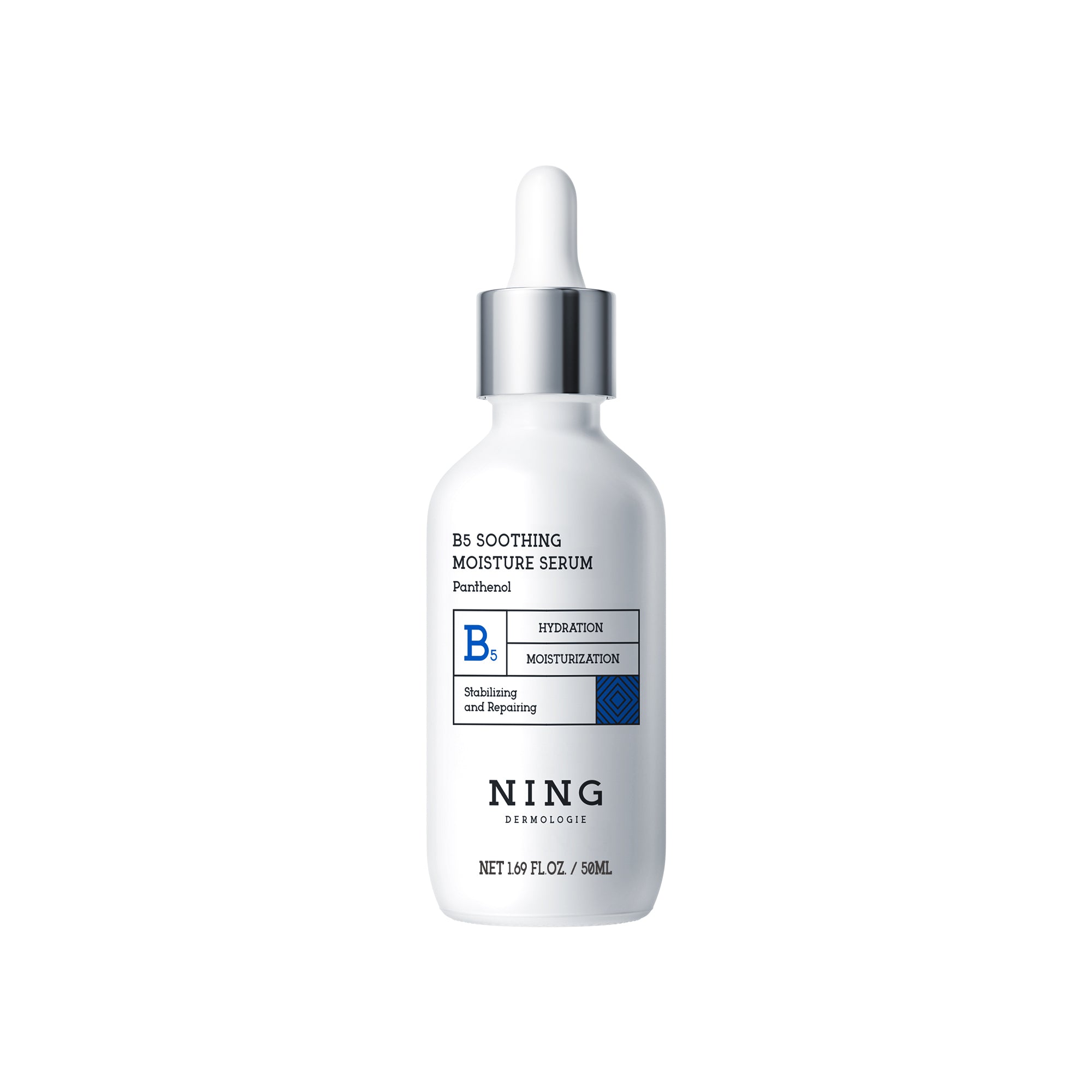
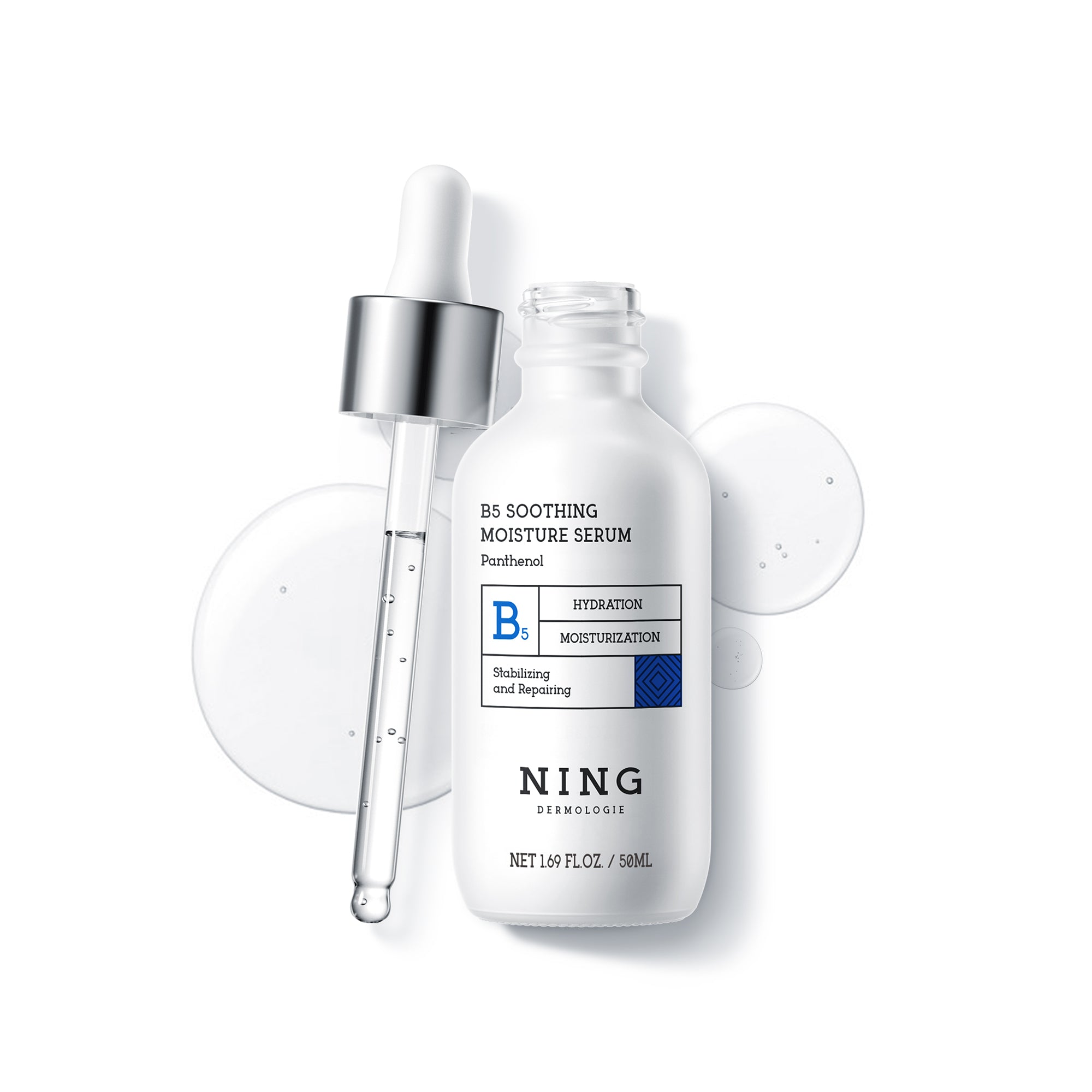
Your pore is now clean and open. This is the "golden hour" for your skin care. Using clay has prepped your canvas. Immediately apply a serum or a light moisturizer. If you have acne-prone skin, look for something with salicylic acid. If you’re going for glowing skin, go for hyaluronic acid.
Your skin will thank you for replacing the "bad" oils you just removed with "good" hydration. This is why clay masks help so much—they reset the balance.
The Verdict: Is a Clay Face Mask Right for You?
Whether you are a skin care minimalist or have a 10-step routine, clay has a place. It is one of the few natural ingredients that provides immediate visual results. Your pores look smaller, your skin tone looks more even, and that excess oil is gone.
If you’ve been afraid of clay because of past irritation, remember that the best clay mask is the one that respects your specific skin needs. Try a gentler approach with NING Dermologie and see how clearer skin doesn't have to come at the cost of comfort.
Frequently Asked Questions (FAQ)
1. How often should I actually use a clay mask?
It depends on your skin type. For oily and acne-prone skin, twice or three times a week is the sweet spot. If you have dry or sensitive skin, stick to once a week or even once every two weeks. Using clay too often can disrupt your moisture barrier, leading to redness. Always listen to your skin responds—if it feels tight or itchy, scale back.
2. Can a clay mask really help with my blackheads?
Yes, but don't expect a miracle in one use. Clay draws out the oxidized oil (the black part) and the clogged pores debris. Over time, consistent use of a deep pore cleansing mask will prevent new ones from forming. For the best results, look for a cleansing mask that contains bentonite or volcanic ash, as these have the strongest "pull" for stubborn congestion.
3. Why does my face turn red after using a clay mask?
A little redness is normal; it’s often just increased blood flow to the top of your skin. However, if it stays red for hours or stings, the clay powder might be too aggressive or you left it on too long. Switch to a white kaolin clay or a rose clay. Our NING Dermologie formula is designed to soothe the skin specifically to prevent this post-mask inflammation.
4. Should I wash my face before or after the mask?
Always face wash before. You want the clay works on your skin, not on your makeup or daily grime. Removing the "surface barrier" allows the clay to help reach deep into the pore. After you remove the mask, you don't need to wash with soap again—just rinse thoroughly with warm water and move straight to your serum and moisturizer.
5. Can I use a clay mask if I have dry skin?
Absolutely, just be picky. Avoid indian healing clay or pure bentonite, which are too intense. Opt for a mud mask or a pink clay that includes hydrating natural ingredients. The NING Dermologie Clay Mask is a great example of a mask for face that targets clogged pores while keeping dry or sensitive skin comfortable and balanced.





Share:
Trending Now: Why Everyone is Talking About Clay Masks in 2025
From Clogged to Clear: Clay Masks That Work Wonders on Pores