



Enhancing Your Beauty Routine with Clay Masks: Tips and Tricks
The skincare world is loud. Every week there’s a new "miracle" synthetic ingredient or a high-tech gadget promising to erase ten years of stress. But sometimes, the most effective solution isn't found in a laboratory—it’s pulled straight from the earth. We’re talking about clay.
Whether you’re dealing with a sudden breakout, a greasy T-zone that won't quit, or skin that just looks "blah," a high-quality clay face mask is a game-changer. But here’s the thing: most people use them wrong. They wait until the mask cracks like a desert floor, or they pick a type of clay that's way too aggressive for their skin type.
At NING Dermologie, we believe in balancing the raw power of nature with the precision of modern skincare. If you’ve ever felt like a face mask left your skin feeling parched instead of purified, this guide is for you. We’re going deep into how clay masks work, how to treat your skin without causing irritate reactions, and why using clay masks properly can transform your skin.

Understanding the Nature of Clay: Earth’s Own Filter
When we talk about the nature of clay, we’re discussing a material born from eons of geological shifts. It’s essentially volcanic ash or weathered rock that’s packed with minerals like magnesium, calcium, and silica. But the real magic lies in its "ionic charge."
Most of the impurity buildup on the surface of your skin—think heavy metals, environmental free radicals, and dead skin cells—carries a positive charge. Most clay particles carry a negative charge. When you apply clay masks, the clay acts like a tiny, mineral-rich magnet. It doesn't just sit there; it physically pulls sebum and toxins out of the pore.
This isn't just ancient beauty folklore. It’s a powerful skin care mechanism that has stood the test of time. From the banks of the Nile to the modern skincare labs at NING Dermologie, the goal remains the same: a deep detox that doesn't compromise skin health.
Exploring the Clay Menu: Which One Do You Need?
Not all clay is created equal. If you grab a jar of the strongest bentonite you can find and slather it on dry skin, you’re going to have a bad time.
1. Kaolin Clay: The Gentle Giant
Kaolin clay is the mildest of the bunch. If you have sensitive skin or suffer from dry patches, this is your best friend. It doesn't pull as aggressively as other clays, making it perfect to exfoliate the skin without causing a flare-up. It’s the star ingredient in many clay mask options for people who want a clearer skin look without the "burning" sensation.
2. French Green Clay: The Oil Sponge
Sourced primarily from France, french green clay gets its color from decomposed plant matter and iron oxides. It’s legendary for its ability to absorb oil and stimulate blood flow. If you have oily skin or combination skin, a french green clay treatment once or twice a week can significantly lead to breakouts prevention.
3. Rhassoul Clay: The Moroccan Treasure
Rhassoul clay is mined from the Atlas Mountains. It’s unique because it’s exceptionally rich in silica and magnesium. It has a higher silkiness to it, meaning it can remove dead skin while actually improving skin elasticity.
4. Bentonite Clay: The "Healing Clay"
Commonly known as the healing clay, bentonite clay is the heavyweight champion of the detox world. Formed from aged volcanic ash, it can swell up to several times its dry size when mixed with water. This expansion creates a massive surface area to absorb excess oil and trap impurity particles.
Why Bentonite Clay Deserves a Closer Look
If you’re using clay masks to target acne, you’ve likely encountered bentonite. It’s arguably the most powerful skin care tool for clogged pores.
When bentonite is hydrated, it undergoes a molecular shift that gives it a massive electrical charge. As the clay mask sits on your face and neck, it’s not just drying; it’s working. It helps to treat your skin by sucking out the deep-seated sebum that causes blackhead formation.
However, because it’s so potent, we at NING Dermologie always remind our community that "more isn't always better." If you leave the mask dries until it's uncomfortable, you’re pulling moisture out of the skin on your face, not just the bad stuff.
The Core Benefits of Clay: More Than Just a Deep Clean
Why should you bother using clay in an era of chemical peels and lasers? Because the benefits of clay are holistic.
-
Deep Pore Detox: Unlike a liquid cleanser that just washes the surface, a clay face mask gets into the "well" of the pore.
-
Exfoliation Without Scrubbing: Many people irritate their skin with harsh physical scrubs. A clay mask can help by dissolving the "glue" that holds dead skin cells together, allowing them to rinse away easily.
-
Brightening and Tone: By removing the gray layer of dead skin, you instantly reveal a more radiant skin look. It can even help fade the appearance of dark spots over time.
-
Blemish Control: Using a clay mask as a spot treatment can shrink a blemish overnight by drying out the infection and reducing redness.
How to Use a Clay Mask Without Damaging Your Barrier
If your skin feels tight, red, or itchy after a skincare routine involving clay, you’re likely doing one of three things wrong. Here are the easy steps to use a clay mask like a professional.
Step 1: Prep the Canvas
Wash your face with a mild, pH-balanced cleanser. Don't use a scrub beforehand—the clay will do the exfoliating for you. You want a clean surface of your skin so the clay comes into direct contact with the pores.
Step 2: The Application
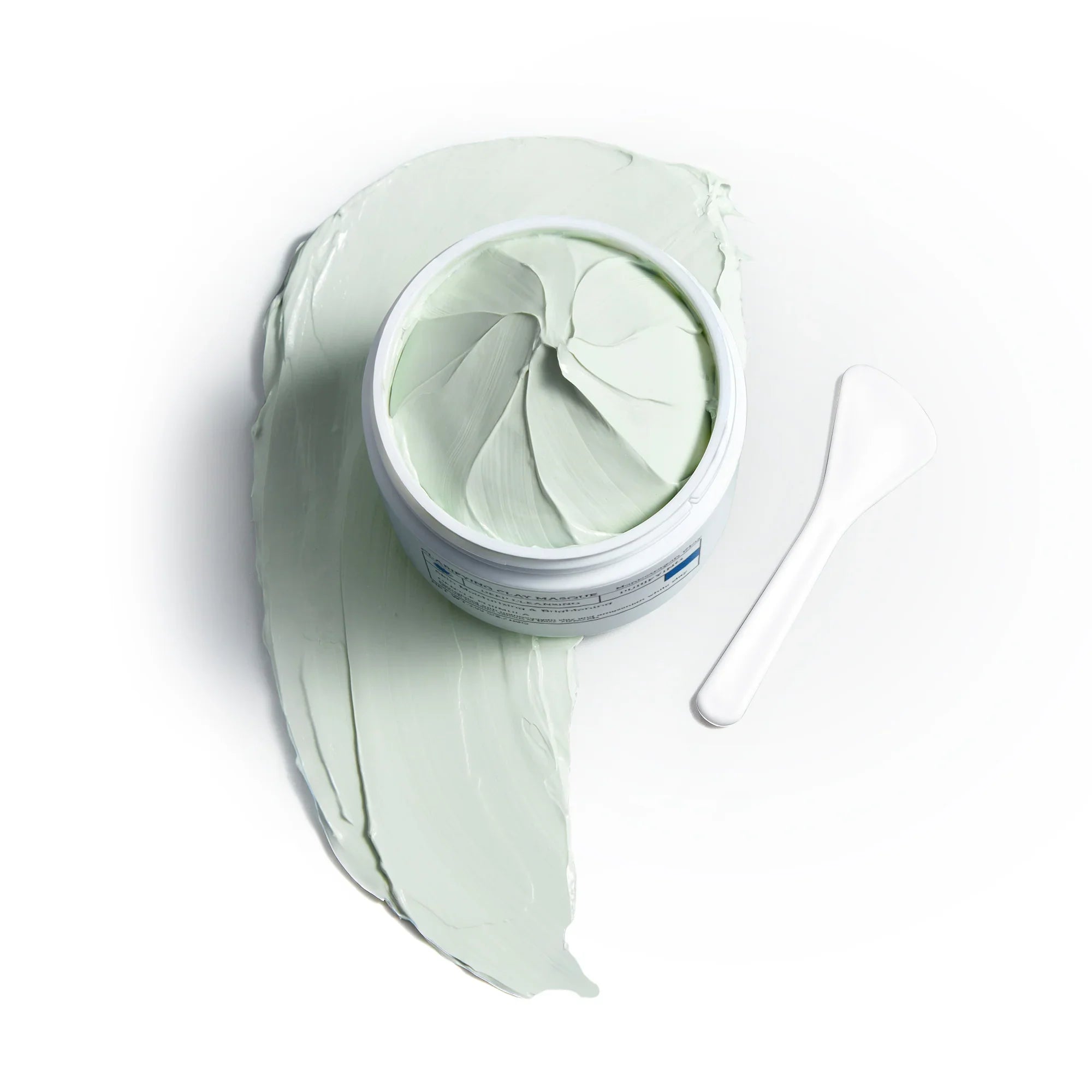
Apply clay masks using a brush or clean fingertips. Aim for an even layer—think "pancake batter" thickness. Avoiding the eye area and the lips is non-negotiable; the skin there is too thin for the nature of clay’s pull. Don't forget your face and neck; the jawline is a prime spot for clogged pores.
Step 3: The "Goldilocks" Timing
This is where everyone messes up. There are three stages of a clay mask:
-
The Wet Phase: The skin absorbs the minerals.
-
The Cooling Phase: The clay starts to dry and blood flow increases.
-
The Dry Phase: The mask pulls moisture from your skin.
Remove the mask during stage two—when it’s still slightly tacky to the touch. If you wait until it cracks when you smile, you’ve gone too far.
Step 4: The Rinse
Don't scrub. Use warm water and a soft cloth to remove the clay gently. Use a gently massage motion to help the clay powder lift away. Rinse until no residue remains.
Step 5: Immediate Hydration
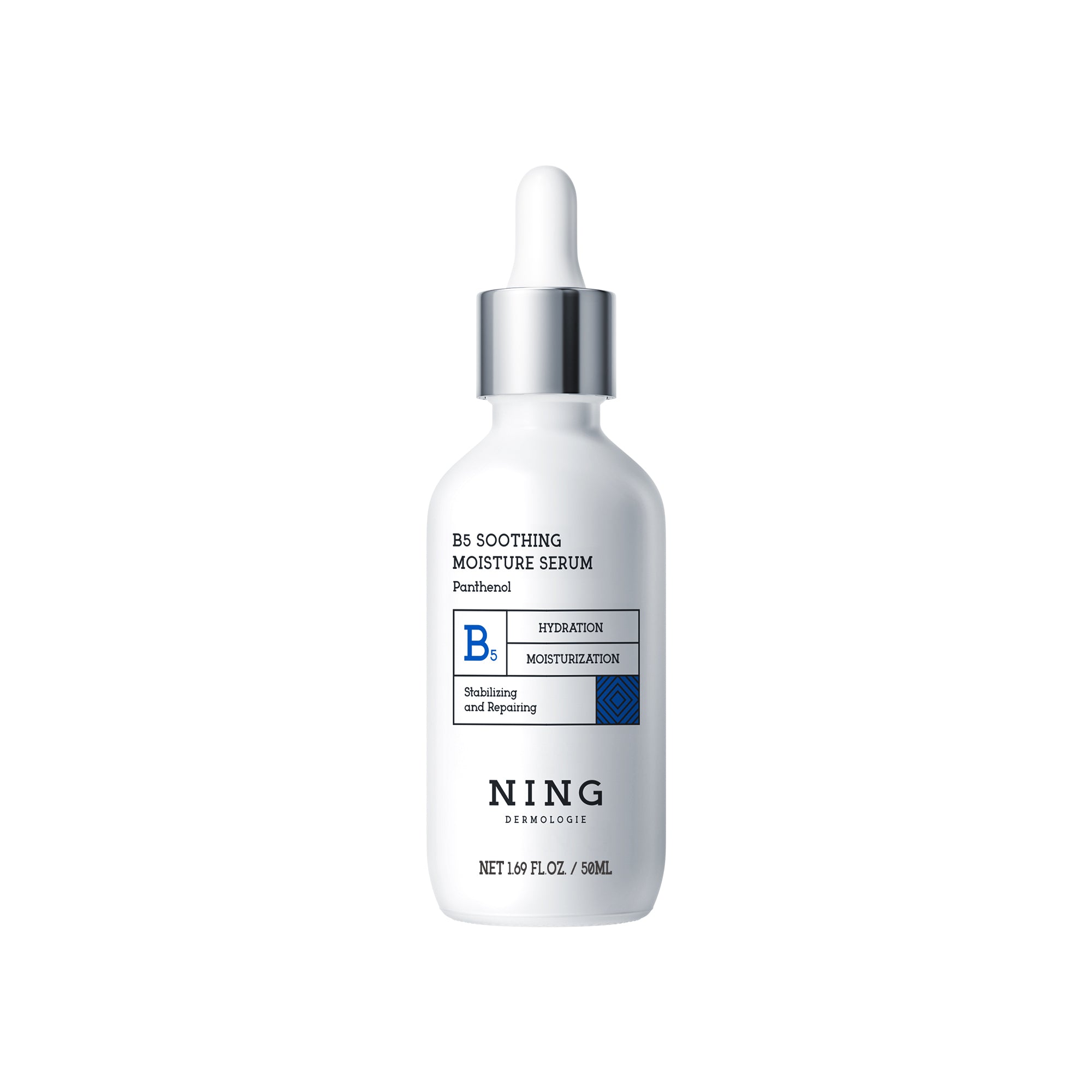
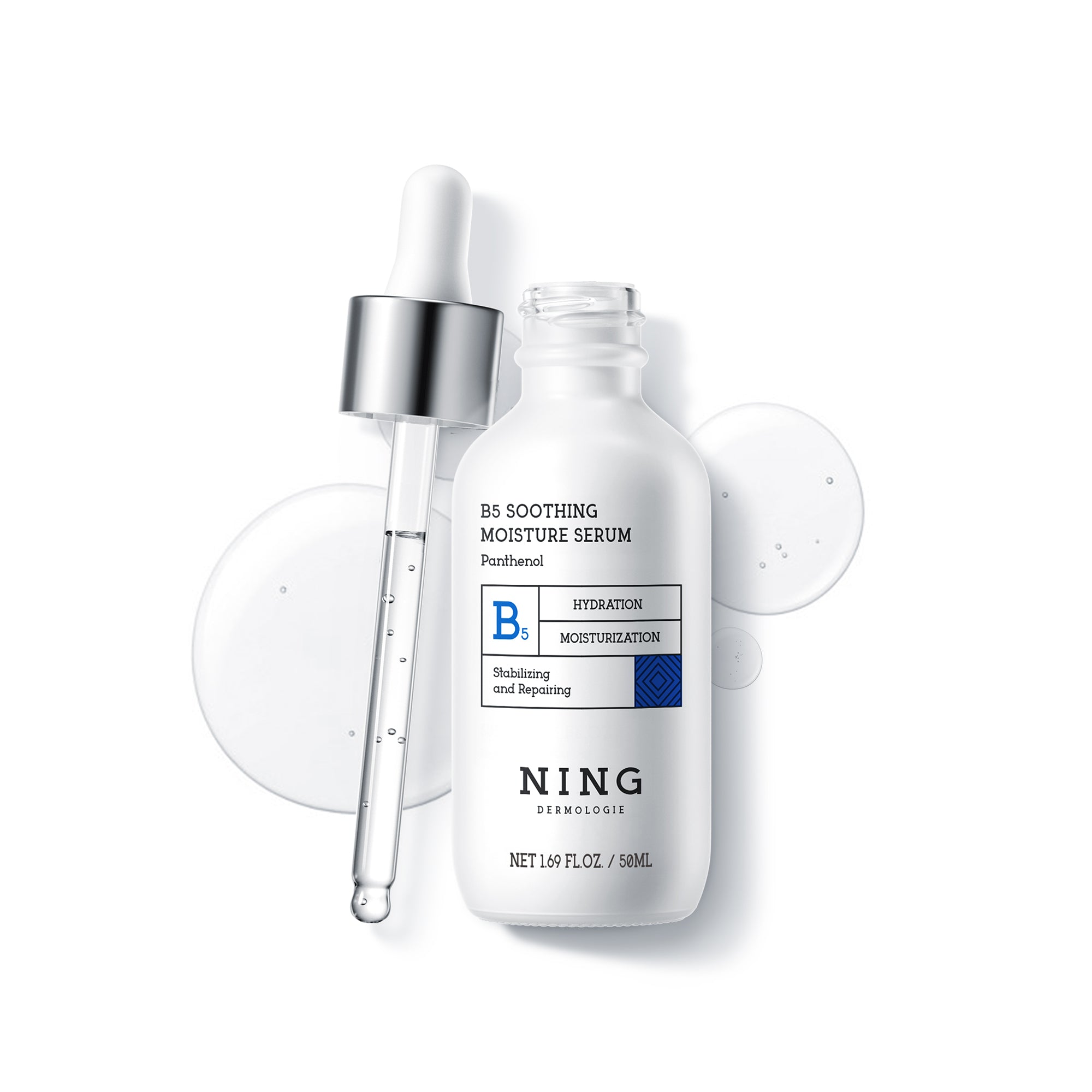
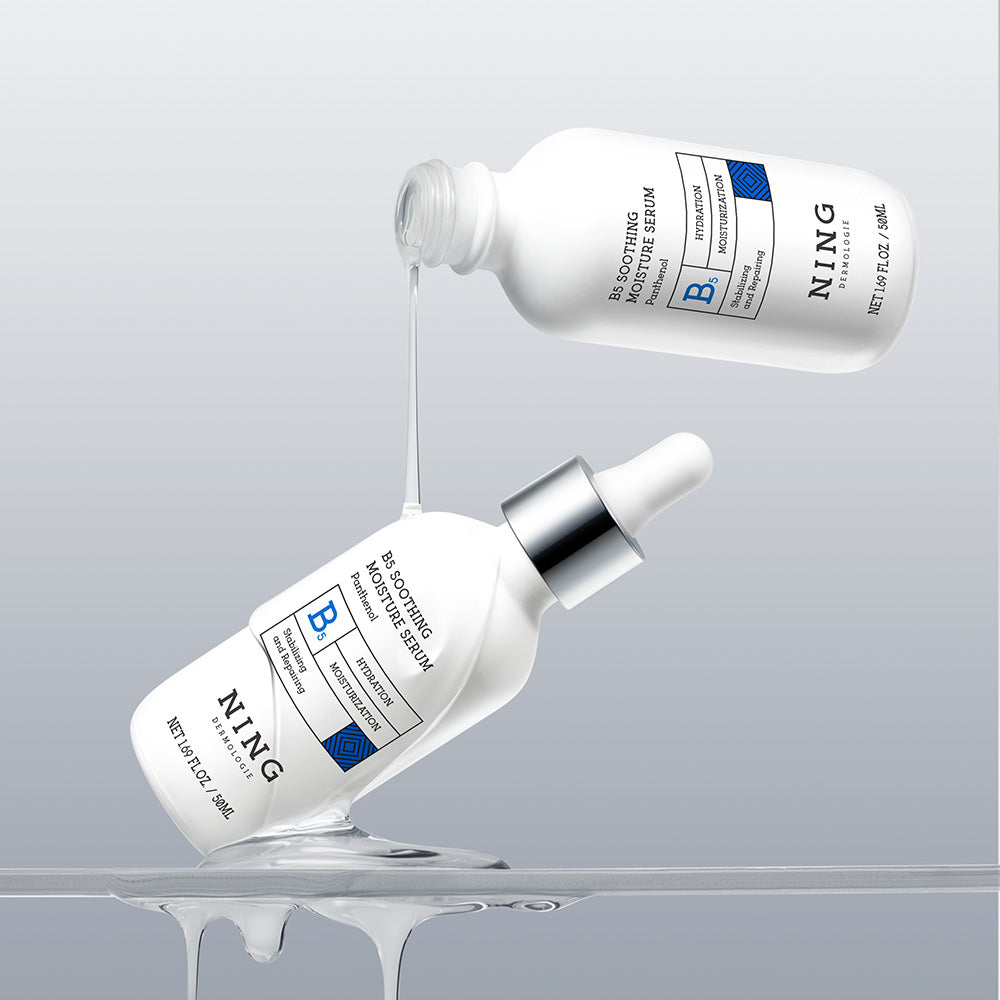
After you remove the mask, the ph of your skin needs to be stabilized. Immediately apply a serum or a high-quality moisturizer. This clay mask ensures that you get the detox without the dehydration.
NING Dermologie: Solving the Sensitive Skin Dilemma
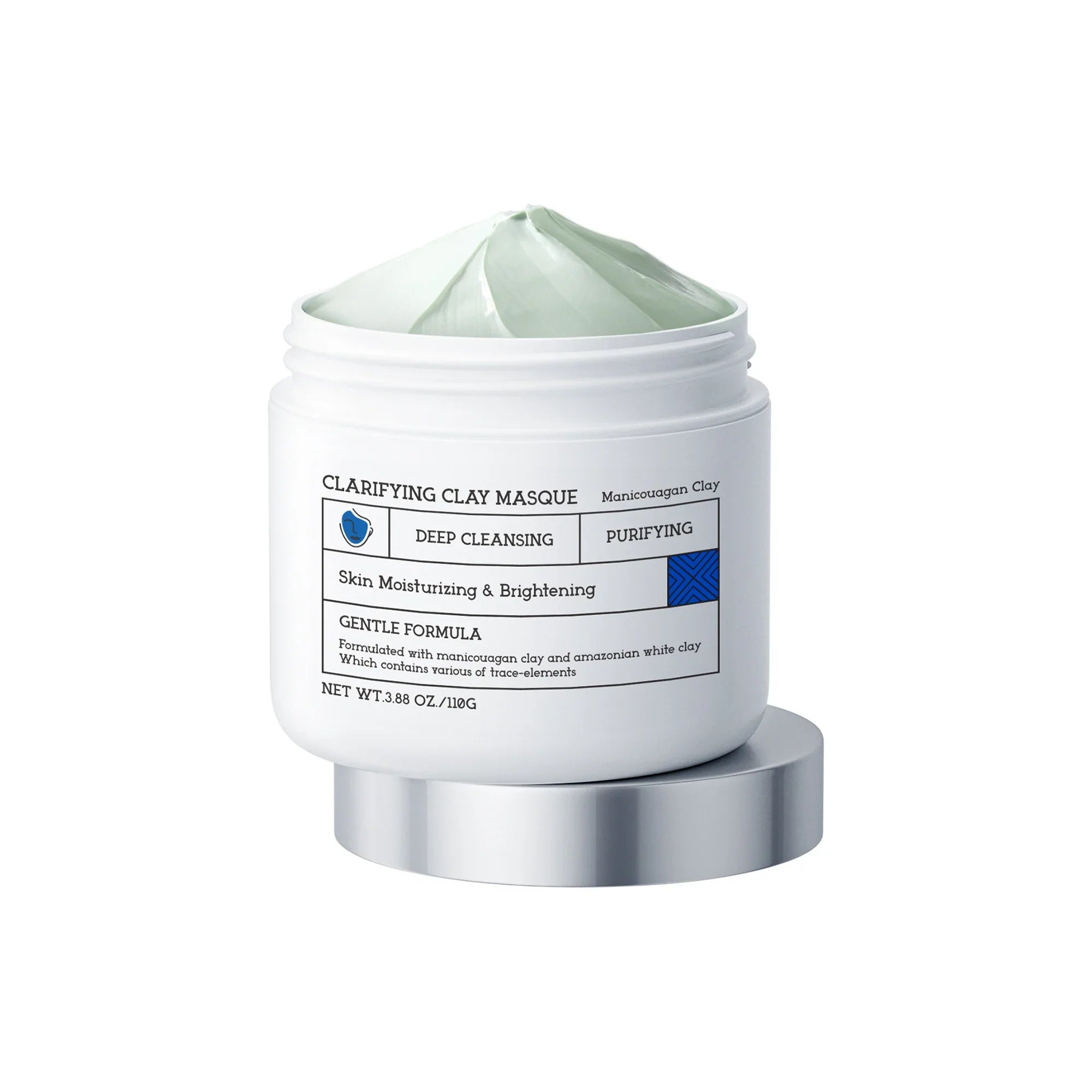
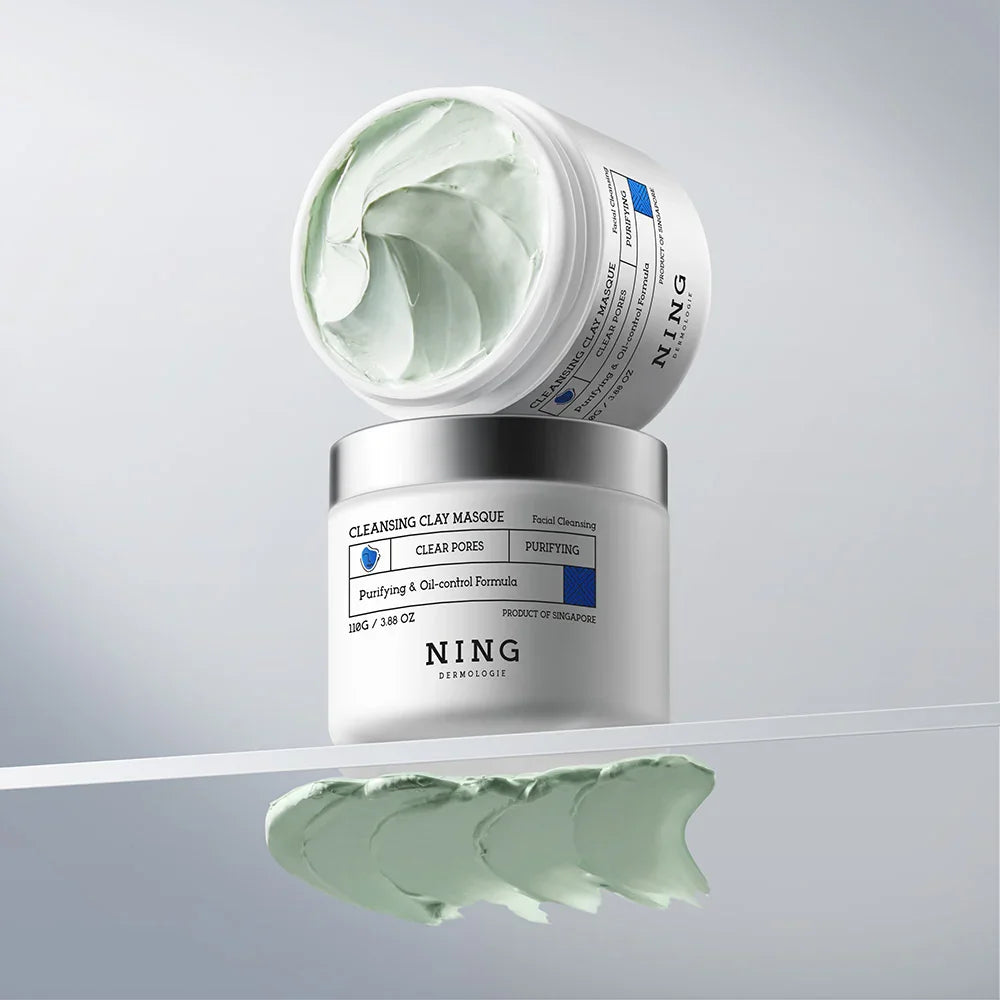
Many people with sensitive skin avoid clay entirely because they’ve been burned (literally) by cheap, high-pH skincare products. At NING Dermologie, we saw this gap and created the Clay Mask for Face Sensitive Skin.
Our formula doesn't rely on raw, industrial-grade bentonite. Instead, we blend refined kaolin with botanical extracts that soothe the skin while the clay works its magic. It’s about getting that "poreless" look without the inflammatory "after-party." By using this mask, you can treat your skin to a professional-grade detox that respects your skin’s natural barrier.
DIY Tips and Tricks: Customizing Your Routine
If you’re using a raw clay powder, you have the power to customize.
- For Acne-Prone Skin: Instead of water, mix your bentonite with apple cider vinegar. The vinegar helps balance the high pH of the bentonite, creating a smooth paste that is much more effective at killing bacteria.
- For Extra Skin Benefits: Add a drop of tea tree oil for its antibacterial properties, or rosewater if you want to soothe the skin.
- The Multi-Masking Trick: You don't have to put the same mask on your whole face. Use a bentonite clay on your oily nose and forehead, and our NING Dermologie Clay Mask for Face Sensitive Skin on your delicate cheeks.

Common Mistakes: What NOT to Do
-
Overusing the Mask: Using clay masks every day is a recipe for disaster. Stick to 1-2 times per week.
-
Using Metal Spoons: When mixing bentonite, never use metal. Metal can react with the clay and neutralize its ionic charge. Use wood, glass, or plastic.
-
Ignoring Aftercare: A clay mask is an "extraction" step. You must follow it with an "infusion" step—like a hydrating serum.
Final Thoughts: Finding Your Flow
A skincare routine should be a ritual, not a chore. Clay masks are powerful because they force you to slow down for fifteen minutes. Whether you’re using it as a spot treatment for a nagging blemish or as a weekly skincare reset, clay is one of the few ingredients that offers instant gratification.
Your skin is constantly defending itself against the world. Give it a break. Let the nature of clay lift the weight of the day, and let NING Dermologie help you keep it clearer skin, balanced, and healthy.
Frequently Asked Questions (FAQ)
1. How long should I really leave a clay mask on?
Most people wait far too long. You should aim for about 8 to 12 minutes. The "sweet spot" is when the mask feels firm and looks lighter in color but still feels a bit sticky when you press a finger against it. If it’s crumbling off your face into the sink, it’s already started stealing essential moisture from your deeper skin layers.
2. Can I use a clay mask if I have very dry skin?
Absolutely, but skip the heavy-duty stuff. Pure bentonite is often too aggressive for dry skin. Stick to white kaolin or a balanced mix like the NING Dermologie Clay Mask for Face Sensitive Skin. A smart move is "targeted masking"—only put the clay on your oily T-zone. There’s no rule saying you have to coat your entire face if your cheeks are already parched.
3. Why does my skin get red after I rinse off the clay?
Don't stress—a bit of pinkness is usually just a "clay hickey." It happens because the mask pulls blood to the surface to help with healing. It should vanish in 20 minutes. But if your skin feels like it’s stinging, itching, or looks "angry" red, that’s a sign the mask was too aggressive or stayed on too long. If that happens, wash it off and douse your skin in a calm moisturizer.
4. Is it better to mix clay powder with water or apple cider vinegar?
For bentonite, apple cider vinegar is often better. Raw bentonite has a very high (alkaline) pH, which can disrupt your skin’s natural acid mantle. The acidity of the vinegar neutralizes the clay, making the final smooth paste much closer to the ph of your skin. For gentler clays like kaolin, plain filtered water or a floral rosewater is usually perfectly sufficient.
5. Can clay masks actually help with cystic acne?
While a clay mask is excellent for surface blemish issues and blackhead removal, it can’t "cure" deep, hormonal cystic acne on its own. However, it can significantly reduce the surrounding inflammation and help draw out the excess sebum that makes cysts more painful. Use it as a supportive spot treatment alongside your dermatologist-prescribed treatments to keep the skin's surface clear of bacteria.





Share:
Volcanic Clay Magic: Unmask the Secrets to Clearer Skin
The Best Clay Masks for Pores: Smooth, Refine, and Revitalize Skin