

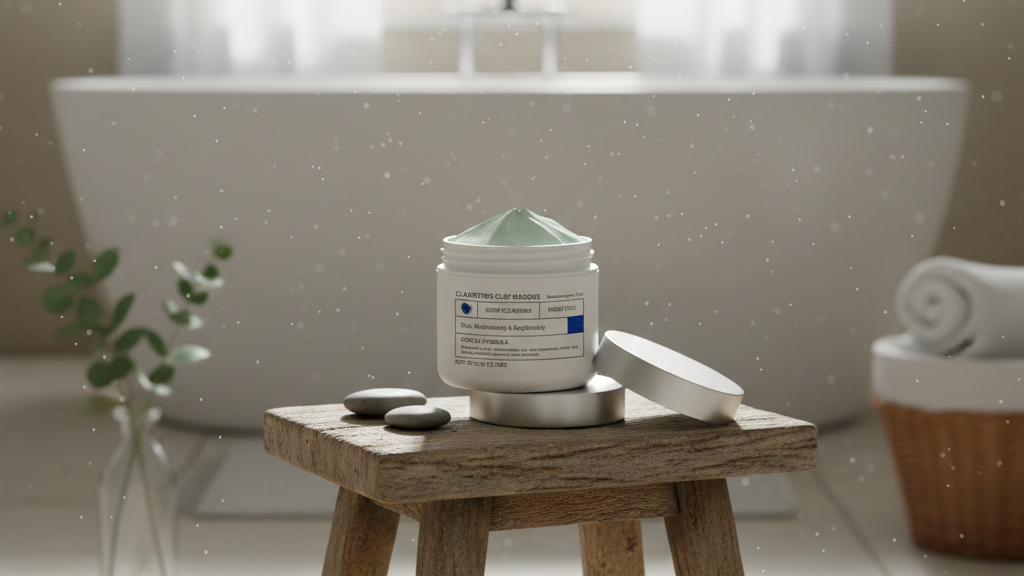

Harnessing the Power of Clay: Skincare Benefits Unveiled
If you’ve spent any time on social media, you’ve seen the satisfying time-lapse videos of clay face masks drying down, supposedly "sucking the toxins" out of every pore. But let’s be real: most of that is marketing theater. If you use the wrong clay, you aren’t "unveiling radiant skin"—you’re just dehydrating your face until it feels like cracked parchment.
At NING Dermologie, we’ve spent years looking at the molecular behavior of different earth minerals. We don't believe in a one-size-fits-all approach to skincare. Whether you are dealing with oily or acne-prone skin or you’re desperately searching for a clay mask for face sensitive skin, the science matters more than the aesthetic.
Let’s break down what clay actually does to your skin cell structure and how to harness the power of natural minerals without ruining your skin barrier.

The Raw Science: What is Skincare Clay, Really?
Forget the "ancient beauty ritual" fluff for a second. At its core, clay is a mineral-rich substance derived from volcanic ash, weathered rocks, or sediment. What makes it a powerhouse in a skincare routine isn't just that it’s "natural"—it’s the ionic charge.
Most impurities in your skin (excess sebum, heavy metals, pollutants) carry a positive charge. Most clays, like bentonite clay or french green clay, carry a strong negative charge. When you apply a clay face mask, it acts like a literal magnet. This is what we mean when we say clay draws out toxins from the skin. It’s an electrochemical process of adsorption (where particles stick to the outside of the clay) and absorption (where the clay soaks up fluid like a sponge).
Not All Dirt is Created Equal
The skincare benefits you get depend entirely on the type of clay you choose. You can't just slap indian healing clay mask on dry skin and expect a glow; you'll likely end up with irritated or inflamed skin.
French Green Clay: The Oil-Control Specialist
If your forehead is a literal oil slick by 2:00 PM, french green clay (also known as illite) is your best friend. Sourced primarily from European quarries, this green clay is packed with decomposed plant matter and iron oxides, which give it that distinct color.
Why Green Clay Face Masks Work
French green clay is favored for its ability to balance excess oil and revitalize the skin. It has a high "exchange capacity," meaning it’s incredibly efficient at swapping its healthy minerals for the gunk in your pore.
- Clay absorbs sebum instantly.
- It sloughs away dead skin cells that lead to congestion.
- The properties of french green clay help stimulate blood flow, which is why your face might look slightly pink after rinsing—that’s skin cell regeneration in action.
However, a word of warning: green clay is aggressive. If you have sensitive skin, using a pure green clay face treatment might be too much. That’s why at NING Dermologie, we balance these high-activity minerals with soothing agents to ensure you get the radiant results without the burn.
Rhassoul Clay: The Moroccan Complexion Refiner
Deep in the Atlas Mountains of Morocco, you’ll find rhassoul clay (or Ghassoul). This is the "luxury" option for those who want a better complexion without the harshness of bentonite.
Rhassoul clay is unique because it is exceptionally high in silica and magnesium. Unlike other skincare products, moroccan clay is known for its "silky" texture.
- Clay acts as a natural cleanser that doesn't strip the skin without causing massive disruption to the acid mantle.
- It is particularly good at addressing various skin concerns like blackheads and skin elasticity.
- Because it’s so mineral-rich, it actually nourishes the skin while it cleanses.
If you’re looking to even out skin tone, rhassoul clay works to slough away dead skin cells more gently than a physical scrub. It’s the middle ground—stronger than kaolin, but kinder than bentonite.
The "Aztec Secret" and the Bentonite Debate
We have to talk about aztec secret indian healing clay. It’s a cult favorite for a reason—it’s cheap and powerful. This is bentonite clay in its rawest form. When you mix this clay with water, it creates a high-pH paste that can pulse on your skin.
Benefits of aztec secret indian healing clay include massive detoxification. It’s arguably the strongest tool to draw out impurities. But here is the "insider" truth: it is often too alkaline for the human face. If you don't mix it with apple cider vinegar to lower the pH, you risk damaging your overall skin health.
For a more controlled experience, NING Dermologie suggests using formulated skincare that contains bentonite but is pH-balanced to protect your skin health. You want the transformative power of the clay, not a chemical burn.
Managing Sensitive Skin: The NING Dermologie Approach
The biggest myth in skincare is that people with sensitive skin should avoid clay. That’s simply not true. You just need a clay mask that understands the difference between "cleaning" and "stripping."
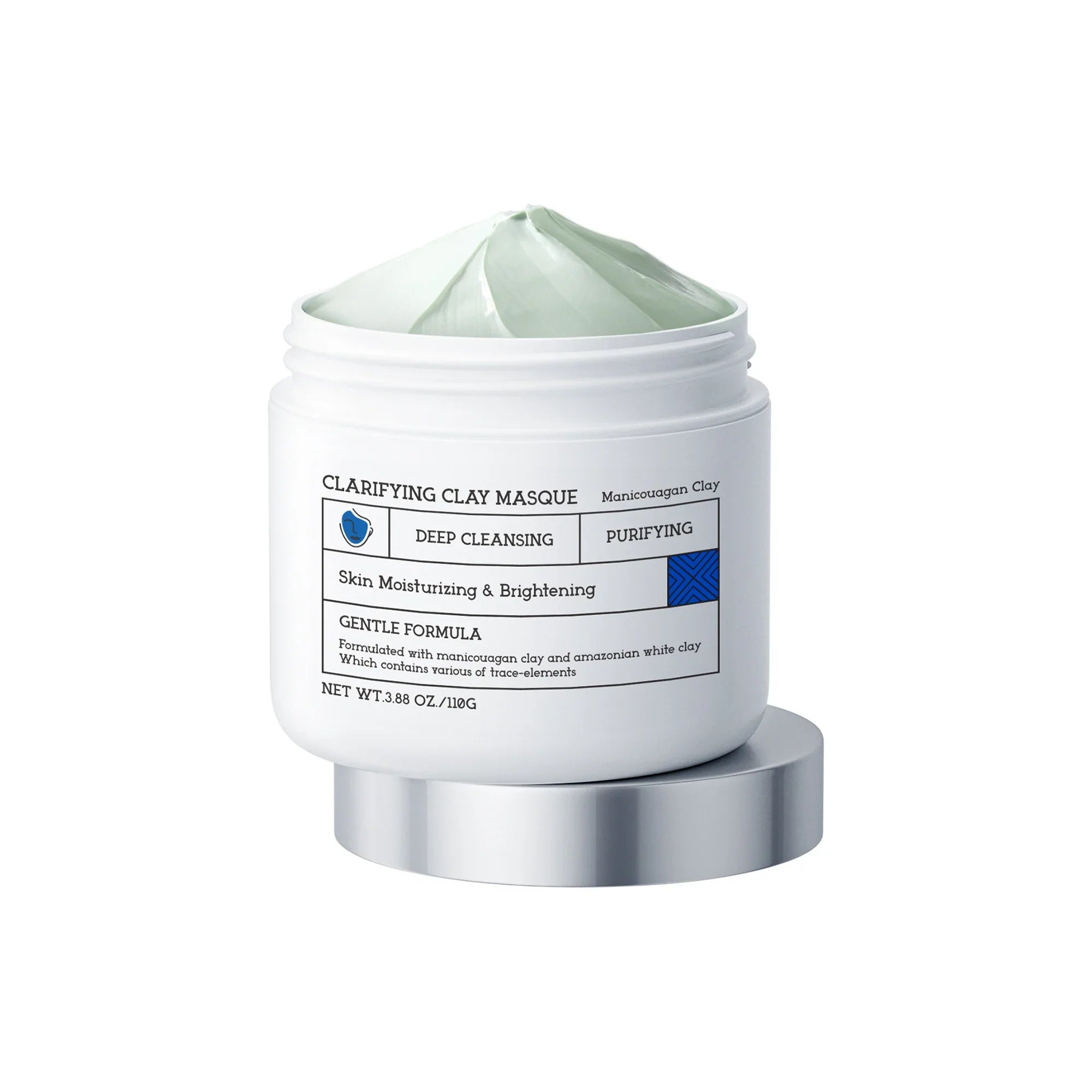
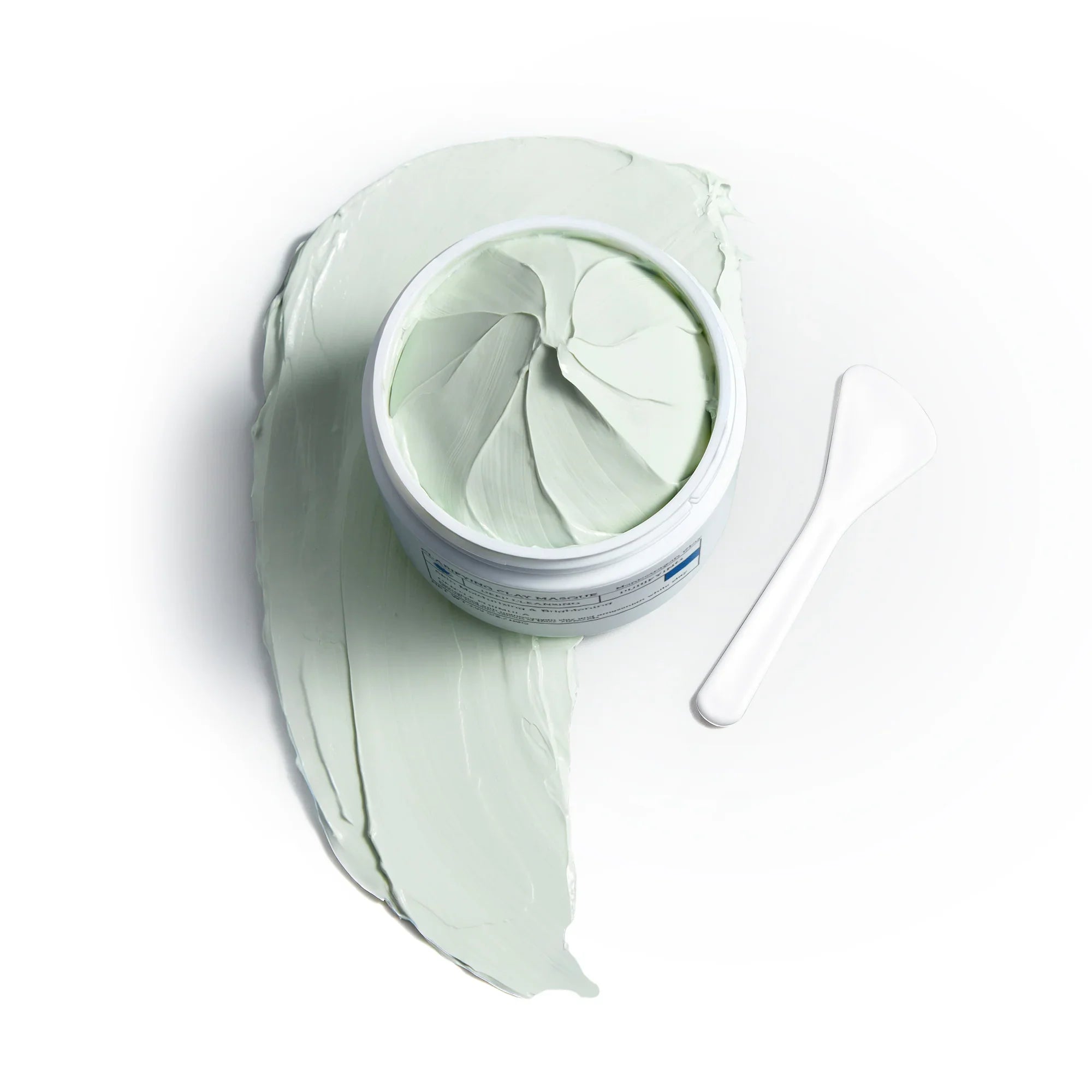
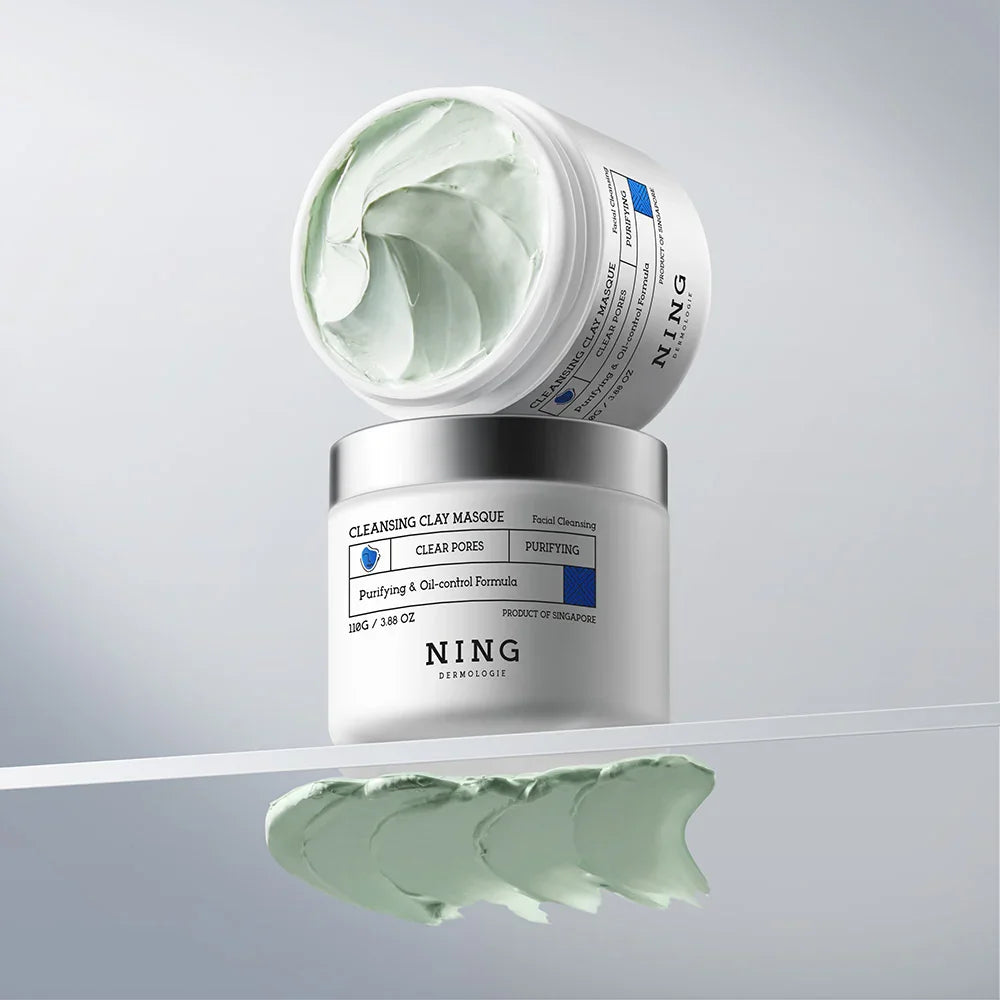
Our Clay Mask for Face Sensitive Skin was designed specifically for this gap in the market. Most clay face products are designed for oily skin, leaving those with dry skin or irritated or inflamed skin out in the cold.
How Our Formula Differs
-
Milder Clay Base: We use a blend of kaolin and gentle mineral-rich clay that soothes while it works.
-
Hydration Support: While the clay draws out the bad stuff, we’ve added ingredients that nourish the skin so you don't lose vital moisture.
-
No "Crack" Factor: A common mistake is letting a face mask dry until it cracks. Our formula stays "creamy" longer, which is the suitable for all skin types way to treat your skin.
This clay mask helps unveil a radiant skin texture without the redness. It soothe irritated skin and provides unparalleled benefits by focusing on overall skin integrity rather than just aggressive oil removal.
How to Properly Incorporate Clay into Your Skincare Routine
If you want to experience the transformative power of earth minerals, you have to use them correctly. Here is the NING Dermologie protocol for healthy skin:
Step 1: Prep
Always start with a clean face. You want the clay to have direct contact with your pore openings, not sit on top of your makeup or sunscreen.
Step 2: Application
Apply your clay face mask using a brush or clean fingers. Don't go too thick—an even, opaque layer is enough. If you’re using NING Dermologie, focus on the T-zone but don't be afraid to apply it to the cheeks if you have skin concerns like redness or dullness.
Step 3: The "Goldilocks" Timing
Don’t wait for the clay to turn white and crumbly. When it feels slightly tacky but still damp, that’s when it’s finished its "adsorption" phase. If you let it dry completely, it begins to draw moisture out of your skin cell structure, which leads to inflamed skin.
Step 4: Removal
Use lukewarm water. Avoid scrubbing. The clay offers natural exfoliation as you rinse it away, so there's no need for harsh rubbing.
The Multi-Masking Strategy for Every Skin Concern
You don't have to use one clay for your whole face. In fact, most people shouldn't.
- For Oily T-Zones: Use a french green clay or bentonite clay to absorbs excess sebum.
- For Dry Cheeks: Use a kaolin-based clay face mask to soothe and revitalize the skin.
- For Breakouts: Use an indian healing clay mask as a spot treatment to draw out impurities from specific blemishes.
By addressing various skin concerns with different clays, you harness the power of natural minerals without overwhelming your skincare routine.

Why NING Dermologie Stands Apart
In a market saturated with "organic" claims, NING Dermologie stands on the pillar of skin health. We believe clay offers gentle yet effective solutions when formulated with precision. Our products ensure that clay helps your skin rather than hindering it.
Whether you want glowing skin for a special event or you need a long-term solution for acne-prone skin, we focus on the overall skin balance. Clay is packed with essential minerals like calcium, silica, and potassium, and our mission is to deliver those to your skin and healthy cells in the most bioavailable way possible.
Frequently Asked Questions (FAQ)
1. How often should I use a clay mask?
For most skin types, 1–2 times a week is the sweet spot. If you have oily skin, you might lean toward twice a week to manage excess oil. However, for sensitive skin, once a week or even once every two weeks is plenty. Overusing clay can lead to a compensatory oil production, where your skin produces more oil because it feels too dry.
2. Can I use a clay mask if I have dry skin?
Yes, but you must be selective. Avoid high-activity bentonite and look for "gentle" clays like white kaolin or the NING Dermologie sensitive formula. The key is to ensure the clay mask contains humectants (like glycerin or aloe) that nourish the skin while the clay draws out surface impurities. Never let the mask dry to the point of cracking on dry skin.
3. Why does my face turn red after using a clay mask?
Don't freak out if you look a bit flushed after rinsing. Clay naturally draws blood to the surface, which increases circulation to your skin and hair follicles. That weird "pulsing" feeling? That’s just the minerals doing their thing to kickstart skin cell regeneration. But, if you’re lobster-red for hours or it actually hurts, you’ve likely stripped your barrier or that clay powder was way too alkaline for your complexion.
4. Should I moisturize after using a clay mask?
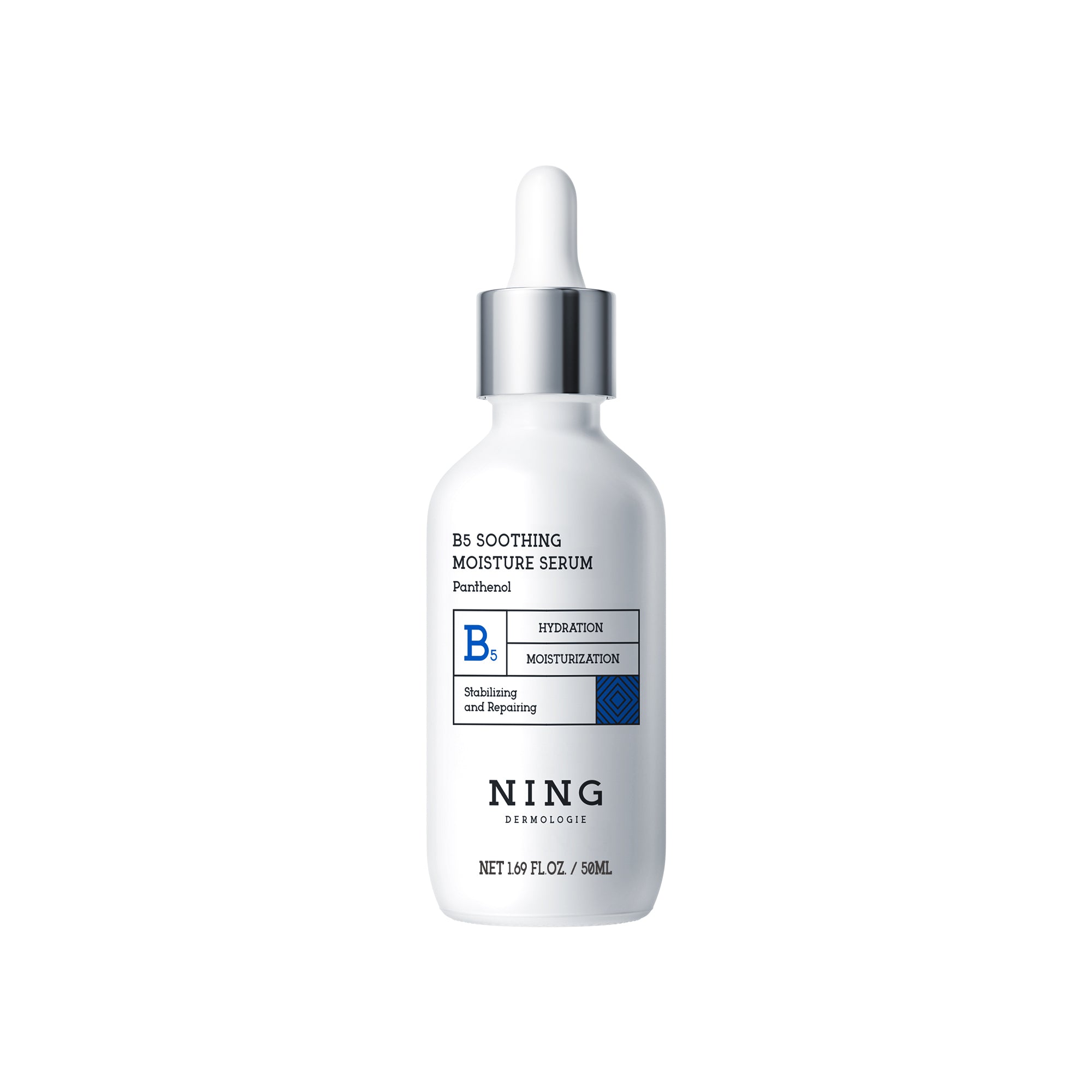
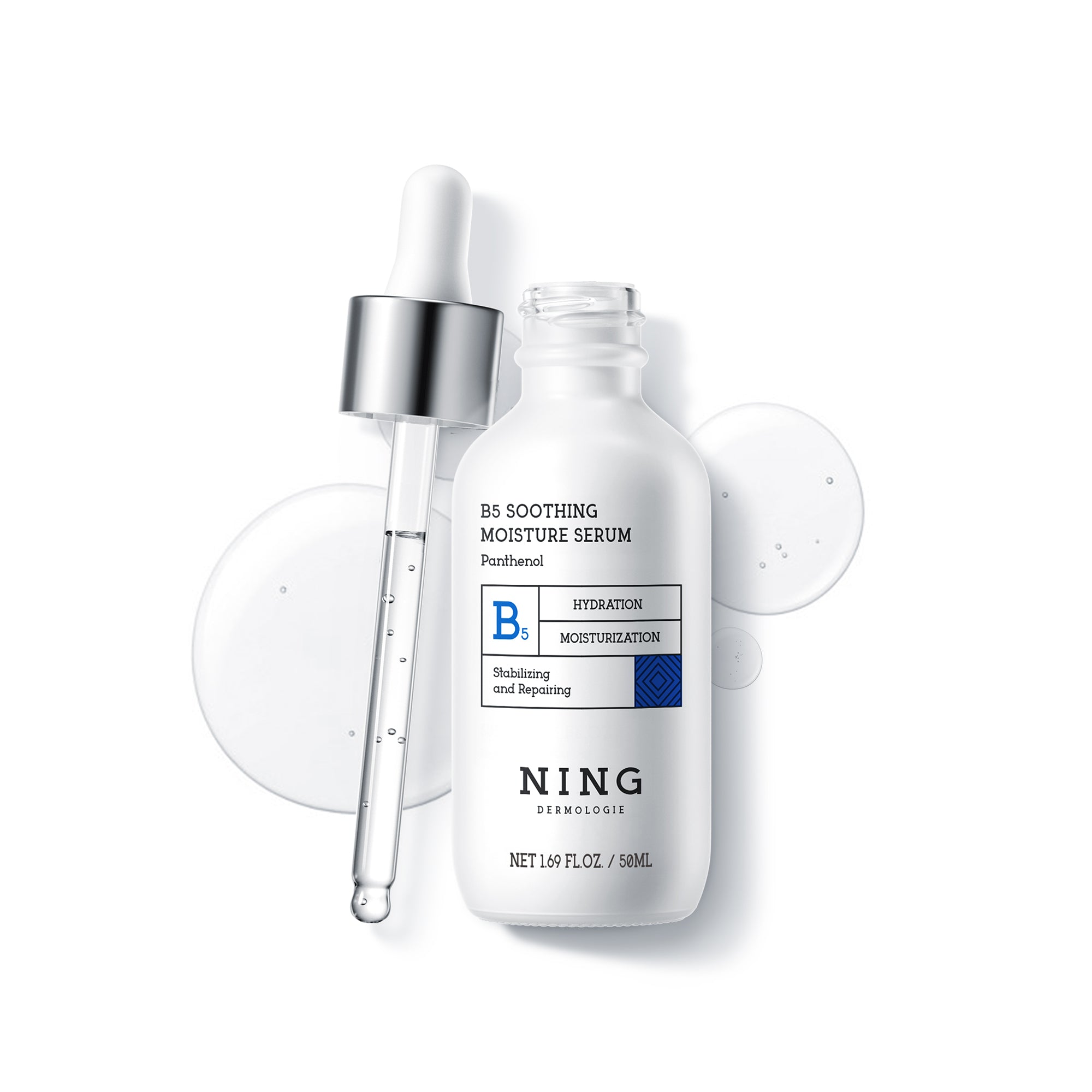
Absolutely. Even the most hydrating clay face mask is a "subtractive" treatment—it’s taking things away from the skin. To unveil truly radiant skin, you must replenish the moisture barrier immediately after rinsing. Use a lightweight serum or a ceramide-rich cream to lock in the skincare benefits and keep the skin and healthy cells plump and hydrated.
5. Can I mix different types of clay together?
You can definitely play chemist and mix clay with water or blend different types. Mixing punchy french green clay with a bit of kaolin is a smart move to dial down the intensity for acne-prone skin. Just know that DIYing is always a gamble—without the professional stabilizers we use at NING Dermologie, the pH and texture can be totally unpredictable. Stick to pre-made blends if you want to play it safe.
Final Thoughts on Clay in Skincare
Clay is one of the few skincare ingredients that has survived the test of time, from ancient mud baths to modern labs. It’s not just "dirt"—it’s a complex mineral tool. By choosing the right type of clay and respecting your skin's unique needs, you can harness the power of the earth to revitalizes your skin.
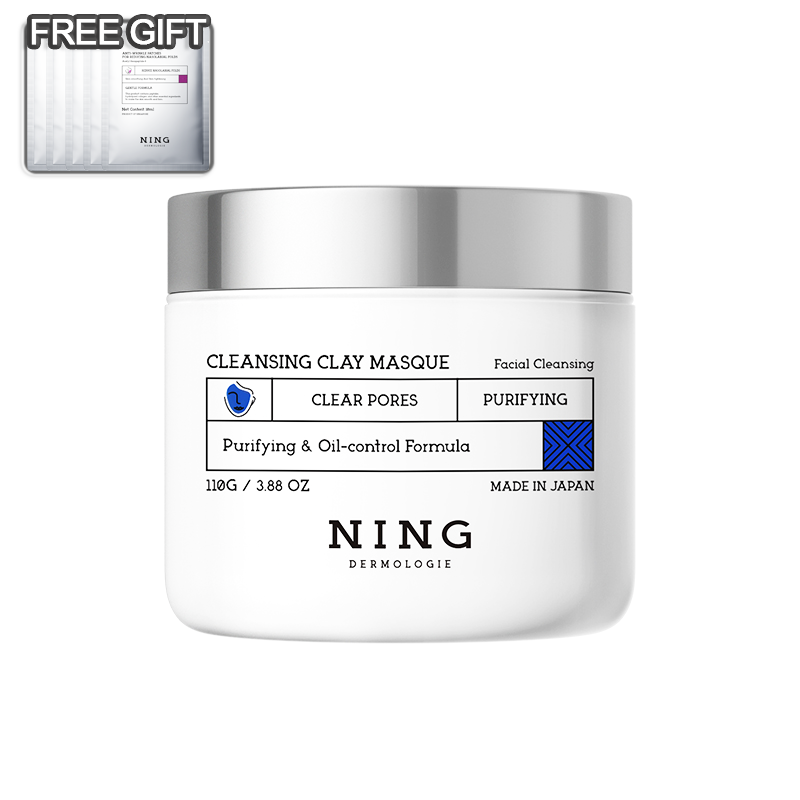
Ready to experience the transformative power of a professional-grade mineral treatment? Treat your skin to the balance it deserves. Check out our Clay Mask for Face Sensitive Skin and start your journey toward a clearer, more radiant you.





Share:
Clay Mask Therapy: A Natural Approach to Acne Solutions
From Budget-Friendly to Luxurious: Top Clay Masks Reviewed