

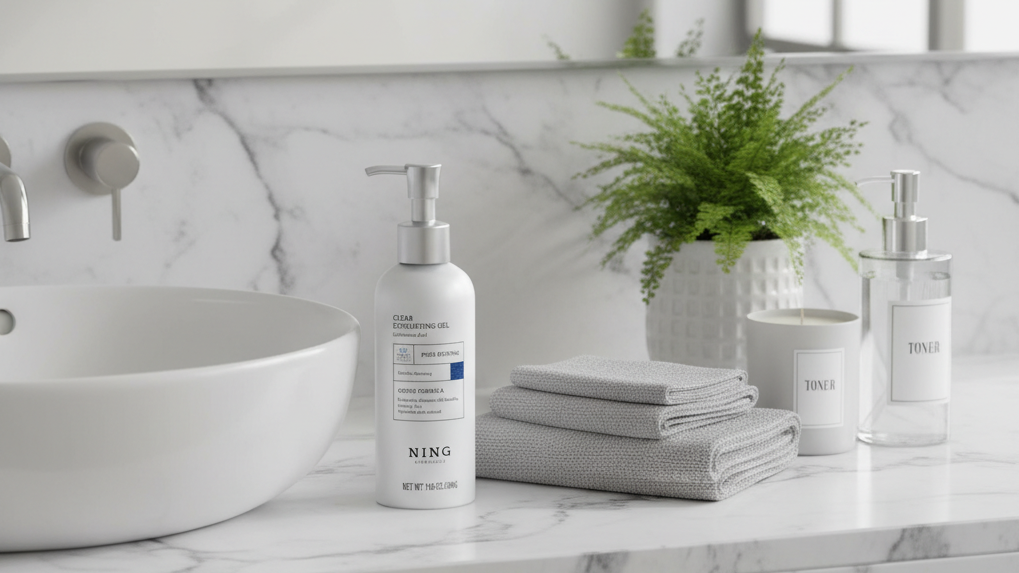

The Strategic Prep: Why Your Pre-Peel Cleanser Dictates Your Clinical Results
A professional chemical peel or high-intensity facial treatment is a significant investment in your skin’s future. However, most patients—and even some practitioners—underestimate the "pre-game." If you show up to a clinical appointment with a disorganized layer of dead skin cells or a compromised skin barrier, you are either limiting the efficacy of the treatment or inviting unnecessary post-procedural inflammation.
The goal of finding the right exfoliating cleanser isn't just about "cleaning" the face; it’s about optimizing cell turnover and ensuring that the professional-grade chemical exfoliants used during your treatment can penetrate evenly. This guide breaks down the science of exfoliating formula selection, focusing on how to prepare various skin types without triggering a reactive disaster.

The Science of Pre-Treatment Exfoliation
When we talk about skin texture and rough texture, we are usually referring to an accumulation of corneocytes (dead cells) held together by desmosomes (protein bridges). If these bridges are too strong, your skincare routine products simply sit on top.
Before a peel, we need to "prime" the canvas. This involves a delicate balance between physical exfoliation and chemical exfoliation. While some board-certified dermatologists in clinics from New York City to FACET Dermatology in Toronto debate the timing, the consensus is clear: you want the skin to be receptive, not raw.
Chemical vs. Physical: The Pre-Peel Hierarchy
- Chemical Exfoliants (AHAs and BHAs): Alpha Hydroxy Acids like glycolic acid and lactic acid work by dissolving the intercellular glue. Glycolic acid has the smallest molecular size, making it the most aggressive for improving skin tone. However, for pre-treatment, mandelic acid or Citric Acid are often preferred for their slower penetration and lower irritation profile. For those with acne-prone skin, salicylic acid (a beta hydroxy acid) is essential to clear excess oil and debris from the pores.
- Physical Exfoliators: The industry has moved away from the "apricot scrub" era. Modern physical face exfoliators utilize jojoba beads, rice powder, or colloidal oatmeal. These provide a mechanical "sweep" without the micro-tears associated with older exfoliating scrub technologies.
The NING Dermologie Standard: Why Texture Matters
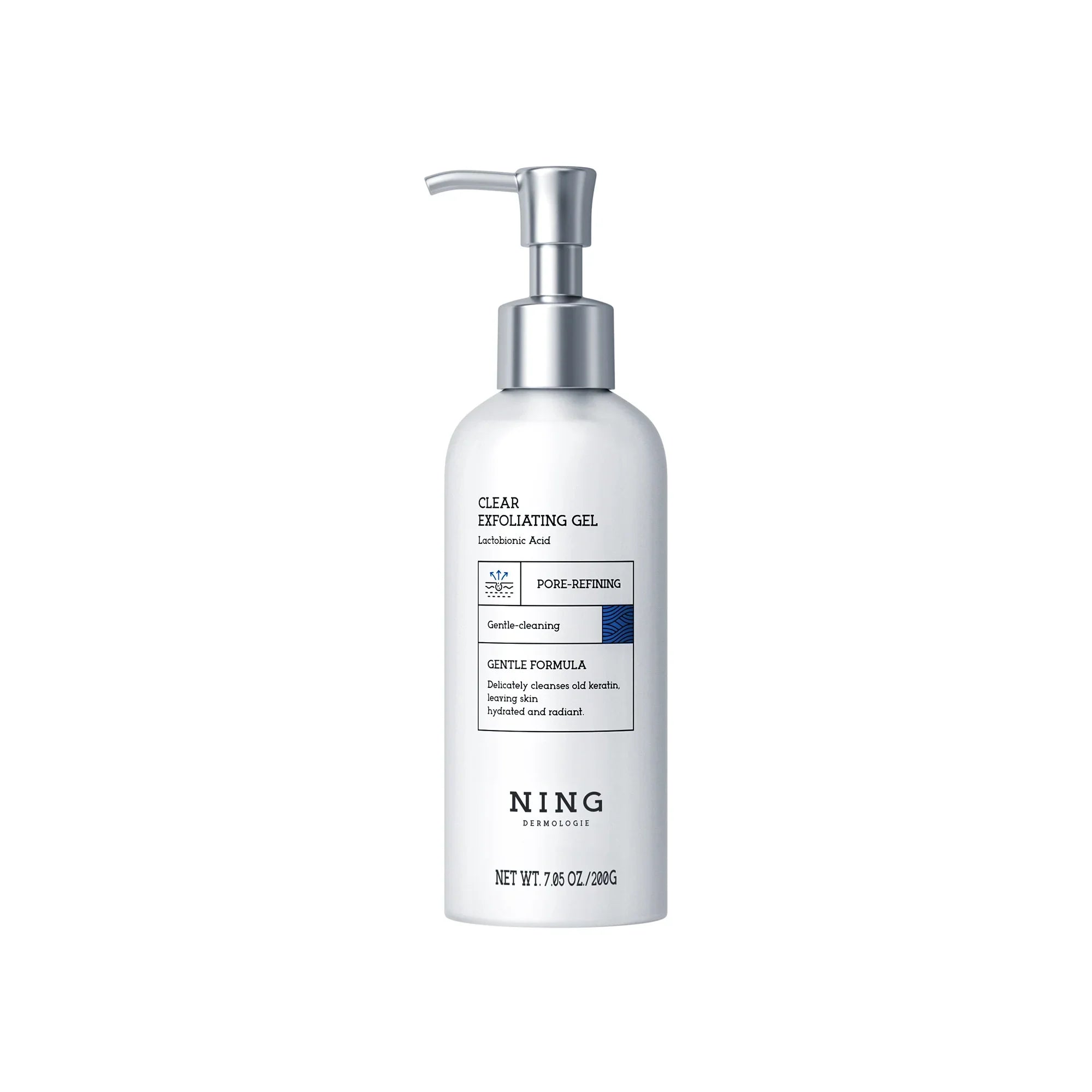
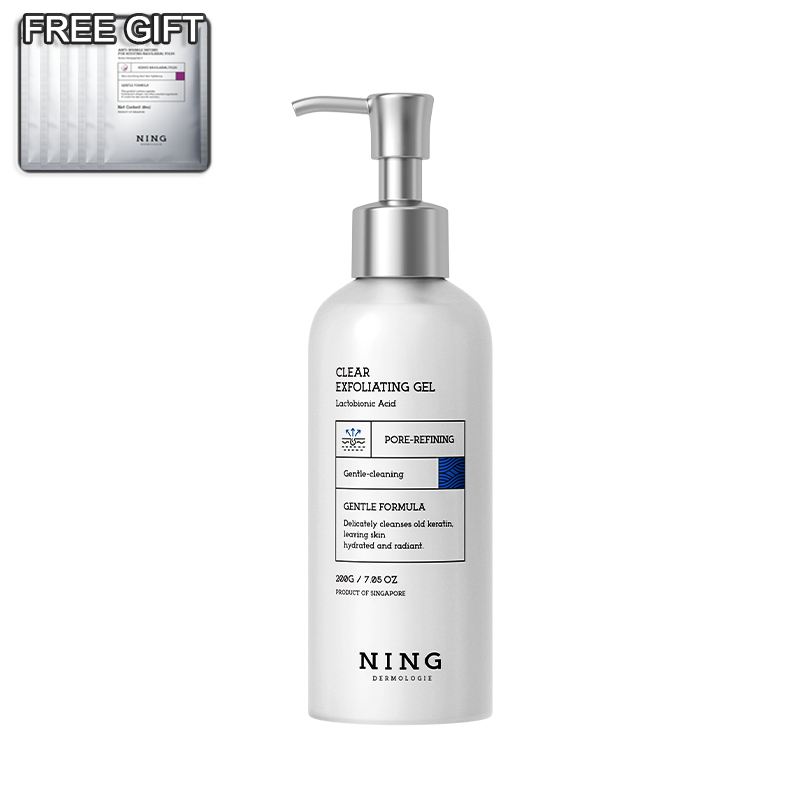
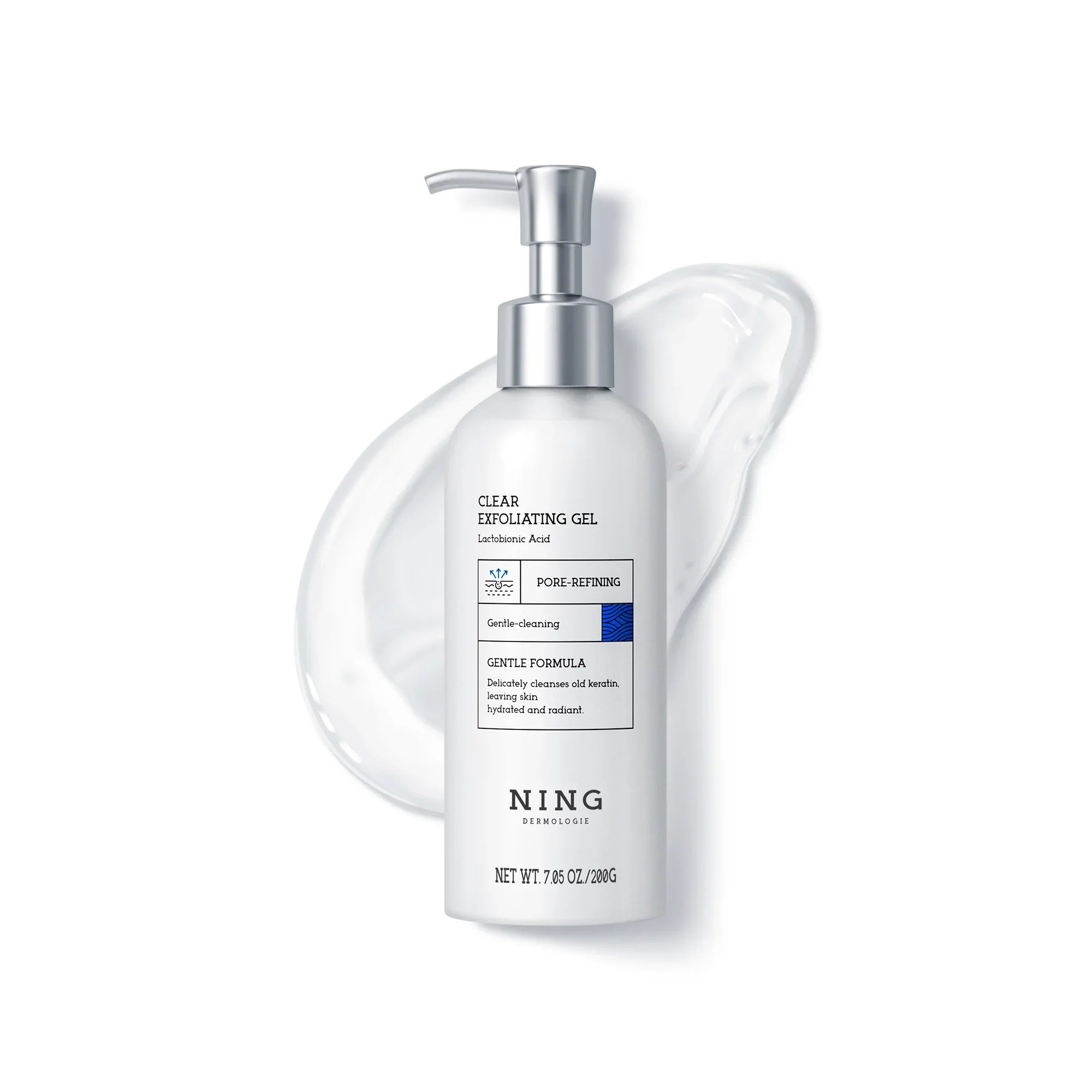
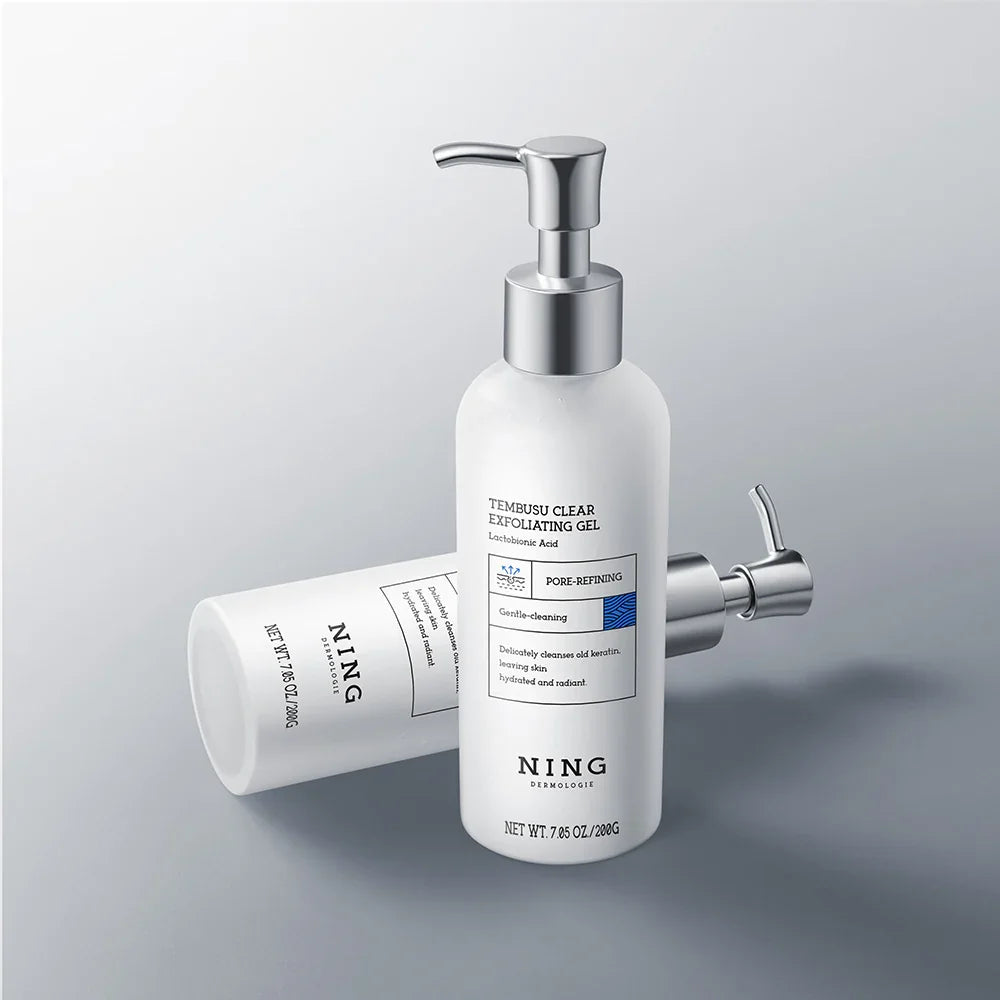
In the search for the perfect pre-treatment prep, the NING Dermologie Exfoliating Face Wash (technically aPeeling Gel) represents a shift toward "Gommage" technology.
Unlike a traditional exfoliating cleanser that relies on grit, this gommage texture acts as a "molecular vacuum." It utilizes fruit enzymes—specifically Carica papaya Extracts and Pineapple Core—to digest the proteins that hold dead cells to the surface. As you massage the gel, it clumps together, physically lifting away debris in a way that is significantly gentler than physical exfoliants.
For a professional peel preparation, this is the "Goldilocks" solution. It clears the path for cell turnover without the inflammatory response triggered by high-percentage glycolic acid or abrasive Face Exfoliators.
Ingredient Deep Dive: What to Look For (and Avoid)
When auditing exfoliating products, look beyond the front label. The efficacy of an exfoliating formula is found in its secondary ingredients:
- Poly Hydroxy Acids (PHAs): These are the "next-gen" AHAs. They have a larger molecular structure, providing a velvety texture and hydration while they exfoliate. They are perfect for preparing sensitive skin types.
- Humectants (Hyaluronic Acid & Sodium PCA): Exfoliation should never mean dehydration. Hyaluronic acid and Sodium PCA are NMFs (Natural Moisturizing Factors) that ensure the skin barrier remains intact while the surface is being refined.
- The Power of Enzymes: Pumpkin enzyme and fruit enzymes offer a non-acidic way to encourage skin cell turnover. They are particularly useful for those who cannot tolerate Beta Hydroxy Acids or alpha-hydroxy acids prior to a clinic visit.
- Amino Acids: These are the building blocks of the skin. A cleanser enriched with Amino Acids helps maintain the acid mantle, preventing that "tight" feeling after washing.
The Competition: A Brief Comparison
While NING Dermologie focuses on the enzymatic-gommage approach, other brands offer different philosophies. First Aid Beauty often utilizes colloidal oatmeal for sensitivity. Elemis Dynamic Resurfacing Facial Wash uses Tri-Enzyme technology to smooth rough texture. Eminence Organic Skin Care frequently leans into Amazonian white clay and lactic acid. Each has its place, but for a pre-peel scenario, the "low-friction" logic of a peeling gel often wins for certified nurse practitioners who need to ensure the skin isn't over-sensitized.
Customizing by Skin Type
- Acne-Prone Skin: Focus on salicylic acid and Pore Minimizing agents to ensure the professional peel can reach the follicular lining.
- Dull Skin: A mix of lactic acid and physical exfoliators (like fine rice powder) can provide an immediate glow.
- Sensitive Skin: Stick to gommage texture or poly hydroxy acids. Avoid physical face exfoliators that feel scratchy.
The Pre-Treatment Checklist
If you are 48 hours out from a professional appointment at a place like Center Aesthetic & Dermatology, your skincare routine should follow these rules:
- Ditch the Retinol: Stop all prescription retinoids or high-strength Alpha Hydroxy Acids.
- Focus on Hydration: Use a cleanser that includes Sodium PCA and Amino Acids.
- The Gentle Sweep: Use your NING Dermologie Exfoliating Face Wash the night before. This ensures the skin cells are organized but the barrier isn't "broken."
- Sun Protection: Always use a broad-spectrum SPF 30 or higher. Any chemical exfoliation increases photosensitivity.
- Tools: Clean your Makeup Brushes & Tools; don't introduce bacteria to freshly exfoliated skin.
Beyond the Face: Body Care and Maintenance
Exfoliation isn't limited to the chin and forehead. Body exfoliators and Hand & Foot Care follow similar principles. Whether you're treating ingrown hairs on the body or prepping for a hand rejuvenation treatment, the use of Alpha Hydroxy Acids and Beta Hydroxy Acids remains the gold standard. Even lip exfoliators are becoming a staple in clinical prep for lip filler or tinting treatments to ensure a smooth, velvety texture.

The NING Dermologie Commitment
As an AAPI-Owned & Founded brand, NING Dermologie places a high value on Sustainable Packaging and Positive Impact. Their philosophy isn't just about results; it's about the healthy beauty award-winning balance between clinical efficacy and skin safety. By choosing products that respect the skin barrier, you aren't just buying a cleanser; you're investing in a Positive Impact for your skin's long-term health.
Frequently Asked Questions (FAQ)
Q1: Is it safe to use a physical scrub the morning of a chemical peel?
No. Avoid "scratchy" physical scrubs entirely within 48 hours of a peel. They create micro-fissures that allow the professional acid to penetrate too deeply, leading to "hot spots" and potential scarring. Instead, use a gentle enzyme-based peeling gel to lift debris without abrasion.
Q2: Should I use Salicylic Acid if I don’t have acne-prone skin?
Not necessarily. While BHAs are great for clearing excess oil, they can be drying. If your goal is anti-aging or brightening, stick to lactic acid or fruit enzymes. These provide the necessary skin cell turnover while maintaining the hydration levels required for a successful treatment.
Q3: Can I exfoliate my lips before a facial?
Yes, but use a dedicated lip exfoliator or a very gentle gommage. The skin on the lips is incredibly thin. Improving the velvety texture of the lips allows for better absorption of hydrating serums used during your "luxury" facial steps.
Q4: Why does my skin feel "tight" after using some face washes?
That "squeaky clean" feeling is actually your skin barrier screaming for help. It means your cleanser has stripped your natural lipids. Look for formulas with Sodium PCA or Amino Acids to ensure you're removing dead skin cells without dehydrating the living ones underneath.
Q5: What is the benefit of a "Gommage" texture over a traditional wash?
Gommage is "friction-less" exfoliation. It rolls up into small balls that physically grab dead skin cells and excess oil without the need for sharp particles. It’s the safest way to achieve a Pore Minimizing effect before high-intensity clinical peels or laser treatments.





Share:
Which exfoliating face washes have won beauty awards or recognition?
How does Korean vitamin C serum differ from Western brands?