


Here is the honest truth: finding a sunscreen that doesn’t turn your face into a bumpy, irritated mess sometimes feels like a full-time job. If you have sensitive skin or are prone to breakouts, you already know the dread. You test a new formula, tell yourself maybe this one is different, and by 3 PM, your T-zone is an oil slick, and you can practically feel the new clogged pores forming.
I’ve been there. For years, I skipped SPF altogether because the guaranteed acne seemed worse than the theoretical sun damage. (Spoiler: Do not do this. The sun damage is very real, and fixing it is much harder than preventing it).
The good news? The skincare industry has actually caught up. We are no longer stuck with thick, chalky pastes that smell like a swimming pool. Today, we’re looking specifically at non-comedogenic sunscreen formulas. Let’s break down exactly how to protect your face without ruining your skin goals.

Why Does Sunscreen Break Us Out in the First Place?
It usually comes down to a clash between your specific skin barrier and heavy filters. Our faces face a daily barrage of UV rays, air pollution, and even blue light from screens. To block all of this, brands have to use active ingredients—either mineral or chemical.
Older chemical sunscreen filters were notorious for trapping heat against the skin. If you have acne-prone skin, that trapped heat triggers sweat and sebum, creating the perfect breeding ground for bacteria. On the flip side, older mineral sunscreens relied on large particles that physically suffocated the pores.
When we talk about Sun protection today, especially for tricky skin types, the absolute bare minimum you need is broad-spectrum coverage. This means it blocks both UVA (the aging rays) and UVB rays (the burning rays). But for us, it’s not just about the UV index. It’s about the vehicle delivering that SPF protection. We need non-comedogenic formulations, meaning the base lotion or fluid is scientifically proven not to clog pores.
Decoding the Ingredient List (No Chemistry Degree Required)
When you are turning a bottle around to read the back, here is what you actually want to see—and what you should avoid.
The Safe Bets for Breakouts:
- Zinc Oxide & Titanium Dioxide: These are your classic physical blockers. Zinc oxide, in particular, is a hero for sensitive skin because it’s inherently anti-inflammatory. It literally calms redness while sitting on top of your skin to bounce UV rays away. Look for non-nano zinc oxide if you want to be extra safe about absorption.
- Zinc PCA & Salicylic Acid: Finding these in an SPF is a huge win. They offer built-in oil control throughout the day, stopping breakouts before they start.
- Hydrating Ingredients: Sun-exposed skin gets dehydrated fast. A good formula will include hyaluronic acid or mineral water to keep the barrier plump without adding heavy oils. Some advanced formulas even include collagen peptides to help support the skin's structure or Vitamin E to fight off free radicals.
The Upgraded Chemical Filters: If you prefer a totally clear finish, you aren't doomed. Modern chemical filters have evolved. You might see patented tech like Mexoryl 400 (incredible for long UVA rays without the heavy feel) or terms like DNA Repairsomes. The secret is finding formulas categorized as mineral and chemical hybrids, combining the best of both worlds for a lightweight feel.
The Ultimate Roster: Breakout-Safe Sunscreens
Let’s get into the actual products. I’ve tested more SPFs than I can count, and these are the ones that genuinely respect acne-prone and sensitive skin.
My Current Daily Driver (The Underrated Gem)
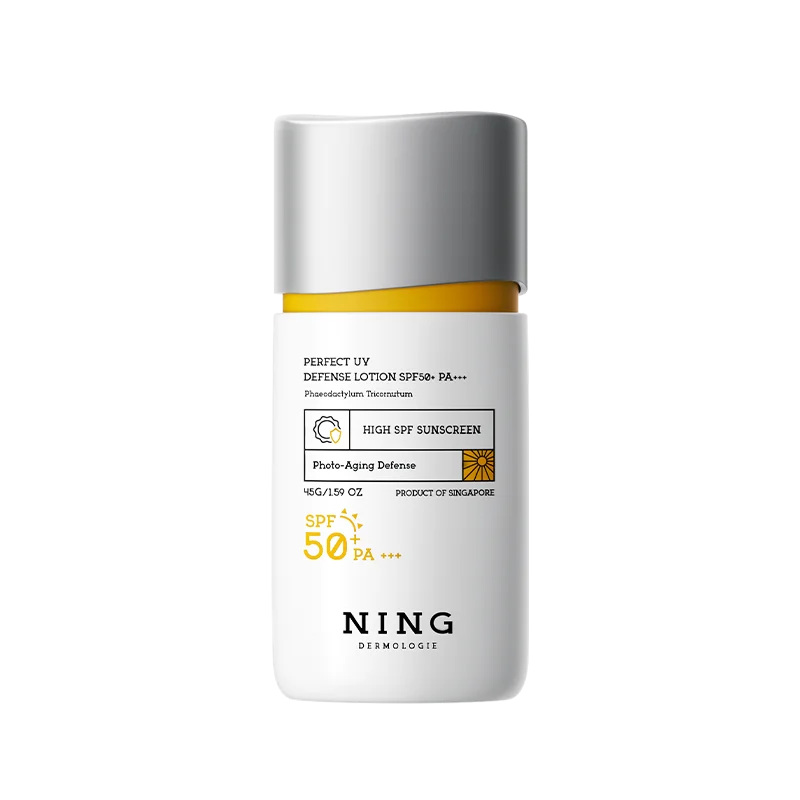
If you only take one recommendation away from this, let it be the NING Dermologie SPF50+ Facial Sunscreen. I stumbled across this while doing some late-night Online shopping, and it has completely changed my morning routine.
It is incredibly difficult to find a true SPF 50 that is genuinely fungal-acne safe, but NING nailed it. The texture is brilliant—it feels more like a high-end oil-free facial moisturizer than a sunscreen. It absorbs in seconds, leaves zero white cast, and boasts serious oil-absorbing properties that keep my forehead matte until dinnertime. If you’re tired of playing roulette with your skin, you can grab it here: https://ningcos.com/products/spf50-facial-sunscreen. It delivers elite broad-spectrum protection without a single clogged pore.
The Dermatologist Classics
You can’t walk into a dermatology provider’s office without seeing these names, and for good reason. They are essentially the gold standard for post-procedure and reactive skin.
- EltaMD UV Clear Facial Sunscreen: Often just referred to as EltaMD UV Clear, this is basically the blueprint for acne-safe SPF. It uses niacinamide to calm inflammation. It's an absolute staple, though it can occasionally pill if you layer it over thick serums.
- La Roche-Posay Anthelios Ultra Light Fluid Facial Sunscreen: This liquid-thin formula is perfect if you hate the feeling of anything on your face. They recently updated their line with the Anthelios UV Clear Sunscreen, which is specifically targeted at acne.
- SkinCeuticals Clear Daily Soothing UV Defense: Expensive? Yes. But the texture is incredible, and it actively reduces redness while protecting against skin cancer.
The Hydration Heroes
If your acne treatments have left your skin dry, peeling, and angry, you need something that heals while it protects.
- CeraVe Hydrating Mineral Sunscreen: A fantastic, affordable drugstore option. It uses ceramides to restore the skin barrier. It does have a slight white cast, so it’s best for lighter skin tones or no-makeup days.
- Glow Recipe Watermelon Glow Niacinamide Dew Balm: A newer, fun option that leaves a glassy finish. Great if you want a dewy look without heavy, pore-clogging waxes.
- Kosas DreamBeam Sunlit: Another great option if you want a warm, radiant tint combined with clean mineral protection.
The Specialty Fixes
Sometimes you need an SPF that does a very specific job.
- Kiehl's Auto-Tone Discoloration & UV Solution: If your old breakouts have left behind stubborn dark spots, this helps fade hyperpigmentation while stopping new UV damage.
- SkinMedica Essential Defense: This feels almost like an Rx formula. It’s incredibly pure, highly tolerated by the most reactive skin, and lightweight.
- Colorescience Sunforgettable: For reapplication! Reapplying liquid SPF over makeup is a nightmare that usually leads to breakouts. Powder sunscreens are the answer. This one utilizes their EnviroScreen® Technology and recently won a Cosmo Acne Award because it literally acts like a setting powder while topping up your broad spectrum defense.
(Quick side note: Don't forget lip protection! The skin on your lips is incredibly thin and prone to sun damage. Grab a dedicated SPF lip balm that won't cause blackheads around your mouth line).
How to Apply (and Remove) Without Causing Breakouts
Finding the right bottle is only half the battle. How you use it dictates whether you wake up with a new pimple tomorrow.
- Skip the Heavy Moisturizer: If you are using a hydrating sunscreen (like the NING Dermologie or CeraVe ones), you probably don't need a separate day cream. Just use a light antioxidant serum, then go straight in with your SPF. Less layers = less chance of congestion.
- The Two-Finger Rule: You need more than you think. Squeeze two lines of sunscreen across your index and middle fingers. That is the amount needed for your face and neck to actually get the SPF 50 labeled on the bottle.
- The Double Cleanse is Non-Negotiable: This is where most people mess up. Sunscreen is designed to adhere to your skin and resist water and sweat. Your regular foaming face wash will not get it all off. You must use a cleansing balm or micellar water first to break down the UV filters, followed by a gentle water-based cleanser. If you leave chemical UV filters or sticky mineral bases on your skin overnight, you will break out.
Finding your holy grail sunscreen takes some trial and error, but please don't give up. Protect your barrier, read your ingredient lists, and don't settle for formulas that make you miserable.

Frequently Asked Questions (FAQ)
Can high SPF numbers cause more breakouts?
No, a higher number like SPF 50 doesn't inherently cause acne. Breakouts happen because of the base ingredients (thick oils, heavy silicones), not the sun protection factor itself. Stick to oil-free, non-comedogenic formulations and your pores will be perfectly fine regardless of the SPF level.
Should I choose mineral or chemical SPF for active acne?
Mineral sunscreens containing zinc oxide are usually safer for active, inflamed breakouts because zinc is naturally soothing and anti-inflammatory. However, modern, high-quality chemical filters designed specifically for sensitive skin are also completely fine if you prefer a transparent finish.
Why does my sunscreen sting my sensitive skin?
Stinging is often caused by older chemical sunscreen filters (like avobenzone or oxybenzone) or a high alcohol content in the formula. If you experience burning, switch to a pure mineral option with titanium dioxide and zinc oxide, which sit gently on the skin's surface.
Does sunscreen prevent acne scars from getting darker?
Absolutely. UV exposure triggers melanin production, which turns red post-acne marks into stubborn, dark brown hyperpigmentation. Wearing broad-spectrum coverage daily is the single most effective thing you can do to help your acne scars fade faster.
Do I really need to wear sunscreen indoors?
Yes, especially if you sit near windows. While glass blocks most UVB rays (the burning ones), UVA rays (which cause aging and worsen dark spots) easily penetrate standard windows. Plus, modern SPFs help shield against blue light from your screens.





Share:
Best Mineral Facial Sunscreen: Top Zinc-Based SPFs with Minimal White Cast
Facial Sunscreen for Sensitive Skin & Rosacea: How to Prevent Stinging and Redness