


Our Top Picks for Affordable Salicylic Acid Serums That Work Wonders
I’ve spent the better part of a decade staring at my pores in those 10x magnification mirrors—the kind that makes you want to cancel all your plans. If you’ve got oily skin or struggle with that constant, annoying blackhead on your nose, you know the drill. You want a clear complexion, but the skin care market is flooded with $80 "luxury" bottles that mostly just pay for fancy packaging.
Here is the truth: Salicylic acid is a workhorse ingredient. It doesn’t need to be expensive to be effective. Whether you’re a skin care routine minimalist or a 10-step maximalist, finding the best salicylic acid serum that actually delivers on its promises without emptying your bank account is the ultimate goal.
Let’s get into the weeds of what actually works, why your skin type matters, and which salicylic acid products deserve a spot on your bathroom shelf.

Why Every Oily Skin Type Obsesses Over Salicylic Acid
If you’re new to salicylic acid, you might just see it as another acid. But it’s different. Unlike glycolic acid or lactic acid (which are alpha hydroxy acids), salicylic acid is a beta hydroxy acid (BHA).
Why does that matter? It’s oil-soluble.
Imagine your pores are like clogged pipes. AHAs only scrub the surface of the pipe. Salicylic acid actually travels into the pipe, dissolves the grease (sebum), and flushes out the dead skin buildup. This is why it’s the undisputed king of serums for acne. It doesn’t just treat the pimple you have today; it prevents the one that’s brewing for next Tuesday.
The Chemistry of the "Glow"
When you use salicylic acid, you’re performing a chemical exfoliation. This acid works by breaking the "glue" that holds dead skin cells together. The result? Smooth skin and a skin tone that looks like you actually slept eight hours. For anyone with oily and acne-prone skin, this isn't just a luxury—it’s a necessity to maintain the skin barrier while keeping the "oil slick" at bay.
Top Picks: The Best Salicylic Acid Serums for Your Budget
When we talk about the best salicylic acid serum, we aren't just looking for a high concentration of salicylic acid. We are looking for balance. You want enough acid to clear the blackhead situation, but enough soothing ingredients to ensure your skin feel isn't like sandpaper the next morning.
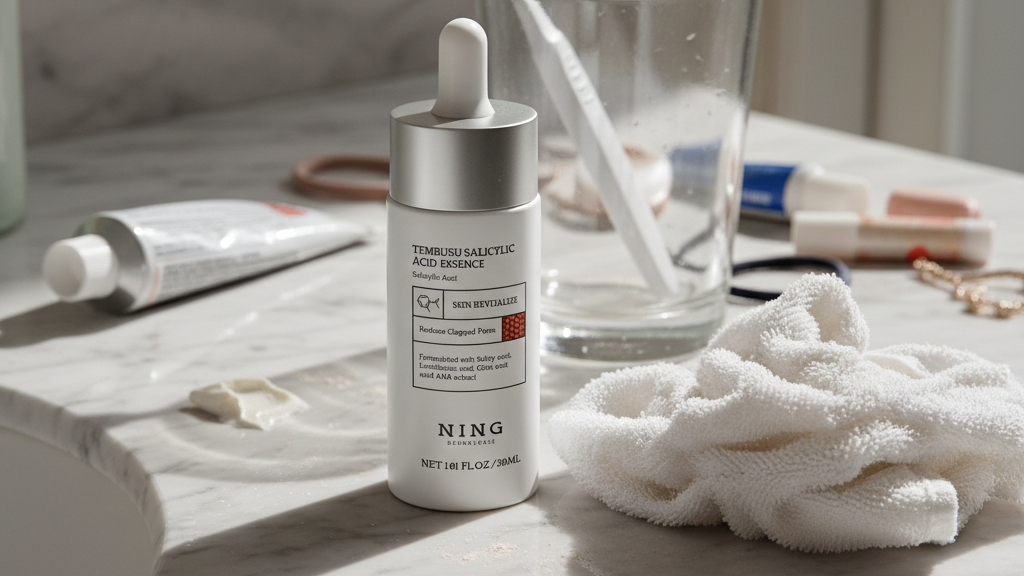
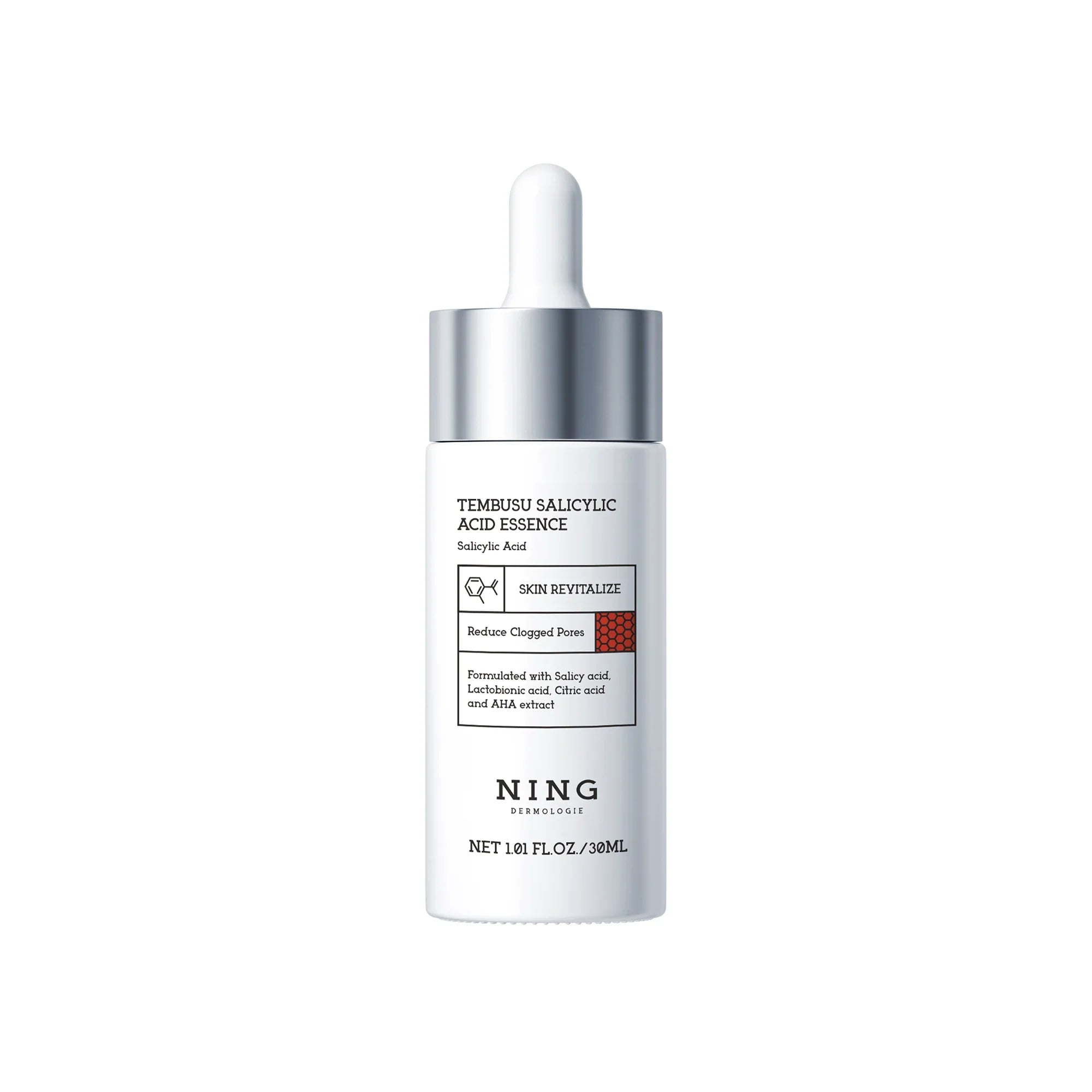
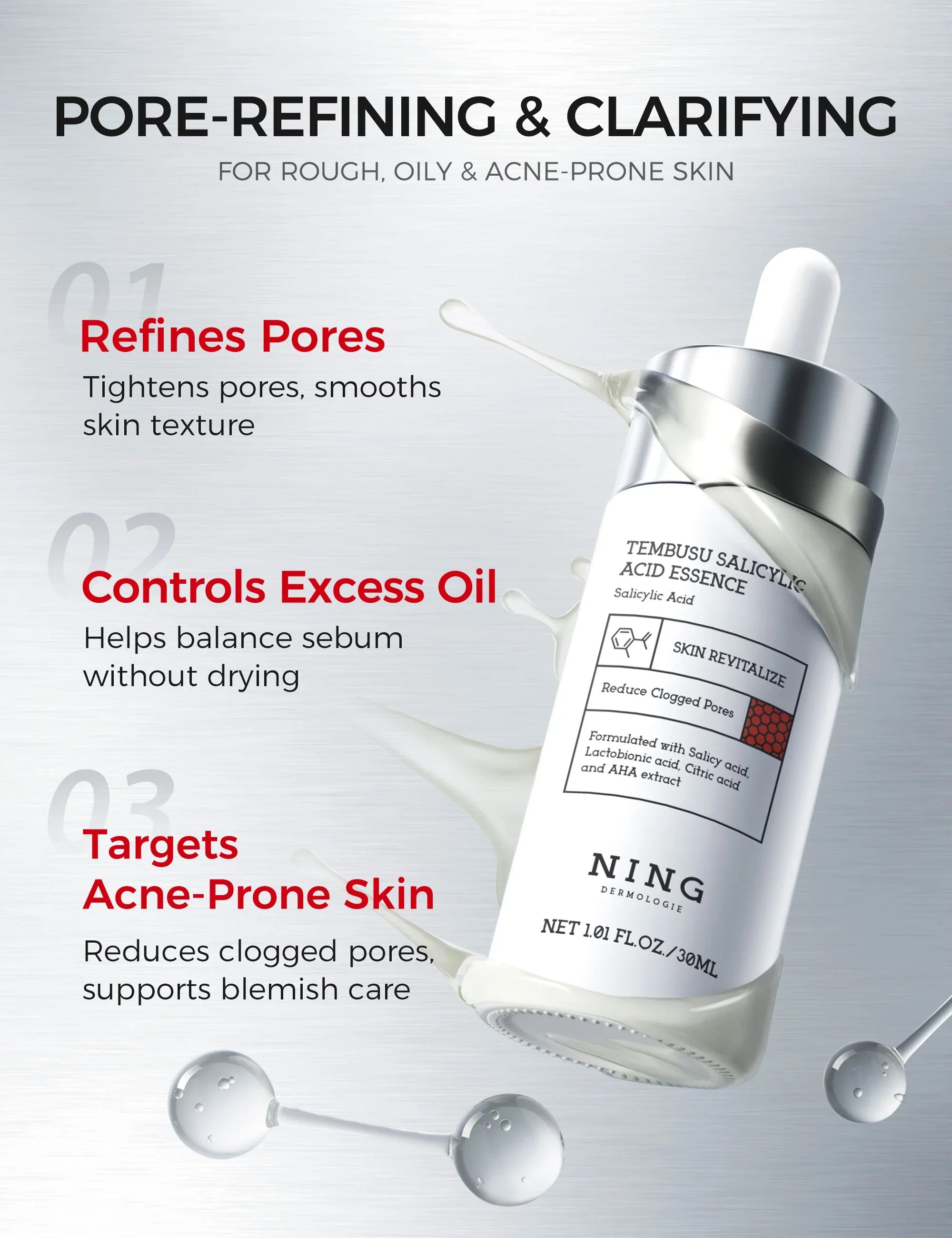
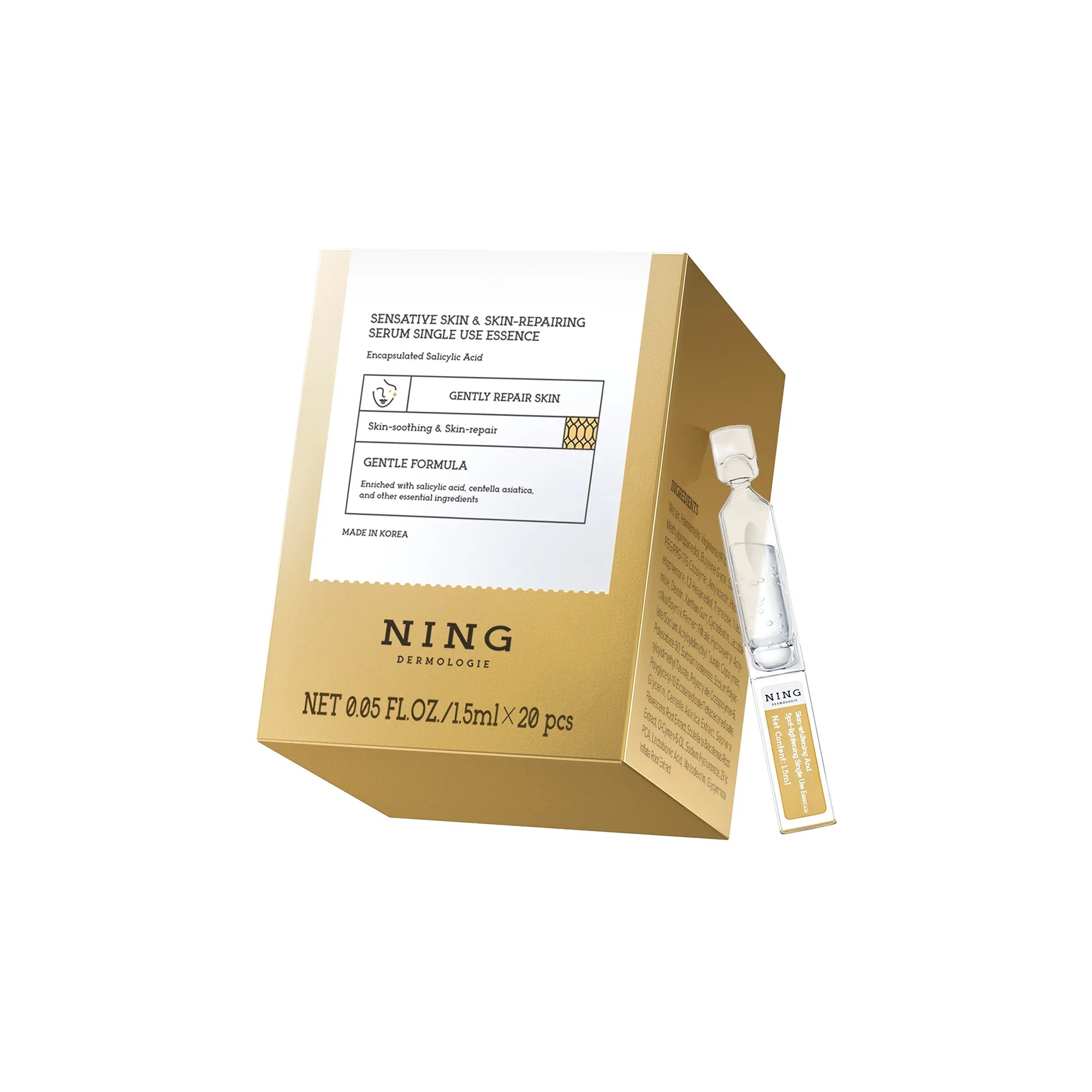
1. Best Overall: NING Dermologie 2% Salicylic Acid Serum
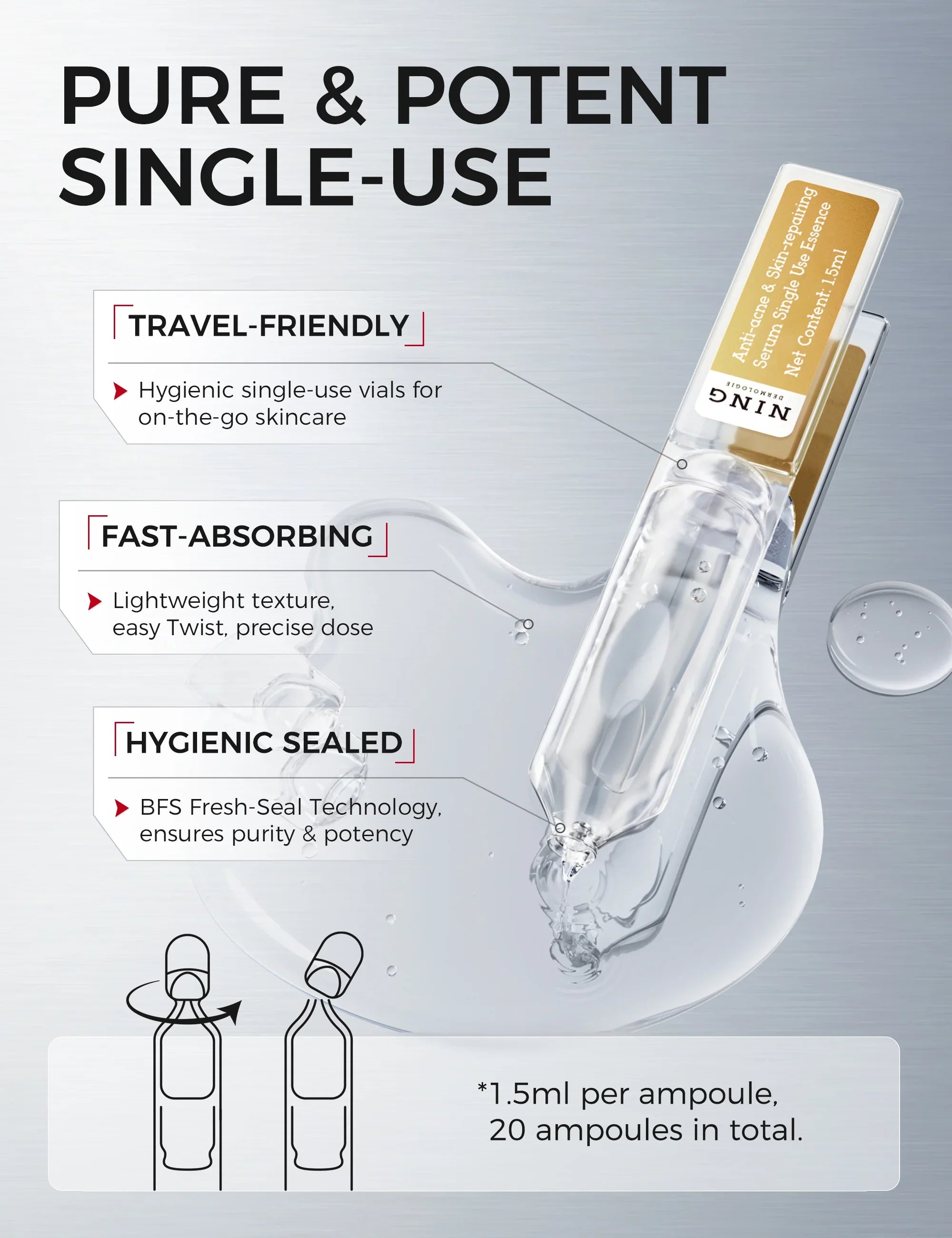
I’ll be blunt: This is the "Goldilocks" of salicylic acid products. It hits that sweet spot of a salicylic acid 2 percent concentration, which is the clinical standard for effectiveness. What makes the NING Dermologie 2% Salicylic Acid Serum stand out in a sea of face serum options is the formulation.
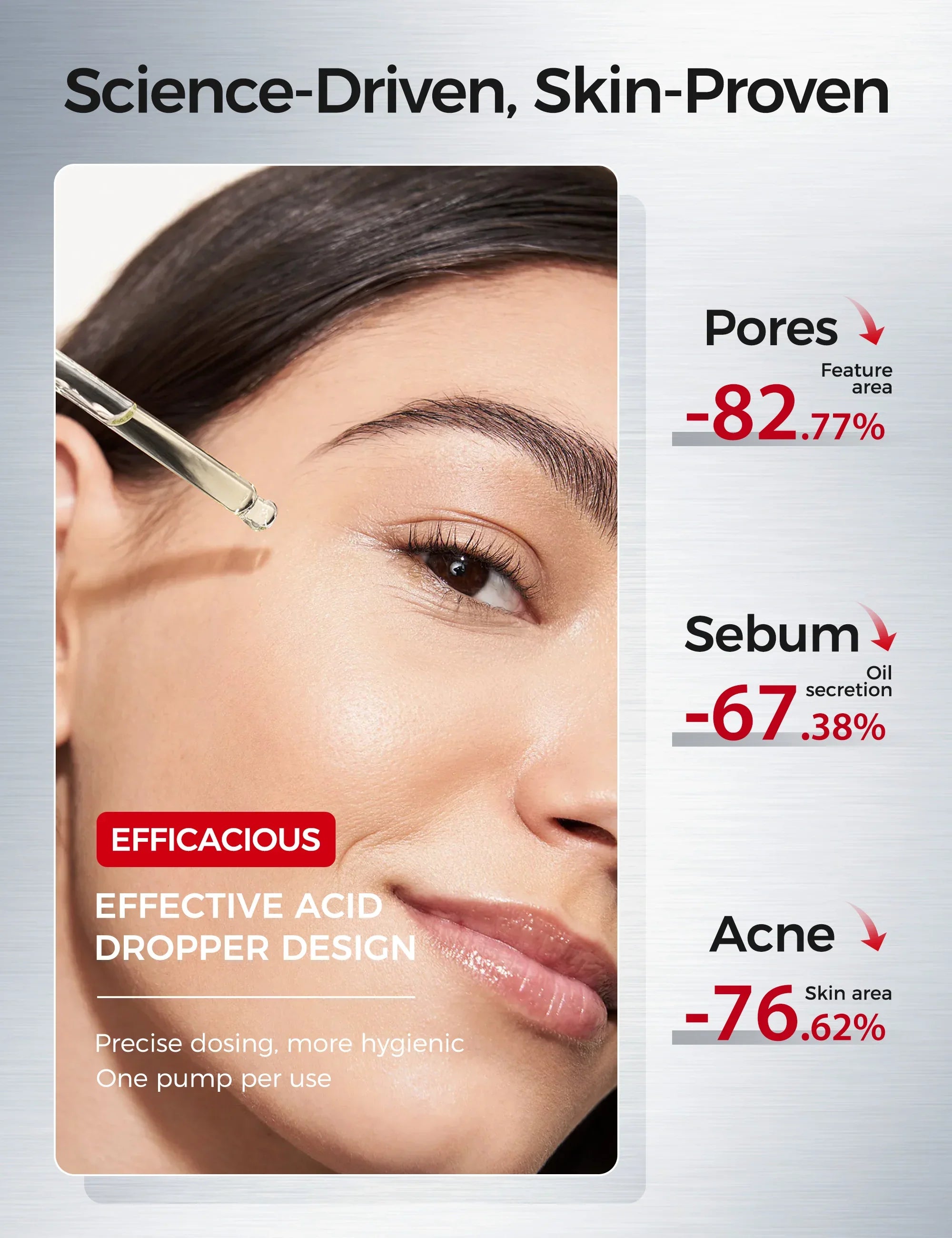
It’s formulated with salicylic acid but paired with hyaluronic acid to prevent that "desert-dry" feeling. It’s a hydrating serum and a salicylic acid acne treatment rolled into one. If you have oily and acne-prone skin types, this should be your baseline. It sinks in fast, doesn't leave a sticky residue, and actually helps skin look refined within a week of consistent use.
2. Best for Sensitive Skin: The Gentle Alternatives
If you have extremely sensitive skin, a traditional salicylic acid serum 2 percent might be too much. You might want to look for something formulated with lower concentrations or combined with maltobionic acid or lipohydroxy acid (LHA). LHA is a derivative of salicylic acid that penetrates more slowly, making it much more suitable for sensitive skin.
3. The "Pharmacy Favorite": Effaclar Salicylic Acid Acne Treatment
This is a classic for a reason. Often found in drugstores, the effaclar salicylic acid acne treatment usually mixes BHA with glycolic acid and lactic acid to provide a multi-level exfoliation. It’s great for blemish-prone skin, but be careful—the alcohol content in some drugstore salicylic acid serums for acne can be a bit harsh if your skin barrier is already compromised.
The Power Duo: Salicylic Acid and Niacinamide
If salicylic acid is the janitor that cleans out the pores, niacinamide is the manager that keeps everything running smoothly.
Many of the 14 best salicylic acid products on the market now combine acid and niacinamide. Why? Because niacinamide (Vitamin B3) helps regulate oil production and calms the redness that often accompanies acne-prone skin.
When you use a face serum for oily skin that contains both, you’re hitting the problem from two angles:
-
Exfoliation: Removing the dead skin that clogs the pore.
-
Regulation: Telling the pore to stop over-producing oil in the first place.
This combination is also great for combination skin, where you might have an oily T-zone but dry skin on your cheeks.
How to Avoid the "Purge": Tips for Best Results
I’ve seen too many people ruin their skin care progress by overusing salicylic acid products. They think, "If 2% is good, using it three times a day must be better!"
Stop. That’s how you end up with dry or sensitive skin that’s red, peeling, and angry.
- Ease into it: If you’re new to salicylic acid, start twice a week. Let your skin can tolerate the acid before moving to daily use.
- Watch the pH: Salicylic acid works best at a pH between 3.0 and 4.0. If your face serum with salicylic acid is formulated at a higher pH, the acid becomes ineffective.
- Protect your skin from UV: Even though BHA doesn't make your skin more sensitive to the sun as much as AHAs do, you’re still revealing fresh, dead skin-free cells. Wear your SPF.
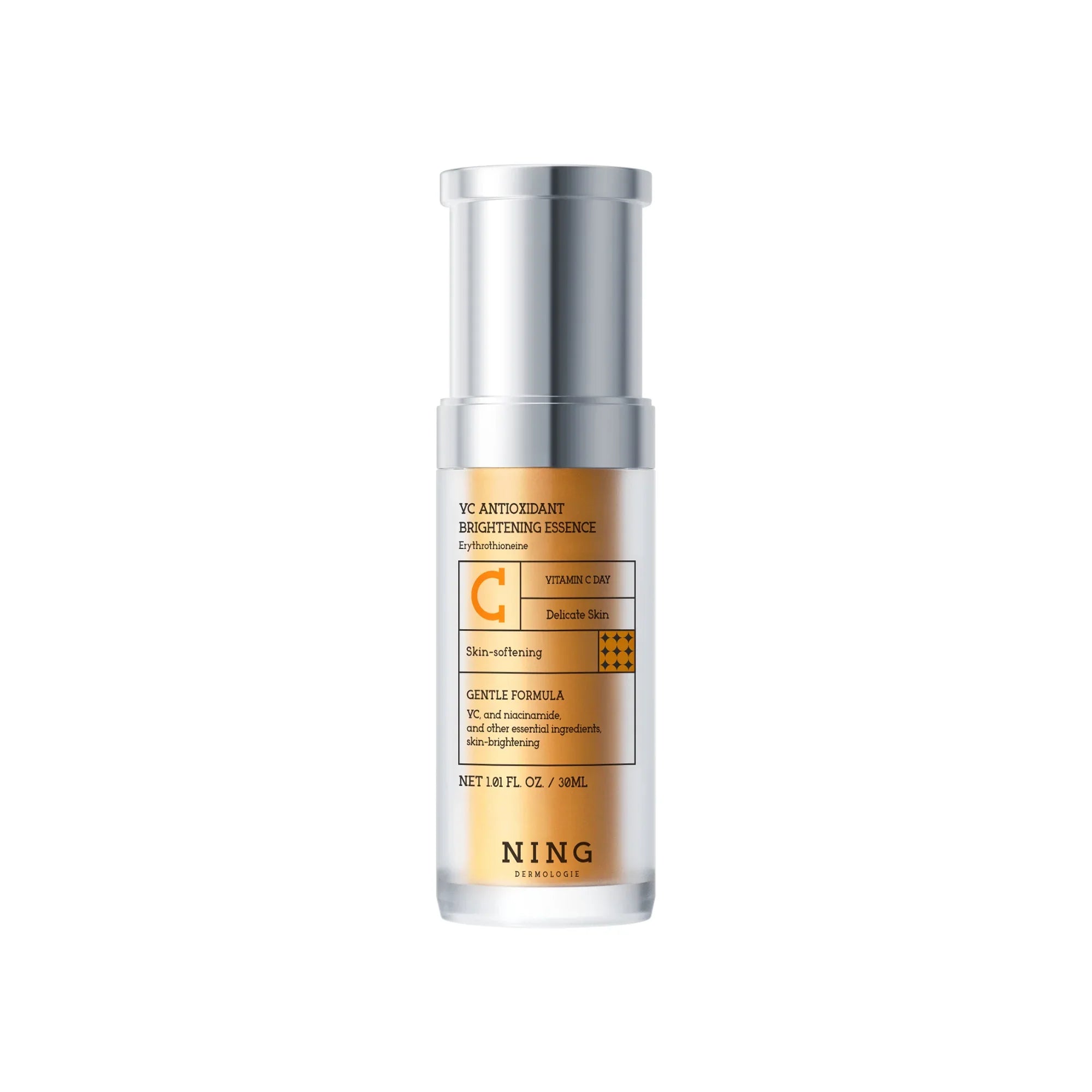
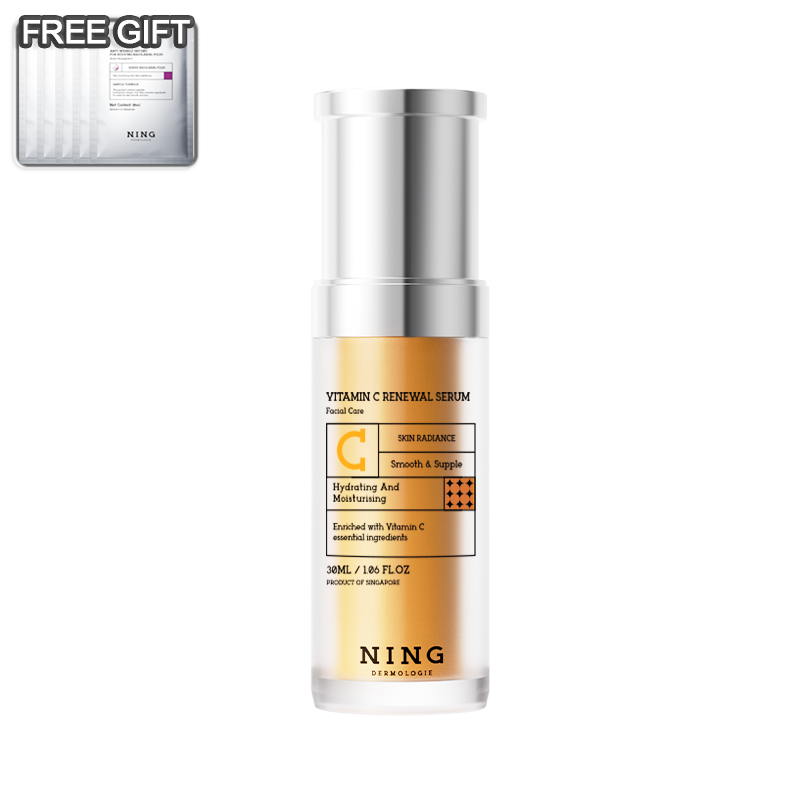
- Don't layer everything at once: Mixing a vitamin c serum (l-ascorbic acid) and salicylic acid in the same morning routine can lead to major irritation. Use your vitamin c serum in the AM and your acne serum in the PM.
Addressing Different Skin Conditions
Salicylic Acid for Blemish-Prone Skin
For those dealing with active breakouts, salicylic acid helps by being anti-inflammatory. It’s a salicylic acid acne treatment that actually calms the "angry" red bumps. Look for a salicylic acid cleanser to use in the morning and a stay on the skin serum for the evening.
Salicylic Acid for Dry Skin
It sounds counterintuitive, but you can use salicylic acid if you have dry skin. The key is to find the best formula that includes oils or hyaluronic acid. Salicylic acid can be drying, but if you use it specifically on blackhead-prone areas (like the nose or chin) and follow up with a heavy moisturizer, you can still reap the benefits of salicylic acid.
Combination and Oily Skin
For oily or combination skin, a face serum is usually better than a cream. You want something lightweight that won't contribute to more blackhead formation. The best salicylic acid serum for you is one that feels like water but works like a deep-cleanse.
Beyond the Basics: Advanced Ingredients to Pair
To truly find the best salicylic acid routine, you should know what else plays well with others.
- Azelaic Acid: Excellent for fading the red marks left behind by acne. Azelaic acid and BHA are a match made in heaven for post-inflammatory hyperpigmentation.
- Mandelic Acid: If salicylic acid 2 is too strong, mandelic acid is a much larger molecule that provides a very gentle on the skin exfoliation.
- Ferulic Acid: Often found in anti-aging serums, it helps protect your skin from free radical damage.
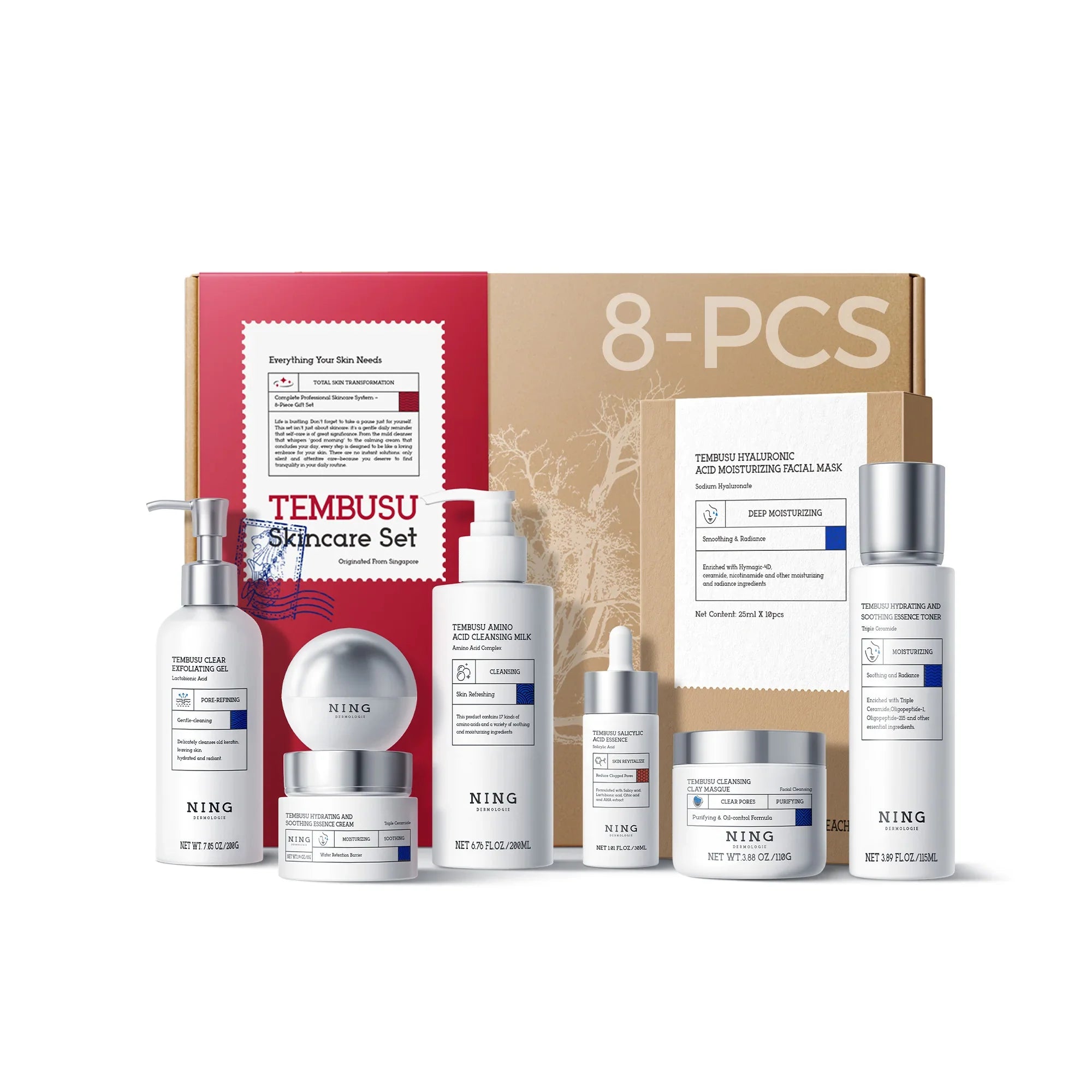
NING Dermologie: The Philosophy of Practicality
In our research for the top picks, we kept coming back to the idea that skin care should be transparent. NING Dermologie was created because the market was divided between overpriced medical brands and cheap, "one-ingredient" bottles that lacked sophistication.
Our 2% Salicylic Acid Serum isn't just about the acid; it's about how the acid behaves on your skin. By balancing the beta hydroxy acid with skin-soothing botanicals, we’ve created a salicylic acid serum 2 percent that people with sensitive skin can actually use without fear. It focuses on improving skin texture and ensuring that using a salicylic acid daily feels like a treat, not a chore.

Conclusion: Investing in Your Skin’s Future
Choosing the best salicylic acid serum shouldn't feel like a gamble. Whether you go for our NING Dermologie favorite or another of the best serums we’ve discussed, the goal is consistency. Salicylic acid can lead to incredible changes—smooth skin, fewer blackheads, and a balanced skin barrier—but only if you respect your skin type.
Listen to what your face is telling you. If it feels tight, back off. If it’s oily, stay the course. The best salicylic acid is the one that you actually enjoy using every night.
Frequently Asked Questions (FAQ)
1. Can I use salicylic acid every day?
Yes, but only if your skin has built up a tolerance. If you have oily or acne-prone skin, once daily is usually the "sweet spot." However, if you notice any peeling or redness, scale back to three times a week. Always prioritize your skin barrier over aggressive exfoliation. If you're new to salicylic acid, start slow and listen to your skin's feedback.
2. Can I mix salicylic acid with Vitamin C or Retinol?
It is generally better to separate them. Use your Vitamin C serum in the morning to protect your skin from free radical damage and your salicylic acid serum at night. If you use Retinol, alternate nights with your BHA. Mixing too many salicylic acid products with other actives can make your skin more sensitive and lead to chronic irritation or "burning" sensations.
3. Will salicylic acid help with my blackheads?
Absolutely. Salicylic acid works by dissolving the sebum and dead skin cells that form the "plug" of a blackhead. Because it is a beta hydroxy acid, it can penetrate deep into the pores where other acids can't reach. Consistent use of a face serum with salicylic acid will significantly reduce the appearance and frequency of blackheads over time.
4. Why is my skin "purging" after using a new serum?
When you start a salicylic acid acne treatment, it speeds up cell turnover. This pushes existing gunk to the surface faster, which can cause temporary breakouts. This is called "purging." It’s different from an allergic reaction. Stick with it for 4-6 weeks; if your skin conditions don't improve after a full skin cycle, then the product might not be right for you.
5. Is 2% salicylic acid too strong for sensitive skin?
It depends on the formula. A salicylic acid 2 percent concentration is standard, but if it’s formulated with soothing agents like hyaluronic acid or niacinamide, it can be quite gentle on the skin. For extremely sensitive skin, look for salicylic acid products that use "time-release" technology or lower concentrations like 0.5% to 1% to find the best balance for your needs.





Share:
Beyond Acne: The Multifaceted Benefits of Salicylic Acid in Skincare
From Acne to Radiance: Salicylic Acids Key Skin Benefits