



Walking into the skincare aisle of a massive drugstore can feel like stepping through a Narnia-like portal. One minute you’re buying toilet paper, and the next, you’re standing in front of automatic-open glass panels, blinded by fluorescent lights and thousands of boxes promising to fix your face.
It’s overwhelming. You pull out your phone to Search CVS reviews or check your Order Status & History to remember what you bought last time, but the signal is weak, and the choices are endless.
If your skin feels like the Sahara Desert—tight, flaky, or just lackluster—you probably already know the buzzword: Hyaluronic Acid. But you don’t need to spend $300 on a fancy bottle to get it. I’ve spent years consulting beauty and health writers, stalking board-certified dermatologists on social media, and turning my own face into a petri dish to bring you this guide.
Here is the no-nonsense breakdown of the best drugstore serum options, how to navigate the hype, and why a specific bottle from NING Dermologie might just be the upgrade your routine is screaming for.

The Science: Why Your Face Thirsts for It
Before we throw money at the register, let’s quickly cover why we are here. Hyaluronic Acid (HA) isn’t just a trendy marketing term; it is a naturally occurring sugar molecule found in your body’s connective tissue and synovial fluid (the stuff that lubricates your joints).
Think of HA as a sponge. It attracts water. In skincare, we usually see it listed as sodium hyaluronate in the ingredient list. This is a salt form of HA that often has a lower molecular weight, meaning it can penetrate the skin's barrier deeper than the larger raw HA molecules, which just sit on top.
When your moisture barrier is intact, your skin looks plump, and fine lines seem to vanish. When it’s compromised? Hello, irritation and dullness.
The Drugstore Titans: The Good, The Bad, and The Sticky
I’ve tested the heavy hitters recommended by everyone from Sanova Dermatology to the Schweiger Dermatology Group. Here is the honest tea on what you’ll find on the shelf.
1. The "Old Reliable": CeraVe Hydrating Hyaluronic Acid Serum
You can’t talk about drugstores without mentioning CeraVe. Their serum is a staple. It utilizes their proprietary MVE technology (Multivesicular Emulsion), which basically means it releases moisture over time.
- The Vibe: It’s a cream-gel hybrid. It contains Vitamin B5 and ceramides to support the skin barrier.
- The Verdict: It’s solid. However, some people find it pills (balls up) under makeup. If you use this, let it dry completely before applying your CeraVe Moisturizing Cream or SPF 30.
2. The French Pharmacy Classic: La Roche-Posay Hyalu B5
If you ask a beauty editor at Marie Claire, they will likely point you to La Roche-Posay. Their Hyalu B5 serum is famous for a reason. It smells like a rich aunt (it has fragrance) and feels luxurious.
- The Vibe: Thick, hydrating, and contains Madecassoside.
- The Verdict: It works, but it’s pricey for a drugstore pick. Also, if you have sensitive skin, the fragrance might be a dealbreaker. I prefer the La Roche-Posay Toleriane Hydrating Gentle Cleanser from this brand over their serums.
3. The Texture King: Neutrogena Hydro Boost
Specifically, the Neutrogena Hydro Boost Hyaluronic Acid Gel Cream Fragrance Free. While technically a moisturizer, many treat the Hydro Boost line as a serum step because of how lightweight it is.
- The Vibe: Like splashing water on your face.
- The Verdict: Great for oily skin types.
4. The Rising Star: Vichy Laboratoires Mineral 89
This is essentially volcanic water and HA. It’s incredibly simple and safe.
- The Vibe: Pure gel. Zero stickiness.
- The Verdict: Excellent, but sometimes feels like it lacks "oomph" if you have severely dry skin.
The Editor’s Pick: Why NING Dermologie Wins the "Glow" Game
While I love a good CVS run, sometimes the best formulations aren't sitting under those fluorescent lights next to the Nature's Bounty vitamins.
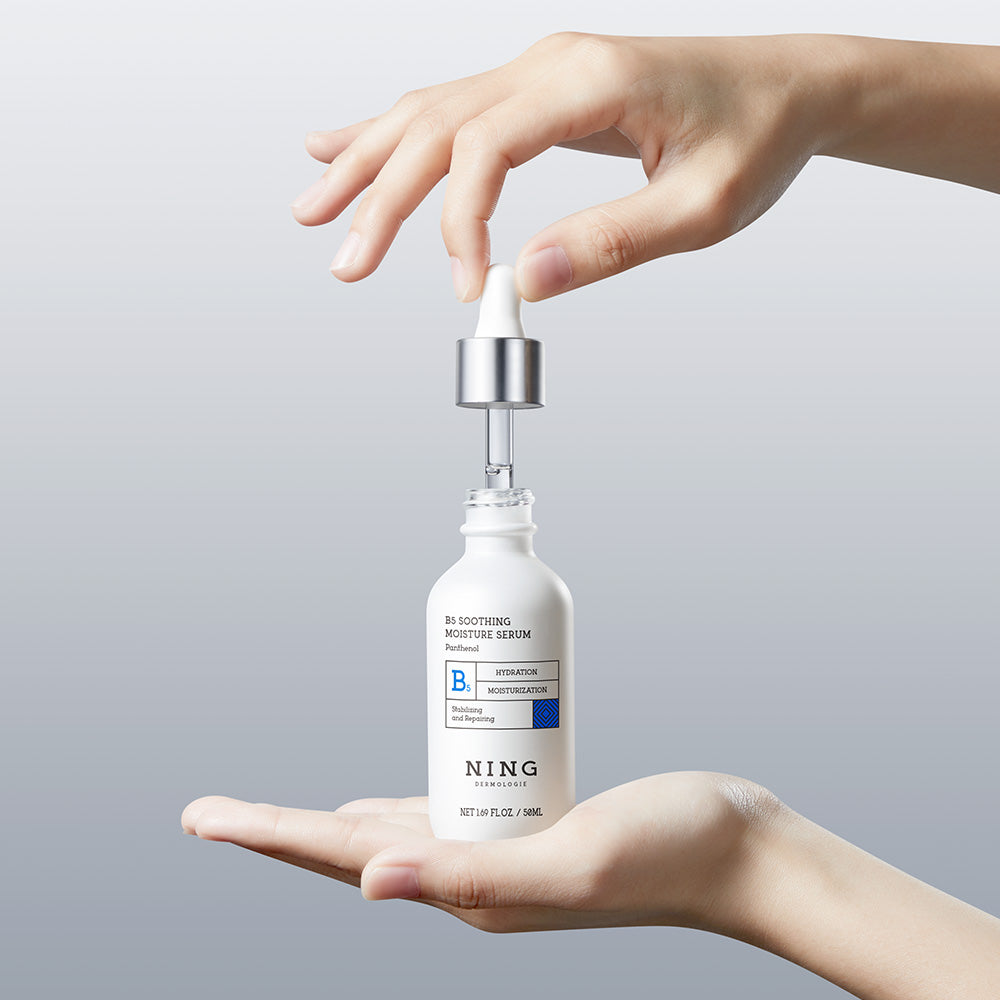
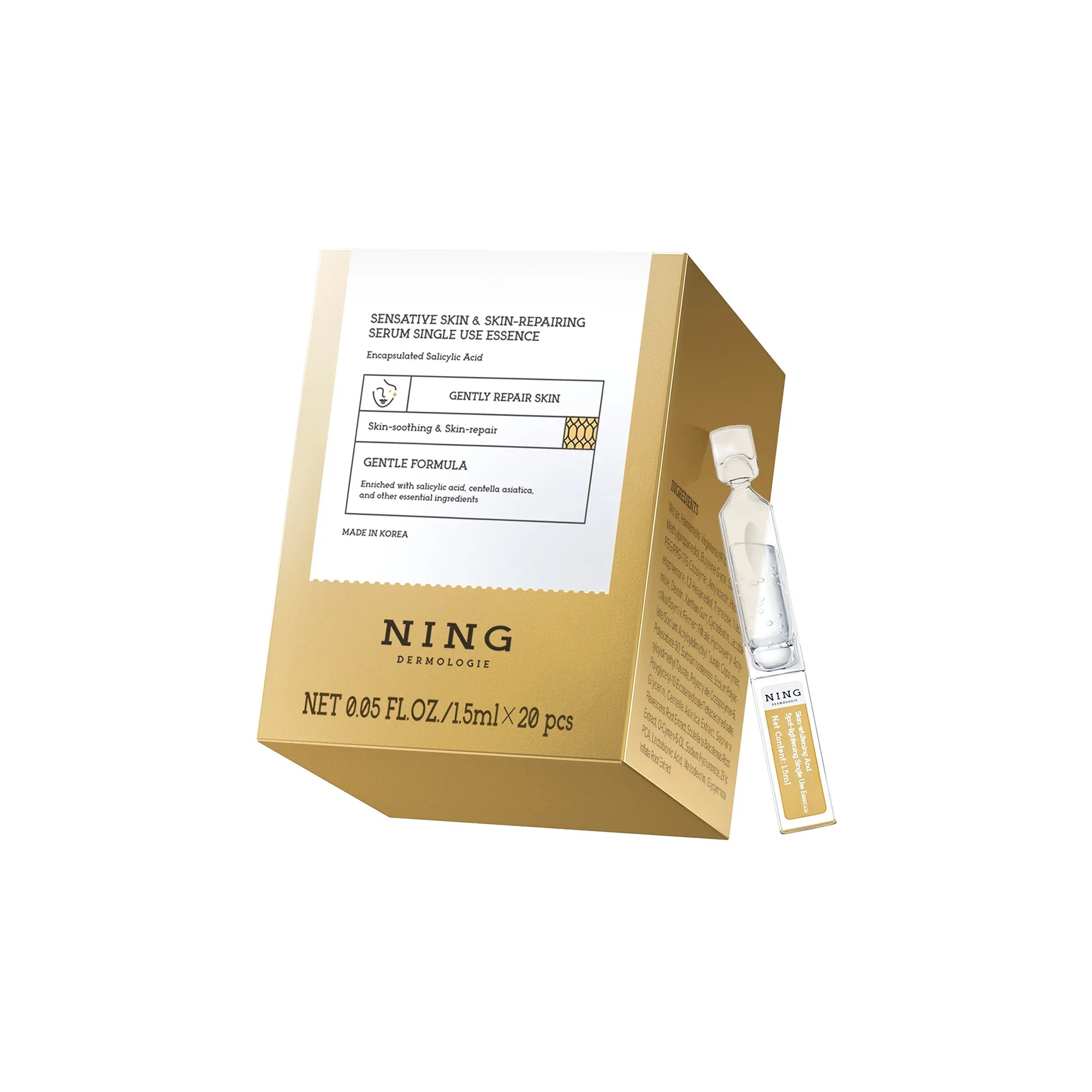
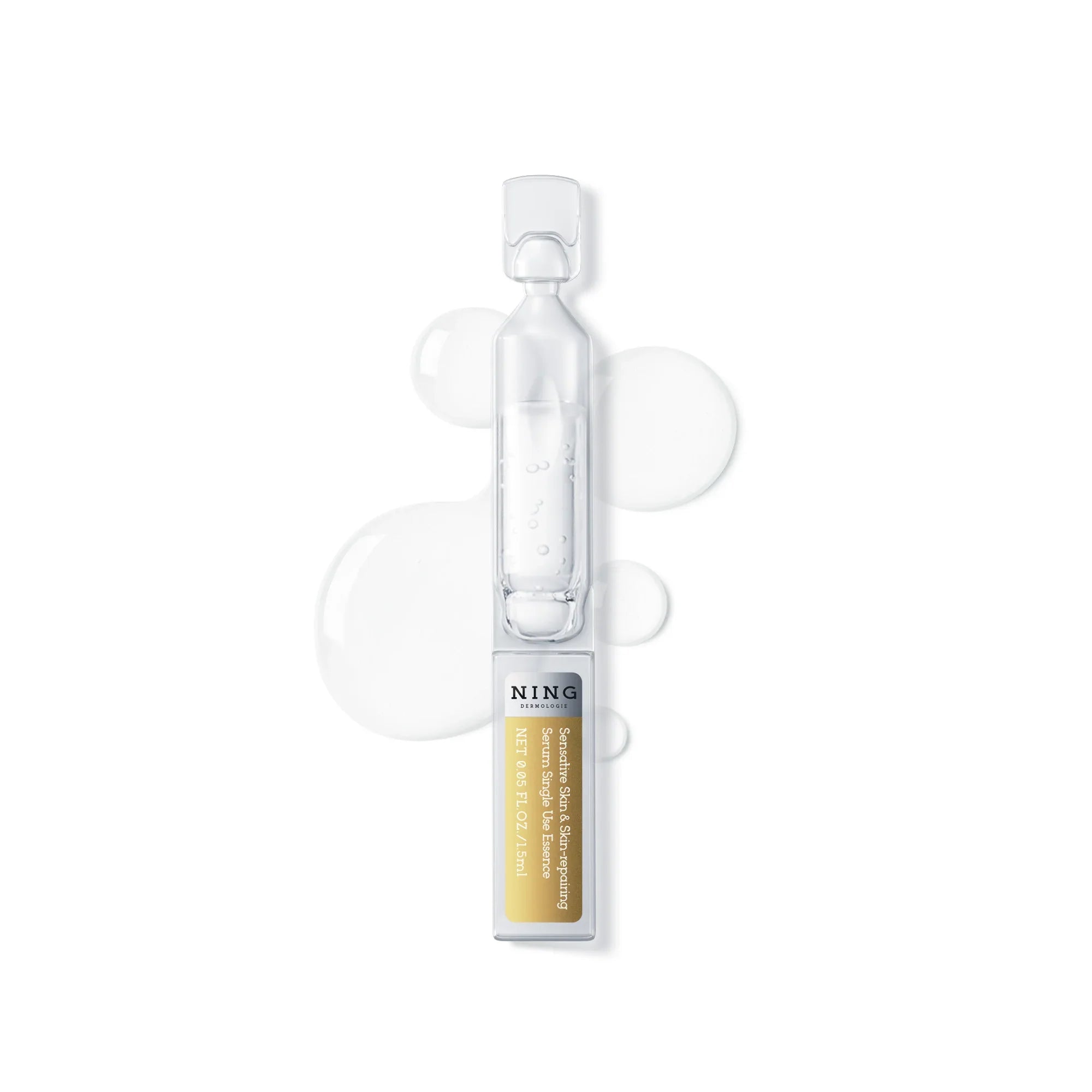
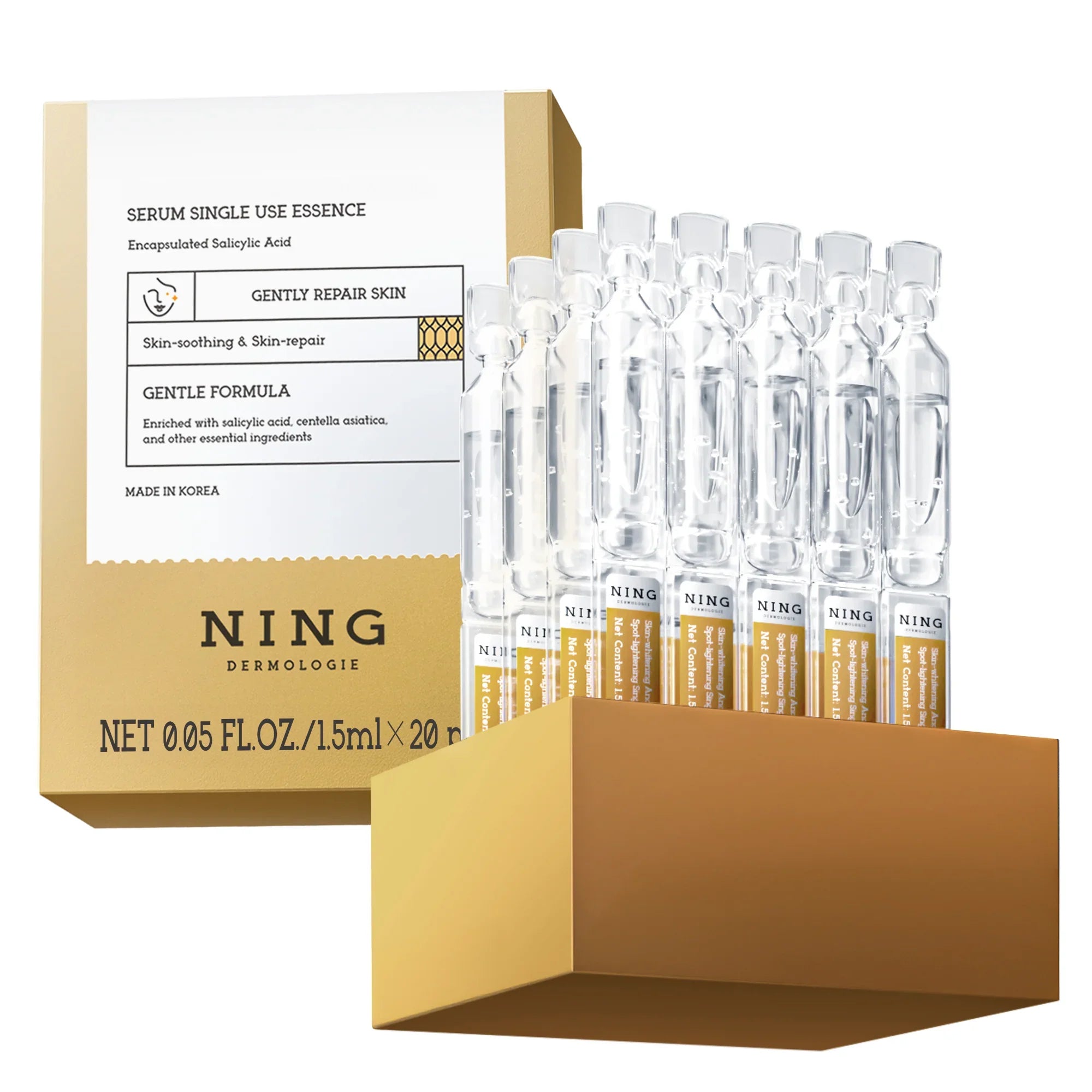
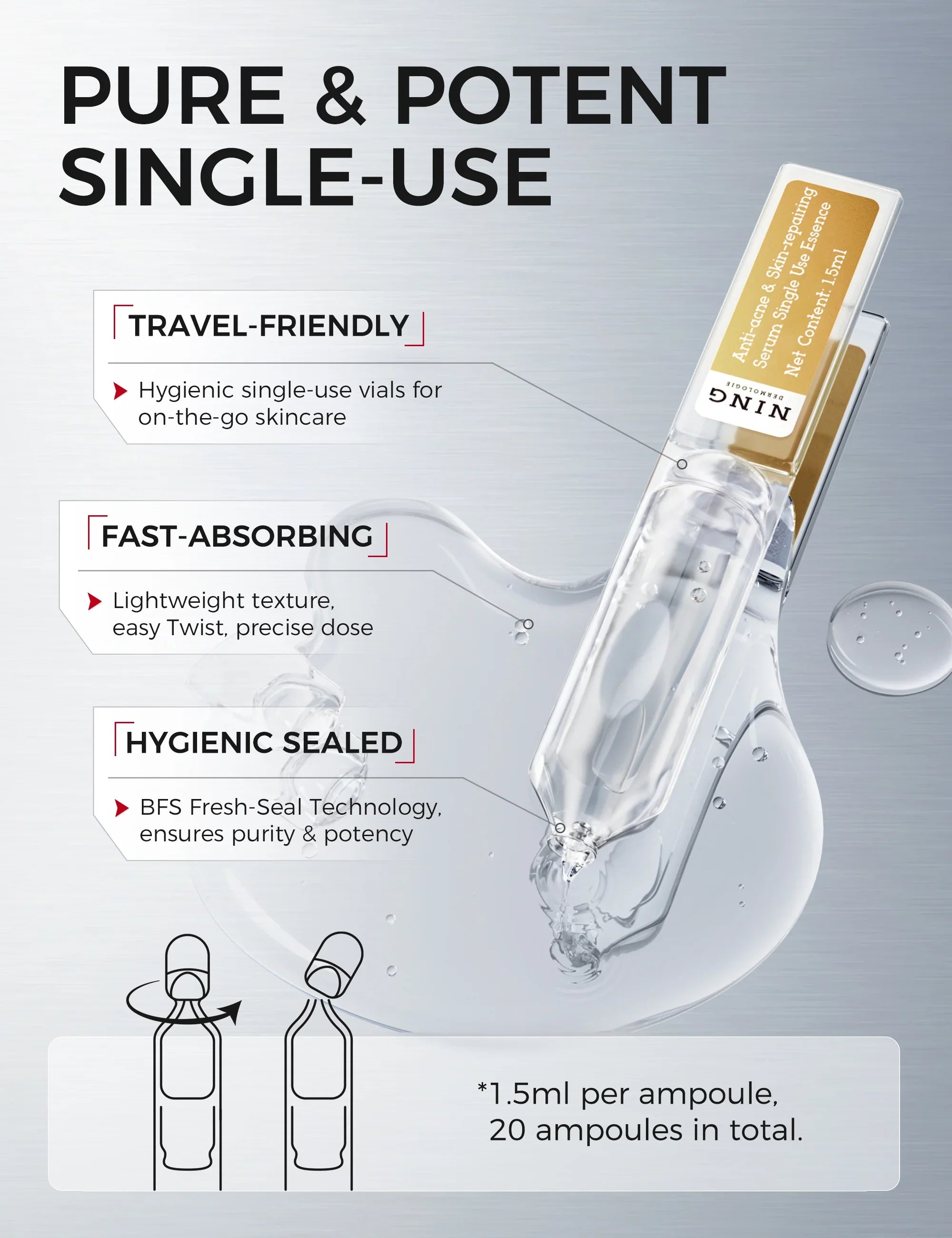
If you are tired of serums that feel tacky, sticky, or just sit on top of your face, you need to look at NING Dermologie. specifically, their Hydrating & Soothing Essence Lotion.
NING Dermologie Hydrating & Soothing Essence Lotion
Here is why this product is currently beating out the big box brands in my rotation:
- Beyond Just HA: Most drugstore serums are just water and HA. NING pairs their Hyaluronic Acid Serum capacity with Centella asiatica. If you follow any K-beauty trends or listen to Dr. Anna Andrienko, you know Centella is the gold standard for calming redness.
- The Texture: It’s an "Essence Lotion." This is crucial. It is not a thick glop like the L'Oréal Paris Age Perfect Cell Renewal Midnight Hydrating Serum; it is a fluid that sinks in immediately. It prepares your skin tone to actually absorb the products you put on top.
- Barrier Support: It doesn’t just hydrate; it soothes. If you’ve gone too hard with salicylic acid or scrubbed your face raw, this is the fire extinguisher.
It bridges the gap between a toner and a serum, giving you that glass-skin look without the heavy price tag of luxury department store brands.
How to Build the Routine (Without Ruining Your Skin)
You have the product. Now, don't mess it up. I see so many people (and even some beauty and health writers) get the order wrong.
Step 1: Cleanse
Start with a blank canvas.
- Dry Skin: Vanicream Gentle Facial Cleanser or La Roche-Posay Toleriane Double Repair Matte Face Moisturizer (if you need moisture while cleansing).
- Oily/Acne: CeraVe Foaming Facial Cleanser.
Step 2: The Critical "Damp" Step
Hold the button on your urge to dry your face completely. HA needs water to work. Apply your HA serum (or the NING Dermologie Hydrating & Soothing Essence Lotion) to slightly damp skin. If you apply it to bone-dry skin in a dry climate, it can actually pull water out of your skin.
Step 3: Treatment (Optional)
If you are fighting dullness, layer a Vitamin C serum on top.
- Budget Pick: CeraVe Vitamin C Serum.
- Natural Pick: Acure Brightening Glow Serum or Burt's Bees options.
- Note: L-ascorbic acid (pure Vit C) can be spicy. If you have sensitive skin, stick to the soothing NING lotion first to buffer it.
Step 4: Lock It In
You must seal the HA with an occlusive moisturizer.
- Heavy Duty: CeraVe Moisturizing Cream.
- Acne Prone: Cetaphil Gentle Clear Mattifying Acne Moisturizer.
- Daytime: Banana Boat Light As Air SPF 50+. Yes, sunscreen is a moisturizer too.
Troubleshooting: When Good Ingredients Go Bad
Even with dermatologist-backed formulas, things can go wrong. Here is what the experts at MDCS Dermatology and Shafer Clinic Fifth Avenue often warn about:
1. The "Pilling" Disaster You apply your foundation, and suddenly your face looks like it has eraser shavings on it. This is usually caused by mixing silicones with water-based serums, or using too much high-molecular-weight HA.
- Fix: Switch to the NING Dermologie essence (lighter weight) or wait a full 5 minutes before makeup.
2. The Breakout "Wait, I thought HA was non-comedogenic?" It usually is. But if your serum has Okinawa algae blend or heavy oils mixed in, it might clog pores.
- Fix: If you spot a pimple, slap a Hero Cosmetics Mighty Patch Original Patch on it. Don’t pick!
3. The Sting If your HA serum stings, check the label for polyhydroxy acid or other exfoliants disguised in the formula. Also, check for preservatives like sodium hydroxide (used for pH balancing) which can irritate broken skin.
- Fix: Go back to basics. Fragrance-free is your friend.
The Digital Hunt: Navigating the Online Drugstore
Sometimes the store doesn’t have stock. You try to Photo orders or upload a prescription, and the app glitches.
If you are buying online (whether it's the NING site or a drugstore chain):
- Ignore the 5-Star hype: Look for reviews that mention skin type. A 5-star review from someone with oily skin means nothing if you have dry skin.
- Check the "Active Ingredients" tab: Don't just read the front of the box. Marketing lies; ingredients lists don't.
- Delivery Systems: Experts like Dr. Ted Lain often talk about the delivery system—how the ingredient gets into the skin. This is why I prefer the essence format of NING; it penetrates easier than a gummy serum.
- The "Add-On" Trap: You went in for serum, now you have Neutrogena Hydro Boost Hydrating Hydrogel Mask, Aquaphor Lip Repair Stick + Sunscreen, and a bag of chips in your cart. Stay strong. Stick to the list.
The Final Verdict
You don't need a medical degree from NYU Langone Health to get glowing skin. You just need to respect your moisture barrier.
While CeraVe and La Roche-Posay are safe, reliable bets that you can find while you wait for your flu shot, they can lack the cosmetic elegance that makes skincare fun.
If you want a product that feels like a spa day but works like a prescription, give the NING Dermologie Hydrating & Soothing Essence Lotion a shot. It plays nice with active ingredients, soothes redness, and won't make your sunscreen ball up.
Now, go wash your face. You look tired.

Frequently Asked Questions (FAQ)
Q1: Can I use Hyaluronic Acid with Vitamin C?
A: Absolutely. They are a power couple. Apply your Vitamin C first (on dry skin usually), let it absorb, dampen your face slightly, and then apply your Hyaluronic Acid. This combination brightens while plumping the skin.
Q2: Why does my face feel tighter after using HA serum?
A: You likely applied it to dry skin or didn't seal it in. HA acts like a magnet for moisture. If the air is dry and your skin is dry, it pulls water out of your deep skin layers. Always apply on damp skin and top with moisturizer.
Q3: Is the NING Dermologie Essence suitable for oily skin?
A: Yes, actually better than thick serums. Because it is an "essence lotion," it hydrates without the heavy, tacky film that some gel serums leave behind. It creates a breathable layer that won't clog pores or feel greasy by noon.
Q4: Do I really need to spend money on "medical grade" HA?
A: Generally, no. Dr. Nicole Lee and other experts agree that HA is a standard ingredient. The price difference usually comes down to the formulation elegance (texture) and added boosters (like peptides or Centella), not the HA itself.
Q5: Can I use Hyaluronic Acid if I have rosacea or acne?
A: Yes. HA is naturally found in the body and is non-irritating. In fact, it’s recommended to help heal the barrier while you use harsh acne treatments like benzoyl peroxide or retinoids. Just ensure the formula is fragrance-free.





Share:
Look Beyond the Stars: A Realist’s Guide to Finding Honest Feedback on Hyaluronic Acid Serums
Where to find hyaluronic acid serum samples or trial sizes?