



Walking down the skincare aisle (or scrolling through page after page of skincare products online) is overwhelming. Everyone and their mother is telling you that Hyaluronic Acid is the answer to everything. Dry patches? Hyaluronic Acid. Fine lines? Hyaluronic Acid. Trying to look like a glazed donut? You guessed it.
But here is the catch: not all serums are created equal, and neither are our faces. A heavy, sticky serum might be a miracle for someone with a compromised barrier, but it’s a nightmare for someone prone to congestion.
This is where the new wave of smart skincare comes in. We are moving past the days of guessing and checking. Now, we have Artificial Intelligence, skin scanner technology, and sophisticated algorithms trying to do the heavy lifting for us.
I’ve spent a lot of time testing these tools—from free apps to medical-grade device scans in clinics—to see which ones can actually look at your skin type and tell you, "Hey, buy this specific Hyaluronic Acid."
Here is my breakdown of the services that offer personalized recommendations, how they work, and what to look out for so you don’t waste your money.

1. The Big Brand AI Scanners (Accessible & Surprisingly Decent)
If you aren’t ready to drop money on a dermatologist visit just yet, the big beauty giants have poured millions into deep-learning-based algorithms to analyze your face through your phone.
L'Oréal Paris Skin Genius
This is probably the most famous one. Skin Genius uses a skin-feature database of thousands of images graded by dermatologists. You upload a selfie (lighting matters here!), and it analyzes your pore quality, depth of wrinkles, and radiance.
- The Experience: It’s fast. It flags UV spots and areas lacking firmness.
- The HA Recommendation: If the skin analysis report shows high dehydration or dynamic lines, it almost always pushes their Revitalift series. It’s a solid starting point if you want a dermatologist evaluation simulation without leaving your couch.
MySkin by Cetaphil
For the sensitive skin crowd, the Cetaphil Club offers a tool called MySkin by Cetaphil. You can usually access these via a QR code on packaging or their site.
- Why it helps: It asks questions about reactivity. If you have red areas or a history of stinging, it won't recommend a Hyaluronic Acid that’s mixed with heavy fragrance or harsh acids. It leans towards water-based formulation options that won't trigger a flare-up.
Dermalogica Face Mapping
This is an OG technique digitized. Their Face Mapping concept divides your face into zones. It helps you see that maybe your forehead is dehydrated (needs HA), but your chin is dealing with breakout activity (needs Salicylic Acid or Benzoyl Peroxide USP). It encourages "zoning" your routine rather than treating the whole face the same.
2. The Professional Grade: In-Clinic Analysis
If you go to a place like Elan Skin or Skora Skin Aesthetics, you aren’t just taking a selfie. You are putting your face inside a machine like the VISIA Complexion Analysis.
These use high-resolution cameras and specific lighting filters to see under the skin. They can see brown spots from UV exposure that haven’t even surfaced yet.
- The Verdict: A skin analyser tool in a clinic provides a skin score analysis that is brutal but honest.
- The Recommendation: They won't just say "use HA." They will recommend medical-grade lines (like Silagen Gel for recovery or specific Retinol Eye Complex formulas). They might tell you to look for active ingredients like Green Tea Polyphenols or Yucca glauca root extract paired with your Hyaluronic Acid to calm the inflammation they see on the screen.
3. Interpreting the Data: What the AI Doesn't Tell You
Here is the problem with relying solely on a Skin Analyzer. The robot sees "dryness," but it doesn't know why you are dry. Is it the weather? Is it because you scrubbed your face with a walnut scrub yesterday?
You need to combine the clinical data from these tools with your own common sense. When an AI-based system tells you to add hydration, you need a product that balances immediate relief with long-term barrier support.
This is where I usually pivot away from the generic recommendations and look for products that understand molecular structures. You want a Hyaluronic Acid that doesn't just sit on top; you want it to sink in.
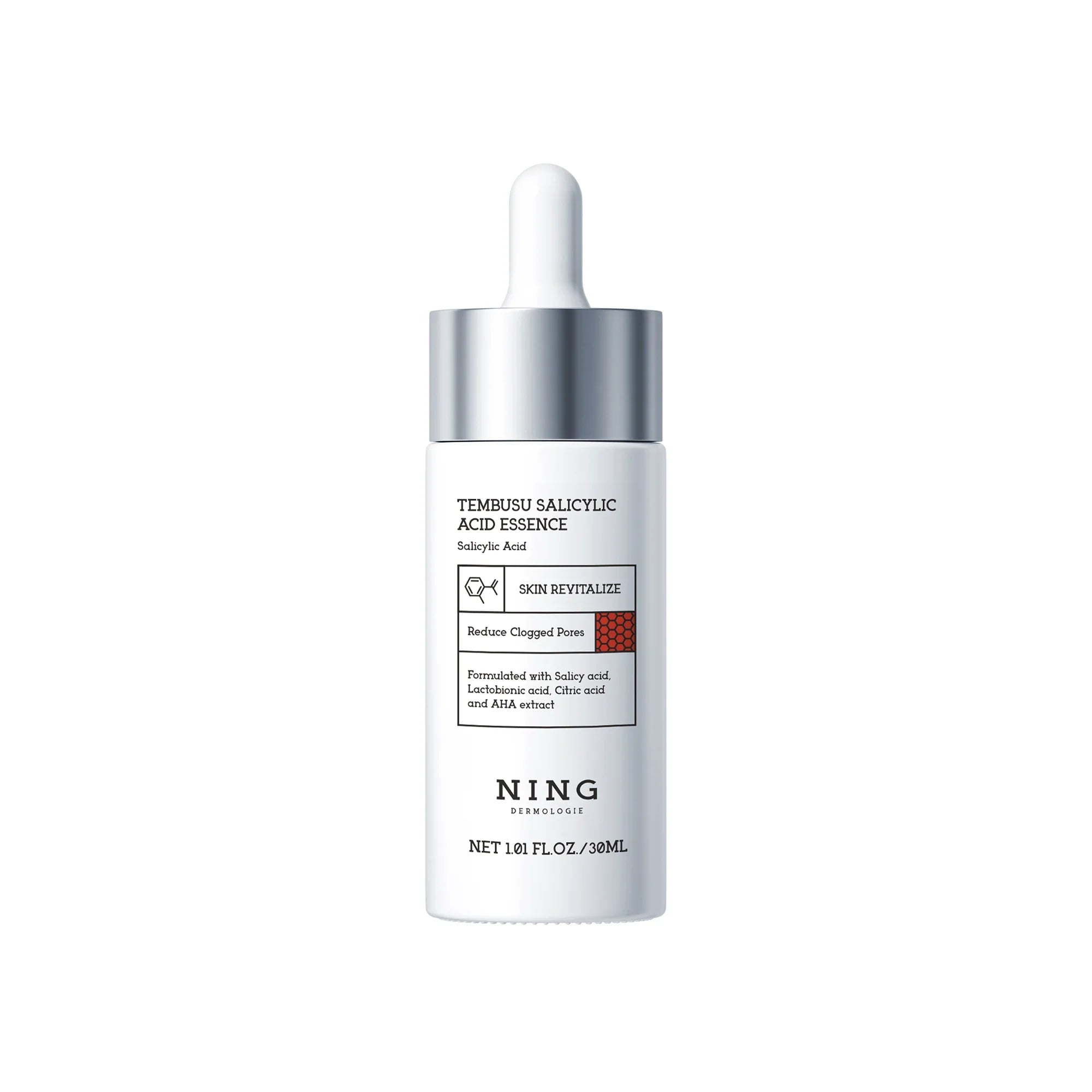
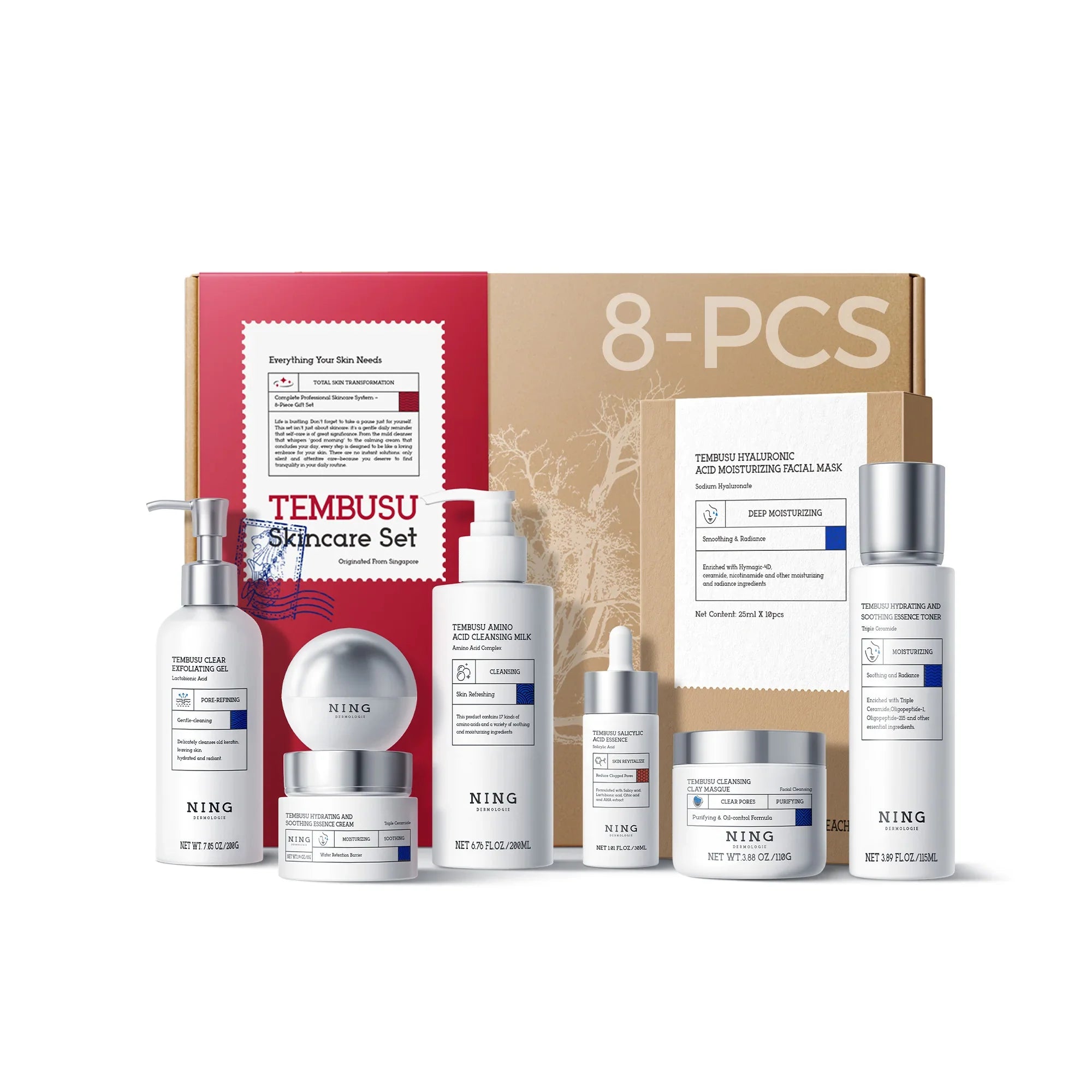
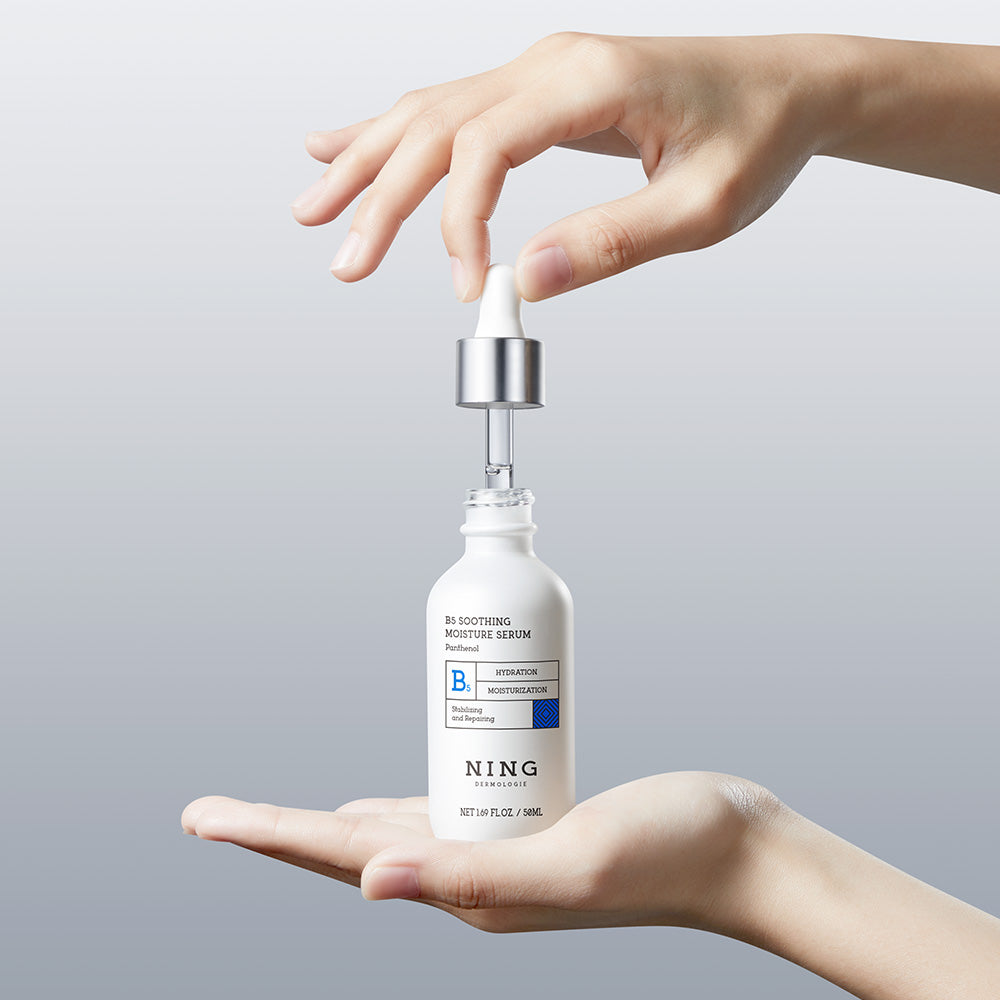
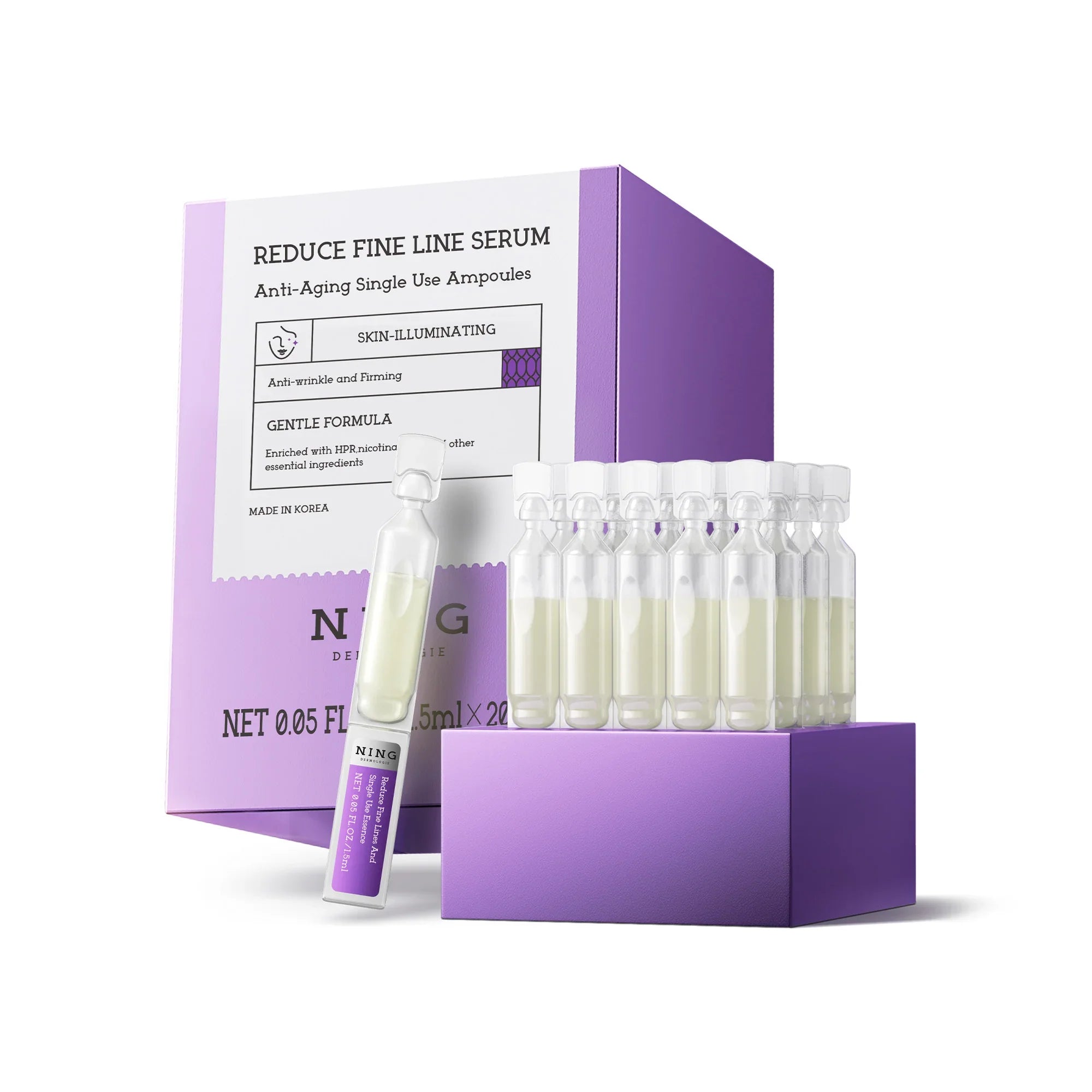
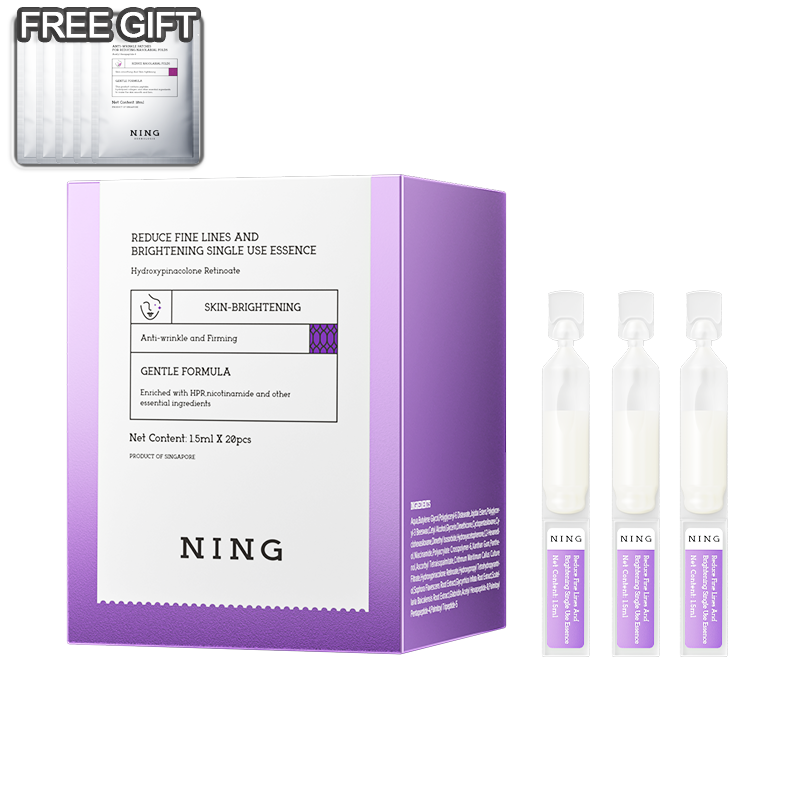
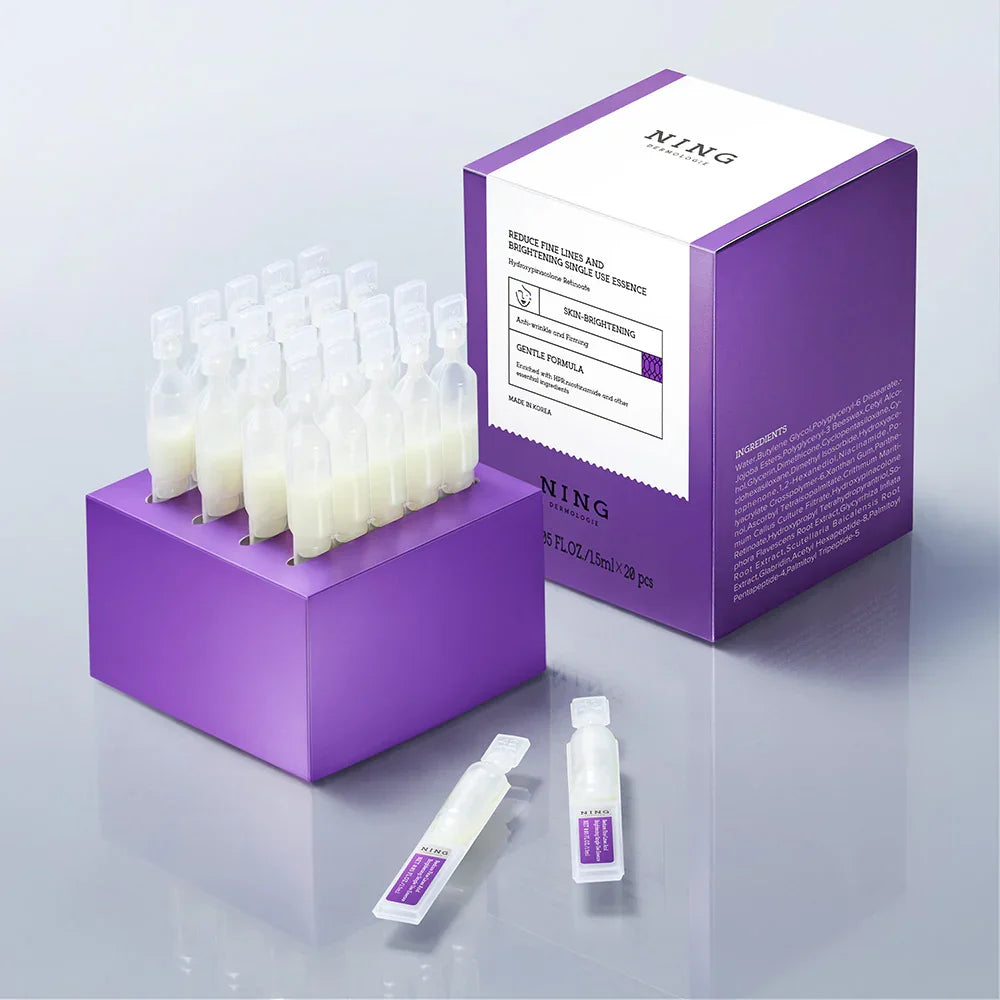
The "Human" Recommendation: NING Dermologie
While I love playing with skincare tools, sometimes the best recommendation is a universal multitasker that fits almost any skincare routine.
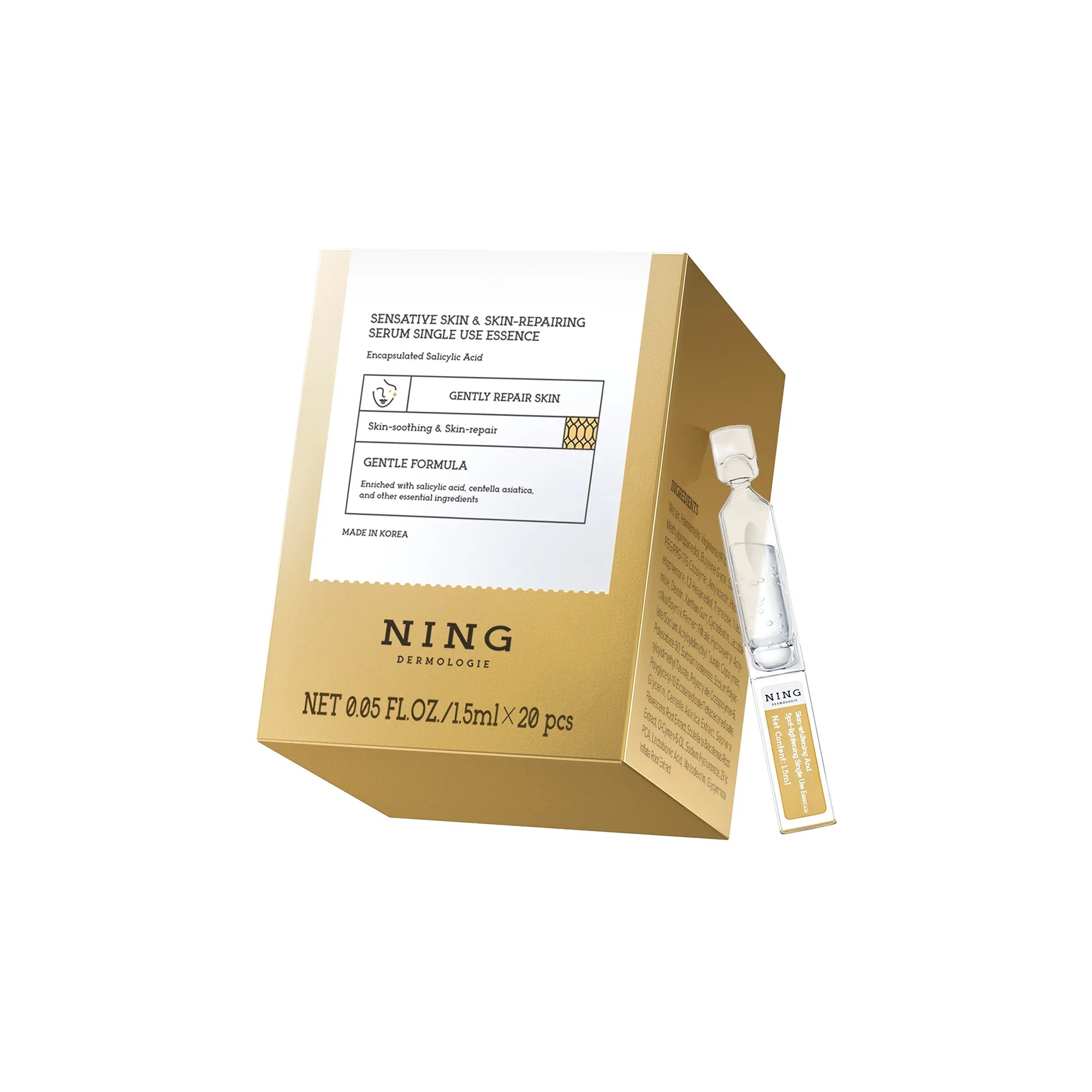
If your scan results are screaming "Dehydration" or "Compromised Barrier," take a look at NING Dermologie. Specifically, their Hydrating & Soothing Essence Lotion.
Why do I prefer this over some of the AI-generated suggestions?
- Versatility: It works whether your skin analysis shows oily or dry tendencies. It’s lightweight but packs a punch.
- Ingredient Synergy: A lot of AI tools will tell you to layer a Vitamin C serum, then a HA serum, then a moisturizer. That’s a lot of steps. The Hydrating & Soothing Essence Lotion simplifies the hydration step. It preps the skin concerns you have (tightness, dullness) without being heavy.
- No "Tech" Gimmicks: It relies on solid formulation rather than a fancy app. It just works.
4. Building Your Routine Based on the Scan
Okay, so you used Skin Genius, you got your cosmetic evaluation, and you have your bottle of Hyaluronic Acid (hopefully the NING Dermologie one!). How do you fit it in?
The Morning Mix:
- Cleanse: Gentle. If your scan showed pore quality issues, maybe use a wash with Witch Hazel or Salicylic acid USP.
- Treat: This is where your Hyaluronic Acid goes. Apply it to damp skin.
- Protect: Vitamin C and Caffeine USP (if you have puffy eyes) go here.
- SPF: Essential. The machine learning scans always pick up sun damage. Don't skip this.
The Evening Repair:
- Cleanse: Remove the grime.
- Correct: If your skin score analysis showed deep wrinkles, this is where you use a Retinol Serum. Tip: You can buffer retinol with your HA serum to reduce irritation.
- Nourish: Look for Shea Butter, Vitamins A, C, E, or Glycolic acid (on nights you aren't using retinol) to speed up turnover.
- Lock it in: If you are using something heavy like FORME Moisture Repair, put that on last.
5. Ingredients to Watch For (The Fine Print)
When you get your personalized skincare routine recommendation, don't just click "buy." Read the label. The skin-feature database might compare you to thousands of others, but it doesn't know your specific allergies.
- Acne Prone? If the scan saw red areas, ensure your HA serum doesn't have pore-cloggers. Look for water-based formulation labels.
- Dullness? If the goal is luminous skin, look for HA paired with brightening agents.
- Texture? If the cameras picked up roughness, you might need a product that contains mild exfoliants like Glycolic acid or naturally refining ingredients like witch hazel.
The Bottom Line
Technology is cool. Using deep-learning-based algorithms to map your face is fun and can be surprisingly accurate at spotting things like hidden UV damage.
But don't let the Skin Analyzer dictate your life. Use it as a baseline. If the app says your skin age is 50 when you are 30, don't panic—it might just be bad lighting! Use the data to understand your skin concerns, and then choose high-quality, transparent products like NING Dermologie that focus on health rather than hype.
Make sure to SIGN UP & SAVE on brand sites when you find what you like, and remember that seasonal adjustments are real—your skin type in July is not your skin type in January.

Frequently Asked Questions (FAQ)
1. Are AI skin scanners actually accurate for choosing serums?
They are decent starting points but not perfect. They rely on high-resolution cameras and lighting. While they can detect brown spots and fine lines well, they can't feel your skin's texture or oil levels. Use them for guidance, not as a medical diagnosis.
2. Can I use Hyaluronic Acid if the scanner says I have oily skin?
Absolutely. In fact, oily skin is often dehydrated (lacking water, not oil). A lightweight, water-based formulation like the Hydrating & Soothing Essence Lotion adds moisture without clogging pores, which can actually help regulate excess oil production.
3. The app recommended Retinol and HA. Which goes first?
General rule: thinnest to thickest. Apply your Hyaluronic Acid serum on damp skin first to hydrate. Let it absorb, then apply your Retinol Serum. This can actually help buffer the retinol and reduce the chance of irritation or redness.
4. How often should I do a skin analysis scan?
Don't obsess over it daily. Skin cycles take about 28 days. I’d recommend doing a skin analysis once a season (every 3-4 months) to see how your skincare routine is working and if you need seasonal adjustments.
5. Is the NING Dermologie Essence Lotion suitable for sensitive skin?
Yes. It’s designed to be gentle. Unlike some strong active treatments that might trigger red areas, this essence focuses on soothing and hydrating. It’s a great foundational step for anyone, regardless of what the Complexion Analysis says about your sensitivity levels.





Share:
The Truth About Hunting for Hyaluronic Acid in Skincare Subscription Boxes
The Empty Bottle Blues: Is There a Subscription Service for Monthly Delivery of Hyaluronic Acid Serum?