



How to Choose the Right Korean Vitamin C Serum for Oily Skin?
If you have oily skin, the hunt for the best vitamin c serum usually feels like a series of expensive mistakes. Most traditional vitamin c product formulations are built for dry skin—thick, oily, and heavy. You apply it in the morning, and by 2 PM, your face looks like a glazed donut, your pores feel suffocated, and you’re wondering why you even bothered with a face serum in the first place.
In the world of K-Beauty, things are different. The korean vitamin c serum philosophy focuses on "water-light" hydration and "glass skin" transparency, rather than the heavy, greasy oils often found in Western pharmacy brands. But even within the Korean market, picking the right vitamin c serum for oily skin and acne-prone skin requires a bit of ingredient detective work.
Here is the no-nonsense guide to finding a vitamin c brightening serum that actually controls oil while nuking dark spots and hyperpigmentation.

The Oily Skin Dilemma: Why Your Current Vitamin C Fails
Oily skin is a double-edged sword. While the excess sebum keeps us looking younger for longer (natural skin aging prevention!), it makes choosing a serum with vitamin C tricky.
Most pure vitamin c (L-ascorbic acid) formulas require a very low pH to stay stable. This acidity can trigger irritation in sensitive skin types, leading to more oil production as a defense mechanism. Furthermore, many legendary products—like the Skinceuticals C E Ferulic or the Timeless Skin Care 20%—use a base that can feel "tacky" on greasy T-zones.
When you use vitamin c serum that is too heavy, it doesn’t just sit on the surface; it mixes with your sebum, oxidizes, and can make your dull skin look even yellower or more "muddy" by noon. This is why oily skin types often give up on vitamin c serums of 2026 entirely.
3 Rules for Choosing a Korean Vitamin C Serum for Oily Skin
1. Ditch the Oil, Find the "Water"
A suitable for all skin types label is often a lie for oily folks. Look for a vitamin c boosting serum that is water-based. Korean formulations often use vitamin concentrated serum technologies that feel like an essence rather than an oil.
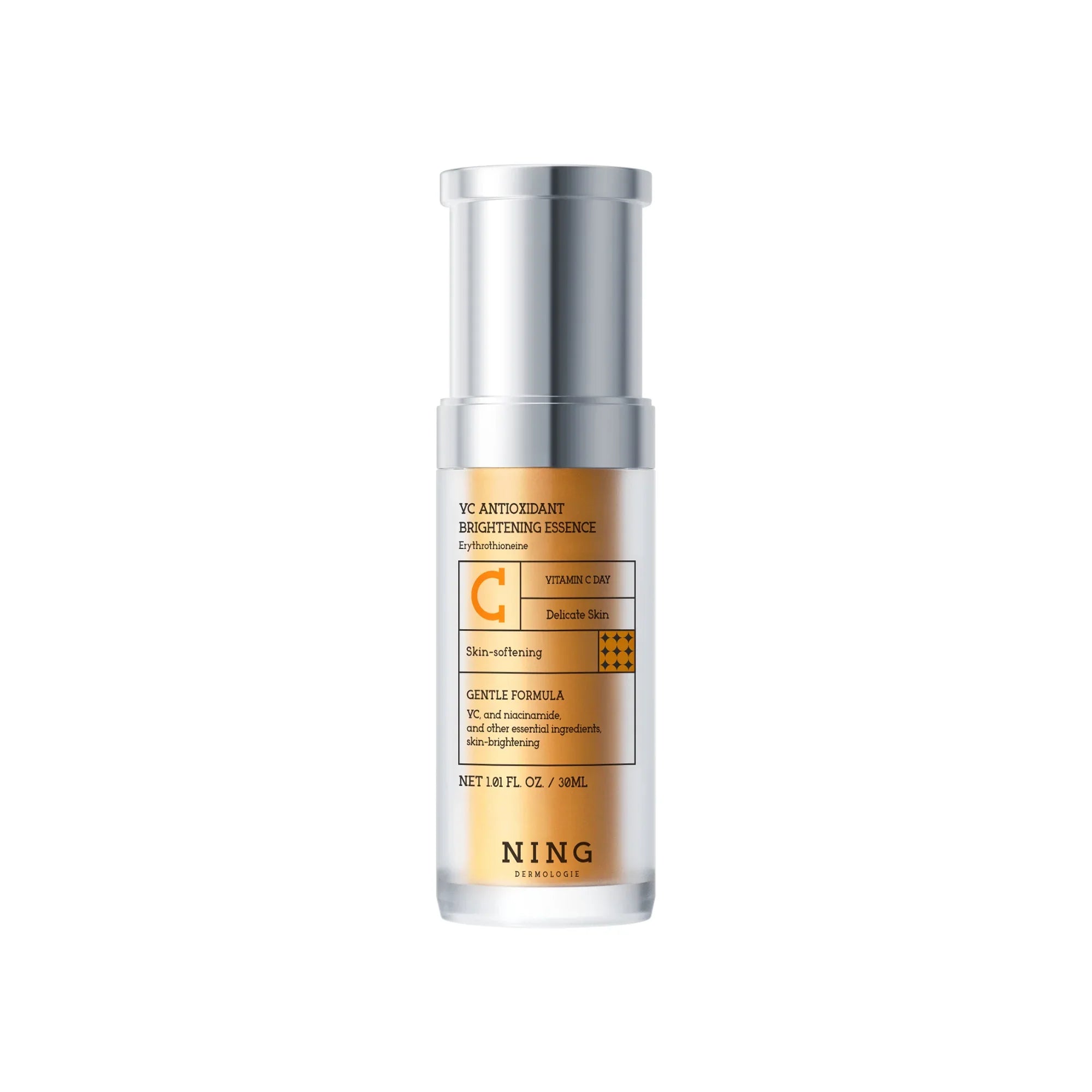
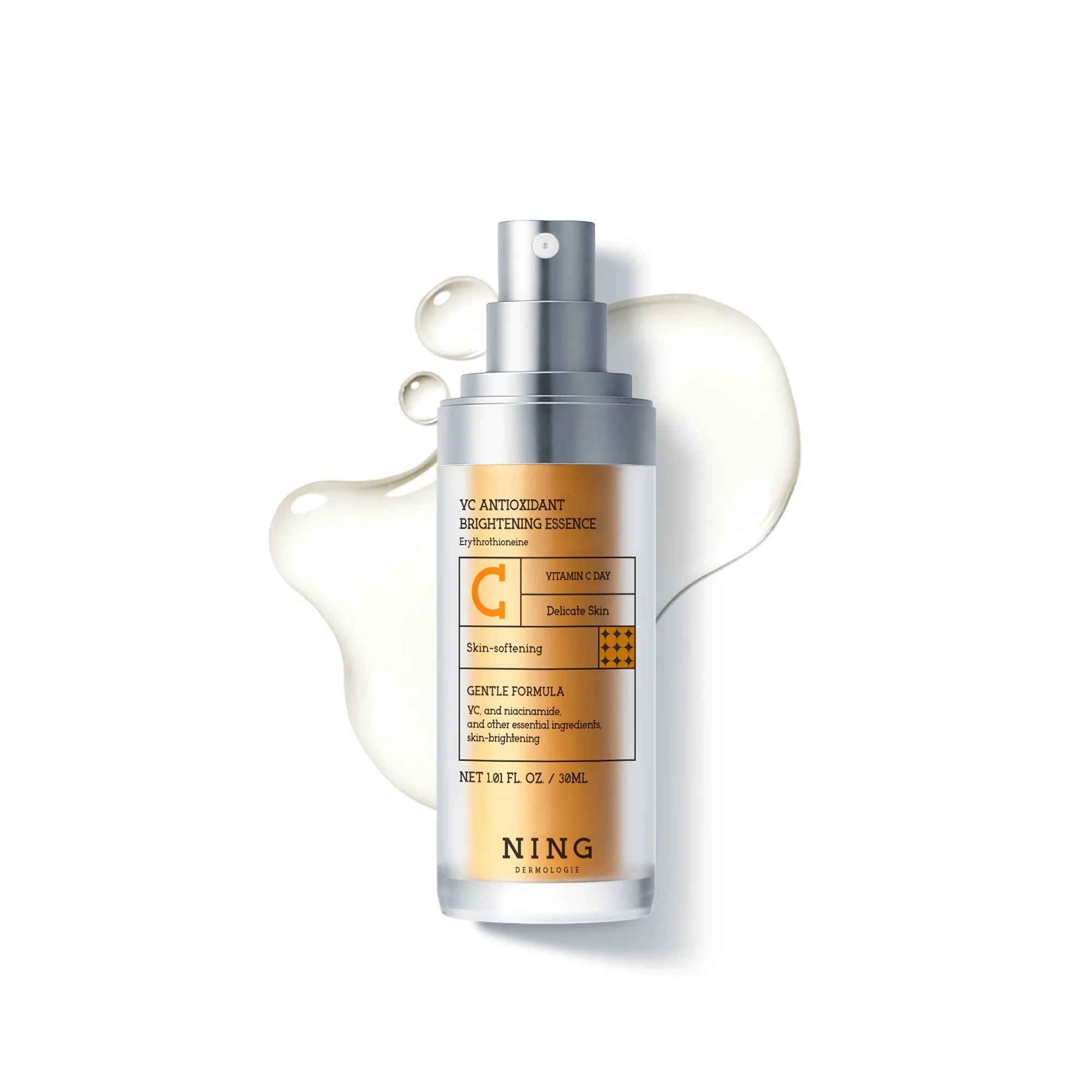
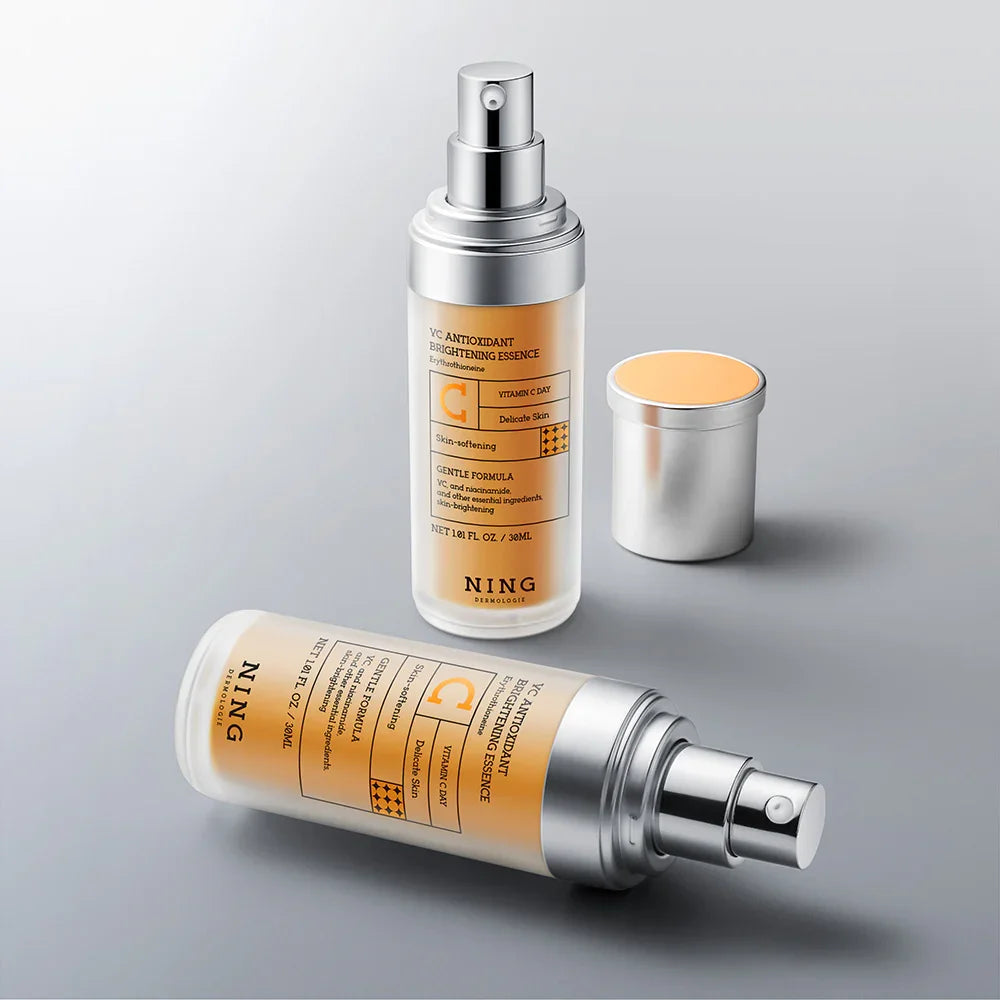
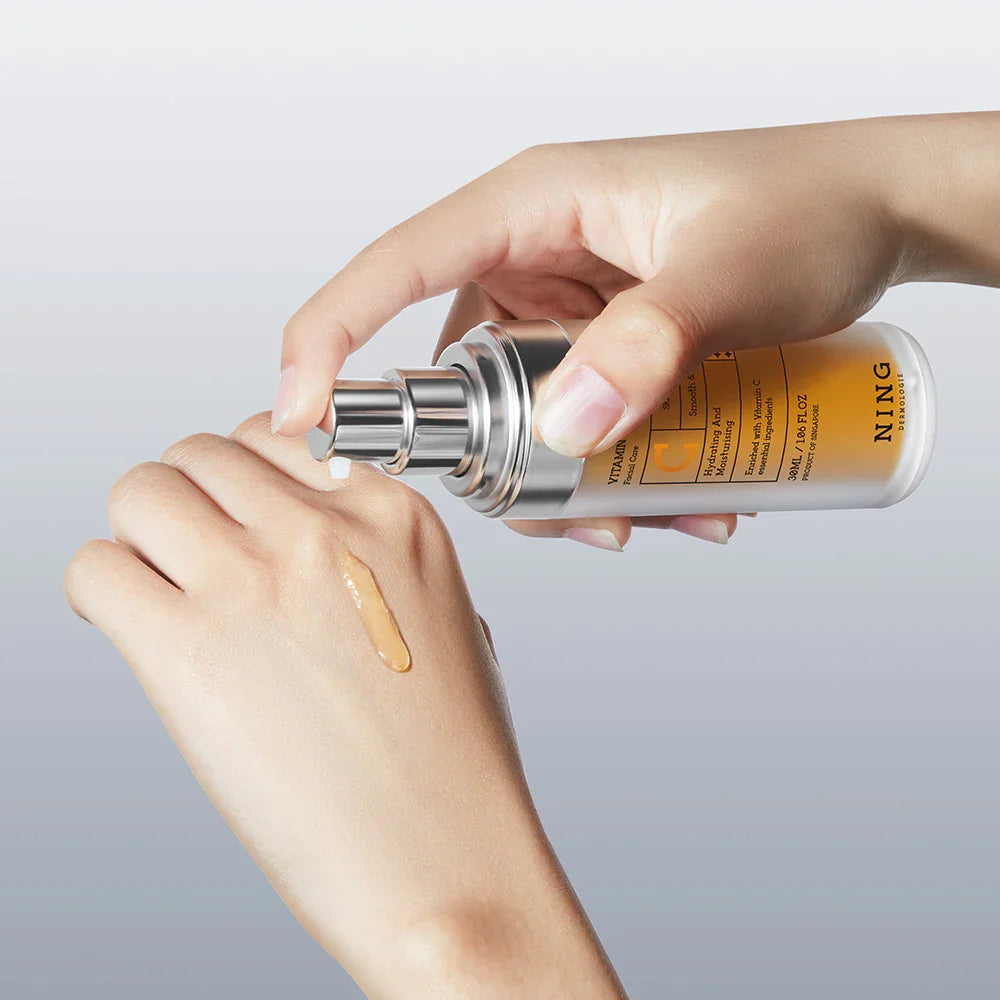
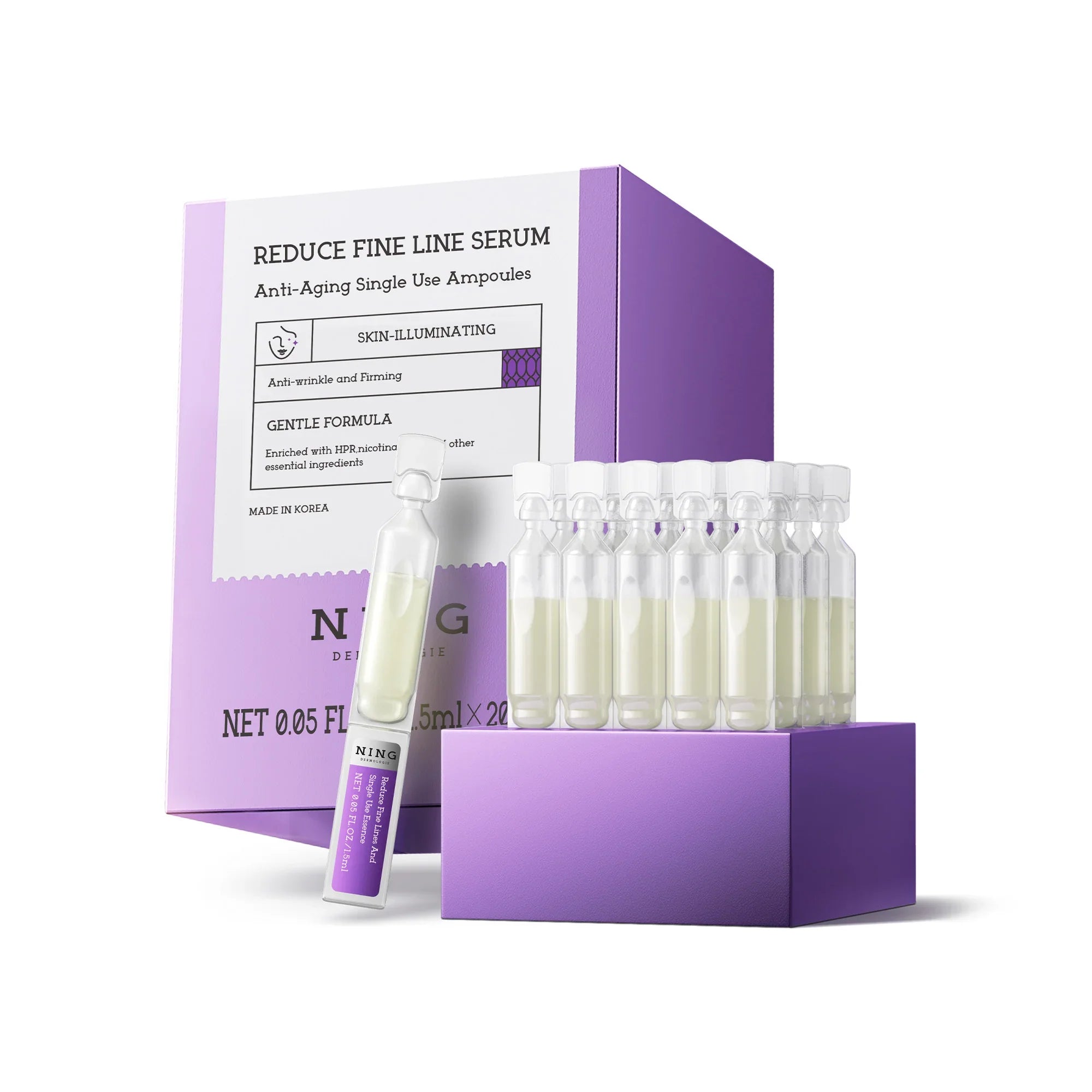
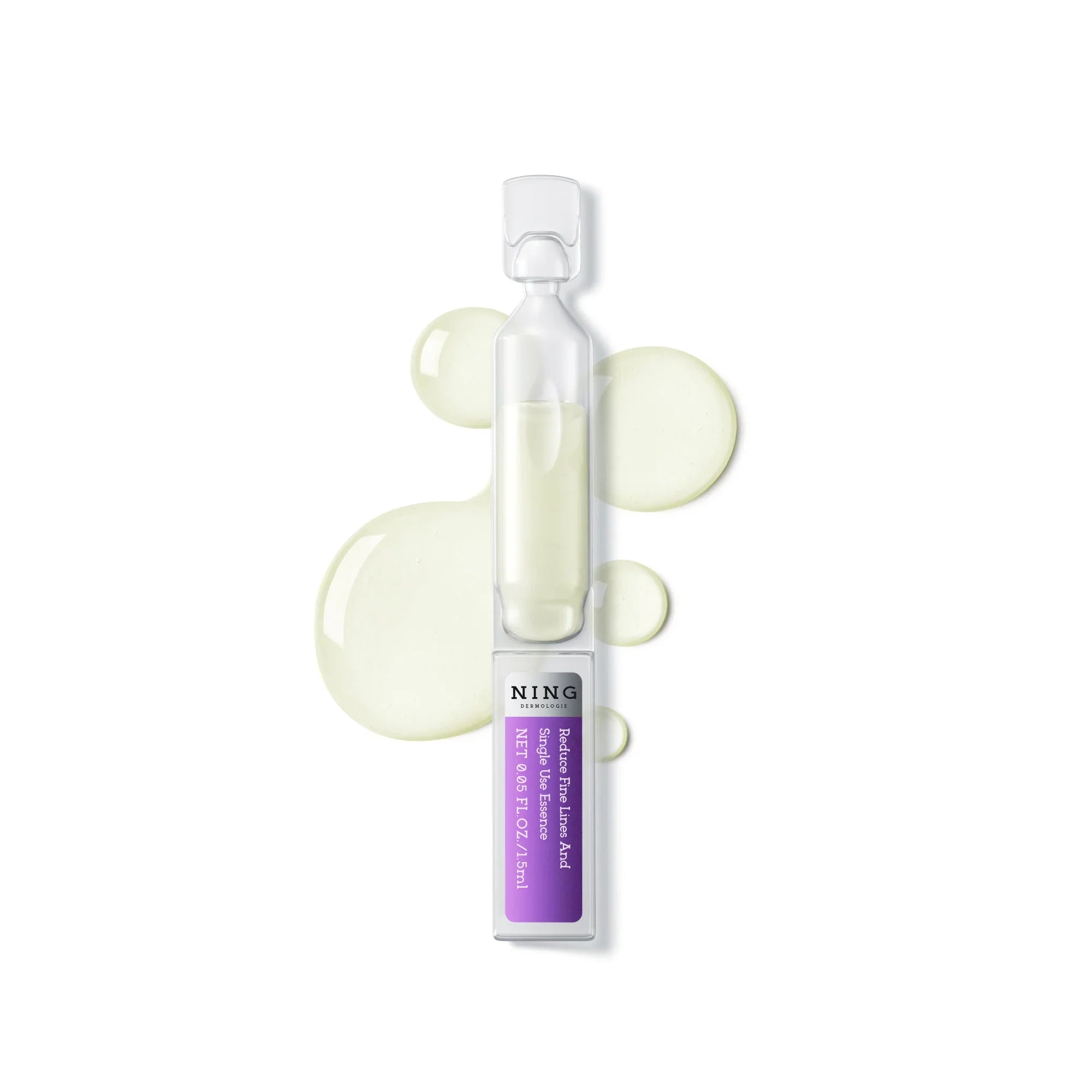
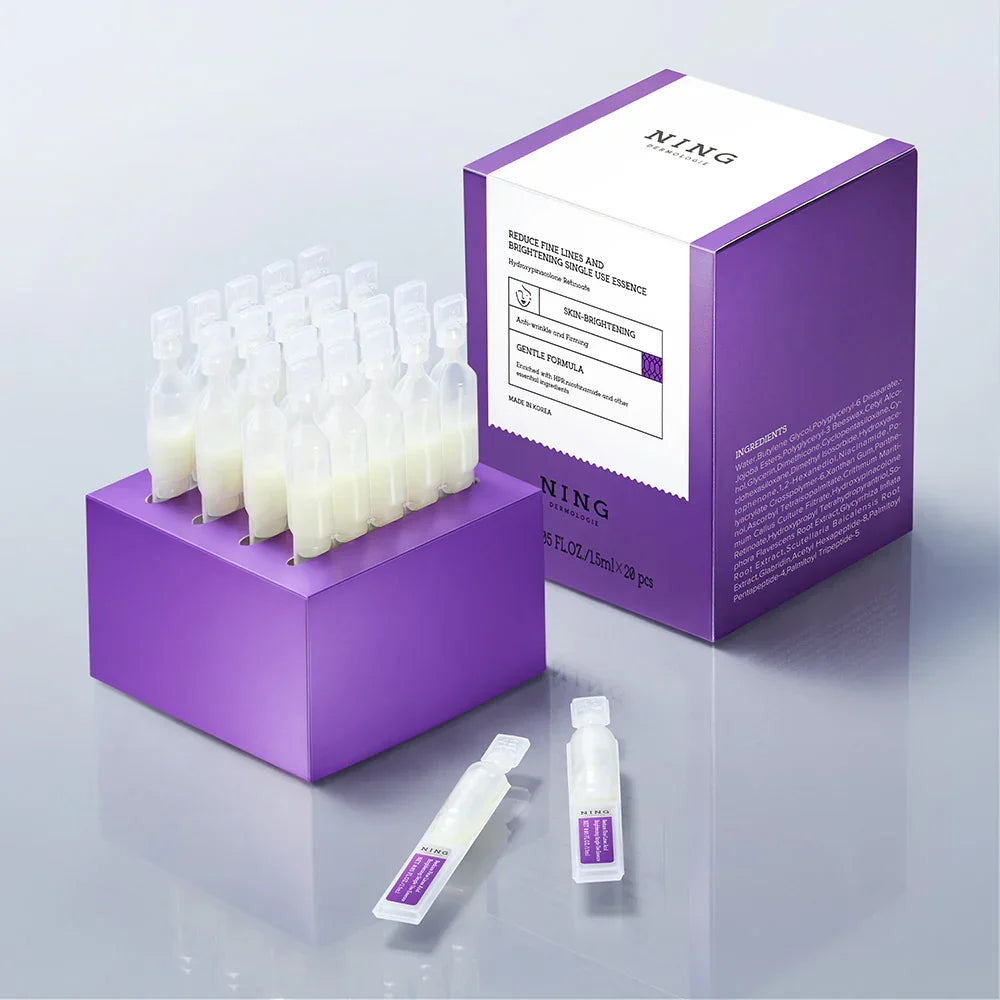
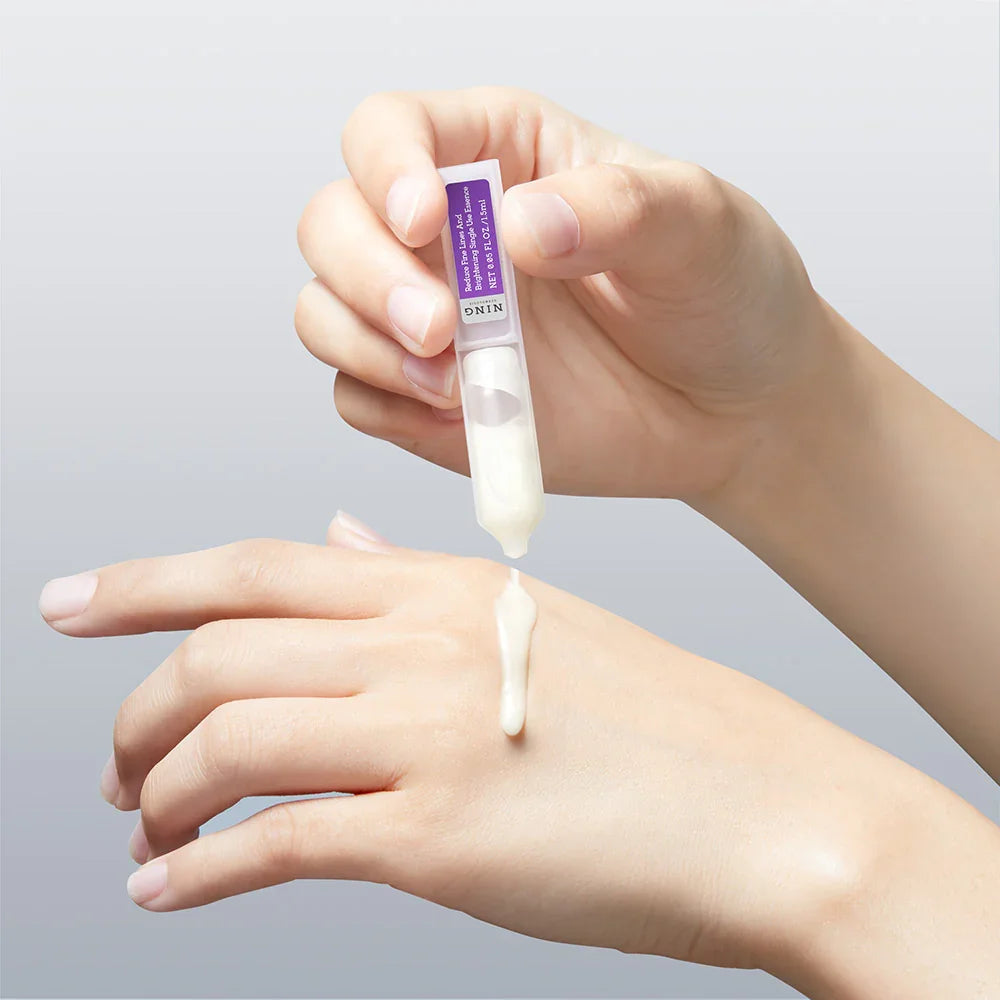
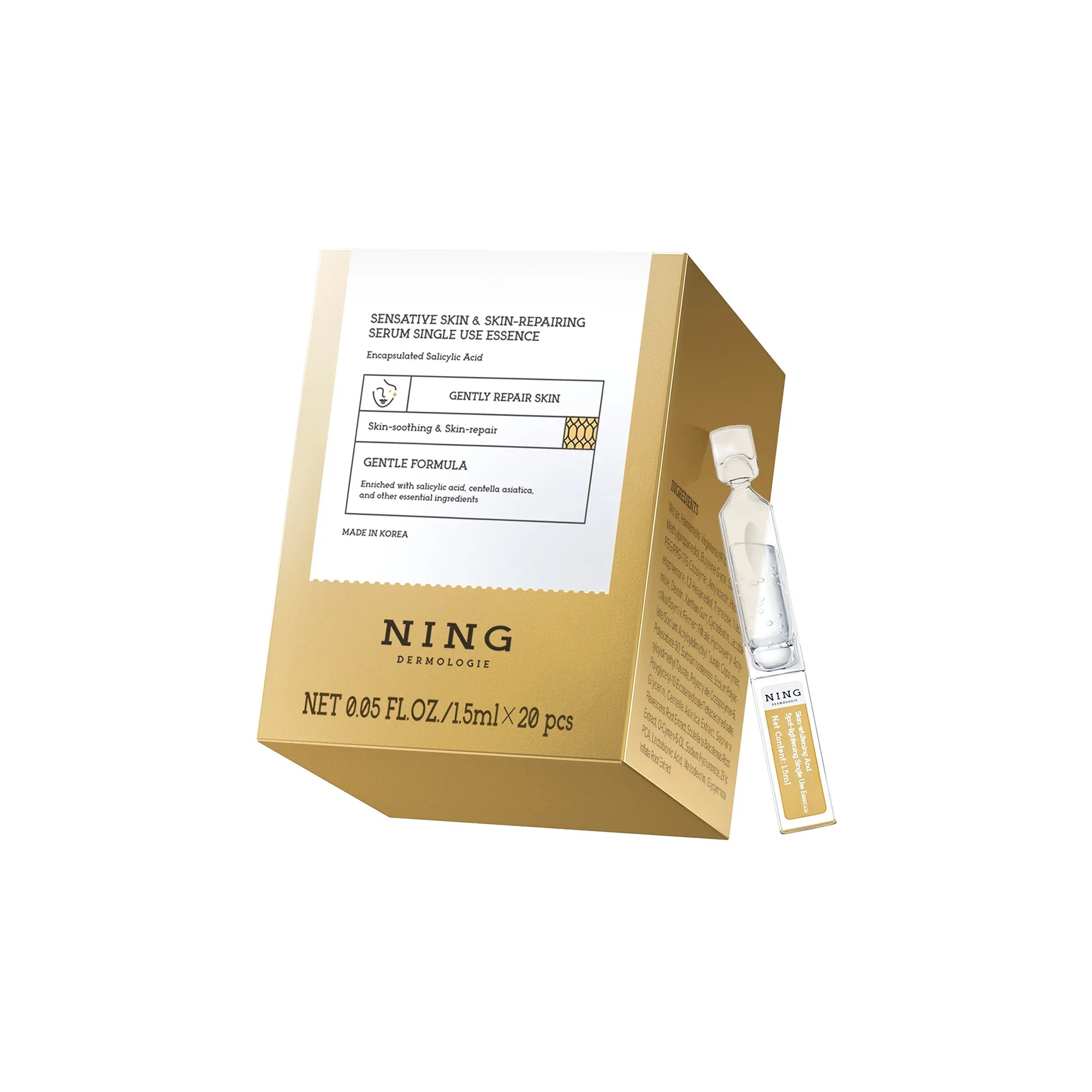
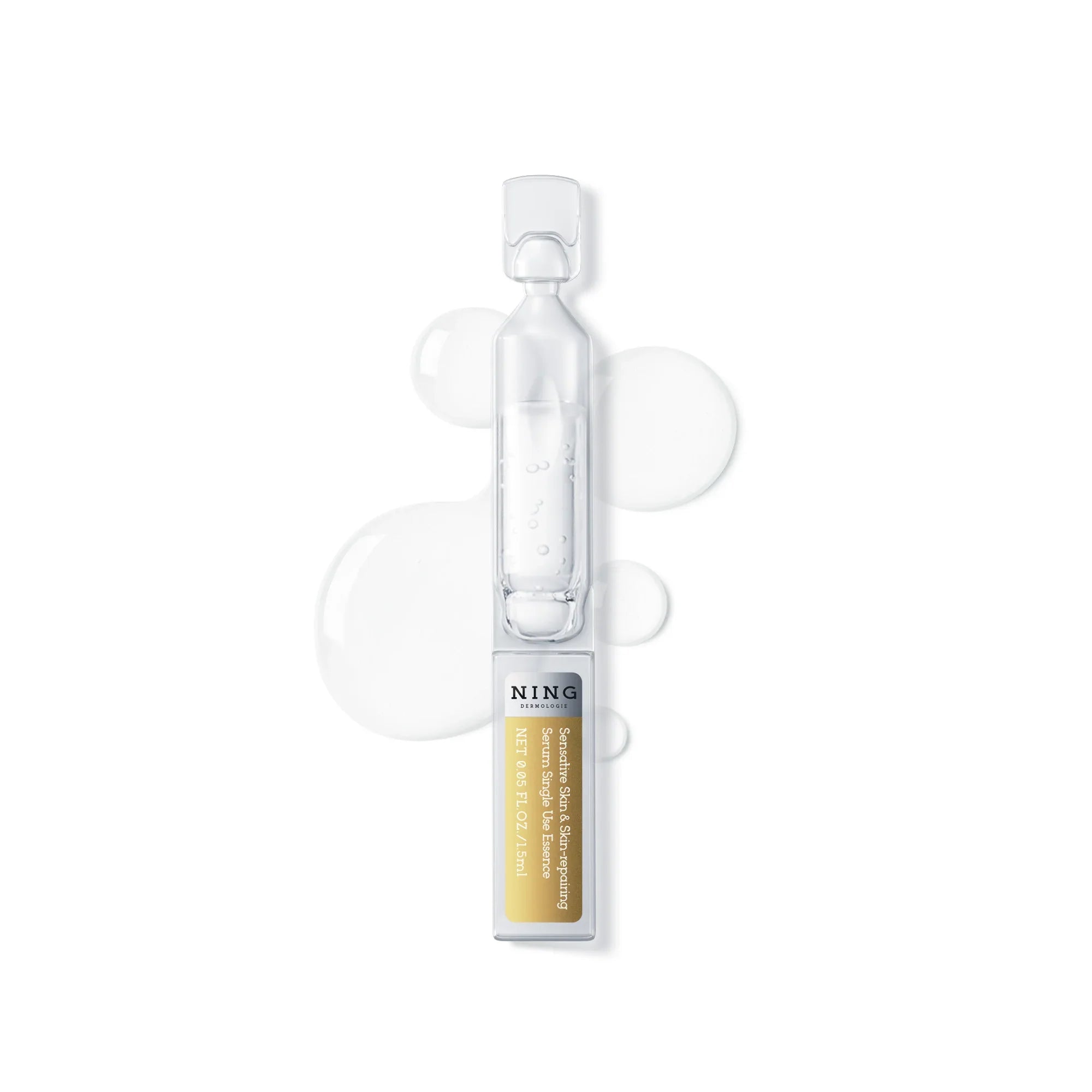
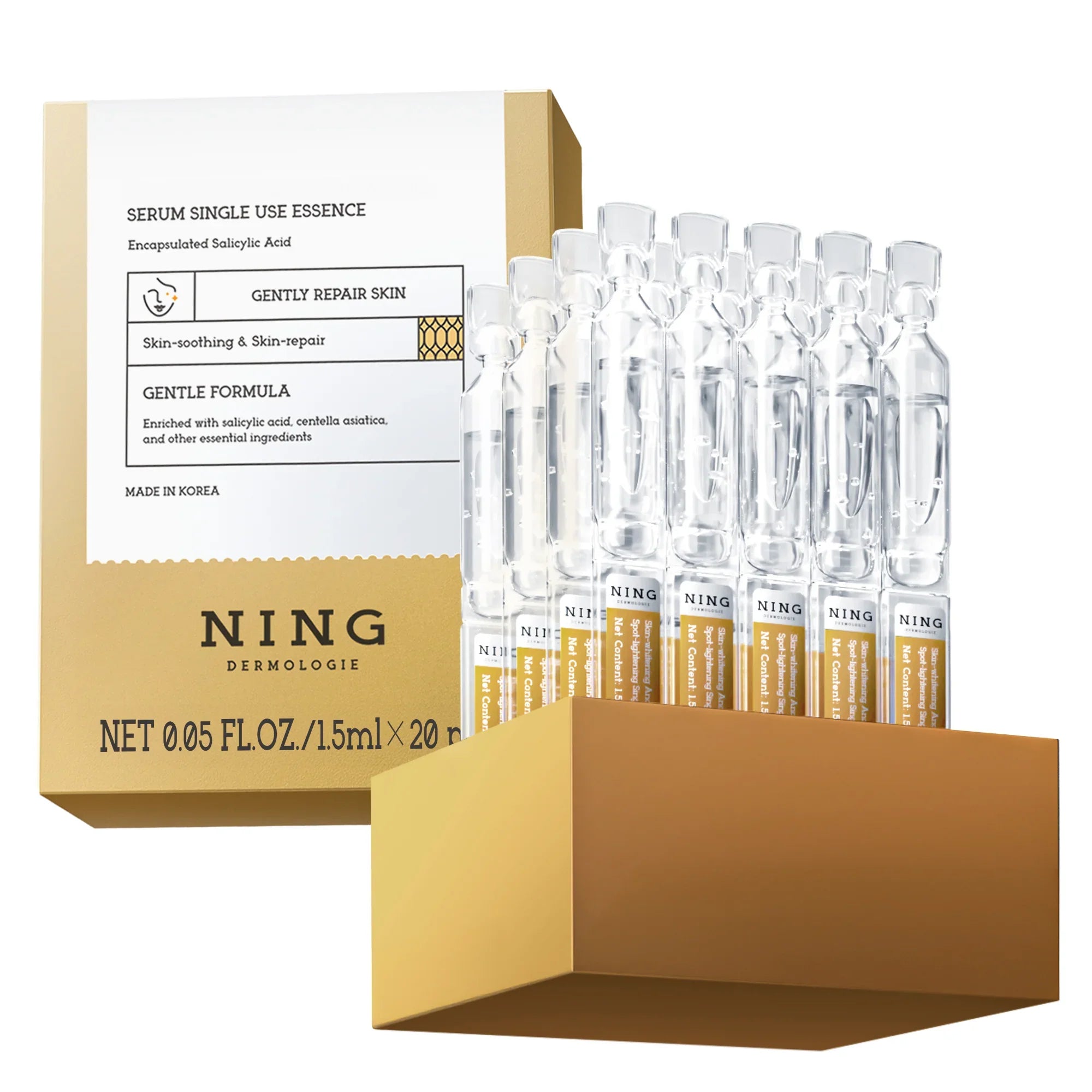
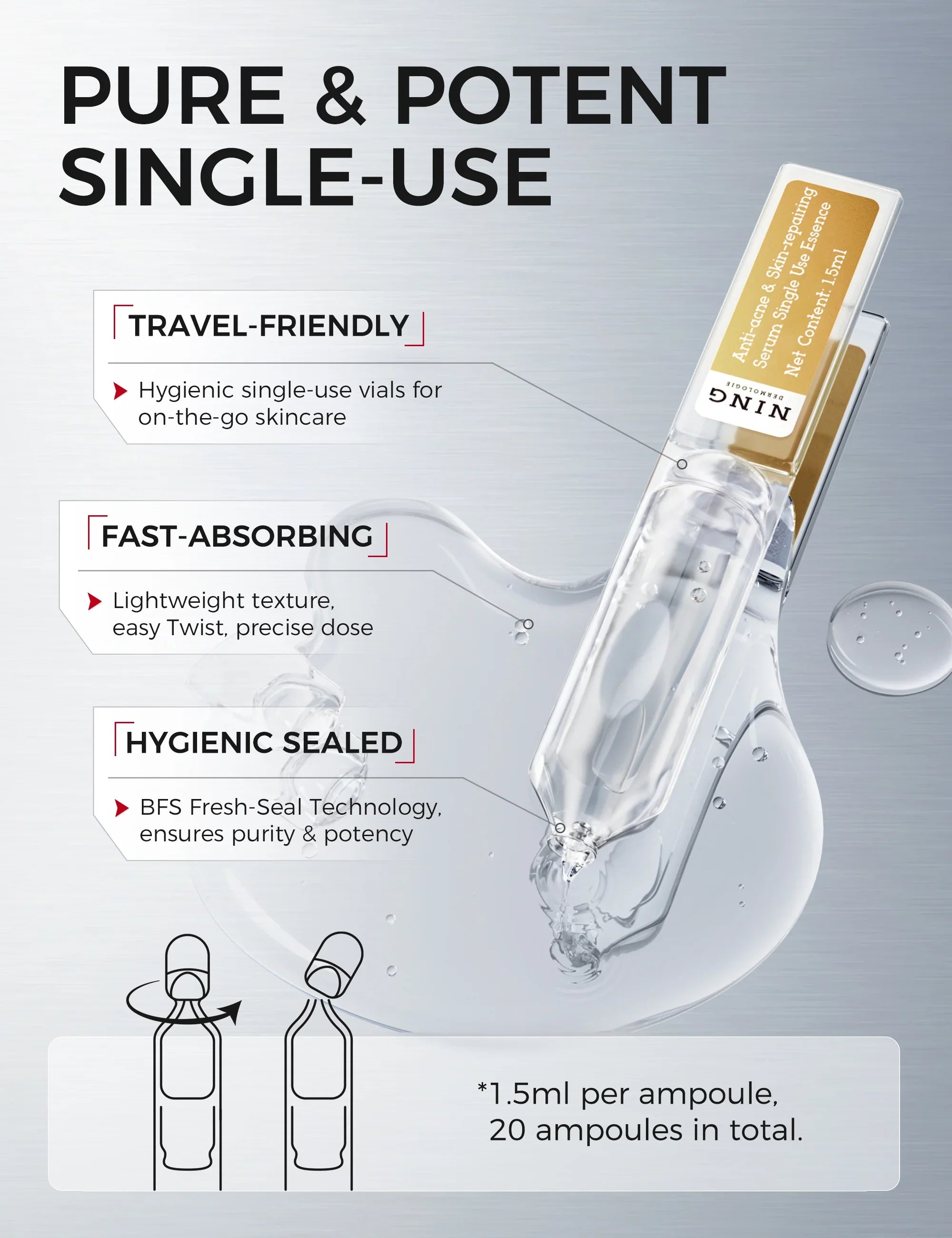
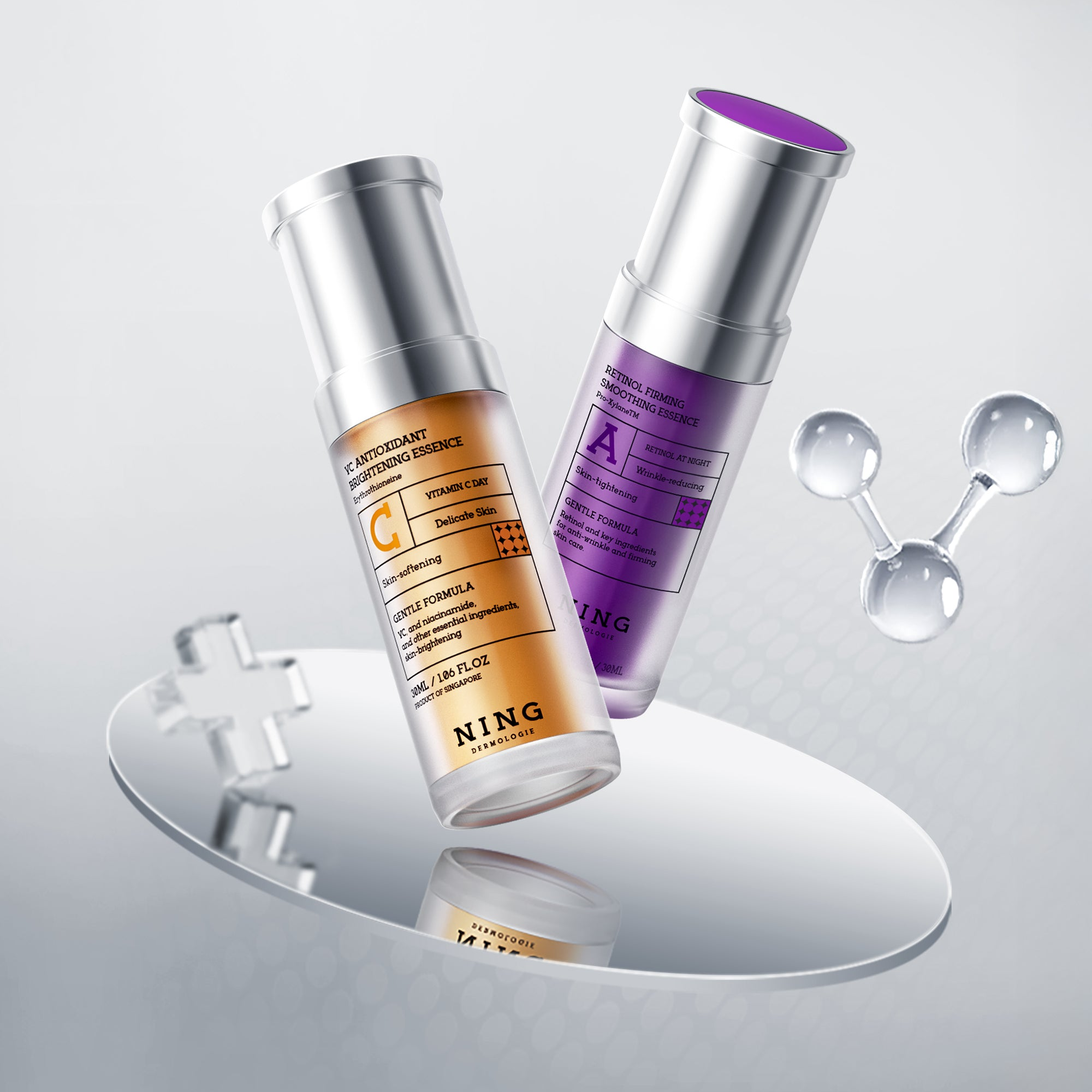
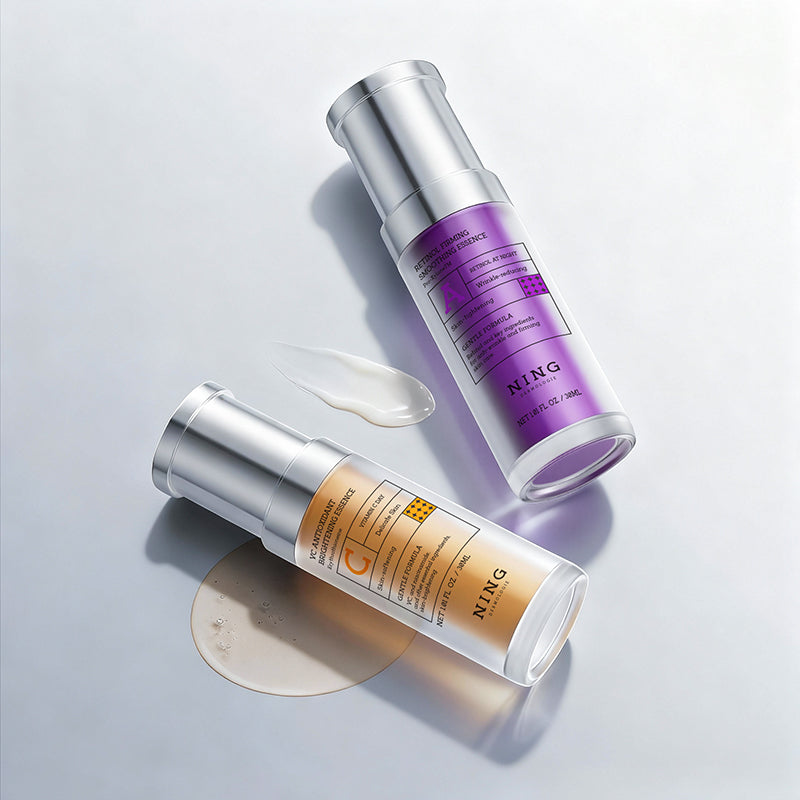
For instance, the NING Dermologie Vitamin C Serum was specifically engineered to solve the "greasy finish" problem. By utilizing 3-O-Ethyl Ascorbic Acid (a highly stable form of vitamin c), it avoids the sticky residue common in traditional vitamin c formulas. It sinks in instantly, making it the best vitamin c serum for those who need to layer a moisturizer and SPF over it without the dreaded "pilling."
2. The Form of Vitamin C Matters
If you have acne-prone skin, pure vitamin c serum (Ascorbic Acid) might be too aggressive. Instead, look for:
- 3-O-Ethyl Ascorbic Acid: Found in high-end Korean brightening vitamin c serum options. It’s stable, doesn’t oxidize easily, and targets dark spots without the burn.
- Sodium Ascorbyl Phosphate (SAP): An extended text term favorite because it actually helps fight acne bacteria.
- Ascorbyl Glucoside: A gentler derivative that leaves skin looking radiant without the stinging.
3. Seek the "Synergy" Ingredients
A great korean vitamin c serum never works alone. To brighten and improve skin tone, it should be paired with:
- Niacinamide: The holy grail for oily skin. It regulates sebum while the vitamin c helps fade dark spots.
- Vitamin E and Ferulic Acid: These are the stabilizing buddies. While vitamins c and e are a classic duo, the e ferulic acid serum combo is what actually protects the skin from environmental damage and free radicals.
Comparative Analysis: How Korean Brands Stack Up
When you find the best vitamin c for your skin type and concerns, you have to look at the concentration of vitamin c.
Many people start with the Vitamin C 23 serums (like those from COSRX). While effective, a 23% pure vitamin c concentration can be "spicy" on the skin. If you have combination skin or sensitive skin, you might find it causes redness.
On the other hand, a vitamin c product like the Naturium Vitamin C Complex Serum or the Truskin Vitamin C offers a more balanced approach but sometimes lacks the "water-glow" finish that K-beauty enthusiasts crave.
This is where a vitamin c brightening serum like the one from NING Dermologie finds the sweet spot. It doesn't just brighten; it refines skin texture by combining Vitamin C with Niacinamide, ensuring your skin feel is smooth and matte rather than slick.
How to Use Vitamin C Serum to Get "Glass Skin"
If you want to even out skin tone and see a real brightening effect, your application method is just as important as the face serum itself.
-
Morning is Best: Apply your vitamin c serum in the morning. Why? Because topical vitamin c is a potent antioxidant. It acts as a second shield behind your sunscreen to protect the skin from UV-induced free radicals.
-
Damp Skin vs. Dry Skin: For oily skin, apply the serum to slightly damp skin (after a toner) to help it travel deeper into the pores.
-
The Wait Time: There’s a vitamin c serum myth that you must wait 20 minutes. With modern korean vitamin c serum tech, you just need to wait until it's absorbed (usually 30 seconds) before hitting it with your moisturizer.
-
The "Yellow" Test: If your pure vitamin c serum has turned dark orange, it's dead. Vitamin c doesn’t work once it’s oxidized—it actually causes more hyperpigmentation. This is why the NING Dermologie formula is so popular; its use of Ethyl Ascorbic Acid means it stays clear and potent for much longer than traditional vitamin c.
Why Oily Skin Needs Antioxidants Too
Many people with oily skin skip the skin care steps, fearing they will clog their pores. However, sebum oxidation is a primary cause of blackheads. When your natural oils hit the air, they "rust." A vitamin c dark spot treatment actually prevents this oxidation, meaning your pores look cleaner and your overall skin tone appears more vibrant.
Whether you are dealing with uneven skin, dull skin, or skin texture issues, the best vitamin c will help even skin tone and give your skin that healthy, lit-from-within look. Vitamin c has been shown to boost collagen, which even helps oily skin stay firm and minimize the appearance of large pores.

Summary: 6 Best Vitamin C Serums Criteria for Oily Skin
If you are looking for a guide to the best products, remember these six criteria:
-
Lightweight texture: It should be a serum is a great option, not a cream.
-
Low oxidation risk: Look for stabilized derivatives.
-
Oil-control ingredients: Niacinamide or Zinc additions.
-
Non-comedogenic: Won't clog acne-prone skin.
-
Soothing agents: Like Centella or Panthenol to prevent irritation.
-
Efficacy: Proven to improve skin tone and texture.
The right vitamin c serum shouldn't be a chore to wear. It should be the step in your routine that you look forward to because your skin looked and felt better immediately after application. Your skin will thank you for choosing a formula that respects your skin type instead of fighting against it.
Frequently Asked Questions (FAQ)
1. Can I use Vitamin C serum if I have active acne?
Yes, but choose wisely. For acne-prone skin, avoid high concentrations of pure vitamin c (L-ascorbic acid) as the acidity can irritate open blemishes. Instead, look for Sodium Ascorbyl Phosphate or the NING Dermologie Vitamin C Serum, which uses a stable derivative. These forms help fade post-acne dark spots and hyperpigmentation without stinging, helping to improve skin clarity over time.
2. Why does my Vitamin C serum make my face feel sticky?
Stickiness usually happens for two reasons: either the concentration of vitamin c is too high for your skin to absorb, or the formula contains heavy thickeners like xanthan gum. Oily skin types should look for a "water-light" korean vitamin c serum. If it remains tacky, try applying it to slightly damp skin or reducing the amount to 2-3 drops for the overall skin area.
3. Is it okay to use Vitamin C and Niacinamide together?
Absolutely. This is an old skin care myth based on outdated research. Modern vitamin c formulations are perfectly compatible with Niacinamide. In fact, using a vitamin c boosting serum that already contains Niacinamide—like NING Dermologie—is highly effective for oily skin. This combination helps brighten the complexion, reduces sebum, and works to even out skin tone much faster than using either ingredient alone.
4. How do I know if my Vitamin C serum has gone bad?
Vitamin c is a potent but unstable antioxidant. If you are using pure vitamin c, check the color. A fresh serum should be clear or very pale champagne. If it turns dark yellow, orange, or brown, it has oxidized. Using oxidized vitamin c product can actually cause skin aging by releasing free radicals. To avoid this, choose stabilized versions like Ethyl Ascorbic Acid which have a longer shelf life.
5. Should I use Vitamin C serum in the morning or at night?
While you can use it at both times, c serum in the morning is generally more beneficial. When you use vitamin c during the day, it works alongside your sunscreen to protect the skin from environmental stressors and UV damage. This prevents uneven skin tone from forming in the first place. If you have dull skin, a morning dose provides an immediate brightening effect that lasts all day.
Looking for a vitamin c that won't leave you greasy? Give your skin the balance it deserves. Check out the NING Dermologie Vitamin C Serum for a lightweight, effective solution designed for the modern skin type.


Share:
Korean vitamin C serum sets or kits available for purchase
User reviews of popular Korean vitamin C serums