


Vitamin C serum reviews for hyperpigmentation treatment
If you’ve spent any time in the "skincare rabbit hole," you know that Vitamin C is often heralded as the holy grail for hyperpigmentation. But you probably also know the frustration of buying a $100 bottle only to have it turn a suspicious shade of pumpkin orange two weeks later. Or worse, breaking out in hives because the formula was too acidic for your barrier.
Hyperpigmentation—whether it’s post-acne marks (PIH), sunspots, or the dreaded melasma—is stubborn. To beat it, you need more than just a "brightening serum." You need a strategy.
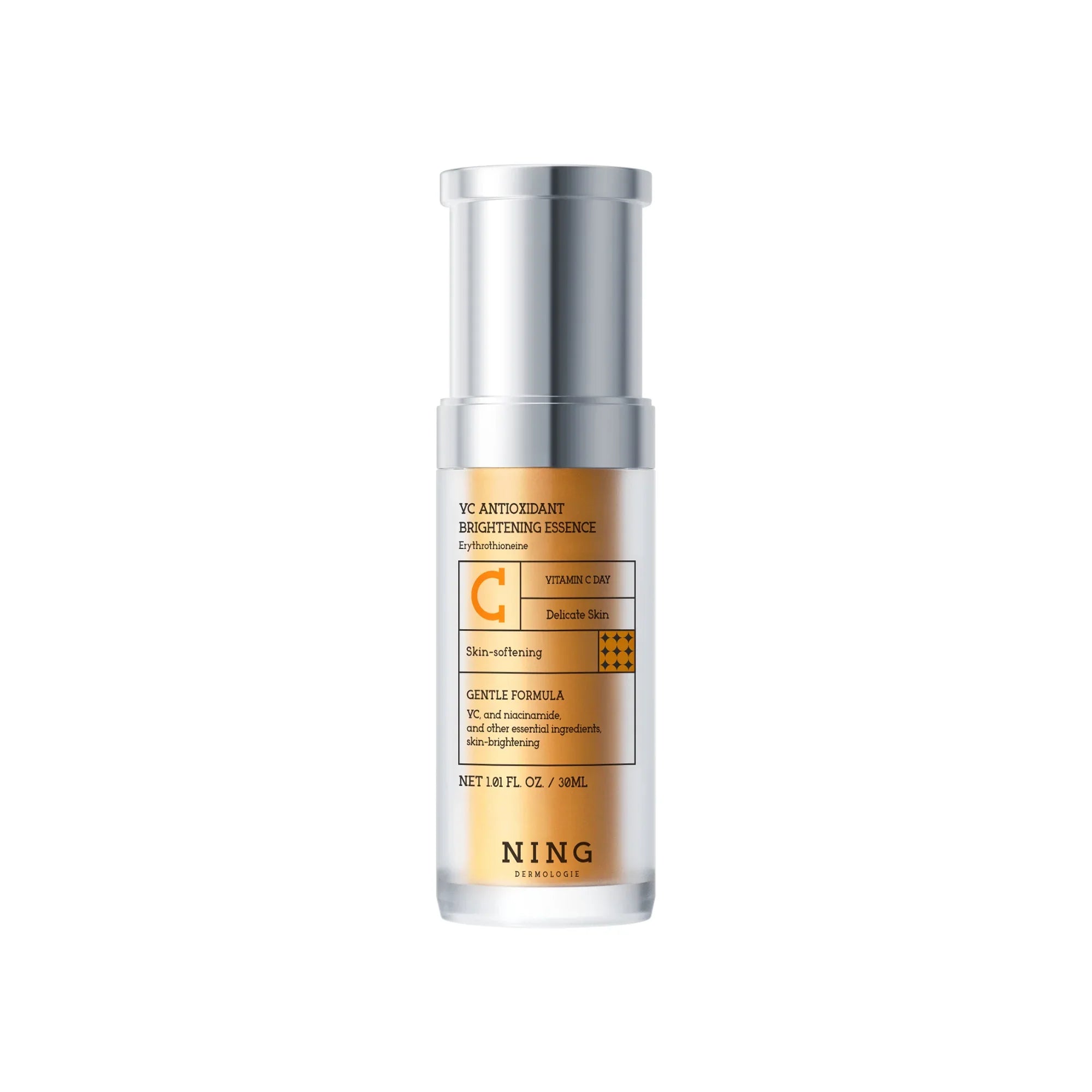
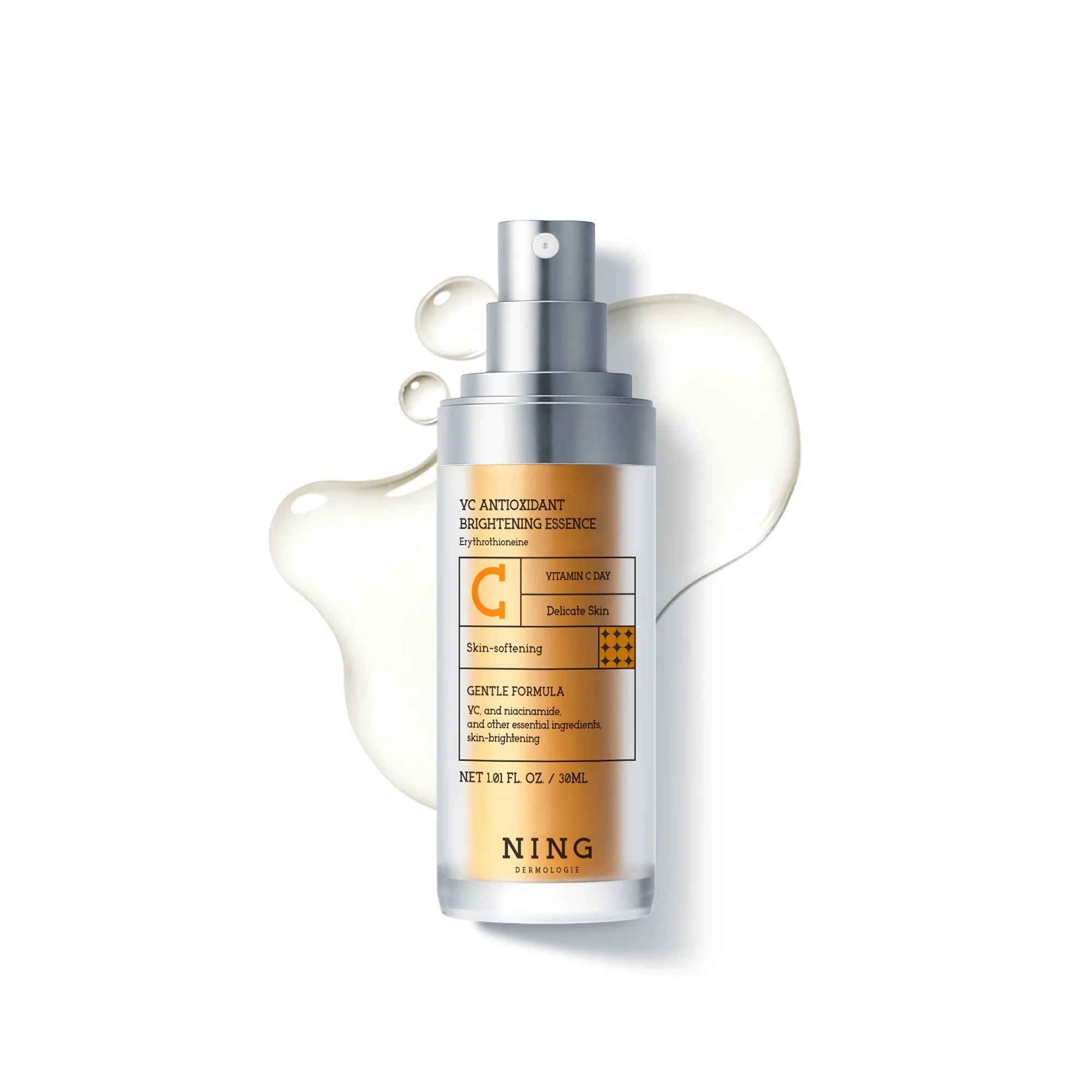
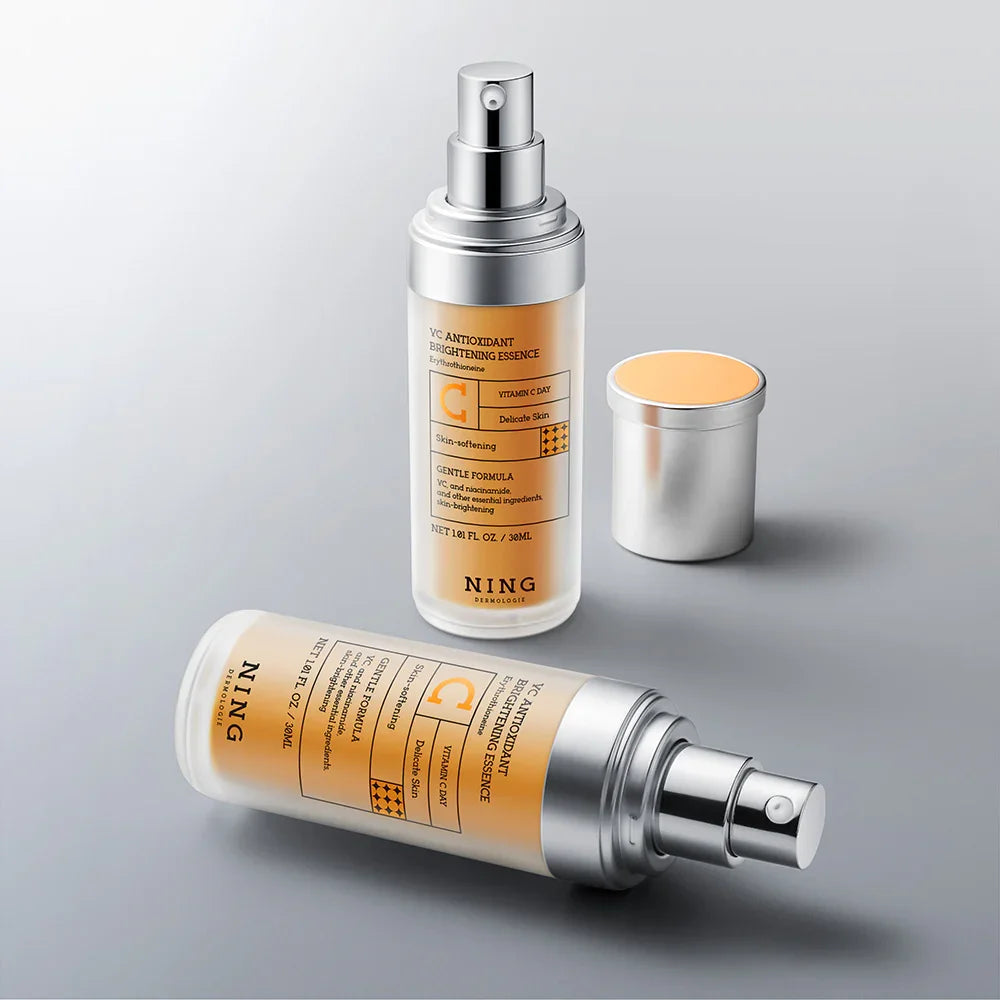
In this deep dive, we’re cutting through the marketing noise to find the best vitamin c serums that actually deliver on the promise of an even skin tone. We’ll look at the heavy hitters like Skinceuticals, the cult-favorite best drugstore picks, and why our own NING Dermologie formulation is changing the game for those who have never used a vitamin c before or have struggled with stability issues in the past.

The Truth About Your Vitamin C Dark Spot Serum: Stability, pH, and Why Most Fail
Before we get into the reviews, let’s talk chemistry. Not the boring kind, but the kind that saves you money.
When people talk about pure vitamin c, they are usually referring to L-ascorbic acid. It is the most researched, potent form of vitamin c. It works. It’s a powerhouse for collagen production and can visibly fade the look of dark spots. However, L-ascorbic acid is a "diva" ingredient. It’s notoriously unstable. It hates light, it hates air, and it requires a very low pH (highly acidic) to penetrate the skin. This low pH is often what causes that tingling sensation or outright irritation, especially for sensitive skin.
If your c serum smells like hot dog water and turns dark brown, it has oxidized. At that point, it’s not just useless; it can actually cause oxidative stress on your skin. This is why vitamin c derivatives have become so popular. Ingredients like sodium ascorbyl phosphate or 3-o-ethyl ascorbic acid (which we’ll discuss later) offer a more stable, gentler path to a glowy complexion without the drama of oxidation.
Vitamin C Serum Reviews: The Benchmarks
1. The Industry Standard: Skinceuticals C E Ferulic
You can’t write a review of best vitamin c serums without mentioning Skinceuticals. This is the super serum that launched a thousand dupes. It contains a precise blend of 15% l-ascorbic acid, 1% vitamin e, and 0.5% ferulic acid.
- The Pro: The ferulic acid stabilizes the Vitamin C and doubles the photoprotection of your sunscreen. It is arguably the most effective brightening serum for aggressive hyperpigmentation.
- The Con: The price tag is eye-watering. The smell is… polarizing. And if you have oily skin or are prone to acne, the vitamin e (tocopherol) in this specific formula can occasionally trigger breakouts.
- Skin Feel: Slightly tacky, but absorbs quickly once you layer a moisturizer over it.
2. The High-Potency Challenger: Paula’s Choice C15 Super Booster
If you want the Skinceuticals results at a more affordable price, Paula’s Choice C15 Super Booster is the go-to. It uses a similar ferulic serum base. It’s a brightening vitamin c that feels like water.
- The Pro: It’s fragrance-free and packs a punch. It layers well under other products.
- The Con: It oxidizes faster than the Skinceuticals version because the packaging, while good, isn't airtight. You have to use it up within 3 months, or you're just applying orange liquid to your face.
Why NING Dermologie is Different: The Rise of 3-O-Ethyl Ascorbic Acid
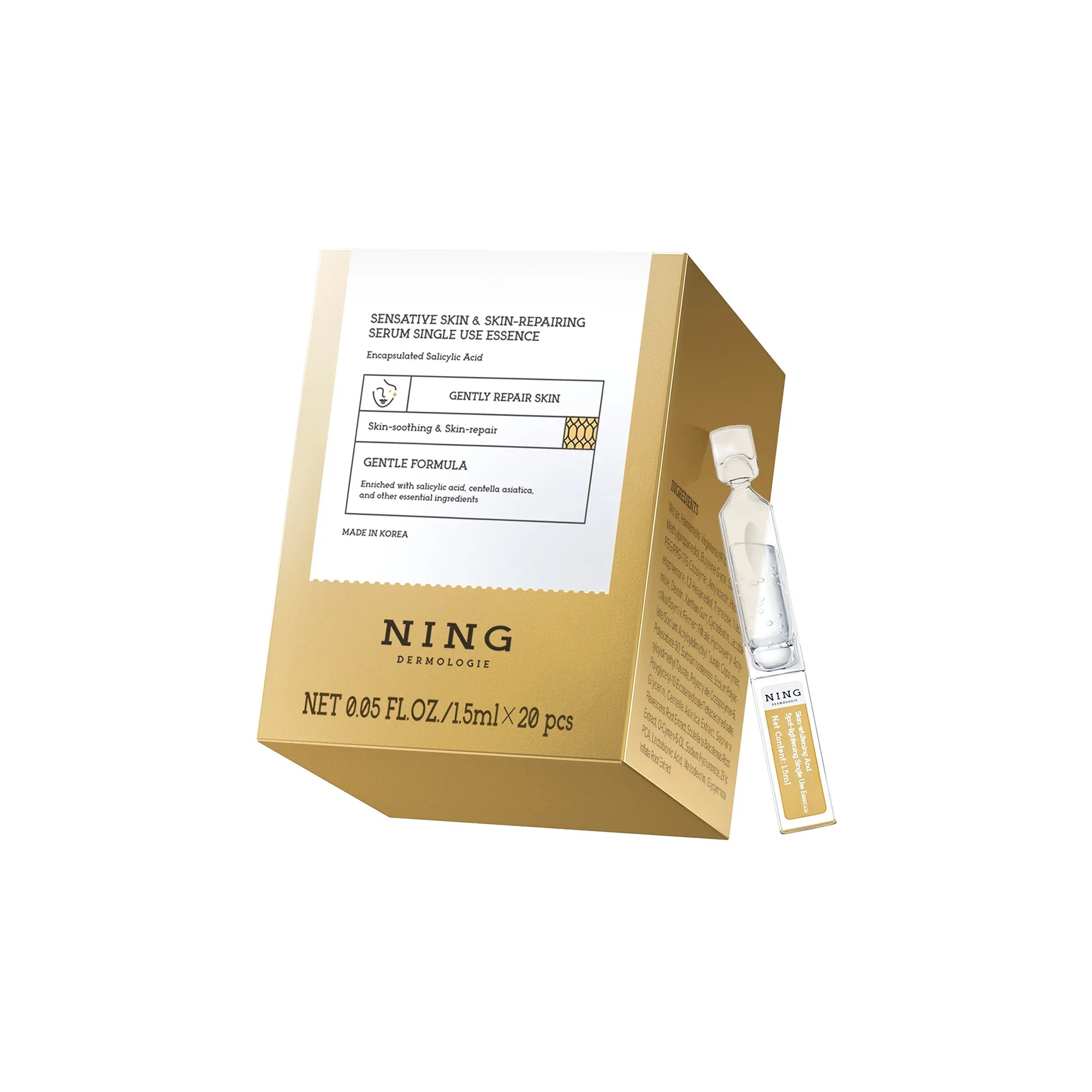
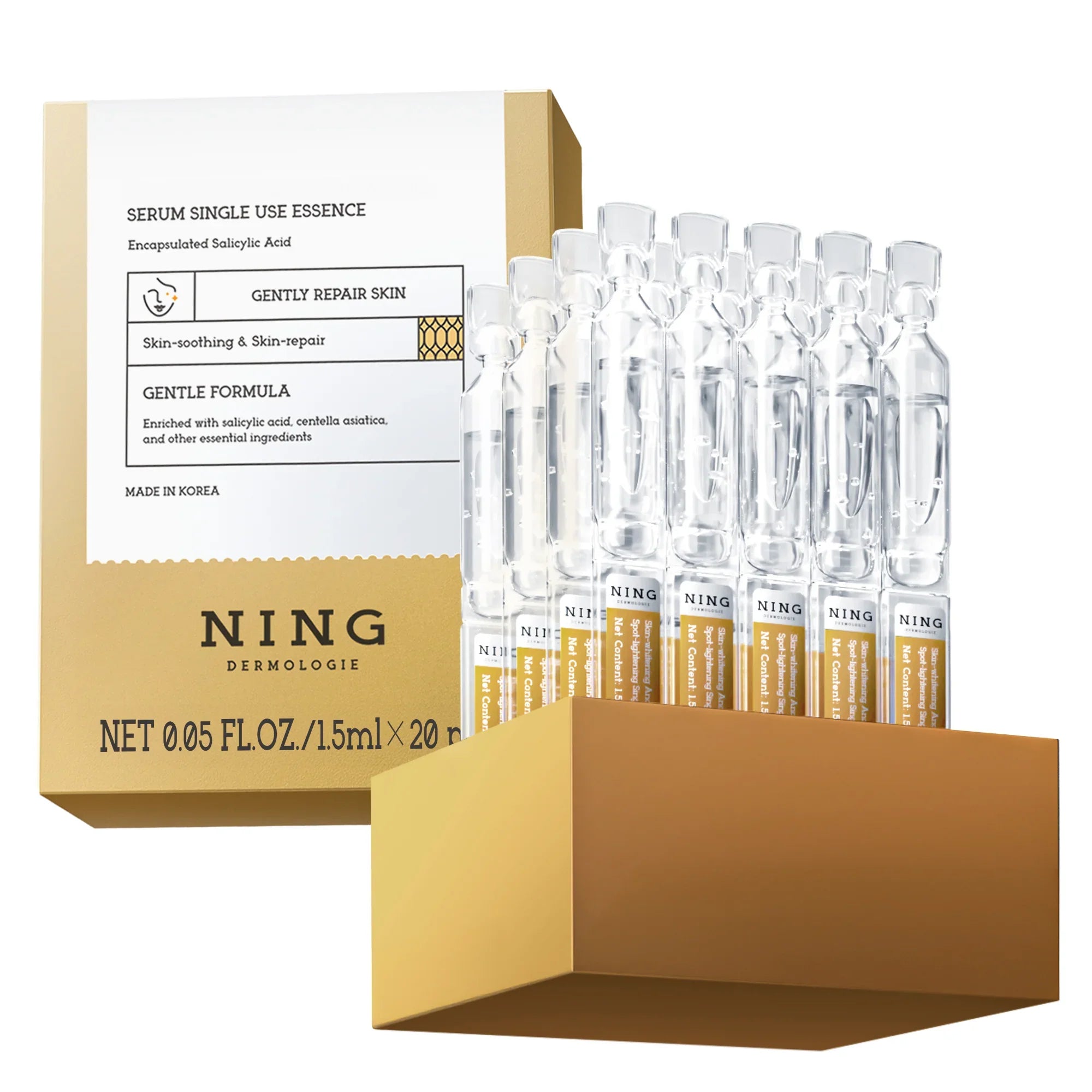
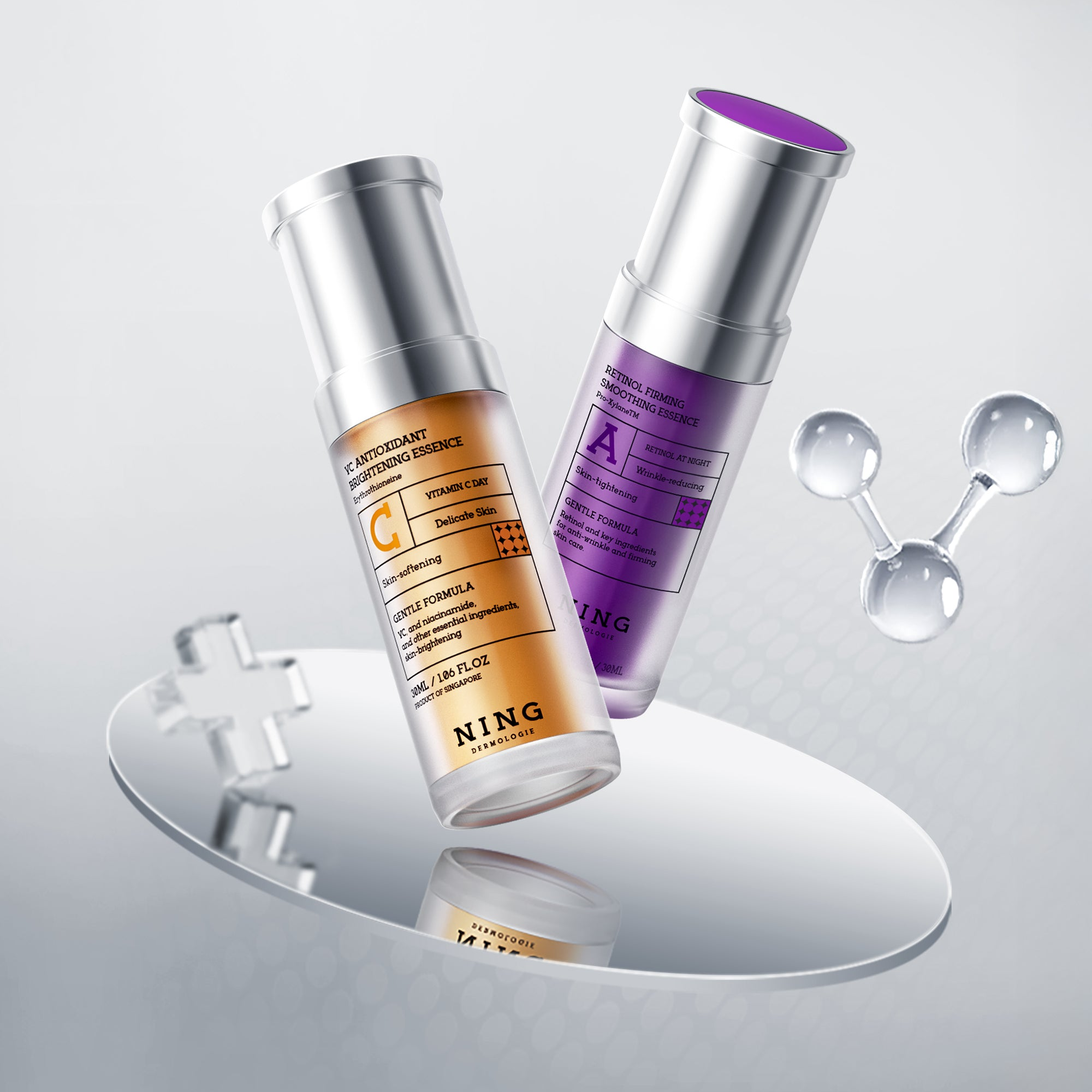
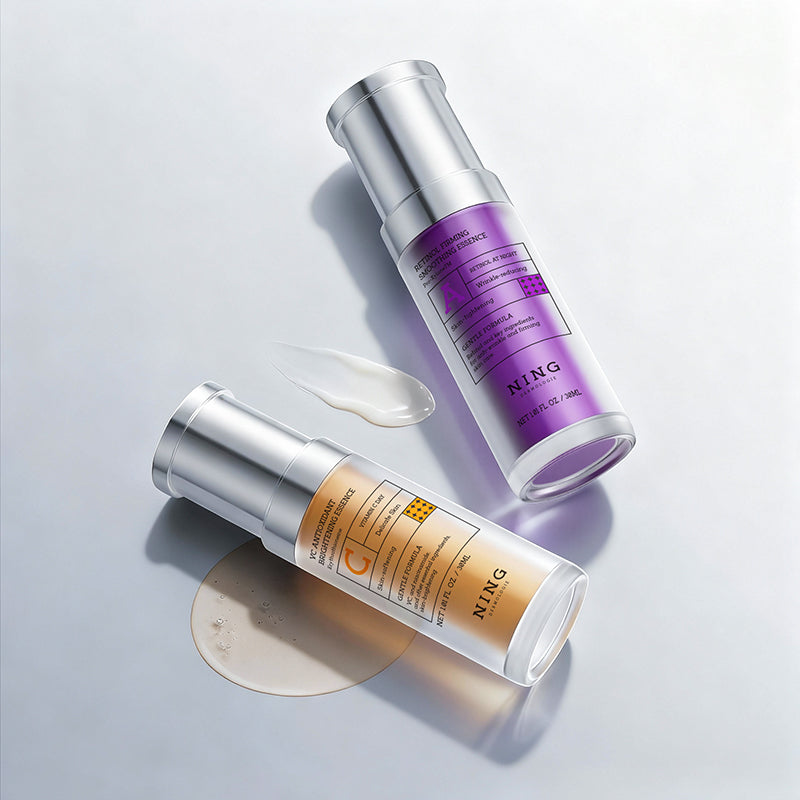
At NING Dermologie, we took a different approach. We looked at the failures of L-ascorbic acid—the irritation, the rapid oxidation, the "metal" smell—and decided to build a better vitamin c dark spot serum.
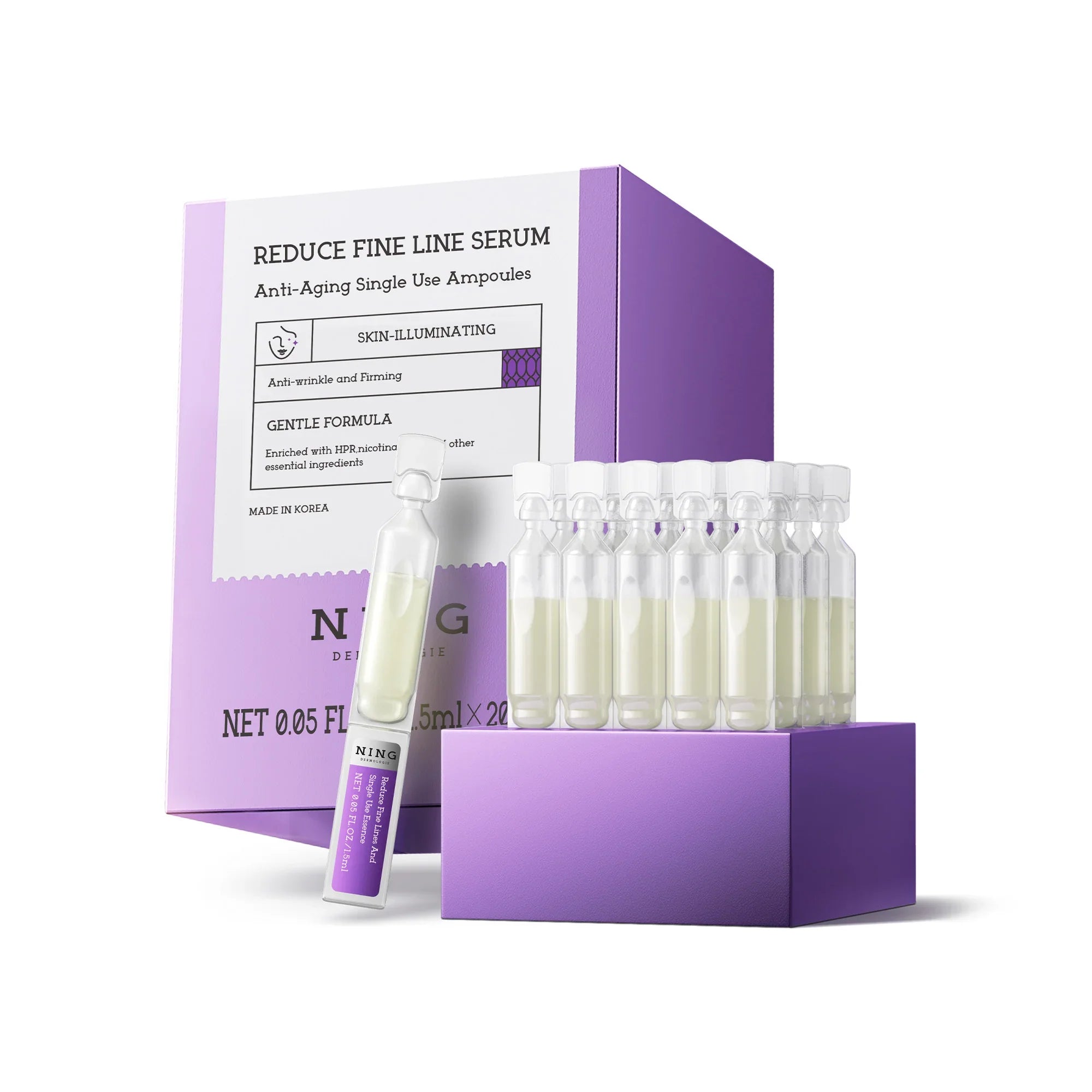
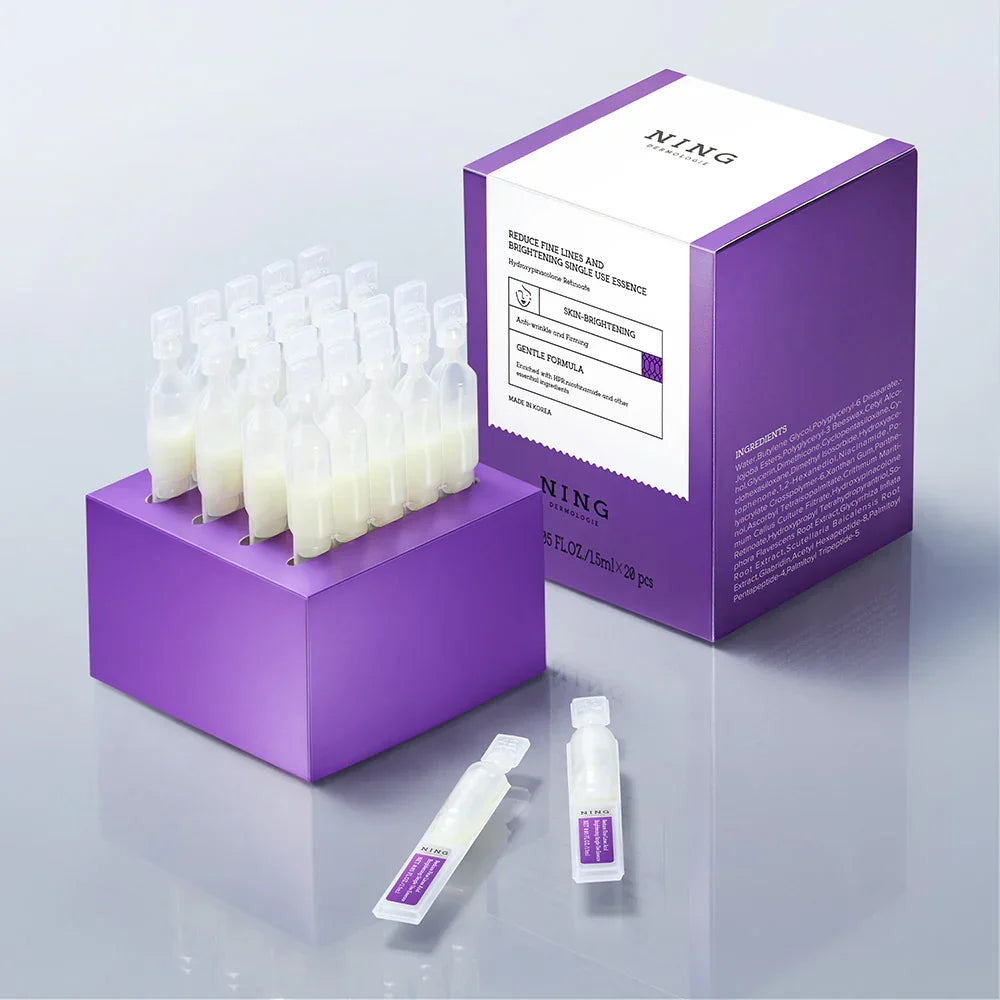
Our Vitamin C Serum with Niacinamide & Ethyl Ascorbic Acid doesn't use the unstable L-ascorbic acid. Instead, we use 3-o-ethyl ascorbic acid.
Why does this matter for your hyperpigmentation?
-
Stability: It remains stable even when exposed to light and air. You won't see this serum turn brown in a month.
-
Solubility: It is both water and oil-soluble, meaning it absorbs into the skin more efficiently than almost any other form of vitamin c.
-
The Niacinamide Synergy: We paired it with Niacinamide. While old skincare myths say you can't mix these two, modern science proves they are a powerhouse duo for dark spot correcting. Niacinamide stops the transfer of pigment, while Vitamin C inhibits the production. It’s a two-pronged attack on hyperpigmentation.
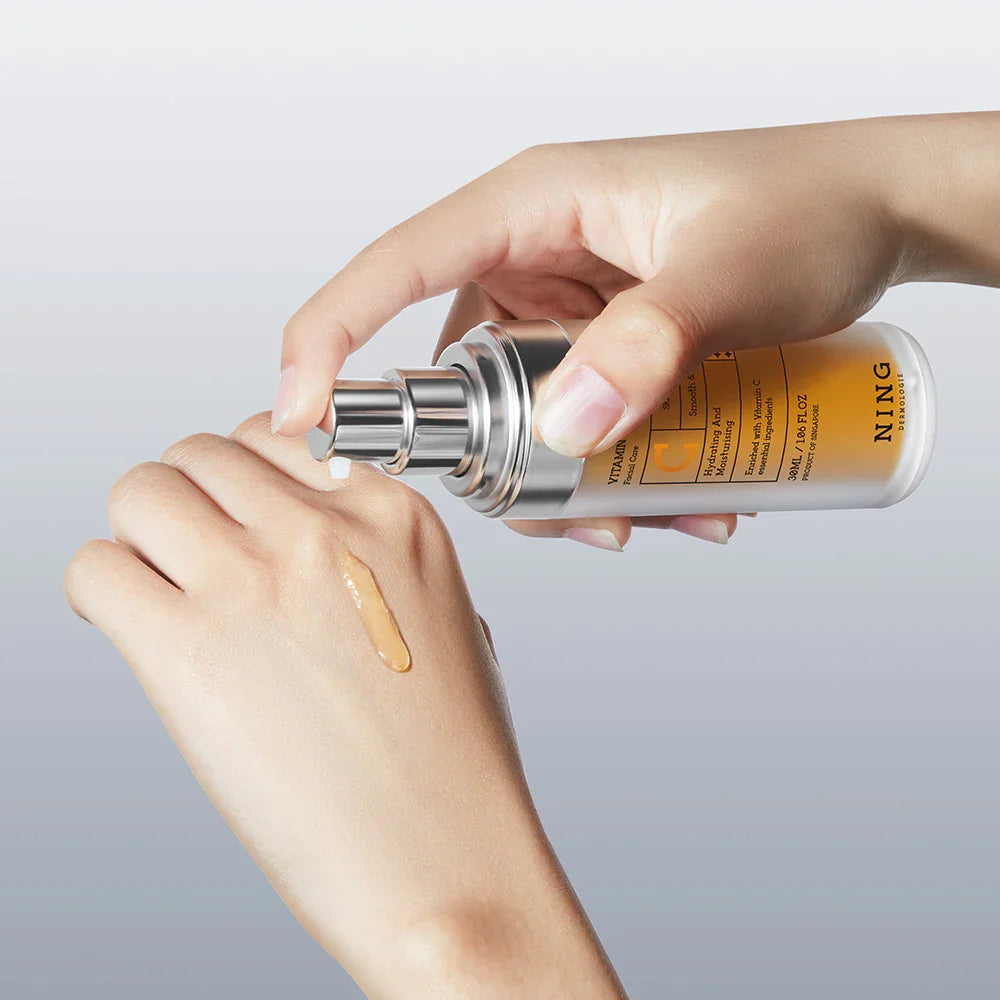
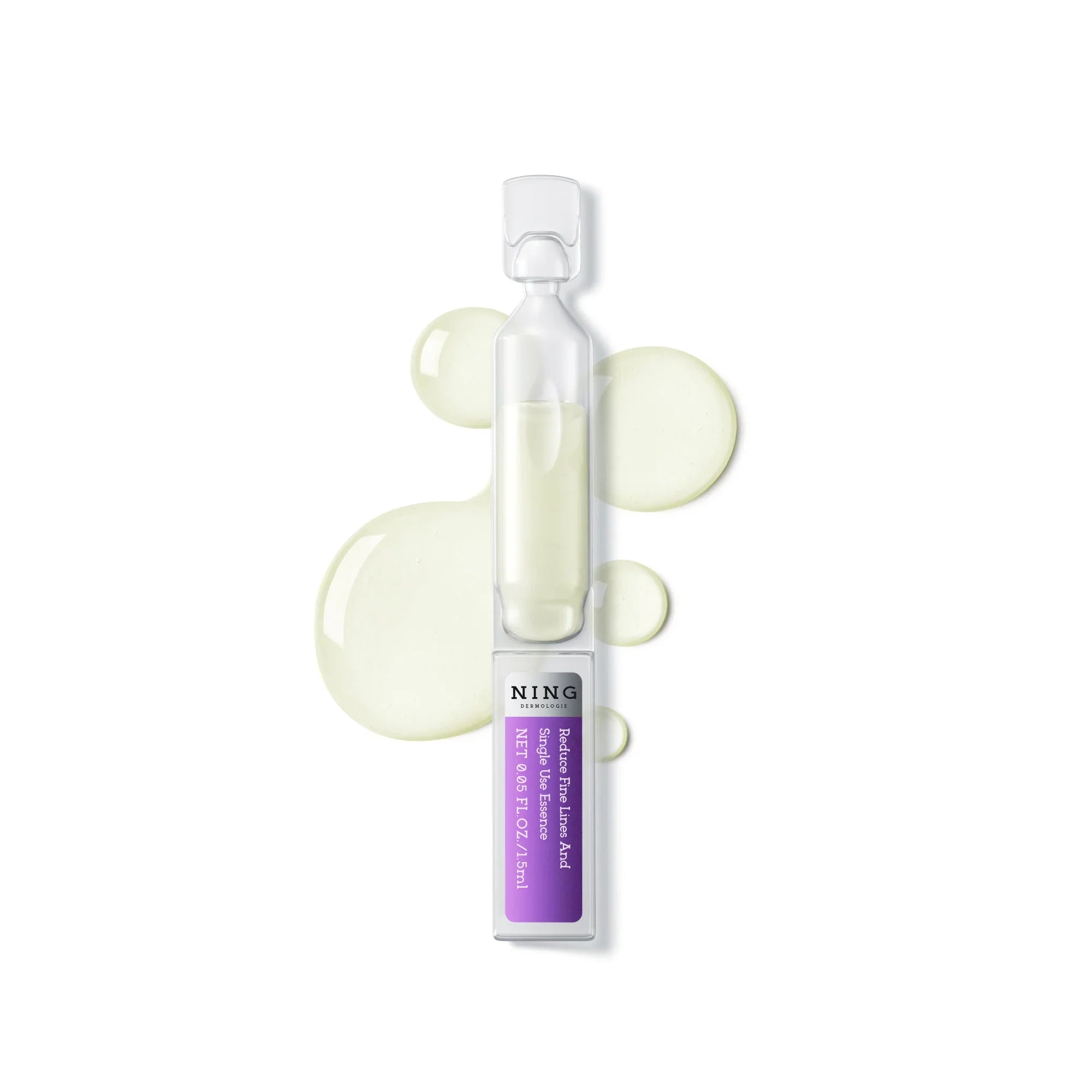
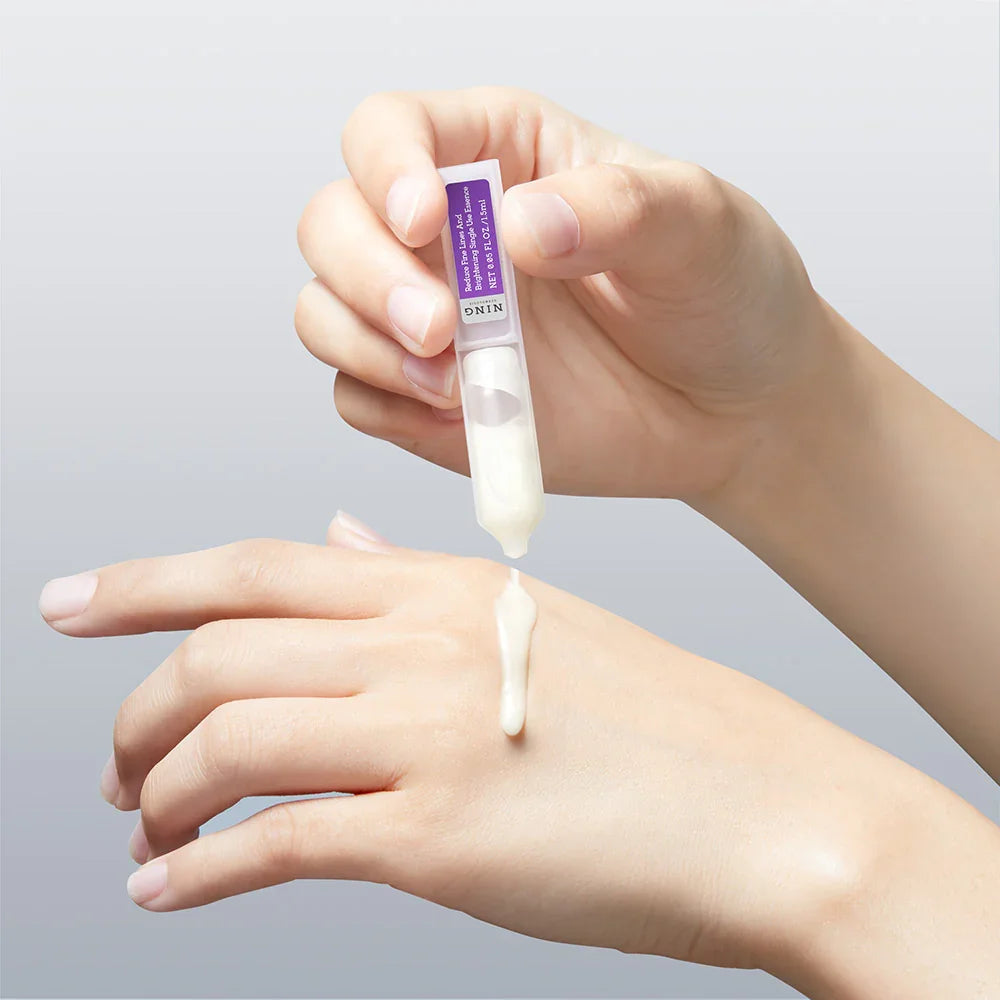
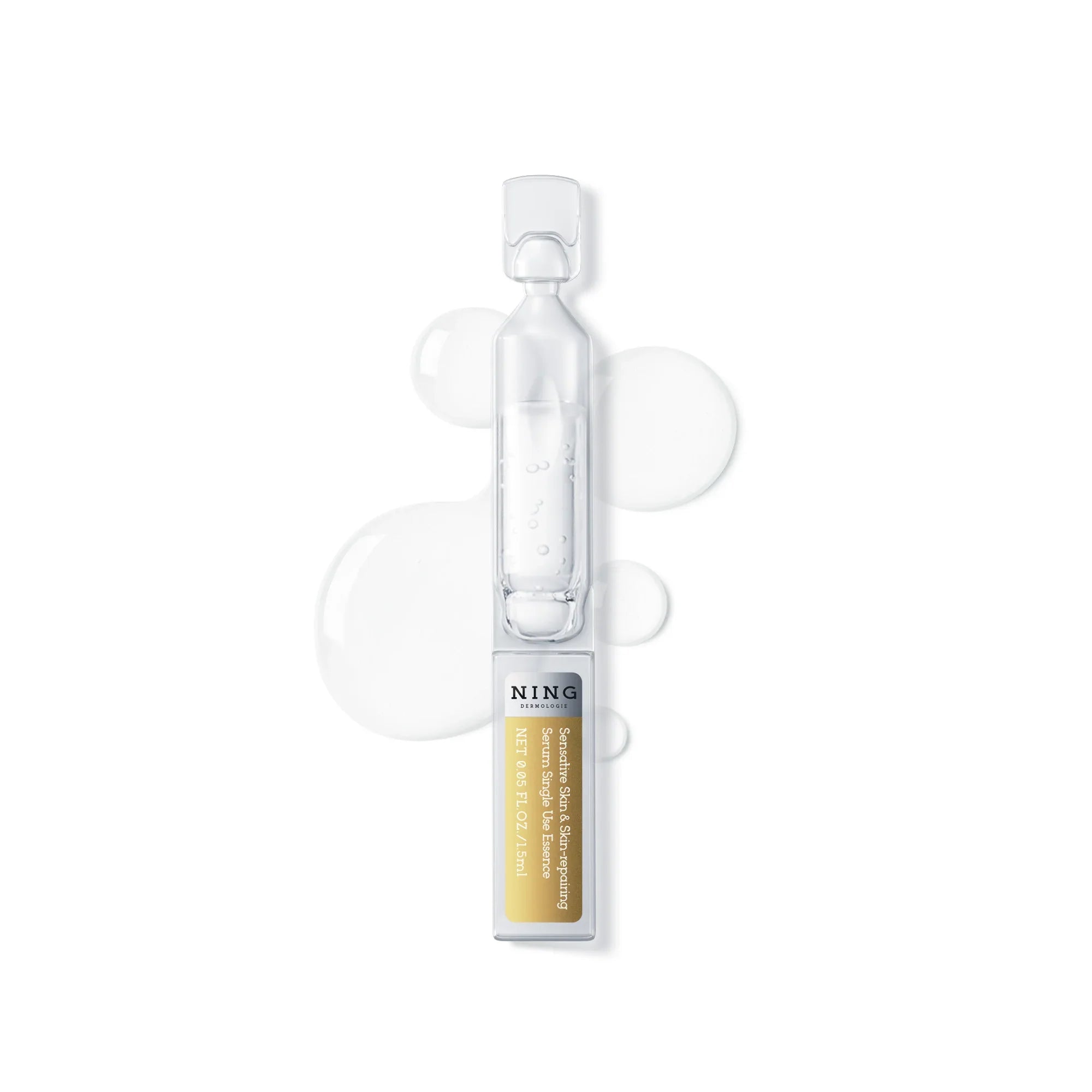
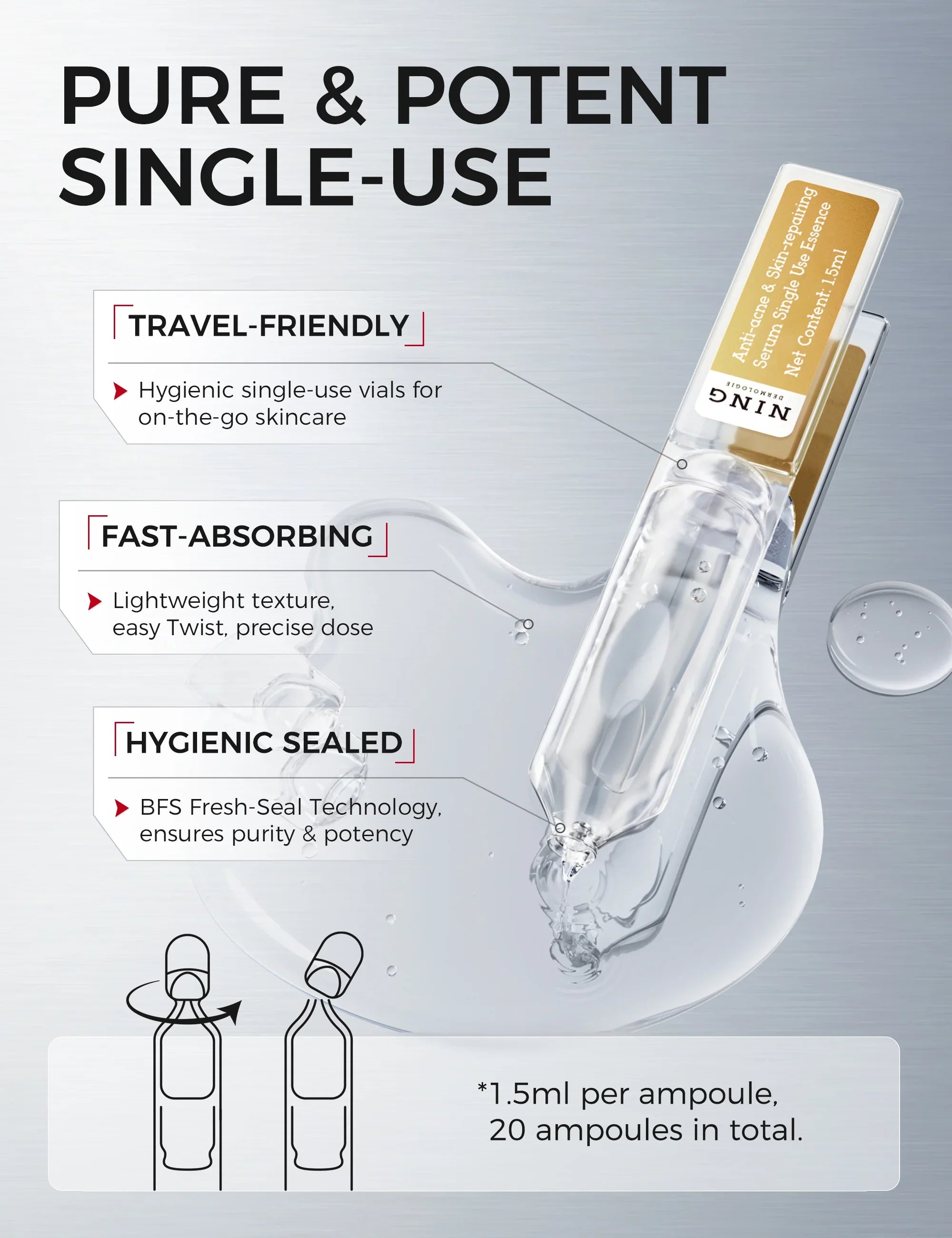
The texture is lightweight, almost like a hydrating veil. We’ve added polyacrylate crosspolymer-6 to ensure the skin feel is silky, not sticky. This is a brightening dark spot serum designed for people who want results without the "sting."
Choosing Based on Your Skin Type
Serum for Dry Skin
If you have dry skin, a standard c serum can sometimes feel stripping. Look for a brightening serum that includes squalane or hyaluronic acid. Squalane is a "bio-identical" oil that leaves skin feeling noticeably soft and supple. Our NING formula focuses on hydration, ensuring that while you brighten, you also hydrate.
Oily Skin and Acne-Prone Types
For oily skin, you want a vitamin c dark spot serum that won't clog pores. Avoid formulas with heavy oils or high concentrations of Vitamin E. Look for sodium ascorbyl phosphate, a derivative known for its mild anti-microbial properties that can actually help with acne while it works to improve skin tone.
Sensitive Skin: The "Tingle" Test
If your skin easily turns red, stay away from low-pH L-ascorbic acid. You’ll be much happier with a vitamin c dark spot serum that uses 3-o-ethyl ascorbic acid or tetrahexyldecyl (THD) ascorbate. These provide a glowy finish without the inflammatory response.
Combination Skin
Combination skin is the trickiest. You need something that absorbs quickly on the T-zone but doesn't leave the cheeks tight. A texture is lightweight is key here. Look for glycerin-based serums that provide oil-free hydration.
How to Correct Hyperpigmentation Like a Pro
If you want your skin looks brighter, you can’t just slap on a serum and hope for the best. You need a routine that supports the key ingredients.
-
Morning Application: Apply your vitamin c products in the morning. This allows the antioxidants to neutralize free radicals from UV rays and pollution.
-
Wait a Beat: Give your dark spot serum about 60 seconds to absorb before applying your face cream or moisturizer.
-
The Sunscreen Rule: This is the most important part. If you are using a brightening dark spot serum but not wearing SPF 30+, you are wasting your money. Vitamin C makes your skin more efficient at protecting itself, but UV light will instantly "re-pigment" those dark spots if you aren't protected.
-
Consistency: You won't see a noticeably brightened complexion in 3 days. It takes about 4 to 8 weeks—the time it takes for your skin cells to turn over—to see a real improve skin effect.
Comparison: Best Drugstore vs. High-End
Is a best drugstore serum like TruSkin Vitamin C or Maelove (The Glow Maker) as good as Skinceuticals?
- Maelove is a fantastic affordable price option that mimics the Skinceuticals formula. It’s great if you want pure vitamin c but are on a budget.
- TruSkin uses sodium ascorbyl phosphate, making it very shelf-stable and great for beginners, though perhaps less "transformative" for deep melasma.
- High-end options like Biossance or Paula’s Choice often invest more in the "carrier" technology—ensuring the ascorbic acid actually reaches the deeper layers of the dermis.
At NING Dermologie, we position ourselves in the "Sweet Spot." We provide the advanced 3-o-ethyl ascorbic acid technology usually found in luxury brands, but at a price point that allows you to make it a permanent part of your skincare routine.
Beyond Brightening: The Anti-Aging Factor
While we focus on how these serums reduce the look of dark spots, we shouldn't ignore the signs of aging. Vitamin C is essential for collagen production. As we age, our natural Vitamin C levels in the skin drop. By applying a vitamin c dark spot serum daily, you are essentially giving your skin the tools it needs to stay firm and bouncy.
When your skin looks brighter, you also look younger. Rough texture and "muddy" skin tones often age a person more than fine lines do. A high-quality c serum addresses both.

Final Verdict: Which One Should You Buy?
- If you have a large budget and tough skin: Go for Skinceuticals C E Ferulic. It’s the gold standard for a reason.
- If you have sensitive skin or want a "no-fuss" stable formula: The NING Dermologie Vitamin C Serum is your best bet. It’s designed to brighten and even without the irritation, and it works well under makeup without pilling.
- If you are a beginner: Start with a vitamin c dark spot serum that uses a derivative. Never used a vitamin c? Don't jump into 20% L-ascorbic acid; your barrier will thank you.
Hyperpigmentation doesn't disappear overnight, but with the right form of vitamin c, the journey to a glowy, even skin tone becomes a lot faster. Look for key ingredients, respect your skin type, and never, ever skip your sunscreen.
Frequently Asked Questions (FAQ)
1. Can I use Vitamin C with Niacinamide?
Yes, absolutely. This is an outdated myth based on 1960s research using unstable forms of the ingredients at high temperatures. In modern formulations, like NING Dermologie, Vitamin C and Niacinamide work synergistically. While Vitamin C inhibits melanin production, Niacinamide prevents the pigment from surfacing. Together, they provide a more comprehensive treatment for hyperpigmentation and uneven skin tone without causing any "neutralizing" effect or skin flushing for most users.
2. Why does my Vitamin C serum smell like metallic pennies or hot dogs?
That distinct "hot dog water" smell is usually associated with L-ascorbic acid combined with Ferulic acid. While unpleasant, it doesn't necessarily mean the product is bad. However, if the smell suddenly changes and the liquid turns dark orange or brown, the serum has oxidized. Using oxidized Vitamin C can be pro-oxidant, meaning it might actually damage your skin. To avoid this, look for stable derivatives like 3-O-Ethyl Ascorbic Acid.
3. Will Vitamin C help with my acne scars?
Vitamin C is excellent for Post-Inflammatory Hyperpigmentation (PIH)—those red or brown marks left behind after a breakout. By inhibiting tyrosinase (the enzyme responsible for melanin), it speeds up the fading process of these marks. However, it will not "fill in" pitted, atrophic scars (ice pick or boxcar scars). For those, you would need professional treatments like microneedling, though Vitamin C can support the collagen-building process during recovery.
4. Can I apply Vitamin C at night?
While you can use it at night, it is most beneficial in the morning. When applied in the AM, Vitamin C acts as a second line of defense against environmental stressors like UV radiation and pollution, which create free radicals. It essentially "boosts" your sunscreen’s effectiveness. If you use Retinol at night, using Vitamin C in the morning also helps avoid potential irritation from mixing too many actives in one go.
5. How long does it take to see results on dark spots?
Patience is key. Skin cells typically take about 28 to 40 days to renew. You might notice a "glow" within a week due to the serum's hydrating and exfoliating properties, but significant fading of dark spots usually takes 6 to 12 weeks of consistent daily use. If your hyperpigmentation is deep-seated, like melasma, it may take even longer and require a combination of Vitamin C and other brightening agents.


Share:
Is vitamin C serum effective for pigmentation on sensitive skin?
Affordable Korean vitamin C serums available in the US