



Finding an exfoliating face wash that skips the harsh chemicals while actually delivering results can feel like a scavenger hunt. For years, the skincare industry relied on "the big two" to make products feel effective: Sulfates (the bubbly detergents that strip your natural oils) and Parabens (the preservatives that keep bottles shelf-stable for a decade).
But if you have sensitive skin or you're simply trying to clean up your skincare routine, those old-school formulas are often the culprit behind a damaged skin barrier and that "squeaky clean" feeling that actually signals irritation.
The short answer is: Yes, high-performance, sulfate-free, and paraben-free exfoliating face washes exist. And they are far superior for maintaining a healthy pH balance. Here is how to navigate the world of "clean" exfoliation without sacrificing that natural radiance.

The Problem with the "Old School" Clean
Standard exfoliating products often rely on Sodium C14-16 Olefin Sulfonate or SLS to create foam. While they remove excess oil, they often take your essential lipids with them. When you add parabens into the mix, you’re introducing ingredients that many board-certified dermatologists now suggest avoiding if you want to support long-term skin health.
Modern skin care products have evolved. We are seeing a shift toward plant-based exfoliants and amino acids that cleanse without the "scorched earth" policy of traditional soaps. Brands like NING Dermologie have pivoted toward the philosophy that exfoliation should be a renewal process, not a recovery mission.
Understanding Your Exfoliation Style
Before you grab the first vegan cleanser you see, you need to match the formula to your specific skin types. Not all exfoliation is created equal.
1. Physical Exfoliation (The Manual Polish)
This uses tiny particles to physically lift dead skin cells. Forget the jagged walnut shells of the 90s. Look for:
- Hydrogenated Jojoba Oil: These are perfectly round beads that melt as you wash, ensuring no micro-tears.
- Rice Powder & Raspberry Seed Powder: Soft, natural buffers that smooth skin texture.
- Volcanic Rock or Olive Seed Powder: Excellent for those with oily skin types who need a deeper "scoured" feel without the chemical burn.
2. Chemical Exfoliation (The Invisible Dissolve)
This uses acids to unglue the bonds between dead cells.
- AHA Exfoliation (Alpha Hydroxy Acid): Includes Glycolic Acid and Lactic Acid. These are water-soluble and amazing for cell turnover and brightening.
- BHA (Beta Hydroxy Acid): Primarily Salicylic Acid. Because it is oil-soluble, it dives deep into pores to clear out gunk.
- PHA (Poly Hydroxy Acids): The new darling of sensitive skin care. They have larger molecules that don't penetrate as deeply, making them incredibly gentle.
3. Enzymatic Exfoliation (The Gentle Digest)
Natural enzymes from Carica papaya Extracts and Pineapple Core literally "eat" the protein of dead skin. This is the gold standard for someone who finds acids too tingly.
Spotlight: NING Dermologie Purifying Exfoliating Face Wash
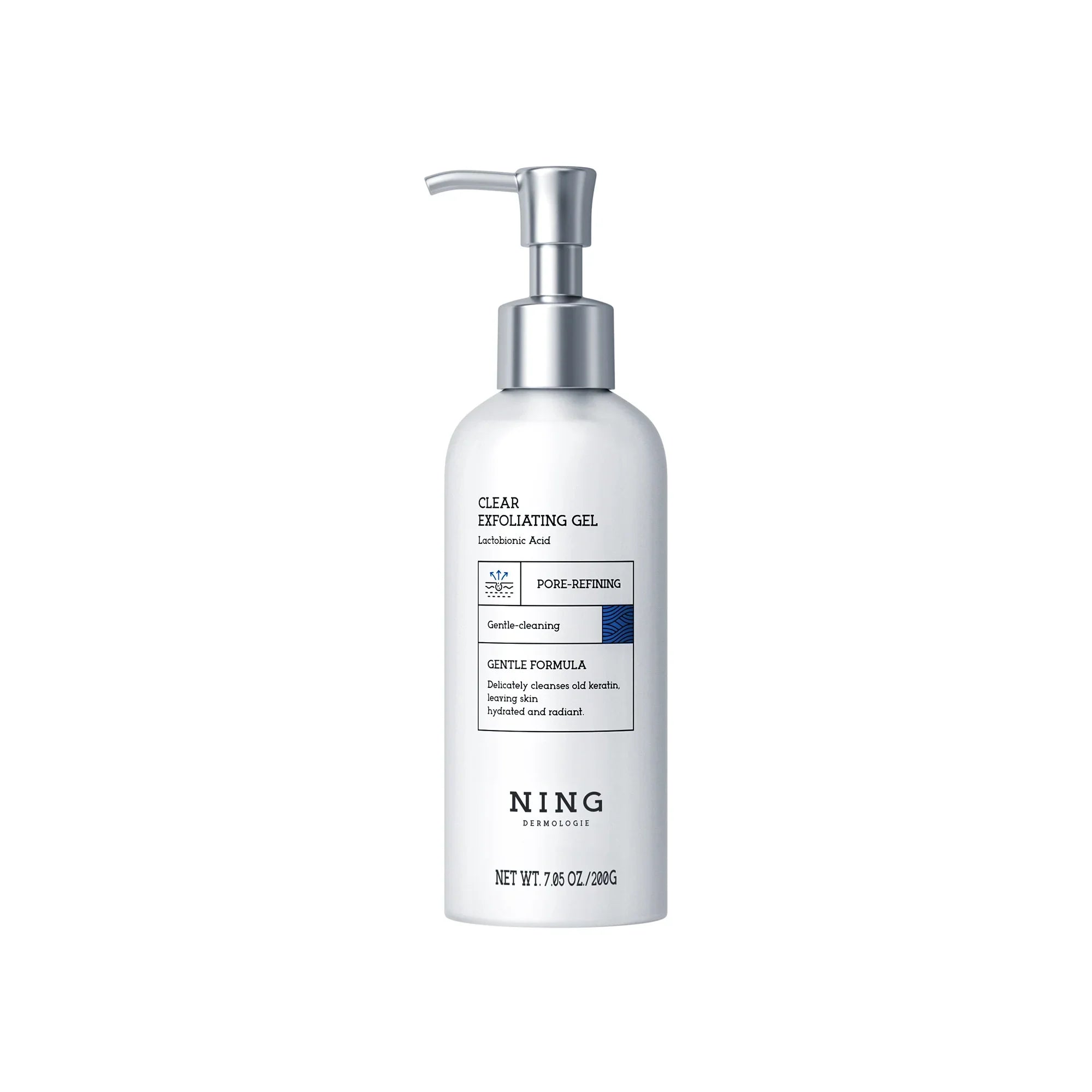
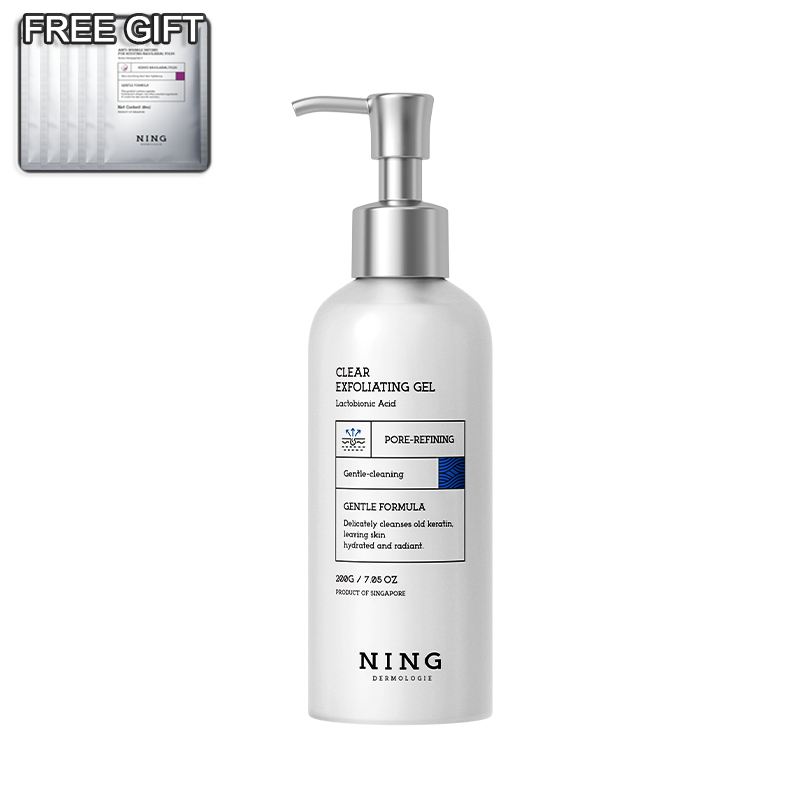
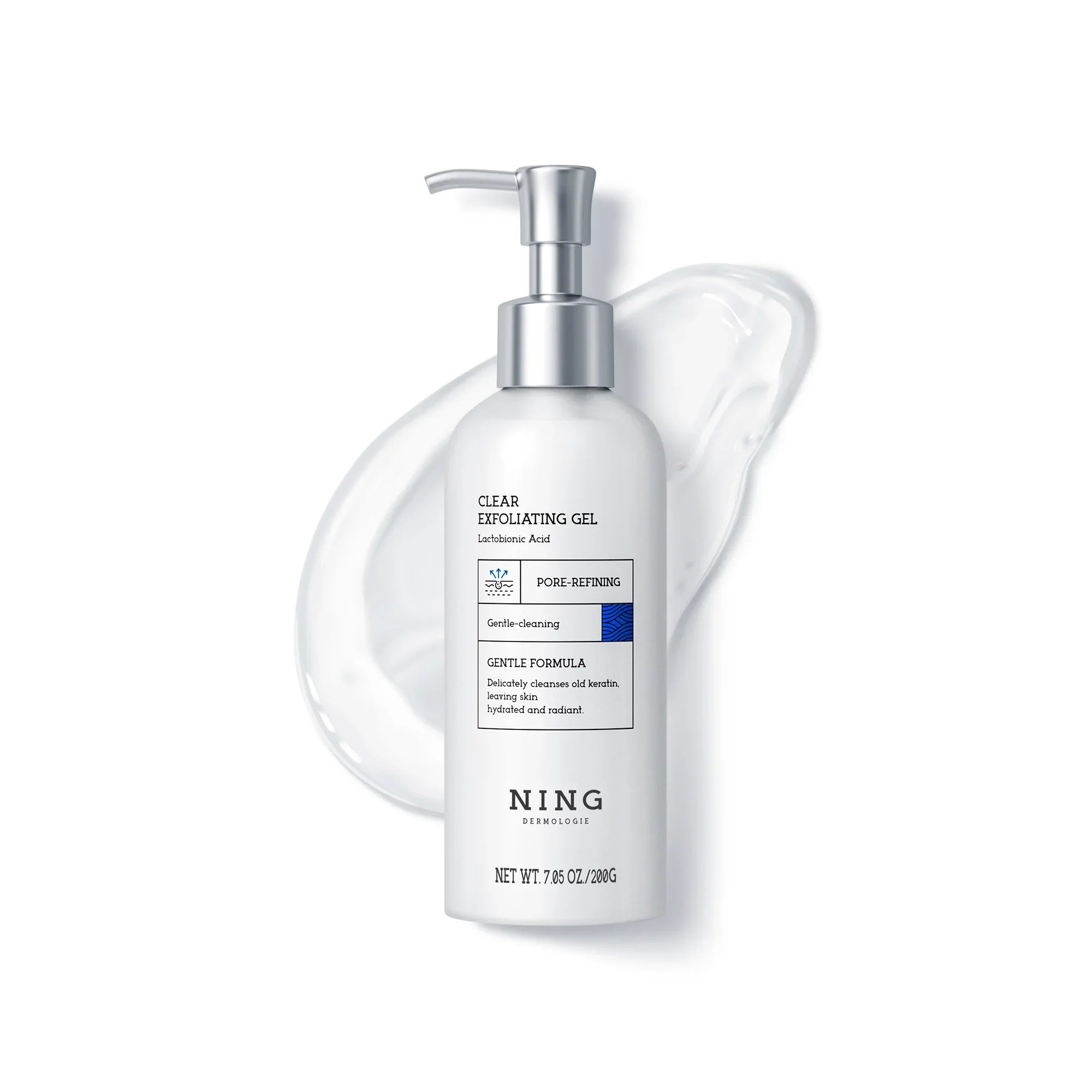
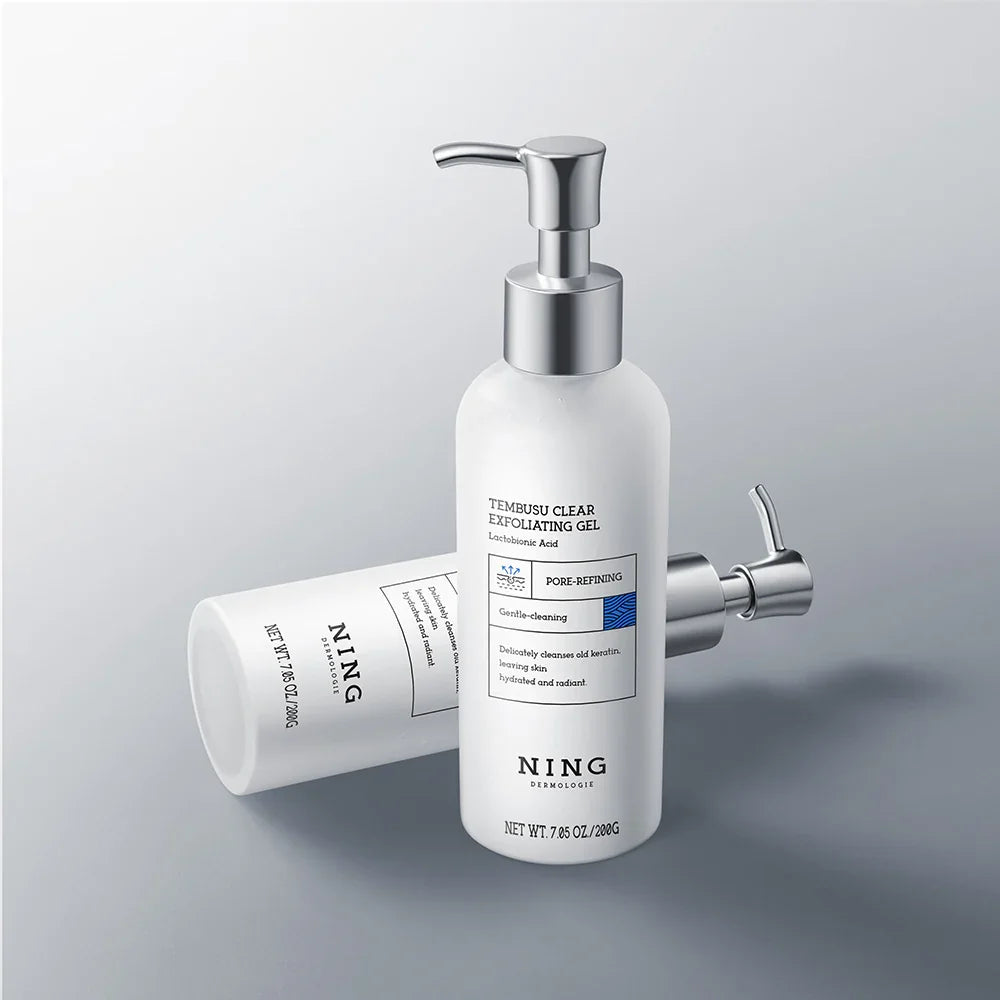
If you are looking for a hard working formula that checks every box, theNING Dermologie Exfoliating Face Washis a standout. It’s a water-based cleanser designed as a "peeling gel"—a unique texture that pills up as you massage it, physically catching dead skin and debris without using harsh grit.
What makes it different? It’s dermatologist tested and leans on botanical synergy. Instead of parabens, it utilizes the natural stability of high-quality extracts. It’s a best seller for a reason: it leaves a hydrating finish rather than a dry one, making it a "moisturize me" step rather than a "strip me" step.
Decoding the Ingredient Label
When you’re browsing the Face Care Collection, look for these skin-loving additions that offset the intensity of exfoliation:
- Soothing Agents: Calendula Officinalis Flower Extract and Green Tea help calm redness immediately.
- Natural Oils: Cocos nucifera (Coconut), Persea gratissima (Avocado), and Cucurbita pepo oil (Pumpkin seed) ensure the skin barrier stays intact.
- Hydration Heroes: Sodium PCA is a natural humectant that holds water in the skin, providing that rejuvenate me glow.
- The "No-Go" List: Ensure there are no artificial colors or synthetic fragrances (though a natural citrus scent from Citrus Aurantifolia is usually fine and refreshing).
How to Integrate Exfoliation into Your Skincare Routine
The American Academy of Dermatology suggests that over-exfoliating is the #1 mistake people make. Here is a balanced approach:
- Start Slow: Use your RENEW face wash or peeling gel 2–3 times a week.
- Check the pH Level: A healthy face wash should be slightly acidic (around pH 5.5). pH Balancing formulas prevent "acid mantle" disruption.
- Double Cleanse if Needed: If you wear heavy makeup, use a gentle natural cleanser or saponified organic oils (like castor oil or kokum butter) first, followed by your exfoliating wash.
- Temperature Matters: Use lukewarm water. Hot water + exfoliation = a recipe for redness.

Ethical and Sustainable Choices
Today’s consumer looks beyond the bottle. Choosing a vegan cleanser often means the brand avoids animal-derived stearic acids. Look for recyclable packaging and biodegradable materials to ensure your skin care doesn't come at the cost of the planet. Brands like NING prioritize a Quality Guarantee that extends to their environmental footprint.
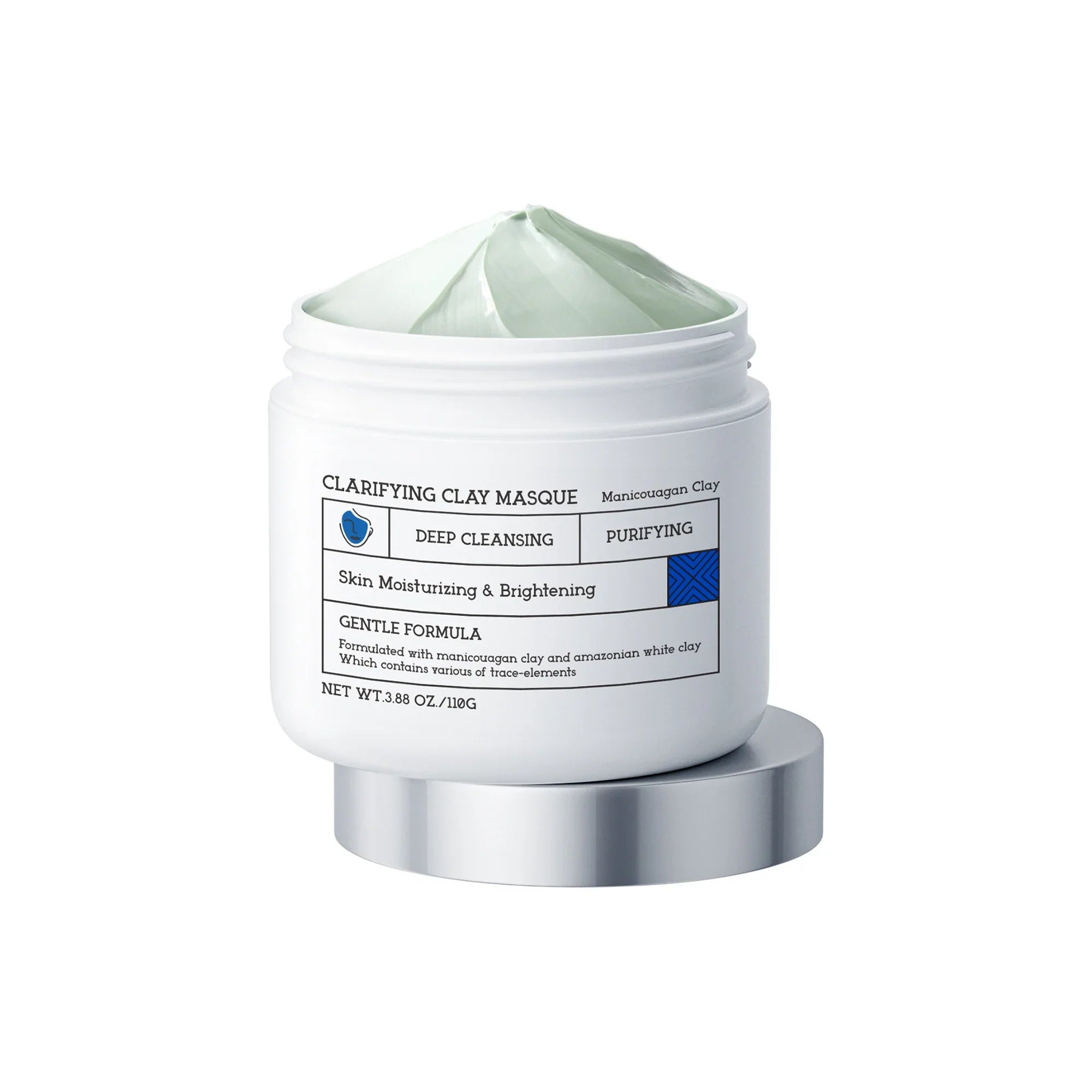
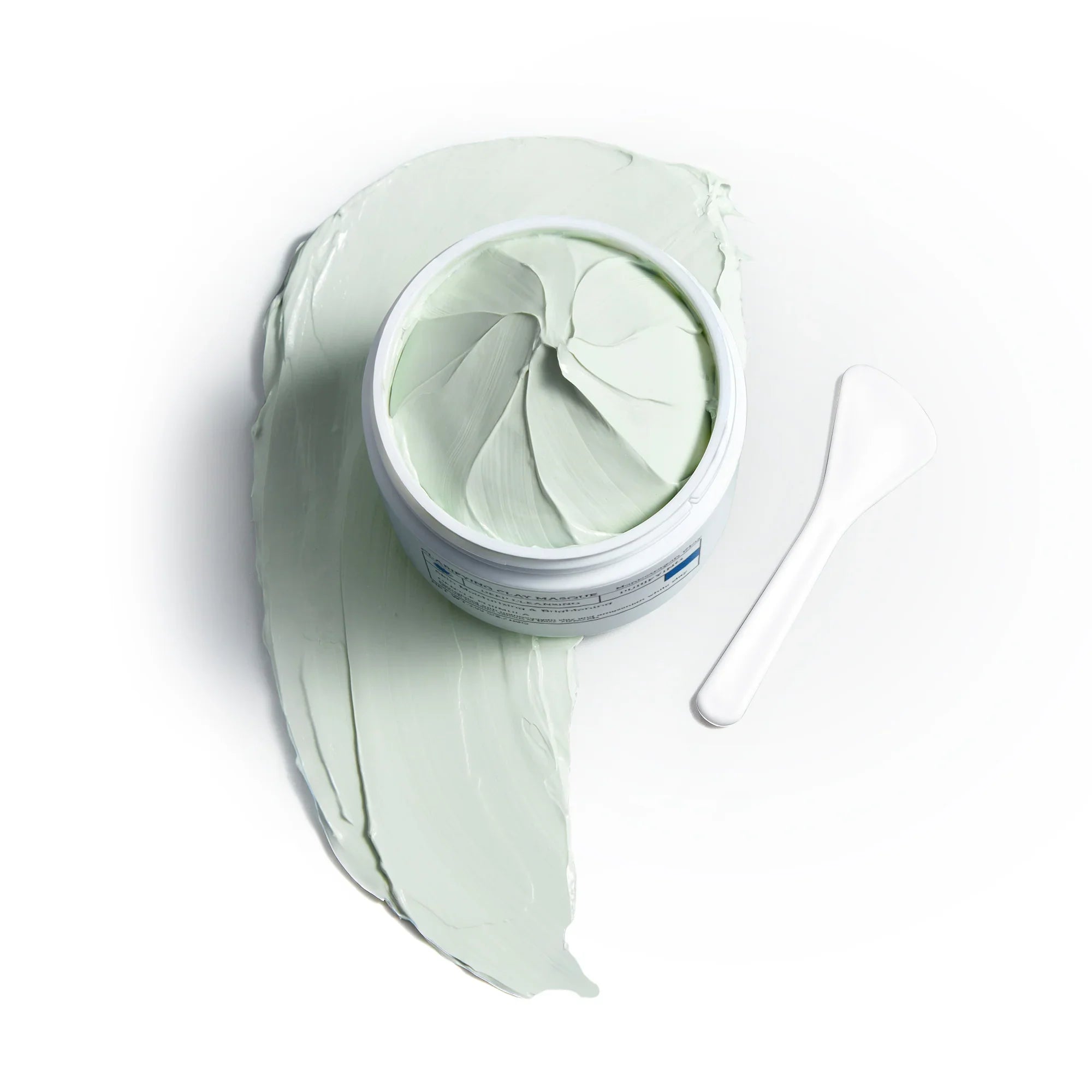
Whether you prefer a traditional liquid, a Face Wash Bar, or a high-tech peeling gel, the market is finally prioritizing the "Free-From" movement. You can have the Vitamin Infused, Amazonian White Clay experience without a single drop of sulfate.
Frequently Asked Questions (FAQ)
1. Is it safe to use an exfoliating face wash on sensitive skin every day?
Honestly, probably not. Even a sulfate-free exfoliating formula can be overkill if you overdo it. If your face feels tight or looks angry, you're scrubbing away your protection. Stick to twice a week to start. Let your skin barrier breathe and focus on slow cell turnover rather than instant friction. Your face will thank you for the restraint.
2. How do I know if my face wash is truly sulfate-free?
Flip the bottle and scan the tiny print. You're dodging anything ending in "-sulfate," but watch out for Sodium C14-16 Olefin Sulfonate—it’s a sneaky, harsh surfactant that mimics sulfates. A true natural cleanser uses stuff derived from coconuts or sugars. If it doesn't leave you feeling like a desert, you’ve likely found a winner.
3. Can I use an exfoliating wash if I’m already using a retinol or Vitamin C serum?
You can, but don't play chemist all at once. Piling AHA exfoliation on top of retinol is a fast track to a raw face. I usually tell people to use their exfoliating face wash in the morning and save the heavy-hitting serums for the evening. Keep that pH level steady and avoid "layering" two aggressive treatments in the same hour.
4. What is the difference between a peeling gel and a scrub?
Think of a scrub as sandpaper—it uses physical exfoliation like volcanic rock to grit away grime. A peeling gel, like the one from NING Dermologie, is way cooler. It balls up as you rub it, physically grabbing dead skin cells without the scratching. It's the perfect middle ground for anyone terrified of those jagged, old-school apricot scrubs.
5. Does NING Dermologie offer any shipping deals for new customers?
We definitely do. We want you to try the Face Care Collection without the "shipping tax" headache. Right now, we offer Free shipping on all orders over $30. It’s the easiest way to grab a best seller and see the difference for yourself. Plus, our Quality Guarantee means we stand by every bottle that leaves our warehouse.





Share:
Find exfoliating face wash products suitable for combination skin.
What exfoliating face washes come with money-back guarantees?