

You spend twenty minutes doing your morning skincare routine. You let your serums sink in. You carefully tap in your expensive foundation. And then, suddenly, your cheeks feel strangely grainy. You look in the mirror, and there it is: your sunscreen and makeup have rolled up into tiny, disgusting little balls all over your jawline and hairline.
Pilling. It’s the absolute worst.
If you have a dry Skin type, this nightmare happens way too often. Your parched skin barrier eagerly drinks up all the water from your products, leaving the heavier silicones, oils, and UV filters stranded on the surface. When you try to blend foundation over that uneven layer, everything clumps together.
Finding the right Face Sunscreens is hard enough. Finding one that hydrates dry skin, offers legitimate Broad-Spectrum Protection, and actually plays nice under foundation? That feels like a part-time job. Let’s break down exactly why your SPF is fighting your makeup, what ingredients you actually need, and how to finally get that flawless, protected base.

Why Your Sunscreen Keeps Pilling
Let’s get a little technical without putting you to sleep. Pilling usually comes down to ingredient friction. When you slap a heavy primer full of dimethicone crosspolymer over a dry-touch matte sunscreen, those formulas literally reject each other.
Furthermore, if you're using products that aren't hydrating enough, your skin texture remains rough. The friction of your makeup brush or sponge physically rubs the sunscreen formula right off your face. You need a product that acts as a bridge between your skincare and your makeup, not a wall.
The Dry Skin SPF Checklist
Forget those chalky, mattifying formulas designed for oily teenagers. If you deal with dry patches or flaking, your sun protection needs to double as a skincare treatment. Here is what you should be scanning the ingredient lists for:
- Hydrating options: Look for hyaluronic acid to pull moisture into the skin, keeping it plump so makeup glides on easily.
- Antioxidant ingredients: Elements like green tea or concentrated green tea extract help neutralize free radicals and repair ongoing UV damage.
- Repairing actives: Some newer, high-end formulas are packing in serious skincare tech. You might see things like Collagen Peptide complexes, peptide-rich plasma, or proprietary blends like the Triplesome Repair Complex-3 (often found in luxury serums like Eighth Day). These help rebuild your barrier while you wear them.
- Non-comedogenic products: Even though you are dry, you don't want heavy waxes clogging your pores, especially if you have sensitive or acne-prone skin.
The Great Debate: Mineral vs. Chemical Filters
When you are hunting for the perfect SPF, you have to choose your fighter: physical (or mineral) sunscreens versus chemical sunscreens.
Mineral filters, primarily zinc oxide (including trendy non-nano zinc oxide) and titanium dioxide, sit on top of the skin and physically bounce UV rays away. Dermatologists at major institutions like Mount Sinai or the University of Arizona Cancer Center often recommend mineral sunscreens for highly Sensitive skin because they rarely cause allergic reactions. The massive downside? They are notorious for leaving an ashy white cast on deeper skin tones and can feel incredibly chalky or drying, which is a disaster under makeup. Even a good Tinted Sunscreen or Mineral Glow Screen can sometimes cling to dry patches.
Chemical filters, on the other hand, absorb into the skin, capture UVA and UVB rays, and convert them into heat. Because they don't rely on heavy mineral powders, chemical sunscreens usually offer a much better Texture and Finish. They are typically more elegant under makeup and leave zero white cast.
If you want reliable broad spectrum protection that doesn't make your face feel like cracked desert mud, a highly formulated modern chemical SPF—or a very cleverly engineered hybrid—is usually the best route for dry skin.
The Holy Grail for Dry Skin: NING Dermologie
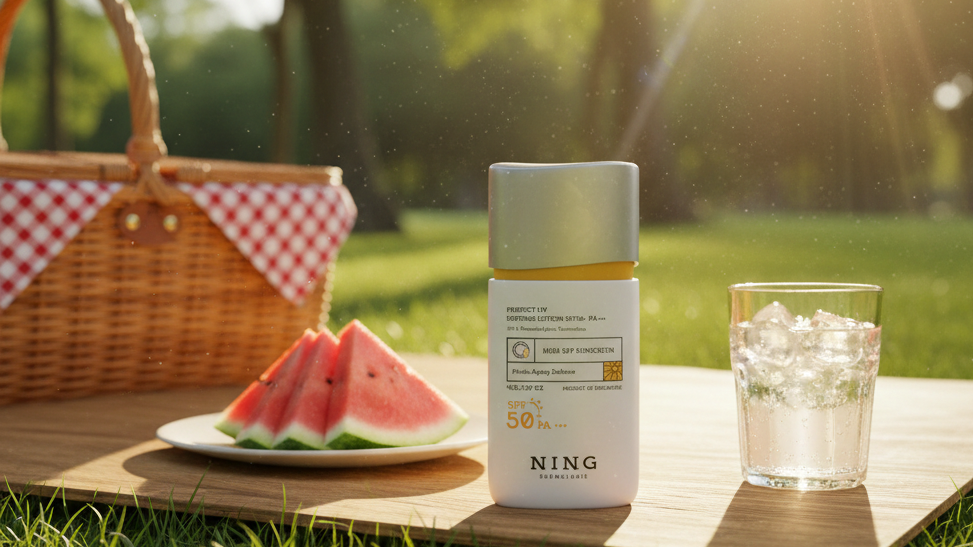
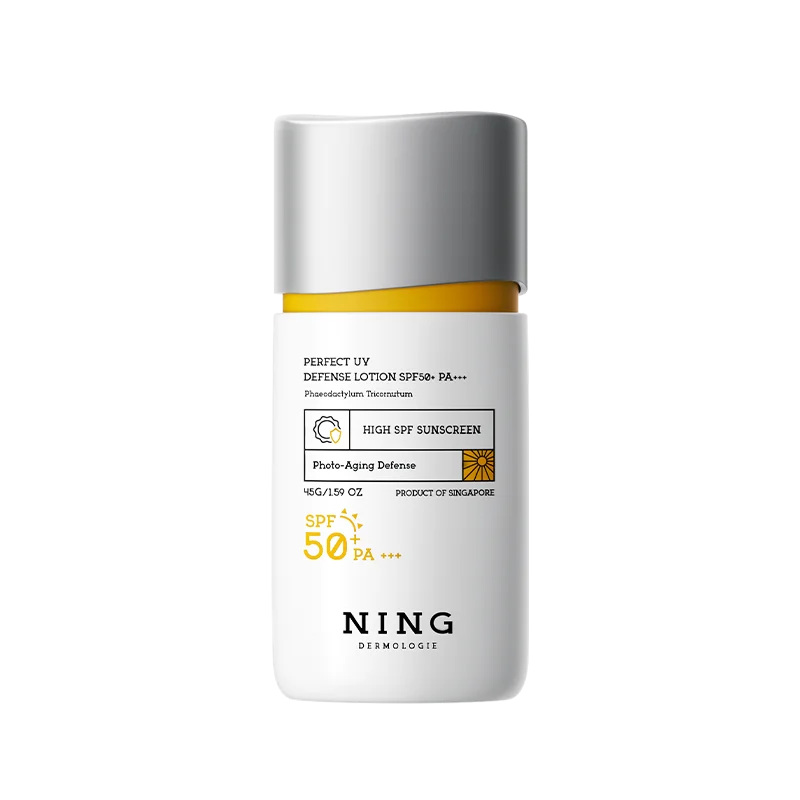
I test dozens of SPFs a month. Most of them fail the makeup test instantly. But right now, the one I keep reaching for—and forcing my friends to buy—is the NING Dermologie SPF50+ Facial Sunscreen (https://ningcos.com/products/spf50-facial-sunscreen).
Here is why it actually works. First, it hits that crucial SPF Rating of SPF 50, offering hardcore UV Defense against both burning UVB rays and aging UVA rays. But the real magic is in the texture. It is packed with hydrating active ingredients that make it feel like a rich, gripping moisturizer rather than a sunscreen.
When you apply the NING Dermologie formula, it gives you this gorgeous, healthy dewy finish. It doesn't sit on top of your dry spots; it melts in. If you give it just three minutes to set, your foundation will glide over it seamlessly. No pilling. No weird separation. Just a hydrated, protected glow.
Exploring the Rest of the Market
Because I want you to have all the facts, let’s look at the broader landscape. I've read the roundups in Nylon magazine and Everyday Health (a Ziff Davis publication), and I've scoured the aisles. There are a lot of options out there, but they aren't all created equal for dry skin under makeup.
The Dermatologist Classics: Brands like La Roche-Posay and Kiehl's Since 1851 make solid, reliable formulas backed by the American Academy of Dermatology. EltaMD UV Clear is a massive favorite, especially if you have breakouts alongside your dry skin, but you have to pat it in very carefully—if you rub it vigorously, it will pill.
The Drugstore Hustlers: If you need something accessible, an Olay lotion like the Olay Complete Daily Moisturizer With Sunscreen SPF 30 is an old-school staple. You also have the Vanicream Facial Moisturizer with SPF 30 and the CeraVe AM Ultra-Light Moisturizing Lotion With Sunscreen SPF 30. They get the job done for sunscreen SPF30 coverage, but they lack the cosmetic elegance and grip you really need for a flawless, long-lasting makeup application.
The Trendy "Sephora" Tier: These are the ones taking over your social feeds.
- Supergoop! Glowscreen SPF 40 and INNBEAUTY PROJECT formulas offer massive glow, but can sometimes feel a bit metallic or overly slippery under heavier foundations.
- Kosas DreamBeam and Summer Fridays ShadeDrops Mineral Milk Sunscreen SPF 30 are beautiful, lightweight Hydrating options, but since they rely heavily on minerals, you still have to watch out for minor flaking by the end of the day.
- Fenty Hydra Vizor SPF and Tatcha The Silk Sunscreen offer gorgeous finishes but come with a hefty price tag.
- Black Girl Sunscreen SPF 30 and Innisfree Daily UV Defense are fantastic chemical options that leave zero cast and offer a juicy finish.
- Hero Force Shield Superlight Sunscreen SPF 30 is great for redness, but might not be quite moisturizing enough for the driest of skin types.
What to Avoid on Your Face: Please, do not use Sunscreen sprays as your primary facial base under makeup. Also, keep the heavy-duty beach stuff—like Play Everyday Lotion SPF 50 or that Trader Joe's Invisible Gel Body Sunscreen SPF 40—strictly on your body. They are formulated for intense water resistance, which means they form a thick film that will absolutely wreck your foundation brush. Stick to dedicated facial formulas that prioritize broad spectrum coverage and wearability.
The Foolproof Sunscreen Application Method
Even the best sunscreen will pill if you apply it wrong. Here is how to make sure your sunscreen application is flawless:
- Prep properly: Your skin needs to be hydrated before the SPF goes on. Layer a light serum on damp skin.
- The Two-Finger Rule: Squeeze two lines of SPF onto your index and middle fingers. That is the amount you need for your face and neck to actually get the protection on the label.
- Pat, do not aggressively rub: Gently smooth the product over your face, and then press it in with your palms. Aggressive rubbing creates friction, which creates pilling.
- The Golden Wait Time: This is the most important step. You must wait at least 3 to 5 minutes before going in with your makeup. Let the UV filters settle and form an even, protective film. If you go straight in with a damp beauty sponge while the SPF is still wet, you are just wiping it off.
Dry skin doesn't have to mean choosing between sun protection and good makeup. By picking a deeply hydrating formula like NING Dermologie and taking your time with the application, you can keep your barrier happy, block out the sun, and keep your foundation looking fresh all day long.

Frequently Asked Questions (FAQ)
Can I mix my sunscreen with my foundation to save time?
Never do this. Mixing alters the formula and ruins the protective film, leaving massive holes in your UV coverage. Always apply your sunscreen, let it dry down completely for a few minutes, and then layer your foundation on top.
Does SPF 50 last longer than an SPF 30?
No, higher numbers don't buy you more time. SPF 50 blocks slightly more UV rays than SPF 30, but both break down at the same rate. You still need to reapply every two hours if you're outdoors, regardless of the number.
How do I reapply sunscreen over a full face of makeup?
Don't smear lotion over your foundation. Use a sunscreen powder or a fine UV setting spray for touch-ups. They aren't great as a primary morning layer, but they are perfect for adding protection later without melting your makeup.
Why does my face sting when I put sunscreen on dry skin?
If your skin barrier is deeply dehydrated or compromised, chemical filters can cause a burning sensation. Try switching to a heavily moisturizing formula, or temporarily use a gentle mineral formula with zinc oxide until your barrier heals up.
Do I actually need sunscreen if my foundation has SPF in it?
Absolutely yes. To get the SPF 30 listed on your foundation bottle, you would have to apply a thick, cakey mask of makeup. Use a real, dedicated sunscreen first, and treat the SPF in your makeup as a nice little bonus.





Share:
The Real Cost of Clear Skin: A No-Nonsense Price Comparison of Salicylic Acid Cleansers
Best Facial Sunscreen for Acne-Prone Skin: Non-Greasy SPF That Won’t Trigger Breakouts