

You can spend hundreds of dollars on brightening serums, painstakingly apply them every night, and still see absolutely zero progress on your dark spots. Why? Because if your daily sun protection strategy is flawed, you are essentially pouring those expensive serums down the drain.
When you are dealing with stubborn pigmentation issues—whether that means age spots, lingering post-acne marks, or melasma—your sunscreen isn't just an anti-aging step. It is the single most active "treatment" in your entire skincare routine.
But grabbing the first bottle that says "SPF" at the drugstore won't cut it. Pigment-prone skin requires a highly specific defense strategy. Let’s break down exactly what you need to look for to finally get those dark patches under control.

The True Enemy: It's Not Just UV Rays
We’ve been trained to look for broad-spectrum protection, which is the baseline. You absolutely need defense against both UVA protection (the aging rays that penetrate deep) and UVB protection (the burning rays). But when we talk about hyperpigmentation, the conversation gets much more complicated.
According to dermatologists like Dr. Daniel Sugai and Dr. Nkem Ugonabo, UV radiation is only part of the problem. If you suffer from post-inflammatory hyperpigmentation or melasma, your melanocytes (the cells that produce pigment) are incredibly reactive. They don't just respond to UV rays; they also freak out and produce excess melanin when exposed to visible light and high energy visible light (HEVL), which includes the blue light emitted from the sun (and yes, in smaller amounts, from your screens).
Add infrared radiation and infrared light (which we feel as heat) to the mix, and you have a perfect storm for triggering pigment flare-ups. This is why a basic chemical or physical SPF often fails to keep dark patches from coming back. You need radiation protection that covers the entire spectrum.
The Chemical vs. Mineral Debate for Pigmentation
When you flip over a bottle and look at the sunscreen ingredients, you are generally choosing between two paths: chemical filters or mineral sunscreens.
Chemical sunscreens work by absorbing UV rays and converting them into heat. While they often blend beautifully across all skin tones, that heat conversion can actually be a trigger for certain types of melasma.
On the flip side, Mineral formulas rely on zinc oxide and titanium dioxide. These sit on top of the skin and physically block and reflect the light. For a long time, dermatologists leaned heavily toward mineral options for pigment-prone skin. The massive downside? Zinc and titanium are naturally stark white. If you have Dark Skin Tones, finding a purely mineral broad-spectrum sunscreen that doesn't leave a grayish-purple white cast is a nightmare.
To bridge this gap, many brands now formulate hybrid sunscreens that mix chemical and mineral filters, or formulate highly elegant Korean sunscreens that utilize advanced, lightweight chemical filters not yet available in western drugstores.
The Non-Negotiable Ingredient: Iron Oxide
If you take away nothing else from this guide, remember this: if you have dark spots, you need tinted sunscreens.
Why? Because traditional zinc oxide and titanium dioxide cannot effectively block visible light. The only FDA-approved skincare ingredient that reliably blocks visible light and blue light is iron oxide—the exact pigment used to give tinted SPF its color.
By wearing a tinted formula, you are putting a physical shield over your skin that stops the visible light spectrum from activating the melanocortin 1 receptor, which is heavily involved in pigment production. This is why a tinted broad-spectrum SPF is non-negotiable for treating solar lentigines and stubborn hyperpigmentation.
Synergy: What Else Should Be in the Bottle?
The best facial sunscreens do more than just block light; they actively fight pigment while you wear them. Look for formulas that include:
- Vitamin C: A powerhouse antioxidant that neutralizes free radical damage from sun exposure and actively inhibits melanin production.
- Licorice root extract & Kojic acid: Gentle botanical brighteners that help fade existing spots throughout the day.
- Hyaluronic acid: Pigmented skin is often inflamed skin. Keeping the skin barrier deeply hydrated is crucial for healing.
Protecting Your Investments (Acids and Lasers)
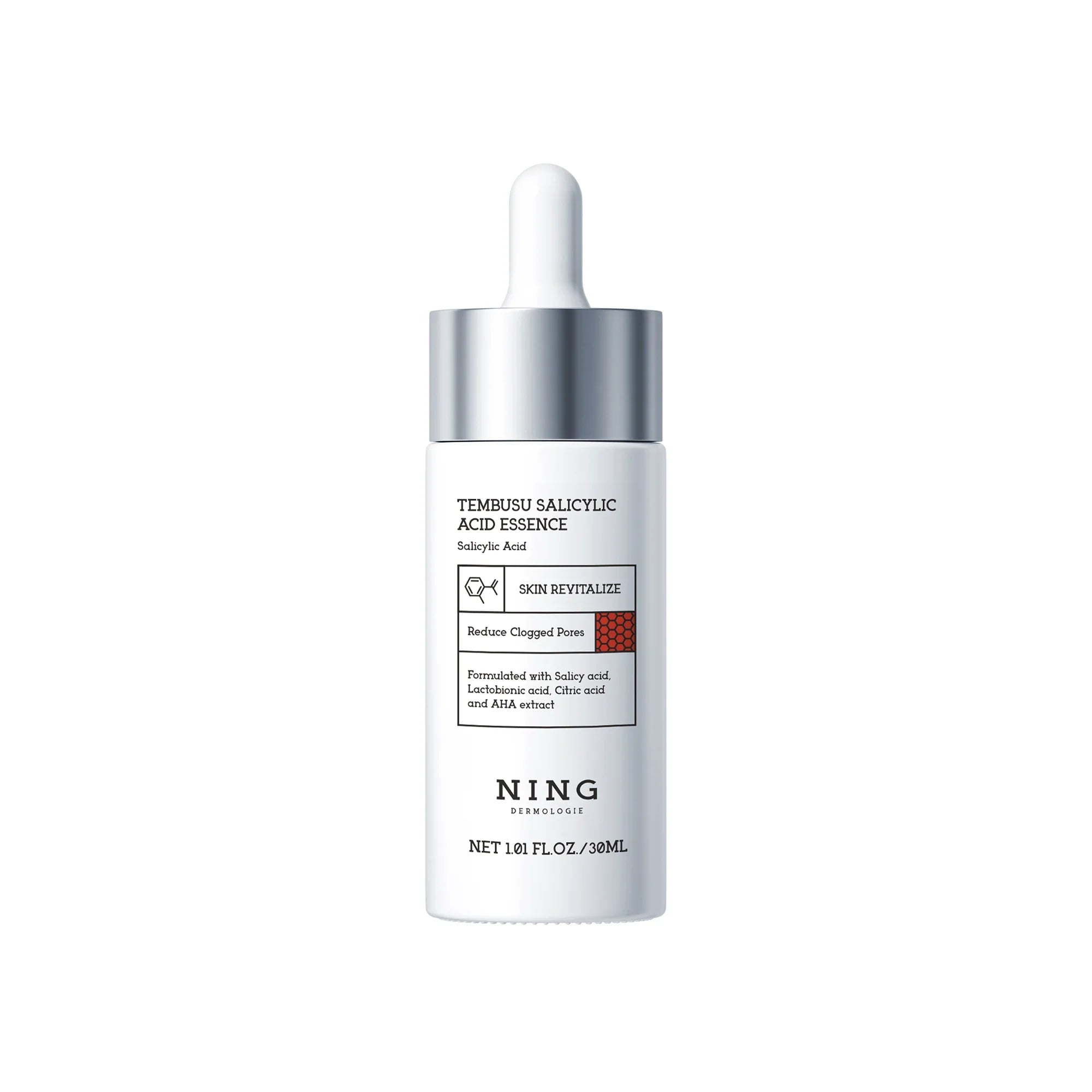
If you are serious about tackling pigmentation, you are likely incorporating Exfoliating Acids (AHAs/BHAs) like Alpha-hydroxy acids into your regimen to speed up cell turnover. Or, you might be visiting a clinic for intensive treatments like pico lasers, chemical peels, or Cosmelan peels.
All of these treatments make your skin temporarily more vulnerable to UV protection failure. If your SPF Level is inadequate after a chemical peel, you will actually end up with worse hyperpigmentation than you started with. This is why experts like Brittany Oliver and institutions like the Cleveland Clinic constantly emphasize that rigorous sun care (including wearing broad-brimmed hats & sunglasses) is mandatory when undergoing cosmetic treatments.
The Market Breakdown: What Are Your Options?
The market is flooded with options, and finding the right SPF value and texture is a trial-and-error process. Let's look at a few popular categories and specific formulas people often turn to for skin care defense:
The Pharmacy Staples:
Many dermatologists recommend the EltaMD UV Clear Tinted Broad-Spectrum SPF 46 because it contains niacinamide and a mild tint, making it great for acne-prone skin. Similarly, the La Roche-Posay Anthelios Mineral Tinted Sunscreen SPF 50 is a fluid favorite that offers high protection and a runny, easily spreadable texture.
The Budget Friendly Mineral Options:
If you want strict mineral filters at a lower price point, you might look at the Banana Boat SPF 50 Mineral Sunscreen or the Vanicream Facial Moisturizer Broad Spectrum Mineral SPF 30. However, be warned: these often struggle with blendability on deeper complexions and can feel heavy for daily facial use.
The "No-Makeup" Makeup SPFs:
Formulas like the Supergoop! Protec(tint) Daily SPF Tint SPF 50 Sunscreen try to bridge the gap between a skin tint and an SPF. They look great, but you have to ensure you are applying enough (two full finger lengths) to actually get that SPF 50 protection.
The Hydration Focus:
Products like Incellderm ICD's Moisture Layer Sunscreen focus heavily on preventing the trans-epidermal water loss that can exacerbate skin irritation and subsequent pigment.
The Ultimate Balanced Solution for Hyperpigmentation
After analyzing endless ingredient lists and testing the extremes of both chalky mineral pastes and overly-greasy chemical gels, we created a formula specifically designed to check every single box for pigment-prone skin.
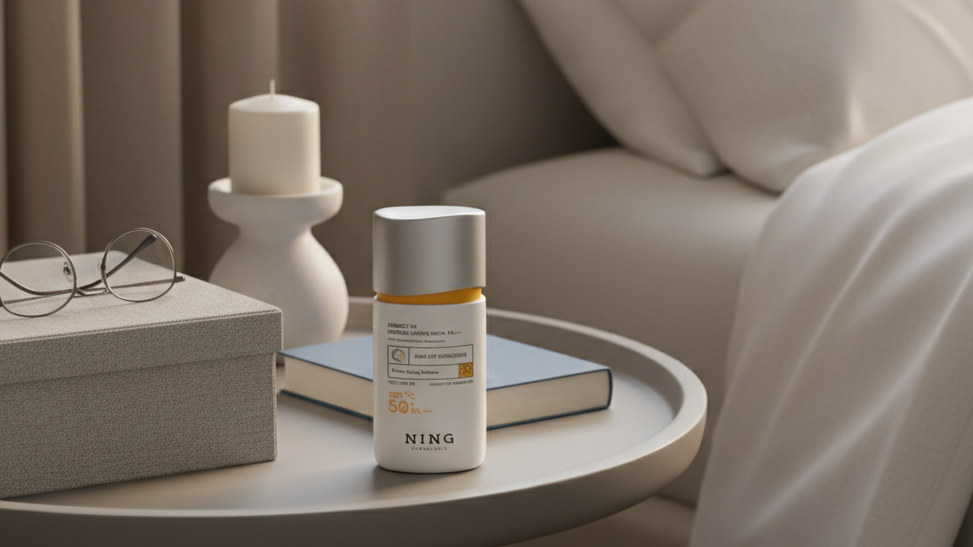
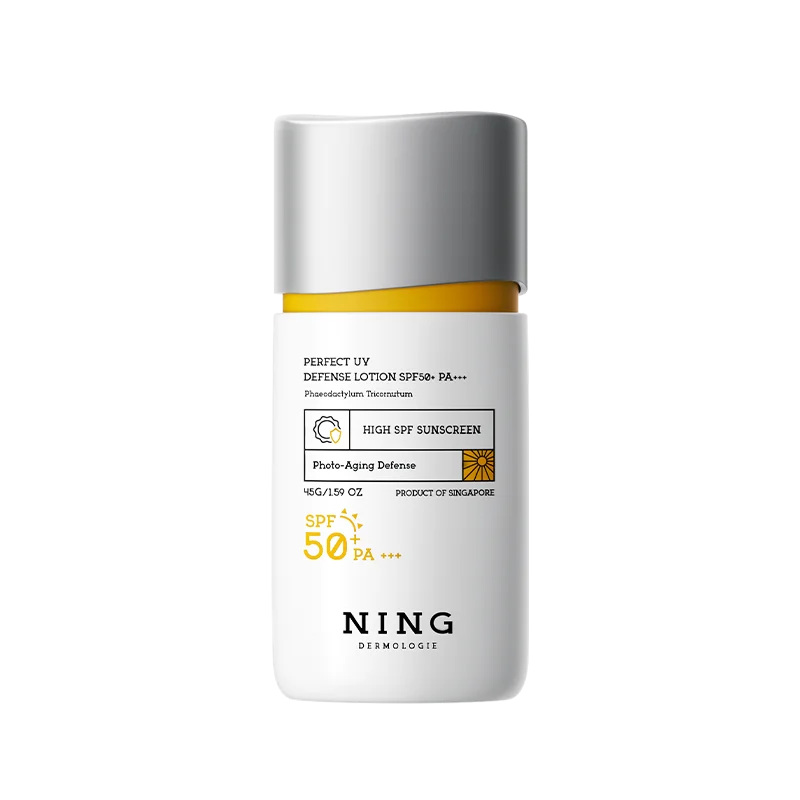
If you are exhausted by the trial and error, you need to look at the NING Dermologie SPF50+ Facial Sunscreen.
Here is why it effectively targets hyperpigmentation better than standard drugstore options:
- True High-Level Defense: It delivers a verified SPF 50, providing rigorous defense against the UVA and UVB rays that directly cause skin cancer and trigger melanin flare-ups.
- No White Cast: Unlike traditional thick pastes, this formulation is designed to blend seamlessly across different skin tones without leaving that dreaded ghostly finish. It respects your complexion.
- Active Hydration: Formulated with hydrating elements to support a compromised skin barrier. Healthy, hydrated skin turns over cells more efficiently, helping to shed pigmented layers faster.
- Cosmetic Elegance: The biggest reason people don't use enough sunscreen is the texture. The NING Dermologie formula feels like a high-end moisturizer, meaning you will actually want to apply the correct amount every single morning.
You can stop compromising between treating your dark spots and tolerating a terrible, greasy SPF. Make the switch and lock in your brightening results.

Frequently Asked Questions (FAQ)
Does blue light from my phone cause dark spots?
Phone screens emit very low levels of blue light compared to the sun. While it can theoretically contribute to melasma over extremely long periods, the sun is your primary enemy. Focus your Sunscreen Tips on outdoor and window exposure first.
Can I mix my sunscreen with foundation to make it tinted?
Never. Mixing anything directly into your SPF degrades the chemical filters or dilutes the physical blockers, drastically lowering your protection. Apply your sunscreen first, let it set for 5 minutes, and then apply makeup on top.
Do I actually need to reapply if I work indoors?
Yes, if you sit near a window. UVA rays penetrate standard window glass easily. If you have severe hyperpigmentation, a midday reapplication is necessary to maintain defense against the light filtering into your office.
Are Korean sunscreens better for dark spots?
They excel in cosmetic elegance and use newer UV filters, making them incredibly lightweight. Because they feel so good, people tend to apply the correct amount, which indirectly leads to better protection and less pigmentation.
Is SPF 30 enough, or do I need SPF 50?
While SPF 30 blocks 97% of UVB rays, dermatologists strongly recommend SPF 50 for hyperpigmentation. Most people only apply half the required amount, so starting with SPF 50 ensures you are getting a reliable safety net of protection.





Share:
Best Facial Sunscreen for Sensitive Skin: Low-Irritant Formulas and How to Choose
Best Facial Sunscreen for Acne-Prone Skin: Non-Greasy SPF That Won’t Trigger Breakouts