

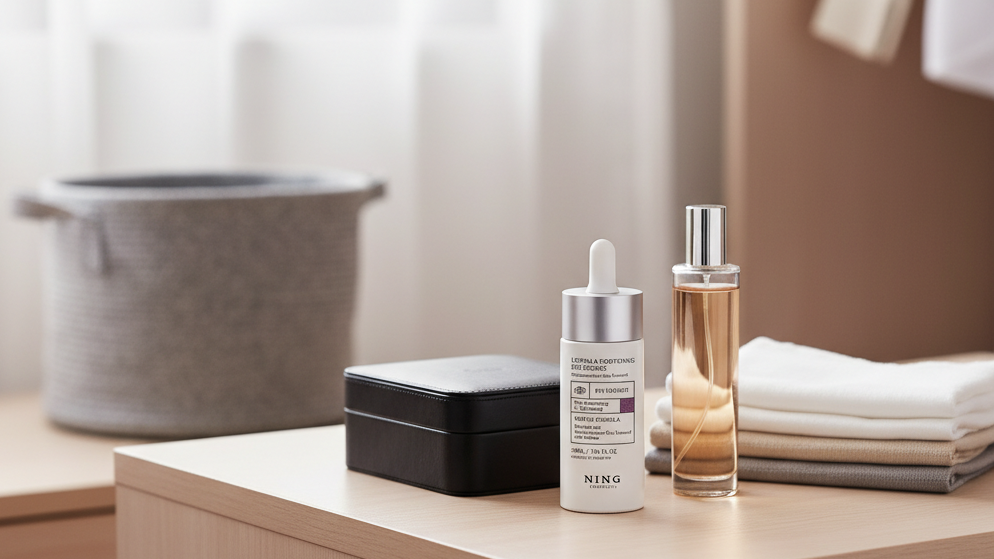

Wake up, look in the mirror, and there they are. Those swollen, heavy bags under your eyes that make you look like you haven't slept since the last decade. We have all been there. You try splashing freezing water on your face. You try tapping the skin gently. But gravity and fluid retention have already won the morning battle.
Under-eye puffiness is arguably one of the most frustrating skin concerns to deal with. It does not care if you have an extensive, ten-step skin care routine or if you just slap on whatever face mask is closest to the sink. Puffiness does not discriminate by age or skin type. It simply shows up.
Today, we are skipping the marketing fluff. We are going to look exactly at what causes that morning swelling, the lifestyle tweaks that actually make a difference, and the precise active ingredients you need in your arsenal. No miracles, just the science of skin health and practical advice to get your eyes looking awake again.

The Anatomy of the Under-Eye
To understand the puffiness, you first have to understand the canvas. The skin around your eyes is different from the rest of your face. It is exceptionally thin—often about a tenth of the thickness of the skin on your cheeks or forehead. Because it lacks a high density of oil glands, it relies heavily on your overall skin barrier function to stay hydrated and resilient.
This thinness means that anything happening beneath the surface is broadcast to the world. If blood vessels dilate, you get dark shadows. If fluid accumulates, the skin instantly bulges outward. Over time, as we deal with naturally aging skin, the collagen and elastin fibers that keep this thin tissue taut begin to degrade. The fat pads that cushion our eyes can shift downward. This structural change turns temporary morning puffiness into a more permanent fixture.
The Real Causes of Puffy Eyes
Why does the fluid build up in the first place? It is usually a combination of lifestyle, environment, and genetics.
Diet and Dehydration: Late-night salty foods are a primary culprit. Sodium causes your body to hold onto water, and that water pools in areas where tissue is loose, like your under-eyes. Alcohol works in a similar, albeit paradoxical, way. It dehydrates your system, prompting your body to aggressively hoard whatever moisture remains.
Digital Stress and Cortisol: We live in a world of constant digital anxiety. Picture this: you are up at 2 AM trying to secure concert tickets or fix a broken webpage. Suddenly, your screen flashes an Error 503. You furiously hit refresh, only to be met with a Backend fetch failed message because the Varnish cache server is down. You sit back in the dark, staring at the screen, trying to do a mental Guru Meditation just to keep your blood pressure down. That late-night stress spikes your cortisol levels. It ruins your sleep quality, disrupts your circulation, and ensures you wake up with serious fluid retention.
Environmental Damage: Constant exposure to UV rays and free radicals from city pollution accelerates structural breakdown. Sun damage isn't just about surface-level dark spots or age spots; it fundamentally destroys the collagen matrix that keeps under-eye skin firm. This is why aggressive sun protection is absolutely non-negotiable. If you care at all about skin cancer care and preventing premature aging, applying a broad-spectrum SPF 50+ daily is your first line of defense. UV filters protect the skin’s integrity so that your serums actually have a fighting chance to work.
Practical Fixes (Beyond the Bottle)
Before you even touch your skin care products, you need to address the physical accumulation of fluid. Eye creams are powerful, but they cannot fight gravity alone.
- The Cold Route: Cold constricts blood vessels and physically reduces swelling. Keep two metal spoons in the fridge and press them gently under your eyes for a few minutes in the morning.
- Sleep Elevation: If you constantly wake up swollen, add an extra pillow. Keeping your head slightly elevated prevents fluids from pooling in your facial tissues overnight.
- Lymphatic Drainage: Gentle massage encourages trapped fluid to move back into your lymphatic system. Use your ring finger to lightly tap from the inner corner of your eye outward toward your temples.
The Best Actives to Look For
When you are ready to invest in an eye serum, you need to become an ingredient reader. The back of the bottle tells the true story. Here is exactly what you should be looking for to combat puffiness and support the delicate eye area.
1. The Antioxidant Defenders
You already know Vitamin C is excellent for brightening and evening out skin tone. But its role in an eye serum goes deeper. It defends against environmental stressors and supports collagen production. Other heavy-hitting antioxidants include green tea extract, which naturally contains caffeine to visibly constrict blood vessels and drain excess fluid, and alpha-lipoic acid, which helps improve overall skin texture.
2. The Hydration Plumpers
Dehydrated skin looks crepey and thin, making any underlying puffiness or dark circles look significantly worse. You need serious humectants. While hyaluronic acid is the industry favorite, you want to look specifically for sodium hyaluronate. This is the salt form of hyaluronic acid. It has a smaller molecular weight, meaning it can penetrate the skin barrier much more efficiently to plump up fine lines from within.
3. Gentle Resurfacers and Brighteners
This is where things get tricky. For the rest of the face, we rely on chemical exfoliating products to speed up cell turnover. Dermatologists regularly use alpha hydroxy acids (AHAs) like glycolic acid and lactic acid, or beta hydroxy acids like salicylic acid to clear pores and smooth texture. But the under-eye area is highly reactive. Applying strong AHAs or benzoyl peroxide near the eyes is a recipe for disaster, severe irritation, and a damaged barrier.
Instead, eye serums use gentler alternatives. Mandelic acid, which has a larger molecule size, penetrates slower and is much safer for sensitive areas. To tackle pigmentation that exacerbates the look of puffiness, ingredients like kojic acid, azelaic acid, and Tranexamic acid are fantastic. They offer targeted brightening without the aggressive side effects of harsher acids.
4. The Structural Builders
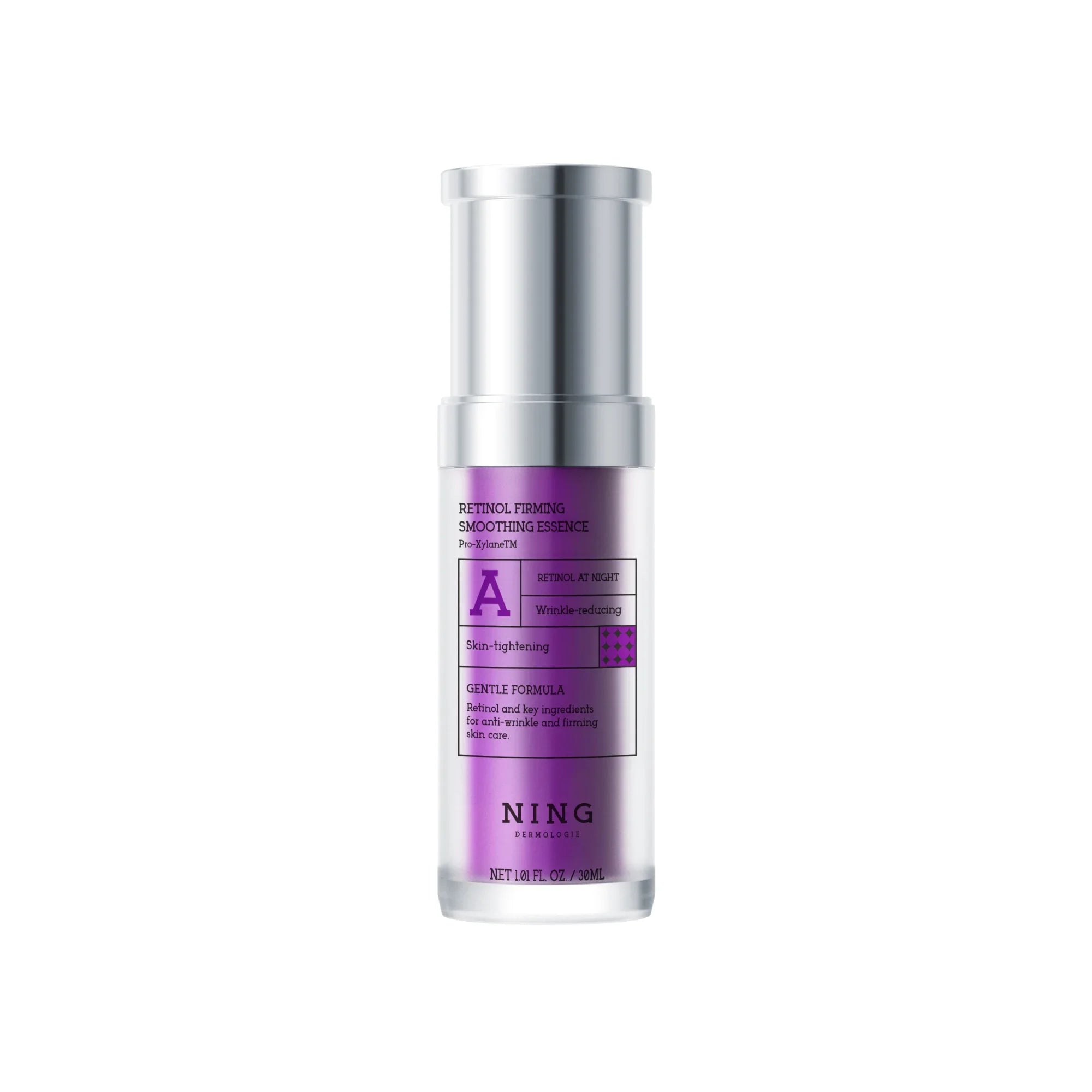
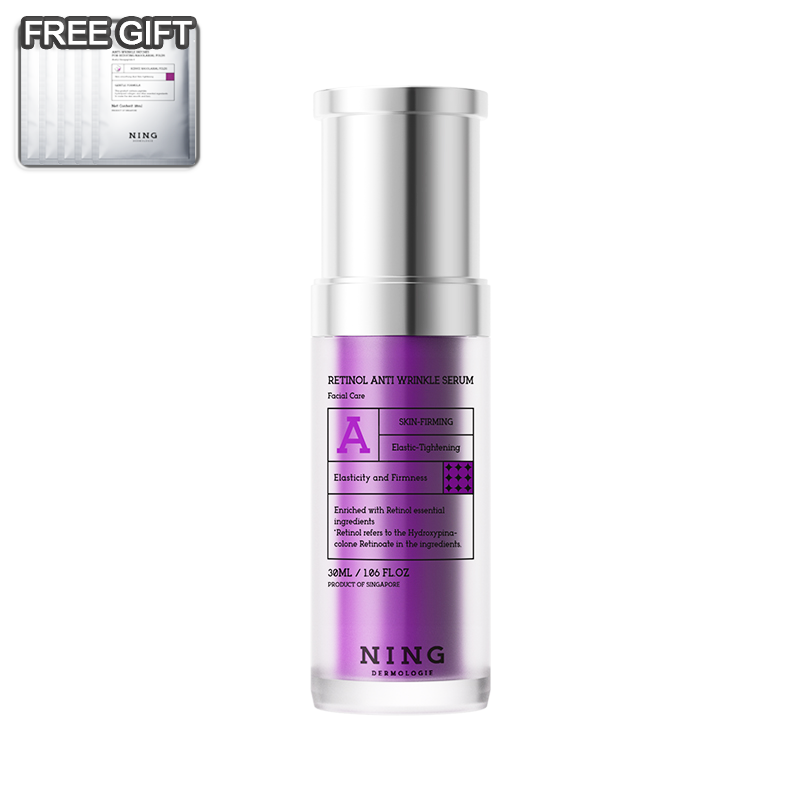
To rebuild the skin over time, you need ingredients that communicate with your cells. A gentle Retinol Complex (a derivative of Vitamin A) can stimulate collagen production without causing the intense skin purging often seen with prescription retinoids. Furthermore, advanced formulas now utilize growth factors and specific peptides aimed at skin rejuvenation and wound healing, helping to thicken the skin over months of consistent use.
Sourcing the Right Formula: Enter NING Dermologie
You will often see brands like The Inkey List and The Ordinary popularizing single-ingredient skincare. While these are great for learning what individual actives do, playing kitchen chemist with your under-eyes is risky. Layering multiple single-ingredient serums can disrupt formula stability and cause product pilling.
You need a cohesive, balanced approach. This relies on expertly crafted botanical complexes and proprietary blends that combine hydration, depuffing agents, and long-term structural support.
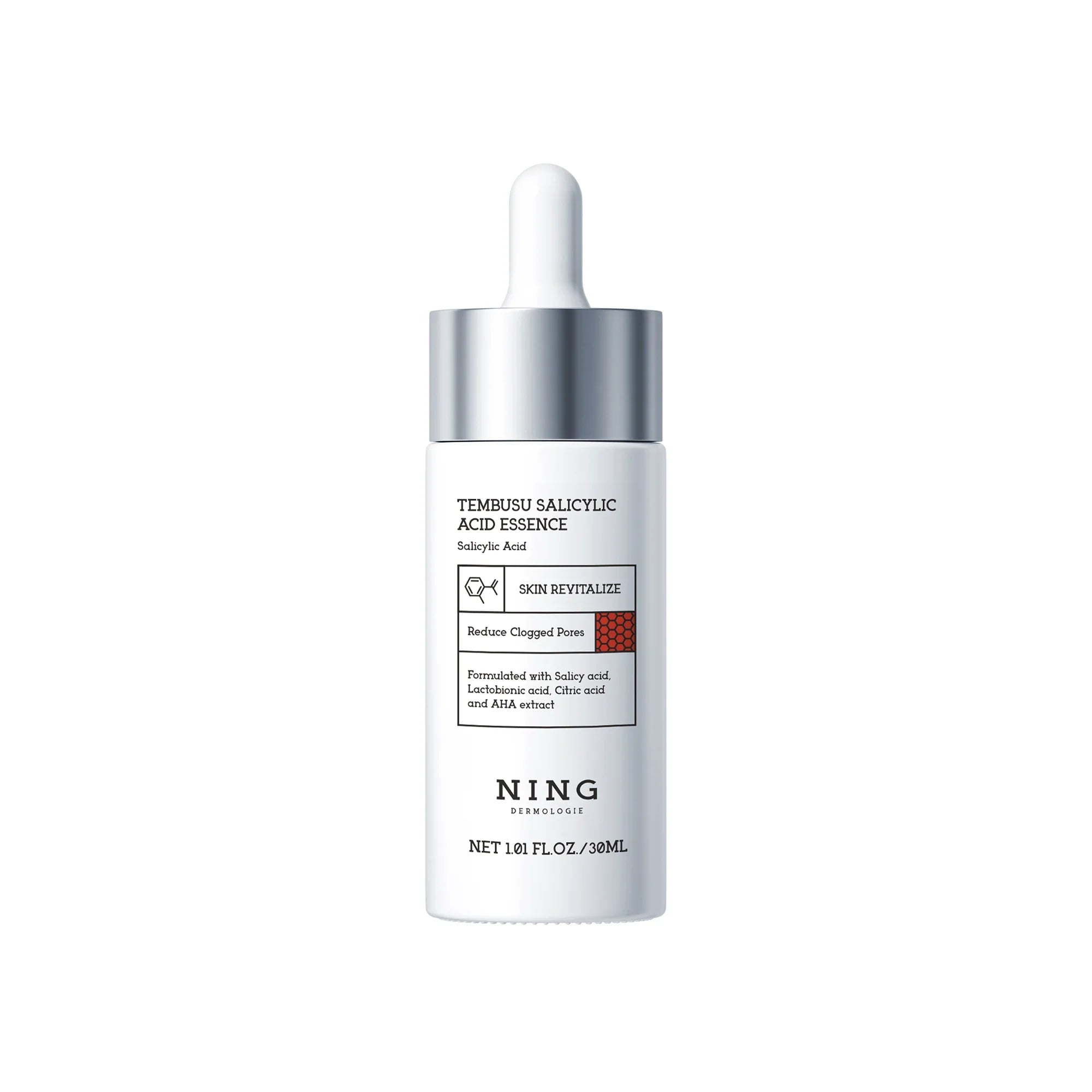
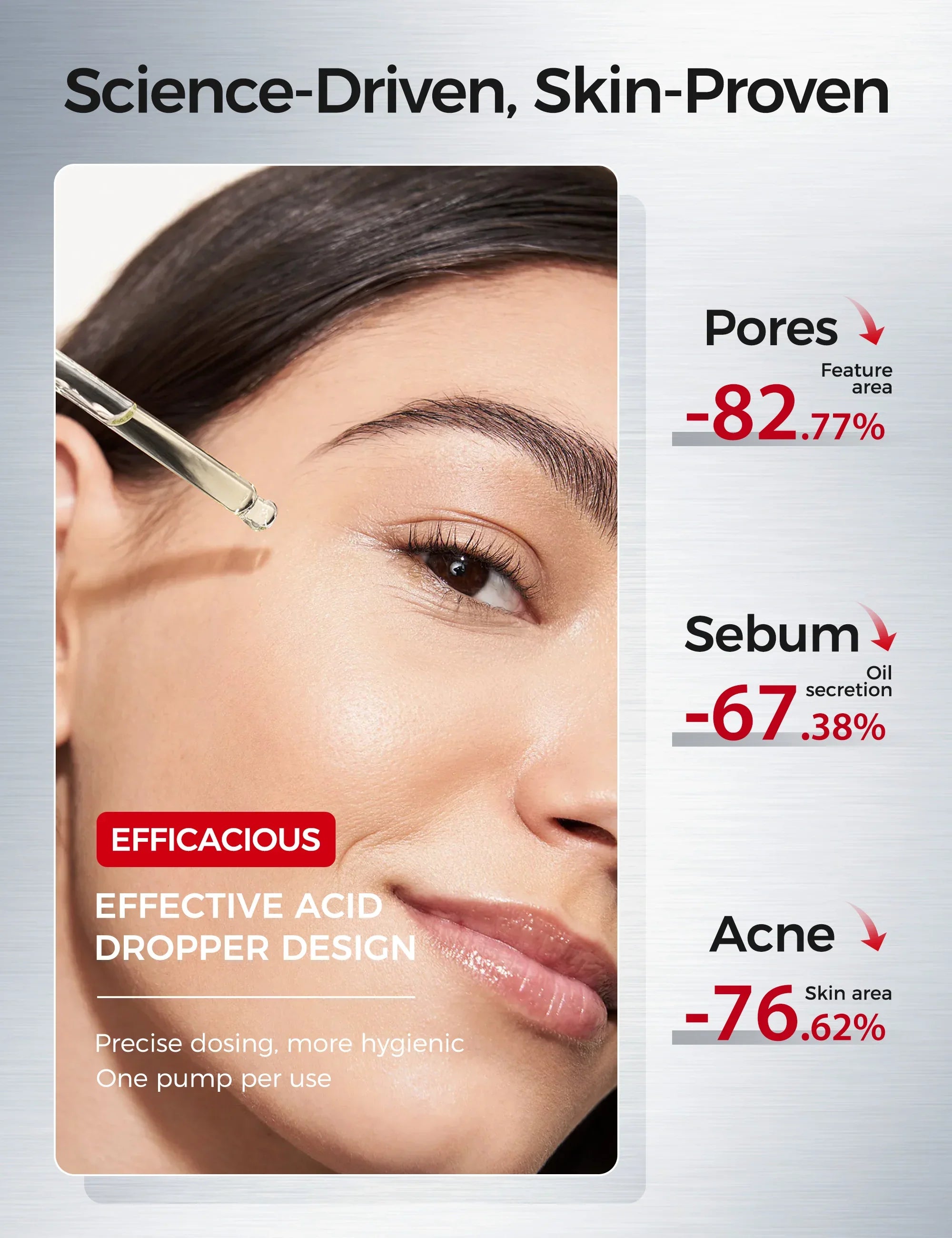
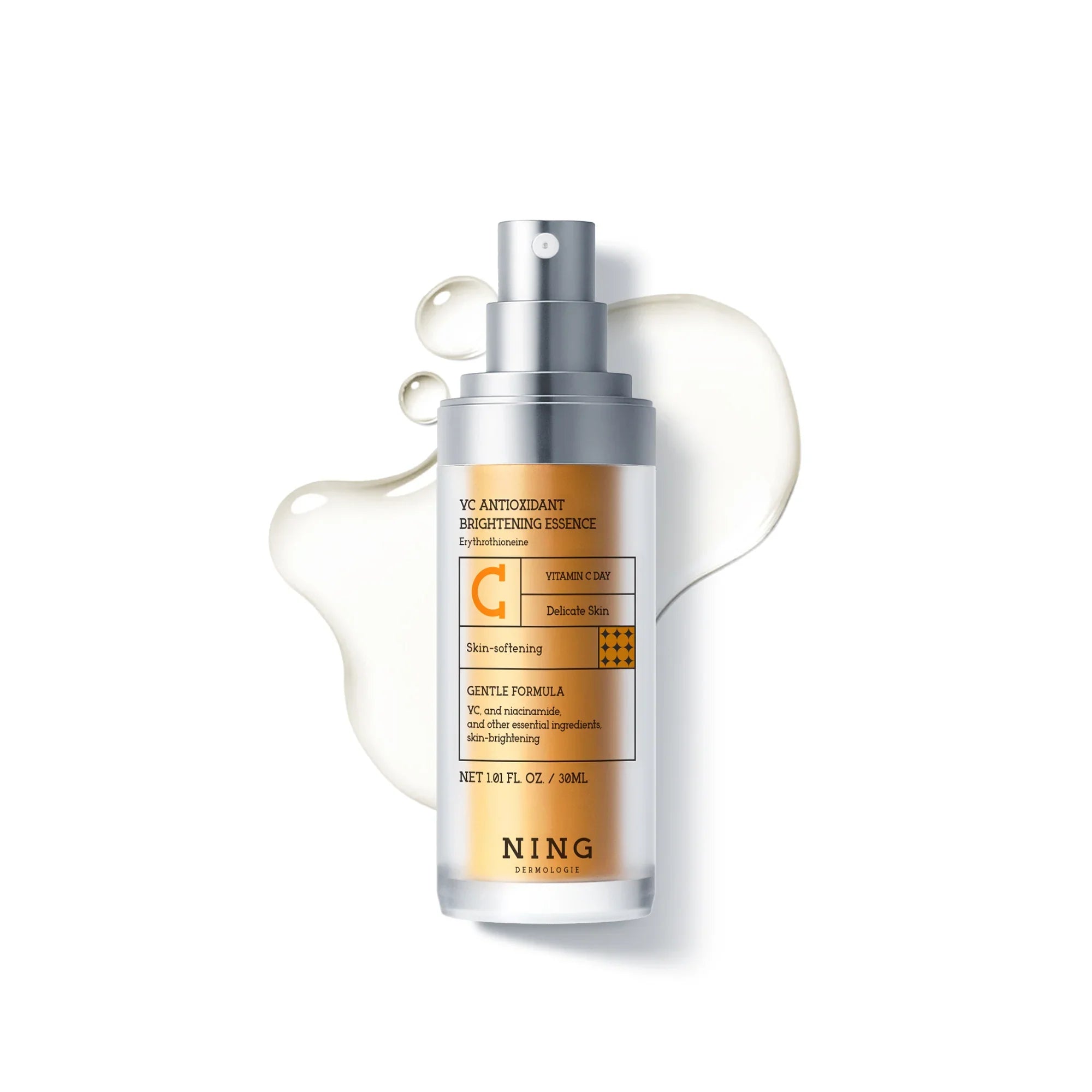
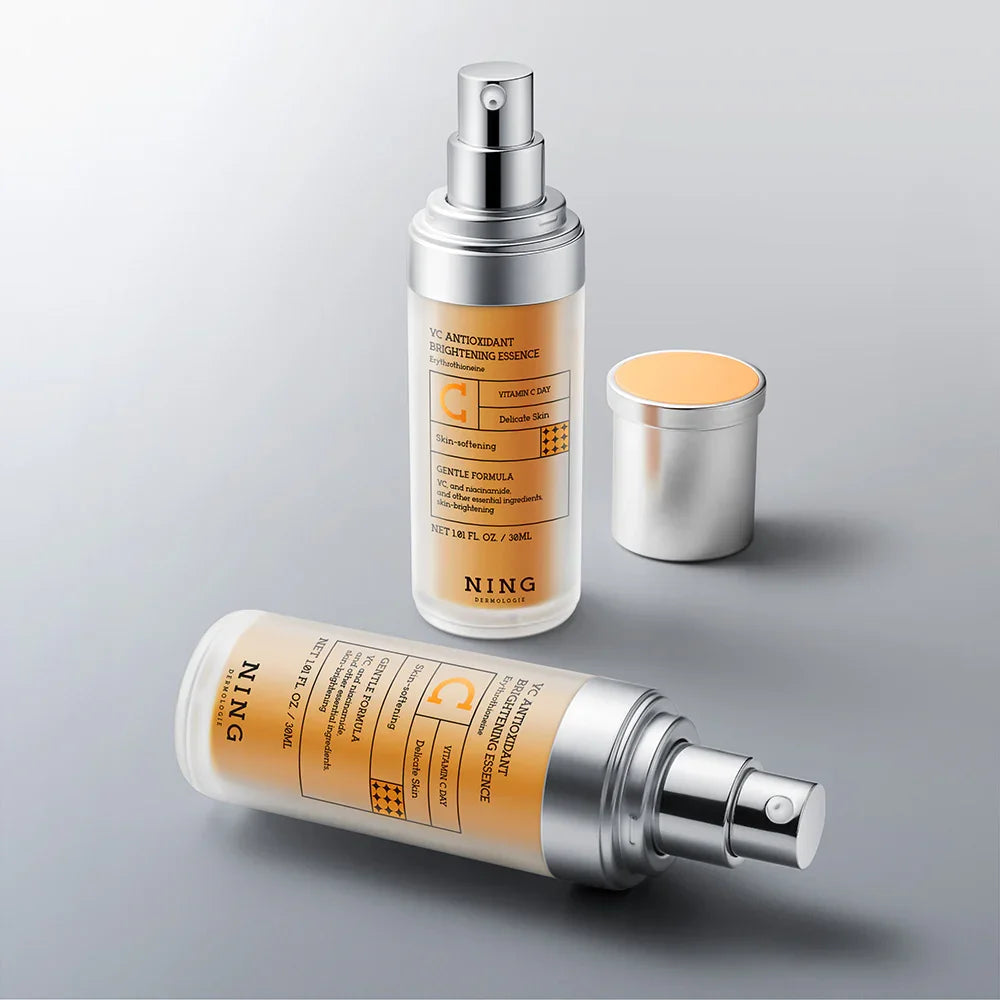
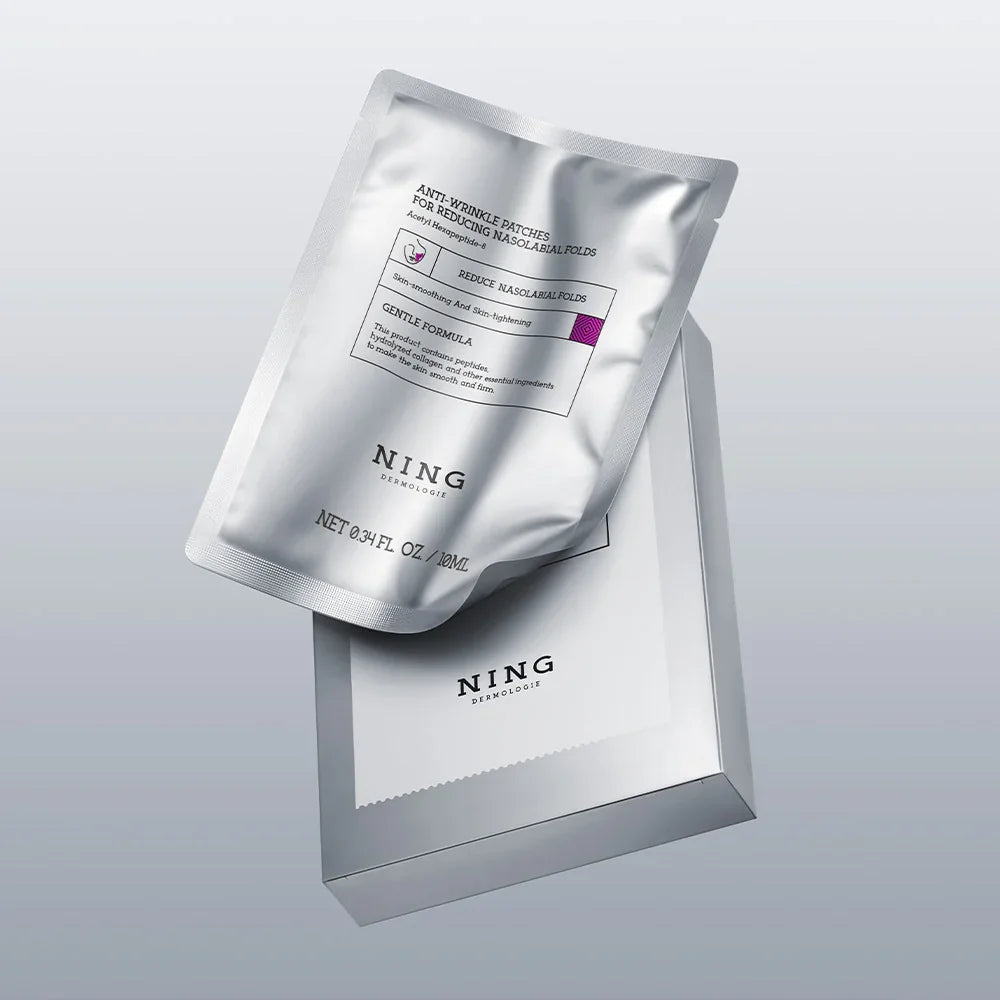
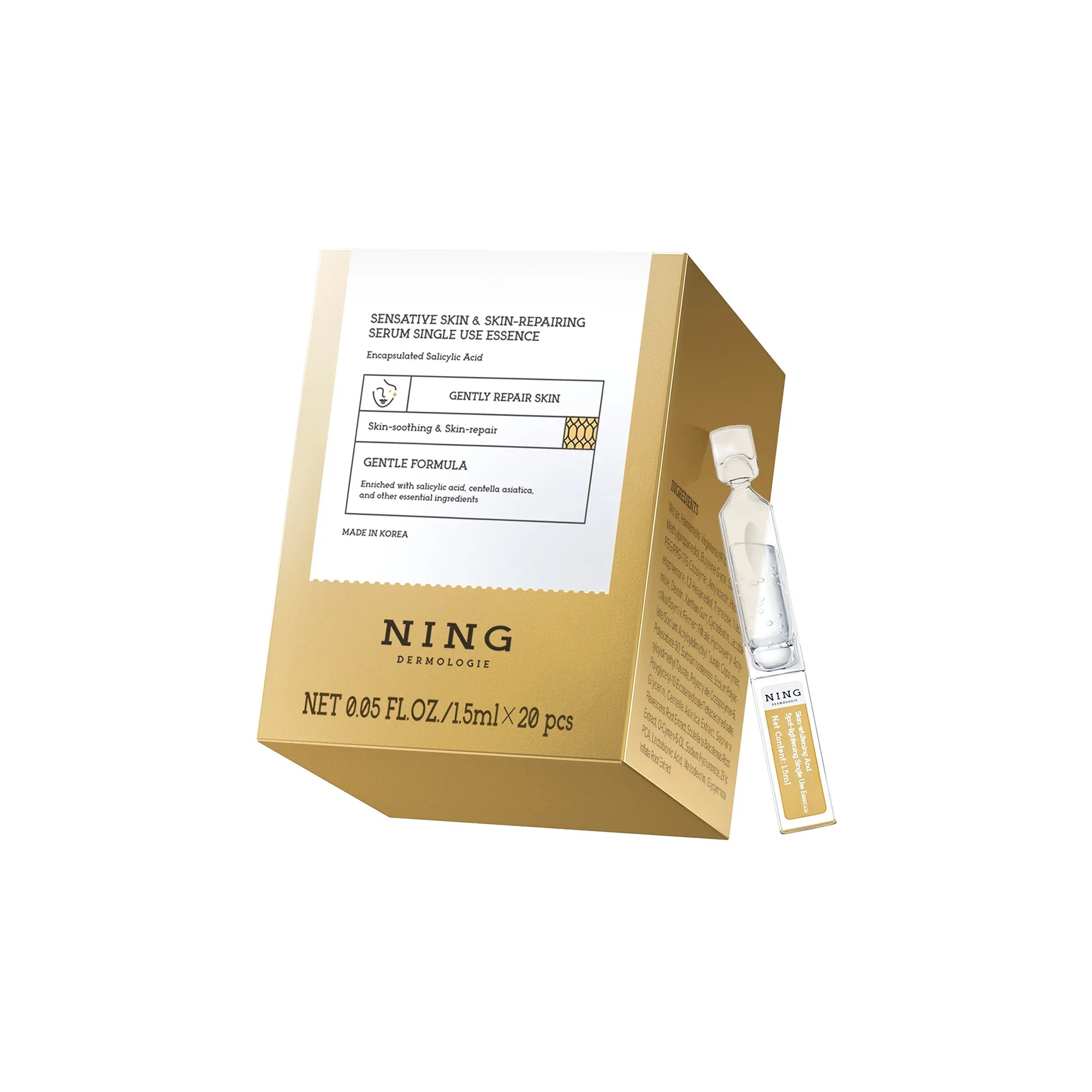
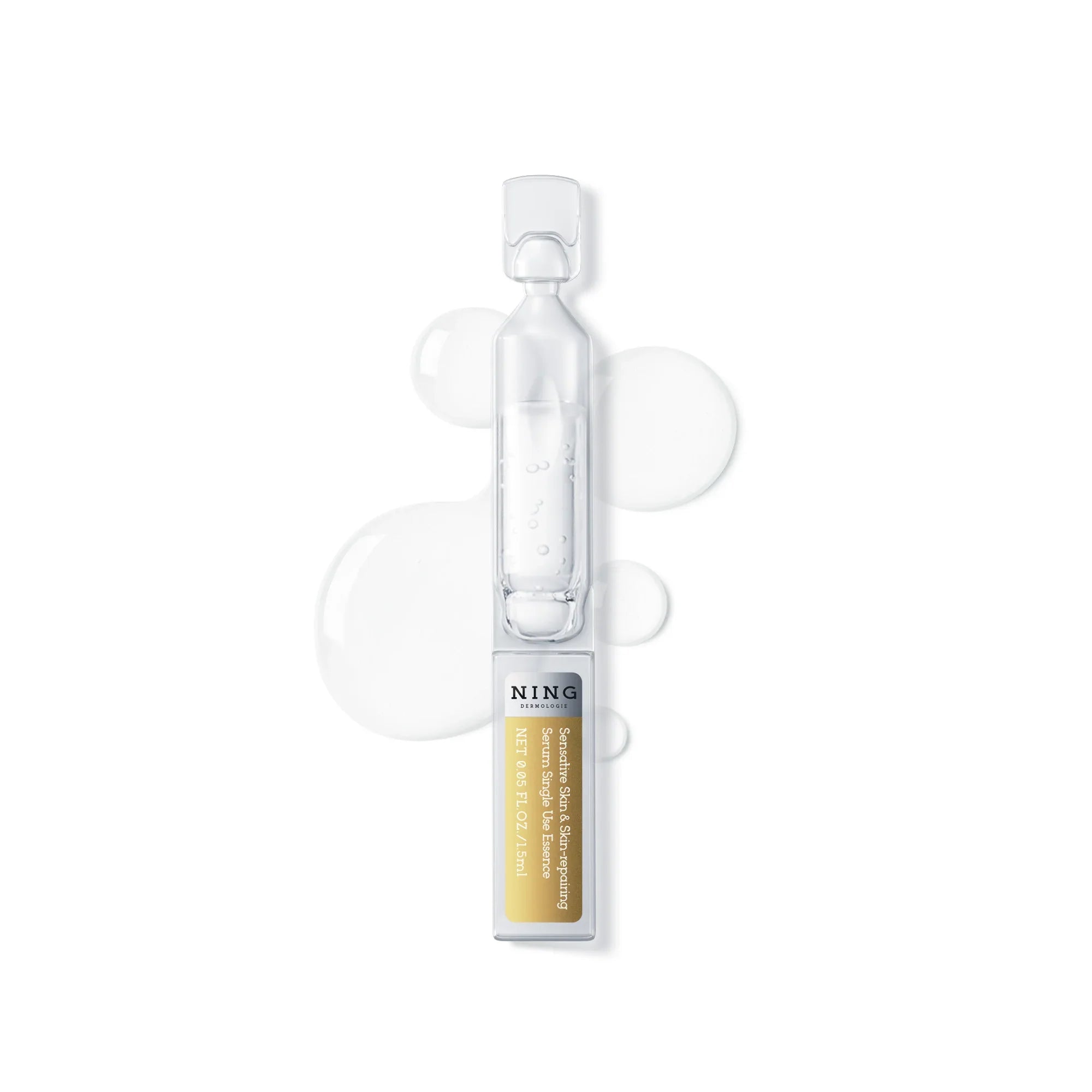
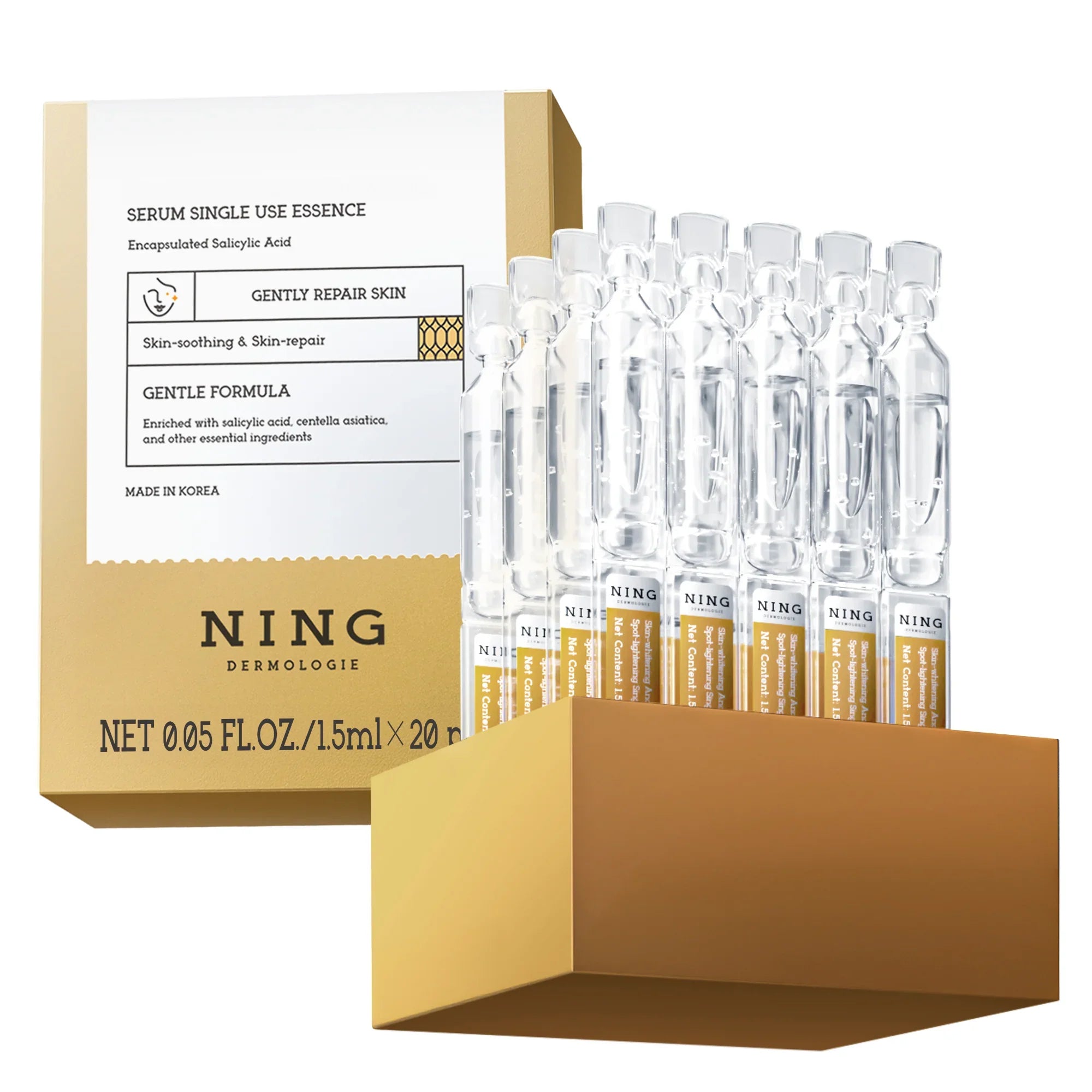
This is exactly why I recommend looking at a comprehensive formulation like the NING Dermologie Lifting & Tightening Eye Essence. Instead of guessing which actives pair well together, this essence is engineered specifically for the under-eye microclimate. It utilizes a highly stable blend of active ingredients designed to address immediate morning puffiness while supporting the skin's natural barrier over time. It absorbs cleanly, making it an effortless addition to any morning or evening skin care routine. It is formulated to respect all skin types, including sensitive profiles and skin of color, ensuring that you get the tightening benefits without the irritation.
When to Consider Advanced Treatments
Topical treatments and lifestyle changes can manage the vast majority of puffiness and fine lines. However, if your skin concerns are purely anatomical (like shifting fat pads), you might eventually explore clinical options.
Expert testing and expert endorsements from top professionals highlight the efficacy of in-office procedures. Providers at high-end clinics, such as physician assistant Samantha Stein at the renowned Shafer Clinic Fifth Avenue, often utilize non-invasive methods like radio frequency and targeted LED therapy to tighten lax skin safely.
A quick medical note: If you notice a sudden, unusual bump or persistent sore near your eye that doesn't heal, bypass the aesthetic clinic and see a medical professional immediately. Conditions affecting the eyelids require careful evaluation. Always consult a board-certified dermatologist or a specialized Mohs surgeon to rule out any serious issues like skin cancer.
Consistency is Everything
Treating under-eye puffiness is not a weekend project. You cannot apply a serum once, do a five-minute massage, and expect permanent results. The combination of protecting your skin from the sun, managing your digital stress, using a high-quality product like the NING Dermologie essence, and keeping your hydration levels up is what creates real change. Stick to the routine, be patient with your skin's natural cell turnover cycle, and the results will follow.

Frequently Asked Questions (FAQ)
Can I use my regular face moisturizer instead of an eye serum?
Face moisturizers are often too heavy for the delicate under-eye area. They can trap fluids and actually cause more puffiness or milia (tiny white bumps). An eye serum is formulated with smaller molecules and lighter textures specifically to penetrate thin skin safely.
How long does it take for an eye serum to reduce puffiness?
For immediate fluid retention, caffeine-based serums can show depuffing results in 15 to 30 minutes. For structural improvements like thickening the skin and reducing fine lines through collagen production, expect to wait 8 to 12 weeks of consistent daily use.
Are chemical peels safe for under-eye bags?
Standard chemical peels are generally too aggressive for the eyelids and under-eye area. Only a licensed dermatologist should perform chemical exfoliation near the eyes. At home, stick to highly diluted, gentle actives formulated specifically for ocular safety.
Do I apply eye serum before or after my face serum?
Always apply your eye serum before your heavier face serums and moisturizers. The under-eye area needs direct contact with the active ingredients. Applying it first ensures that thicker facial creams do not block the eye product from absorbing properly.
Why are my eyes still puffy even with a good skincare routine?
Skincare cannot fix severe sleep deprivation, high sodium diets, or genetic fat pad herniation. If your topical routine and lifestyle habits are perfect but the bags remain prominent, the issue is likely anatomical, requiring a consultation with a cosmetic specialist.





Share:
Eye Serum for Dark Circles The Ingredient Checklist for Brighter Under-Eyes
Eye Serum for Wrinkles: A Simple Plan to Reduce Crow’s Feet