



Stop Wasting Money on Oxidized "Orange Water": Finding a Vitamin C Serum That Actually Works (and Ships Fast)
We’ve all been there—scouring the internet for the "holy grail" vitamin c serum that promises to brighten our skin, only to have a bottle arrive three weeks later looking like rusty dishwater. If your vitamin c facial serum is dark orange or brown when you open it, it’s not "extra strength"—it’s dead. It has oxidized, and you’re essentially rubbing useless, irritating acid on your face.
When you’re hunting for facial serums in the US, "fast shipping" isn't just a matter of impatience; it’s a matter of biological potency. Pure vitamin c (specifically l-ascorbic acid) is a ticking time bomb. The moment it’s bottled, the clock starts. That is exactly why we at NING Dermologie prioritized a localized, made in the usa supply chain. You need your skincare routine to start with fresh ingredients, not something that’s been sitting in a hot shipping container for months.

The L-Ascorbic Acid Trap: Why Stability is Everything
If you’ve done even five minutes of research, you’ve heard of the c e ferulic combination. This specific blend—l-ascorbic acid, vitamin e (tocopherol), and ferulic acid—is the industry gold standard. Why? Because ferulic acid serum formulations actually stabilize the notoriously finicky Vitamin C.
However, there’s a catch. High concentrations of pure vitamin c can be incredibly harsh. If you have sensitive skin, jumping straight into a 20% l-ascorbic acid serum is a recipe for a damaged skin barrier and redness. This is where the modern science of face care has evolved.
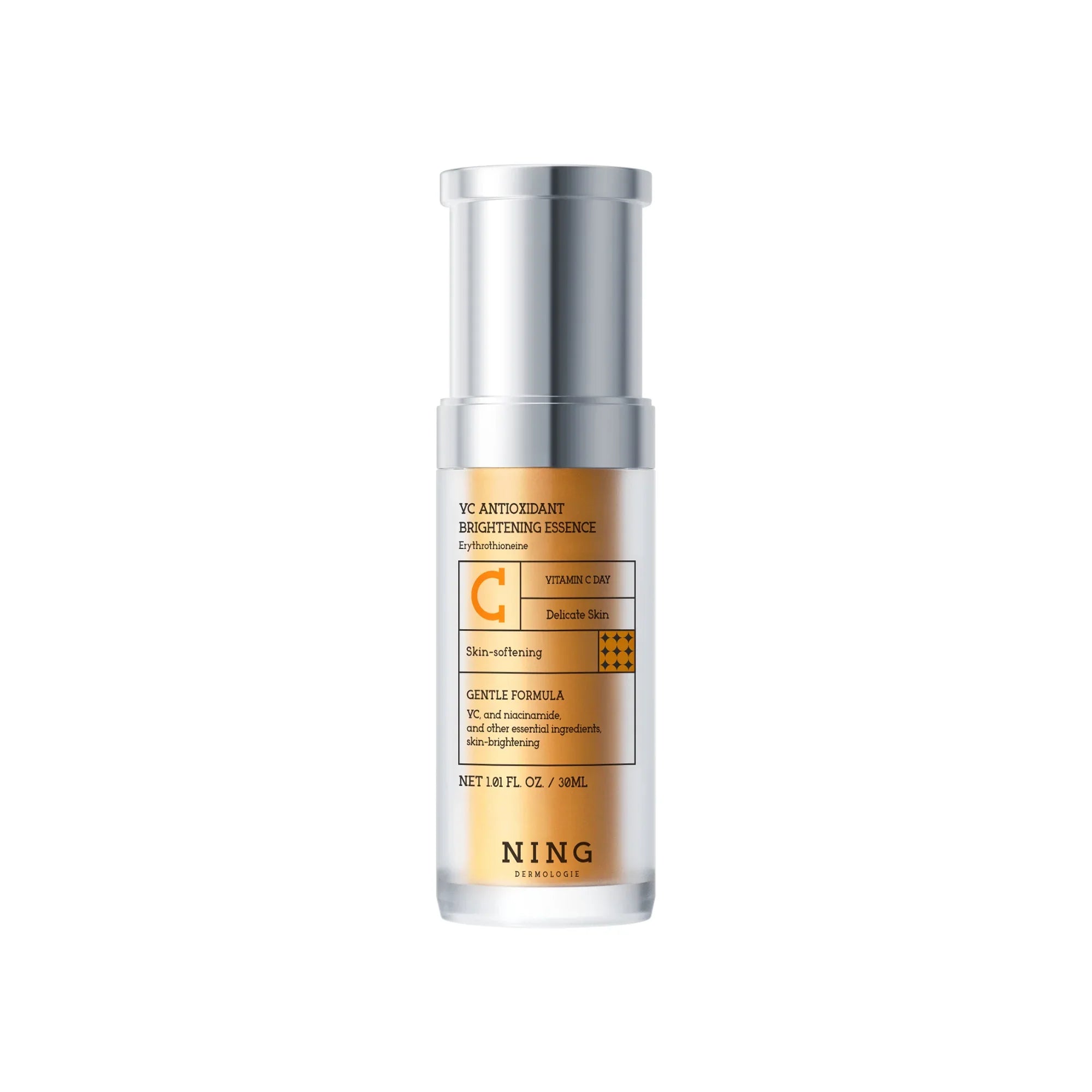
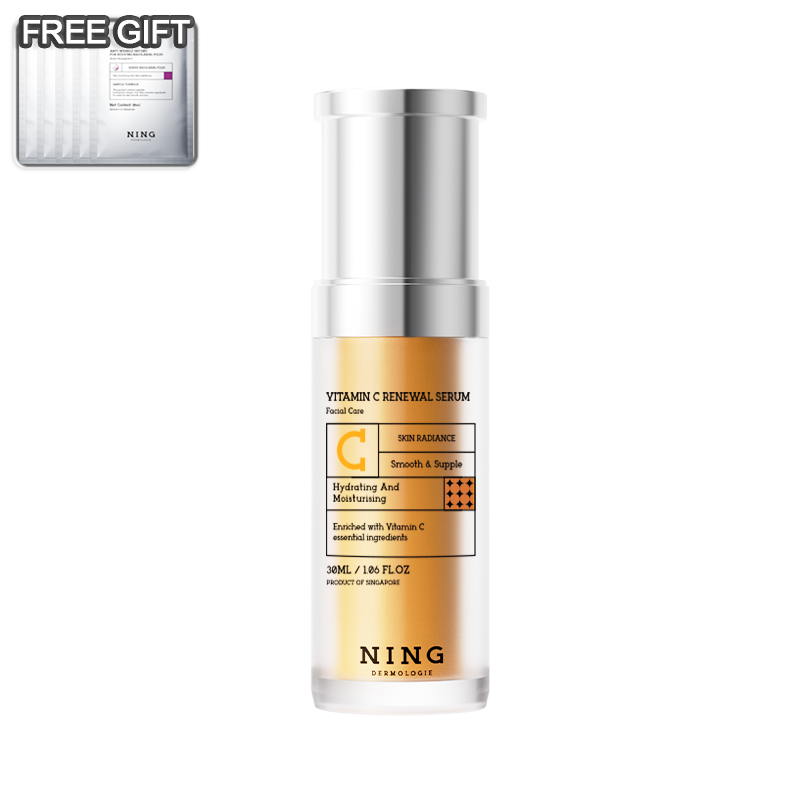
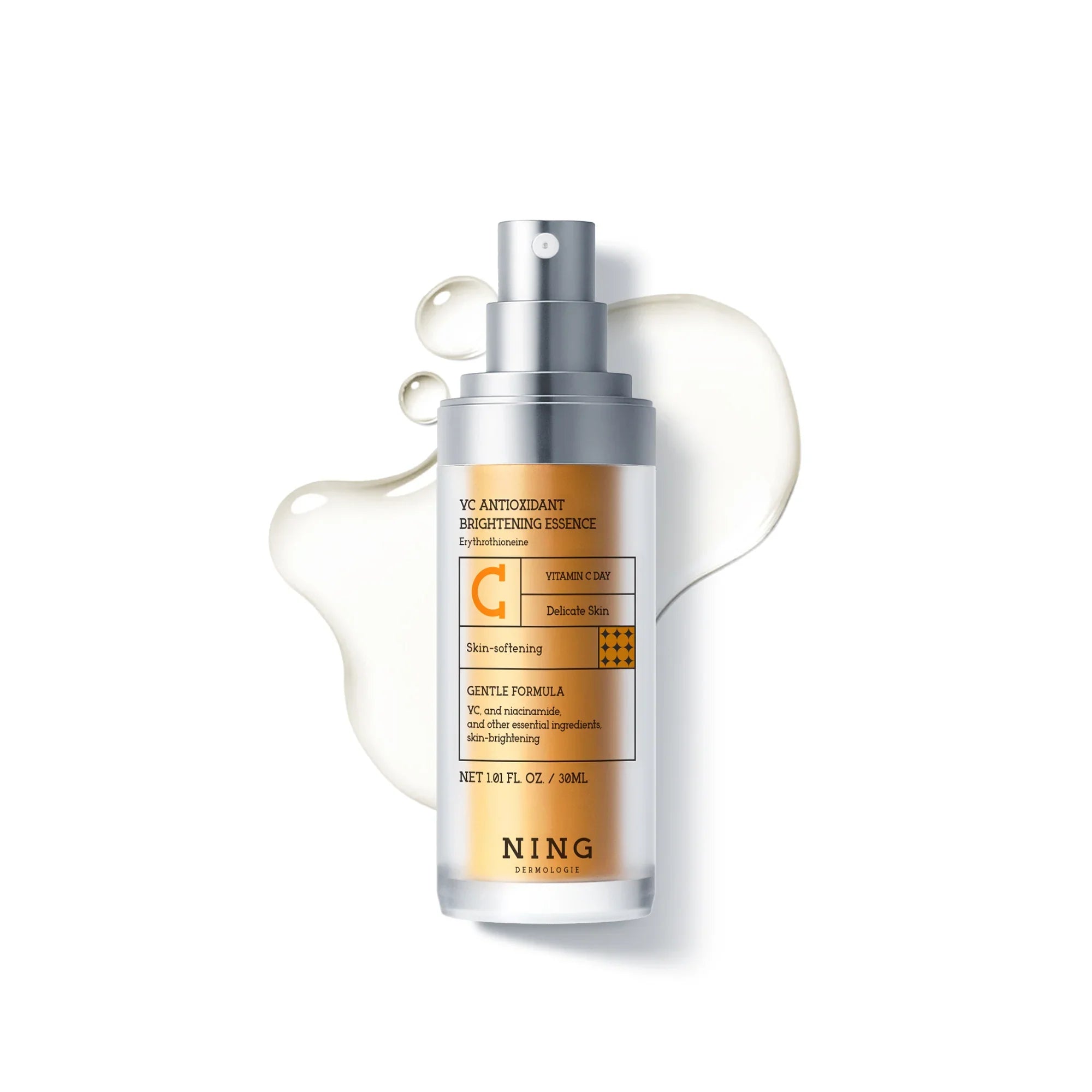
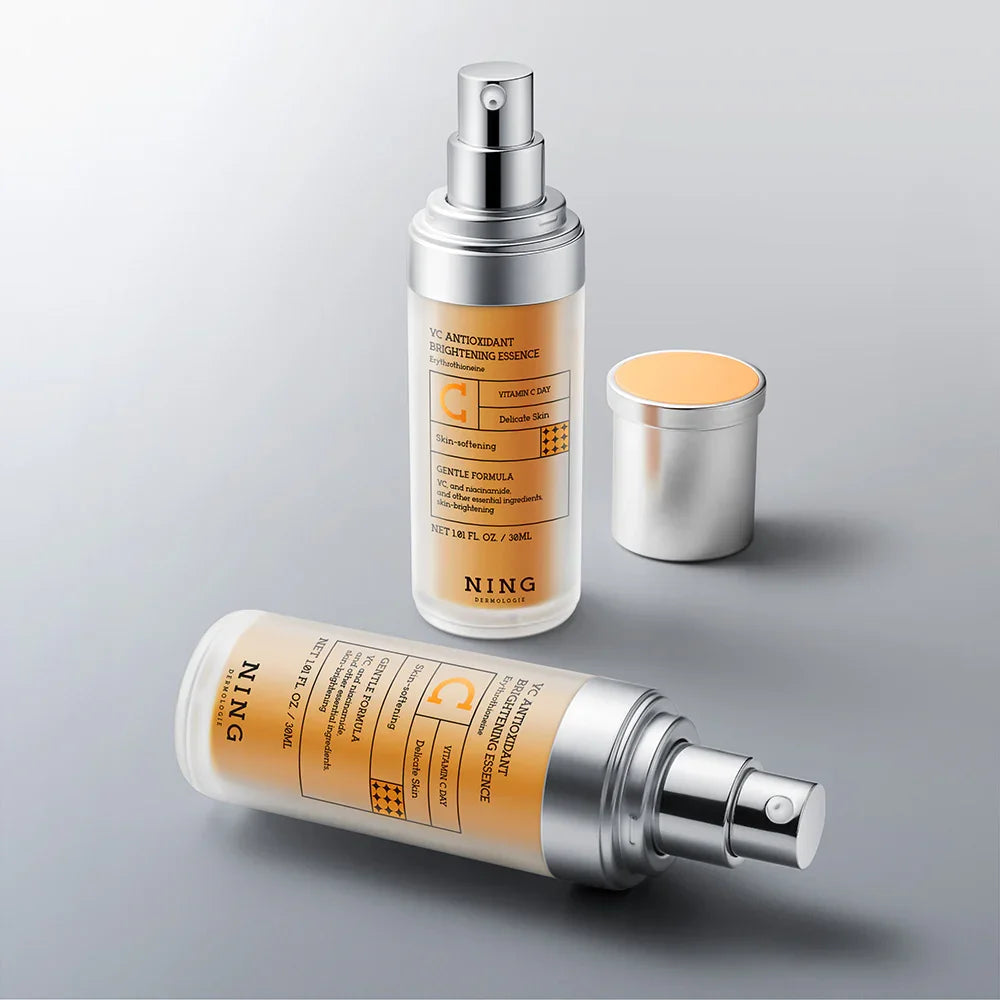
At NING Dermologie, we took a different route with our Vitamin C Serum with Niacinamide & Ethyl Ascorbic Acid. By using Ethyl Ascorbic Acid, a highly stable derivative, we’ve created a serum for brightening that doesn’t turn brown in the bottle and doesn't sting like a swarm of bees. It’s gentle on sensitive skin but still visibly improving the appearance of fine lines and dullness.
Key Ingredients: What Actually Moves the Needle?
When you’re looking at the back of a 1 fl oz bottle, don’t get blinded by marketing fluff. Here is the "no-BS" breakdown of what matters:
1. The Brightening Powerhouse: Vitamin C + Niacinamide
Most skincare brands tell you that you can't mix these two. They’re wrong. When formulated correctly, this duo is the ultimate weapon for an even skin tone. While vitamin c helps to build collagen and fade dark spots, Niacinamide works on the skin barrier and pores. Together, they reduce hyperpigmentation faster than either could alone.
2. The Hydration Squad: Hyaluronic Acid & Squalane
A serum with hyaluronic acid is non-negotiable. Hyaluronic acid (often listed as sodium hyaluronate) pulls moisture into the skin, while squalane locks it in. If you have dry skin, this prevents the "tight" feeling that some antioxidant-rich serums cause.
3. The Stabilizers: Vitamin E & Ferulic Acid
As mentioned, a c e ferulic blend is classic. The vitamin e and alpha tocopherol work synergistically with the C to provide protection against environmental stressors and free radicals. It’s like an invisible shield for your face.
Solving the "Dark Spot" Dilemma
If your primary goal is finding a serum for dark spots, you need to understand discoloration. Dark spots and hyperpigmentation aren't just on the surface; they are deep-seated pigment issues caused by sun damage or acne scars.
To reduces dark spots, your vitamin c face serum needs to inhibit tyrosinase (the enzyme that produces melanin). Our NING Dermologie formula uses Ethyl Ascorbic Acid because it penetrates deeper without the irritation of traditional ascorbic acid. Whether you are dealing with melasma or post-inflammatory hyperpigmentation, the goal is an even complexion and a radiant glow.
Does it actually help with wrinkles?
Yes, but not overnight. A vitamin c serum for face use boosts collagen production. By encouraging your skin to build collagen, you’re effectively treating the loss of firmness and reduce fine lines from the inside out. It’s the ultimate anti-aging move.
How to Choose Based on Your Skin Type
One size does not fit all in skincare. Your skin type dictates which vitamin c facial serum will be your best friend or your worst enemy.
- For Sensitive Skin: Avoid 20% L-Ascorbic. Look for "Sodium Ascorbyl Phosphate" or "Ethyl Ascorbic Acid." You want something gentle on sensitive skin that won't cause a flare-up.
- For Dry Skin: You need a serum helps with moisture. Look for squalane, vitamin e serum components, and hyaluronic acid.
- For Oily/Acne-Prone Skin: Look for a lightweight formula absorbs quickly. Our NING Dermologie serum is water-based and non-greasy, making it perfect for those who hate the "oil slick" feel.
- For Aging Skin: Focus on brightening and firming. You want antioxidant density to fight visible signs of aging and firm skin.
Competitive Review: Timeless vs. TruSkin vs. NING Dermologie
You’ve likely seen Timeless Skin Care or TruSkin Vitamin C Serum while browsing for facial serums with fast shipping.
- Timeless Skin Care Vitamin C E Ferulic Serum: A very popular pure vitamin c (L-Ascorbic) choice. It’s effective but has a very short shelf life. If you don't use it fast, it goes bad.
- TruSkin Vitamin C Serum: A go-to for many because it's acid for all skin types. It uses Sodium Ascorbyl Phosphate, which is stable but sometimes less "punchy" for deep wrinkle treatment.
- NING Dermologie: We aimed for the middle ground—the "Goldilocks" zone. We use a stable, high-potency derivative (Ethyl Ascorbic Acid) and added Niacinamide. It’s made in the usa, ships fast from our domestic warehouses, and stays clear and potent for much longer than the e ferulic competitors.
The "Fast Shipping" Reality Check
Why is everyone searching for fast shipping in the US? Because the skincare industry has a "dirty little secret." Many products sold on massive third-party marketplaces sit in non-temperature-controlled warehouses for months.
When you order from NING Dermologie, you are getting a product that hasn't been baked in a warehouse. We ensure your vitamin c face serum arrives fresh. This is vital for maintaining protection against environmental damage. If the serum is already oxidized by the time it reaches your face and neck, it can actually increase the production of free radicals. No thanks.
How to Integrate Vitamin C into Your Routine
Don't just slap it on and hope for the best. To see a radiant glow and firm skin, follow these steps:
-
Cleanse: Use a gentle cleanser.
-
Apply: Use 0.5 to 1 dropper of vitamin c serum. Apply to a slightly damp face and neck.
-
Wait: Give it 60 seconds. Our formula absorbs quickly, so you won't be waiting long.
-
Hydrate: Follow up with a moisturizer to seal in the hydration.
-
Protect (CRITICAL): If you use a vitamin c facial serum in the morning, you must wear SPF. Vitamin C makes your skin more efficient at fighting UV, but it's not a replacement for sunscreen.
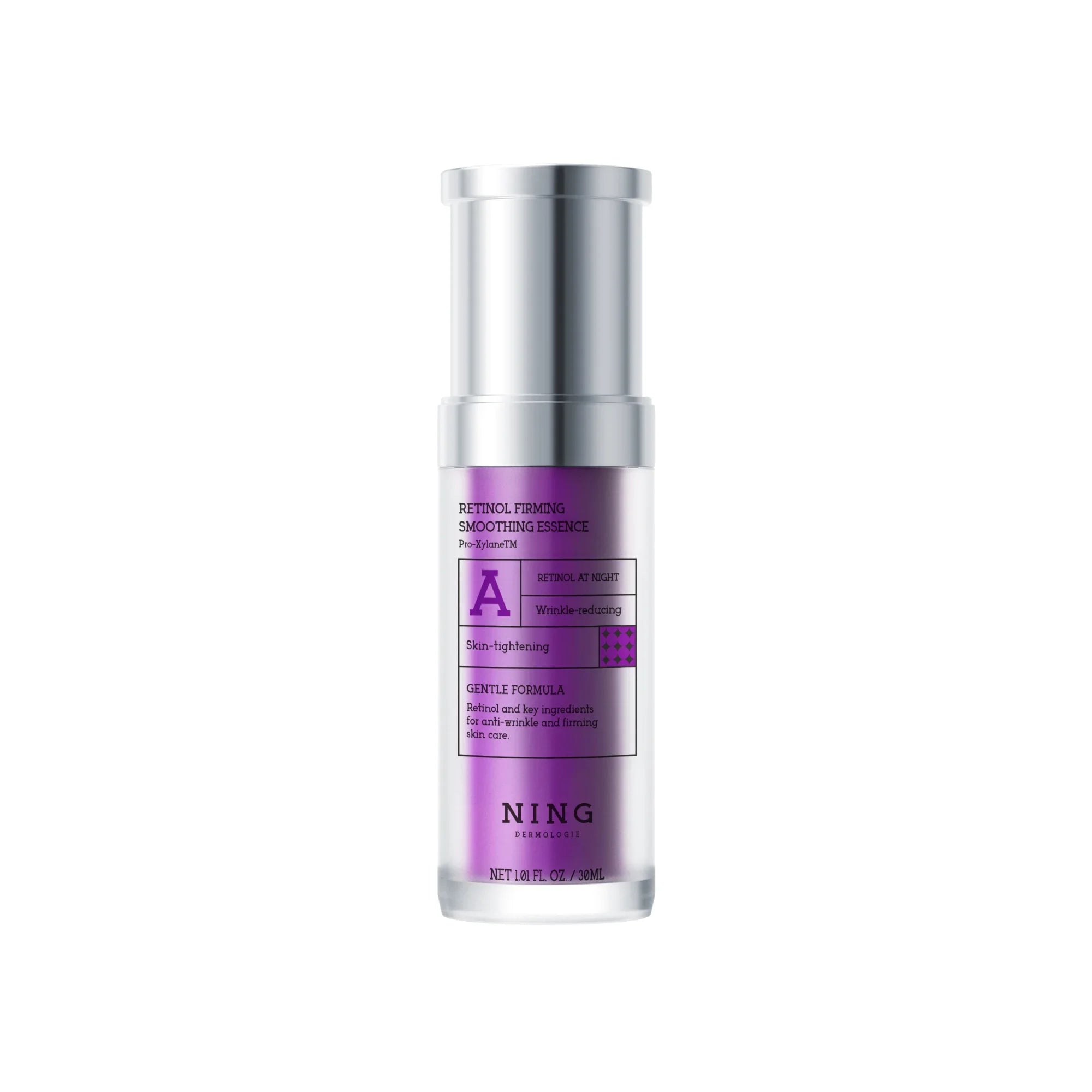
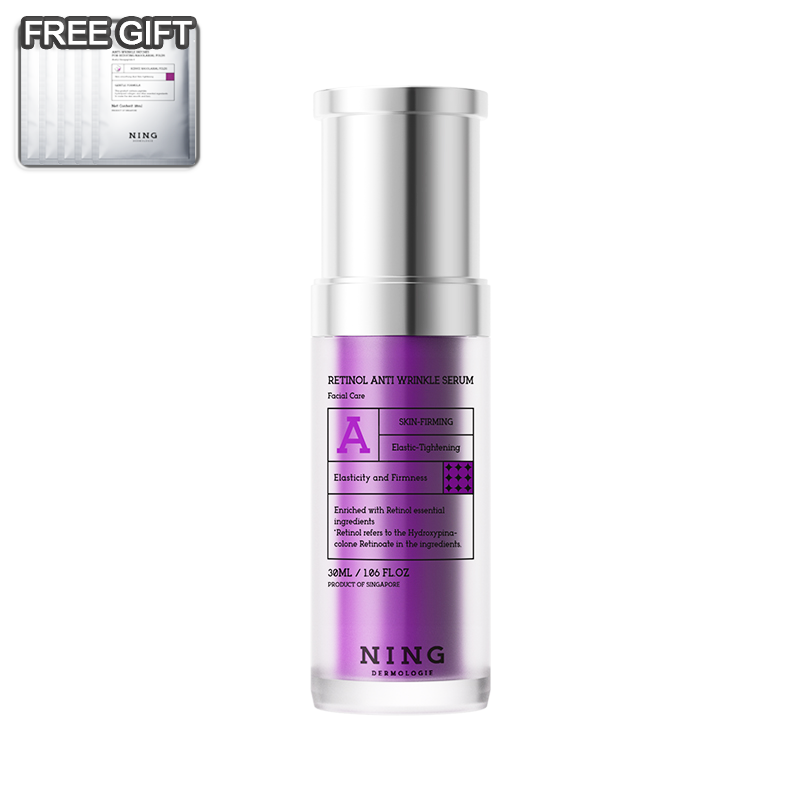
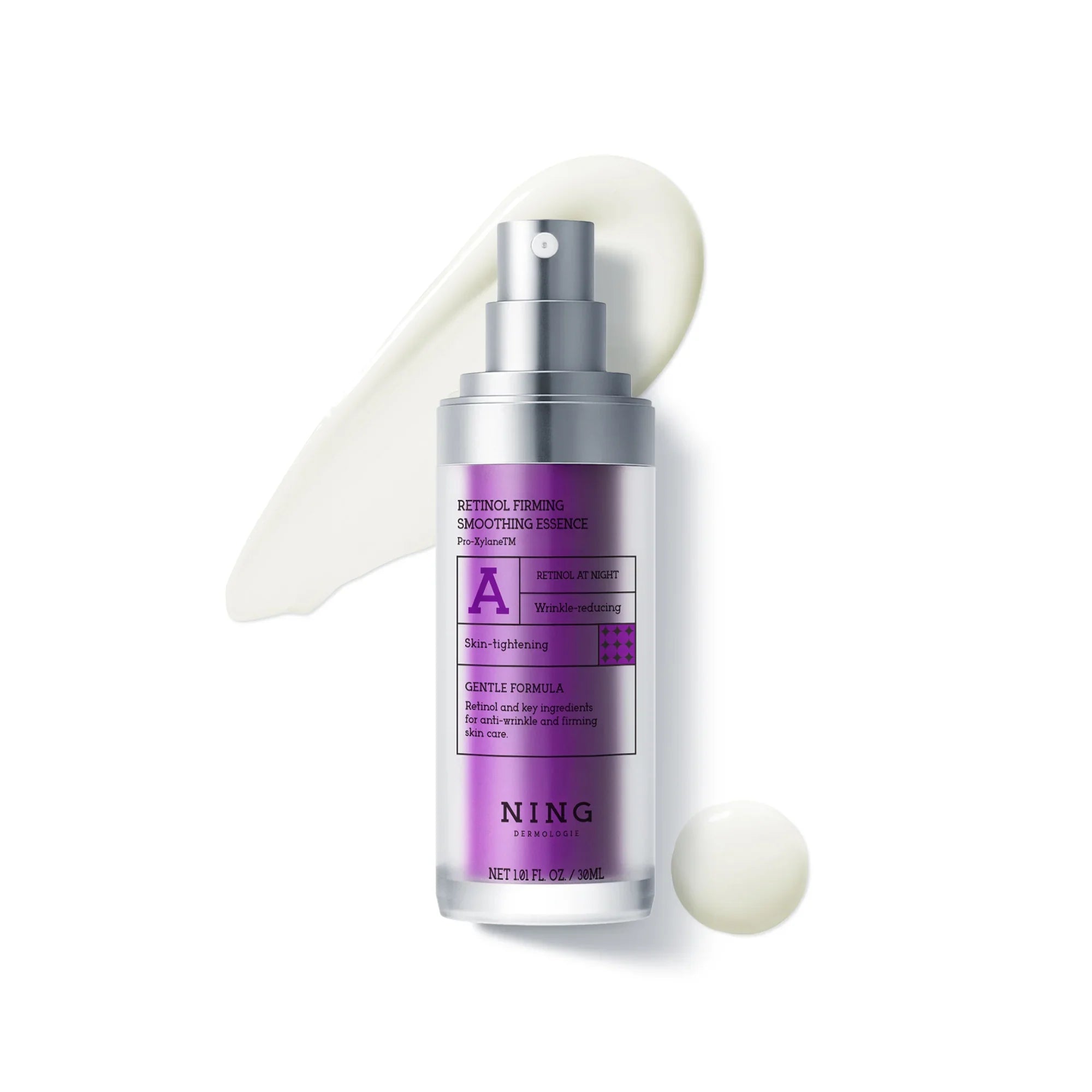
Pro Tip: Avoid using your Vitamin C at the exact same time as Retinol or high-strength AHAs. Use Vitamin C in the morning to brighten skin and protect against the sun, and save your Retinol for the night to reduce fine lines.

Final Thoughts: Is it Worth the Hype?
If you want to keep your skin looking youthful, a vitamin c serum is not optional—it’s foundational. From treating uneven skin tone to visibly improving the loss of firmness, the benefits are backed by decades of dermatologist research.
Don't settle for "orange water" from a random seller. Look for a made in the usa brand that understands the chemistry of l-ascorbic acid, the stability of ferulic acid, and the necessity of fast shipping. Your complexion will thank you.
Ready to see the difference? Check out our antioxidant-rich NING Dermologie Vitamin C Serum and get it conveniently delivered to your door while it's at peak potency.
Frequently Asked Questions (FAQ)
1. How can I tell if my Vitamin C serum has gone bad?
It’s all about the color. A fresh pure vitamin c serum should be clear or very light champagne. If it turns dark yellow, orange, or brown, it has oxidized. At this point, the antioxidant properties are gone, and it may actually cause discoloration or irritation. This is why fast shipping and domestic manufacturing are so important—they ensure the product hasn't aged on a shelf.
2. Can I use Vitamin C serum if I have oily, acne-prone skin?
Absolutely. In fact, vitamin c helps reduce the inflammation associated with acne. The key is choosing a formula absorbs quickly and is "non-comedogenic" (won't clog pores). Many facial serums also include Niacinamide, which helps regulate oil production while the Vitamin C works to fade dark spots left behind by old breakouts, leading to an even skin tone over time.
3. Why does my face tingle when I apply the serum?
A slight tingle is normal, especially with l-ascorbic acid or pure vitamin c, as they are acidic. However, it shouldn't burn or leave you red. If you have sensitive skin, this is a sign you should switch to a more stable derivative like the one in NING Dermologie. Our formula is designed to be gentle on sensitive skin while still visibly improving your complexion.
4. How long does it take to see results for dark spots?
Patience is key. While you might notice glowing skin and better hydration within a week, treating hyperpigmentation and dark spots usually takes 4 to 8 weeks of consistent daily use. This timeline matches your skin’s natural regeneration cycle. Consistent use of a serum for brightening will gradually build collagen and fade stubborn pigment for a more even complexion.
5. Do I really need to use sunscreen with Vitamin C?
Yes! Think of Vitamin C as your "internal" shield and SPF as your "external" shield. While vitamin c face serum provides excellent protection against environmental stressors and free radicals, it does not block UV rays. In fact, using an antioxidant-rich serum under your sunscreen actually makes the SPF more effective at preventing signs of aging and loss of firmness. Always finish your face care routine with SPF.





Share:
Salicylic Acid: Dermatologist-Approved Solutions for Problematic Skin
What vitamin C serums offer the best value for money for facial care?