

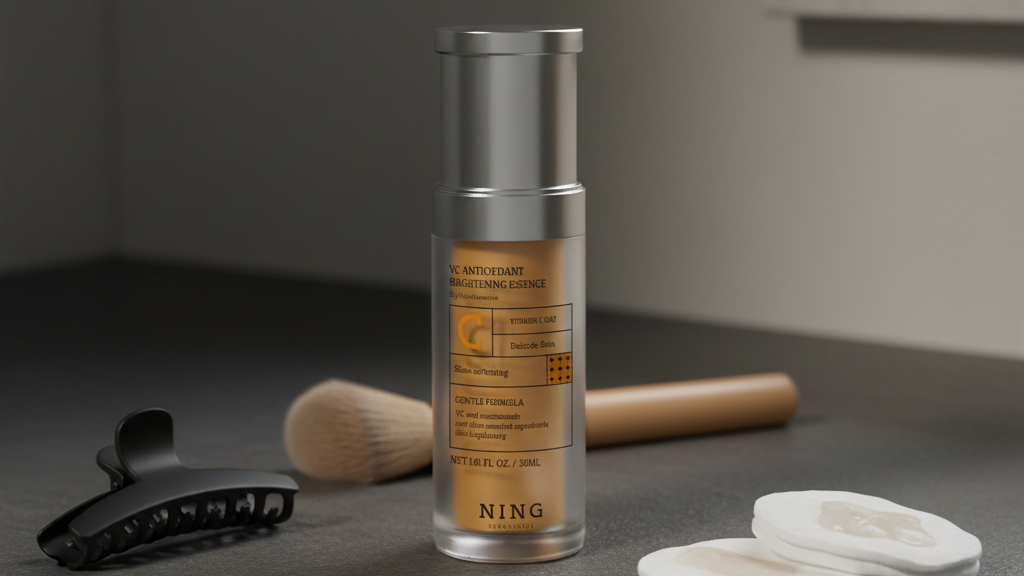

Why Korean Vitamin C Serums Are Game-Changers for Your Skin Barrier
If you’ve spent any time scrolling through skincare forums or TikTok, you’ve seen the "Glass Skin" trend. It’s that lit-from-within glow that makes your face look like it’s constantly under a soft-focus lens. The secret weapon behind that look? A high-quality Korean vitamin C serum.
But here is the truth: not all Vitamin C is created equal. If you’ve tried a serum before and felt nothing but a sticky mess or, worse, a breakout, you probably weren't using the right concentration or formula for your skin type. In the world of Korean skin care, the focus isn't just on "burning" away spots with acid; it's about finding that sweet spot where pure vitamin C meets soothing ingredients to brighten skin without nuking your skin barrier.
In this guide, we’re going deep into the science of Korean beauty, why ferulic acid is your new best friend, and how to find the best vitamin C for your specific routine.

The "Pure" Problem: L-Ascorbic Acid vs. Derivatives
When you look at a face serum, you’ll often see ascorbic acid listed. This is pure vitamin C. It is the gold standard for high-performance skin care because it’s the most biologically active form. It works instantly to even skin tone and neutralize free radicals.
However, pure C is notoriously temperamental. It hates light, it hates air, and it has a very low PH, which can be tough on sensitive skin. This is where Korean vitamin C serum innovation really shines. Brands like NING Dermologie and others have mastered the art of stabilizing this ingredient.
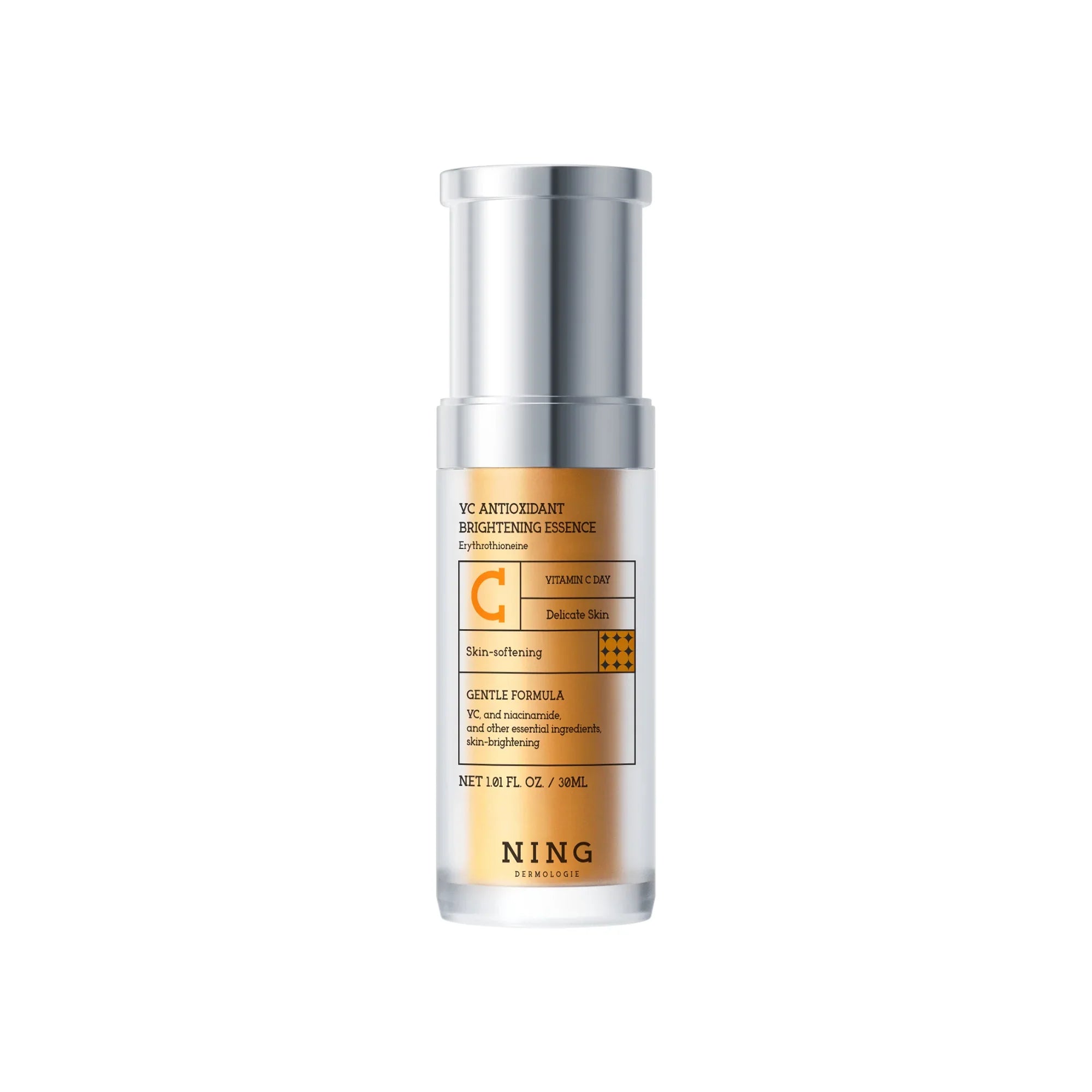
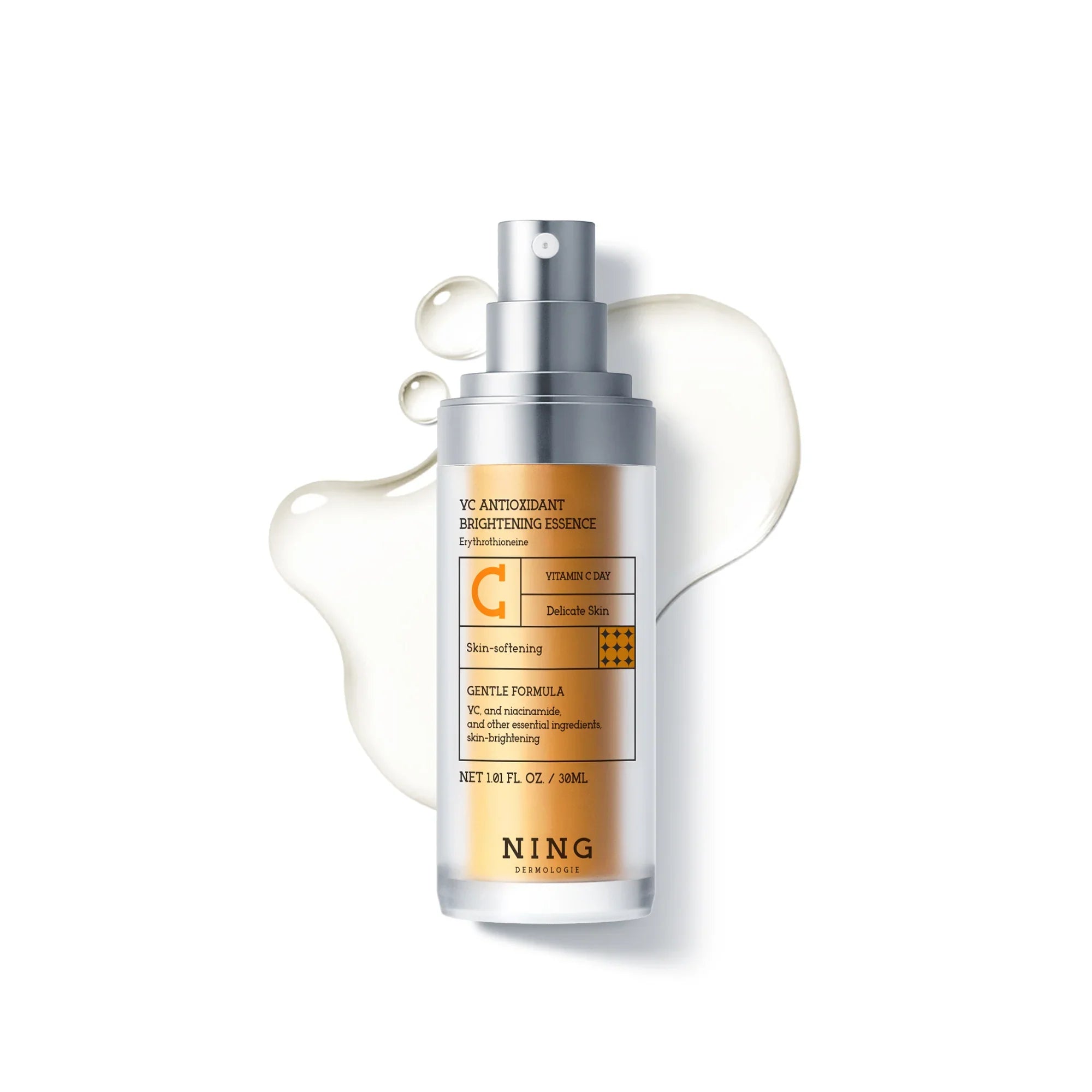
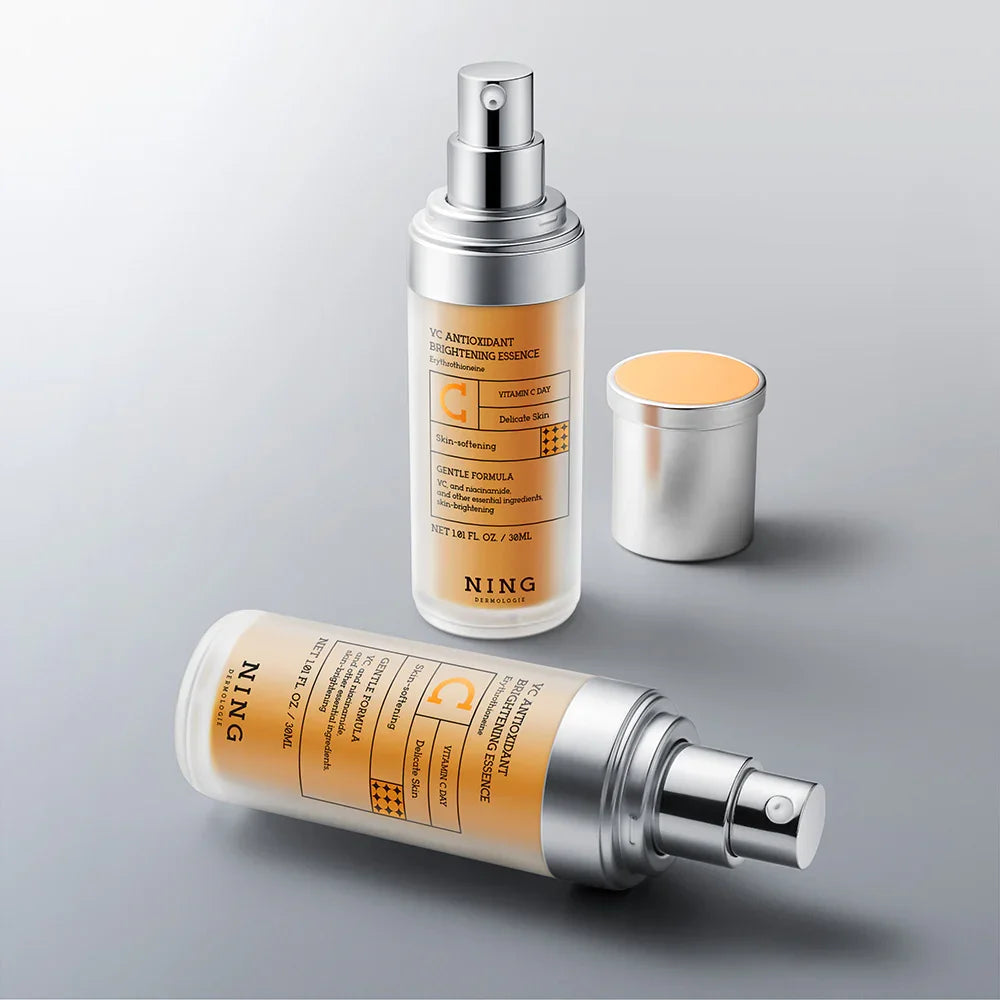
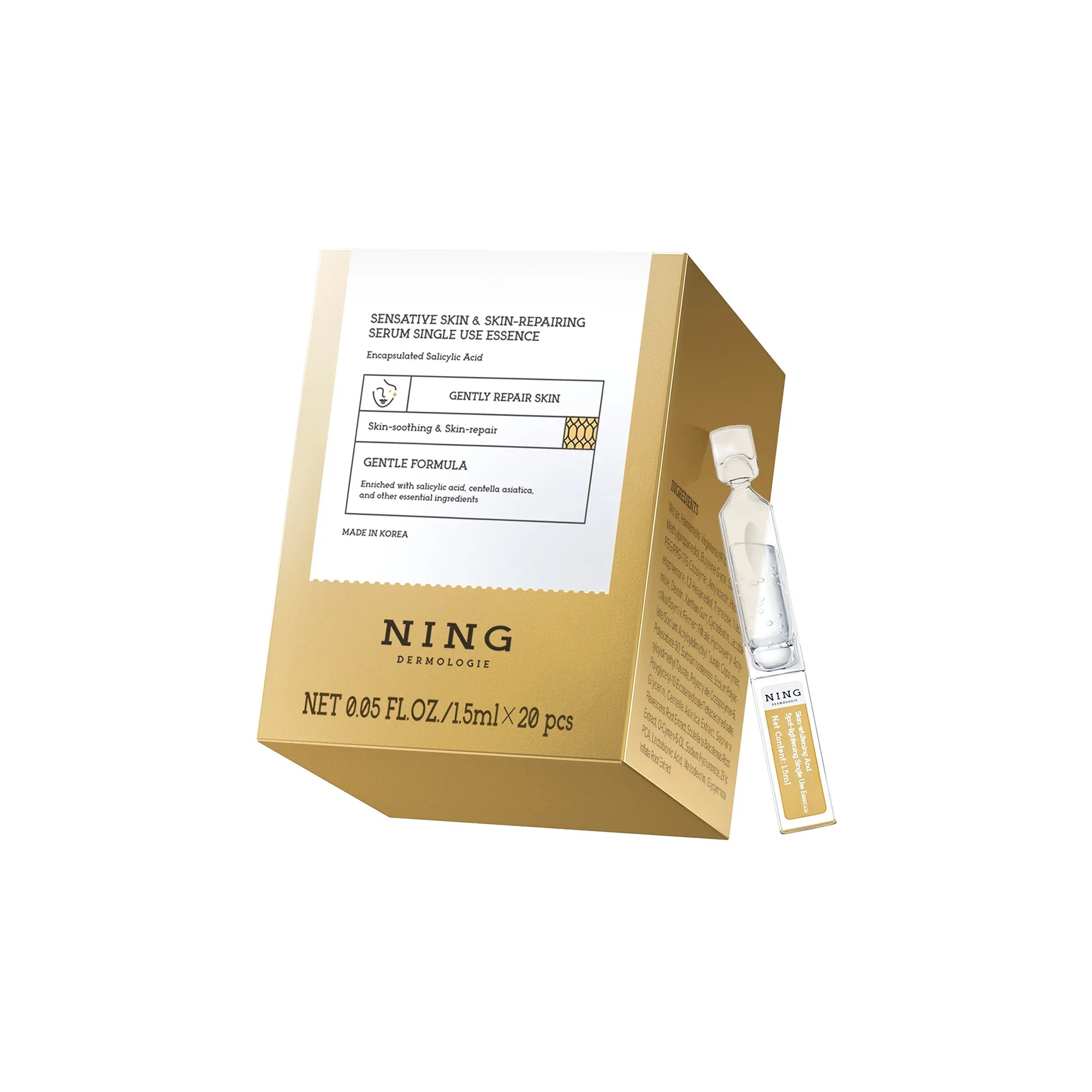
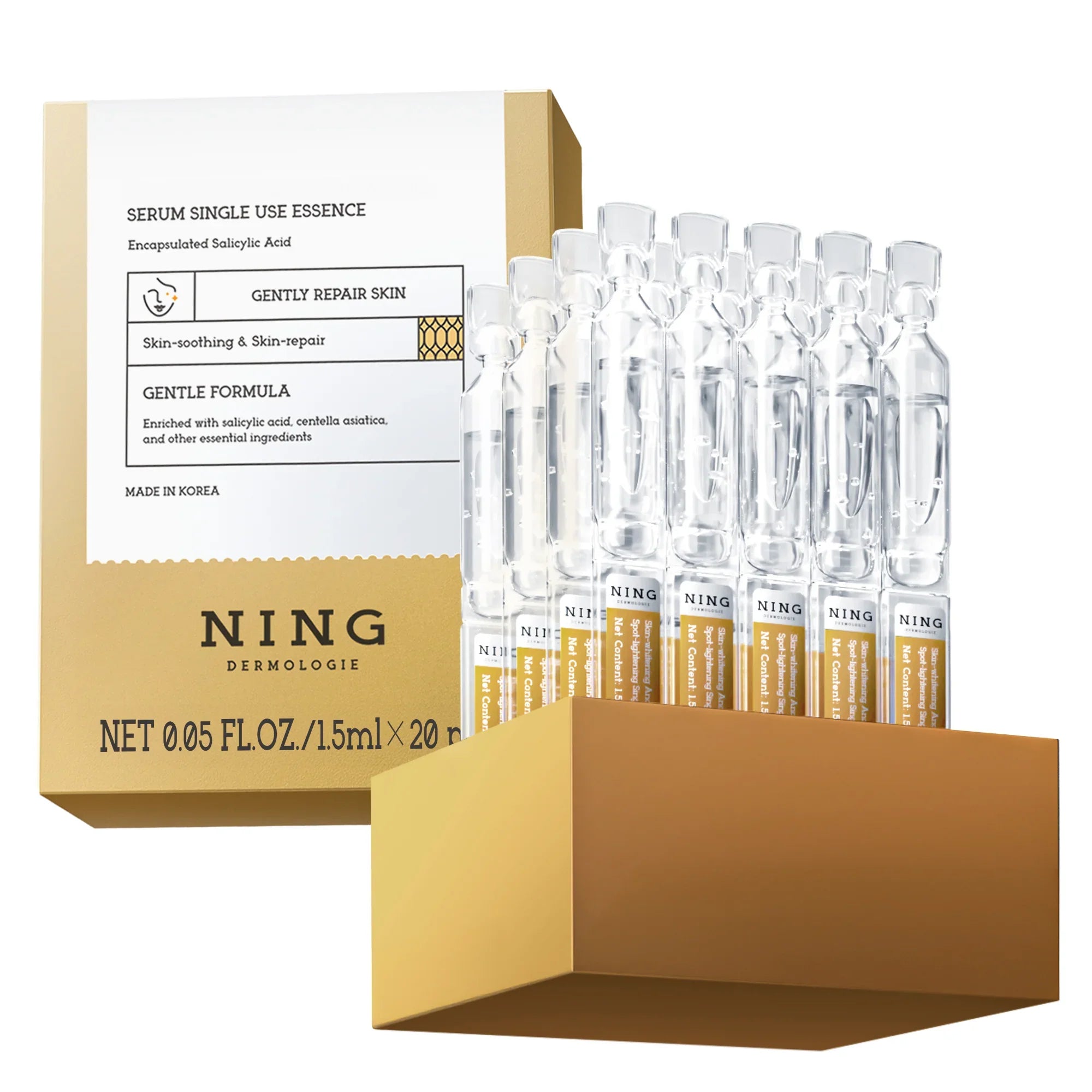
For example, the Vitamin C Serum by NING Dermologie utilizes a sophisticated blend. By pairing vitamin C and niacinamide, it tackles hyperpigmentation from two different angles. While the Vitamin C works on the surface to brighten, Niacinamide helps strengthen the skin barrier, ensuring the high concentration doesn't lead to irritation.
Top Picks: The Best Korean Vitamin C Serums for Every Skin Type
If you are looking for the best vitamin C to add to your morning skin care routine, here is a breakdown of the heavy hitters currently dominating the market.
1. The Powerhouse: COSRX Vitamin C 23
If you are an experienced user, the Vitamin C 23 serum is a staple. With a massive 23% concentration of vitamin C, it’s designed for those who want fast results on acne scars and uneven skin tone.
- Best for: Combination skin and oily types.
- The Reality Check: It has a "medicinal" scent and can feel slightly oily upon application, but the way it handles dark spot care is almost unparalleled in the drugstore price range.
2. The Cult Classic: Klairs Freshly Juiced Vitamin Drop
For those with sensitive skin who are terrified of "the sting," this is often the gateway korean vitamin c serum. It uses a lower 5% concentration.
- Best for: Beginners and very reactive skin.
- The Reality Check: It’s great for a general "glow," but if you have deep hyperpigmentation, you’ll likely need something stronger.
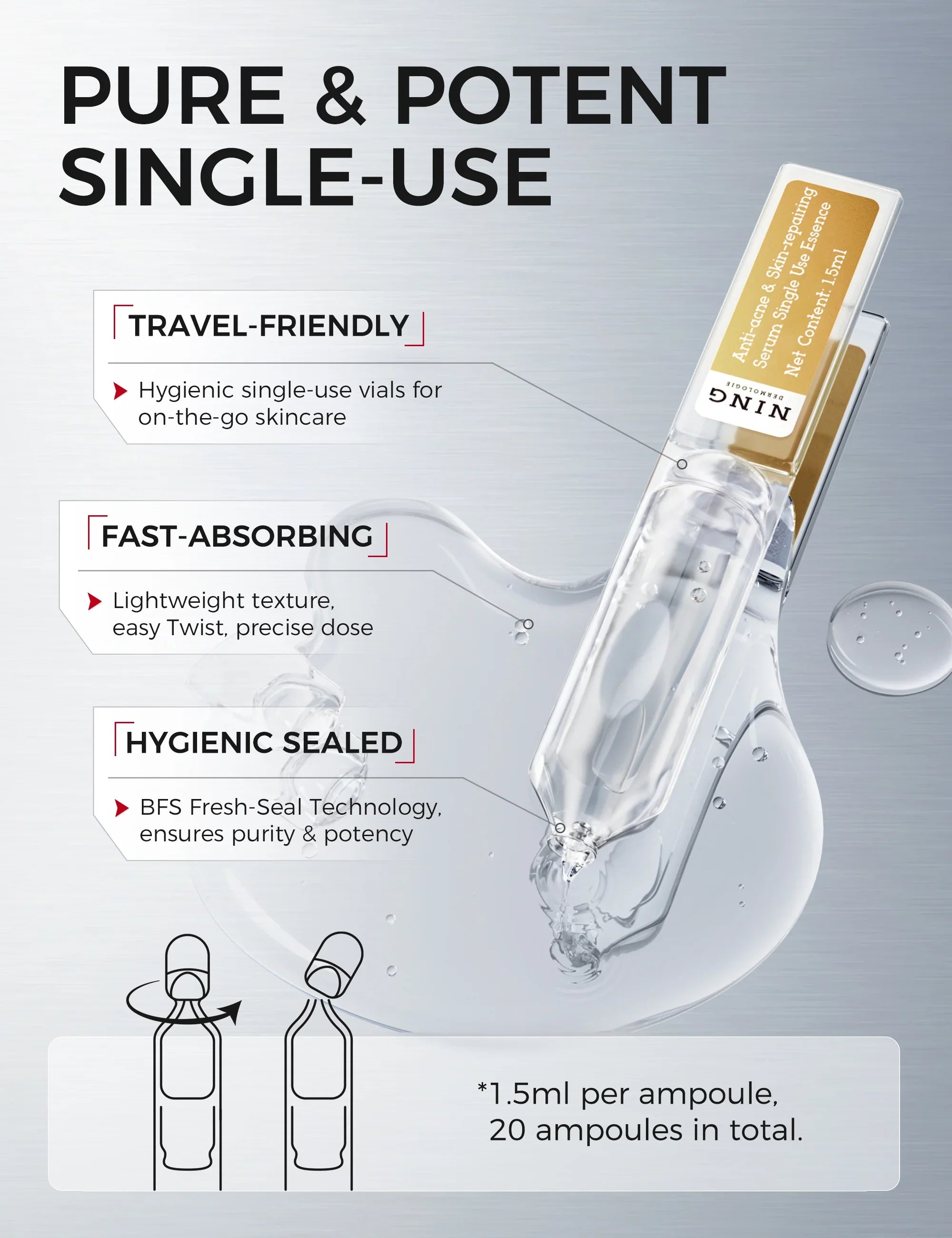
3. The Modern Innovator: NING Dermologie Vitamin C Serum
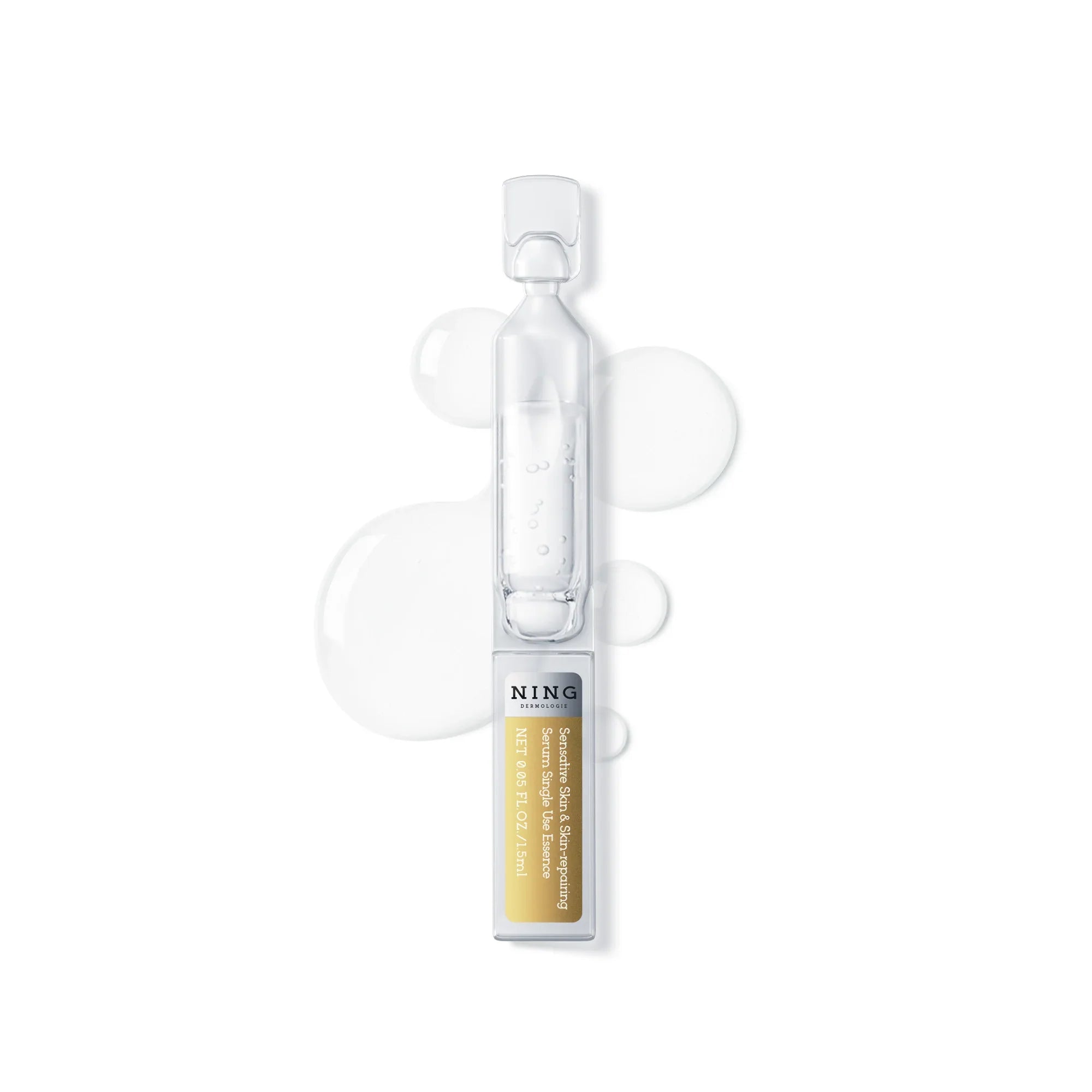
This is where korean skin care meets clinical precision. The NING Dermologie formula is a balancing facial serum that doesn't just focus on the C. It’s rich in vitamin c but also incorporates hyaluronic acid and ethyl ascorbic acid (a highly stable derivative).
- Best for: All skin types, especially those concerned with premature skin aging and skin elasticity.
- Why it works: It’s a glow serum that actually feels like water on the skin. It absorbs without leaving a tacky residue, making it the best korean vitamin c for layering under makeup.
4. The Brightening Duo: Goodal Green Tangerine Vita C Dark Spot Serum
You’ve likely seen the bright yellow bottle. The Goodal Green Tangerine Vita C line uses tangerine extract which is rich in vitamin c naturally.
- Best for: Fading fresh c dark spot issues and improving skin texture.
Why Ferulic Acid and Vitamin E Matter
You’ll notice that the best korean vitamin c serum options rarely contain just Vitamin C. They usually come as a "triple threat": Vitamin C, Vitamin E, and Ferulic Acid.
- Ferulic acid and vitamin e act as stabilizers.
- Vitamin C is a powerful antioxidant, but it’s a bit of a "loner." When you add ferulic acid, it doubles the photoprotection of the serum.
- Vitamin E helps with lipid replenishment, making it a dream for dry skin.
When these three are combined, the antioxidant serum becomes a shield, protecting your skin from environmental stressors like pollution and UV rays. This is why you should always use a vitamin c serum in the morning. It’s like a second layer of defense under your SPF.
How to Incorporate Vitamin C Without the "Purge"
Many people quit using vitamin c because they experience "purging" or redness. To avoid this, focus on the skin barrier—restoring it is just as important as brightening it.
-
Start Slow: Use your facial serum every other morning for the first two weeks.
-
Apply to Dry Skin: Applying pure vitamin c serum to damp skin can increase penetration, which sounds good but actually increases the risk of irritation.
-
Wait Before You Layer: Give your vitamin concentrated serum about 60 seconds to sink in before applying your hyaluronic acid or moisturizer.
-
Check the Color: If your vitamin c 23 serum or any pure vitamin c product turns dark orange or brown, it has oxidized. Using oxidized serum can actually increase skin cells damage from free radicals.
Tackling Specific Concerns: Dark Spots and Aging
If your biggest focus on the skin is hyperpigmentation, look for terms like "vita c dark spot care" or "brightening serum".
The Dr. Althea Vitamin C Boosting Serum and the Glow Recipe Guava Vitamin C Dark Spot serum are fantastic examples of how korean beauty uses fruit extracts to boost efficacy. The Guava Vitamin C Dark Spot serum, for instance, uses a slow-release encapsulation so your skin looks radiant all day rather than just right after application.
For those focusing on skin elasticity and skin aging, the Some By Mi Galactomyces Pure Vitamin C Glow Serum is an interesting choice. It combines pure vitamin c glow serum properties with fermented ingredients to refine skin texture while you brighten.

The Role of Niacinamide
There used to be an old myth that you couldn't use vitamin c and niacinamide together. We now know that's not true. In fact, a serum with vitamin C and Niacinamide—like the NING Dermologie Vitamin C Serum—is one of the most effective ways to even out your skin tone.
While Vitamin C inhibits the enzyme that produces melanin, Niacinamide prevents the transfer of that melanin to your skin cells. It’s a 1-2 punch for dark spot care. Plus, Niacinamide helps with skin barrier health, making the whole formula more suitable for all skin types.
Final Thoughts on Finding the Best Korean Vitamin C
At the end of the day, the best vitamin c is the one you will actually use every morning. Whether you choose the high-intensity cosrx vitamin c, the fruit-powered green tangerine vitamin c, or the balanced, sophisticated formula from NING Dermologie, consistency is key.
A vitamin c serum isn't an overnight miracle. It takes about 4 to 8 weeks of consistent use to see a real change in overall skin tone and skin looks. But once that glow serum starts working, and your skin from environmental stressors is protected, you’ll never want to go back to a routine without it.
Frequently Asked Questions (FAQ)
1. Can I use Vitamin C with Retinol?
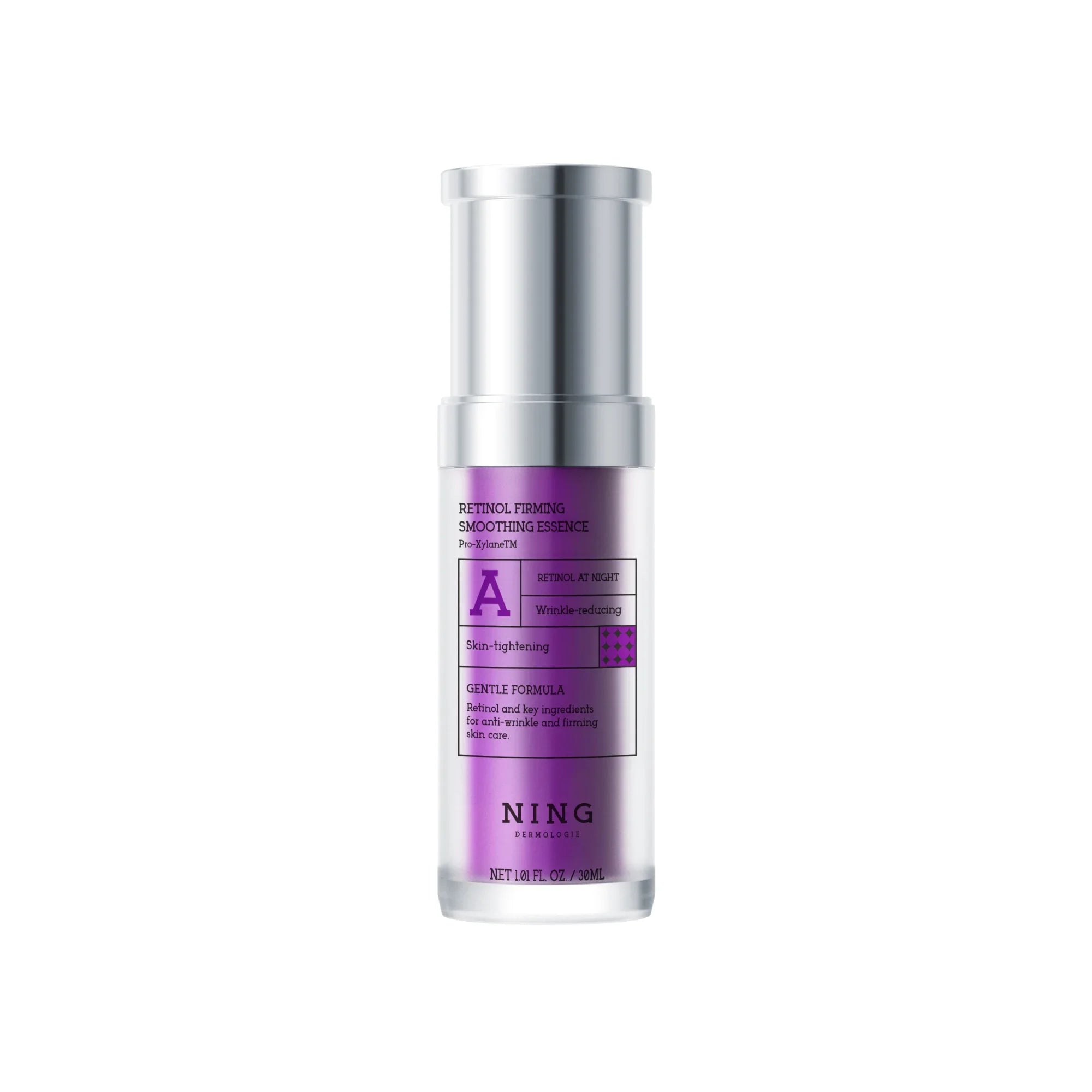
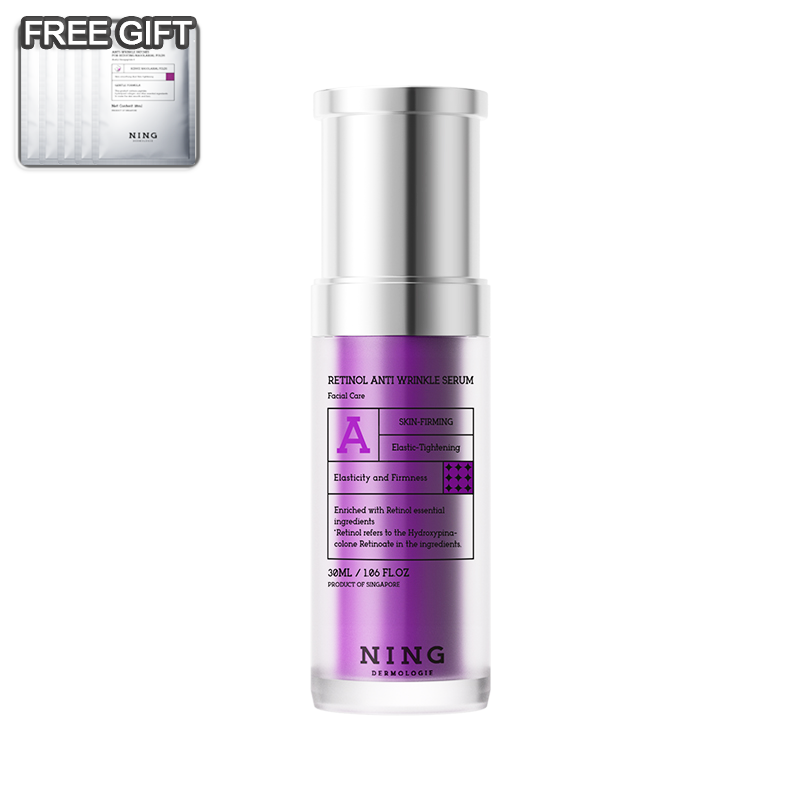
It is generally recommended to split them up: use your Korean vitamin C serum in the morning to protect the skin from environmental damage, and keep your Retinol for the night. Using both at the same time can be too aggressive for the skin barrier and may lead to redness or peeling, especially if you are using a pure vitamin C with a high concentration.
2. Why does my Vitamin C serum smell like hot dogs?
That distinct "smoky" or "hot dog" scent is actually a byproduct of ferulic acid and vitamin e interacting with ascorbic acid. While it’s not the most pleasant korean beauty experience, it’s actually a sign that the serum is packed with the right stabilizing antioxidants. However, if the scent changes drastically along with a dark brown color, the serum has likely oxidized.
3. Does Vitamin C help with acne scars?
Yes, but it works best on "PIH" (Post-Inflammatory Hyperpigmentation)—those flat brown or red spots left behind after a breakout. A vitamin c dark spot serum helps to even out your skin tone by slowing down melanin production. For deep, pitted scars, Vitamin C helps by boosting skin elasticity and collagen, though it usually requires being paired with professional treatments for full results.
4. Should I keep my Vitamin C serum in the fridge?
For pure vitamin C (L-Ascorbic Acid), yes! The cold temperature slows down the oxidation process significantly. If you are using a more stable version, like the NING Dermologie Vitamin C Serum which uses ethyl ascorbic acid, it’s less reactive to heat. However, keeping any face serum in a cool, dark place is always a smart move to ensure the overall skin benefits last.
5. How long does it take to see results?
While you might notice an immediate "glow" due to the hyaluronic acid and hydrating base of the brightening serum, real changes in hyperpigmentation and skin texture usually take 6 to 8 weeks. This is the time it takes for new skin cells to cycle to the surface. Patience is vital when incorporating a vitamin c serum into your korean skin care routine.
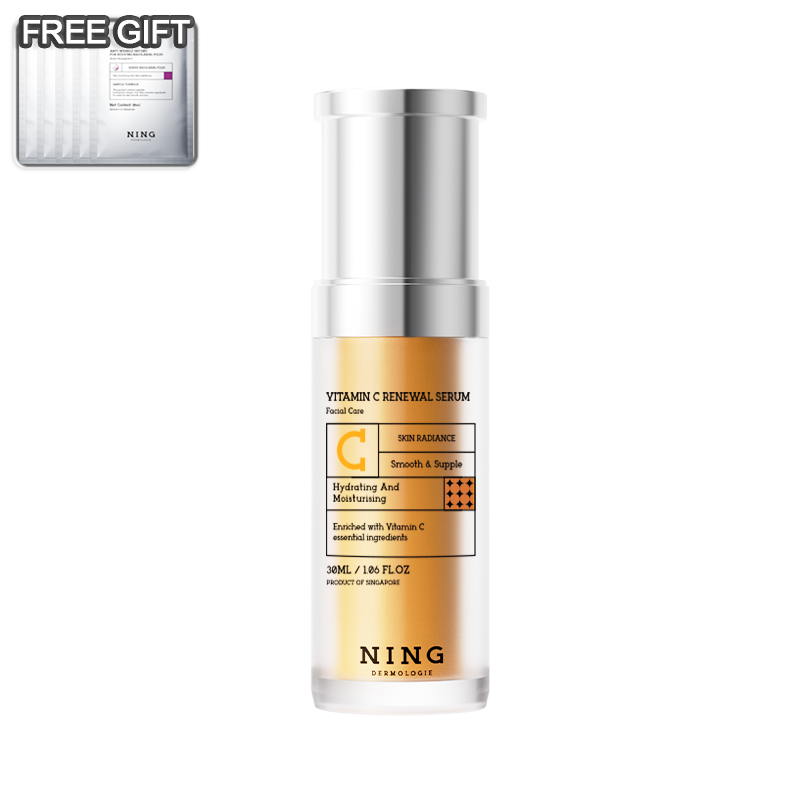
Ready to start your brightening journey? Check out the NING Dermologie Vitamin C Serum and give your skin the antioxidant protection it deserves.





Share:
How to apply vitamin C serum to improve dark spots
Best vitamin C serum bundles or kits for dark spot treatment