

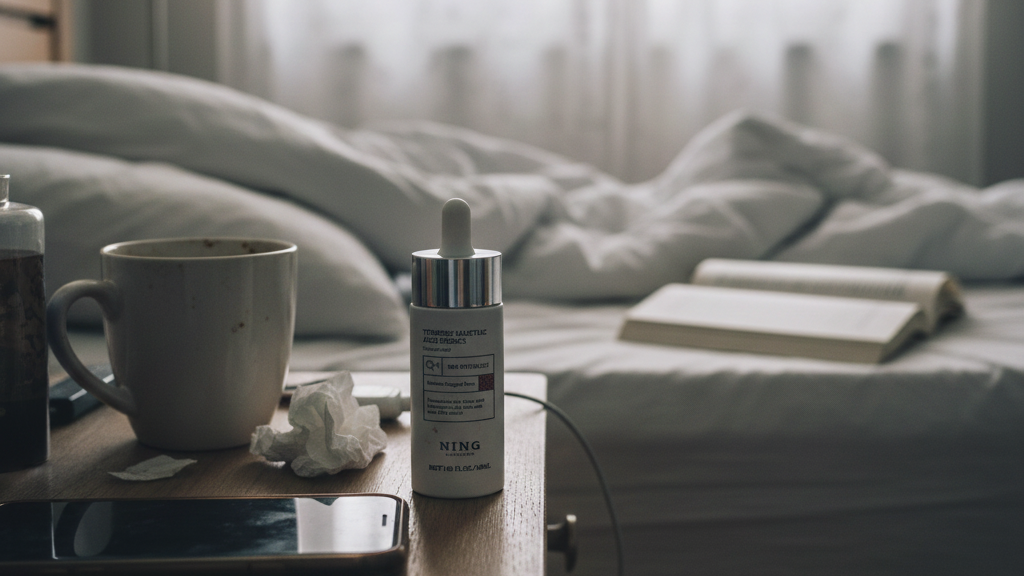

Salicylic Acid: The Real Science of Achieving Clearer Skin
You’ve seen the TikToks. You’ve read the labels. But why does salicylic acid keep popping up in every acne conversation? Most skincare marketing treats it like magic, but the reality is much more grounded in biology. If you’ve ever felt like your skin was a magnet for blackheads or that your T-zone has enough oil to fry an egg, understanding how this specific acid do for skin is the first step to fixing it.
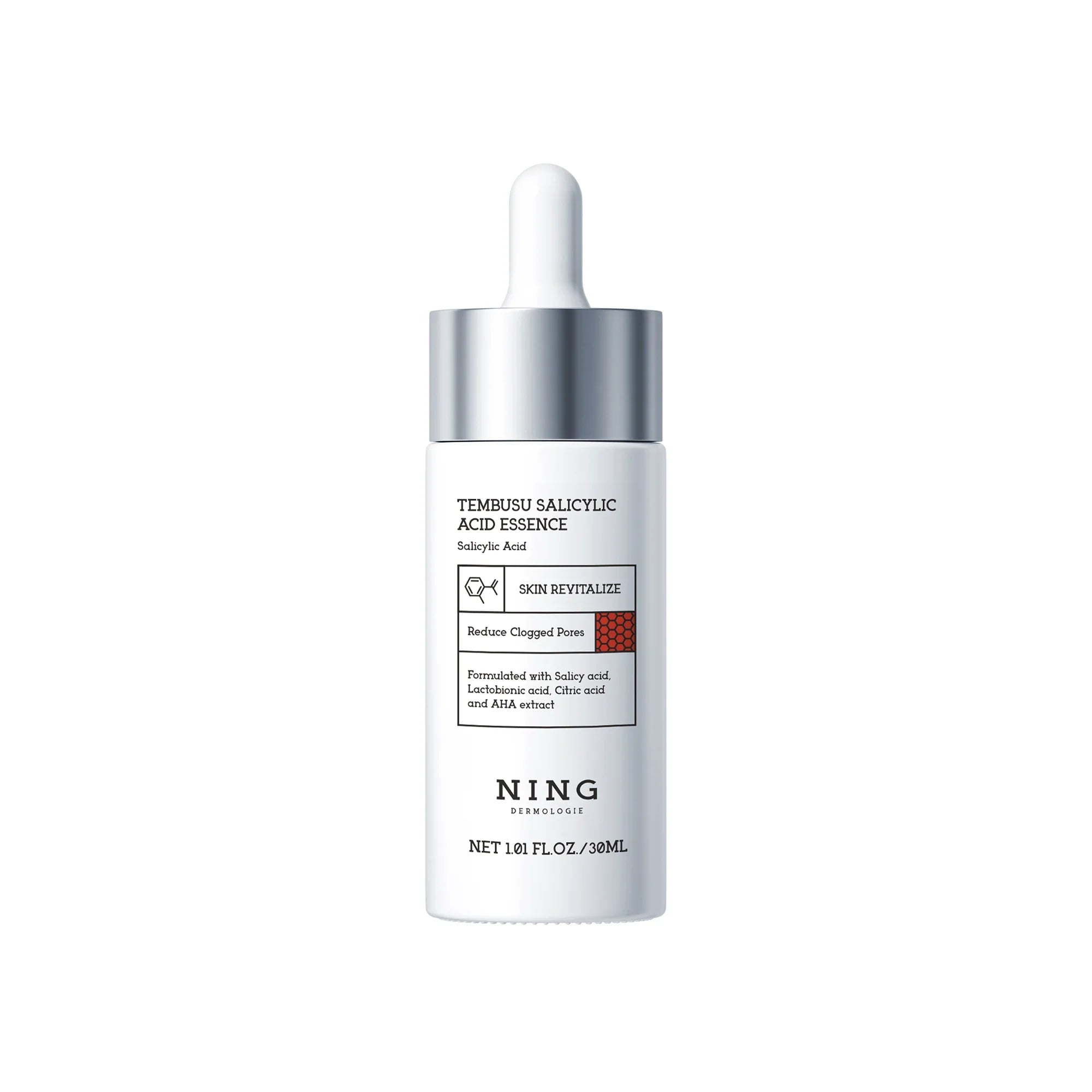
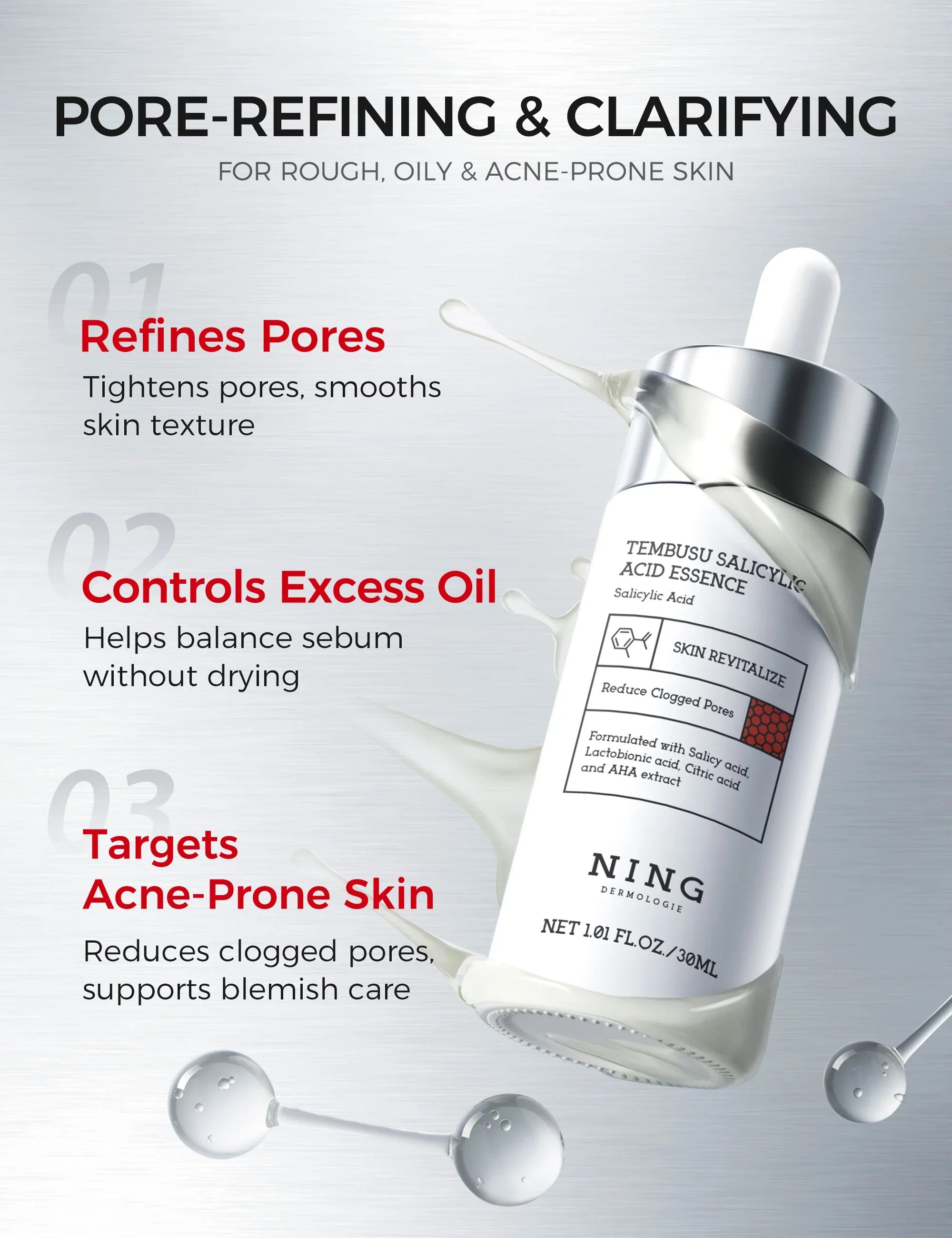
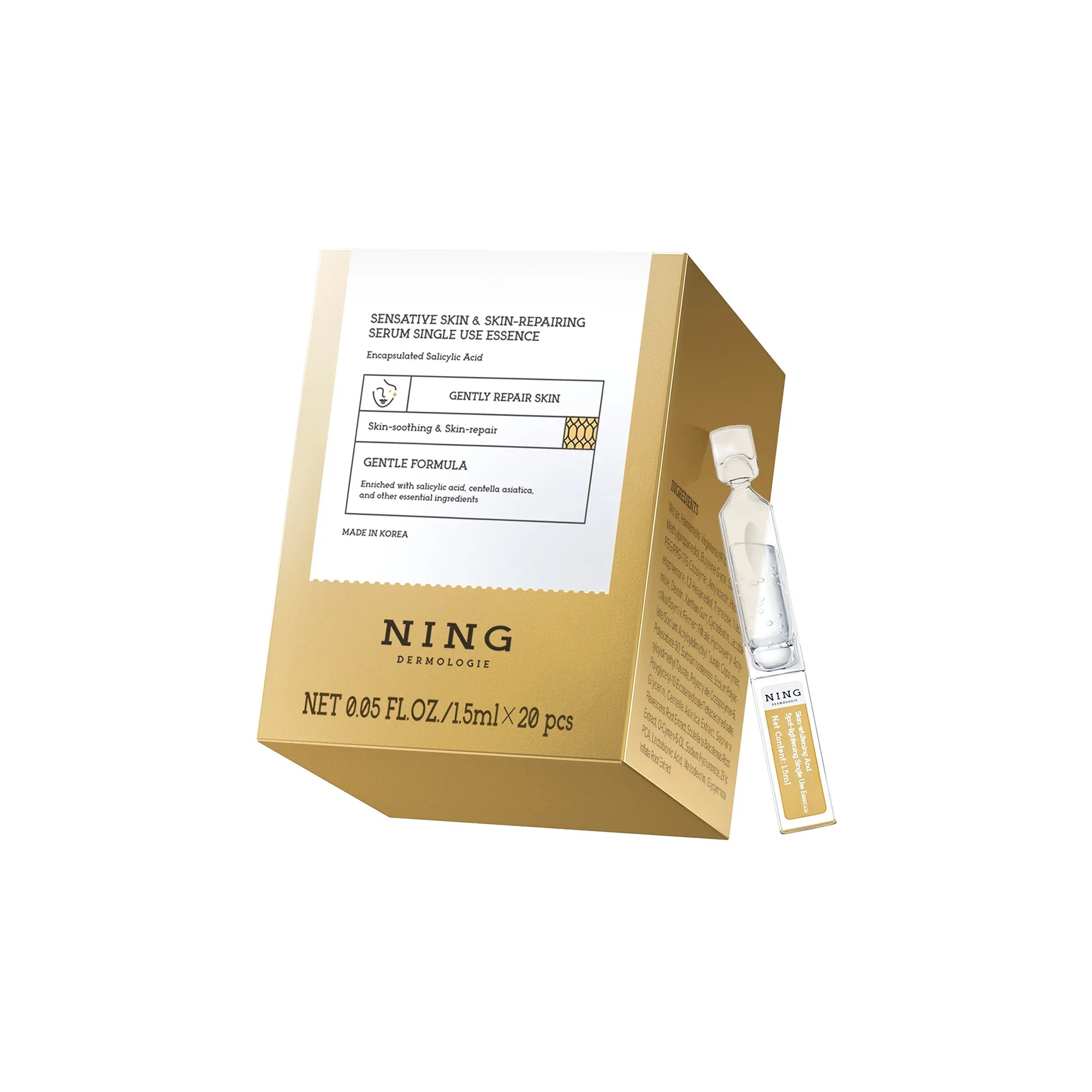
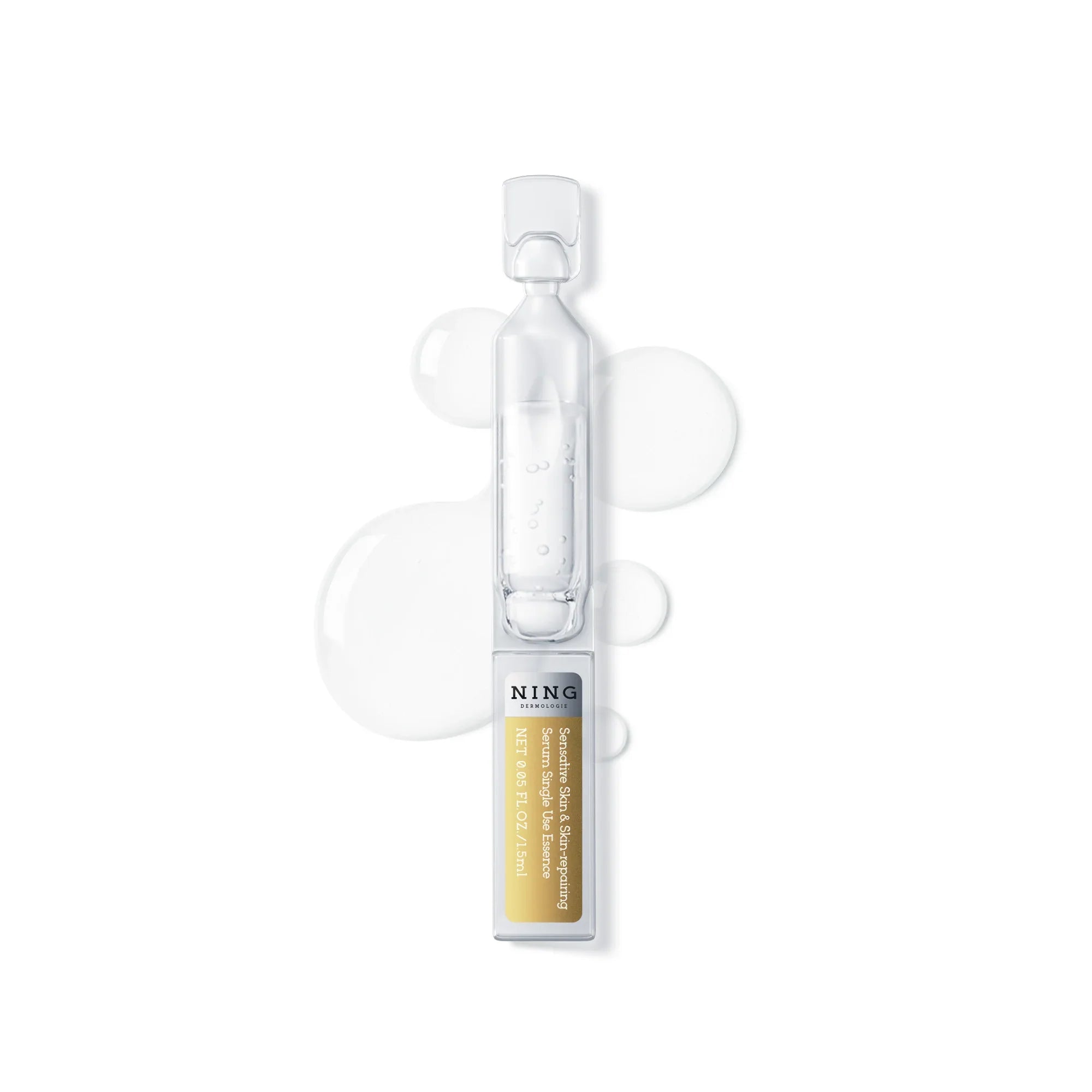
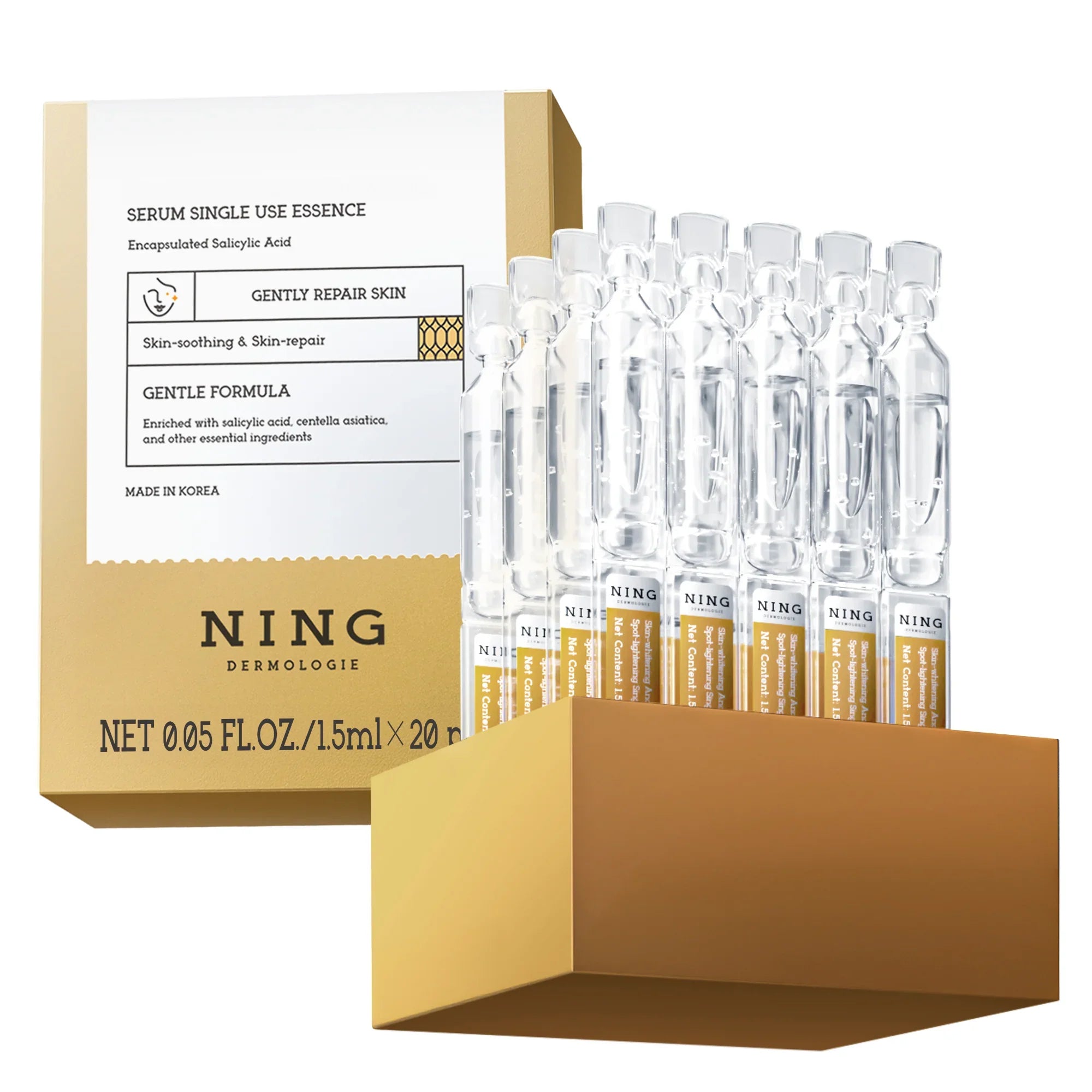
At NING Dermologie, we don't believe in "miracle cures." We believe in chemistry that works. When we formulated our 2% Salicylic Acid Serum, the goal wasn't just to add another bottle to your shelf; it was to create a targeted tool for blemish-prone skin. Let's break down the "why" and "how" behind this powerhouse ingredient.

Why Your Pores Actually Love This Acid
To understand the benefits of salicylic acid, you first have to understand the difference between surface exfoliation and deep-pore cleaning. Most acids, like lactic acid or glycolic acid, are Alpha Hydroxy Acids (AHAs). They are water-soluble. They sit on the surface, dissolving the "glue" that holds dead skin cells together.
Salicylic acid is different. It is a beta hydroxy acid (or BHA). Because it is oil-soluble, it doesn't get stopped by the sebum (oil) on your skin’s surface. Instead, salicylic acid penetrates deep into the lining of the pore.
Once inside, the salicylic acid works within the follicle to soften and loosen dry, thickened skin and oil and dead skin cells. It literally breaks the bonds between dead skin cells that would otherwise form a "plug." This is why salicylic acid help is so effective for those struggling with chronic congestion. It doesn't just treat the breakout you see today; it helps the pore stay clear so future spots don't have a chance to start.
The NING Dermologie Approach to Acne Skin Care
If you have acne-prone skin, your instinct might be to "scrub" the problem away. Please, stop. Physical scrubs often cause micro-tears, leading to more inflammation. A better skincare regimen involves chemical exfoliation that respects the skin barrier.
Our 2% Salicylic Acid Serum is formulated with salicylic acid at the "gold standard" concentration. At 2%, the power of salicylic acid is maximized without being unnecessarily aggressive. This salicylic acid product is designed for those who need a skin clear solution that actually reaches the source of the problem.
When you add salicylic acid to your routine via a serum rather than a cleanser, the ingredient has more time to stay on the skin. While a cleanser is great for a quick surface refresh, a leave-on skincare product ensures the beta-hydroxy acid has the contact time required to exfoliate dead skin effectively.
Salicylic Acid vs Glycolic Acid: The Showdown
One of the most common questions we get at NING Dermologie is: "Can't I just use Glycolic acid?"
Here is the truth about glycolic acid vs salicylic acid:
- Glycolic Acid (AHA): Best for radiant skin, fading dark spots, and improving skin tone and texture on the surface. It’s great for "aging" concerns but can’t get through oil.
- Salicylic Acid (BHA): The undisputed king for oily skin and blemish-prone skin. If your skin concerns involve "gunk" inside the pores, BHA is your winner.
Many skincare products with salicylic acid try to do too much. At NING, we focus on the salicylic acid benefits of pore-clearing first. However, we also know that salicylic acid may cause slight dryness if used incorrectly. That’s why we recommend using it alongside salicylic acid's best friend: hyaluronic acid.
How to Incorporate Salicylic Acid into Your Routine (Without the Redness)
If you are new to salicylic acid, the "more is better" mindset will hurt you. Your skin adjusts slowly to active ingredients. Here is a realistic skincare routine for someone starting out:
-
The Patch Test: Apply a small amount of your salicylic acid product to your jawline. Wait 24 hours.
-
Slow Integration: Start by using the salicylic acid into your routine only twice a week. Monitor how your skin responds.
-
Nighttime Use: We usually suggest using it at night. Cleanse, apply the 2% Salicylic Acid Serum, wait two minutes, and follow with a moisturizer.
-
Sun Protection is Mandatory: Even though BHA is less photosensitizing than AHAs, any exfoliation makes your healthy skin more vulnerable to UV damage. Always use SPF 30+ the next morning.
For sensitive skin types, you might find that topical salicylic acid is too much for the whole face. In that case, use it as a "spot treatment" only on areas where you see clog pores or active blemishes.
Moving Beyond the Breakout: Long-term Benefits
While most people use salicylic acid to kill a zit, the uses for skin go much further. Regular use of salicylic acid leads to healthier-looking skin by:
- Smoothing Skin Texture: By removing the "dead weight" on the surface, your skin feeling becomes much softer.
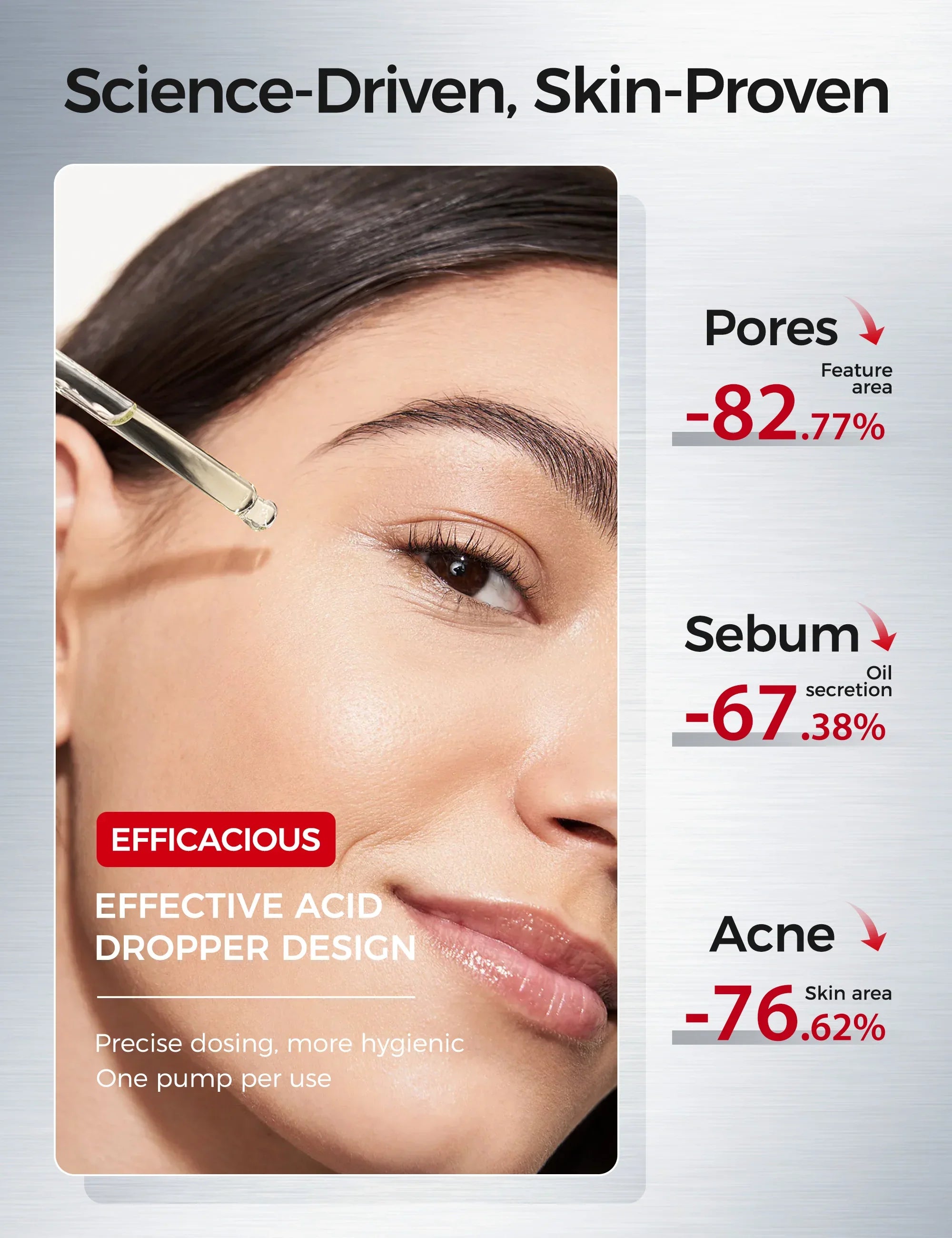
- Refining Pores: You can't actually "shrink" a pore (genetics determines their size), but you can keep them from stretching. When a pore is filled with oil and dead skin cells, it looks larger. Keeping it empty makes it look invisible.
- Addressing Thickened Skin: For those with keratosis pilaris or rough patches, salicylic acid works to soften and loosen dry areas, making the overall skin appear more uniform.

Managing Your Skin Barrier
A common mistake is thinking you can "acid" your way to flawless skin. If you overdo it, you’ll damage your skin barrier, leading to "reactive" oiliness—where your skin produces more oil because it's desperate for moisture.
If your skin starts to peel or feel tight, back off. Soothe the skin with a basic cream and pause the exfoliating acid for a few days. Salicylic acid into your skincare should be a marathon, not a sprint.
For those with dry or sensitive skin, you might prefer a cleanser containing salicylic acid to gently wash away impurities rather than a concentrated serum. But for the acne-prone skin types, the NING Dermologie serum is usually the key to breaking the cycle of constant breakouts.
Frequently Asked Questions (FAQ)
Can I use Salicylic Acid every day?
For most, daily use is the goal, but you shouldn't start there. If you have oily skin, your skin might eventually tolerate daily application. However, if you have sensitive skin, 2-3 times a week is often enough to reap the benefits of salicylic acid without irritation. Always listen to your skin barrier—if it feels tight or looks shiny (but not oily), take a break.
Why is my skin "purging" after using the serum?
Don't panic. Salicylic acid penetrates deep to bring existing congestion to the surface. This "purge" usually looks like small whiteheads in areas where you normally break out. It typically lasts 2-4 weeks. Once the clog pores are cleared, you’ll see the clearer skin you were looking for. If you see irritation in new areas, it might be a reaction, not a purge.
Can I mix Salicylic Acid with Vitamin C?
Technically yes, but it’s a gamble. Layering two strong 'actives' at once is an easy way to trigger a flare-up. The pro move for any skincare regimen is to split them up. Use Vitamin C in the AM to shield your skin, then incorporate salicylic acid into your PM routine. This allows the BHA to exfoliate dead skin cells while you sleep, giving you radiant skin without the 'ouch' factor.
Is Salicylic Acid safe for all skin types?
It’s a lifesaver for oily skin and acne-prone skin types, but there are exceptions. If you’re allergic to aspirin (acetylsalicylic acid), stay away. Period. Also, if you have dry or sensitive skin, don't just dive in. It’s a trusted ingredient in skincare, but since it strips oil, you have to be careful not to wreck your skin barrier. Start slow and listen to your face.
Can I use Salicylic Acid and Retinol together?
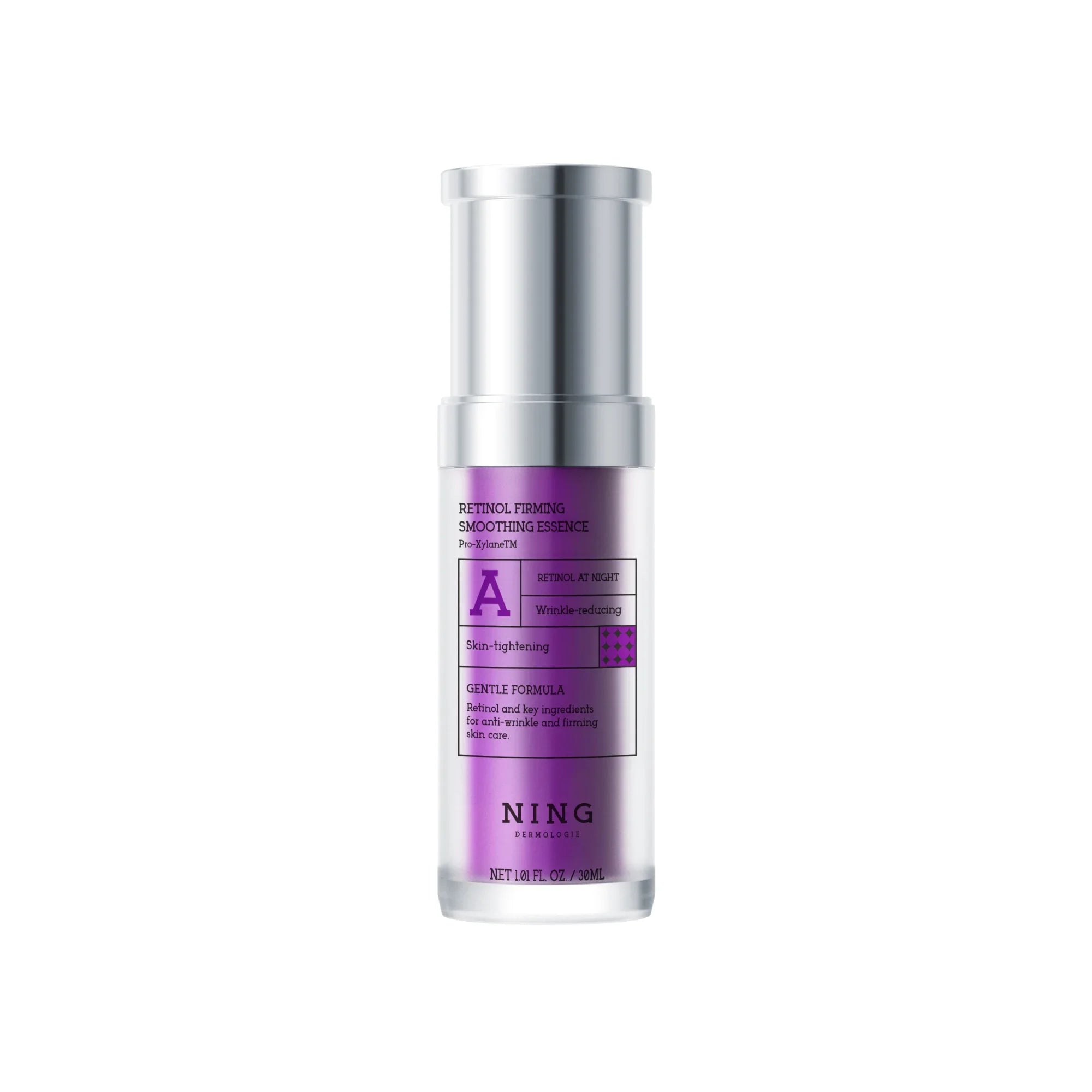
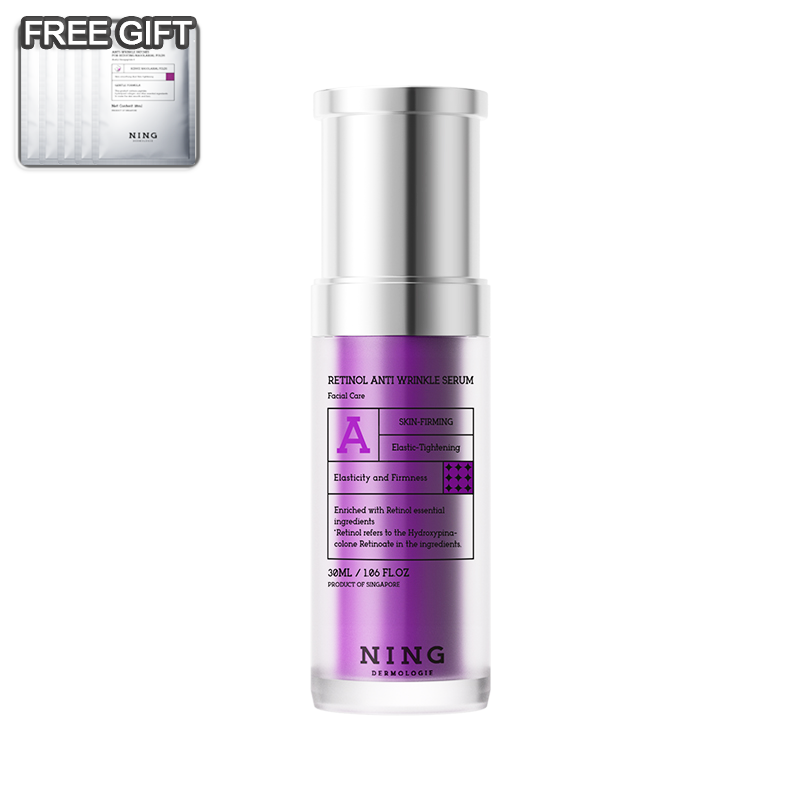
Using them at the exact same time can be a recipe for disaster for your skin barrier. We suggest "skin cycling." Use your NING Dermologie 2% Salicylic Acid Serum one night to exfoliate, a Retinol the next night, and then 1-2 nights of pure recovery with hyaluronic acid and ceramides. This ensures you get the salicylic acid benefits without overwhelming your face.
Final Thoughts on Your Journey to Healthy Skin
Achieving radiant skin isn't about finding a "perfect" product; it's about finding the right rhythm. Salicylic acid is a tool—arguably the most effective tool for anyone fighting the battle against clog pores and oil.
Whether you're new to salicylic acid or a veteran looking for a cleaner, more effective formula, NING Dermologie is here to support your skin concerns. By understanding how salicylic acid works and respecting your skin's natural limits, you can finally move past the frustration of constant blemishes and toward the smoother skin you deserve.
Ready to see what 2% Salicylic Acid can do for you? Check out the NING Dermologie 2% Salicylic Acid Serum and start your path to clearer skin today.





Share:
From Clinical Trials to Consumer Reviews: The Best Salicylic Acid Serums Revealed
Skincare Essentials Gift Sets for Beginners