

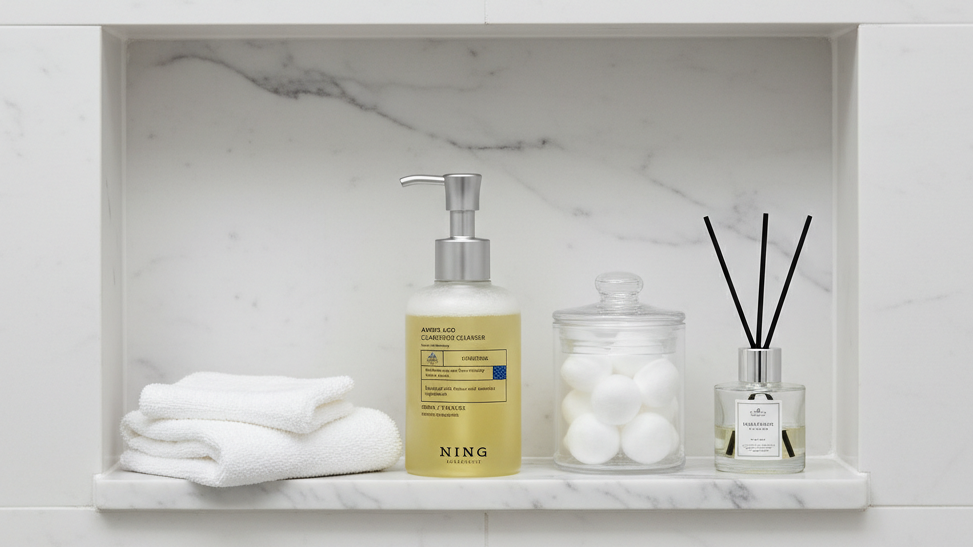

If you have sensitive skin, the word "acid" probably makes you wince. It conjures images of stinging, redness, and that tight, "squeaky clean" feeling that is actually a scream for help from your skin barrier.
But here is the dilemma: sensitive skin types get clogged pores, excess oil, and tiny papules, too. In fact, inflammation is often the root cause of acne. You need exfoliation to clear the debris, but standard acne products are often formulated like paint strippers—packed with high percentages of actives, synthetic fragrances, and harsh foaming agents.
The search for the Best salicylic acid face wash for sensitive skin isn't just about finding a product that works; it’s about finding a product that knows when to stop. It’s about balance.
This guide isn't a generic list of Amazon Prime bestsellers. It is a deep dive into how to use beta-hydroxy acid (BHA) without wrecking your face, focusing on the chemistry of gentle cleansers and practical application.

The Science: Why Salicylic Acid (Usually) Scares Sensitive Skin
To understand the solution, we have to look at the problem. Salicylic acid is a beta hydroxy acid. Unlike alpha hydroxy acids (like Glycolic Acid or lactic acid) which are water-soluble acids that work on the surface, salicylic acid has oil-soluble properties.
This allows it to dive deep into the pore, dissolving the glue that holds dead skin cells and sebum production together. It effectively clears sebaceous filaments and reduces oil buildup.
For oily skin or hardy skin types, this is great. But for sensitive skin, salicylic acid products often fail not because of the acid itself, but because of the supporting cast:
- High Concentrations: 2% is the standard, but often too strong for daily use on reactive skin.
- Harsh Surfactants: Many face washes use stripping agents that remove your natural lipids along with the dirt.
- Lack of Buffers: Without moisture-sealing ingredients, the acid leaves the skin naked and vulnerable.
However, BHA is naturally derived (often from white willow bark) and actually possesses antimicrobial benefits and anti-inflammatory properties. Paradoxically, it can soothe irritation if the delivery system—the facial cleanser itself—is gentle enough.
The "Skin-First" Approach: What to Look For
When scanning the package label of a potential holy grail cleanser, you need to ignore the marketing hype. We see flawless skin on celebrities like Sydney Sweeney or Amanda Seyfried and want those immediate results, but their skin therapist likely has them on a strictly controlled regimen.
For us regular mortals with sensitive faces, here is the checklist for a safe salicylic acid cleanser:
1. The Surfactant System
Avoid traditional soap bases. Instead, look for amino acid-based surfactants. These cleaning agents gently lift impurities without disrupting the skin's pH. A pH-balanced cleanser is non-negotiable. If the pH is too high (alkaline), it breeds bacteria; too low, it stings.
2. The Concentration
You don't always need maximum strength. Lower percentages (0.5% to 1.5%) often provide enough chemical exfoliation to handle clogged pores and acne blemishes without causing a chemical burn.
3. The "Buffer" Ingredients
A harsh acid needs a soft cushion. Look for:
- Hyaluronic Acid or Vitamin B5 (hydration).
- Aloe vera or thermal spring water (soothing).
- Ceramides or shea butter (barrier repair).
The Top Recommendation: Balancing Act
Navigating the market of Face Cleansers can feel overwhelming. You have everything from black charcoal bars and African black soap (often too drying for sensitive types) to TikTok-viral cleansers that promise the moon but deliver irritation.
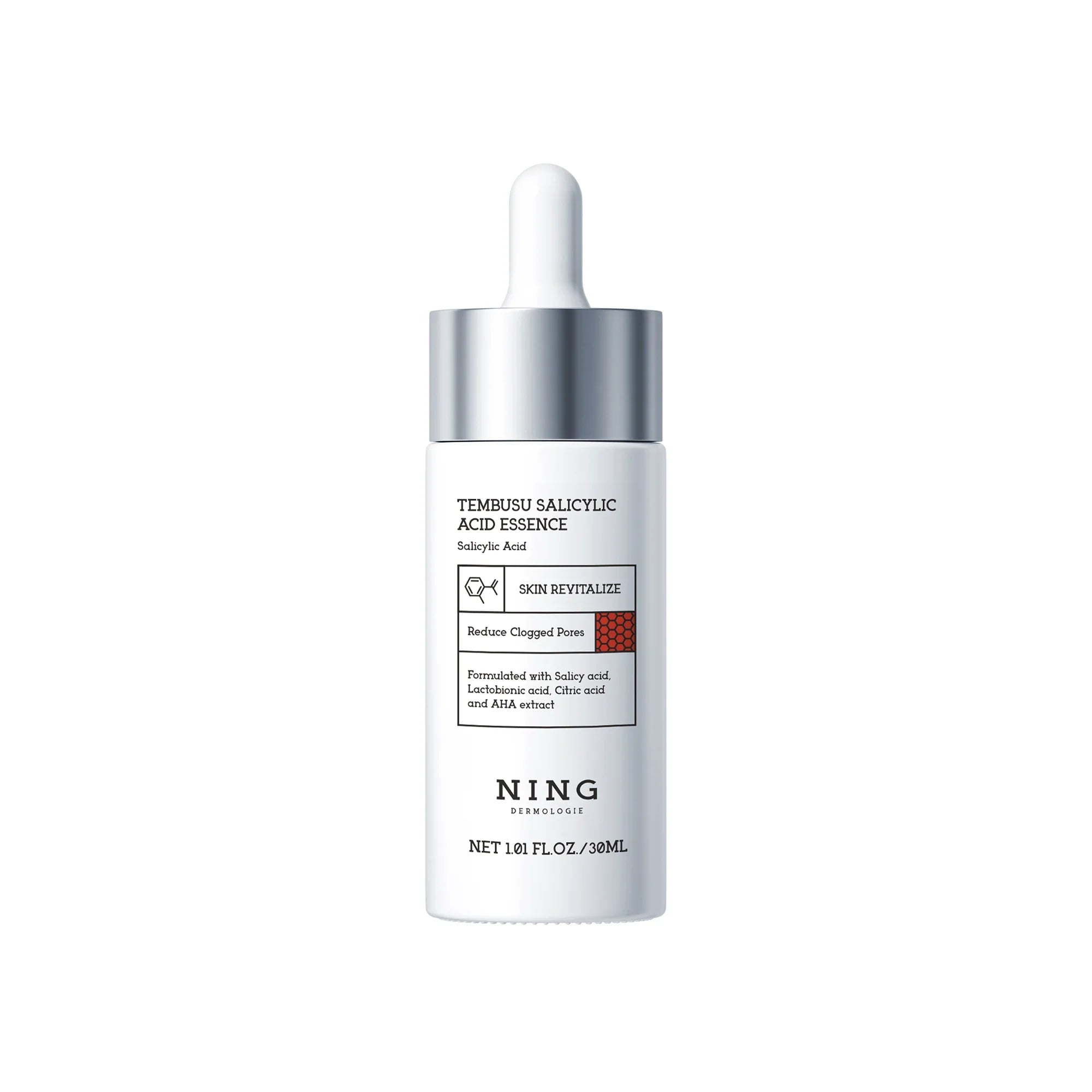
If you are looking for a formula that was specifically engineered to bridge the gap between "acne treatment" and "barrier repair," we recommend looking into NING Dermologie.
Spotlight: Amino Acid Facial Cleanser with Salicylic Acid
This product is a prime example of modern cosmetic chemistry getting it right. Rather than just blasting the skin with acid, the Amino Acid Facial Cleanser with Salicylic Acid uses a sophisticated delivery system.
Why it works for Sensitive Skin:
- The Base: It uses an Amino Acid surfactant system. This creates a creamy, dense foam that cleanses without stripping essential oils. It feels more like a cloud than a detergent.
- The Active: It utilizes Salicylic Acid to target acne-prone skin and blackheads, but it pairs it with soothing botanicals.
- The Result: It tackles dermatological concerns like seborrheic dermatitis triggers and excess sebum, but leaves the skin feeling hydrated, not tight.
Unlike a gritty scrub or a harsh benzoyl peroxide wash which attacks via oxidation, this cleanser uses chemical exfoliants to gently unglue debris. It respects the Skin Barrier, making it suitable for those who usually can't tolerate acne washes.
How to Build a Routine Around Acid Cleansing
Buying the right beauty product is only half the battle. How you use it determines whether you get a glow or a rash. Here is a practical, safety-first skin care routine.
The First Step: Patch Testing
Before you lather up your whole face, do a patch test. Apply a tiny amount behind your ear or on your inner arm. Wait 24 hours. Sensitive skin is unpredictable; what works for a friend might trigger you.
Morning vs. Evening
- Morning: Stick to a plain, hydrating wash or just water.
- Evening: This is when you use your Salicylic Acid cleanser. The day has left you with oil buildup and sunscreen residue.
-
- Wet your face with lukewarm water (hot water is a skin irritant).
- Emulsify a coin-sized amount of the Amino Acid Facial Cleanser with Salicylic Acid in your hands first.
- Massage gently for 30-60 seconds. Focus on the T-zone or areas with oil control issues.
- Rinse thoroughly.
Frequency is Key
Do not use this every single night initially.
- Weeks 1-2: Use 2-3 times a week.
- Weeks 3+: If your skin is happy, move to every other night.
- Note: If you are also using leave-on Lipo-hydroxy acid serums or Good Molecules Overnight Exfoliating Treatments, skip the acid cleanser that night. Double dosing on acids is a recipe for disaster.
The Follow-Up
Immediately after patting dry (don't rub!), apply a face cream or moisturizer rich in lipids. You might look for products containing neurosensine or ceramides. If it’s daytime, broad-spectrum sunscreen is mandatory. Even though BHA doesn't increase sun sensitivity as much as AHAs, exfoliating reveals fresh skin that needs protection.
Navigating Other Options and Trends
The skincare world is noisy. You might see ads for Ella & Jo cleansers, Neutrogena Oil-Free Acne Wash, or CeraVe Acne Foaming Cream Cleanser.
- Drugstore Classics: Brands like CeraVe are generally safe bets because they include ceramides. However, some users find the foaming action slightly drying compared to amino acid formulas.
- Natural Options: Be careful with "all-natural" bar soap or concentrated essential oils like Tea Tree Oil. While natural, they can be potent allergens. African black soap, for instance, is brilliant for oily, thick skin but can be incredibly drying for sensitive types due to its high pH.
- Tech Tools: Some people pair cleansers with silicone brushes or pre-moistened wipes. For sensitive skin, ditch the wipes (too much friction and preservatives) and skip the brushes. Your fingertips are the best, gentlest tools you own.
Troubleshooting: When Good Skin Goes Bad
Even with the best Salicylic Acid Products, issues can arise.
The "Purge": If you see tiny papules popping up in areas where you usually break out, this might be purging. The acid is accelerating the lifecycle of the clog. This is normal and should subside in 2-4 weeks.
The "Breakout": If you see angry red bumps in areas where you never break out, or if you feel burning, that is irritation. Stop immediately. Your skin barrier is compromised. Switch to a bland routine (gentle cleanser + heavy moisturizer) until it heals.
Dryness around the eyes: Salicylic acid migrates. Even if you don't apply it to your eyes, it can travel. Apply a thin layer of Vaseline or eye cream around your eyes before cleansing to create a buffer zone.

The Role of Lifestyle and Diet
We often treat the skin as a separate entity, but it’s connected to everything. Stress hormones (cortisol) spike seborrheic gland activity.
- Self-care routine: It’s not just about the face wash. Lowering stress lowers inflammation.
- Diet: High glycemic foods can trigger hormonal breakouts.
- Hair Care: Surprisingly, the hair market affects your face. Pomades and conditioners can drip onto the forehead and cause "pomade acne." Ensure you wash your face after you rinse out your hair products.
Conclusion
Finding the Best salicylic acid face wash for sensitive skin is about respecting your biology. It requires ignoring the "more is better" marketing and embracing a "gentle is sustainable" philosophy.
By choosing a sophisticated formula like the NING Dermologie Amino Acid Facial Cleanser with Salicylic Acid, you get the oil-absorbing technology you need with the hydration you deserve. Treat your skincare ritual not as a battle against your face, but as a supportive conversation with it.
Frequently Asked Questions (FAQ)
Q: Can I use salicylic acid face wash if I have Rosacea?
A: Proceed with extreme caution. While BHA is anti-inflammatory, the washing process can trigger flushing. Consult a dermatologist first. If approved, stick to low percentages (0.5%) in a creamy, non-foaming base and rinse immediately with cool water.
Q: Will this cleanser remove my makeup?
A: It might remove light powder, but don't rely on it for heavy foundation or waterproof mascara. Use an oil balm or micellar water as a first step to dissolve makeup, then follow with the salicylic cleanser to treat the pores.
Q: Can I use Vitamin C serum after using a salicylic acid wash?
A: Technically yes, but for sensitive skin, it’s risky. Both are acidic. It’s safer to use the salicylic wash at night and your Vitamin C serum in the morning. If you must layer them, wait 20 minutes between steps to let pH normalize.
Q: How long does it take to see results on blackheads?
A: Patience is required. Surface oil may decrease immediately, but deep clogged pores and sebaceous filaments usually take 4 to 6 weeks of consistent use to clear out. Consistency beats intensity every time.
Q: Is salicylic acid safe during pregnancy?
A: Doctors generally consider low-concentration (2% or less) wash-off products safe because systemic absorption is minimal. However, many pregnant women prefer lactic acid or azelaic acid just to be safe. Always clear it with your OB-GYN.





Share:
Top-rated salicylic acid face washes for acne-prone skin
Where to Buy Face Wash with Salicylic Acid Near Me: The Ultimate Guide to Clearing Your Skin