



The Real Talk on Salicylic Acid: From Clearing Clogged Pores to Achieving That Glass-Skin Texture
Staring into a 10x magnifying mirror, obsessing over those tiny "dots" on our nose or wondering why our skin texture feels more like a gravel road than a silk sheet. If you’ve spent any time researching how to fix this, you’ve hit a wall of text about one specific skincare ingredient: salicylic acid.
But here’s the thing: most guides read like a chemistry textbook. At NING Dermologie, we believe you don’t need a PhD to get clear skin; you just need to understand how this active ingredient actually interacts with your biology. Whether you’re a veteran of the "skincare routine" world or you’re new to salicylic acid, let’s break down why this beta hydroxy acid is the undisputed heavyweight champion for anyone with oily and acne-prone skin.

What You Actually Need to Know About Salicylic Acid
If you look at the back of your skincare products, you’ll see salicylic acid listed everywhere from high-end serums to drugstore cleansers. But what is it, really? Originally derived from willow bark, this acid is a beta-hydroxy acid (BHA).
Unlike its cousins, the alpha hydroxy acids (like glycolic or lactic acid), salicylic acid is oil-soluble. This isn't just a fancy lab term—it’s the reason it works for acne. Think of your skin like a busy city. AHAs (Alpha Hydroxy Acids) are like street sweepers; they clean the surface and polish the pavement. BHAs, however, are like plumbers. Because they are oil-soluble, they can actually penetrate through the sebum (the oil your skin produces) and get deep into your pores.
Once inside, the salicylic acid works by breaking down the "glue" (protein bonds) that holds dead skin cells together. When those cells stay stuck, they create a plug. That plug leads to a blemish, a blackhead, or a whitehead. By dissolving these bonds, salicylic acid helps the pore breathe again.
Why Your Current Skincare Routine Might Be Missing the Mark
Most people treat acne as a surface problem. They scrub, they use harsh soaps, and they wonder why they’re still seeing a breakout. The truth is, clogged pores are a deep-level issue. If you have oily skin, your sebum is thicker, making it easier for dead skin cells to get trapped.
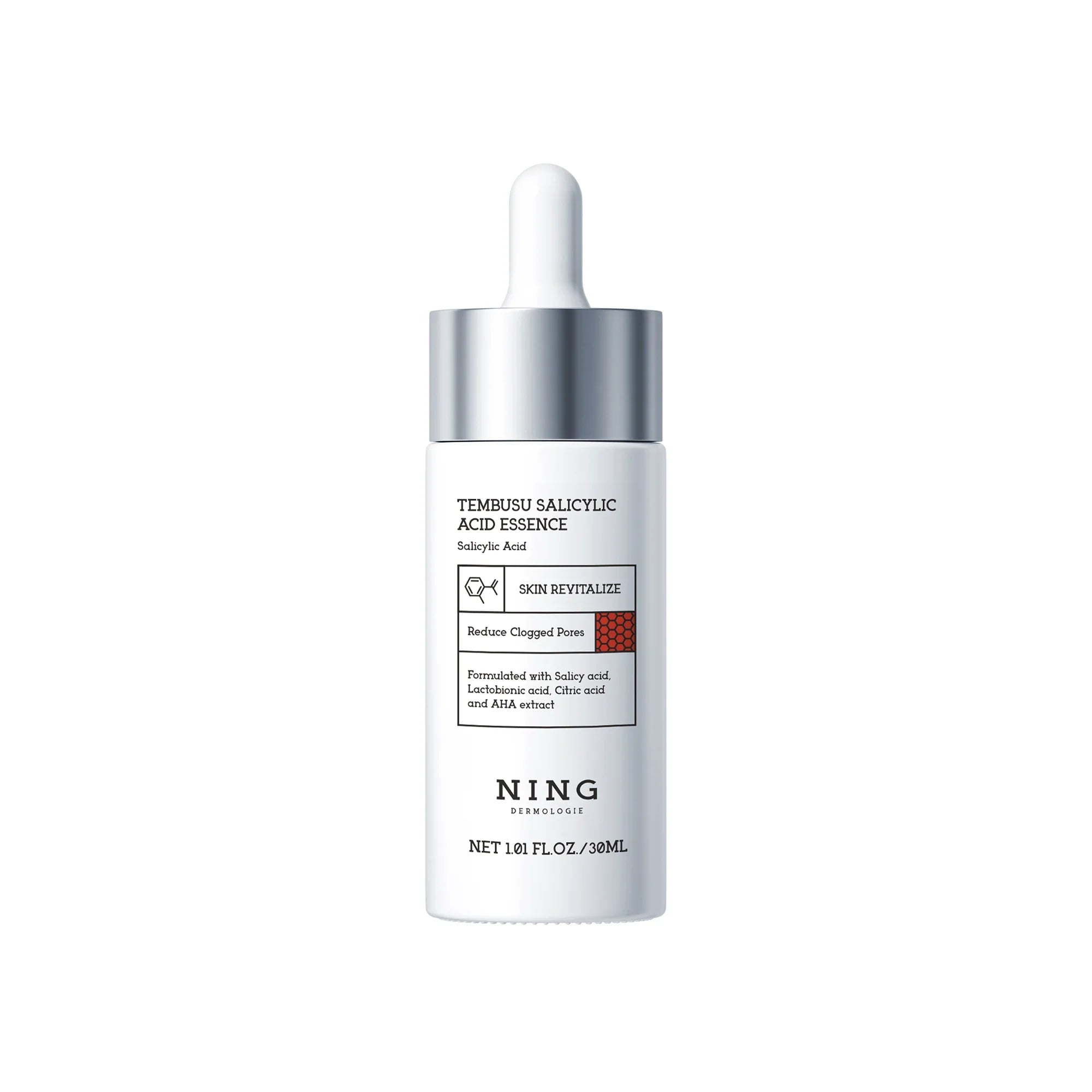
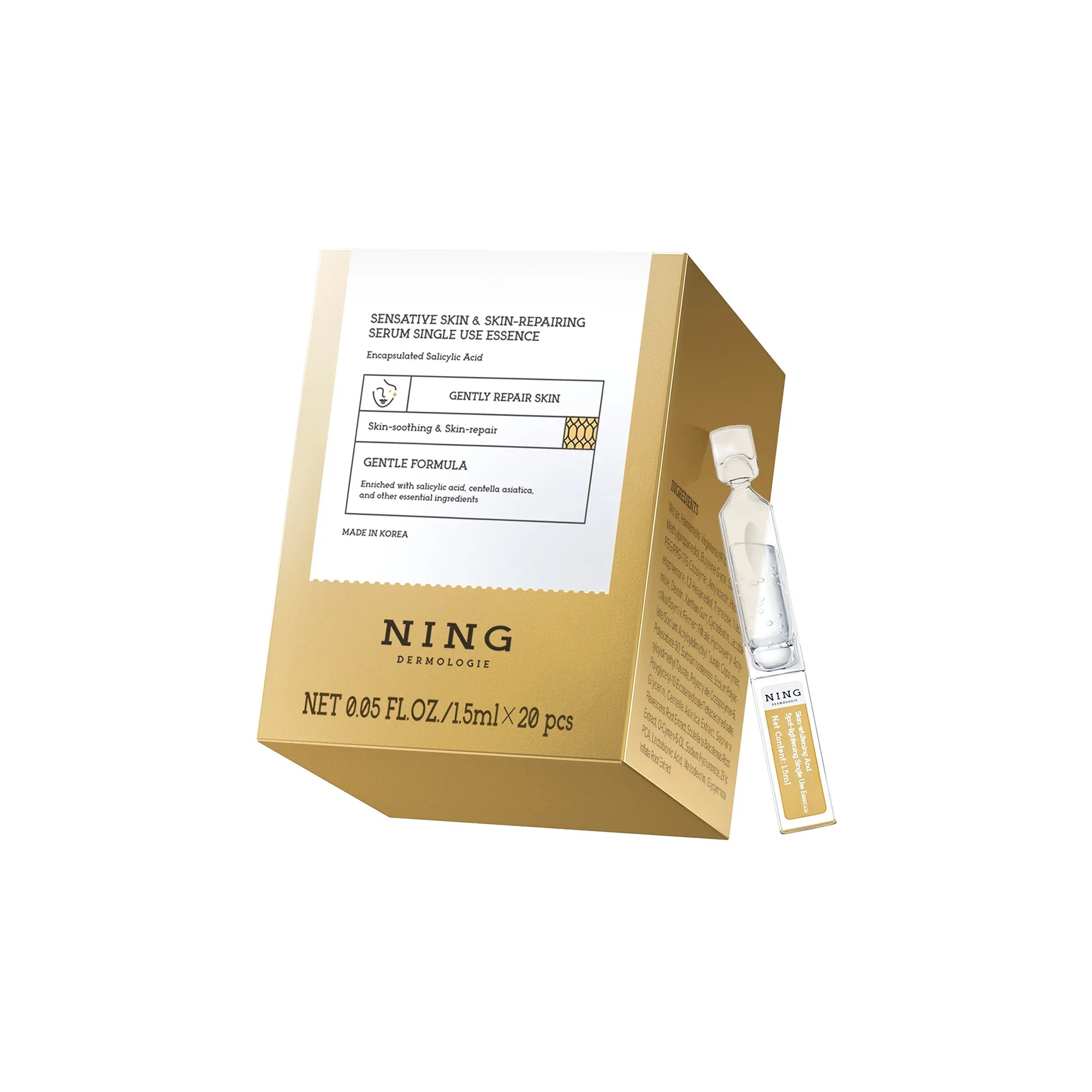
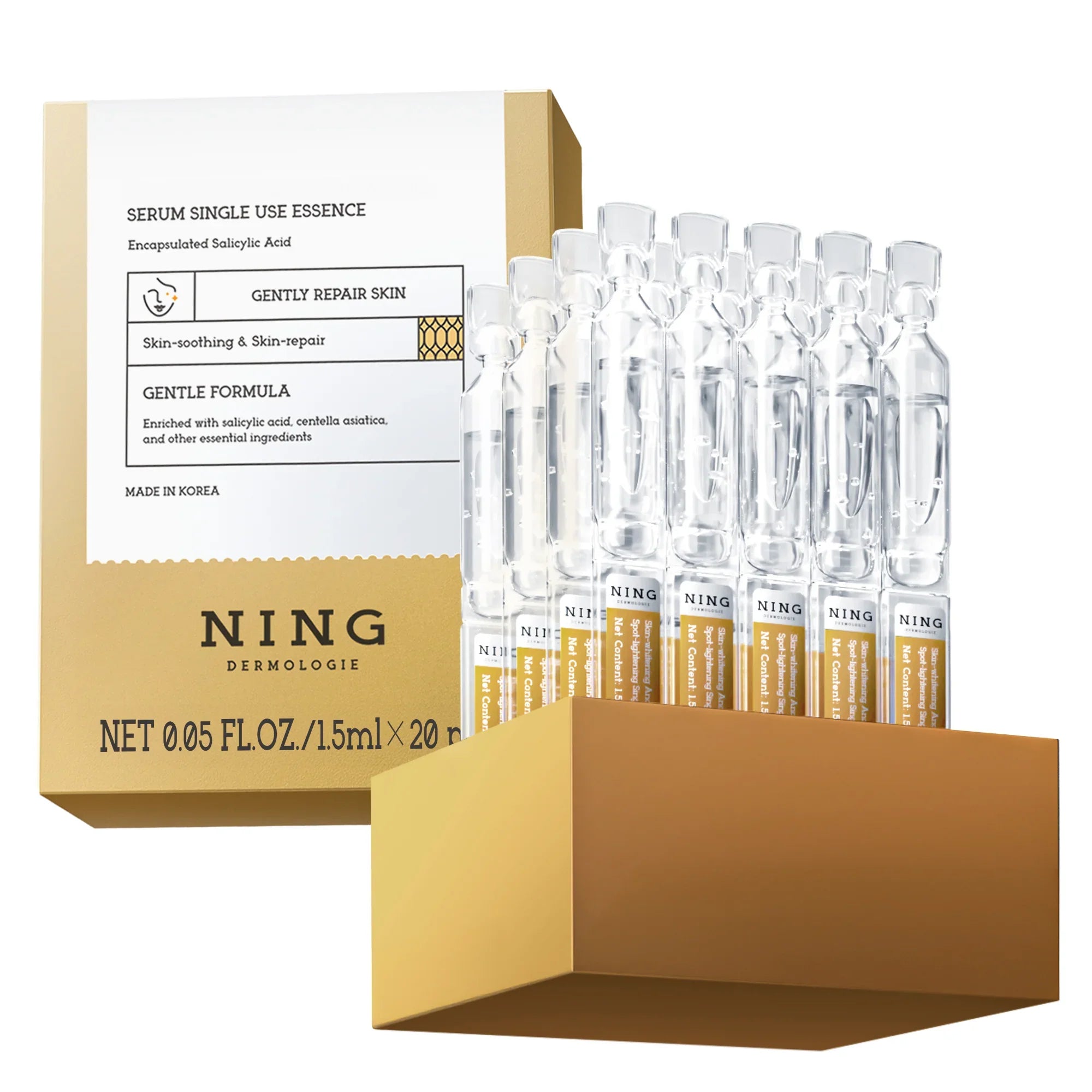
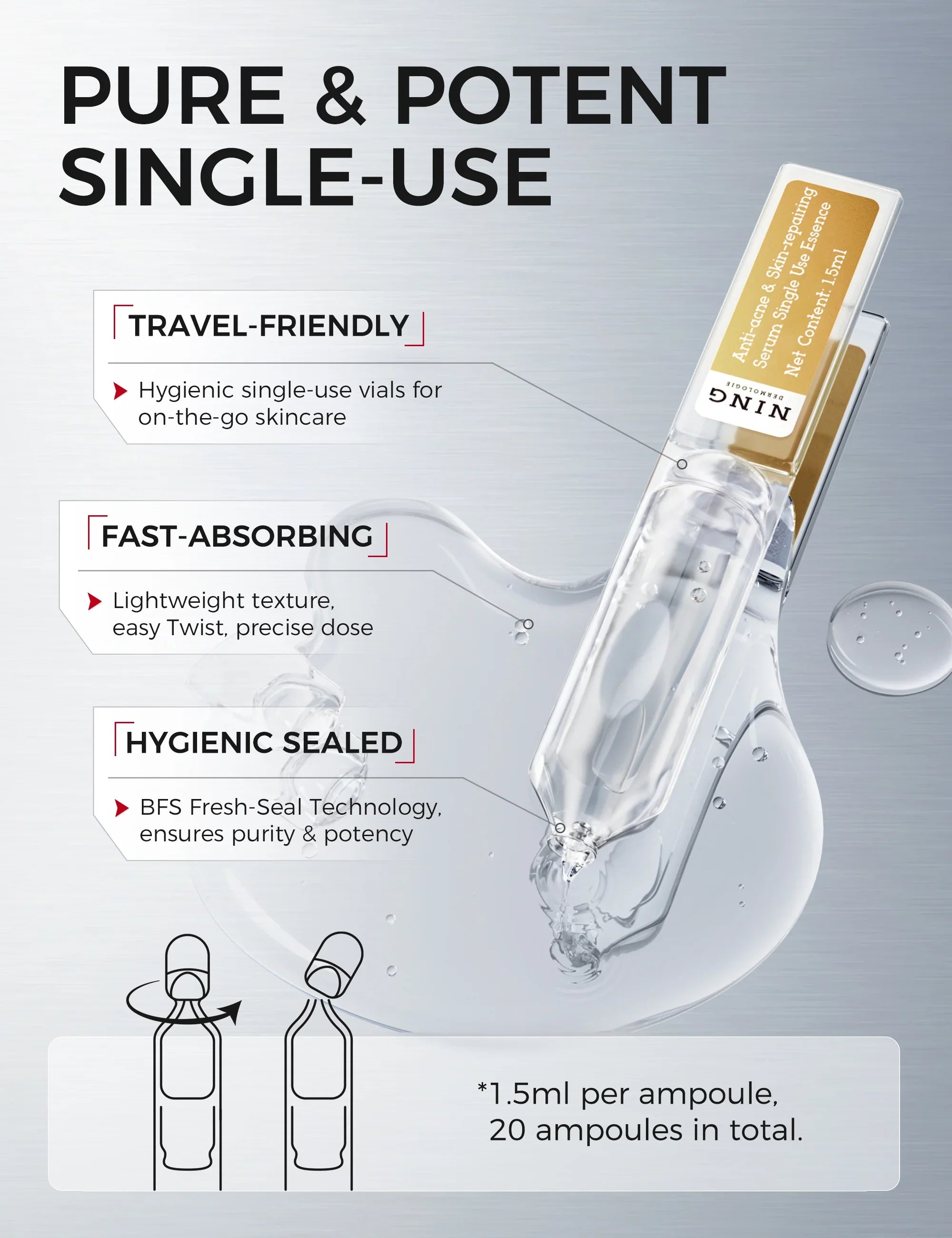
This is where the use of salicylic acid becomes non-negotiable. At NING Dermologie, we developed our 2% Salicylic Acid Serum specifically to address this. While a cleanser is great, it’s only on your skin for 60 seconds before being washed away. A serum stays on, giving the active ingredient time to exfoliate the skin from the inside out.
Benefits of Salicylic Acid: It’s Not Just for Teens
When people hear "treating acne," they often think of puberty. But salicylic acid helps with much more than just teenage spots. Here’s the breakdown of the benefits of salicylic acid for adult skin:
-
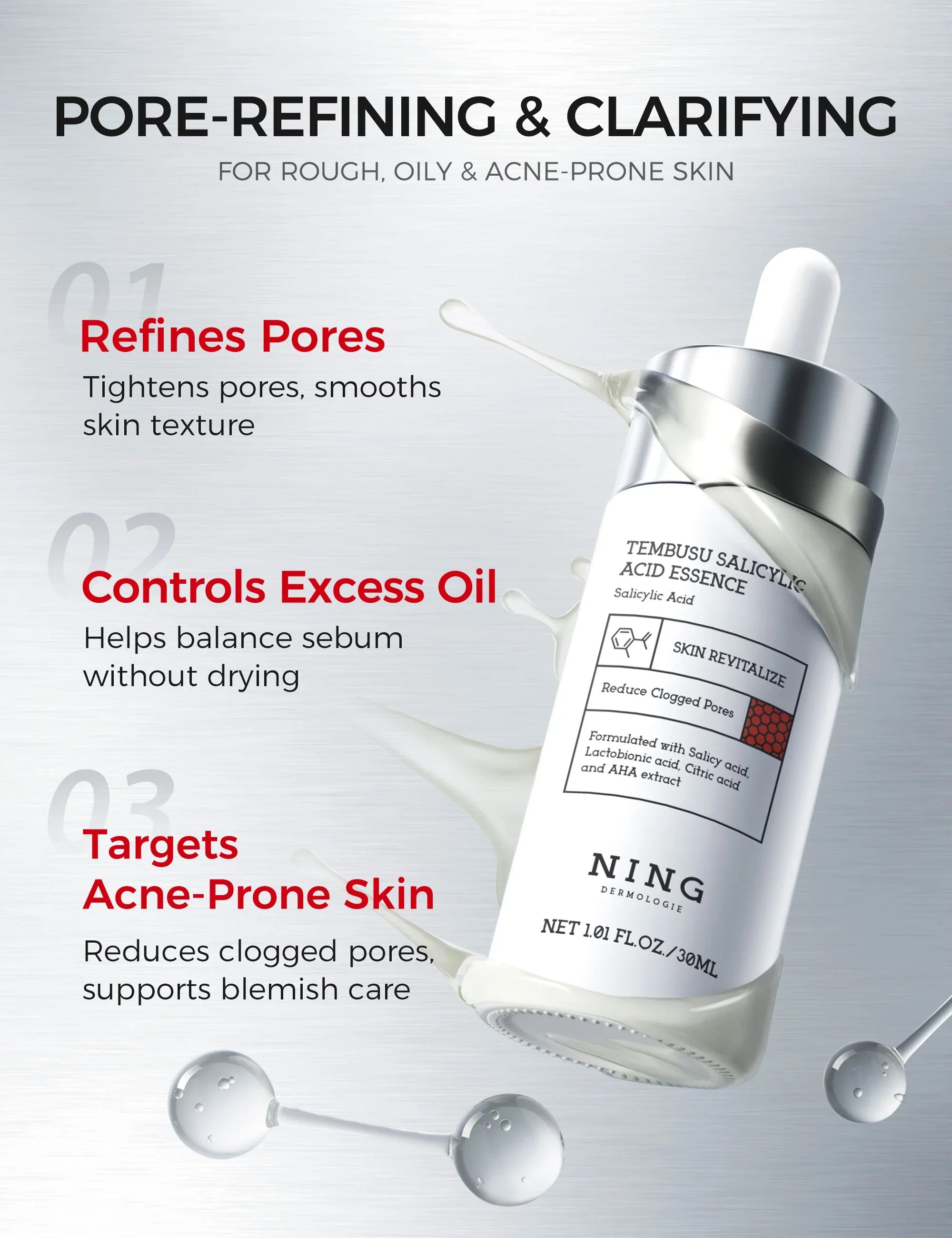
Refining Skin Texture and Tone: By constantly removing the "sludge" from your pores, you’re effectively shrinking their appearance. While you can't physically change your pore size, a clean pore looks significantly smaller than a clogged one.
-
Smoothing the Surface: This exfoliant action encourages cell turnover. This means you’re getting smoother skin faster, which can even help with the appearance of fine lines.
-
Brightening a Dull Complexion: Dead skin cells are grey and dull. When you exfoliate, you reveal the fresh, radiant skin underneath.
-
Anti-Inflammatory Properties: Because it’s chemically related to aspirin, salicylic acid actually helps soothe redness and irritation associated with angry, red bumps.
How to Incorporate Salicylic Acid into Your Skincare Routine Without "The Purge"
The biggest mistake we see? Going from zero to sixty. Someone buys a bottle of salicylic acid acne treatment, applies it twice a day, and then wonders why their skin barrier feels like it’s on fire.
If you want smoother skin, you have to let your skin adjust. Here is the NING Dermologie pro-tip for your skincare routine:
- Start Slow: Use the serum only two or three times a week.
- The "Every Other Day" Rule: Once you observe how your skin responds, you can move to every other day.
- Hydration is Key: Always follow up with a high-quality moisturizer. Look for ingredients like hyaluronic acid to plump the skin and counteract any dryness.
- Sunscreen is Mandatory: Any acid can make your skin more sensitive to the sun. If you’re using a BHA in the morning, you must wear SPF.
Salicylic Acid vs. The World: Layering and Combinations
One of the most frequent questions we get is: "Can I use salicylic acid and retinol together?"
The short answer: Proceed with caution. Both are powerful. If you have sensitive skin, using them in the same window can lead to extreme irritation. Instead, try "skin cycling." Use your 2% Salicylic Acid Serum on night one to exfoliate, and your retinol on night two. This gives your skin barrier a chance to recover.
Also, be careful with other exfoliating acids. If you’re already using a glycolic or lactic acid toner, adding a BHA serum on top might be overkill. You want a smoother skin texture, not a chemical burn. Listen to your skin—if it starts to feel tight, shiny (but not oily), or stings when you apply a basic moisturizer, back off for a few days.
Managing Your Skin Type: Dry, Oily, or Combination?
- Oily and Acne-Prone Skin: You are the primary candidate for a 2% concentration. Your skin can likely handle daily use once accustomed to the ingredient.
- Combination Skin: Focus the acid only on your T-zone (nose, forehead, chin). Don't waste product on your cheeks if they are already dry.
- Dry or Sensitive Skin: You might prefer a lower concentration or a cleanser format, which provides a "short-contact" therapy.
The NING Dermologie 2% Salicylic Acid Serum is formulated to be effective yet balanced. We know that acne isn't just about stripping the skin—it's about restoring balance. That’s why our formula focuses on the pore without destroying the complexion.
The Science of the "Purge"
When you first incorporate salicylic acid, you might notice more breakouts for a week or two. Don't panic. This is called "purging." Because the acid helps speed up cell turnover, it’s pushing all the "gunk" that was already deep in your pores to the surface all at once. If you stick with it, you’ll find that your skin texture and tone improve drastically once the initial debris is cleared.

Final Thoughts: Consistency is the Secret Ingredient
There is no such thing as an overnight miracle in skincare. To truly improve skin texture and keep clogged pores at bay, you need regular use. Salicylic acid is a marathon runner, not a sprinter.
By choosing a high-quality active ingredient and a reliable brand like NING Dermologie, you are taking the first step toward a complexion you don't feel the need to hide. Whether it’s clearing blackheads and whiteheads or just looking for that smoother skin glow, your journey starts with understanding the acid in your bottle.
Frequently Asked Questions (FAQ)
1. Can I use salicylic acid every day?
You can, but don’t rush into it. If your skin is exceptionally oily and already used to acids, daily use works wonders. But for most, 3 to 4 times a week is the "sweet spot." If your face starts feeling tight or looks suspiciously shiny (but dry to the touch), back off. There is no trophy for using it every day if it compromises your skin barrier.
2. Is 2% Salicylic Acid too strong for a beginner?
Honestly, 2% is where the real results happen. It’s strong enough to actually clear a pore but won't act like a professional chemical peel. If you’re a total newbie, just don't apply it every night right away. Use the NING Dermologie 2% Serum twice a week to start. Let your skin get its bearings, then slowly increase the frequency as you feel comfortable.
3. Does salicylic acid help with acne scars?
We have to manage expectations here: it won't fix deep, pitted "ice pick" scars—you’ll need a dermatologist for those. However, for those annoying red or brown marks left behind after a breakout? Yes. Because it speeds up cell turnover, it helps those surface stains fade much faster. It keeps your skin texture looking refined and prevents new scars by stopping new breakouts.
4. Can I use Vitamin C with my Salicylic Acid Serum?
I wouldn't layer them at the exact same time. Both are potent and "picky" about pH levels; mixing them can lead to an angry, red face. The smartest move is to use your Vitamin C in the morning to protect against the sun and pollution, then save your 2% Salicylic Acid Serum for your nighttime routine to do the heavy lifting.
5. Why is my skin still oily even after using BHA?
Sometimes, if you over-exfoliate, your skin compensates for the dryness by producing more oil. This is why a moisturizer is essential. Ensure you are using a balanced product like our 2% Salicylic Acid Serum and following up with hydration. If your skin feels hydrated, it won't feel the need to go into "overdrive" with sebum production, leading to a much smoother skin feel.





Share:
Essential Tips for Using Salicylic Acid Safely on Sensitive Skin
Exploring the Benefits of Salicylic Acid for Oily and Combination Skin