



What are the top-rated vitamin C serums for facial skin?
The hunt for the best vitamin c serum usually starts with a simple goal: you want your skin to look less tired, less spotty, and a lot more like those "glass skin" filters. But then you hit the wall of reality. You realize that pure vitamin c (specifically l-ascorbic acid) is notoriously temperamental. It oxidizes if you look at it wrong, it can smell like hot dog water, and if the pH isn't exactly right, it does absolutely nothing for your skin tone.
I’ve spent years digging through skincare formulations, and let me tell you: not all vitamin c products are created equal. Some are overpriced water; others are so potent they’ll make sensitive skin peel like a sunburn. This guide is about finding the best vitamin c for your specific face, whether you’re battling acne scars, fine lines, or just general dullness.

Why Every Dermatologist Is Obsessed With This Stuff
Before we get into the 6 best vitamin c serums, we need to talk about why this active ingredient is the gold standard in dermatology.
Topical vitamin c is a powerhouse antioxidant. In the simplest terms, it acts as a shield. Throughout the day, your skin is attacked by free radicals—unstable molecules triggered by UV rays and pollution that break down collagen. When you use vitamin c, you neutralize these molecules before they can cause signs of aging.
Beyond protection, vitamin c can help with:
- Collagen production: It’s essential for the enzymes that cross-link and strand collagen together. No VC, no bounce.
- Hyperpigmentation: It inhibits tyrosinase, the enzyme responsible for dark spots.
- Skin texture: Regular use brightens the skin and smooths out those tiny "micro-relief" irregularities.
The Heavy Hitters: 6 Best Vitamin C Serums Reviewed
Let’s look at the market leaders—the ones a board-certified dermatologist will usually mention—and see where they actually stand.
1. SkinCeuticals C E Ferulic: The Expensive Legend
Let’s address the elephant in the room. SkinCeuticals C E Ferulic is widely considered the gold standard of vitamin c. This antioxidant serum uses a very specific concentration (15% l-ascorbic acid) stabilized by vitamin e and ferulic acid.
The patent on this specific pH-and-concentration combo is why it costs a fortune. It’s a beast at reducing fine lines and protecting against environmental damage. However, it’s not for everyone. If you have oily skin, the vitamin e (lauric acid) can sometimes trigger breakouts. And yes, the smell is... distinct.
2. Obagi Professional-C Serum: The Deep Penetrator
Obagi is a brand that lives in the offices of dermatology pros. Their Professional-C Serum comes in different strengths (10%, 15%, and 20%). Unlike some vitamin c formulations that sit on the surface, this one is designed to protect the skin by absorbing incredibly fast. It’s a "no-frills" pure vitamin c hit. If you want results for acne scars and don't mind a bit of a tingle, this is a top-tier choice.
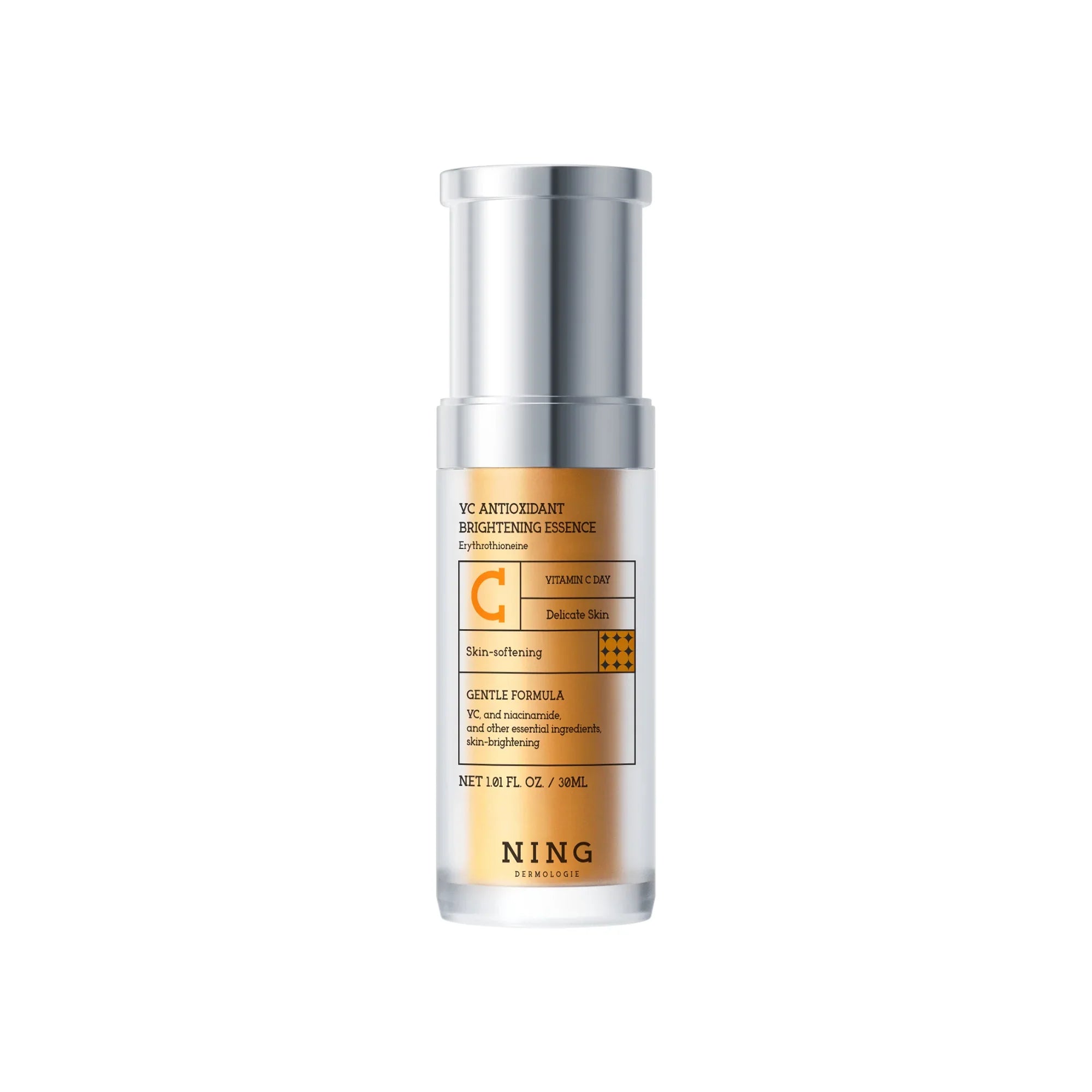
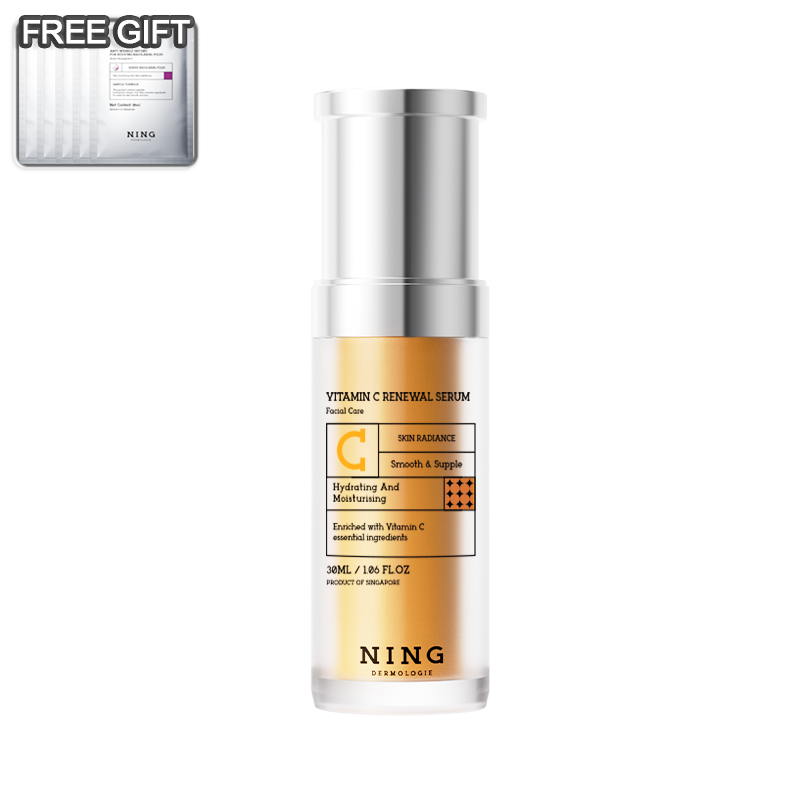
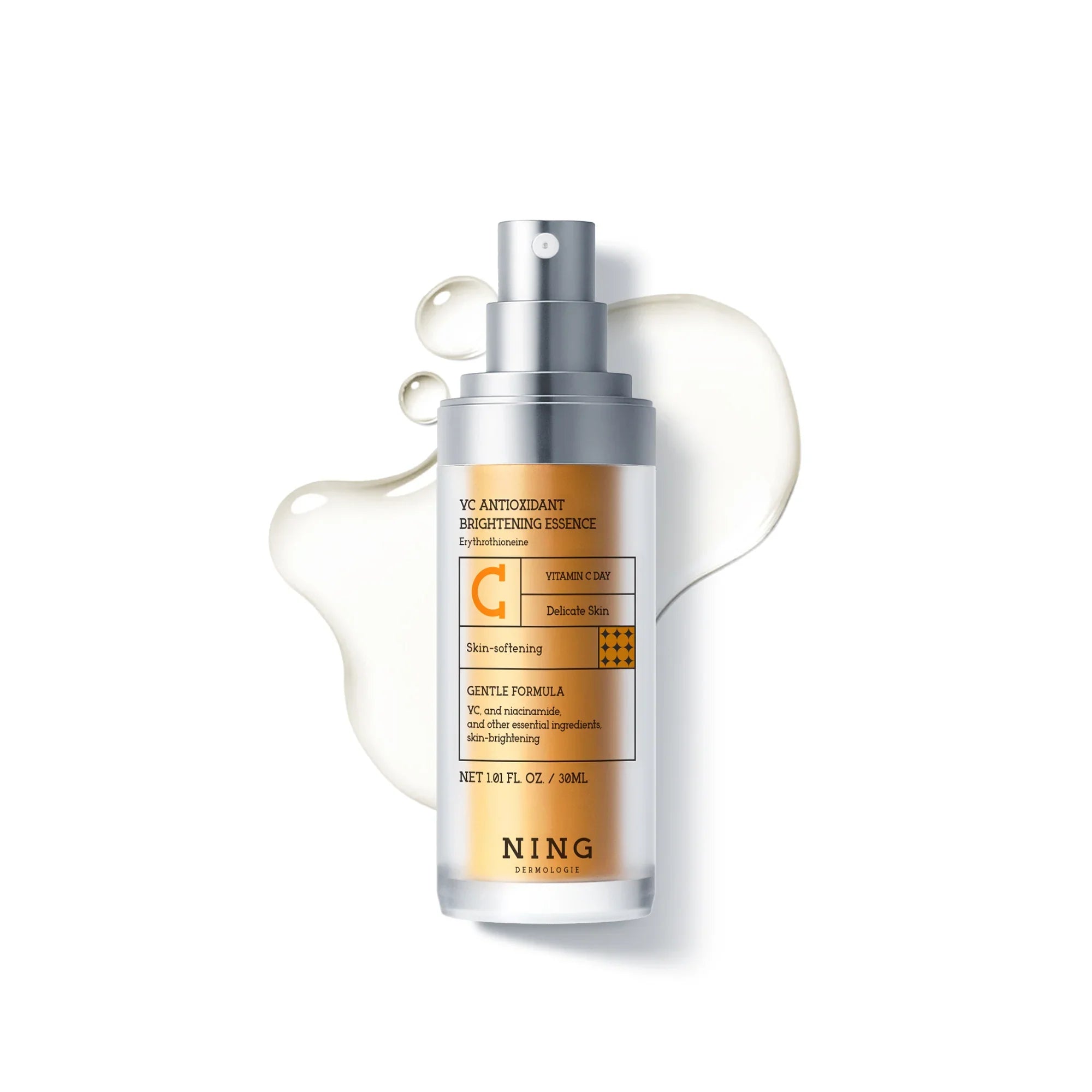
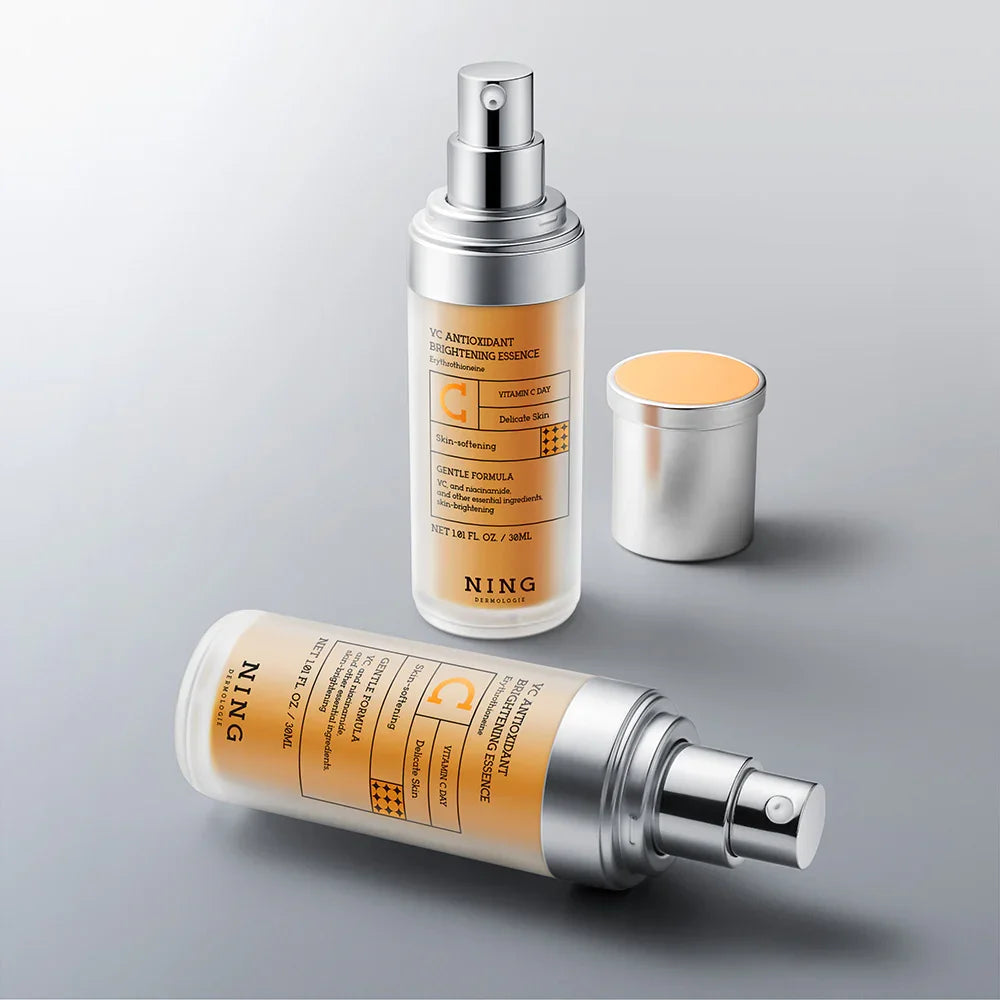
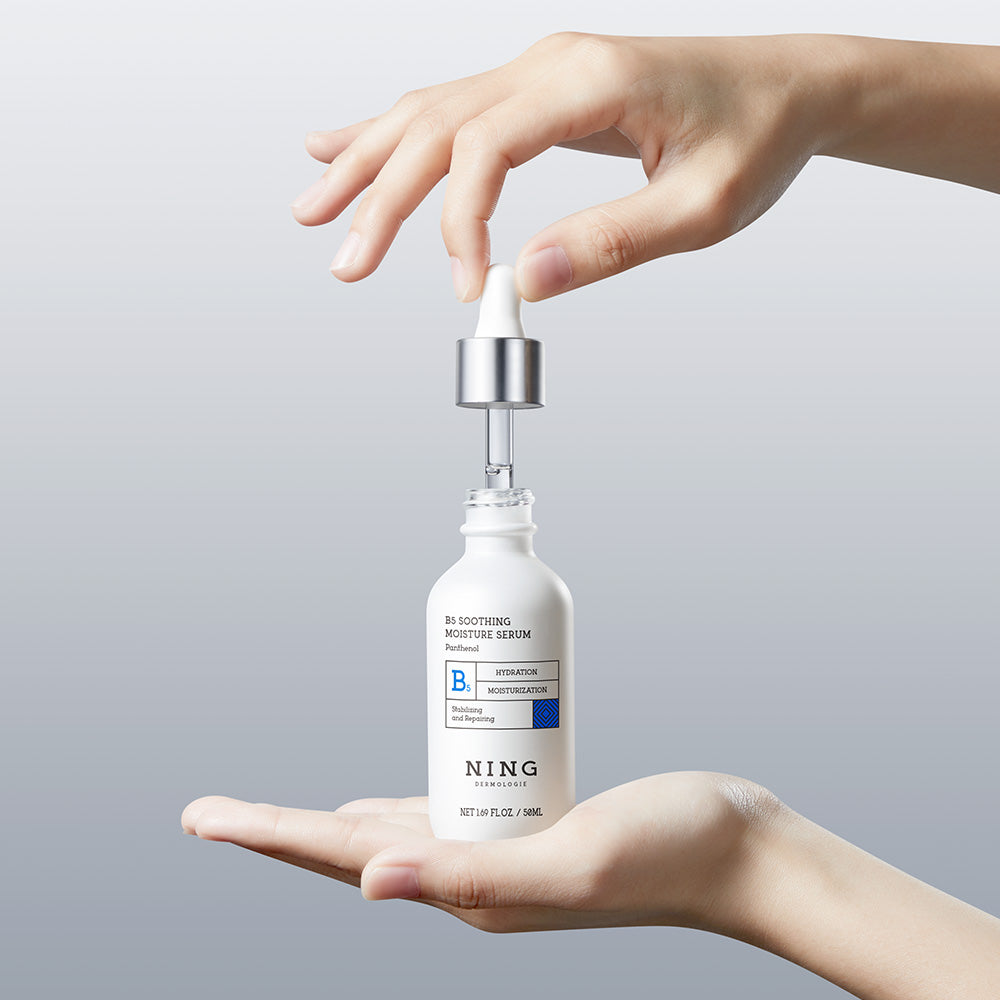
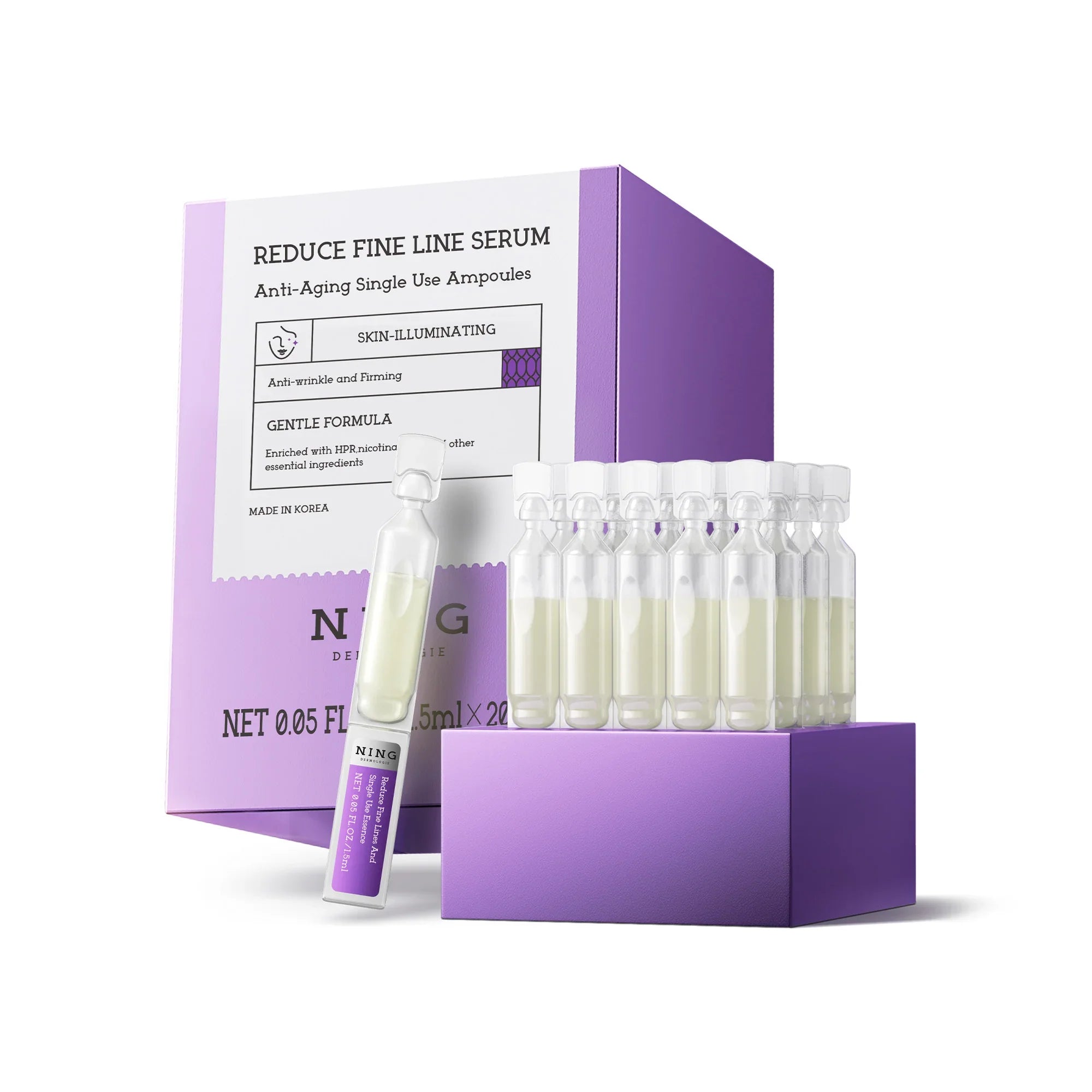
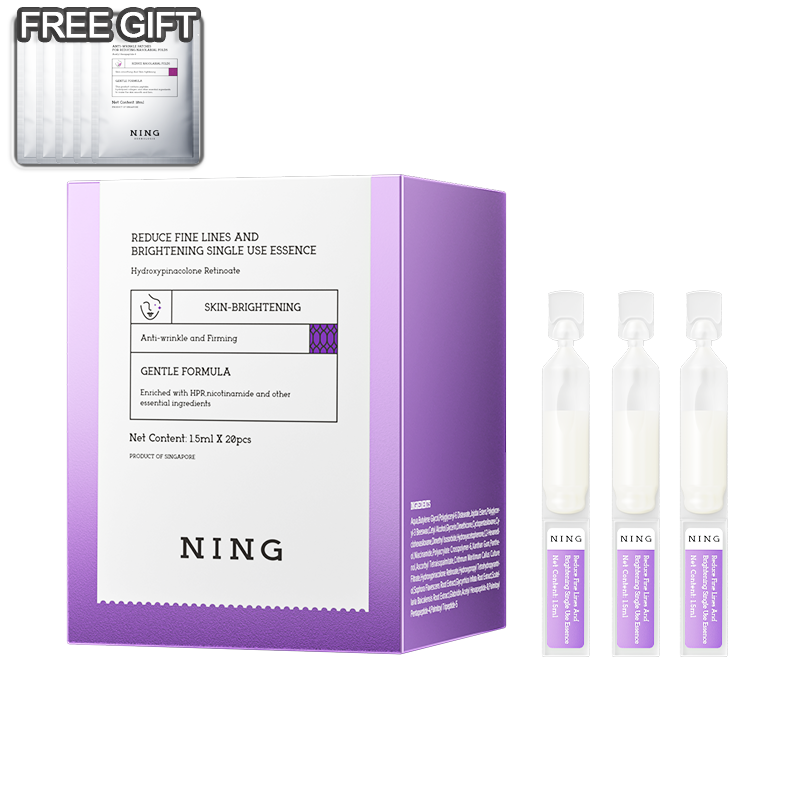
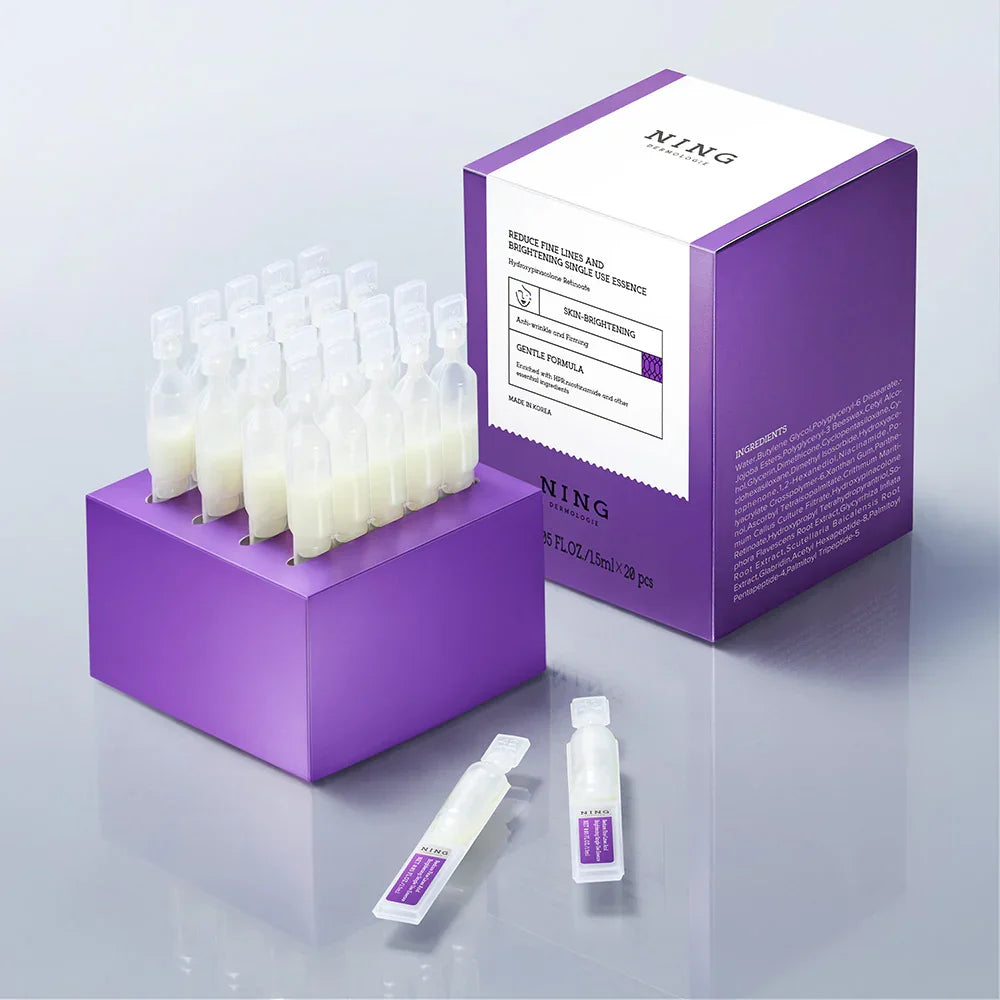
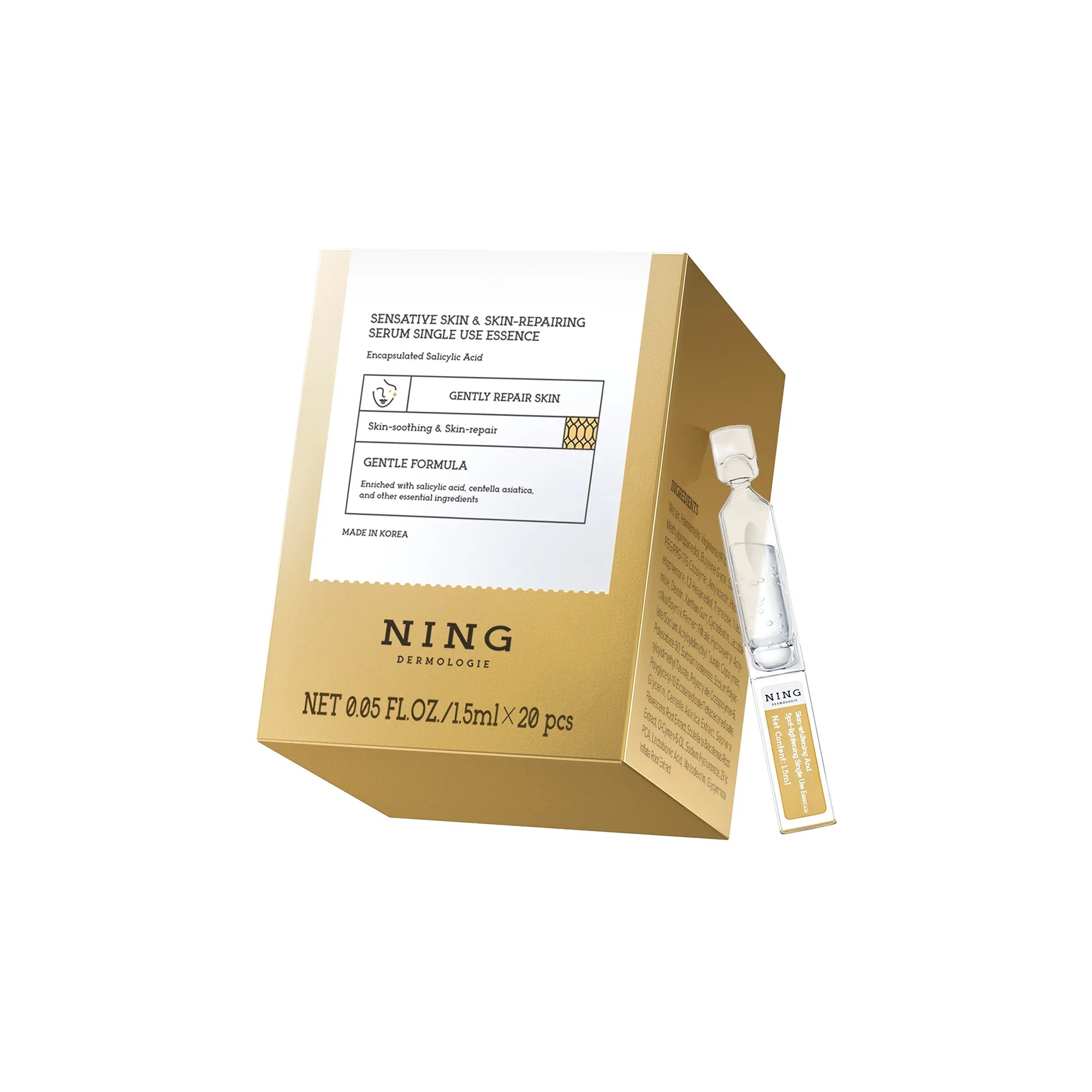
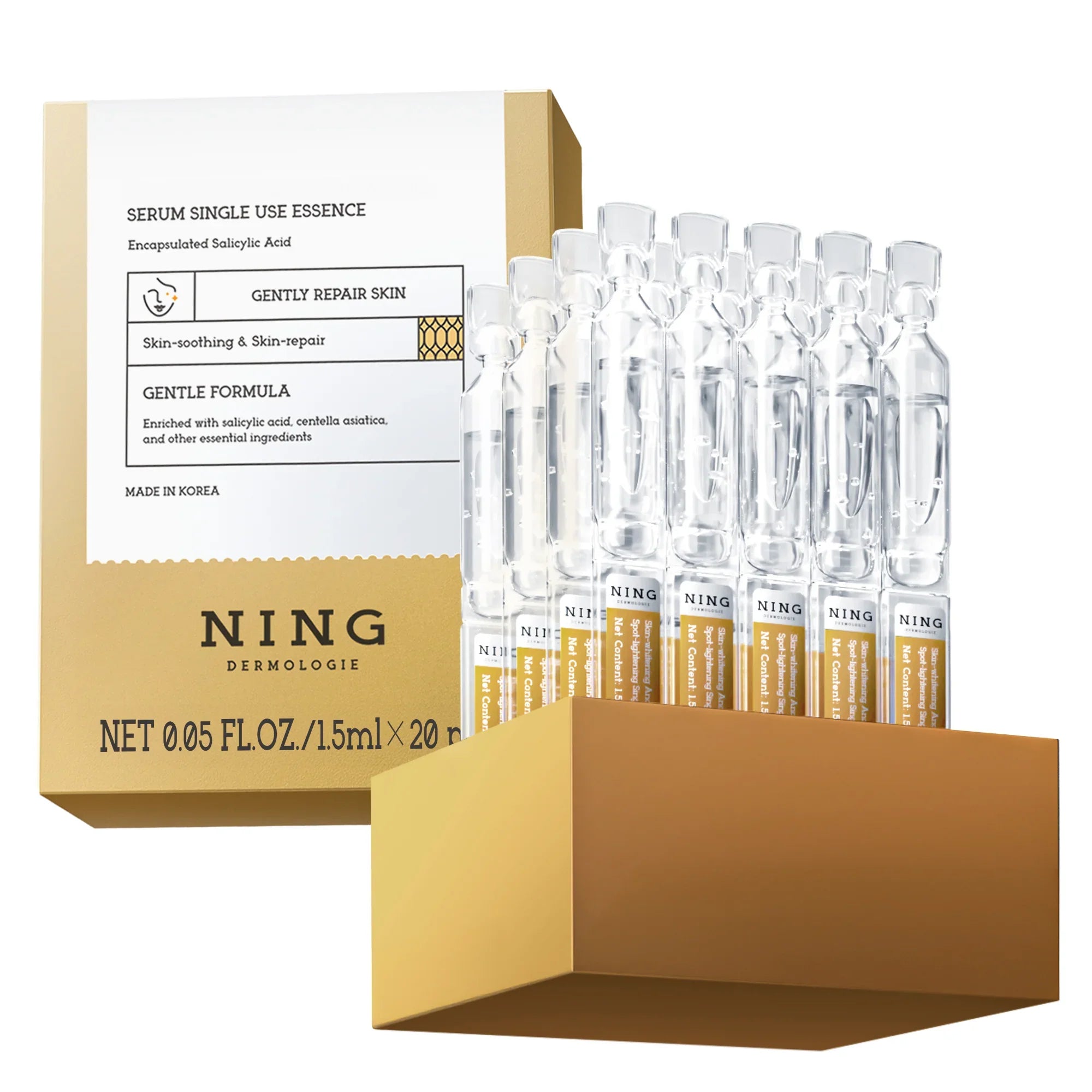
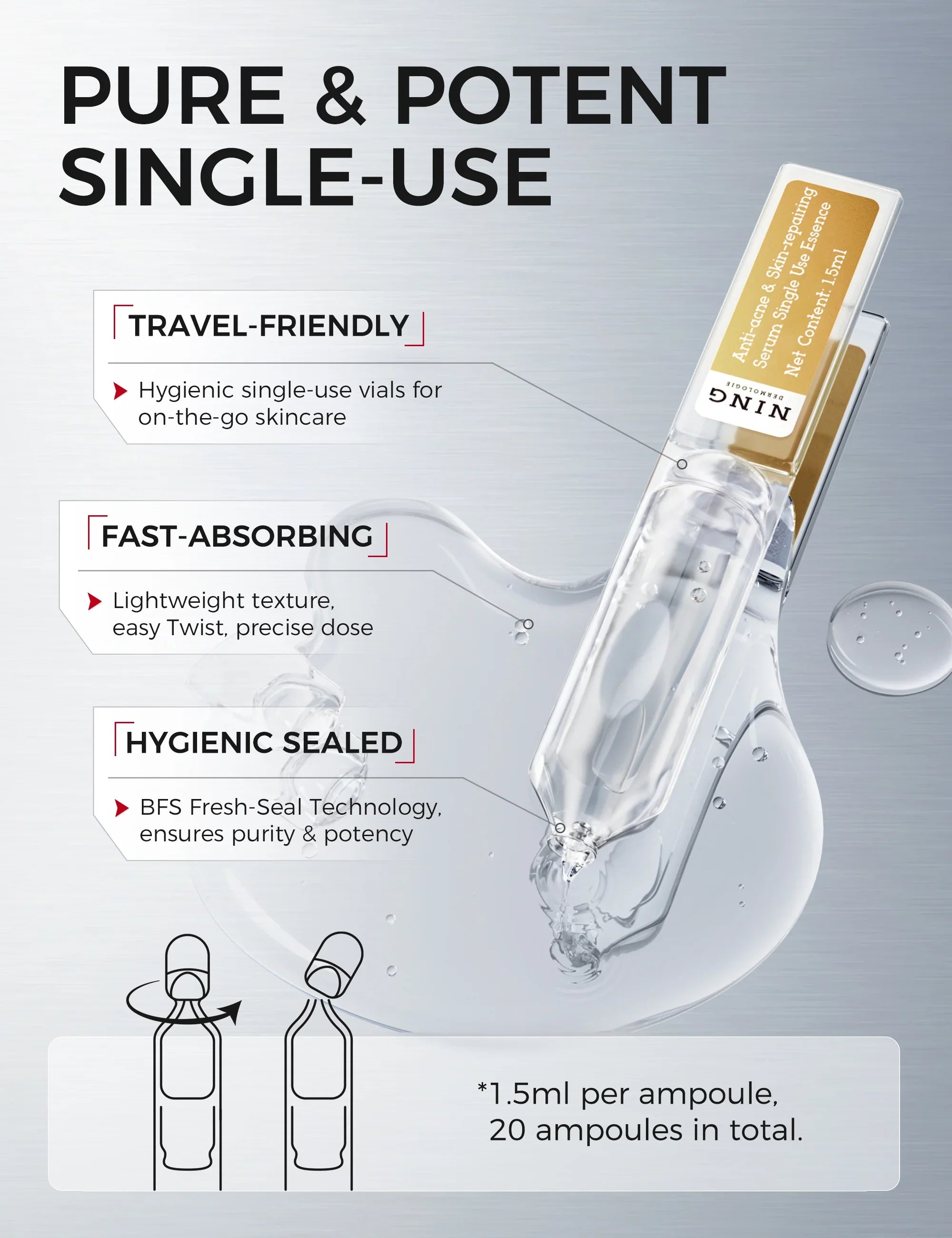
3. NING Dermologie: The Smart, Stable Evolution
Here is where the industry is moving. We developed the NING Dermologie Vitamin C Serum because we were tired of serums turning orange (oxidizing) before the bottle was half empty. We used a vitamin c derivative called 3-O-Ethyl Ascorbic Acid.
Why? Because it’s way more stable than ascorbic acid but still brightens skin effectively. We also added niacinamide to handle dark spots and hyaluronic acid to hydrate. It’s basically a skin-care product that doesn't force you to choose between "potency" and "irritation." If you have combination skin or struggle with acne, this is the balance you’ve been looking for.
- Check it out here: NING Dermologie Vitamin C Serum with Niacinamide
4. La Roche-Posay Vitamin C Serum: The Sensitive Choice
La Roche-Posay is the king of the pharmacy. Their vitamin c product uses 10% pure vitamin c but mixes it with salicylic acid and neurosensine. This makes it one of the few best vitamin c products that actually feels soothing. It leaves skin looking plump and radiant without the "burning" sensation common with high-acid serums.
5. Paula’s Choice C15 Super Booster: The Cult Classic
Paula’s Choice C15 Super Booster is often cited as the closest (and more affordable) rival to Skinceuticals. It uses the same l-ascorbic acid, vitamin e, and ferulic acid trio. It’s a very liquidy antioxidant serum that plays well under makeup. It’s great for even skin tone, but like all pure vitamin c liquids, you have to use it fast before it goes bad.
6. Naturium Vitamin C Complex Serum: The Value Play
The Naturium Vitamin C Complex Serum uses a blend of l-ascorbic acid and sodium ascorbyl phosphate. It’s a thicker, more face cream-like texture than the others. It’s a solid, entry-level vitamin c product that focuses on overall skin tone without breaking the bank.
Choosing Based on Your Skin Type
You can buy the most expensive best vitamin c serum in the world, but if it doesn’t match your skin type, you’re just wasting money.
Oily Skin and Acne-Prone Skin
For oily skin, avoid heavy oils. Look for sodium ascorbyl phosphate or magnesium ascorbyl phosphate. These derivatives are less likely to clog pores. In fact, some studies suggest sodium ascorbyl phosphate can help with acne by reducing sebum oxidation.
Sensitive Skin
If your skin feels tight or turns red easily, stay away from high-concentration l-ascorbic acid (15%+). Start with a 5% or 10% concentration or a buffered vitamin c derivative. La Roche-Posay Vitamin C or our NING Dermologie formula are designed to brighten the skin without the drama.
Combination Skin
Combination skin is the "Goldilocks" challenge. You need enough hydration for the dry spots but a lightweight antioxidant serum for the T-zone. A serum combines vitamin c with hyaluronic acid is usually the sweet spot here.
How to Use Vitamin C Serum (And Mistakes to Avoid)
If you’re going to use vitamin c serum, do it right. Applying it the wrong way is the #1 reason people think it "doesn't work."
-
Morning After Cleansing and Toning: This is non-negotiable. You want the antioxidant protection before you go out and face the sun and pollution.
-
Wait for it to Sink In: Give it 60 seconds. Let the active ingredient actually neutralize something before you slather on your moisturizer and sunscreen.
-
The Sunscreen Rule: Vitamin c is not a replacement for sunscreen. In fact, they are best friends. The serum fights the free radicals that get past your SPF.
-
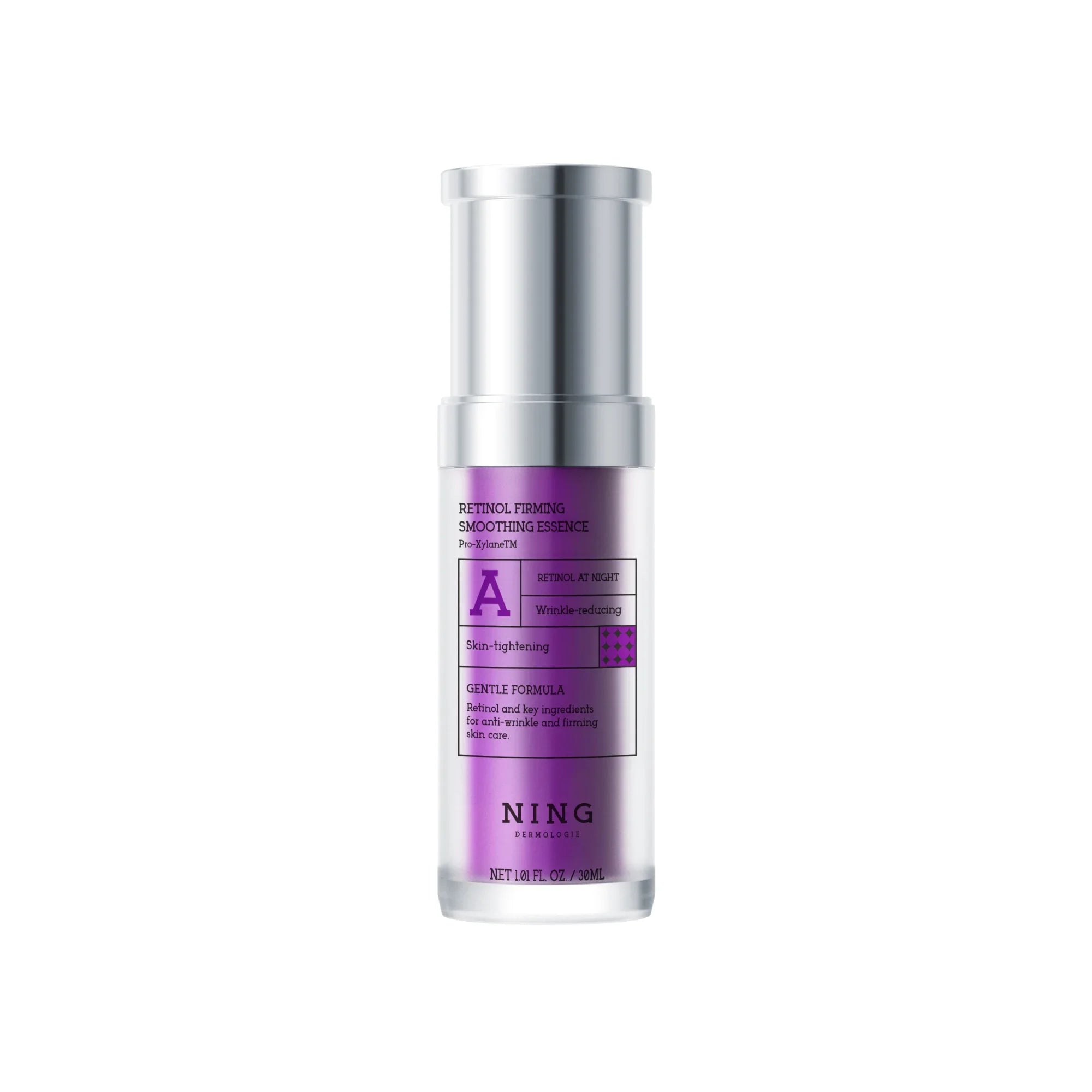
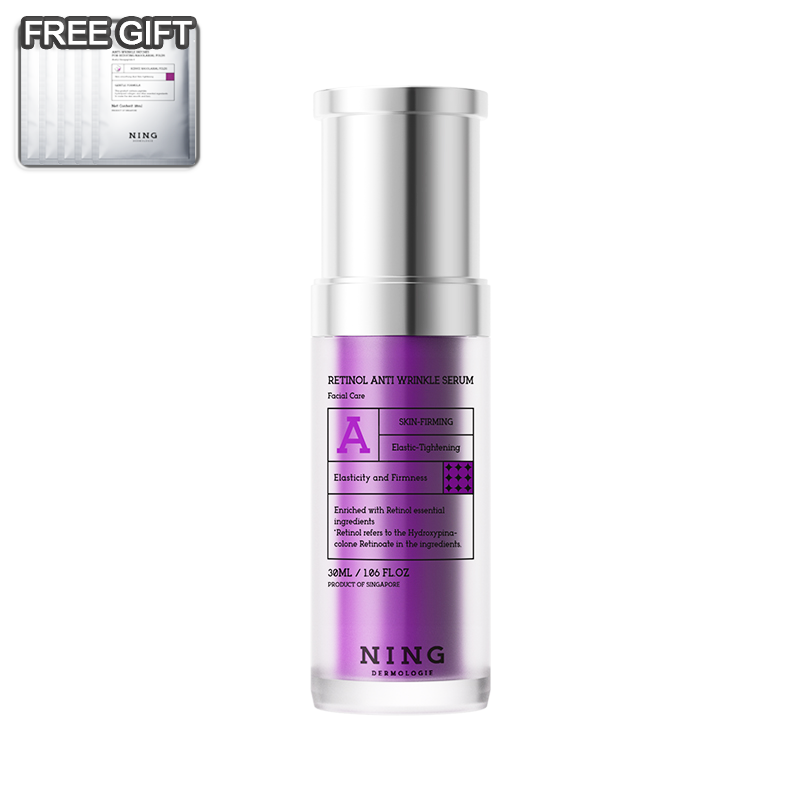
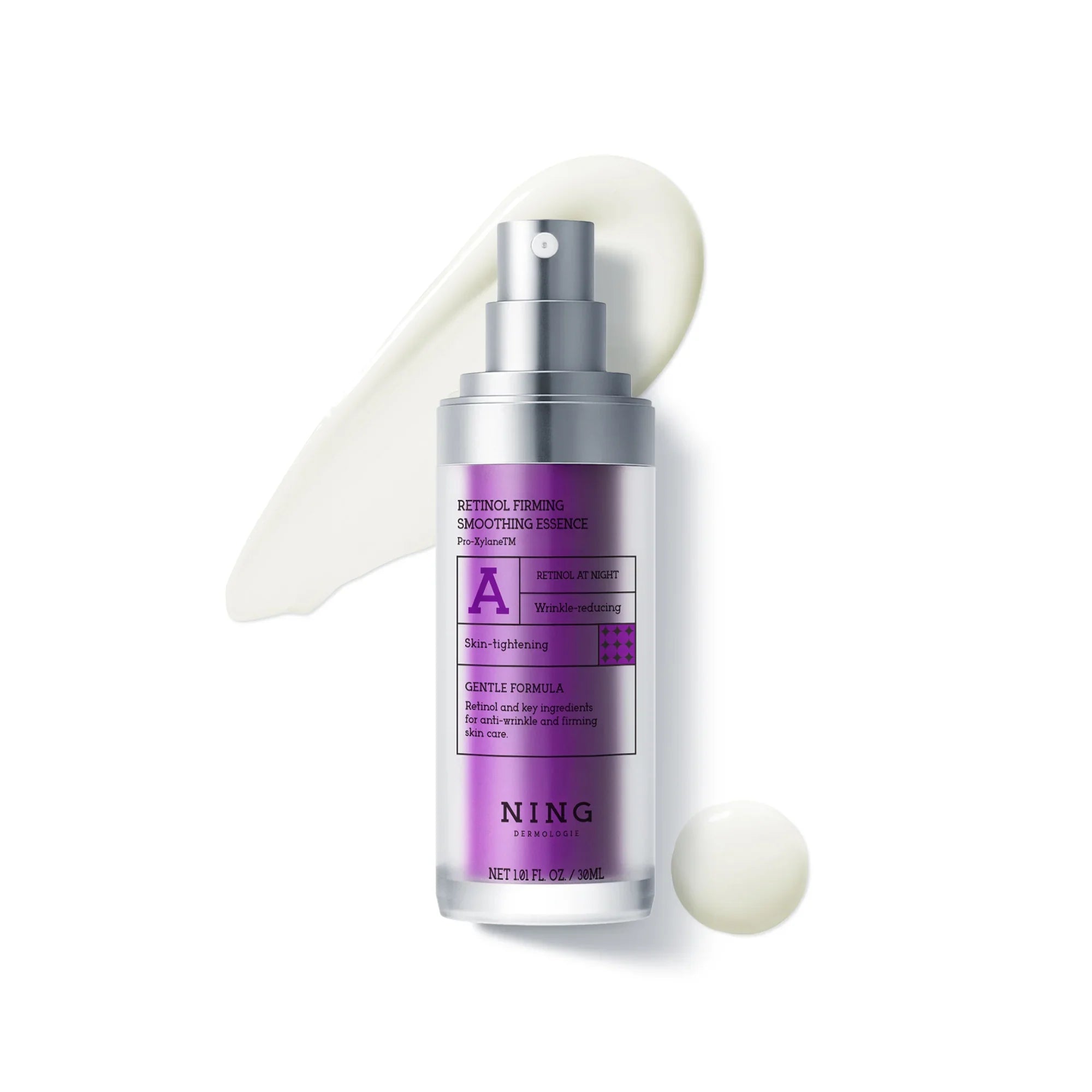
Don't Mix with Retinol: Never apply retinol and vitamin c at the same time. The pH levels clash. Use VC in the morning and retinol at night.
-
Storage Matters: If your pure vitamin c serum turns the color of a pumpkin, throw it away. It has oxidized and can actually cause more oxidative stress on your skin.

Real Talk: What to Expect Long-Term
Don't expect to wake up with a new face after one night. Skincare is a marathon.
- Weeks 1-2: You might notice a slight "glow" or better hydration if your serum contains hyaluronic acid.
- Weeks 4-6: You’ll start to see dark spots and acne scars fading. Skin looks more uniform.
- Month 3+: This is where the collagen production kicks in. Fine lines appear softer, and the skin feels firmer.
NING Dermologie focuses on this long-term health. By combining vitamin c with hyaluronic acid and niacinamide, we target the appearance of fine lines and moisture loss simultaneously. Our goal isn't just a temporary "brighten," but a fundamental change in how your skin feels and resists aging.
Frequently Asked Questions (FAQ)
Can I use Vitamin C serum if I have active acne?
Yes, absolutely. In fact, certain forms of vitamin C, like Sodium Ascorbyl Phosphate, have antimicrobial properties that can help calm inflammation. Vitamin C is also essential for healing the acne scars and red marks left behind after a breakout. However, if you are using strong prescription acne meds, always check with your dermatologist first to ensure you don't over-irritate your skin barrier.
Why does my Vitamin C serum smell like metallic pennies?
That distinct scent—often compared to "hot dog water"—is usually a result of the combination of l-ascorbic acid and ferulic acid. While it's not pleasant, it doesn't mean the product is bad. However, if the smell changes suddenly and the liquid turns a dark amber color, the serum has oxidized. At that point, the antioxidant properties are gone, and it’s time to replace the bottle.
Is a higher concentration always better?
Not necessarily. While a 20% concentration might seem "stronger," the skin can only absorb so much. Anything over 20% often causes significant irritation without providing extra benefits. For most people, 10% to 15% is the "sweet spot" for seeing results in skin tone and collagen support without damaging the skin's protective barrier or causing unnecessary redness and peeling.
Can I use Vitamin C under my eyes?
You can, but proceed with caution. The skin under your eyes is much thinner and more sensitive than the rest of your face. If you’re using a high-strength l-ascorbic acid serum, it might be too harsh. It’s better to use a serum specifically formulated for the eye area or a gentler vitamin c derivative product like NING Dermologie, which provides the antioxidant boost without causing dryness or stinging.
Should I store my Vitamin C serum in the fridge?
While not strictly required, keeping your pure vitamin c in the fridge can significantly extend its shelf life. Cold temperatures slow down the oxidation process. If you find your serums always turn brown before you finish them, the fridge is a great solution. Just make sure the cap is screwed on tight to prevent any moisture or air from leaking into the formulation.





Share:
Salicylic Acid Skincare Innovations: The New Frontier in Acne Treatment
Find exfoliating face wash options with exfoliating beads made from natural sources.