


Finding a good Exfoliating Face Wash that doesn't come in a thick plastic tube destined for a landfill shouldn't be this hard. We’ve all been there: you want to clear away dead skin cells and improve your skin texture, but you don’t want your skin care routine to contribute to the Pacific Garbage Patch.
The good news? The market is finally catching up. We are seeing a massive shift toward sustainable packaging, including aluminum bottles, glass packaging, and refillable packaging.
If you’re tired of "greenwashed" labels and want to know exactly where to put your money, here is a breakdown of where to buy, what to look for, and which brands are actually doing the work.

The Big Question: What Counts as "Sustainable" in 2026?
Before we list the shops, let’s be clear about what we’re looking for. "Eco-friendly" is a buzzword. "Sustainable" requires proof. When you're hunting for a face wash, look for these specific packaging types:
- Aluminum alloy tubes or bottles: Aluminum is infinitely recyclable. Unlike plastic, it doesn't lose quality when processed.
- Glass bottles: Heavy, but great for a refill system. Just be careful in the shower!
- Recyclable paperboard box: Ideally Palm Oil Free and printed with soy-based inks.
- Solid face wash: Think face soap bars or a solid serum bar. No water means no plastic bottle.
- Refillable metal containers: You buy the bottle once and get pouches or pods later.
1. Direct from the Innovators: NING Dermologie
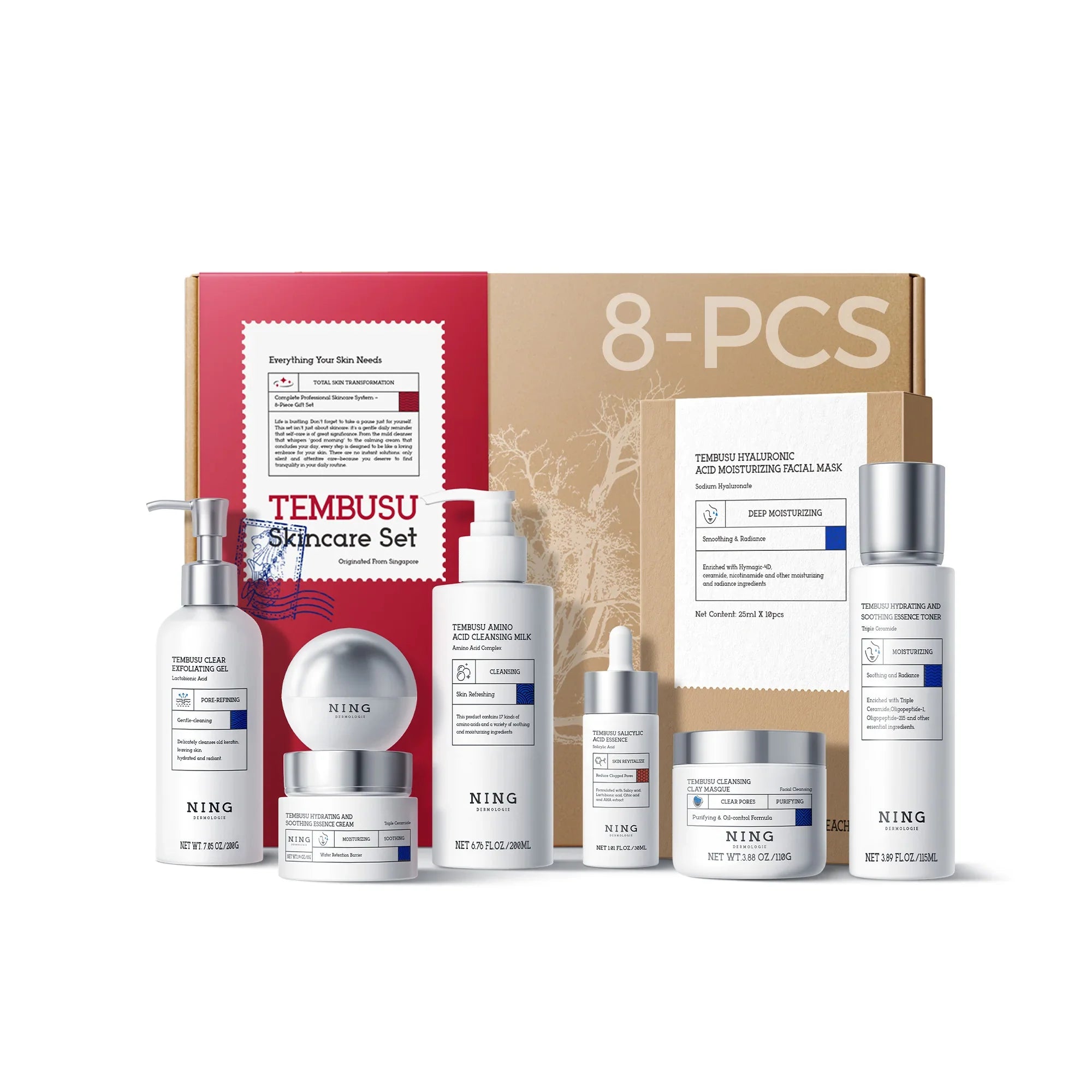
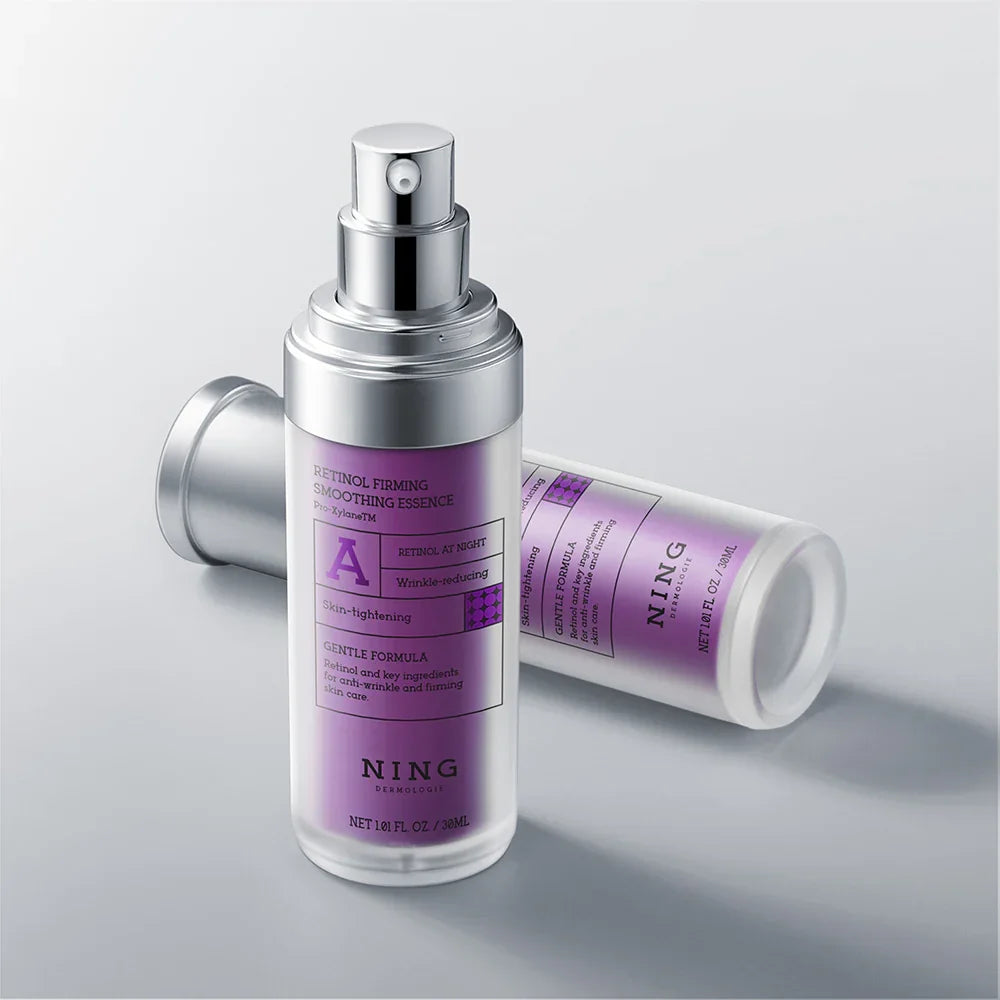
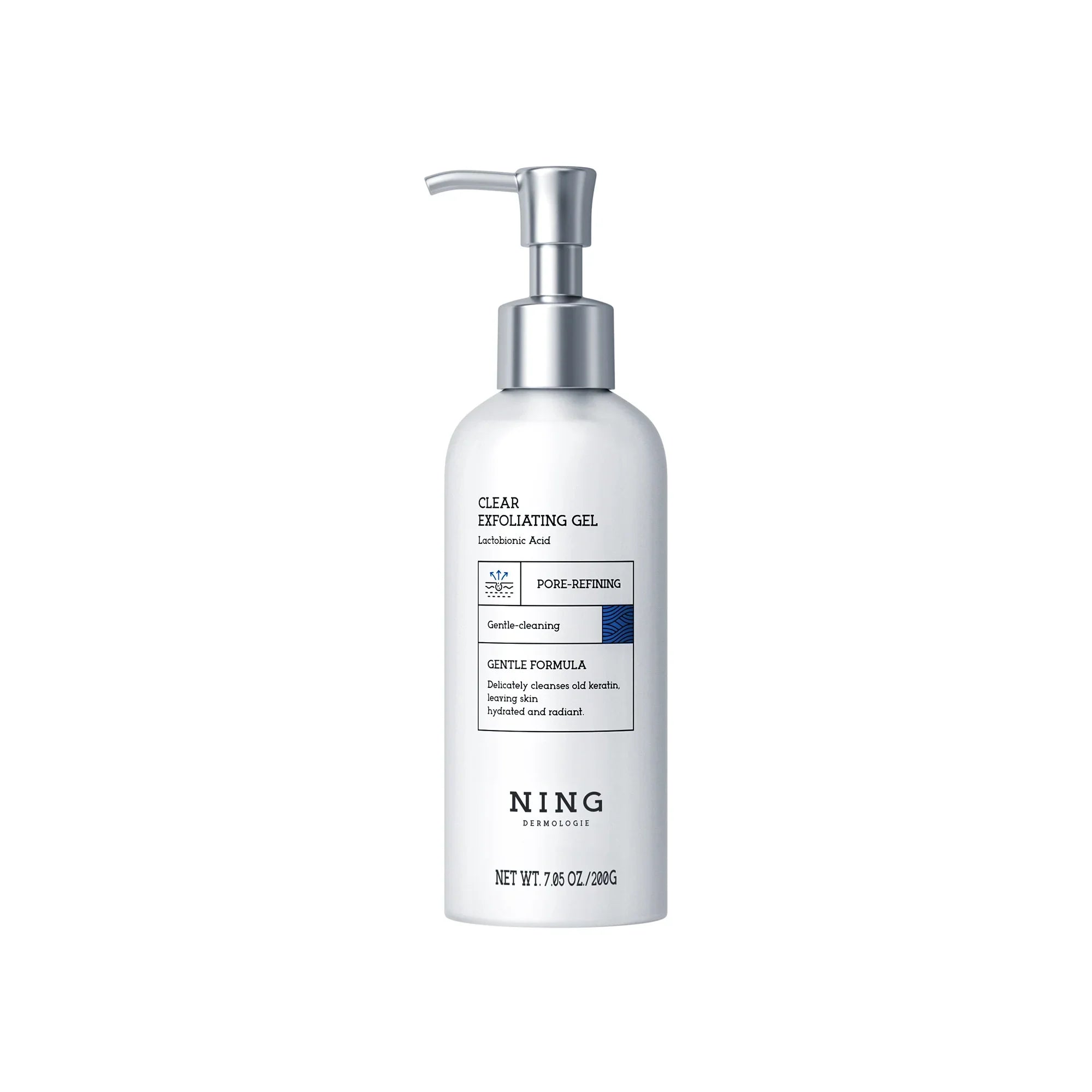
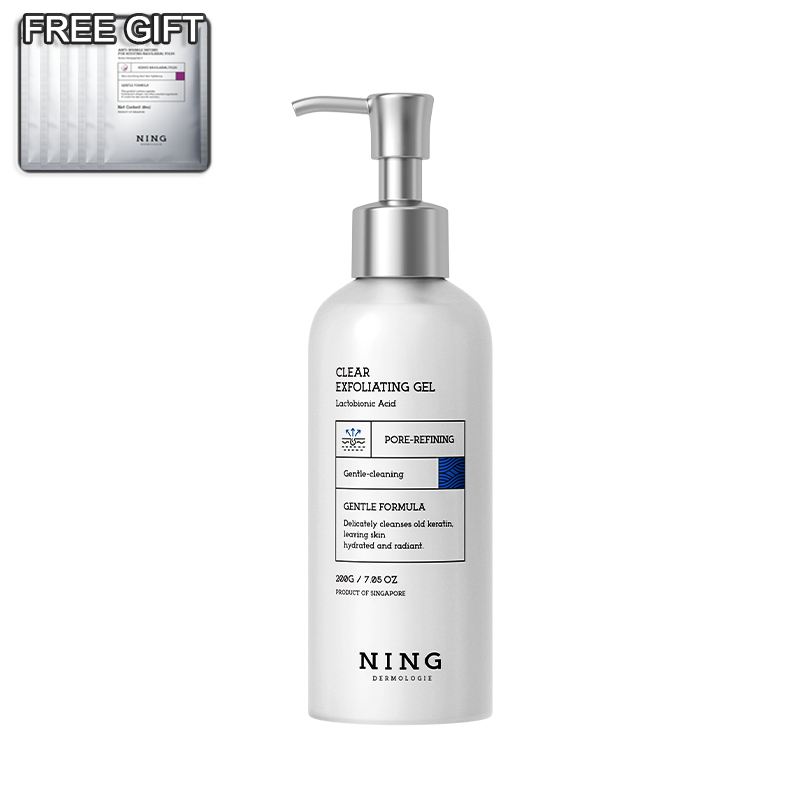
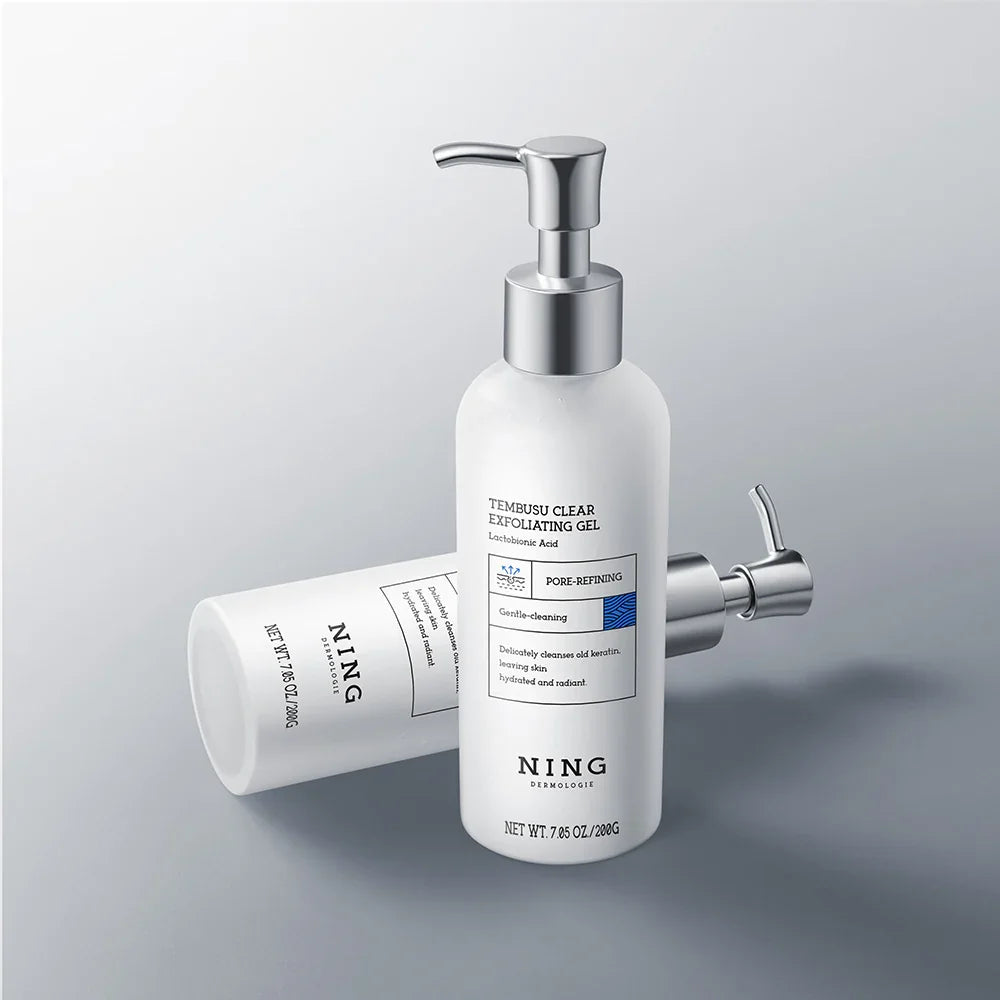
If you are looking for a high-performance exfoliating cleanser that bridges the gap between clinical results and Earth-first ethics, NING Dermologie is a standout.
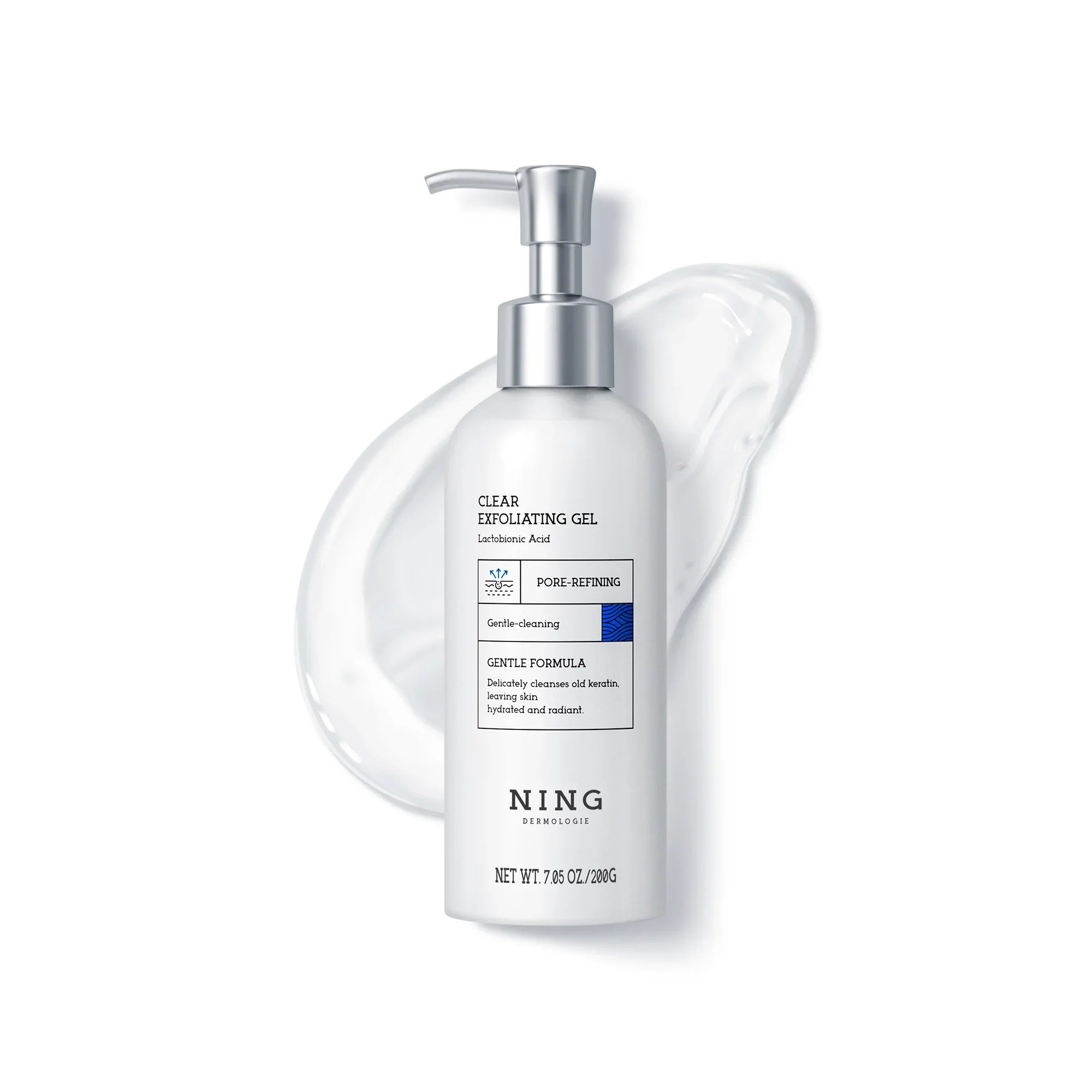
Their Peeling Gel for Face (Exfoliating Face Wash) is a prime example of how cosmetic packaging is evolving. Instead of a standard plastic squeeze bottle, they utilize an aluminum alloy tube. It’s durable, chic, and most importantly, it actually gets recycled.
This isn’t just about the tube, though. The formula is a pH-balanced gel designed for combination skin and oily skin. It uses natural ingredients to lift away dead skin cells without the harshness of plastic microbeads (which are a big no-no). By clearing the pores, it helps with oil production and encourages collagen production, leaving you with a brightening facial cleanser effect that feels high-end.
2. Specialized Eco-Marketplaces
If you want to browse multiple brands at once, skip the big-box retailers and head to these curated shops. They vet everything for eco-friendly ingredients and carbon-neutral shipping.
EarthHero
Think of this as the sustainable version of Amazon. They have a strict "No Plastic" filter. You can find everything from powdered face wash to oil-based facial cleansers. They often carry brands like The Earthling Co. and Ethique.
Package Free Shop
Founded on the zero waste face wash movement, this shop is great if you want plastic-free face cleansers. They prioritize recyclable cardboard boxes and glass packaging. It’s a great place to find a solid face wash that looks like a regular bar of soap but performs like a high-end face wash powder.
3. Brand Deep Dives: Who to Trust?
When you’re looking for a Clarifying cleanser or a Gentle Exfoliating Face Wash, these brands are leading the charge in sustainable skincare.
Activist Skincare
They are famous for their refill scheme. You buy a beautiful glass bottle once, and they ship you refills in small pouches that use significantly less plastic. Their cleansing oil and seaweed-based cleanser are favorites for those with sensitive skin who still need to manage oil production.
Earth Harbor
If you like a "beach vibes" aesthetic with serious science, Earth Harbor uses glass packaging for almost everything. Their Ocean Cleansing Mudd is a mineral marine cleanser that works wonders for oily skin. It feels like a prebiotic cleanser that balances the skin while the natural exfoliator elements (like jojoba beads) smooth things out.
Ethique
The queens of the exfoliating cleanser bar. If you want to go completely plastic-free, their solid face washes are the gold standard. They are vegan & cruelty-free, Palm Oil Free, and come in recyclable paperboard.
4. Identifying the Right Ingredients for Your Skin Type
Eco-friendly packaging is great, but the stuff inside has to work. You don't want to buy a refillable metal container filled with something that breaks you out.
For Oily and Acne-Prone Skin
Look for Salicylic Acid and witch hazel. These help dissolve the "glue" holding dead skin cells together. A Clarifying Facial Cleanser with tea tree oils can also help keep breakouts at bay. If you prefer a physical scrub, look for volcanic stone powder or NZ volcanic rock instead of plastic beads.
For Dry or Mature Skin
You need amino acids, aloe vera, and perhaps a Vitamin C serum integrated into your routine. NING Dermologie uses a gentle approach that focuses on skin texture without stripping moisture. Follow up your wash with a Ginseng Green Tea Hydrating Facial Toner to lock in water.
For Sensitive Skin
Stick to a powder face cleanser or a powdered face wash. These are often "waterless," meaning they don't need the harsh preservatives found in liquid soaps. Look for witch hazel hydrosol or sweet orange essential oil for a natural fragrance that won't irritate.
5. The "Waterless" Revolution: Powder and Solid Washes
One of the best eco-friendly swaps you can make is moving away from liquid cleansers.
- Face wash powder: Brands like Tree To Tub and Dew Mighty offer a powder face cleanser. You just add a few drops of water in your palm. It’s lightweight, perfect for travel, and usually comes in a recyclable paperboard box or a small aluminum bottle.
- Solid face washes: These aren't your grandma’s harsh body soaps. Modern face soap bars are pH-balanced gels in solid form. The Earthling Co. makes a great exfoliating cleanser bar that uses natural ingredients like sweet orange and jojoba beads.
6. How to Spot "Greenwashing" in Cosmetic Packaging
Just because a bottle is green or has a leaf on it doesn't mean it's sustainable. Here’s how to be a savvy shopper:
- Check the "Recycled" Percentage: "Recyclable" is a low bar. Look for Post-Consumer Recycled (PCR) content.
- Avoid Mixed Materials: If a bottle is glass but has a non-removable plastic pump that can't be recycled, that’s a problem. Look for aluminum alloy tubes with simple caps.
- The "Refill" Trap: A refill system is only sustainable if the refill pouch itself is actually recyclable or uses 80-90% less plastic than the original bottle.
- Palm Oil: Many face cleansers use palm oil derivatives. Look for the Palm Oil Free certification to ensure you aren't contributing to deforestation.
7. Creating a Full Sustainable Routine
Buying an Exfoliating Face Wash is just the start. To maximize your results—especially if you're dealing with overnight resurfacing or pore perfection—you need a cohesive routine.
- Cleanse: Use your NING Dermologie peeling gel to prep the skin.
- Tone: A quick spritz of Ginseng Green Tea Hydrating Facial Toner balances your Skin-Friendly pH.
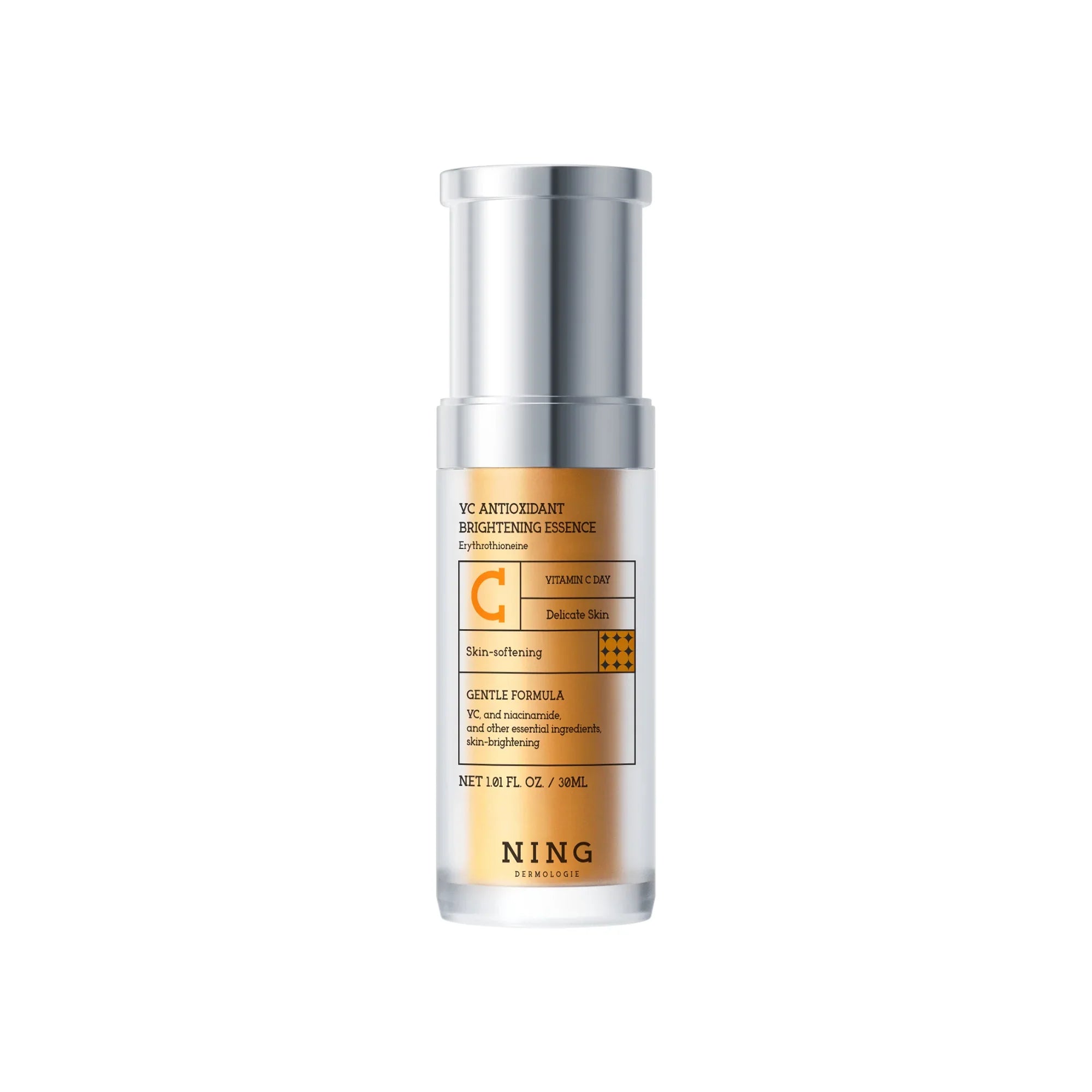
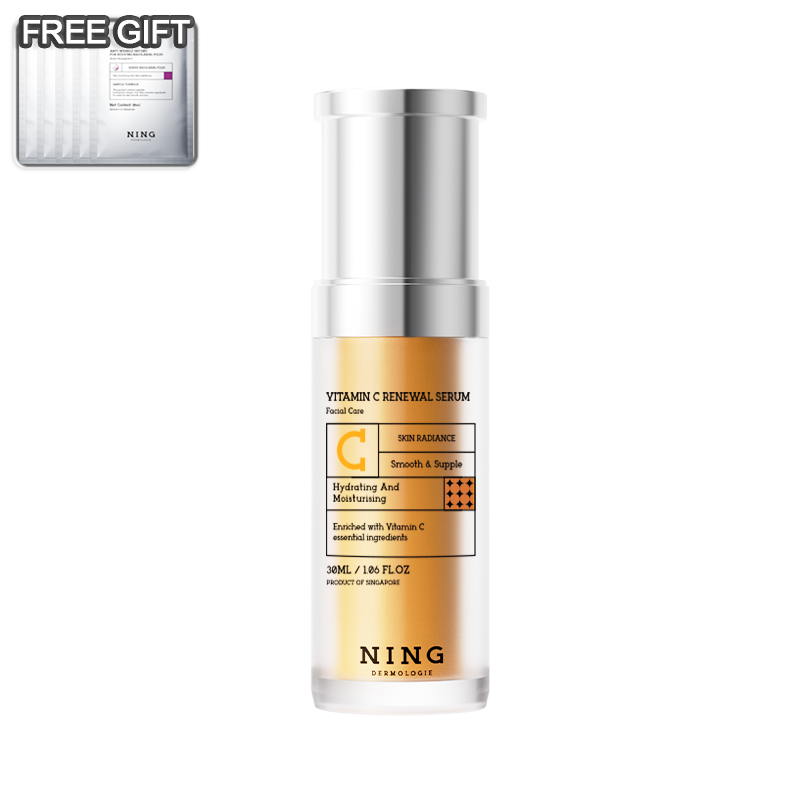
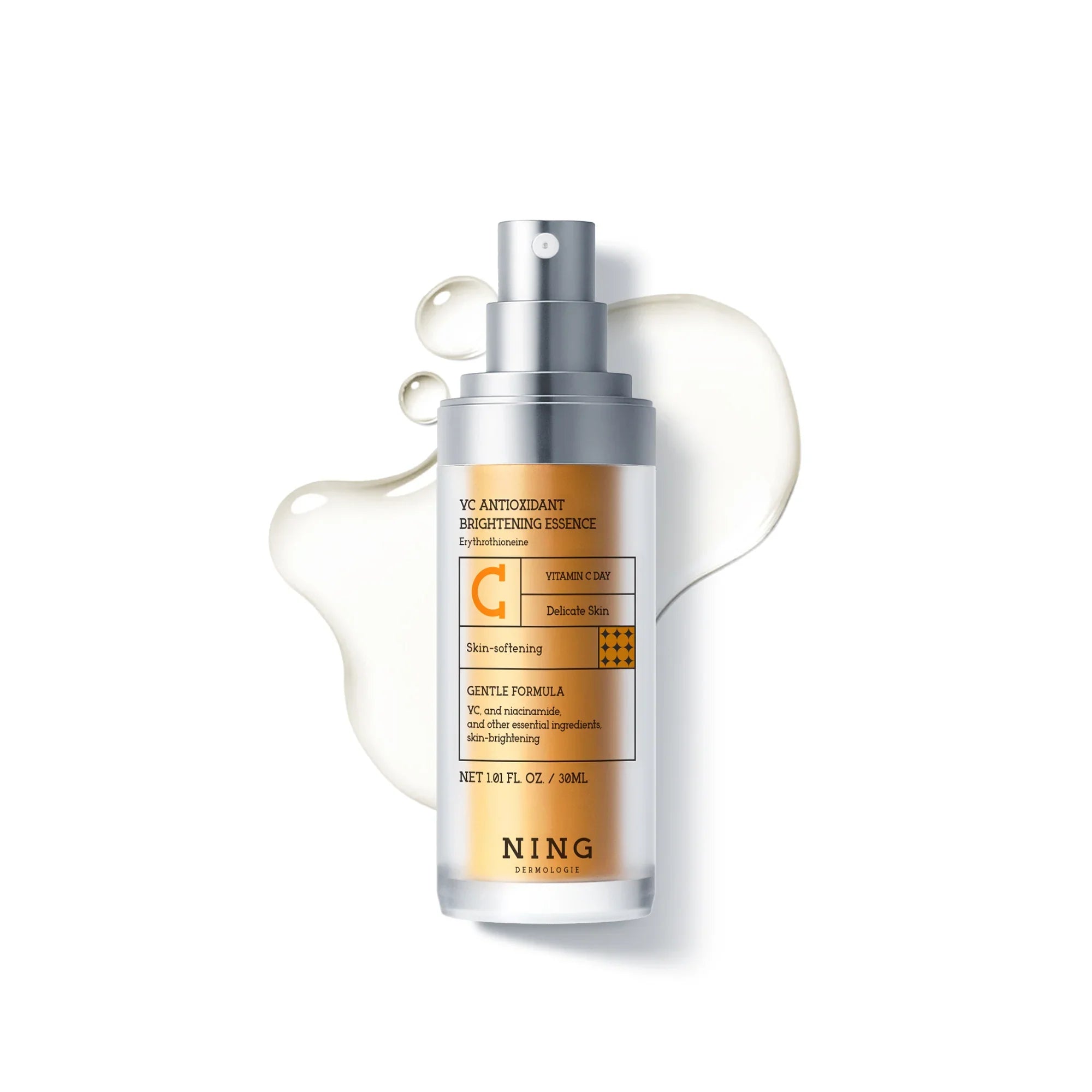
- Treat: Apply a solid Vitamin C serum or a high-quality Vitamin C serum in a glass packaging dropper.
- Moisturize: Look for a makeup remover & cleansing oil combo or a heavy cream in refillable packaging.
Many of these brands now offer Buy now, pay later options and Free shipping if you hit a certain threshold, making it easier to switch your entire bathroom counter over to sustainable skincare at once.
8. Why Aluminum is Winning the Packaging War
You'll notice brands like NING Dermologie and Activist Skincare leaning heavily into aluminum containers and aluminum alloy tubes. Why?
- Weight: It’s lighter than glass, reducing the carbon footprint during shipping.
- Durability: Unlike glass, it won't shatter if you drop it with soapy hands.
- Recyclability: About 75% of all aluminum ever produced is still in use today. When you toss that exfoliating cleanser tube into the bin, there is a very high chance it will actually become something else.
Final Thoughts on Making the Switch
Transitioning to zero waste face wash or sustainable packaging doesn't mean you have to sacrifice the "luxury" feel of your skin care. Brands like NING Dermologie prove that an aluminum alloy tube can look better on your vanity than a plastic bottle ever could.
Whether you choose a powder face cleanser, a solid serum bar, or a refillable metal container, the goal is progress, not perfection. Start by replacing your most-used item—usually your face wash—and go from there. Your skin (and the oceans) will thank you.

Frequently Asked Questions (FAQ)
Is an aluminum alloy tube really better than plastic for face wash?
Absolutely. Plastic often ends up in landfills because it’s "downcycled" or contaminated. Aluminum is infinitely recyclable without losing its integrity. It also protects the natural ingredients inside from light and air better than most plastics, keeping your Exfoliating Face Wash fresh and effective for longer.
Can I use an exfoliating face wash if I have combination skin?
Yes, but don't overdo it. Look for a pH-balanced gel or a Gentle Exfoliating Face Wash that uses amino acids or aloe vera. These ingredients clear dead skin cells and manage oil production on your T-zone without drying out your cheeks or causing irritation.
What are "jojoba beads" and are they eco-friendly?
Unlike those plastic microbeads that were banned years ago, jojoba beads are made from biodegradable wax. They provide a smooth, circular scrub that won't create micro-tears in your skin. They are a top-tier natural exfoliator found in many sustainable skincare brands because they dissolve naturally without harming marine life.
How do I store a solid face wash bar to make it last?
The trick is keeping it dry between uses. Don't leave your exfoliating cleanser bar in a puddle of water. Use a wooden soap dish with slats or a Banksia Aroma Pod to allow airflow. This prevents the bar from getting mushy and ensures you get every bit of value.
Do sustainable face washes work as well as "regular" ones?
Usually, they work better. Because brands focusing on sustainable packaging tend to be more conscious, they often use higher-quality natural ingredients like Salicylic Acid, witch hazel, and seaweed. You’re paying for the actual formula and ethical sourcing rather than cheap fillers and disposable plastic bottles.





Share:
Where can I find exfoliating face wash with added vitamins like C or E?
Which exfoliating face washes are best for removing dead skin without overdrying?