



Stop Wasting Money on Oxidized Orange Water: Your 2026 Guide to Buying the Best Vitamin C Serums in the US
Most people buy a vitamin c serum because they saw a glowing TikTok review, only to have the bottle turn a suspicious shade of burnt orange three weeks later. If your serum smells like metallic hot dog water and looks like pumpkin juice, you aren't "brightening" your skin—you’re just rubbing oxidized acid on your face.
In 2026, the US market is flooded. From $180 medical-grade liquids to $12 drugstore gels, finding the best vitamin c serum feels like a part-time job. But if you want to actually brighten skin, erase a stubborn dark spot, and tackle fine lines and wrinkles, you need to look past the marketing fluff.
Whether you have oily skin, sensitive skin, or are struggling with hyperpigmentation, here is exactly where to buy and how to choose the best vitamin c for your 2026 routine.

Why Most Vitamin C Serums Fail (The Stability Secret)
Before we talk about where to shop, we have to talk about the "C" itself. Most people hunt for pure vitamin c, also known as l-ascorbic acid. It’s the gold standard because it’s the purest form of vitamin c that your skin can actually recognize.
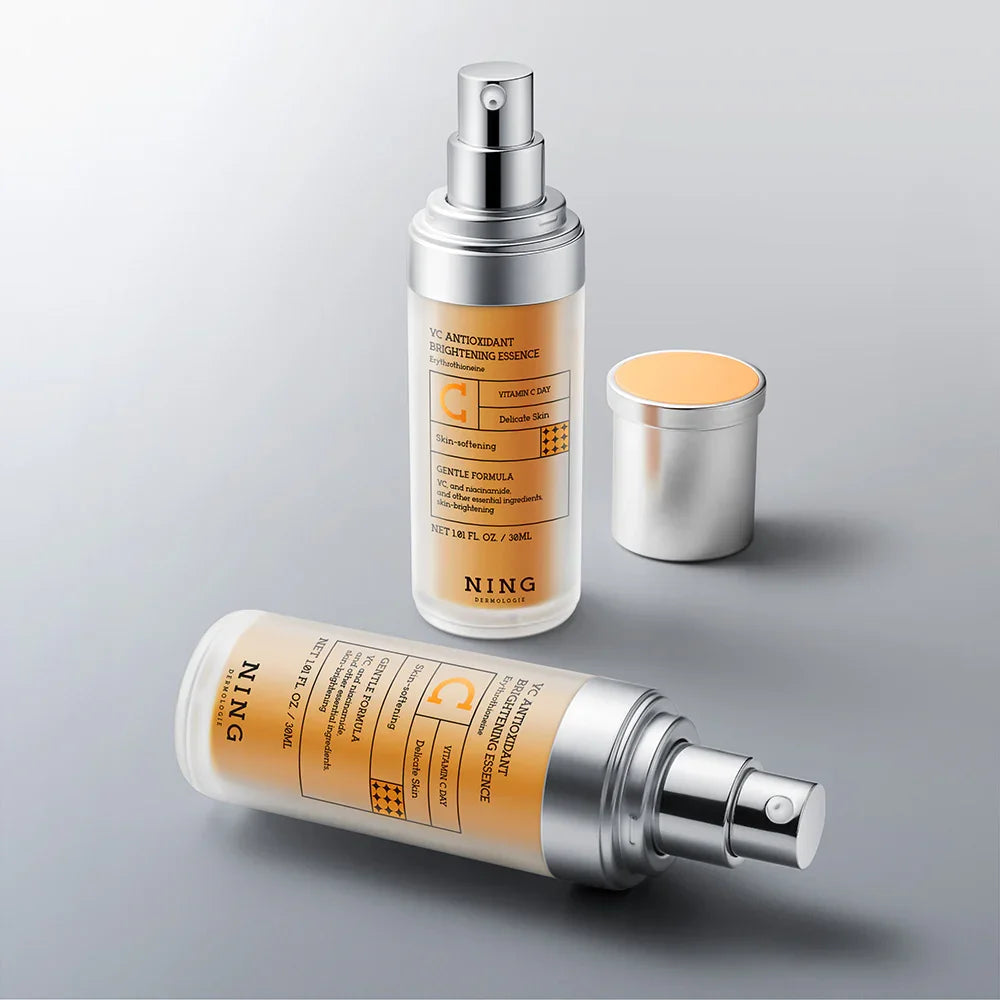
The catch? It’s incredibly unstable. Light, air, and even a slight change in room temperature can kill its potency. This is why brands like NING Dermologie have pivoted. Their Vitamin C Serum doesn't use the old-school, finicky L-Ascorbic. Instead, they use 3-O-Ethyl Ascorbic Acid, a stable form of vitamin c that doesn't die the moment you open the bottle.
When you're browsing the aisles at Sephora or scrolling Amazon, you'll see two main camps:
-
The Purists: Using ascorbic acid at high concentrations (15-20%). Great for fast results, but risky for sensitive skin.
-
The Modernists: Using vitamin c derivatives like Ethyl Ascorbic Acid or THD Ascorbate. These are the vitamin c brightening serum options that actually last and don't sting.
The 6 Best Vitamin C Serums of 2026
If you are looking to find the best match for your skin type, these six are dominating the US shelves this year.
1. The Gold Standard: SkinCeuticals C E Ferulic
Ask any dermatologist what the best overall serum is, and they’ll point to SkinCeuticals C E Ferulic. It’s been the industry benchmark for decades. Why? Because the patented blend of vitamin e and ferulic acid stabilizes the pure vitamin c so effectively it stays active on your skin for 72 hours.
- Best for: Mature skin, dry skin, and environmental protection.
- Where to buy: Dermstore, BlueMercury, or authorized dermatology clinics.
- The Downside: It’s nearly $200 in 2026.
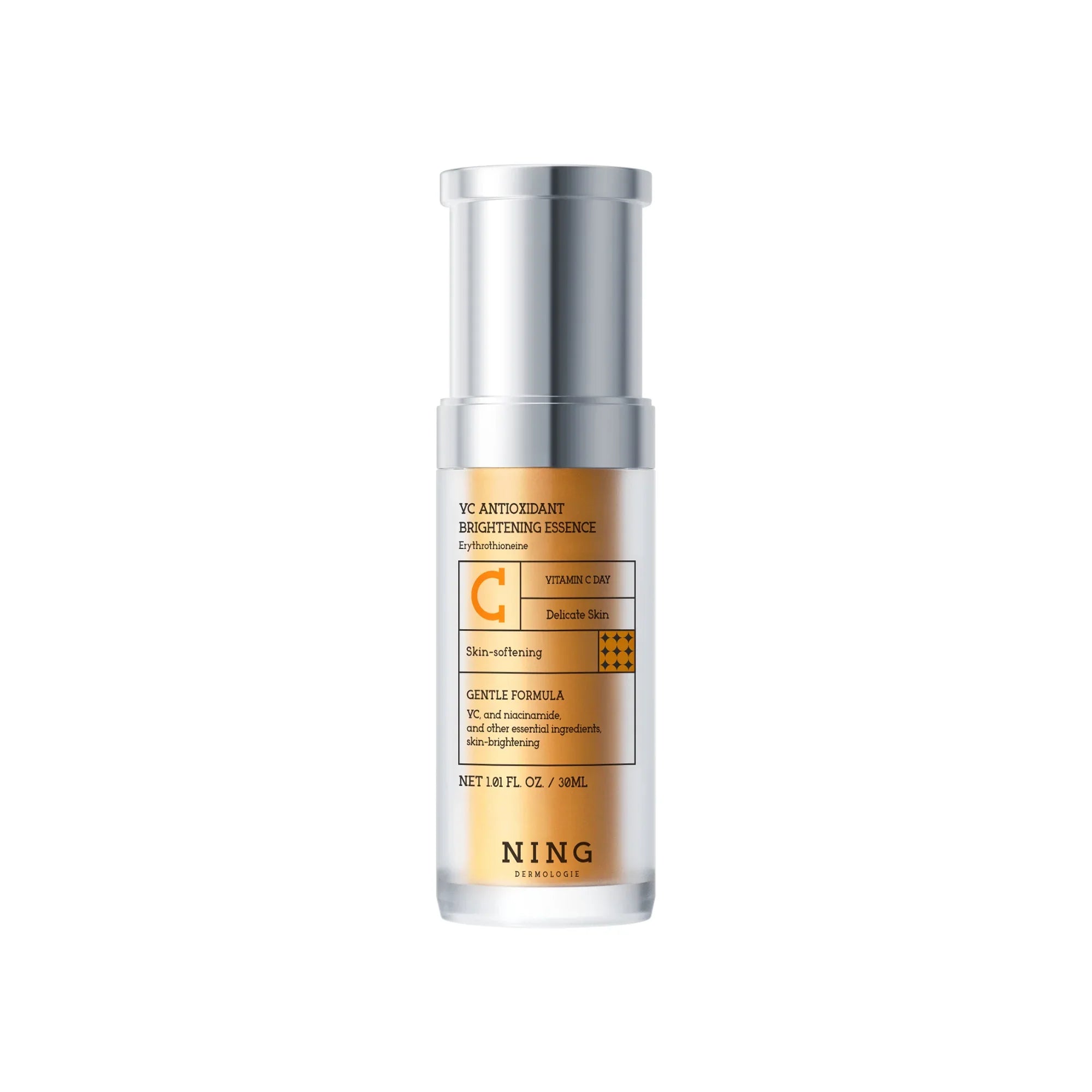
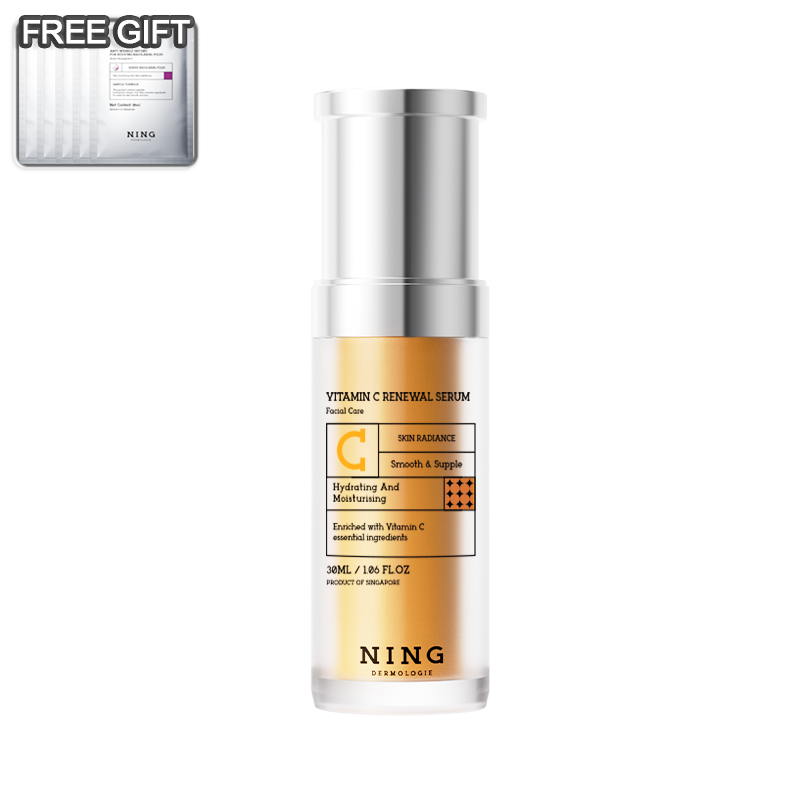
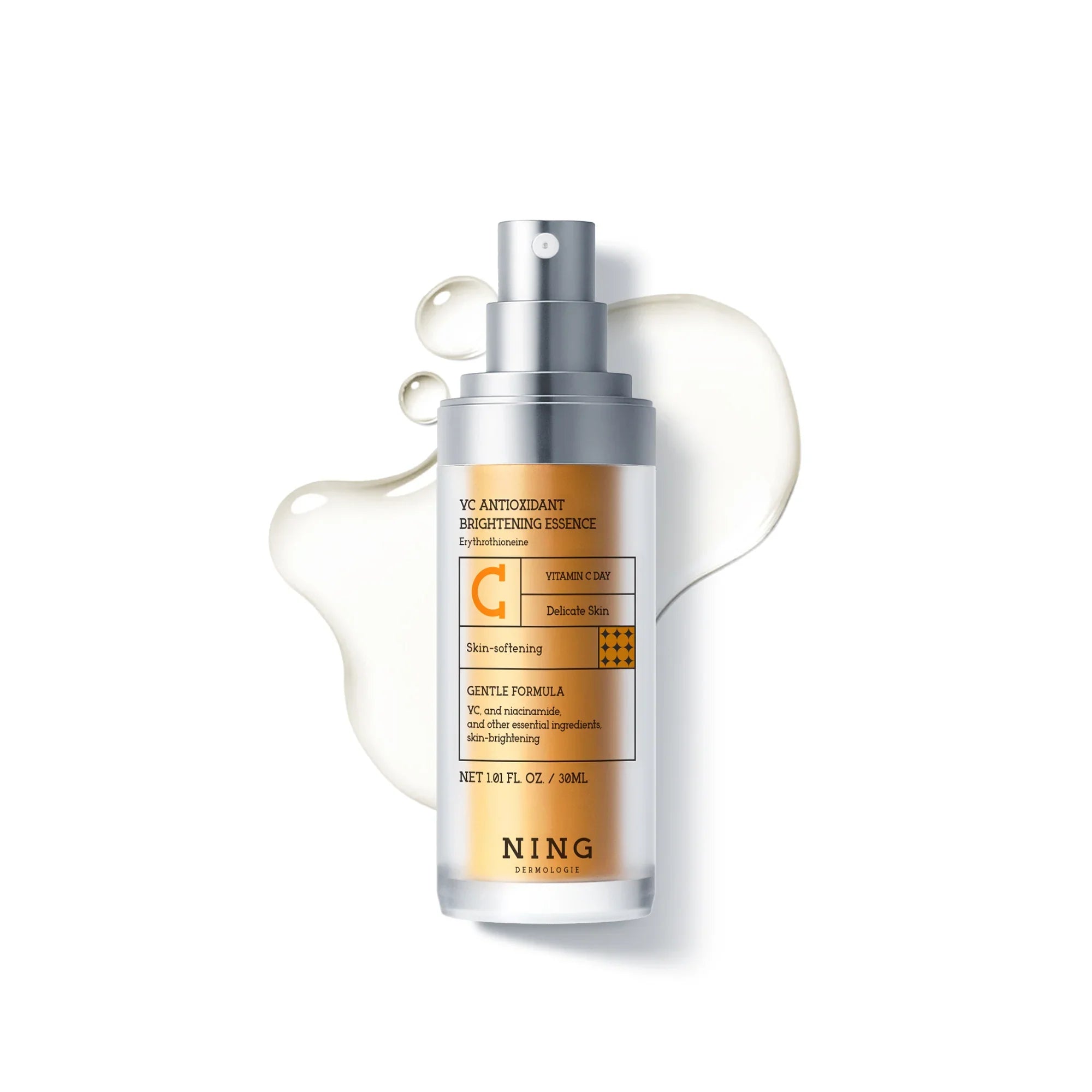
2. The Stability King: NING Dermologie Vitamin C Serum
If you’re tired of the "hot dog water" smell of the legacy brands, NING Dermologie is the breakthrough of the year. Their formula combines a potent active vitamin c (Ethyl Ascorbic Acid) with Niacinamide. This duo doesn't just brighten skin; it actively helps even skin tone by targeting the inflammation that causes dark spots and hyperpigmentation.
- Best for: Combination skin and those who want a vitamin c face serum that won't oxidize.
- Where to buy: Direct from NING Dermologie online.
- Key Advantage: It uses a stable form of vitamin c that plays well with other actives.
3. The Value Powerhouse: Naturium Vitamin C Complex Serum
Naturium vitamin c complex has become the go-to for the "skin-intellectual" on a budget. It uses a blend of pure vitamin c and encapsulated derivatives. It has a silky skin feel and doesn't leave that annoying orange cast on your pillowcase.
- Best for: Most skin types looking for a best budget option that doesn't feel cheap.
- Where to buy: Target, Amazon, or Naturium.com.
4. The Amazon Cult Classic: TruSkin Vitamin C Serum
You’ve seen the 100,000+ reviews. TruSkin vitamin c is the definitive best budget-friendly pick. It’s a vitamin c facial serum that uses Sodium Ascorbyl Phosphate, which is much gentler than l-ascorbic acid, making it a hidden gem for acne-prone skin.
- Best for: Beginners and those with oily or reactive skin.
- Where to buy: Amazon (exclusively).
5. The Drugstore Hero: La Roche-Posay Pure Vitamin C10
If you have sensitive skin but still want pure vitamin c, this is your bottle. La Roche-Posay formulated this with salicylic acid to improve skin texture while the 10% Vitamin C works on radiance. It’s a classic vitamin c12 serum style formulation that focuses on the appearance of fine lines without the burn.
- Best for: Sensitive skin and dull skin.
- Where to buy: Walgreens, CVS, or Ulta.
6. The Clean Beauty Pick: Mad Hippie Vitamin C Serum
Mad hippie vitamin c serum has a massive following for a reason. It uses vit c in the form of Sodium Ascorbyl Phosphate, mixed with konjac root and hyaluronic acid. It feels more like a light face serum than a harsh treatment.
- Best for: People who want a "natural" brightening serum that actually works.
- Where to buy: Whole Foods, Ulta, or direct.
How to Match Your Serum to Your Skin Type
Buying the best vitamin c isn't just about the brand; it's about the chemistry.
For Oily and Acne-Prone Skin
If you struggle with oily skin, stay away from oil-based THD Ascorbate. You want a water-light serum for acne-prone skin. Look for vitamin c and hyaluronic acid blends. The NING Dermologie formula is a winner here because the Niacinamide helps control sebum while the vitamin c brightening serum clears up post-acne dark spots.
For Dry and Mature Skin
You need a brightening vitamin c serum that acts like a face cream. Look for the "C + E + Ferulic" combo. Vitamin E is a lipid, meaning it helps repair the barrier while the antioxidant properties fight signs of aging. Skinceuticals c e ferulic or the Vanicream vitamin c serum (for ultra-sensitive types) are your best bets.
For Hyperpigmentation and Uneven Skin Tone
To even out skin tone, you need a higher concentration of vitamin c. Look for words like active vitamin c or vitamin c12 serum. You want something that brightens and evens skin tone by inhibiting melanin. Products like olay super serum or bright icon vitamin c are great retail entries, but for heavy lifting, a ferulic serum is necessary to boost the brighten skin effect.
Where to Buy: The 2026 US Retail Map
In the US, you have three main "tiers" for buying your vitamin c facial serum.
-
High-End & Medical Grade: If you want SkinCeuticals c e ferulic or SkinMedica, don't trust random third-party sellers on eBay. Go to Dermstore or Sephora. These retailers guarantee the product hasn't been sitting in a hot warehouse for two years—crucial for pure vitamin c face products.
-
The "Big Box" Drugstores: Walgreens and CVS have stepped up their game. You can now find La Roche-Posay, Vichy, and Olay vitamin c lines right next to the bandages. This is perfect for grabbing a best budget-friendly face serum on your way home.
-
Direct-to-Consumer (D2C): Brands like NING Dermologie and Naturium often save their freshest batches for their own websites. If you want the most active vitamin c with the longest shelf life, buying direct is usually the smartest move. Plus, you get better rewards than the Sephora points system.

Tips for Using Your Vitamin C Face Serum
- Timing: Use your vitamin c serum in the morning. It acts as a second layer of defense under your sunscreen against environmental stressors.
- Storage: Keep your pure vitamin c in a cool, dark place. Some enthusiasts even keep their l-ascorbic acid in a skincare fridge to prevent dark spots (on the product, not your face!).
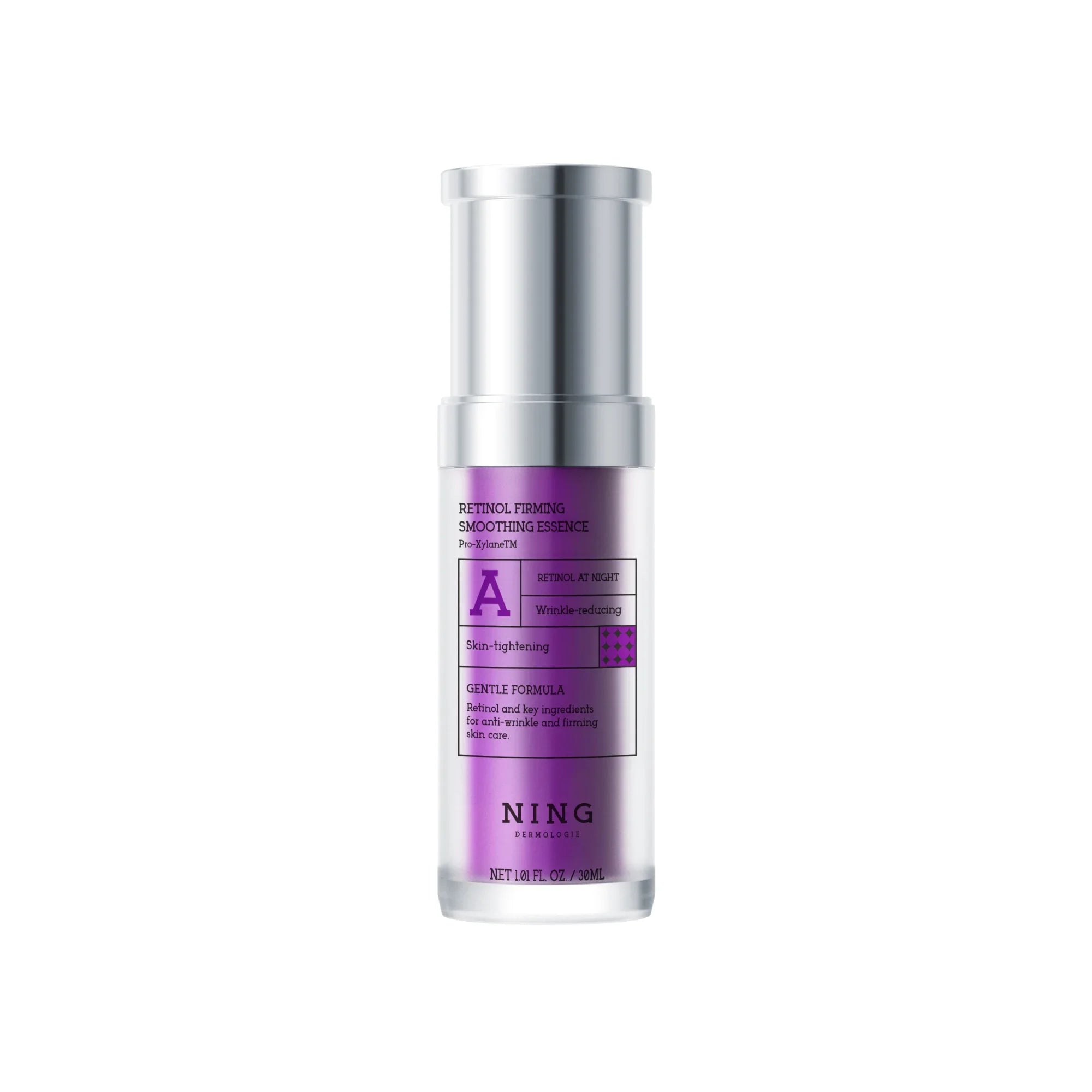
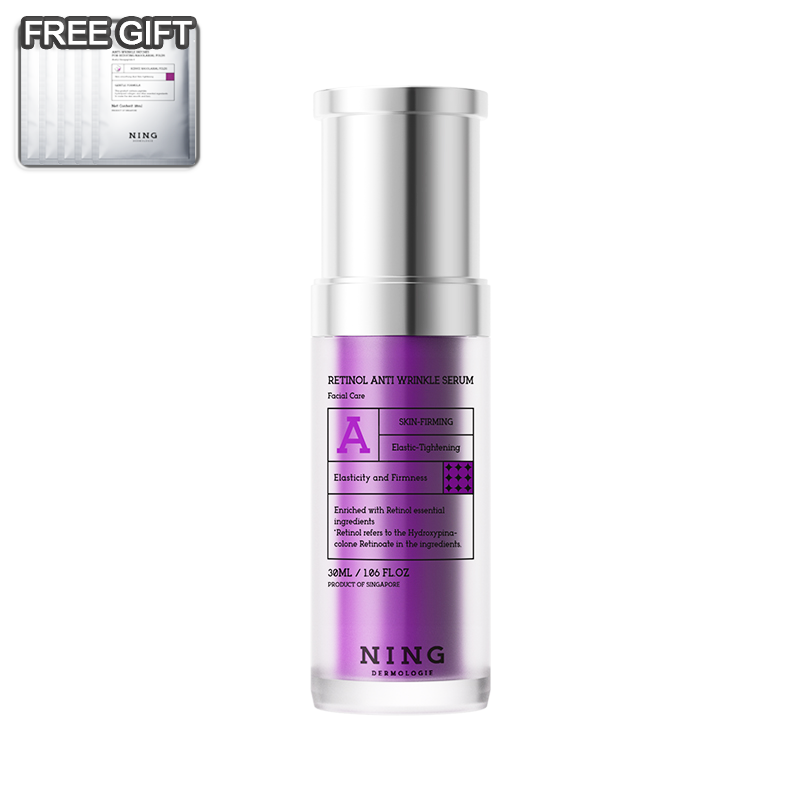
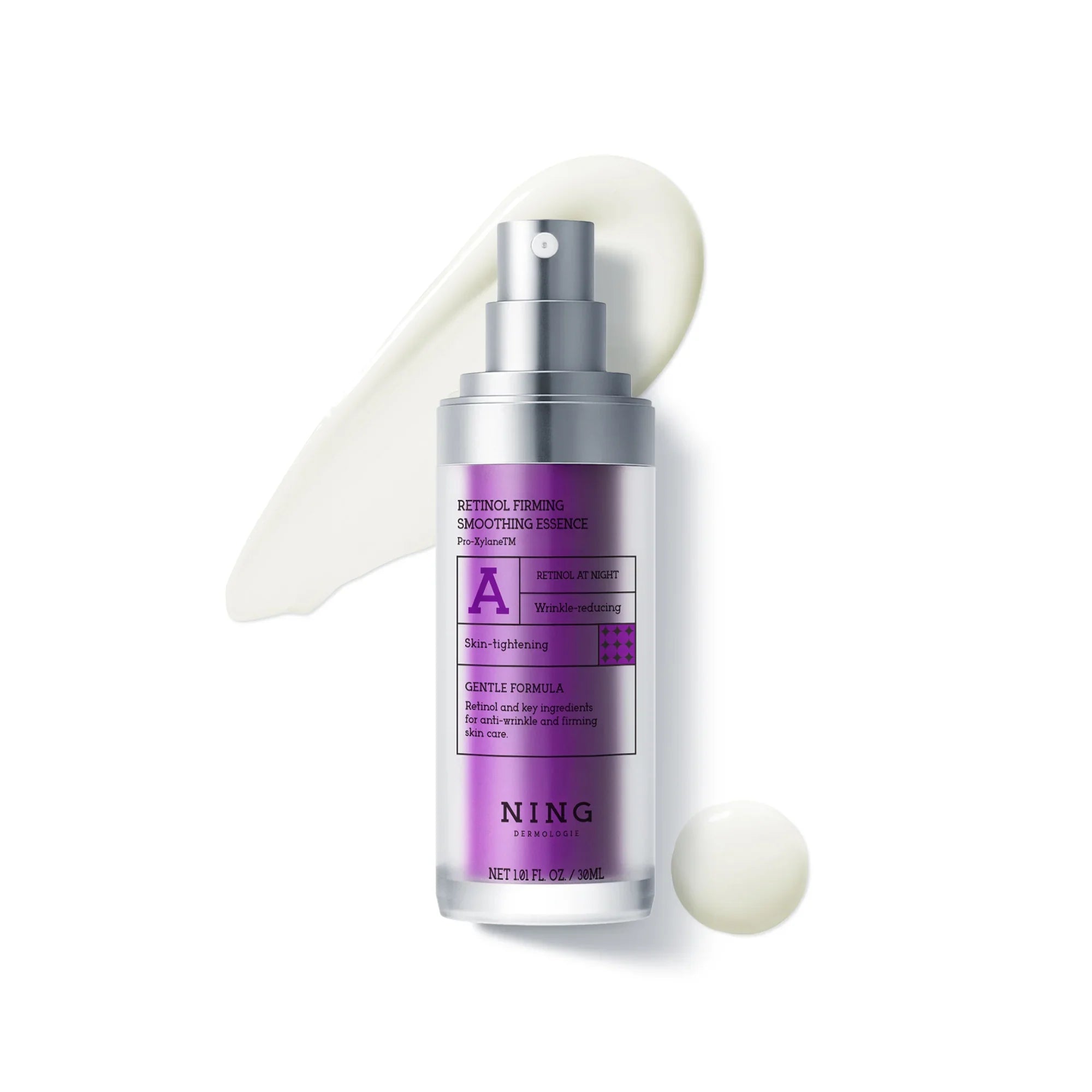
- Layering: Never mix your vit c with Retinol in the same step. Use vitamin c face products in the AM and Retinol in the PM to avoid a sensitive skin freak-out.
- Check the Color: If your brightening serum is dark brown, throw it out. It’s no longer an antioxidant; it’s a pro-oxidant.
The Verdict: Which One Should You Buy?
If you want the absolute best results without a prescription, here is the 2026 cheat sheet:
- Unlimited Budget? Get SkinCeuticals C E Ferulic. It’s a legend for a reason.
- Want Stability & Modern Science? Go with NING Dermologie. The Vitamin C Serum with Niacinamide is the most reliable way to smooth skin without the oxidation drama.
- On a Budget? TruSkin or Naturium will get the job done for under $30.
Investing in a vitamin c facial serum is the most effective way to protect your skin from the signs of aging and keep that even skin tone all year round.
Frequently Asked Questions (FAQ)
1. Does Vitamin C serum really fade dark spots?
Yes, but it requires patience. A high-quality vitamin c brightening serum inhibits tyrosinase, the enzyme responsible for melanin production. With consistent daily use, you’ll see dark spots and hyperpigmentation start to lift in about 4–8 weeks. For faster results, look for formulas like NING Dermologie that include Niacinamide to double-down on the brightening effect.
2. Can I use Vitamin C serum if I have sensitive skin?
Absolutely, but avoid high-strength l-ascorbic acid. Instead, look for a serum for sensitive skin that uses vitamin c derivatives like Sodium Ascorbyl Phosphate or Ethyl Ascorbic Acid. These are less acidic and much more stable. Brands like Vanicream vitamin c serum or La Roche-Posay are specifically designed to brighten skin without causing redness or stinging.
3. Why does my Vitamin C serum smell like metallic hot dog water?
That distinctive "smell" is actually the result of the stabilization process of pure vitamin c when mixed with ferulic acid. While it’s off-putting, it doesn't mean the product is bad—unless the color has changed to a dark orange or brown. If you prefer a scent-free experience, modern formulations like the naturium vitamin c complex serum use encapsulated tech to eliminate the odor.
4. Should I apply Vitamin C serum on wet or dry skin?
For the best vitamin c serum absorption, apply it to clean, bone-dry skin. Because most potent serums (like ascorbic acid) are pH-dependent, applying them to damp skin can neutralize the acidity and make the serum less effective. Wait about 60 seconds after cleansing before pressing your vitamin c face serum into your skin to ensure maximum penetration and results.
5. Can I use Vitamin C with other active ingredients?
Vitamin C plays well with vitamin e, ferulic acid, and hyaluronic acid. However, be careful with AHAs/BHAs and Retinol. Using them at the same time can lead to uneven skin texture and irritation. Most experts suggest using your anti-aging vitamin c face serum in the morning to fight UV damage and saving your Retinol or exfoliating acids for your nighttime routine.





Share:
How to incorporate exfoliating face wash into a daily skincare routine?
Top-rated vitamin C serums designed for sensitive skin