



The Dry Skin Struggle: Finding an Exfoliator That Doesn't Sting
If you are reading this, you probably know the "dry skin paradox." Your face feels tight and flaky, but when you try to scrub those dead skin cells away, you end up red, irritated, and feeling like you’ve stripped your skin barrier to the bone. I’ve spent the last week hitting the pavement, checking local shelves, and testing formulas to see which stores nearby actually carry something that works for us "desert-skin" folks.
Most people think exfoliation is just for those fighting excess oil or active acne, but for dry skin, it’s the secret to fixing a rough texture. The goal isn't to sand your face down; it's to gently lift the debris so your Hyaluronic Acid serums can actually sink in.

Where to Shop Right Now
I did a sweep of the usual suspects—Sephora, Ulta, and even the local CVS/Walgreens aisles—to see what’s actually in stock.
- The Drugstore Run (CVS/Walgreens/Target): You’ll definitely find the classics here. I saw plenty of St. Ives and Clean & Clear, but a word of caution: the Fresh Skin Apricot Face Scrub or the Acne Control Face Scrub can be a bit aggressive if your moisture barrier is already compromised. If you’re at a drugstore, look for the CeraVe Renewing SA Cleanser. It uses salicylic acid (a beta hydroxy acid) but balances it with ceramides so it won't leave you parched. It’s a solid SA Cleanser for daily use.
- The High-End Route (Sephora/Ulta): This is where you go for the exfoliating treatments that feel like a spa. They have a huge selection of Masks & Exfoliators. I noticed a lot of Korean skincare influence lately—think rice powder exfoliants and natural enzymes. These are much kinder than traditional Facial Scrubs.
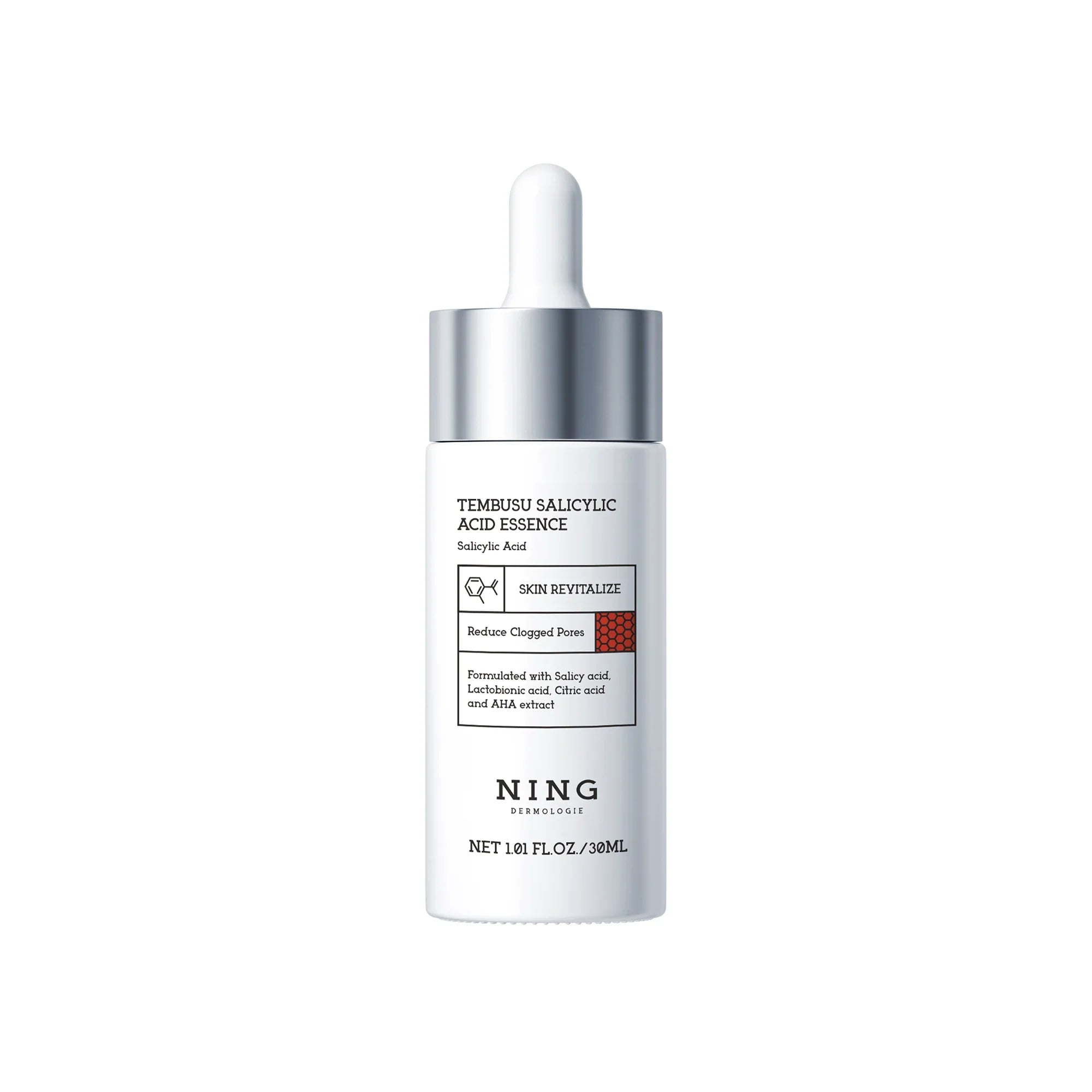
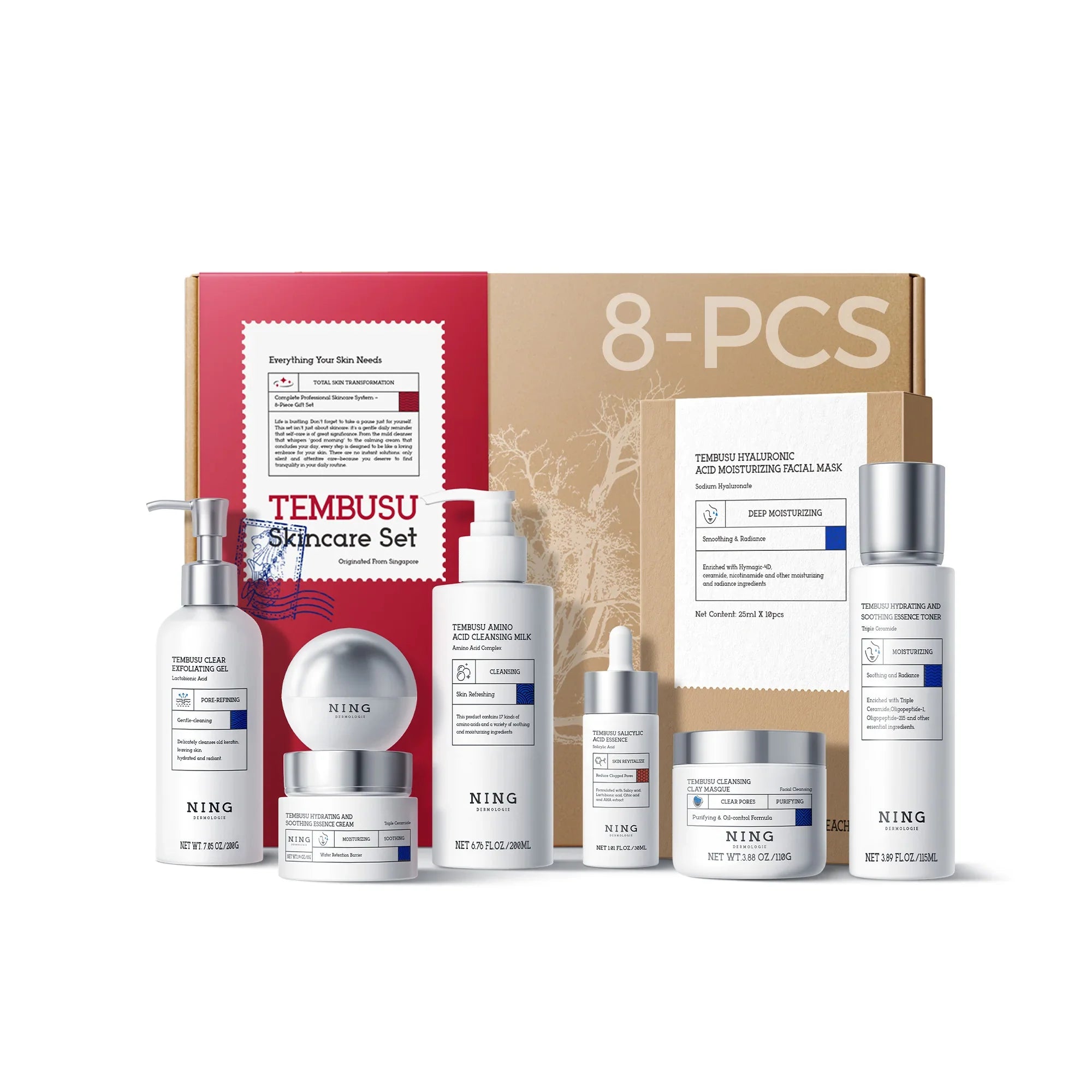
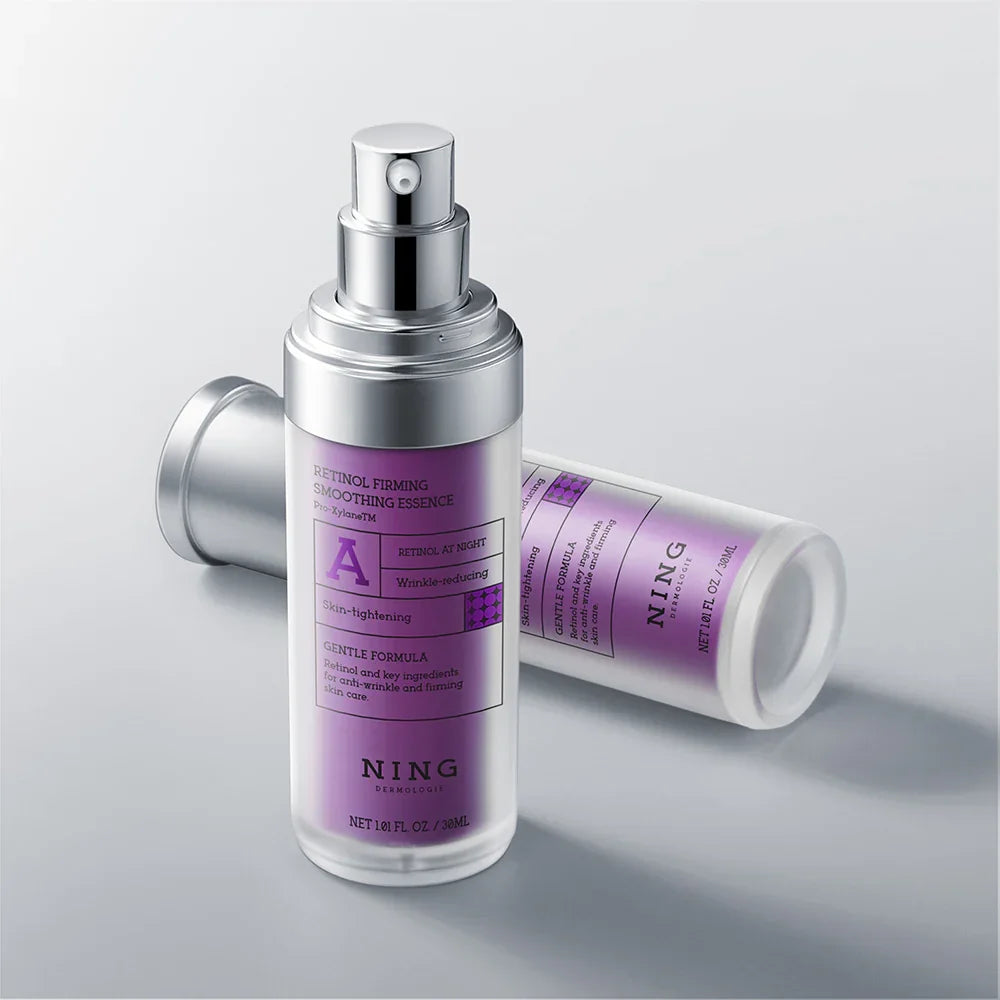
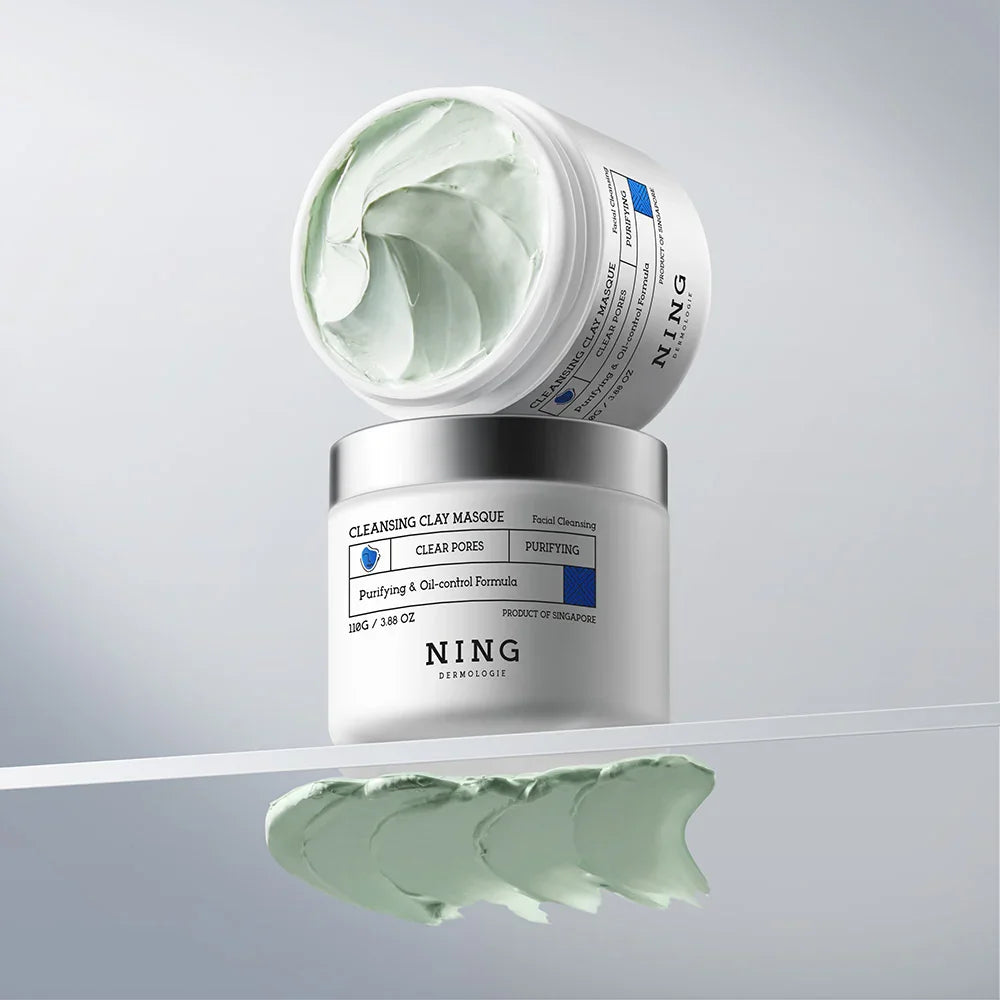
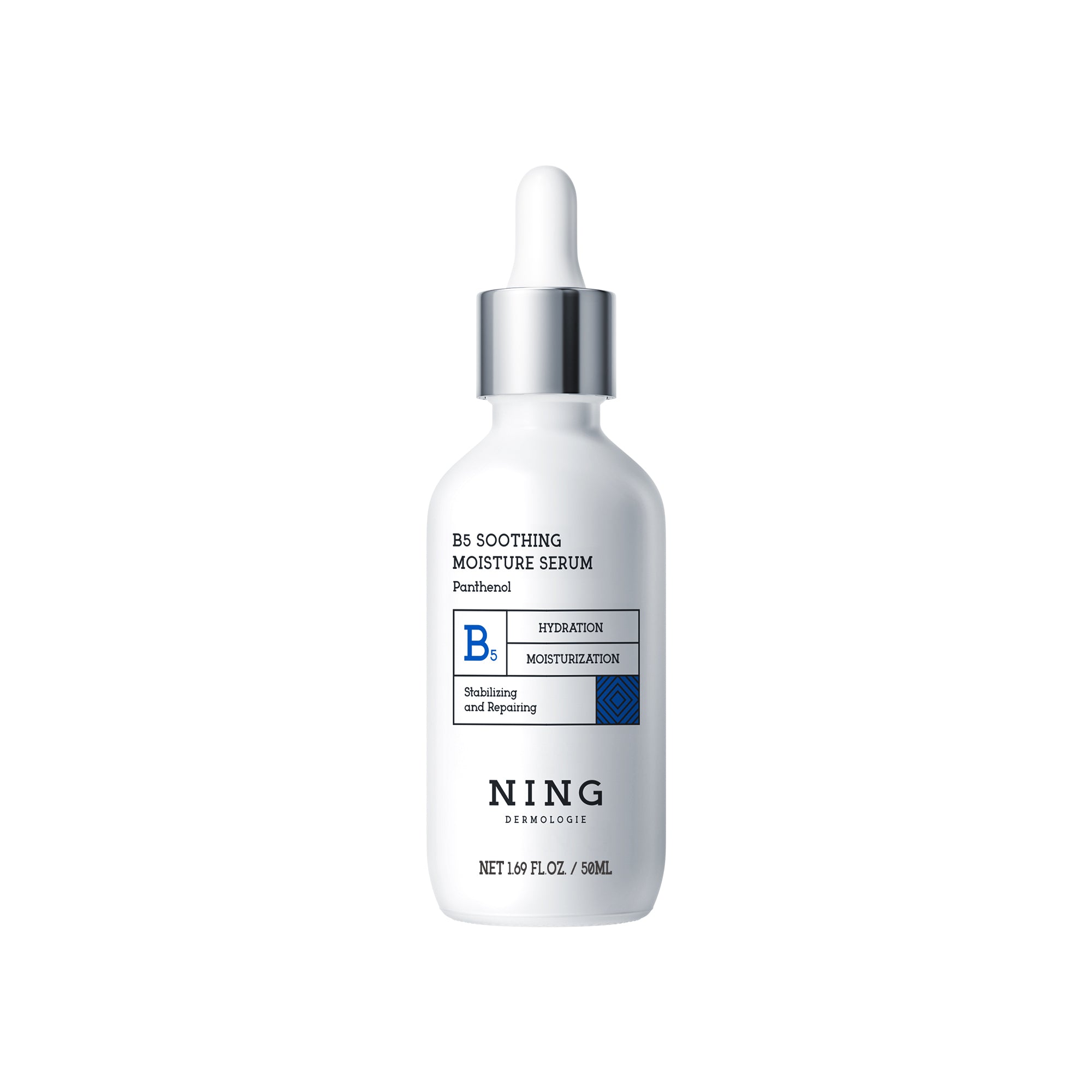
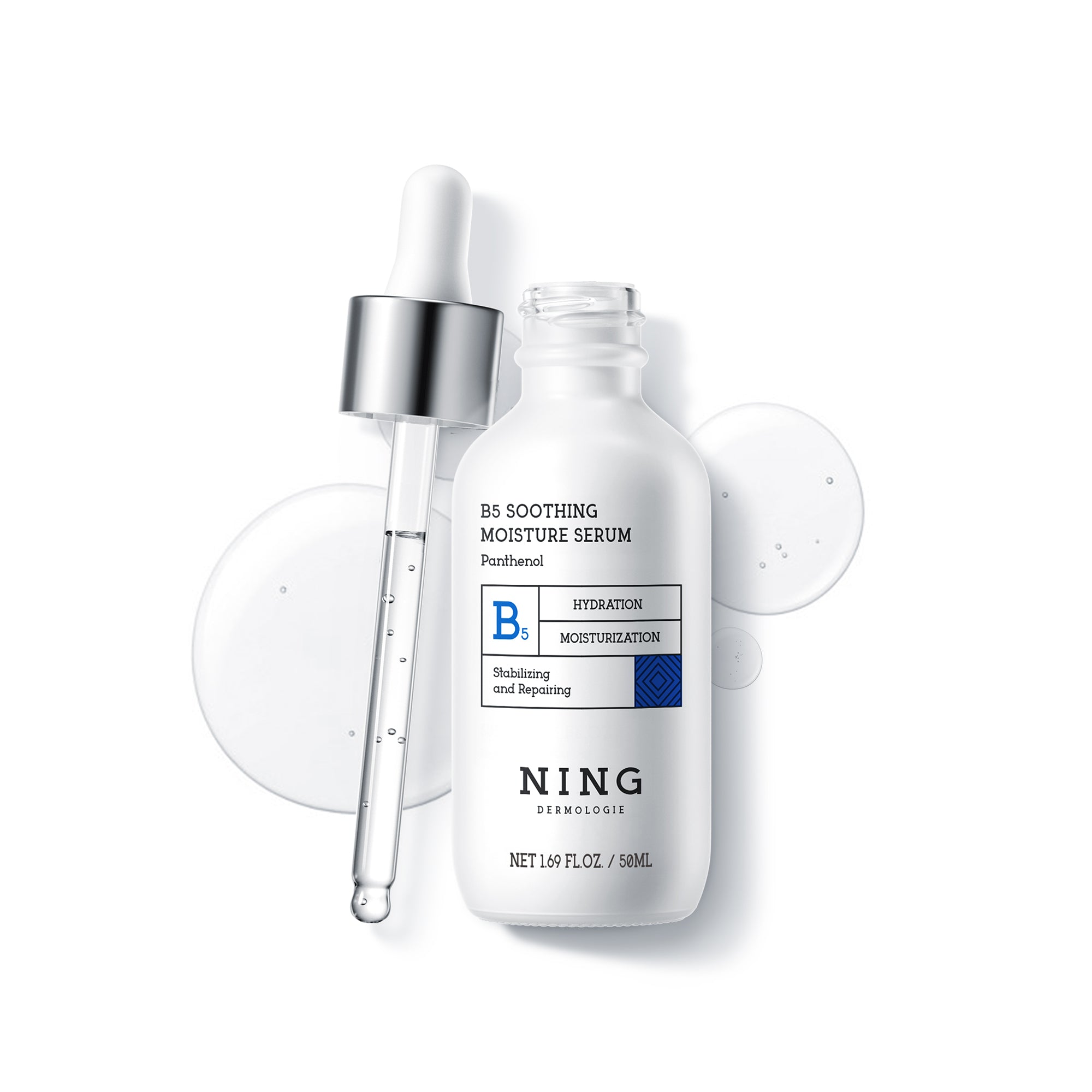
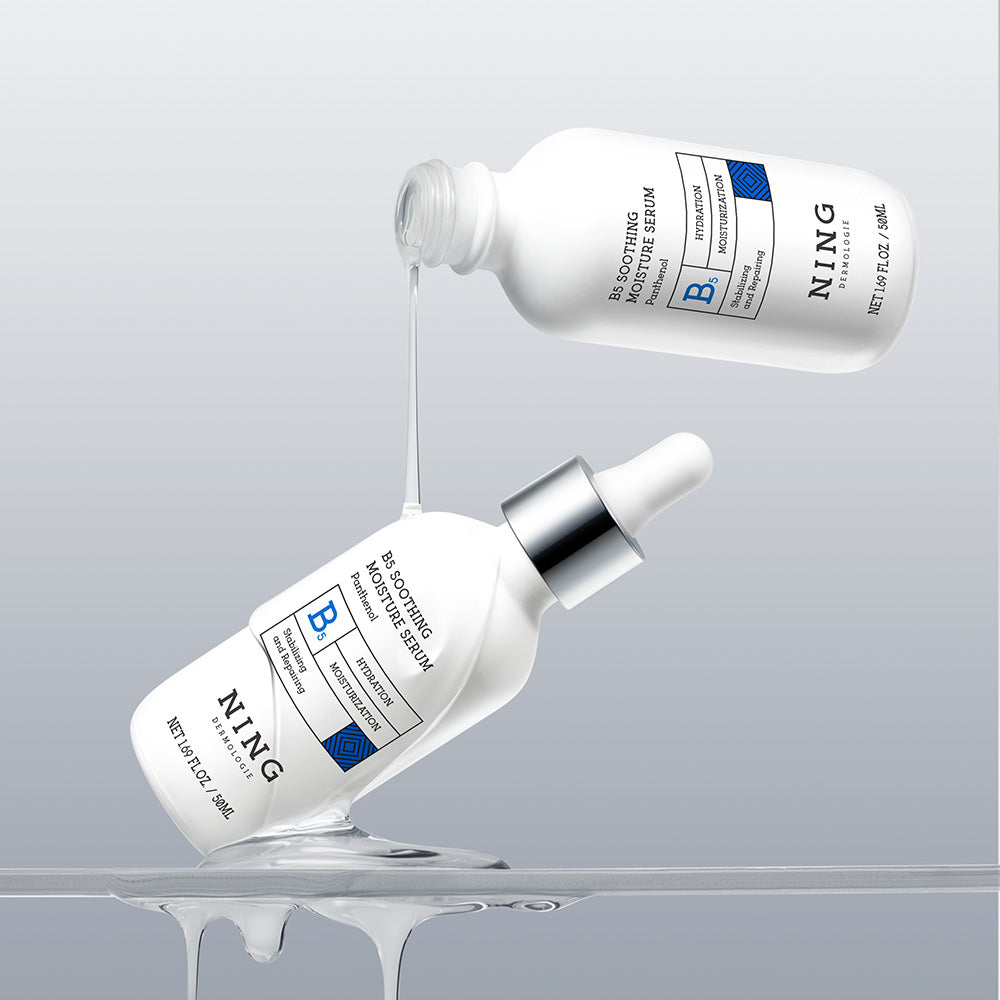
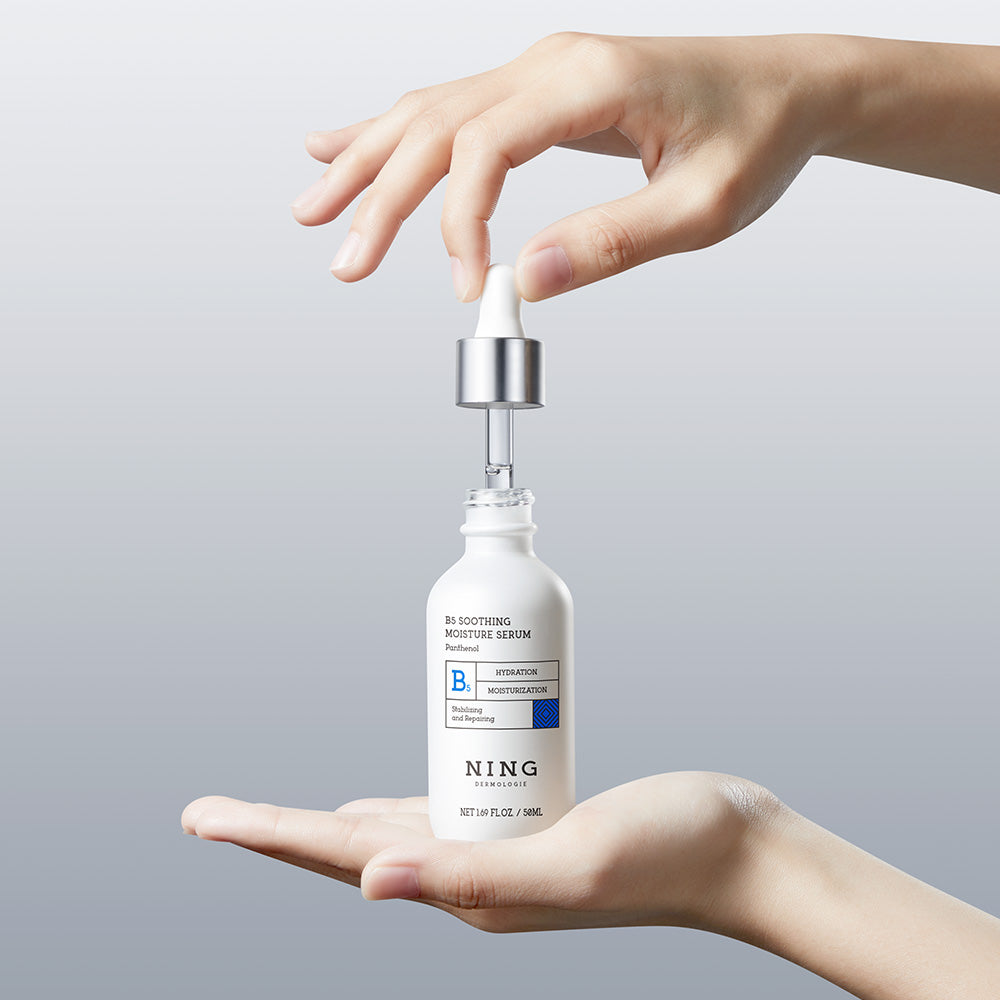
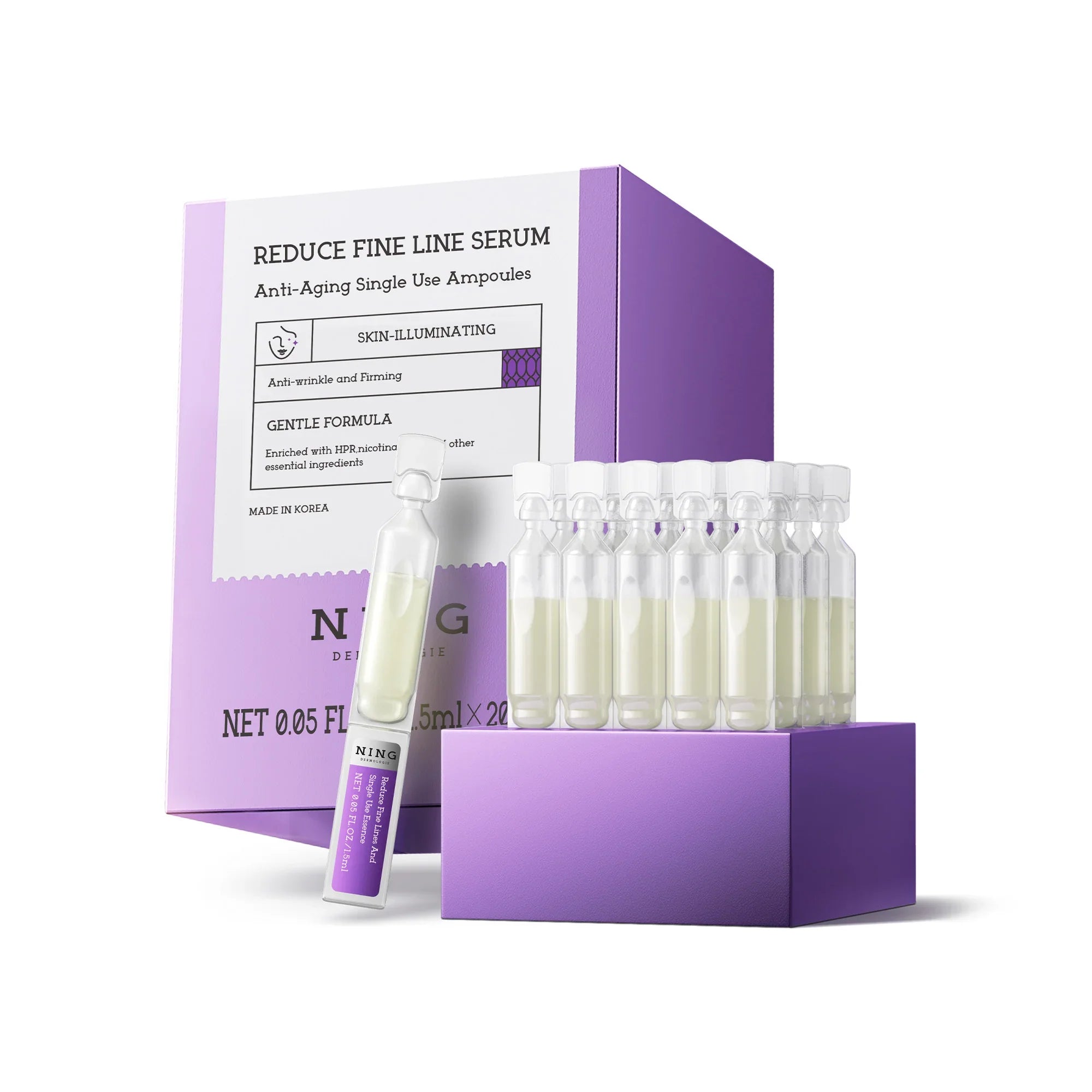
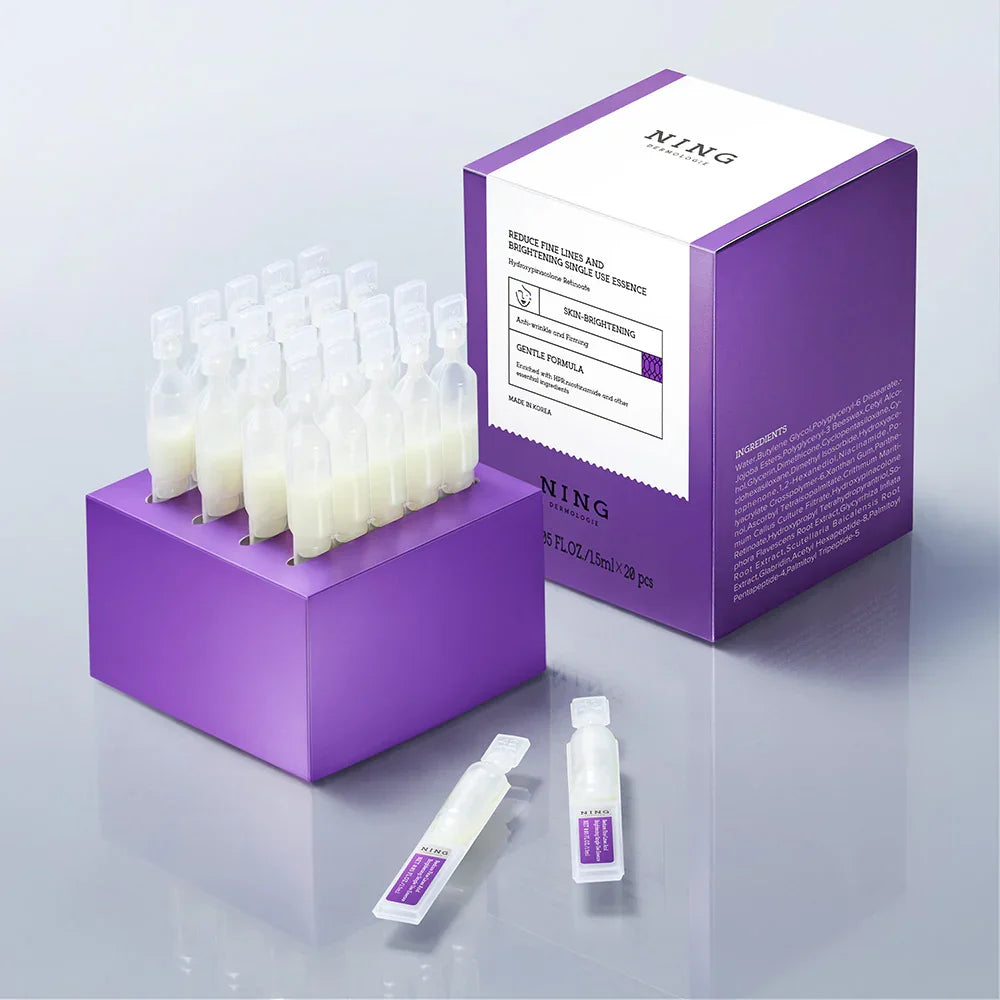
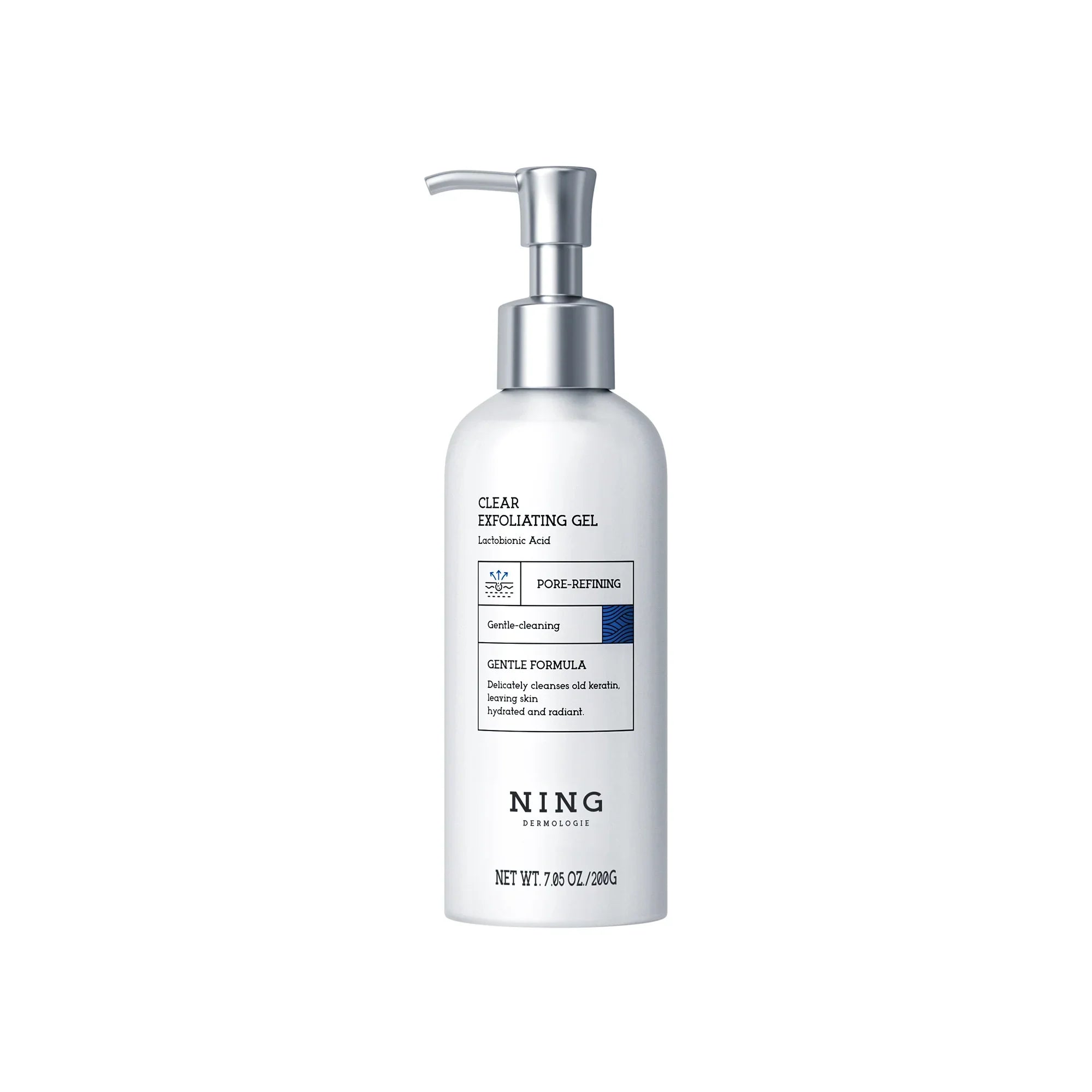
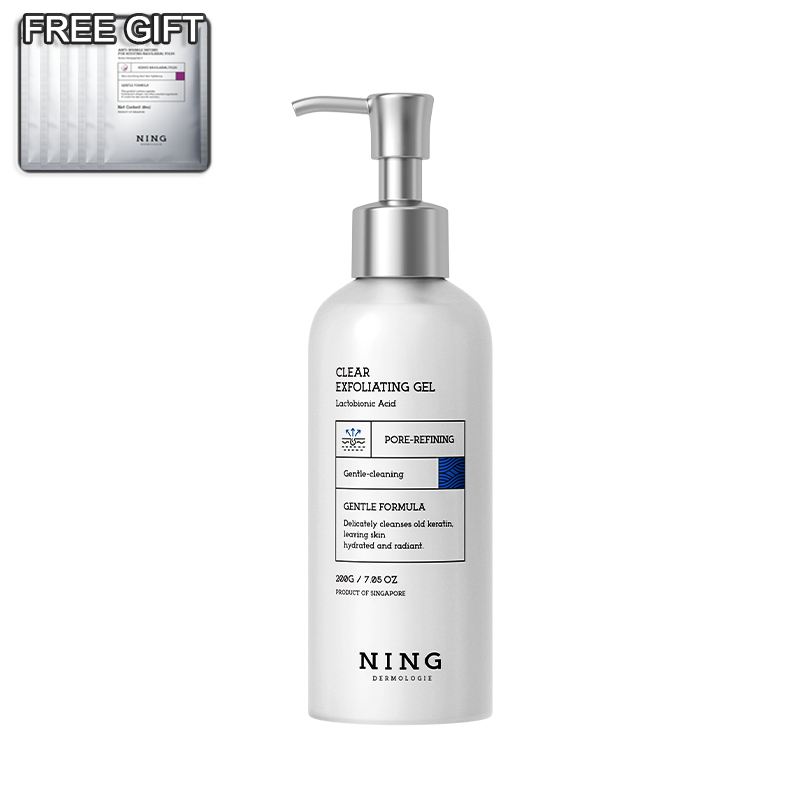
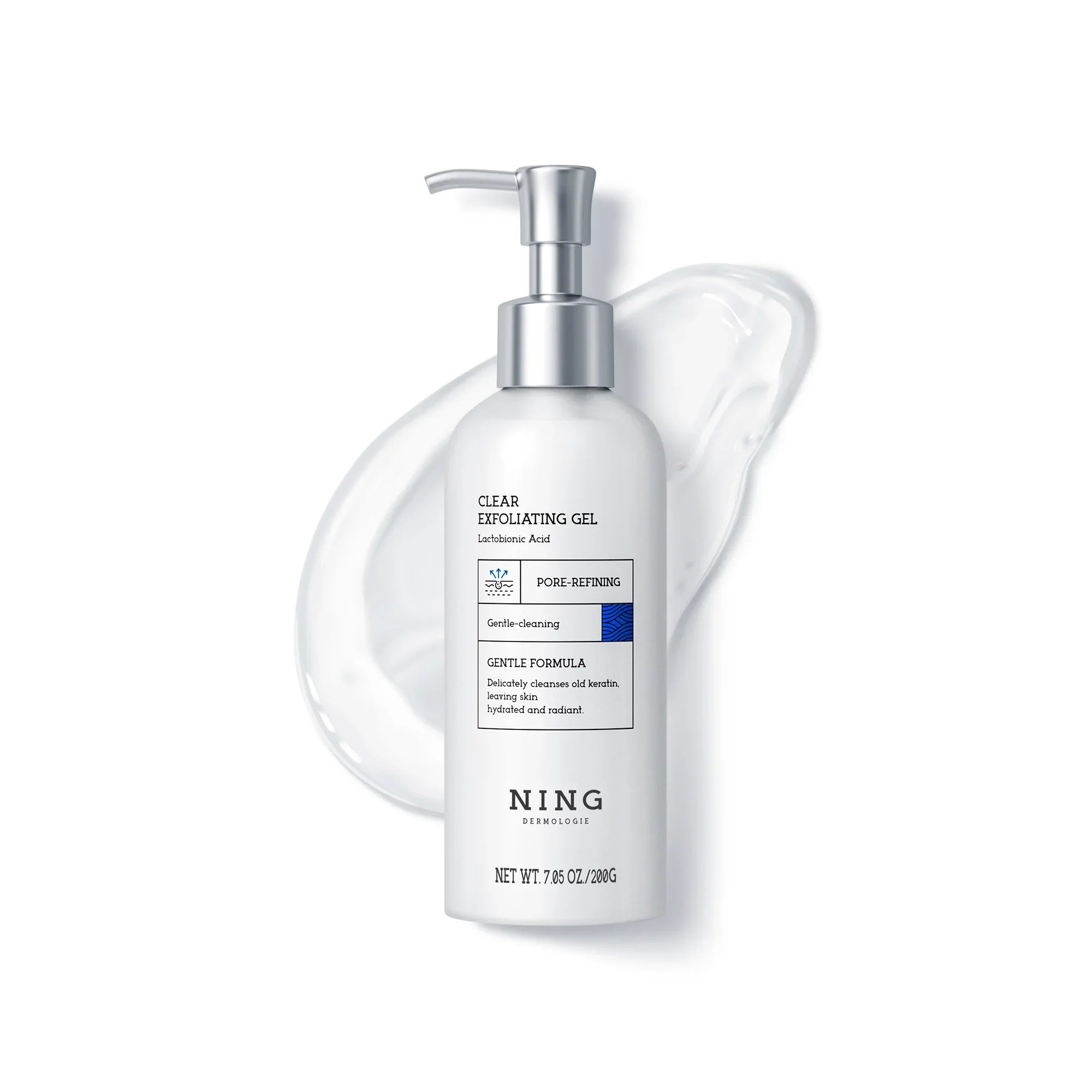
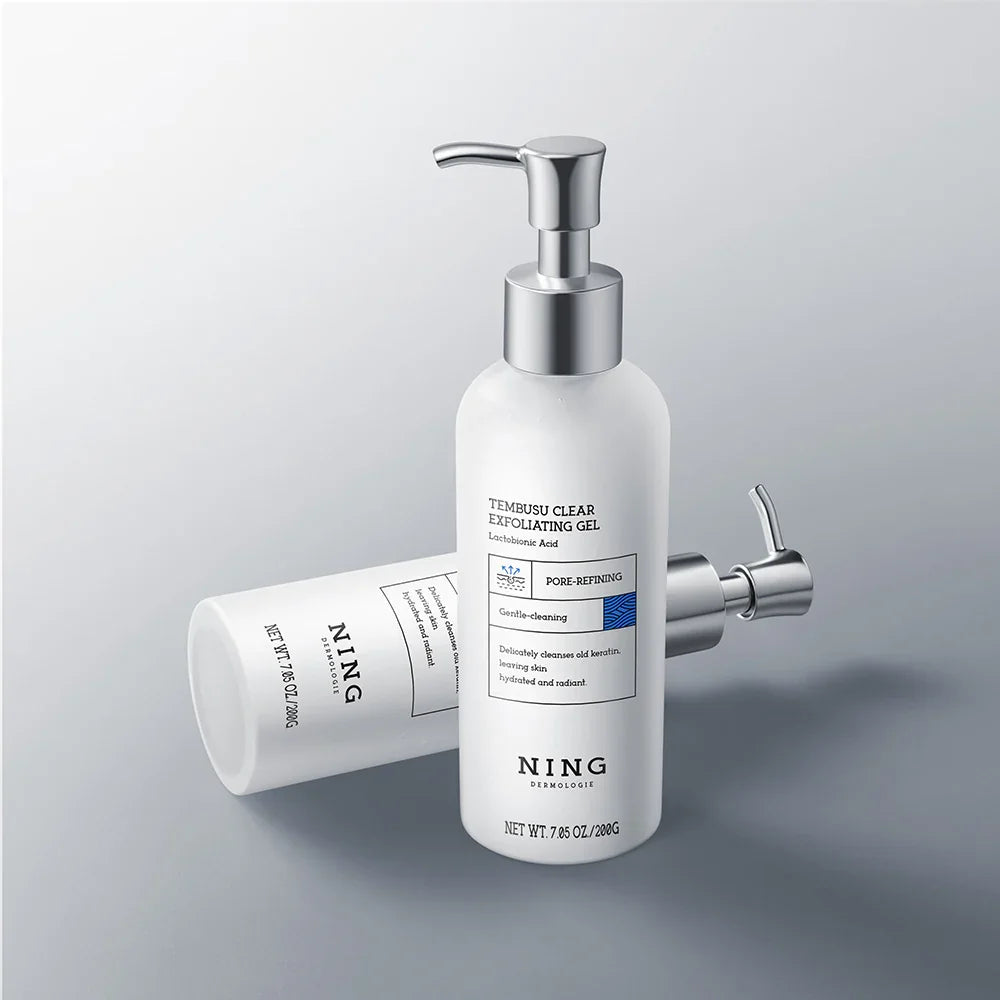
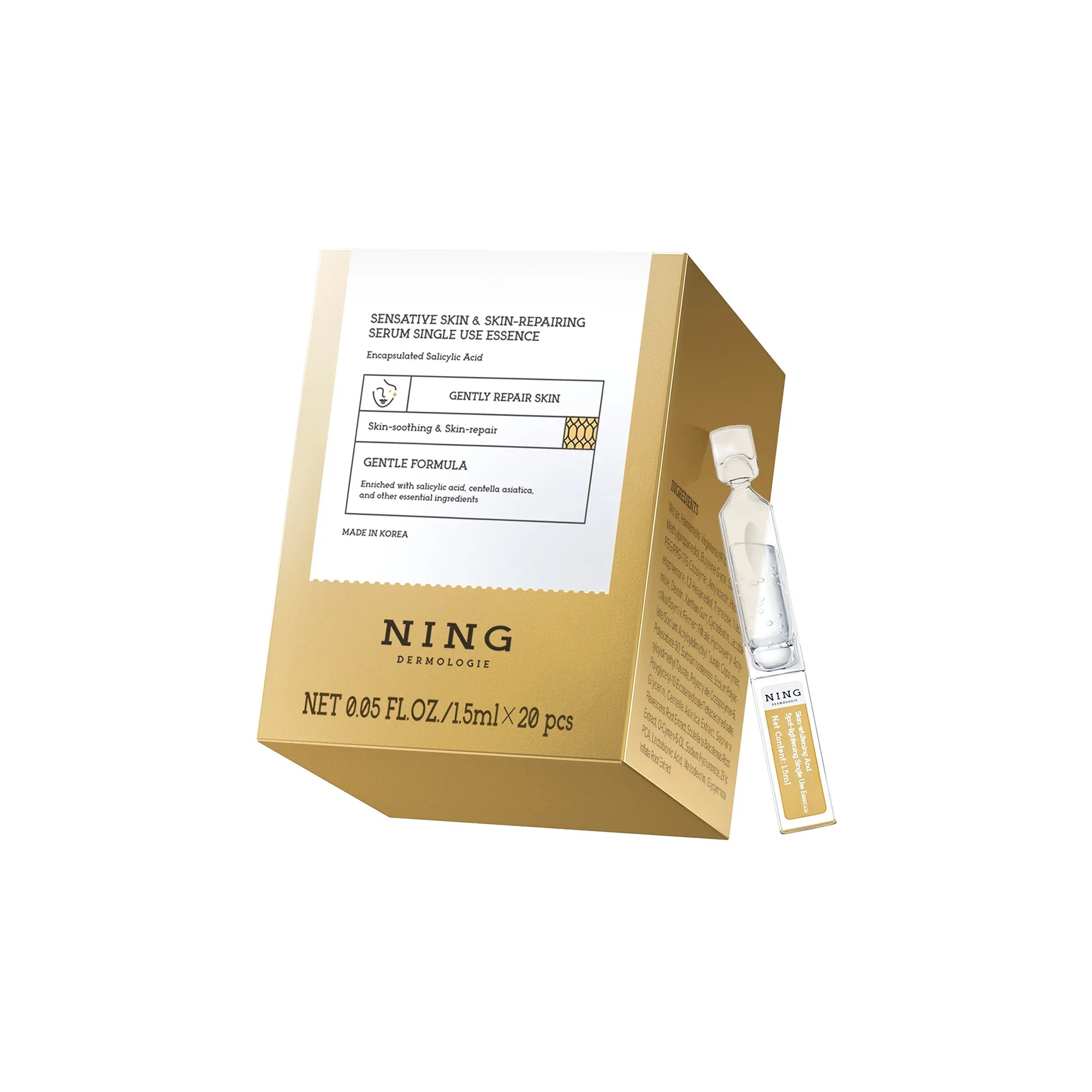
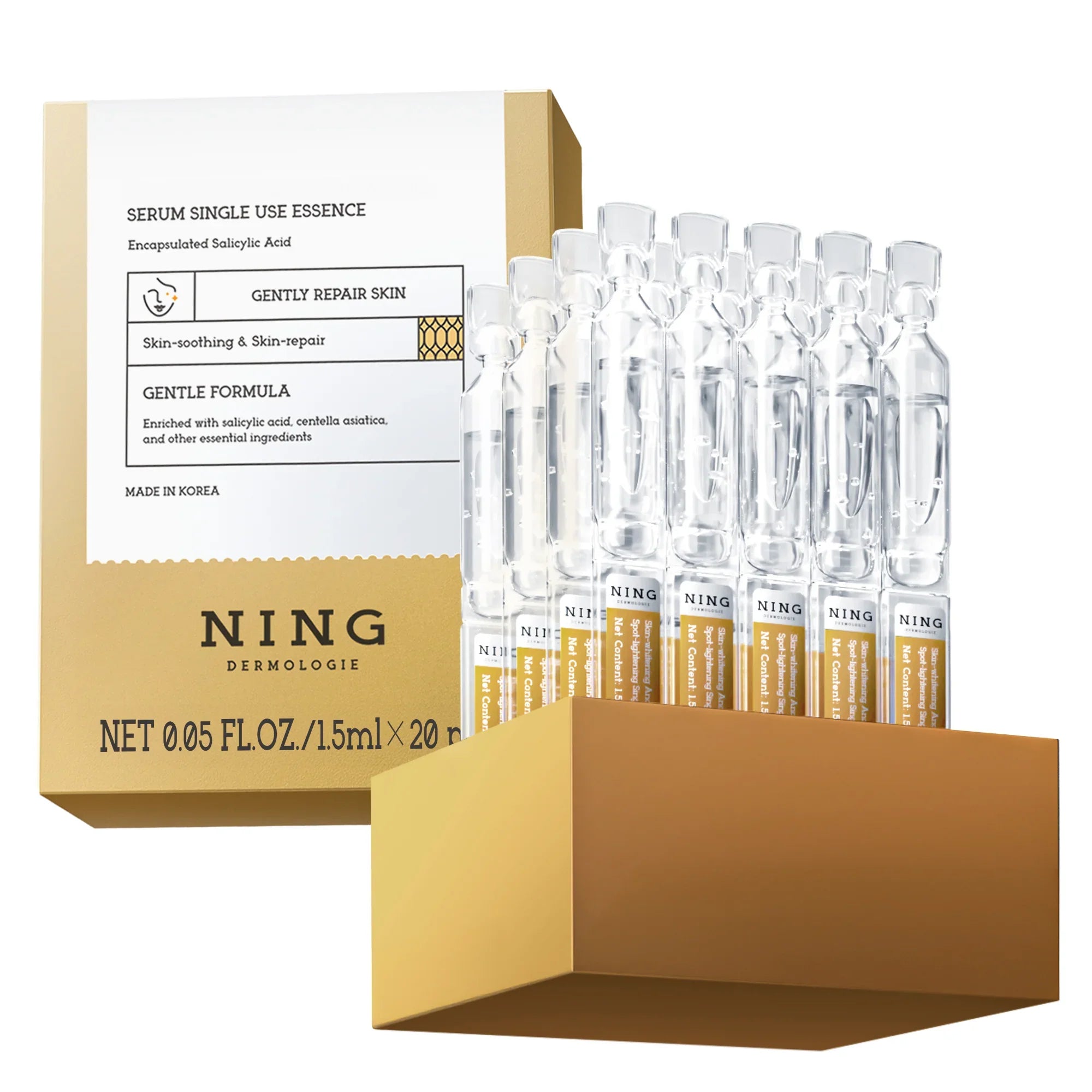
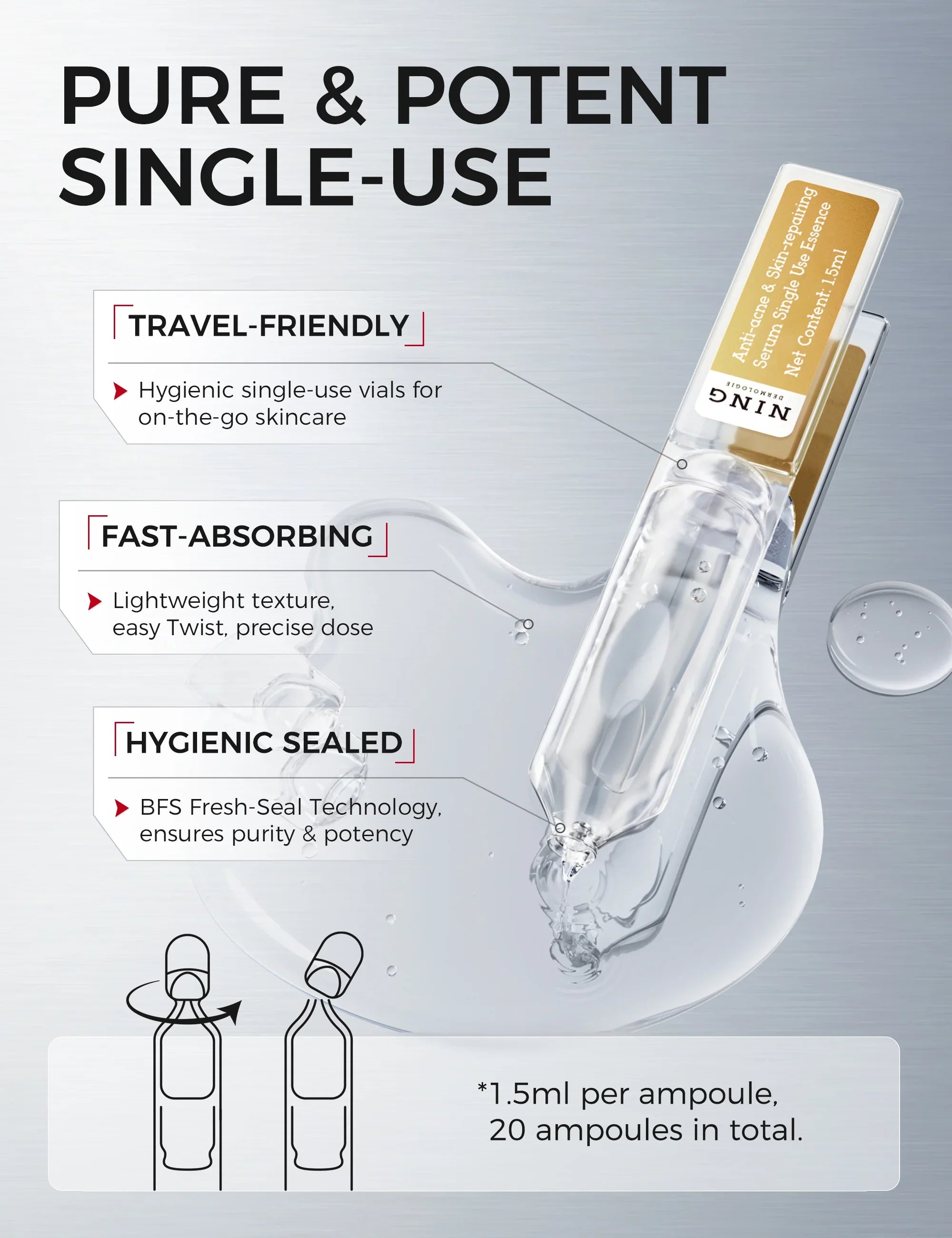
- The Pro-Choice (Specialty Boutiques & Online): If you want something that bridges the gap between a face cleanser and a professional treatment, keep an eye out for NING Dermologie. Their approach to Product formulation is actually mindful of Sensitive Skin. Specifically, theNING Dermologie Exfoliating Face Wash(their Peeling Gel) is a game-changer for dry types. Unlike physical exfoliants that use jagged shells, this uses a gentle exfoliating formula that balls up as you rub it, taking the grime with it without the scratchiness.
Why Your Current Routine Might Be Failing You
A lot of us were taught to "scrub" until it hurts. According to the American Academy of Dermatology, that’s the fastest way to ruin your skin texture. For dry skin, your skincare routine should actually focus on "softening" rather than "scouring."
If you have a dry skin type, you should probably skip the heavy foaming washes which often contain harsh surfactants. Instead, try a double cleanse. Start with a Makeup Removing Cleanser Balm or a Foaming Oil Cleanser to melt away the day, then follow up with a Hydrating Facial Cleanser. Use your exfoliating cleanser only 2-3 times a week.
The Science: AHA vs. BHA for Dry Skin
When you're looking at Product ingredients, it helps to know the lingo:
- Alpha hydroxy acid (AHA): Like glycolic acid. These are water-soluble and great for improving skin tone and surface flakes.
- Beta hydroxy acid (BHA): Like salicylic acid. These are oil-soluble. While usually for acne-prone skin and large pores, a low-percentage BHA can actually help dry skin shed cells more effectively.
- Physical Exfoliation: Think Jojoba Beads. These are round and smooth, much better for Facial care than crushed walnut shells.
My Local "Cheat Sheet" for Shopping
If you’re heading out now, here’s how to navigate the Beauty products aisle:
- Avoid: Products where Benzoyl Peroxide is the main star unless you have cystic issues; it’s incredibly drying.
- Look for: Cleansing lotions and Micellar Water for your "off" days to keep the moisture barrier intact.
- The "Feel" Test: If a face wash makes your skin feel "squeaky clean," that’s actually a bad sign. It means your natural oils are gone. You want your skin to feel bouncy and hydrated after using warm water to rinse.
I’ve found that incorporating a brand like NING Dermologie into a routine that includes sheet masks and rich eye creams really helps buffer the exfoliation process. Their Exfoliating Face Wash doesn't trigger that "panic dryness" we all hate. Plus, always follow up with face toners that are alcohol-free to rebalance your pH.
Final Pro-Tip: Protection
Exfoliating makes your skin fresh but also vulnerable to UV rays. No matter which exfoliating cleanser you find at the store today, please, please wear SPF the next morning. Your skin needs that shield to prevent the dark spots you just worked so hard to scrub away from coming back even darker.

Frequently Asked Questions (FAQ)
1. How often should I use an exfoliating face wash if I have dry skin?
Honestly, don't overdo it. Once or twice a week is usually the "sweet spot" for dry skin. If you go overboard, you'll end up wrecking your skin barrier, and that leads to that annoying tight, red feeling. If you’re using something super gentle like the NING Dermologie gel, you might handle a bit more, but always let your skin's comfort level be the final judge.
2. Can I use an SA Cleanser (Salicylic Acid) on dry, sensitive skin?
You can, but you have to be picky about the bottle. Don't just grab any SA Cleanser; look for one that’s "buffered" with Hyaluronic Acid or ceramides. It’s all about getting that blemish control without the desert-like aftermath. It works, just make sure the Product formulation doesn't feel like a chemical strip-down. If it stings, it’s a no-go.
3. What is the difference between physical and chemical exfoliation?
Think of it this way: physical exfoliation is like using a tiny broom (rice powder or beads) to sweep the surface, while chemical versions (like glycolic acid) dissolve the "glue" holding the junk together. For us dry-skin folks, chemical options or peeling gels like the Exfoliating Face Wash from NING are way better because they don't involve the harsh friction that causes micro-tears.
4. Should I exfoliate if I have active acne and dry skin?
It’s a balancing act. You want that active acne gone, but you can’t treat your face like a scrub pad. Avoid those gritty Face Scrubs—they usually just irritate the breakout more. Instead, a light exfoliating formula helps clear the gunk without making your dry patches peel. Just stay away from heavy Benzoyl Peroxide washes unless you want to feel like parchment paper.
5. What should I apply after using an exfoliating face wash?
The second you pat your face dry (with warm water leftovers still on the skin), lock it in! Get a hydrating toner or serum on there immediately to save your moisture barrier. And here is the non-negotiable part: you just exposed fresh skin, so you must wear sunscreen to block UV rays. If you skip SPF, you’re basically undoing all your hard work.





Share:
Show me the ingredients commonly found in exfoliating face washes.
Ultimate Guide to Exfoliating Cleansers for a Radiant Glow