


Stop the Sting: The 2026 Guide to Affordable Vitamin C Serums for Sensitive Skin
Most vitamin c serum reviews are written by people with skin like iron. They talk about "tingling" as if it’s a spa experience, while those of us with sensitive skin know the truth: for us, that tingle is usually a one-way ticket to Redness City. If you have a reactive skin type, finding the best vitamin c isn't just about glowing; it's about survival.
You’ve probably seen the SkinCeuticals C E Ferulic hype. It’s the gold standard in vitamin c, no doubt. But at nearly $200 a bottle, it’s not exactly "affordable." Plus, its high concentration of pure vitamin c (L-ascorbic acid) at a low pH is basically a nightmare for a compromised skin barrier.
So, how do you brighten skin and tackle that stubborn dark spot without looking like you’ve had a chemical peel gone wrong? Welcome to the era of vitamin c serums of 2026, where we finally have vitamin c formulations that prioritize peace over potency.

The Chemistry of Calm: Why Your Skin Hates Your Current Vit C
Before we dive into the best vitamin c serum list, we need to talk about why your face is angry. Topical vitamin c usually comes in the form of L-ascorbic acid. It’s powerful, yes, but it’s notoriously unstable and requires a very acidic environment to penetrate the skin. For someone with dry skin or a thin skin barrier, that acidity causes instant irritation.
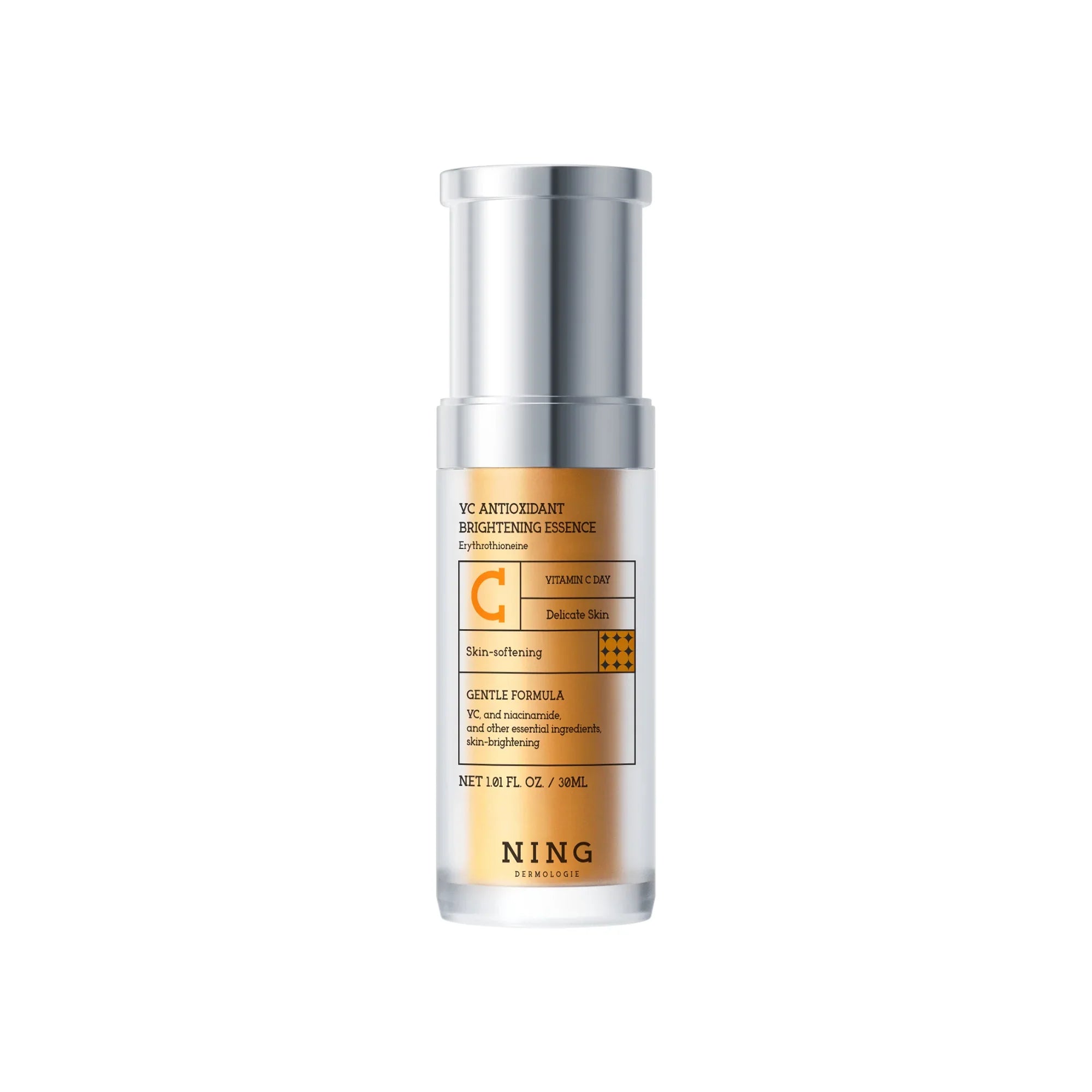
In 2026, the shift has moved toward vitamin c derivatives. These are the "gentle cousins" of the vitamin c product world. Ingredients like Sodium Ascorbyl Phosphate or the Ethyl Ascorbic Acid we use in our NING Dermologie Vitamin C Serum are game-changers. They don't require that harsh pH level, meaning they protect your skin from environmental damage without the burn.
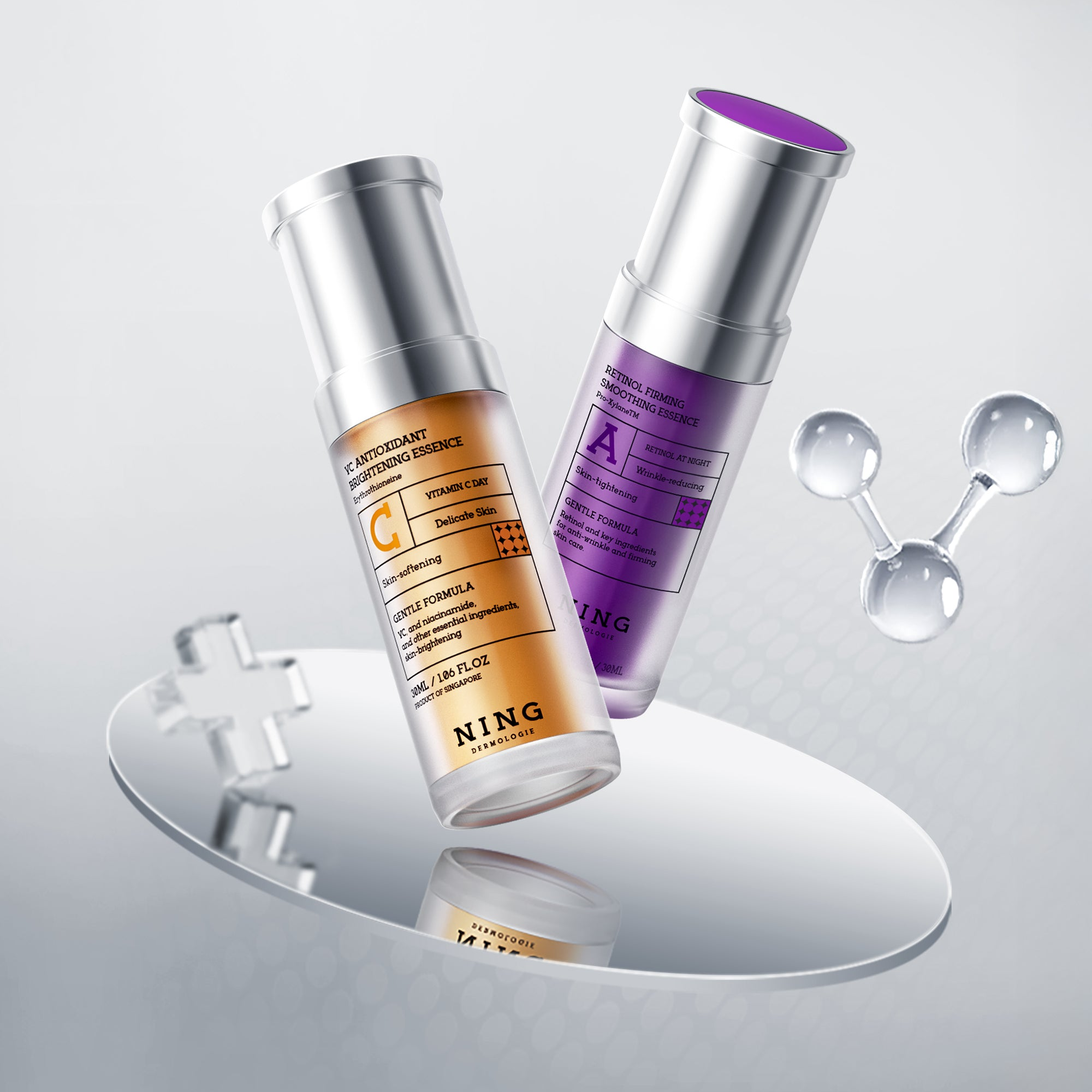
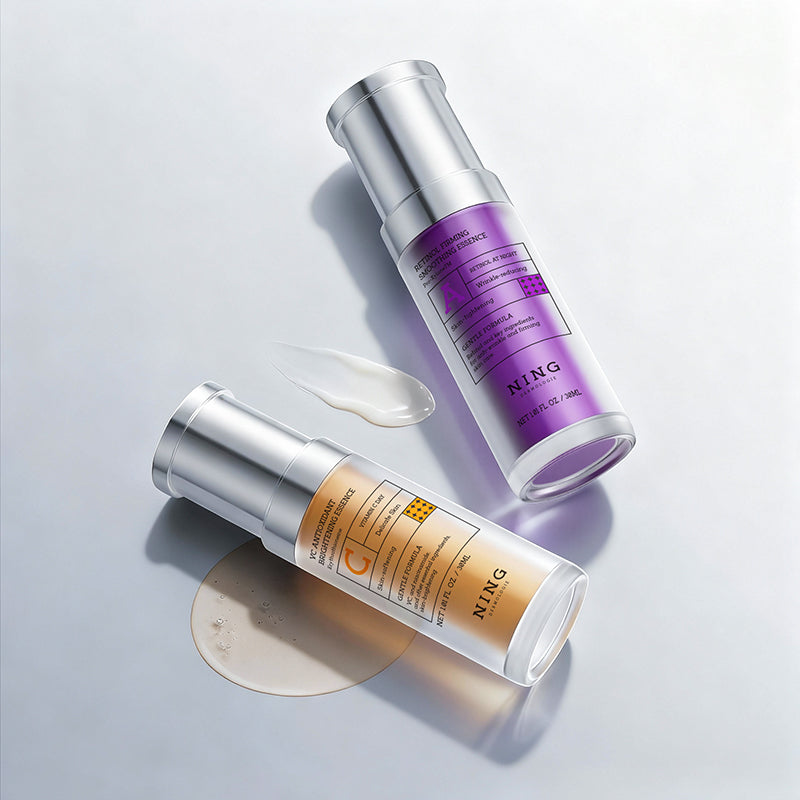
1. NING Dermologie: The Barrier-First Brightener
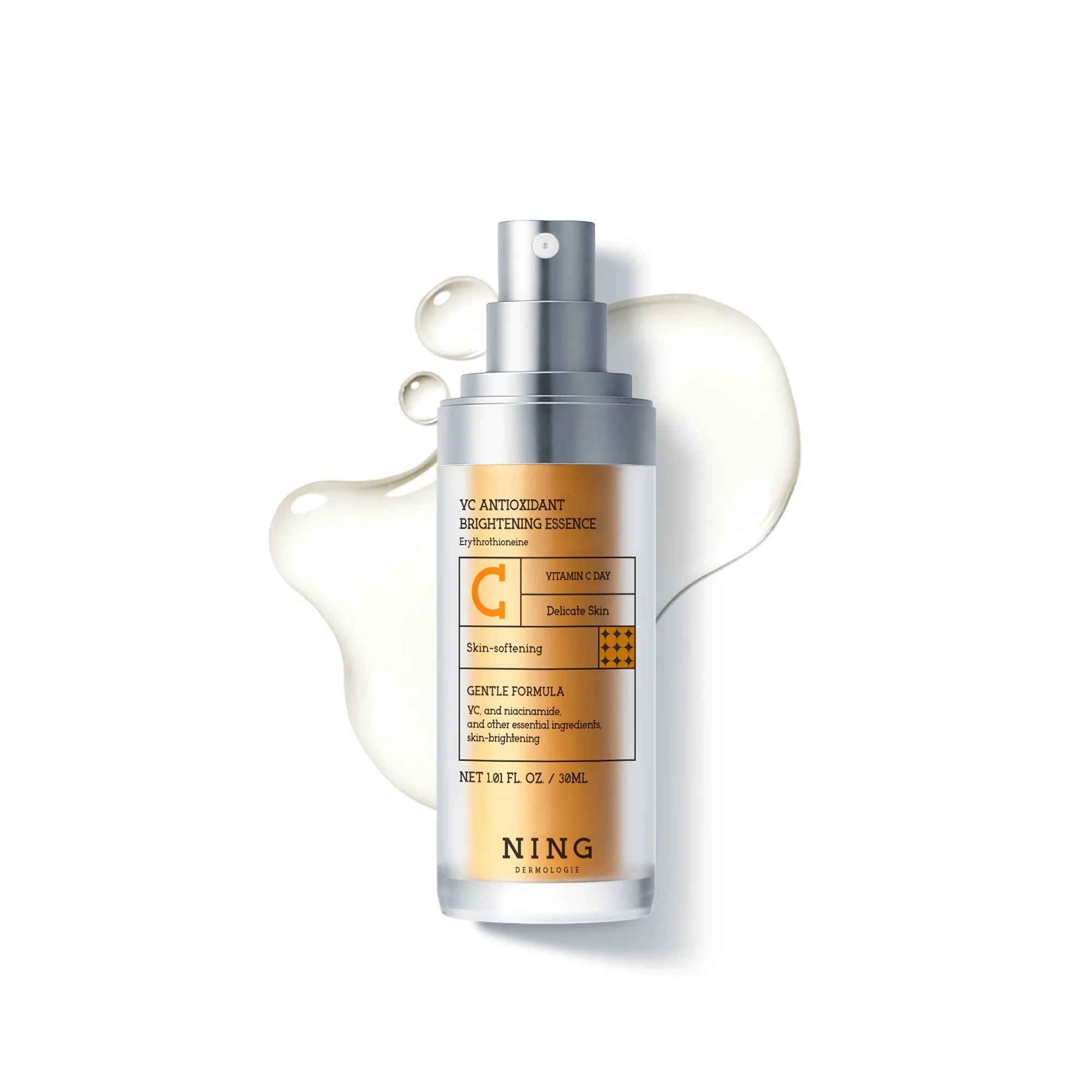
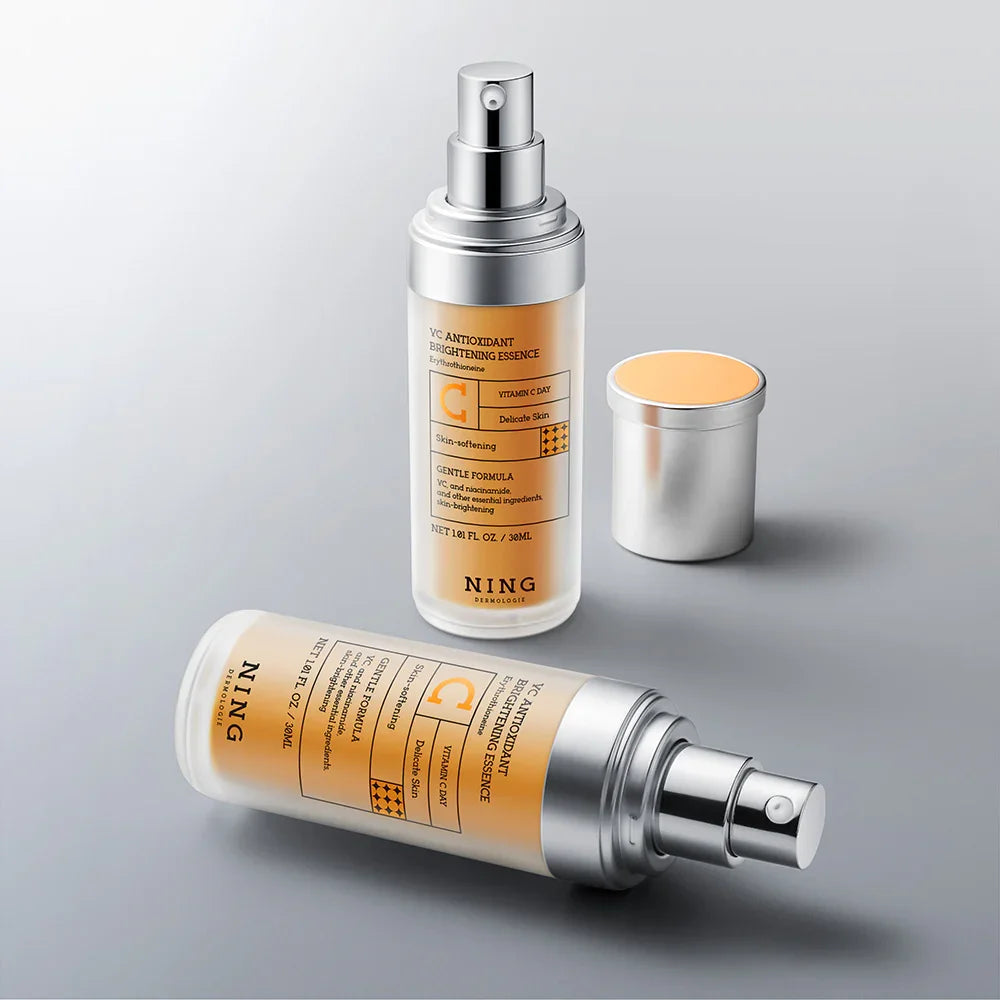
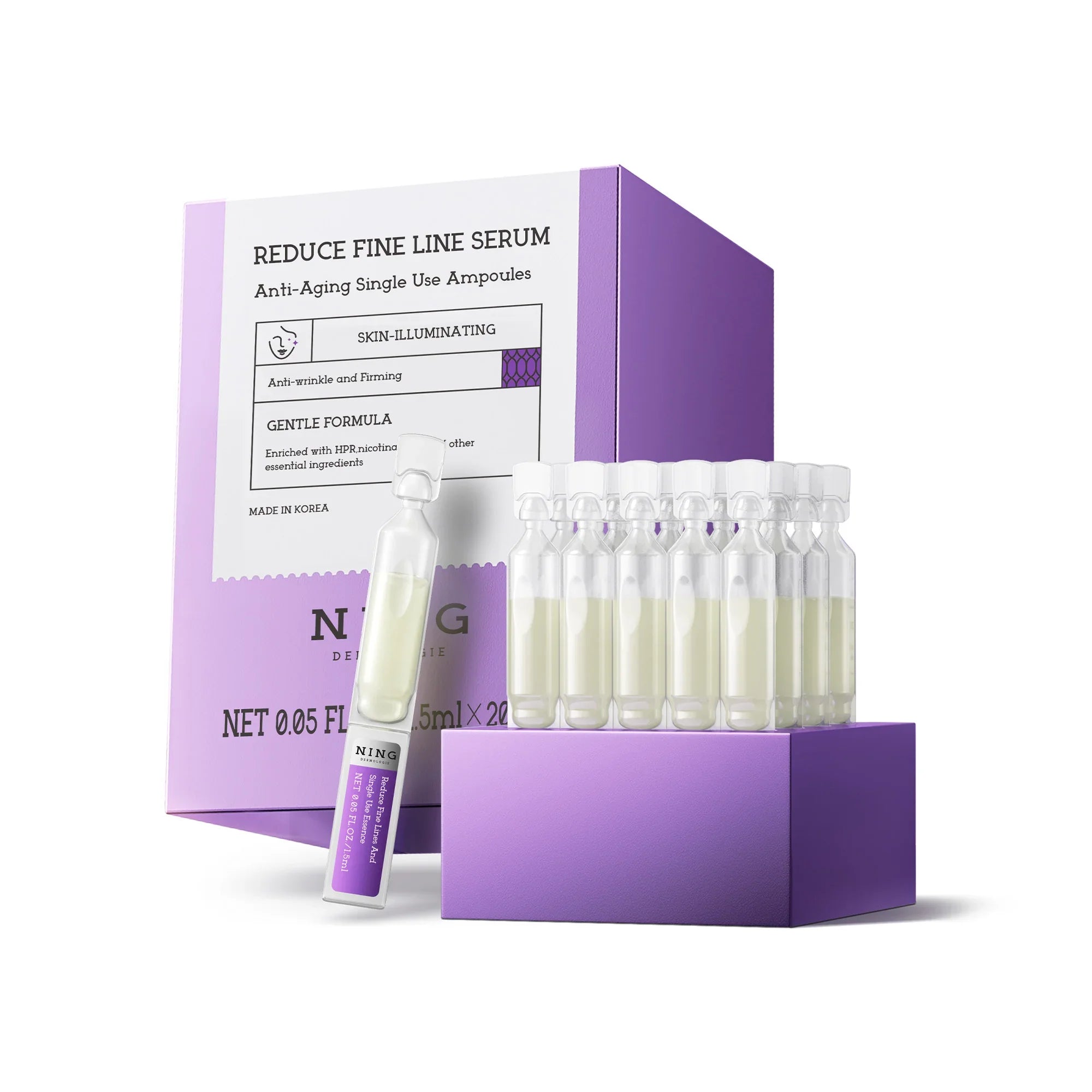
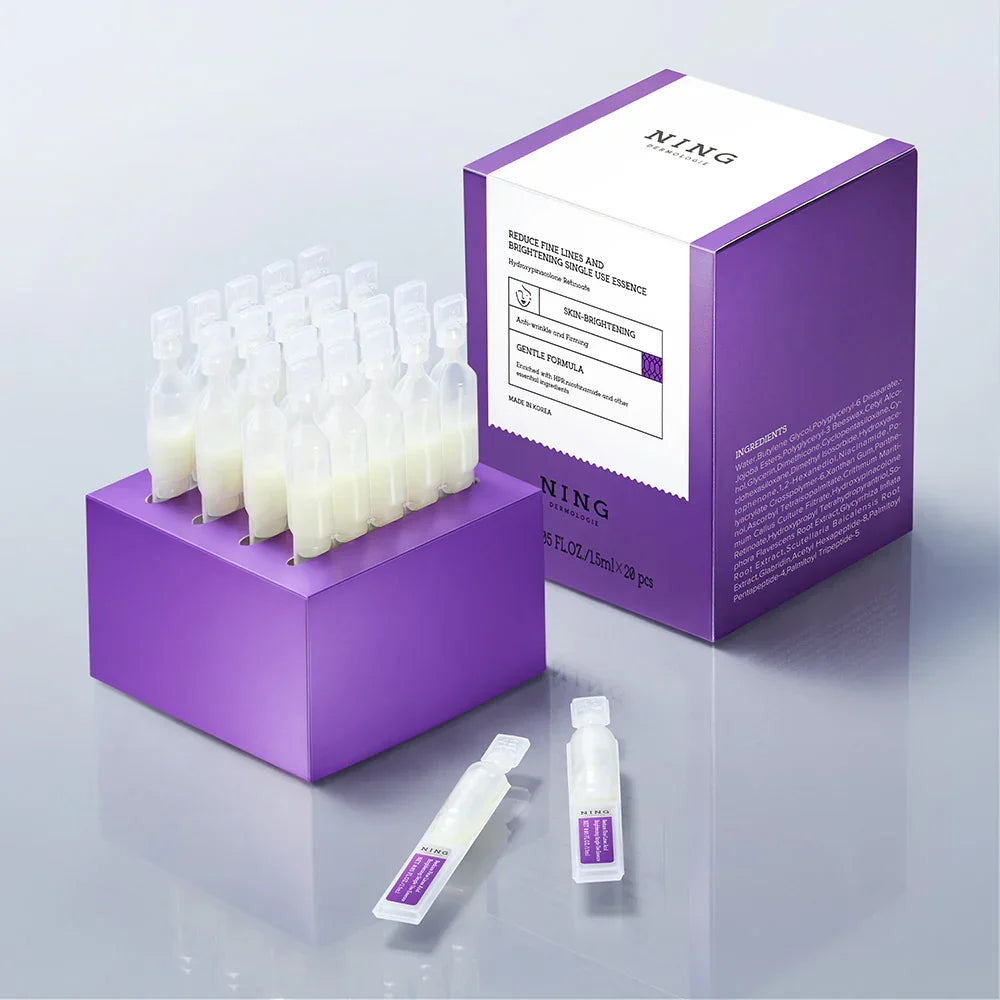
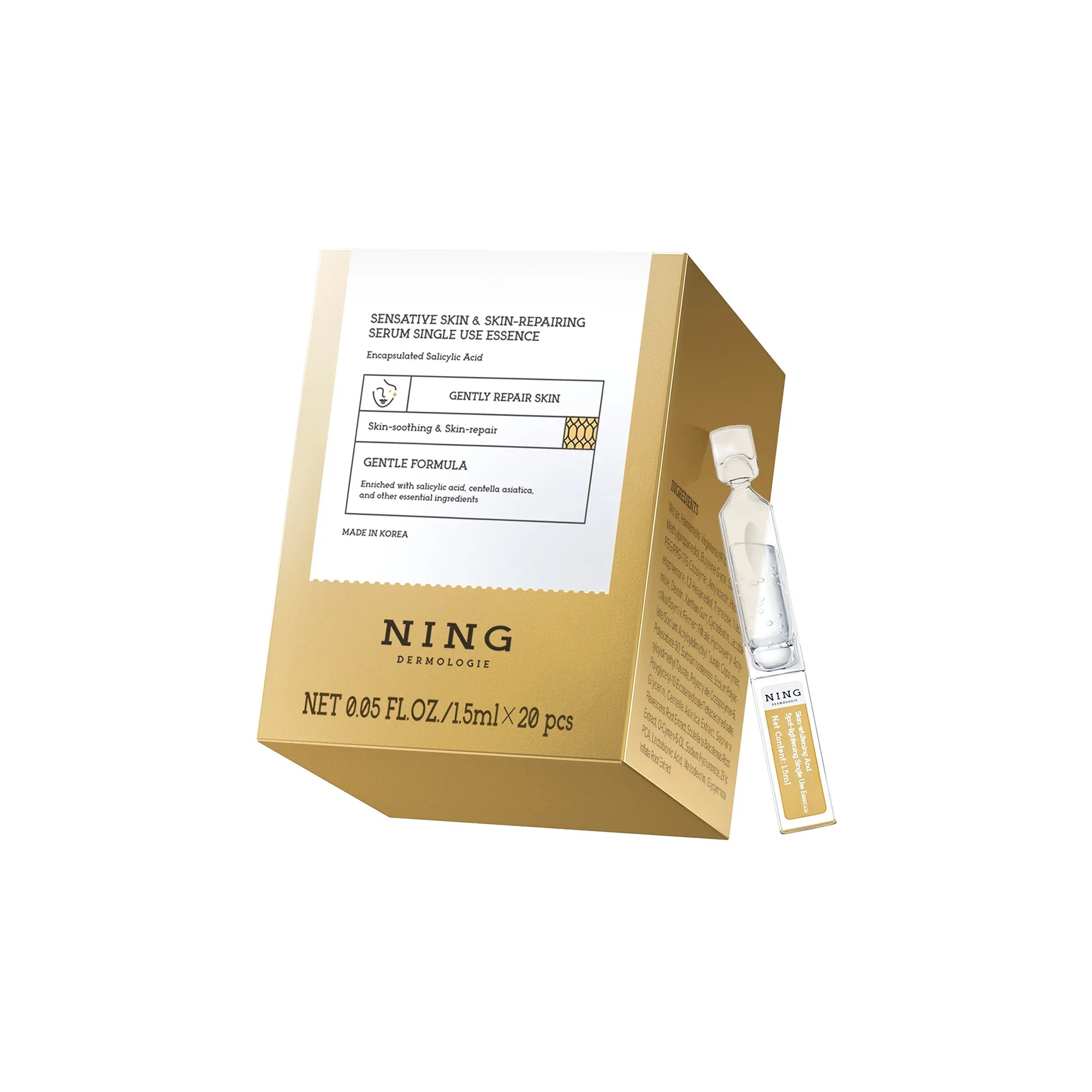
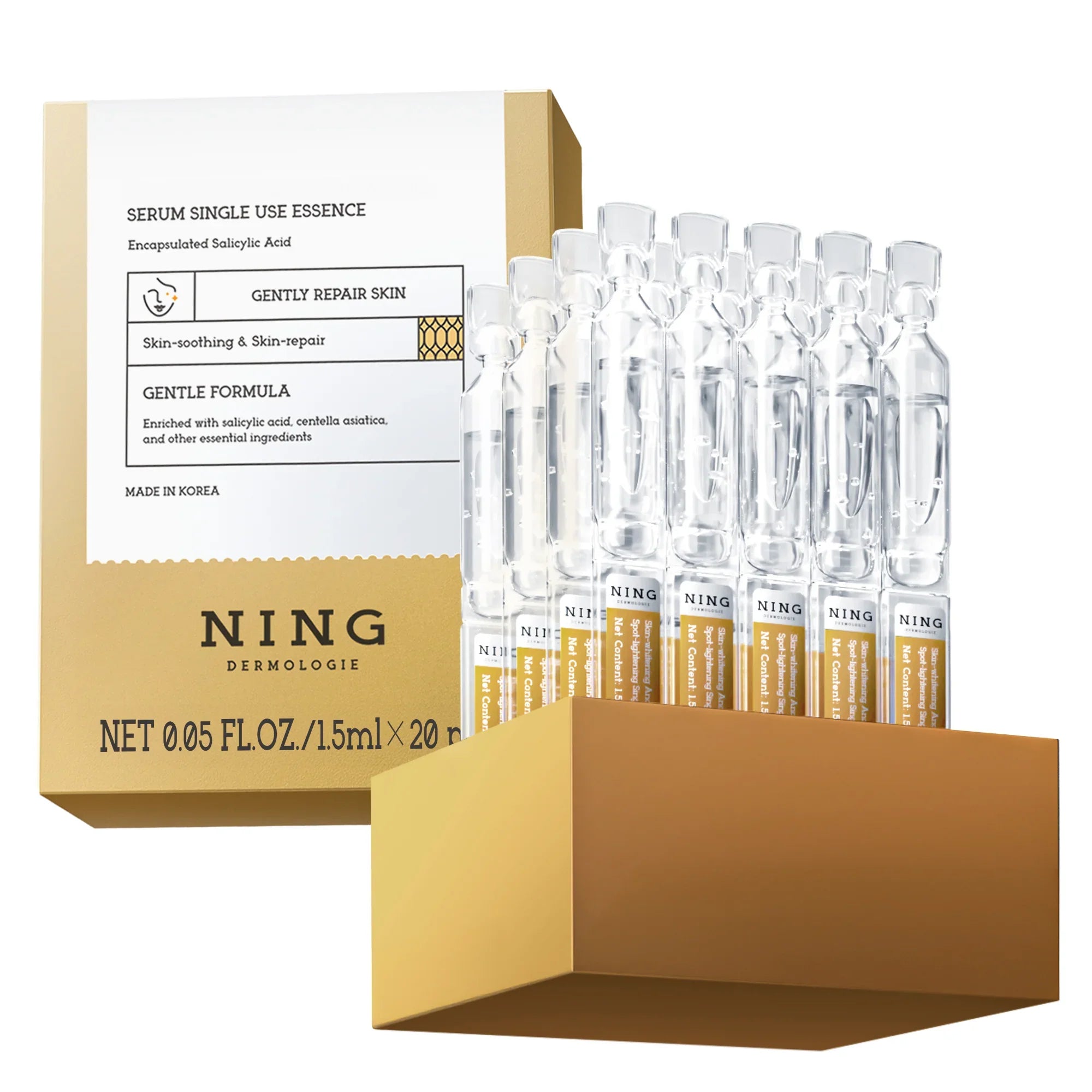
I might be biased, but I’ve seen enough "brightening" disasters to know that niacinamide and vitamin C belong together—not apart. Our NING Dermologie Vitamin C Serum was designed specifically for the "scared-of-serums" crowd.
Instead of forcing pure vitamin c onto a sensitive face, we use a stable c formula featuring 3-O-Ethyl Ascorbic Acid. It’s a derivative that actually gets absorbed. We also threw in Niacinamide and Vitamin B5. Why? Because while the vit c works on that uneven skin tone, the vitamin b5 and Niacinamide are busy repairing your skin barrier. It’s a brightening vitamin c serum that acts like a soothing hug.
- Best for: Sensitive skin types, acne-prone skin, and anyone with dull skin.
- The Vibe: It’s a vitamin c brightening serum that doesn’t leave you sticky.
2. Vanicream Vitamin C Serum: The Minimalist’s Dream
If your skin is so reactive that even looking at a lemon makes you itch, the Vanicream vitamin c serum is your safe harbor. Vanicream is legendary in the skin care community for what they don’t include. No dyes, no fragrance, no parabens.
They use Tetrahexyldecyl Ascorbate—a fancy, oil-soluble form of vitamin c that is exceptionally stable. It’s arguably the best vitamin c for sensitive folks who are new to vitamin c and terrified of a flare-up. It won’t give you that "instant" glass skin look, but it’s a slow and steady winner for improving skin health over time.
3. Timeless Skin Care: The Precision Pick
Timeless skin care has been a cult favorite vitamin c for years. While their 20% L-Ascorbic Acid serum is too much for many, their 10% version is a great vitamin c for face beginners. It’s a watery vitamin c facial serum that includes vitamin e and ferulic acid.
The include vitamin e and ferulic combo is vital. These two antioxidants stabilize the vitamin c and double its photoprotective powers. If you have combination skin and want something that sinks in fast, this is it. Just remember to keep your c serum in a cool, dark place—L-ascorbic acid hates light and heat.
4. Naturium Vitamin C Complex: The Multi-Tasker
The Naturium vitamin c complex is an interesting one for 2026. Instead of betting on one horse, they use a "complex" of pure vitamin c and encapsulated L-ascorbic acid. This time-release tech means your skin isn't getting hit with the full acidity all at once.
It feels more like a vitamin c face serum than a toner. It’s great for even skin tone and doesn't feel drying, making it a solid serum for dry skin.
5. TruSkin Vitamin C Serum: The Botanical Classic
You can’t talk about affordable vitamin c serum options without mentioning TruSkin vitamin c. It’s been an Amazon bestseller for a decade for a reason. The TruSkin vitamin c serum uses Sodium Ascorbyl Phosphate, which is particularly good if you have acne-prone skin because it has some mild antimicrobial properties.
It’s a vitamin c brightening serum that blends in botanical hyaluronic acid and Vitamin E. If you want a healthy skin look without a 10-step routine, this is a "one and done" vitamin c product.
Comparing the Heavy Hitters of 2026
| Brand | Form of Vitamin C | Key "Helper" Ingredients | Price Point |
| NING Dermologie | Ethyl Ascorbic Acid | Niacinamide, B5, Hyaluronic | $$ (Affordable) |
| Vanicream | THD Ascorbate | Minimalist Formula | $ (Budget) |
| Timeless | L-Ascorbic Acid (10%) | Vitamin E, Ferulic Acid | $ (Budget) |
| Olay Vitamin C | Vitamin C + Peptides | AHA (Lactic Acid) | $$ (Mid-range) |
| Mad Hippie | Sodium Ascorbyl Phosphate | Vitamin E, Ferulic, Konjac | $$ (Mid-range) |
How to Actually Use Vitamin C (Without Breaking Your Face)
I see people use vitamin c the wrong way all the time. They buy a vitamin c brightening serum, slather it on, and then wonder why their skin looked and felt irritated by noon.
1. The Patch Test is Non-Negotiable
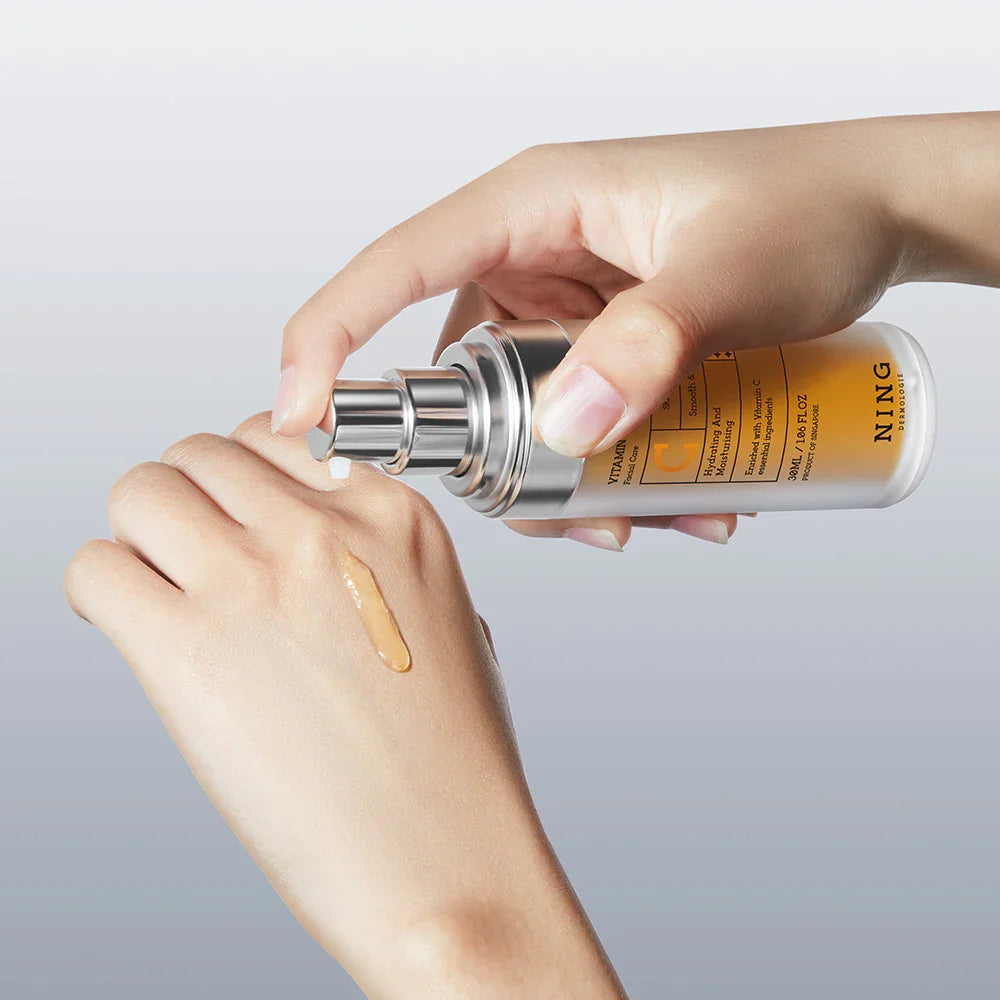
Before using this serum all over, try a tiny bit on your jawline. Wait 24 hours. If you aren't red, you're good to go. This is the only way to find your perfect vitamin c without the risk.
2. The Morning Rule
Vitamin c is an antioxidant like vitamin c should be: a shield. Its job is to protect your skin from the sun and pollution. Apply it in the morning after cleansing. Follow it with a moisturizer and—this is crucial—sunscreen. Vitamin c actually makes your sunscreen more effective.
3. Avoid the "Exfoliation Overload"
If you’re using vitamin c for face brightening, don’t use a heavy AHA/BHA scrub or Retinol in the same morning session. For sensitive skin, this is a recipe for a broken skin barrier. Use your vit c in the morning and save your "active" treatments for night.
Beyond the Brightening: Why Your Skin Texture Matters
It’s not just about fading a dark spot. A good vitamin c facial serum should improve skin tone and texture. When your skin tone is even, but your skin texture is rough, you won’t get that "glow."
This is where ingredients like vitamin b5 and niacinamide and vitamin c come into play. Niacinamide helps refine pores, while the vitamin c stimulates collagen. Together, they even out skin tone and make the skin look firmer. Whether you have normal skin or oily skin, the goal is a healthy skin look that feels resilient.
Is "Korean Skin Care" Better for Sensitive Skin?
Many Korean skin care brands have mastered the art of the brightening serum. They often use lower concentrations of pure vitamin c and supplement with soothing extracts like Centella Asiatica. If you’re looking for a brightening vitamin c serum that feels more like a hydrating essence, the K-beauty market is a great place to hunt. However, brands like NING Dermologie have taken those K-beauty philosophies—gentleness and hydration—and combined them with high-stability western c formula tech.

The Verdict on 2026's Vitamin C Market
Finding the best vitamin c for sensitive skin doesn't require a miracle—it just requires reading the label. Avoid the high-acid "orange juices" that smell like hot dogs and sting like bees. Look for vitamin c derivatives. Look for "barrier-builders."
If you’ve struggled with uneven skin or dull skin and felt like vitamin c just wasn't for you, I’d encourage you to try a gentler approach. Using this serum (the right one!) for serum for at least four to six weeks is when you’ll start to see the real magic. Your skin looked and felt different because you stopped attacking it and started supporting it.
Frequently Asked Questions (FAQ)
1. Can I use Vitamin C if I have active acne?
Yes, but choose wisely. For acne-prone skin, stay away from heavy, oil-based vitamin c creams. Instead, look for a vitamin c serum for sensitive skin that uses Sodium Ascorbyl Phosphate or Ethyl Ascorbic Acid. These derivatives are less likely to clog pores. The Niacinamide in our NING Dermologie formula is especially helpful here, as it helps regulate oil while the vit c fades post-acne marks.
2. Why did my Vitamin C serum turn orange?
That’s the sign of oxidation. When pure vitamin c (L-ascorbic acid) is exposed to air and light, it breaks down and loses its effectiveness. If your vitamin c product looks like dark amber or smells "off," it’s time to toss it. To prevent this, look for vitamin c formulations in opaque, pump-style bottles rather than droppers, and always store your c serum in a cool, dark drawer.
3. How long does it take to see results on dark spots?
Patience is key. While a brightening serum might give you a slight immediate "glow" due to hydration, fading a stubborn dark spot or fixing uneven skin usually takes 8 to 12 weeks of consistent use. Your skin cells need time to turn over. Stick with your vitamin c brightening serum every morning, and make sure you’re wearing SPF, or you’ll undo all your progress.
4. Is a higher percentage of Vitamin C always better?
Absolutely not, especially for sensitive skin. A 20% pure vitamin c serum is highly acidic and likely to cause peeling or redness. Studies show that the skin can only absorb so much at once. A 10% concentration or a stable vitamin c derivative at a lower percentage is often just as effective for improving skin tone without the risk of damaging your skin barrier.
5. Can I mix Vitamin C with my Retinol?
It’s generally not recommended to mix them in the same application. Both are powerful "actives" that can overwhelm sensitive skin types. The best practice for skin care is to use your vitamin c facial serum in the morning to protect your skin from environmental stressors, and use your Retinol or skin renewing vitamin c serum alternatives at night. This "split routine" gives your skin the benefits of both without the irritation.
Ready to finally try a Vitamin C that loves your skin back? Check out NING Dermologie’s Vitamin C Serum with Niacinamide here.


Share:
What vitamin C serums offer the best value for money for facial care?
Beyond Acne: Diverse Benefits of Salicylic Acid for Skin Health