

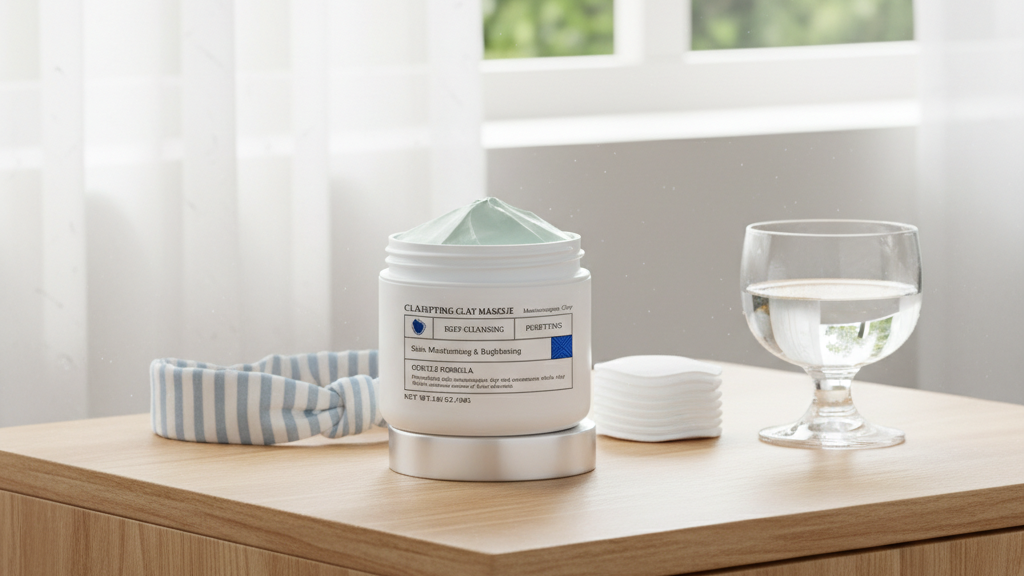

We’ve all been there—staring into the bathroom mirror, wondering when our pores decided to host a permanent open house for oil and grime. If your skin looks a bit "gray" or your nose has developed that stubborn "strawberry" texture, you’ve likely thought about a clay mask. But here is the thing: most people use them wrong, and most brands sell you a one-size-fits-all "mud mask" that ends up leaving your skin parched and irritated.
Whether you are battling a slick T-zone or you’re someone with sensitive skin types who is terrified of anything that "draws out impurities," this guide is for you. We’re diving into the 8 best clay masks that actually work, focusing on how to clear pores without nuking your skin barrier.

8 Best Clay Masks to Finally Clear Pores and Fix Your Skin Texture
Let’s be honest: the world of skin care is cluttered. You see terms like "volcanic aha pore clearing clay" or "umbrian clay" and it feels like you need a chemistry degree just to wash your face. But at its heart, a facial mask using clay is a mechanical tool. It’s a vacuum.
If you choose the right type of clay, you get clearer skin and a glow that looks like you actually slept eight hours. If you choose wrong? You’re left with redness and a tight, "cracked earth" skin feel that takes days to recover from.
Why Your Current Clay Mask Is Best Left on the Shelf
Most traditional clay formulations are too aggressive. They rely heavily on high-pH bentonite clay which, while great for sucking up excess oil, can leave your skin feeling dry and stripped. When your skin feels that "tight" sensation as a mask dries, that’s actually your skin cells screaming for moisture.
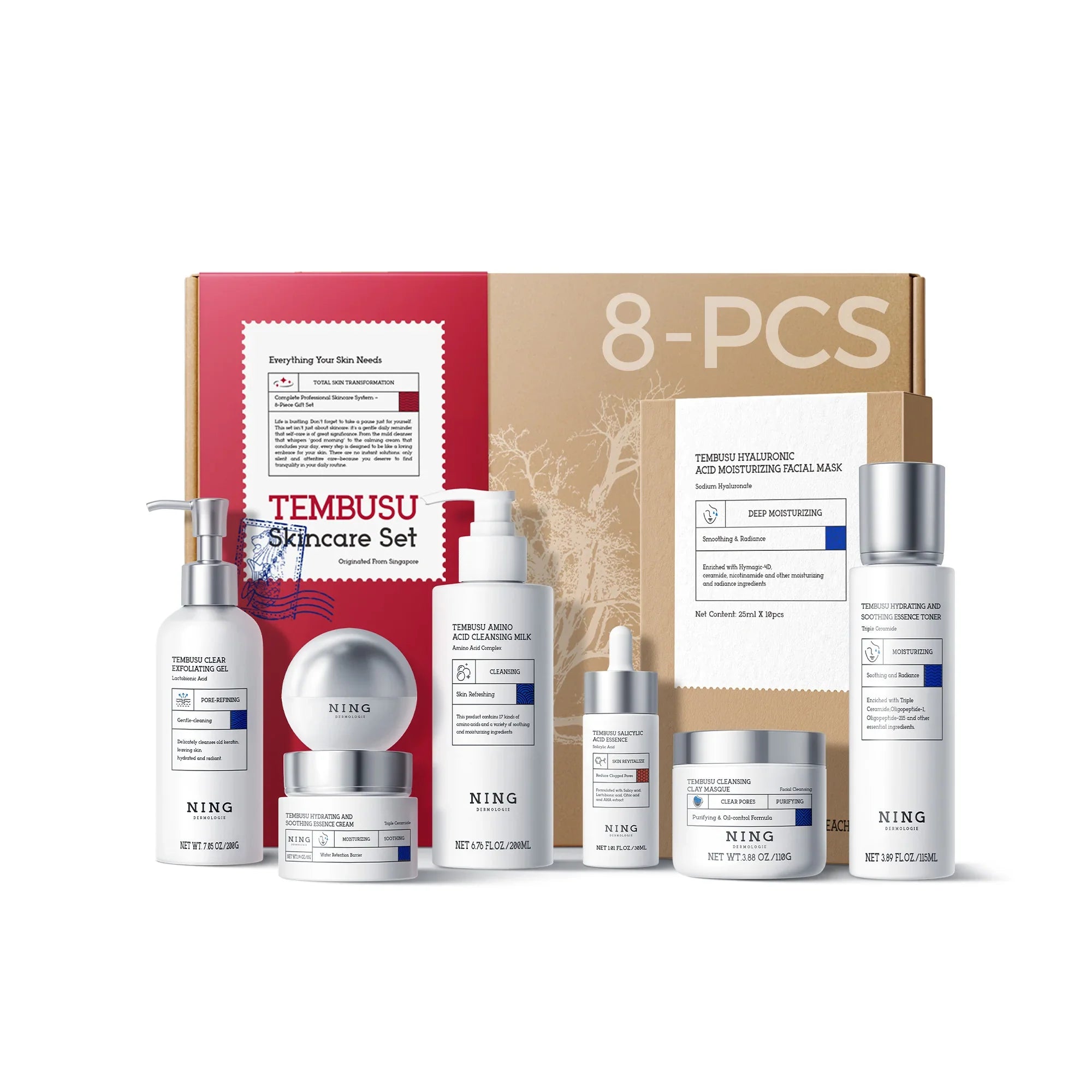
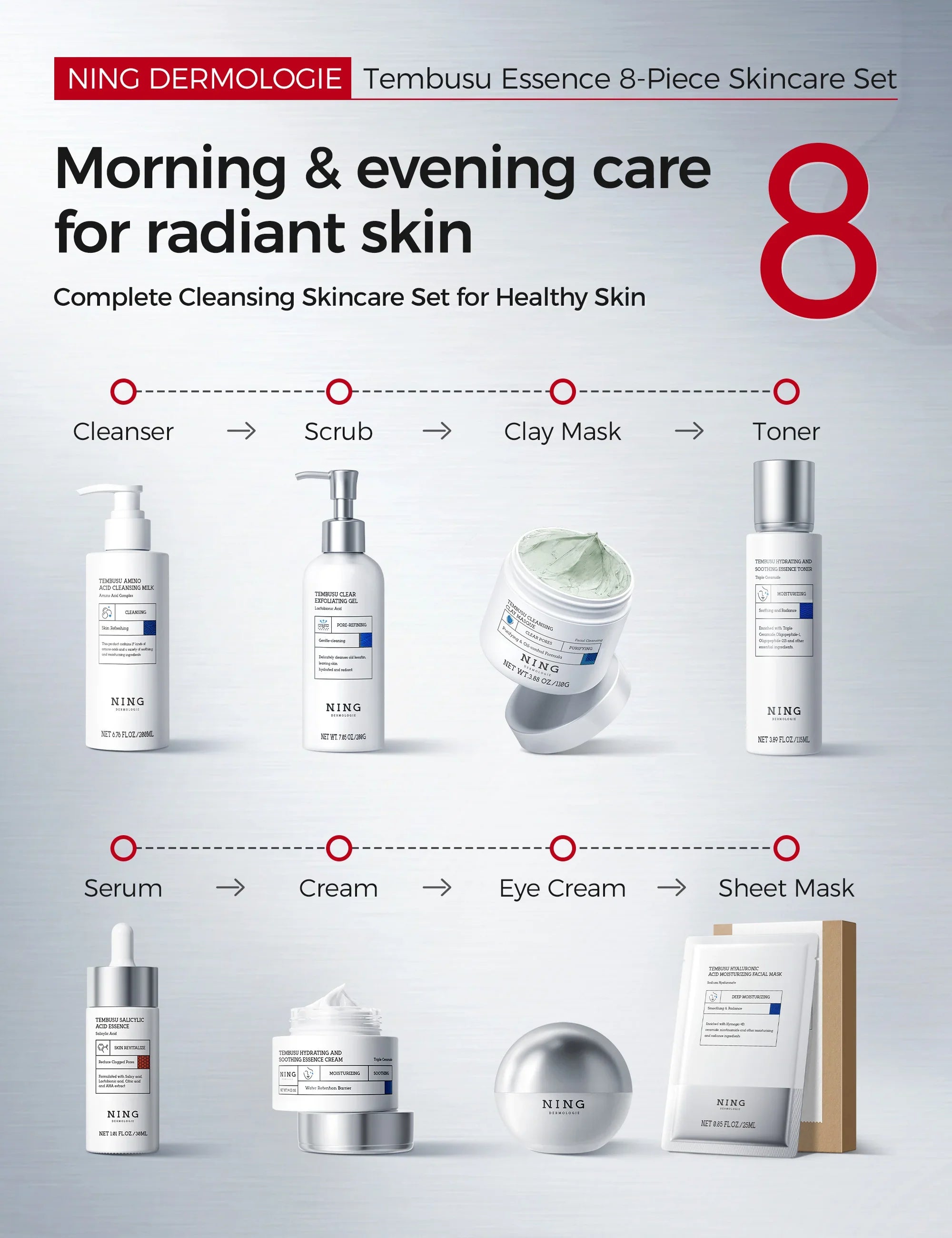
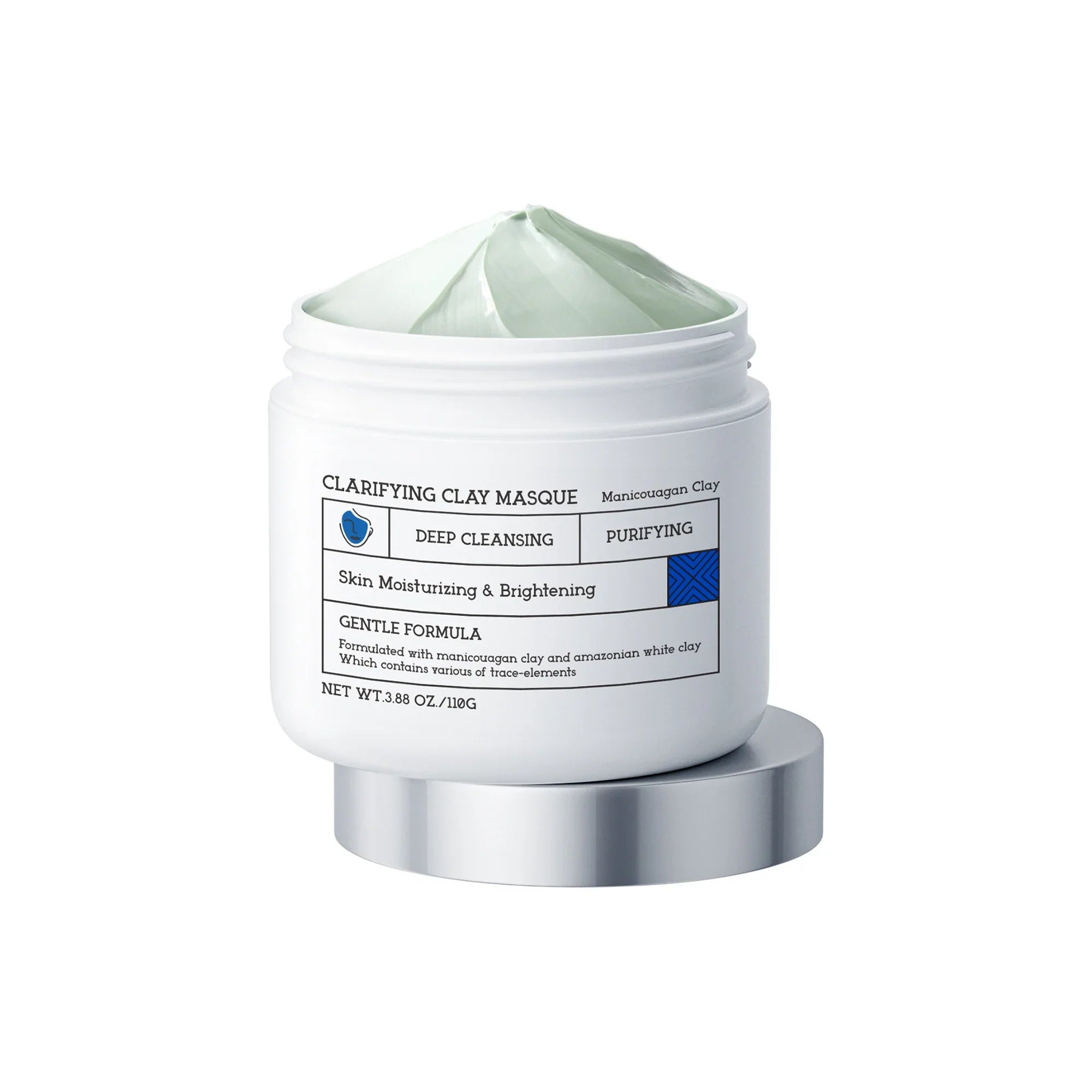
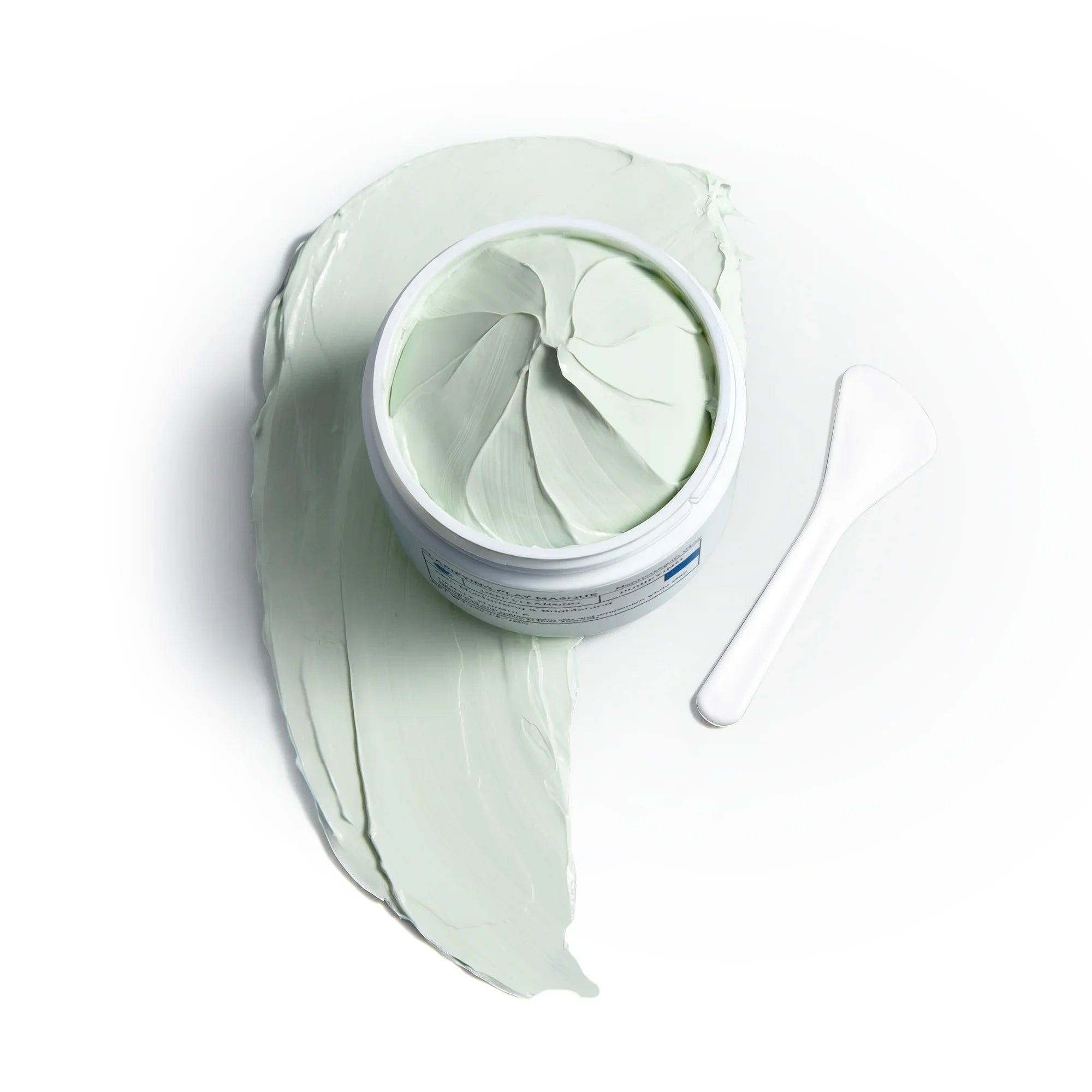
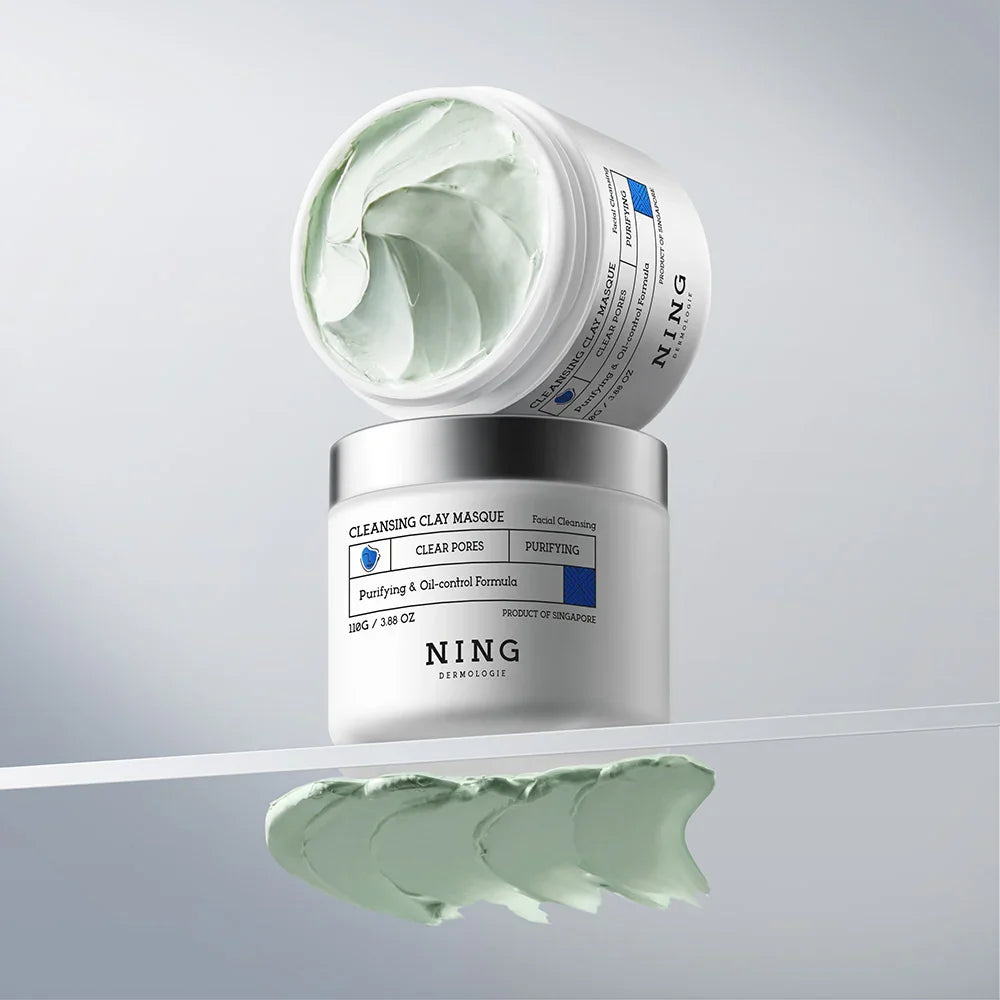
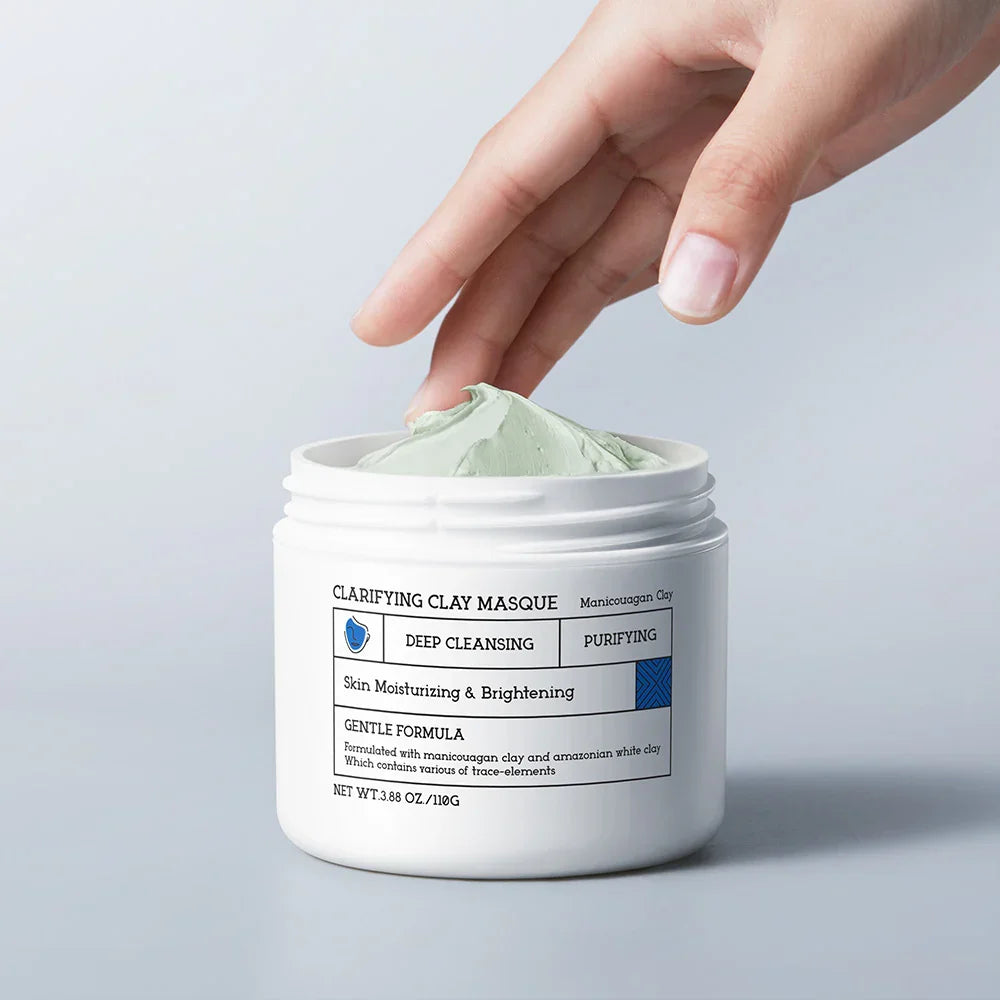
At NING Dermologie, we’ve spent a lot of time looking at why people give up on clay. Usually, it’s because they have breakout-prone skin but also a damaged barrier. You want to unclog pores, but you don't want to flake. That’s why we developed the Clay Mask for Face Sensitive Skin. It’s designed to keep the skin hydrated while the kaolin clay does the heavy lifting.
Understanding the "Vacuum": Types of Clay Used in Masks
Before we get into our curated picks for the 8 best clay masks, you need to know what you’re putting on your face. Not all mud is created equal.
Kaolin Clay (The Gentle Giant)
Often called white clay, this is the MVP for every skin type. It’s a mild absorbent. It doesn't reach down and yank everything out; it gently exfoliates dead skin cells and mops up surface oil. If you have dry skin types or are prone to redness, this is your holy grail.
Bentonite Clay (The Heavy Hitter)
This is volcanic ash. When it gets wet, it expands and acts like a magnet for toxins. It is the best for oily skin and acne-prone skin because it has a high exchange capacity. But, a word of warning: if you leave skin feeling "squeaky clean" with pure bentonite, you might trigger even more oil production.
Umbrian Clay and Kucha Clay
Umbrian clay is a mineral-rich powerhouse often found in high-end brands like Fresh. It’s incredible for neutralizing acidity in the skin. Meanwhile, Kucha clay (from Japan) is gaining popularity in the best clay masks for every skin concern because its particles are smaller than a regular pore, allowing for deeper penetration.
The Curated List: 8 Best Clay Masks for Every Skin Type
1. Best for Sensitive Skin: NING Dermologie Clay Mask
Look, we’re biased, but the science holds up. Most clay masks for every skin type ignore the fact that sensitive skin needs a "buffer." Our Clay Mask for Face Sensitive Skin uses a high-purity kaolin base but infuses it with soothing botanicals.
- Why it works: It uses pink clay to gently exfoliate the skin while ensuring your skin looks and feels supple.
- The Feel: Unlike the aztec secret indian healing clay which can feel like it’s pulsating on your face, this leaves your skin feeling refreshed and balanced.
- Link: Check it out here.
2. Best for Oily and Acne-Prone Skin: Skinceuticals Clarifying Clay Mask
If your skin is a literal oil refinery, the skinceuticals clarifying clay is a staple. It’s a purifying mask that combines bentonite and kaolin with a 2% fruit acid blend.
- Pro Tip: This is a heavy-duty clarifying clay mask. Only use it once a week if you have combination skin, or it will leave your skin parched.
3. The Luxury Pick: Tatcha The Clarifying Clay Mask
This one is a sensory experience. Tatcha the clarifying clay mask uses Okinawa Kucha clay and warming ginger. It actually changes color as you rub it in. It’s fantastic for mature skin because it doesn't settle into fine lines or leave the skin feeling dry.
4. Best Overall for Pores: Volcanic AHA Pore Clearing Clay
Specifically, the Innisfree version or similar K-beauty formulations. They use "clusters" of volcanic clay. This is a great pore clearing clay mask because the AHA chemically dissolves the "glue" holding dead skin cells together while the clay pulls them out.
5. Best for Brightening: Pink Clay Masks
Pink clay is essentially a mix of red and white clay. It’s the best for sensitive skin that looks dull. It helps even out your skin tone by boosting circulation to the surface.
6. The "Old School" Classic: Traditional Clay
Think of the simple, mineral-heavy mud mask you’d find at a spa. These are often rich in magnesium and calcium. They are great for "full body" use but can be a bit heavy for the delicate skin on your face.
7. Best for Combination Skin: Umbrian Clay Purifying Mask
The beauty of umbrian clay is its balance. It’s effective enough for the nose but gentle enough for the cheeks. It’s one of the few masks that truly works for every skin type without needing a secondary moisturizer immediately after.
8. The Budget Powerhouse: Green Clay
French Green Clay (Illite) is a "bio-mineral" that literally drinks oil. It’s the best for acne that is actively inflamed. Just don't let it dry until it’s white and crumbling—rinse it while it’s still a bit tacky.
How to Actually Use a Clay Mask (And Stop Ruining Your Skin)
Most people apply a clay face mask, wait 30 minutes until they can't move their face, and then scrub it off with a towel. Stop doing that. You’re causing micro-tears and dehydration.
Step 1: The Prep
Don't just wash your face. Use a warm compress for 60 seconds. This doesn't "open" pores (pores aren't doors), but it softens the sebum (oil) inside them, making it easier for the clay to absorb oil.
Step 2: The Application
Apply an even layer of your face mask. You don't need to look like a statue; a thin, opaque layer is enough. If you have combination skin, try "multi-masking." Use the skinceuticals clarifying clay mask on your nose and the NING Dermologie mask on your cheeks.
Step 3: The Golden Rule of Timing
Using a clay mask should only take 10 minutes. The mask goes through three stages:
-
The Damp Phase: The skin absorbs the minerals.
-
The Cooling Phase: The clay begins to dry, and it starts to contract. This is when it draws out excess oil and unclogs pores.
-
The Dry Phase: This is the danger zone. If it’s cracking, it’s drawing moisture out of your skin. Rinse it off before it gets here.
Step 4: The Removal
Don't scrub. Splash with lukewarm water until the clay re-hydrates, then gently wipe away. Your skin feeling clean shouldn't mean skin feeling tight.

The Benefits: What Happens After You Wash It Off?
When you use a pore clearing clay consistently—say, once or twice a week—the results are cumulative.
- Immediate: Your pores look smaller because the dark "plugs" (blackheads) have been removed.
- Long-term: By removing the buildup of dead skin cells and excess oil, you prevent the stretching of the pore wall. This is how you actually minimize the appearance of pores over time.
- Texture: Your skin texture becomes smoother, making makeup application much easier.
Choosing Your Weapon: A Table for Every Skin Type
| Skin Concern | Best Clay Type | Top Product Pick |
| Sensitive / Redness | Kaolin / Pink Clay | NING Dermologie Clay Mask |
| Very Oily | Bentonite | Skinceuticals Clarifying Clay |
| Clogged Pores / Blackheads | Volcanic / AHA | Volcanic AHA Pore Clearing Clay |
| Dull / Mature Skin | Kucha Clay / Umbrian | Tatcha The Clarifying Clay Mask |
| Combination | White Clay / Green Clay | Umbrian Clay Purifying Mask |
Why NING Dermologie is Different
We know you have choices. You could go buy the cheapest mud mask at the drugstore. But we’ve focused on the "after-feel." Most users report that after using our Clay Mask for Face Sensitive Skin, their skin feels hydrated, not parched. We’ve balanced the drawing power of clay with hyaluronic acid and calming extracts. It’s about being effective, not aggressive.
Keep your skin healthy, keep your skin clear, and stop treating your face like a piece of sandpaper. Your pores will thank you.
Frequently Asked Questions (FAQ)
1. How often should I really be using a clay mask?
For most, a clay mask once a week is plenty. If you have extremely oily or acne-prone skin, you might push it to twice a week. However, if you have dry or sensitive skin, even once every ten days is enough. Over-masking can lead to a "rebound effect" where your skin produces more oil to compensate for what you’ve stripped away. Always listen to your skin's moisture levels.
2. Can a clay mask actually remove blackheads?
Yes and no. A purifying clay mask is excellent at drawing out the surface oil and debris that form the "head" of a blackhead. This makes pores look much cleaner immediately. However, for deep-seated clogs, you might need a combination of clay and chemical exfoliants like BHA (Salicylic Acid). Think of the clay mask as maintenance to keep the skin clear of new blackheads.
3. Should I moisturize after using a facial mask?
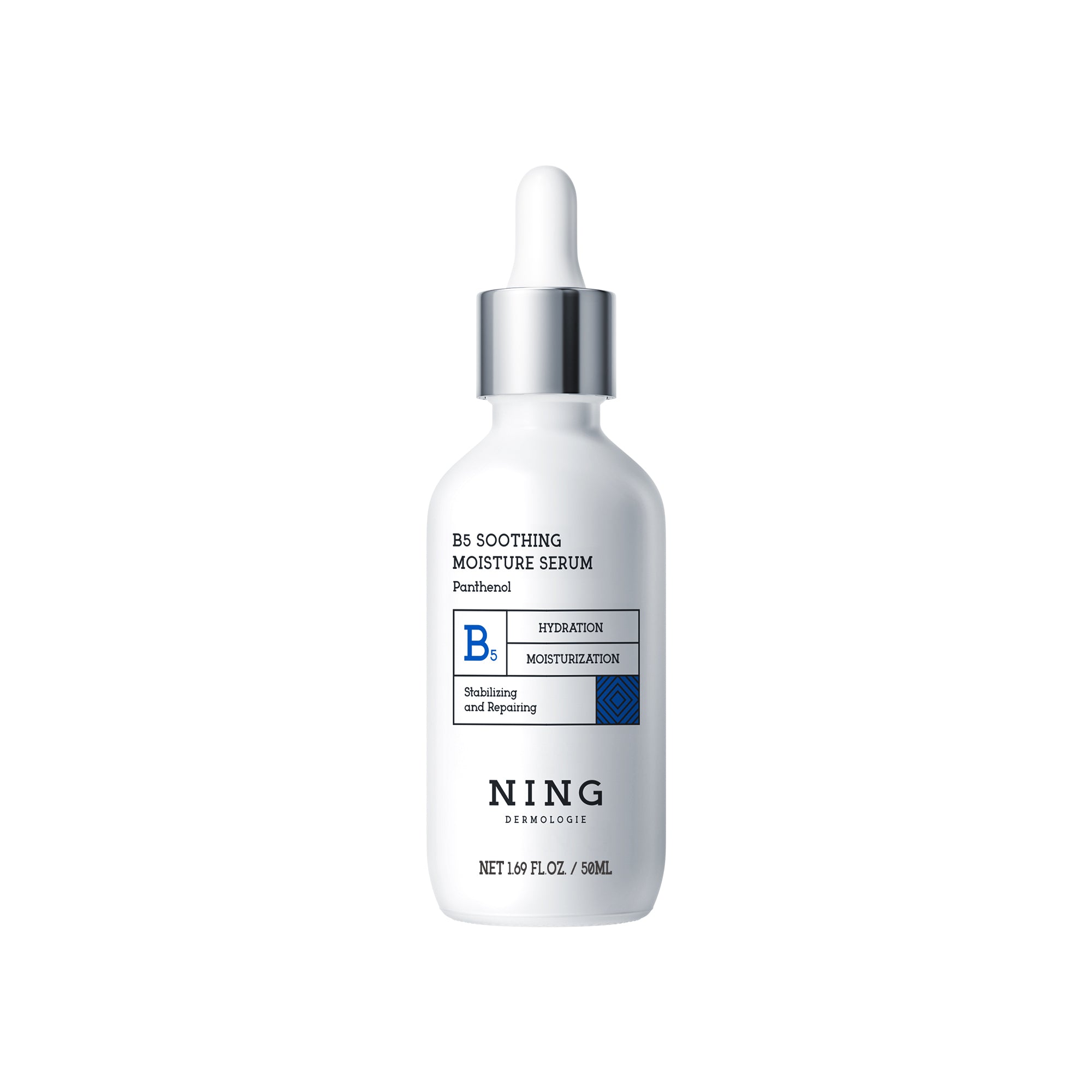
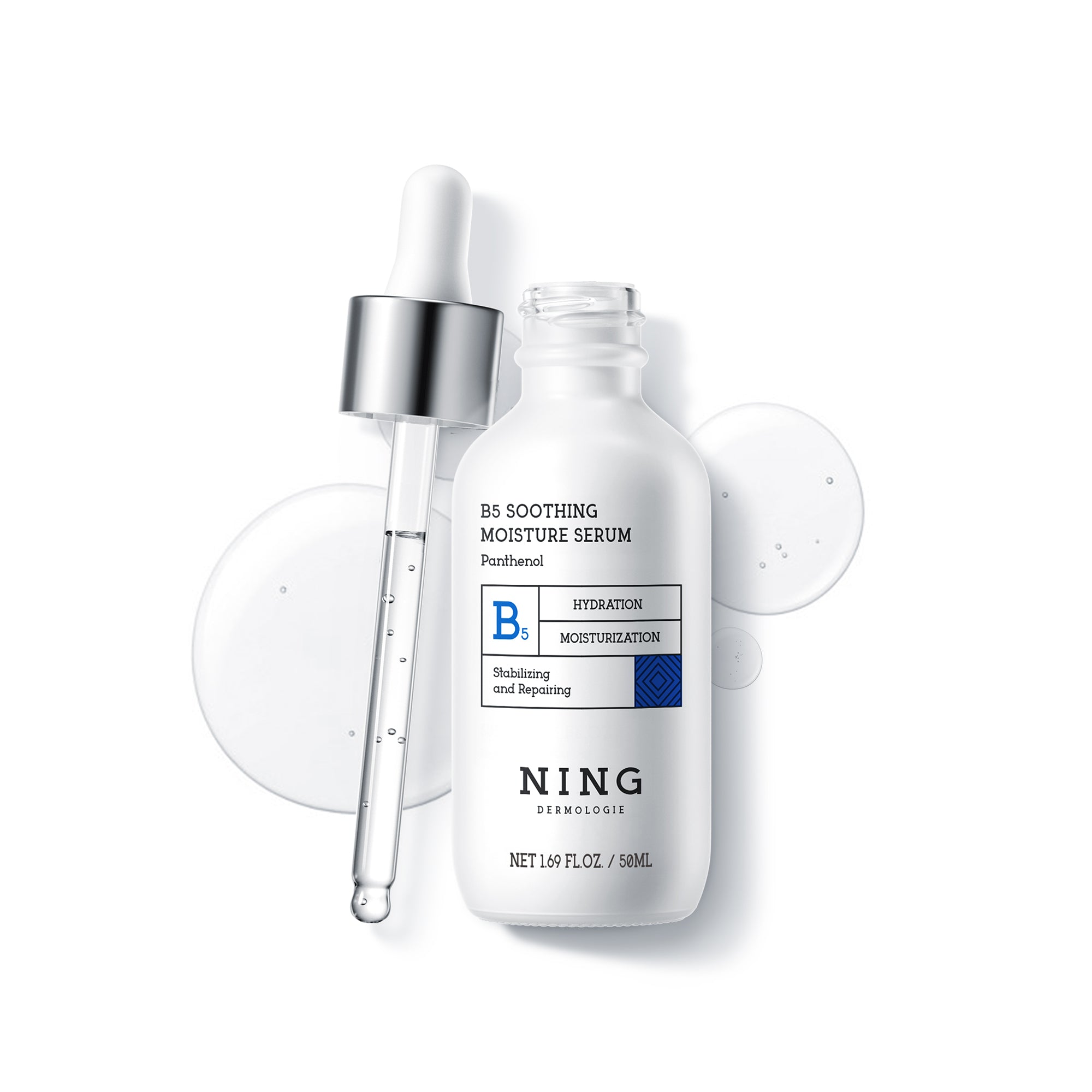
Absolutely. Even the most hydrating clay face mask will remove some natural oils. To keep your skin feeling refreshed and balanced, you should apply a lightweight serum or moisturizer immediately after rinsing. This "seals" the skin and prevents the transepidermal water loss that often happens after deep cleansing. If you skip this, your skin might feel parched by morning.
4. Why does my skin break out after using a clay mask?
This is often called "purging." When you clear pores that have been clogged for a long time, the clay brings all that trapped gunk to the surface faster than usual. It’s temporary. However, if you see tiny red bumps and feel a burning sensation, it’s not a purge—it’s irritation. In that case, switch to a more gentle formula like a white clay or kaolin-based mask.
5. Can I use a clay mask on just my nose?
Yes! This is actually a pro-tip known as "zone masking." If your cheeks are dry but your nose has enlarged pores and excess oil, only apply the clay mask to your T-zone. This allows you to target the skin concerns of that specific area without drying out the rest of your face. It’s a much smarter way to manage combination skin types effectively.


Share:
Best-Selling Clay Masks for a Spa-Like Experience at Home
Benefits of using Korean vitamin C serum regularly