



The Post-Sun Glow Up: How to Choose an Exfoliating Face Wash Without Trashing Your Barrier
We’ve all been there. You spent a glorious weekend soaking up the rays, diligently reapplying your broad-spectrum sunscreen, yet you wake up Monday morning with skin that feels… off. It’s not necessarily a burn, but it’s definitely not that "dewy goddess" look you were going for. Instead, your face feels like parchment paper—rough, slightly congested, and suspiciously dull.
This is the classic post-sun slump. UV radiation doesn't just tan or burn; it actively slows down your natural cell turnover, leading to a stubborn accumulation of dead skin cells. The instinct is to grab the grittiest facial scrubs in your cabinet and sand it all down. Stop right there. When your skin is recovering from sun exposure, the rules of the skincare routine change. You need Gentle Exfoliation that respects a compromised moisture barrier while effectively clearing the "debris." Here is everything you need to know about finding the right exfoliating face wash for post-sun recovery, featuring the science-backed advice you’d get from a board-certified dermatologist.

Why Post-Sun Skin is a Different Beast
After sun exposure, your skin is in a state of high alert. Even if you don't see redness, the underlying structure is likely dealing with oxidative stress. The dead skin buildup isn't just an aesthetic issue; it can lead to clogged pores and prevent your expensive hyaluronic acid serums from actually penetrating.
However, the "scorched earth" policy of using high-percentage glycolic acid or aggressive physical exfoliants like bamboo powder can backfire. According to experts at FACET Dermatology and clinical centers in New York City, over-exfoliating sun-stressed skin can lead to post-inflammatory hyperpigmentation or even chronic sensitivity.
The goal? Pore Minimizing and brightening without the "sting."
The Contenders: Chemical vs. Physical Exfoliators
In the world of face exfoliator options, you generally have two camps. Understanding the nuance between them is the difference between a healthy glow and a trip to the Center Aesthetic & Dermatology for emergency repair.
1. The Chemical Route: AHAs, BHAs, and PHAs
Chemical exfoliants work by dissolving the "glue" that holds dead skin cells together.
- Alpha Hydroxy Acids (AHAs): Ingredients like lactic acid are superstars here because they are humectants—they exfoliate while pulling moisture into the skin. Glycolic acid is effective but can be a bit "spicy" for sensitive skin immediately after a beach trip.
- Beta Hydroxy Acids (BHAs): If you have oily skin or blemish-prone skin, salicylic acid is your best friend. It’s oil-soluble, meaning it gets deep into the pores.
- Poly Hydroxy Acids (PHAs): The unsung heroes of skin care. PHAs have larger molecules that don't penetrate as deeply, making them the safest exfoliating products for highly reactive skin.
2. The Physical Route: Scrubs and Beads
Physical exfoliants use friction. While traditional body scrubs might use walnut shells (a big no-no for the face!), modern facial exfoliators use Jojoba Beads or microderm exfoliator tech that is much rounder and kinder to the skin.
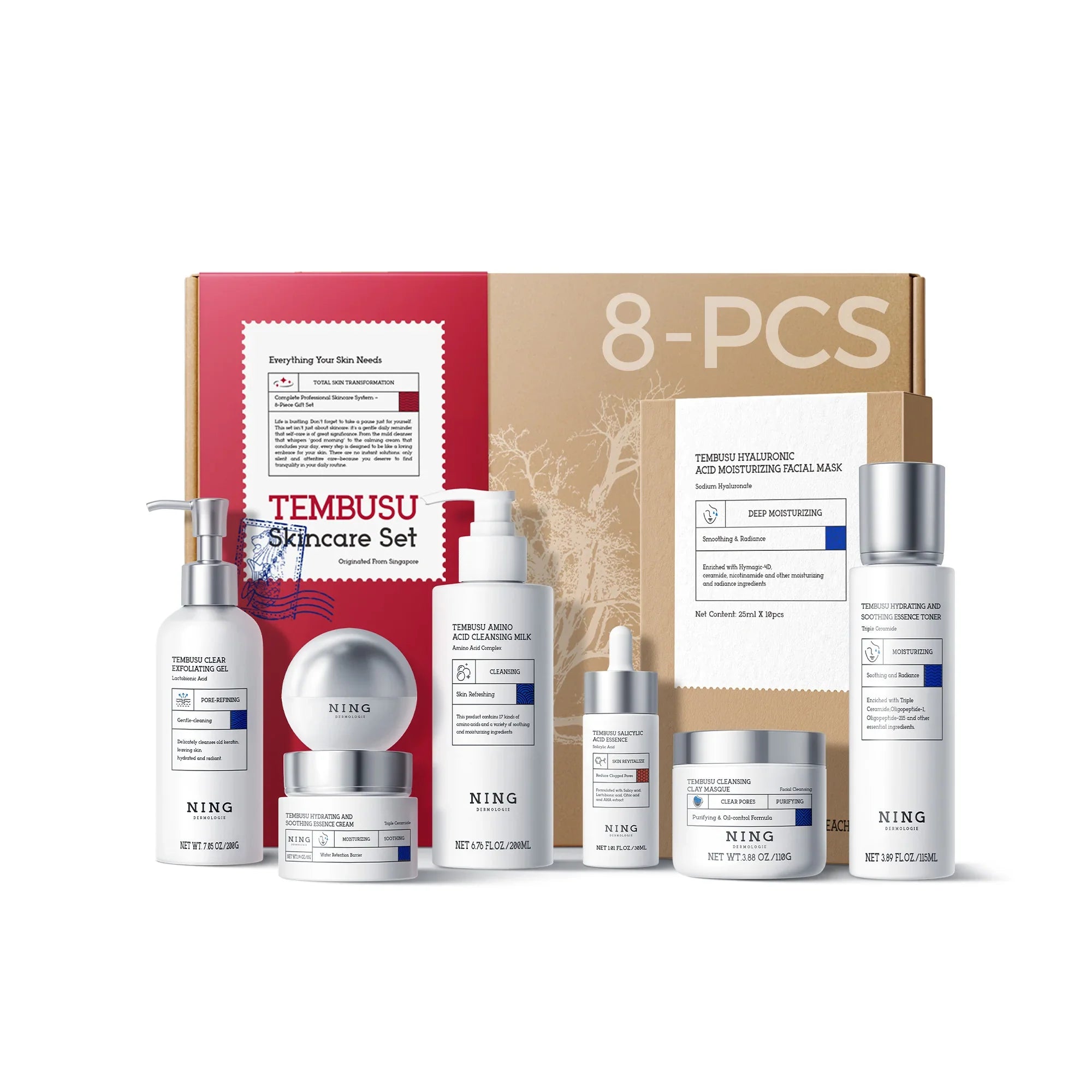
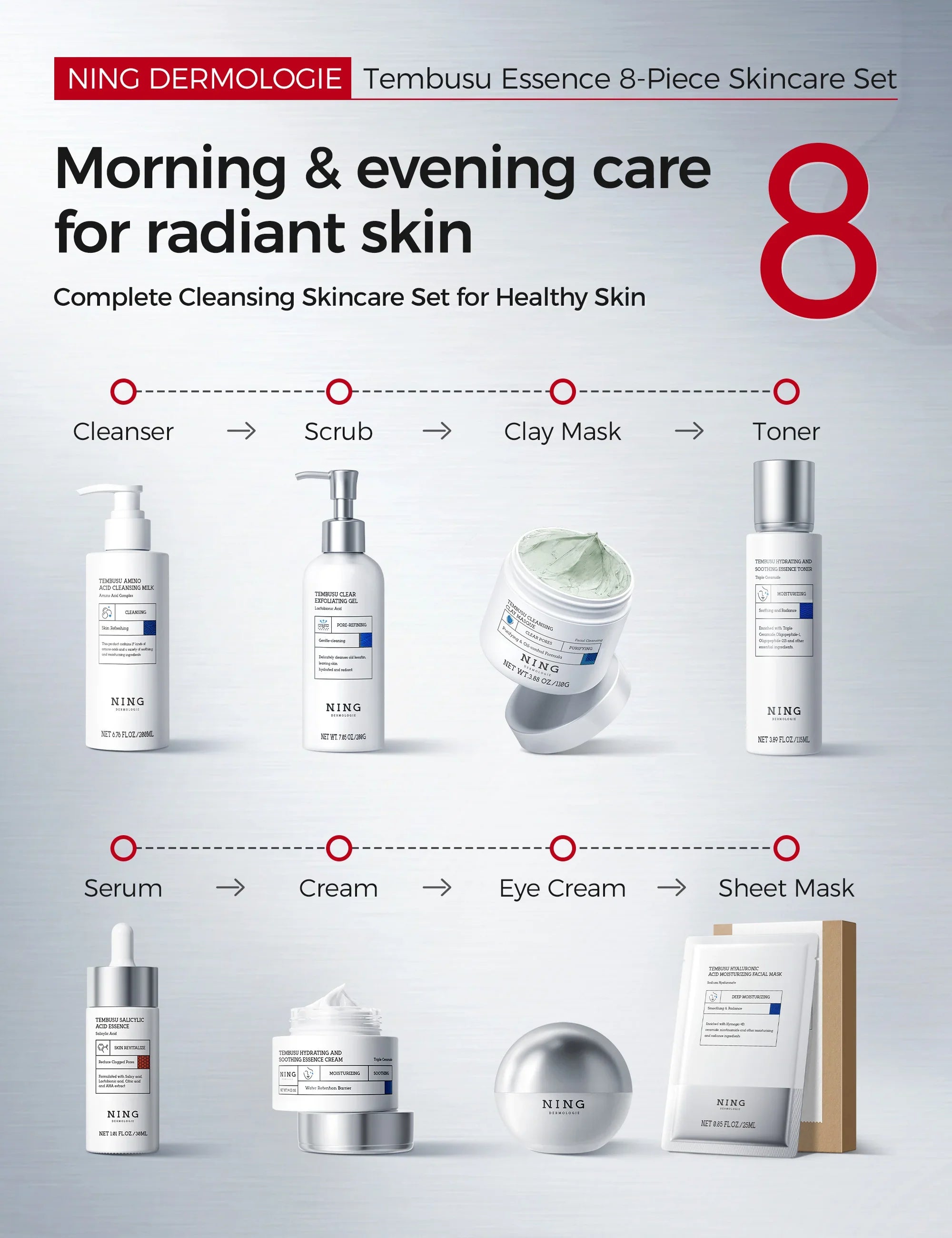
The Gold Standard: NING Dermologie Purifying Exfoliating Face Wash
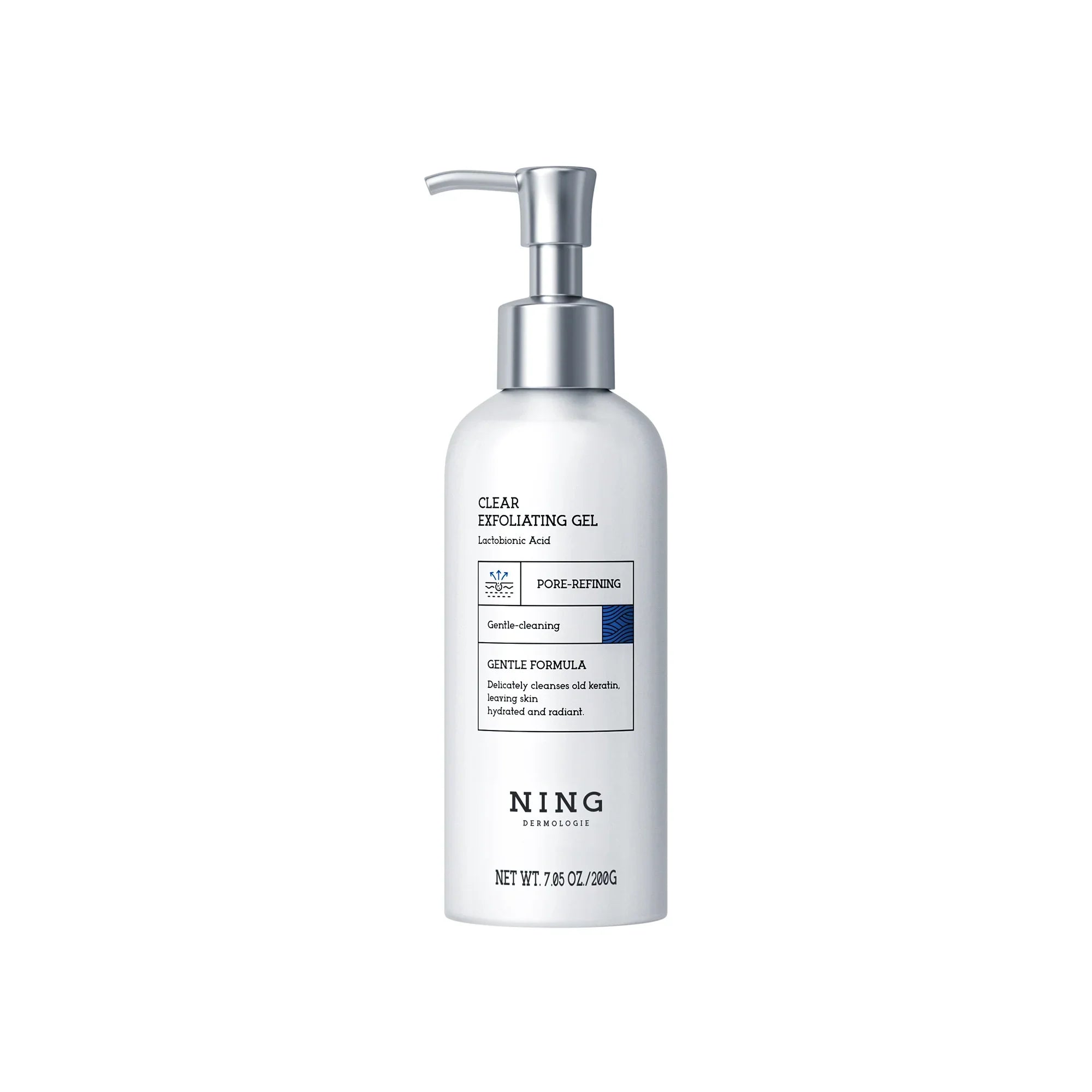
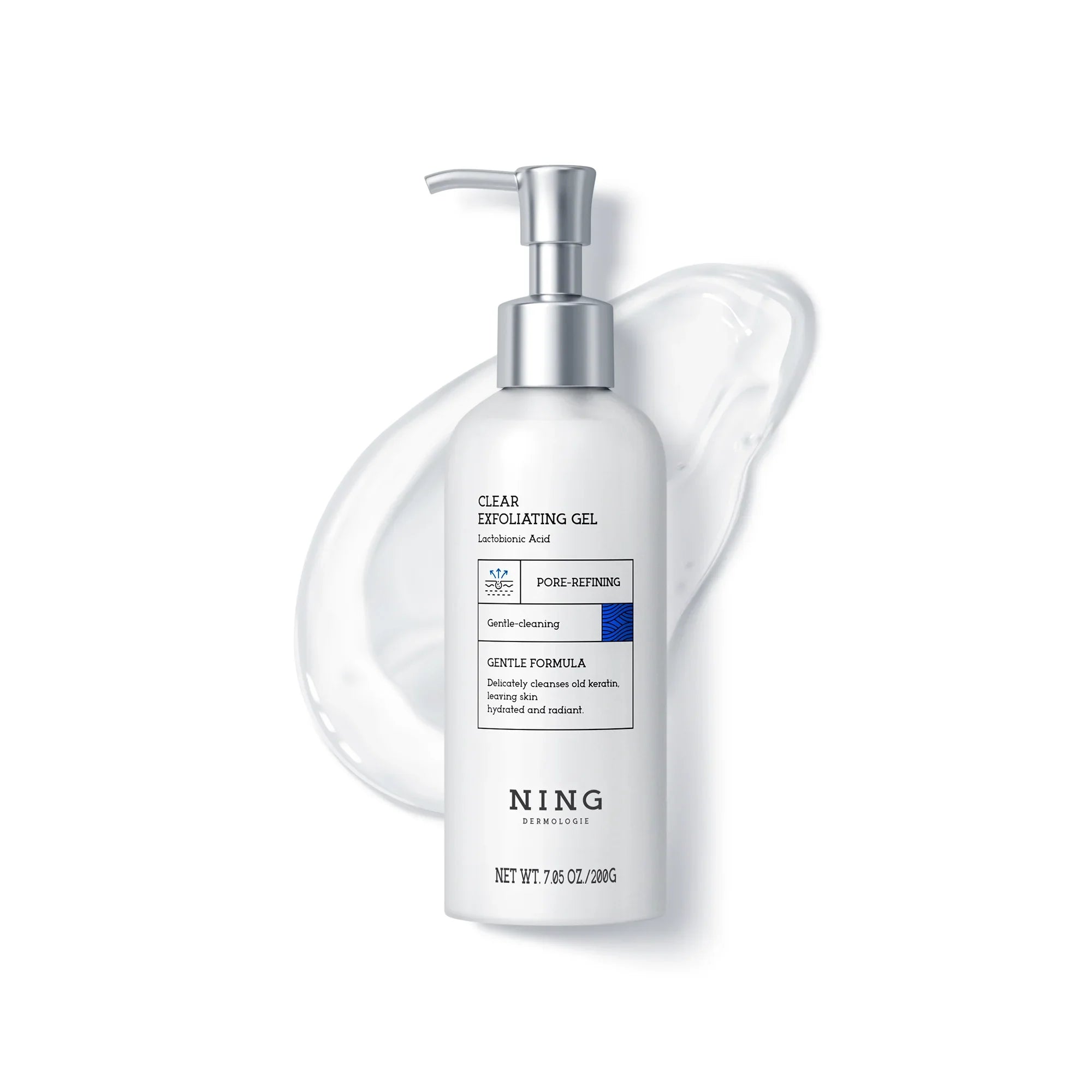
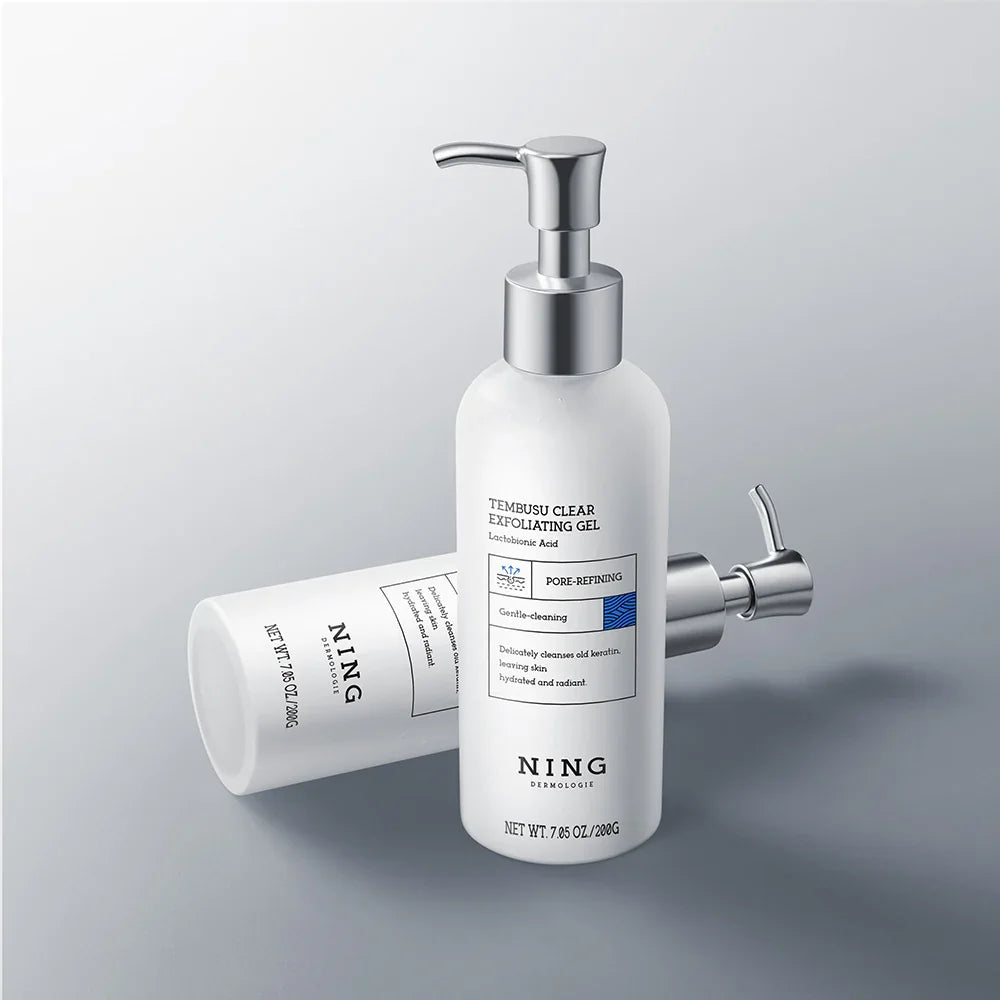
If you’re looking for a product that bridges the gap between efficacy and safety, the NING DermologieExfoliating Face Wash is a standout. Unlike a traditional, abrasive face wash, this is a balancing gel designed as a "peeling gel."
Why it works for post-sun care:
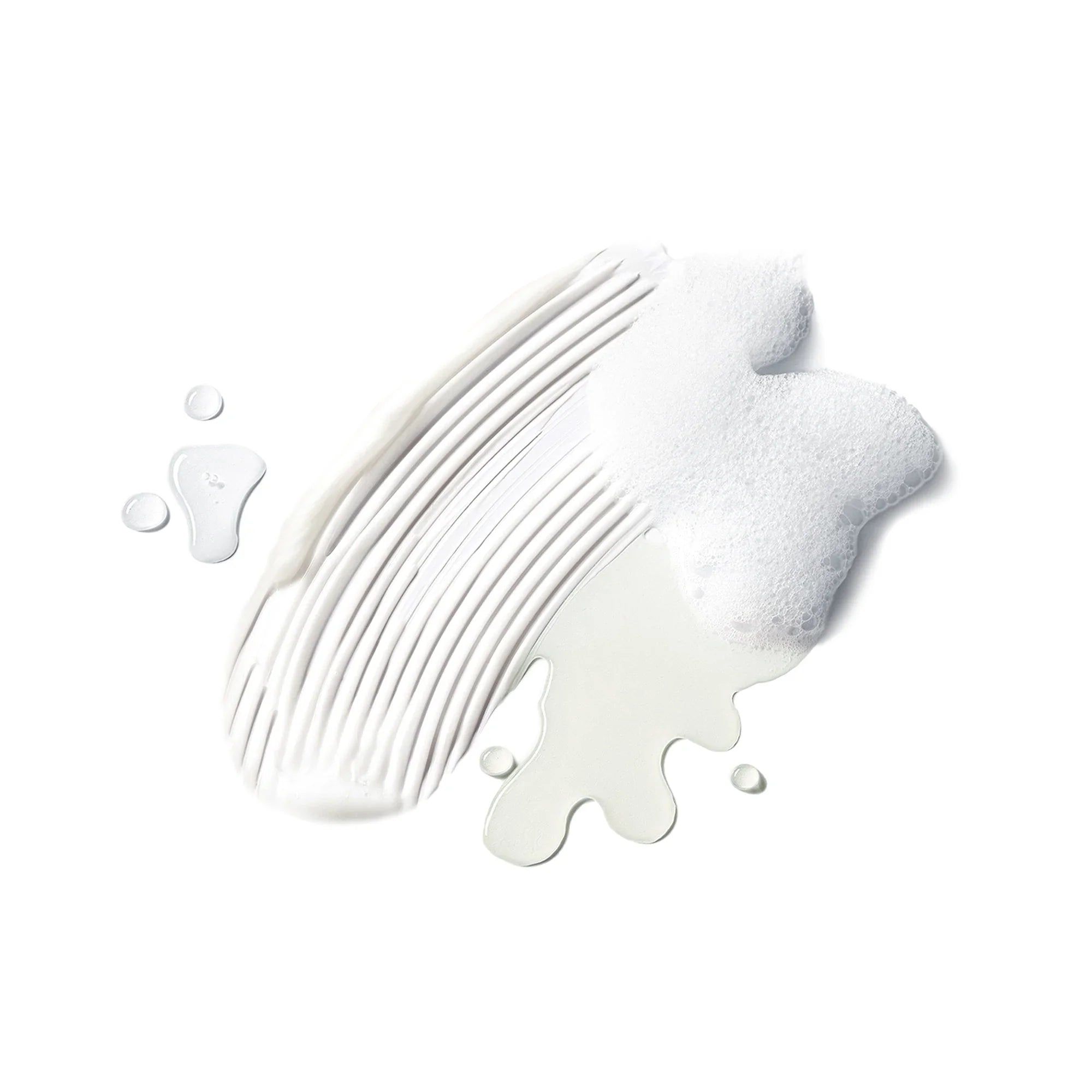
It doesn't rely on harsh acids or jagged particles. Instead, it utilizes a unique "rolling" mechanism. As you massage the gel onto dry skin, it binds with the oils and dead skin on the surface, balling up into small, soft clumps. It’s incredibly satisfying to see, but more importantly, it provides Gentle Exfoliation that won't trigger the irritation associated with Chemical Peels or Laser Therapy.
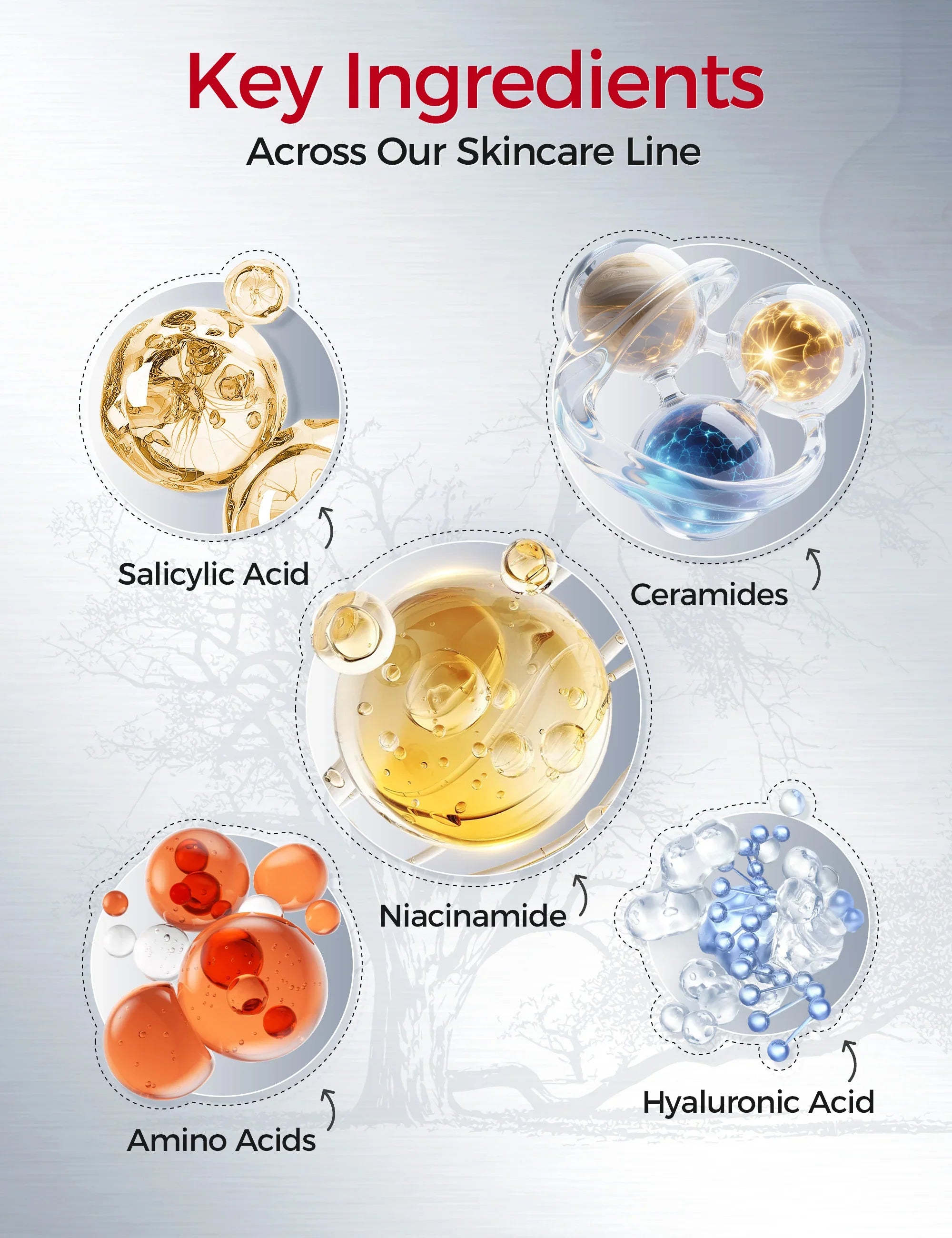
By incorporating fruit enzymes and Amino Acids, this formula helps boost cell turnover naturally. It’s the perfect reset button for when your skin tone looks uneven after a week in the tropics.
Key Ingredients to Look For (And Avoid)
When scanning the back of your exfoliating cleansers, keep an eye out for these "Recovery Room" ingredients:
- Aloe Vera & Green Tea: Essential for their Cooling or Soothing Effects. They act as a fire extinguisher for the microscopic inflammation caused by UV radiation.
- Hyaluronic Acid: Because exfoliation is useless if you’re leaving the skin dehydrated.
- Carica Papaya Extracts & Pineapple Core: These contain papain and bromelain, natural fruit enzymes that eat away at dead proteins without disrupting the living cells underneath.
- Vitamin C: Great for tackling solar lentigines (sun spots), but be careful—high-strength Vitamin C can be irritating if your barrier is already thin.
What to avoid: Skip the salicylic pads with high alcohol content or anything involving liquid nitrogen or aggressive dermatological procedures until your skin has had at least 72 hours to calm down.
Tailoring the Routine to Your Skin Type
Not all skin types react to the sun the same way. Here’s how to adjust your skincare routine:
For Oily and Blemish-Prone Skin
You might notice more breakouts after sun exposure because the heat increases sebum production. Look for exfoliating toners or a face wash with a mild concentration of salicylic acid. Pair this with a Micellar Water pre-cleanse to ensure all water-resistant sunscreen is removed. Ensure the product has Non-Comedogenic Properties so you aren't trading sun damage for acne.
For Sensitive and Dry Skin
Stick to the NING Dermologie approach. Avoid glycolic acid for the first few days. Focus on Hydrating Ingredients and creamy facial exfoliators. If your skin feels tight, follow up immediately with an Amino Acid rich moisturizer.
The Professional Perspective
The American Academy of Dermatology reminds us that exfoliation is a "less is more" game. If you are also using retinoids or undergoing Laser Therapy for pigmentation, you must be doubly cautious. Sometimes, the best face exfoliator is the one you don't use every day. Two to three times a week is the sweet spot for maintaining a clear skin tone without causing redness.
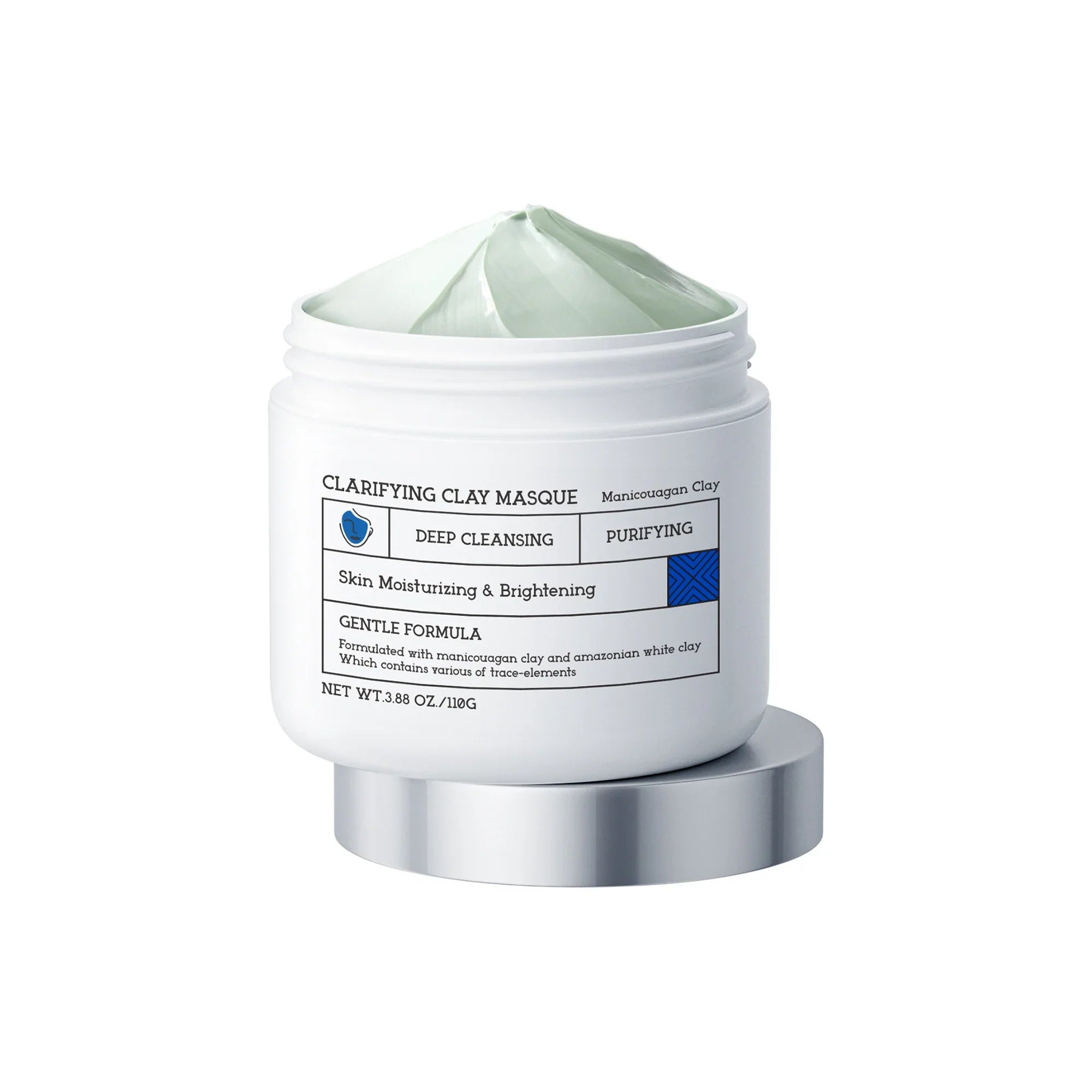
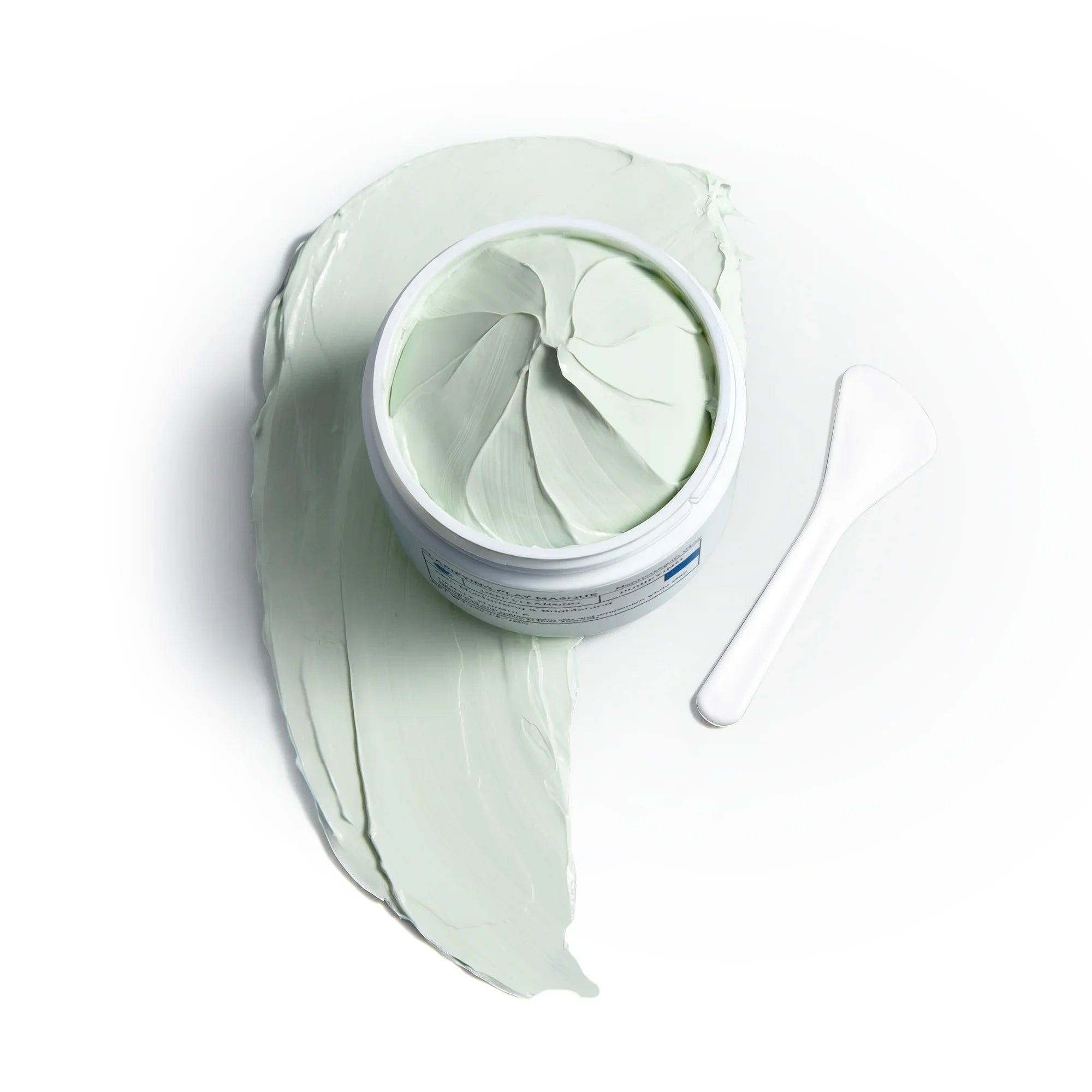
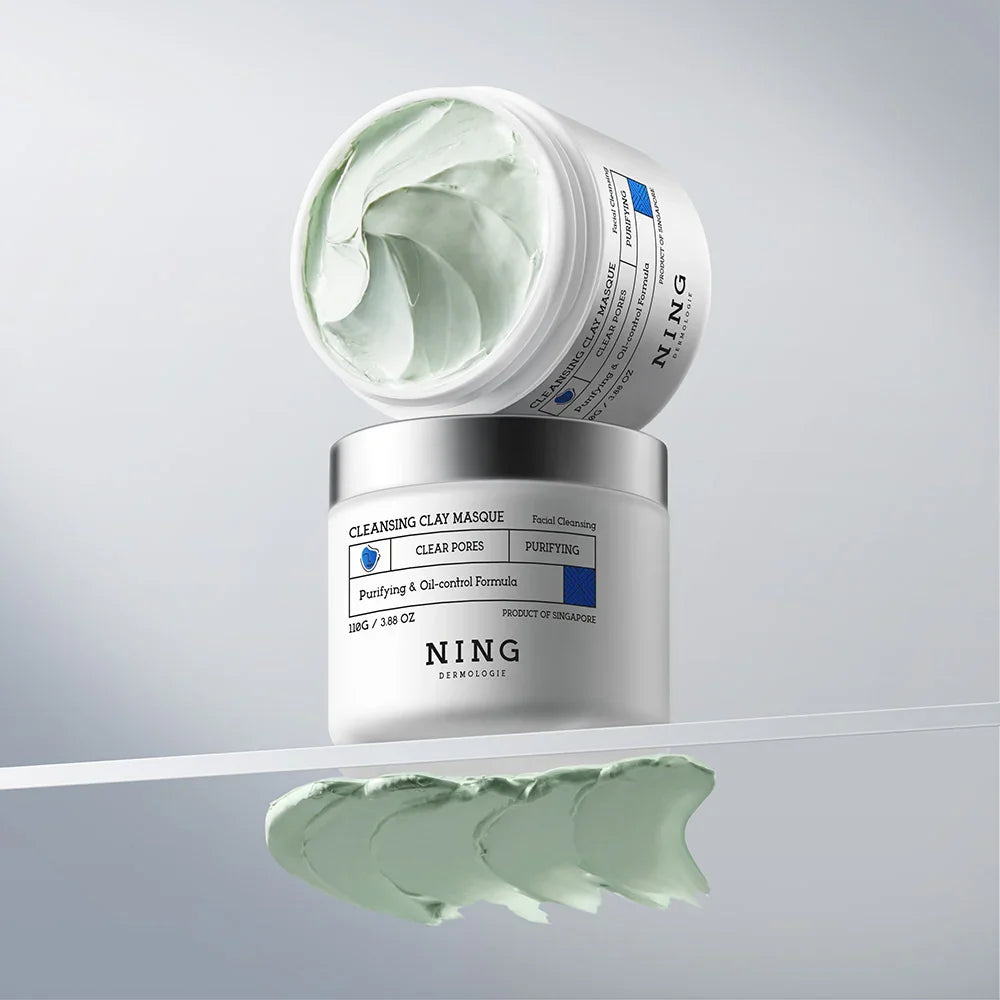
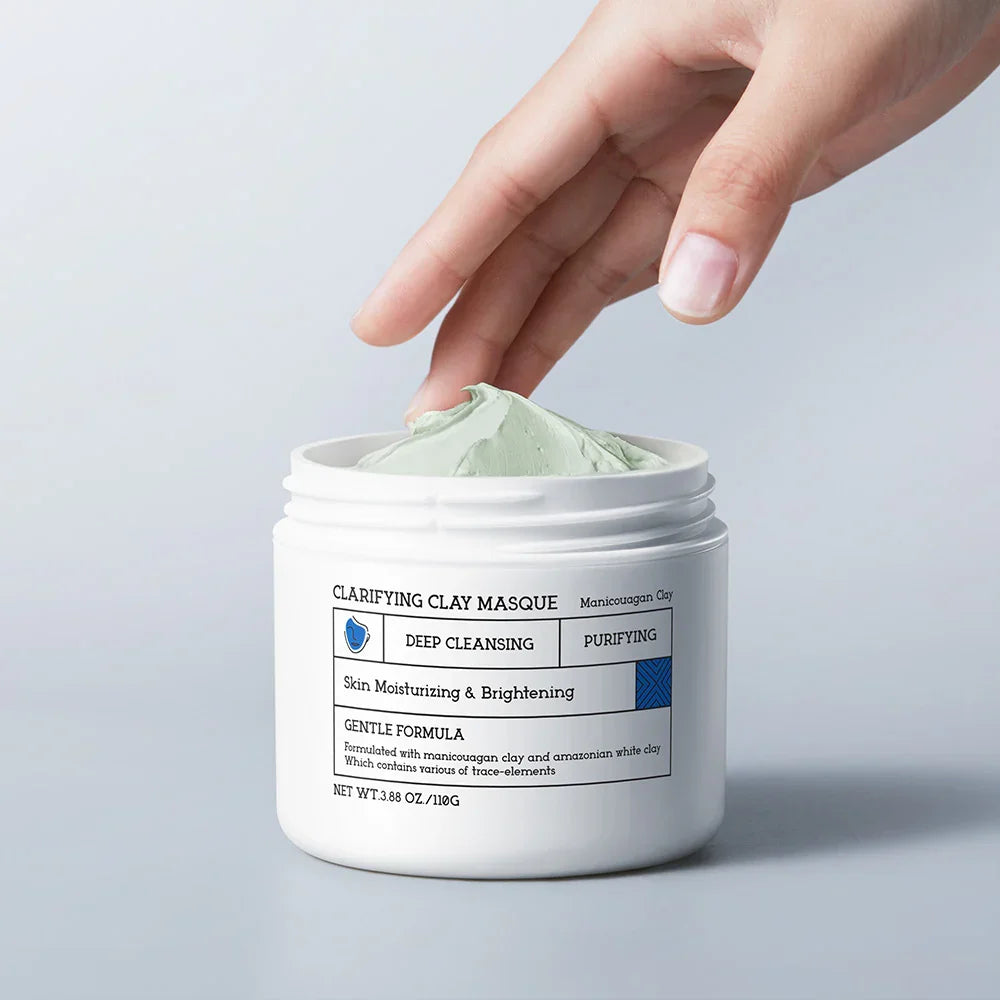
In some cases, if you have significant sun damage or dark spots, a board-certified dermatologist might suggest Amazonian white clay masks to draw out impurities, but for daily maintenance, a balancing gel is much more sustainable.

Step-by-Step Post-Sun Exfoliation Protocol
- Cool Down: Never exfoliate skin that is still physically hot to the touch. Wait at least 24-48 hours after heavy sun exposure.
- Double Cleanse: Use a gentle Micellar Water to break down that heavy, zinc-based broad-spectrum sunscreen.
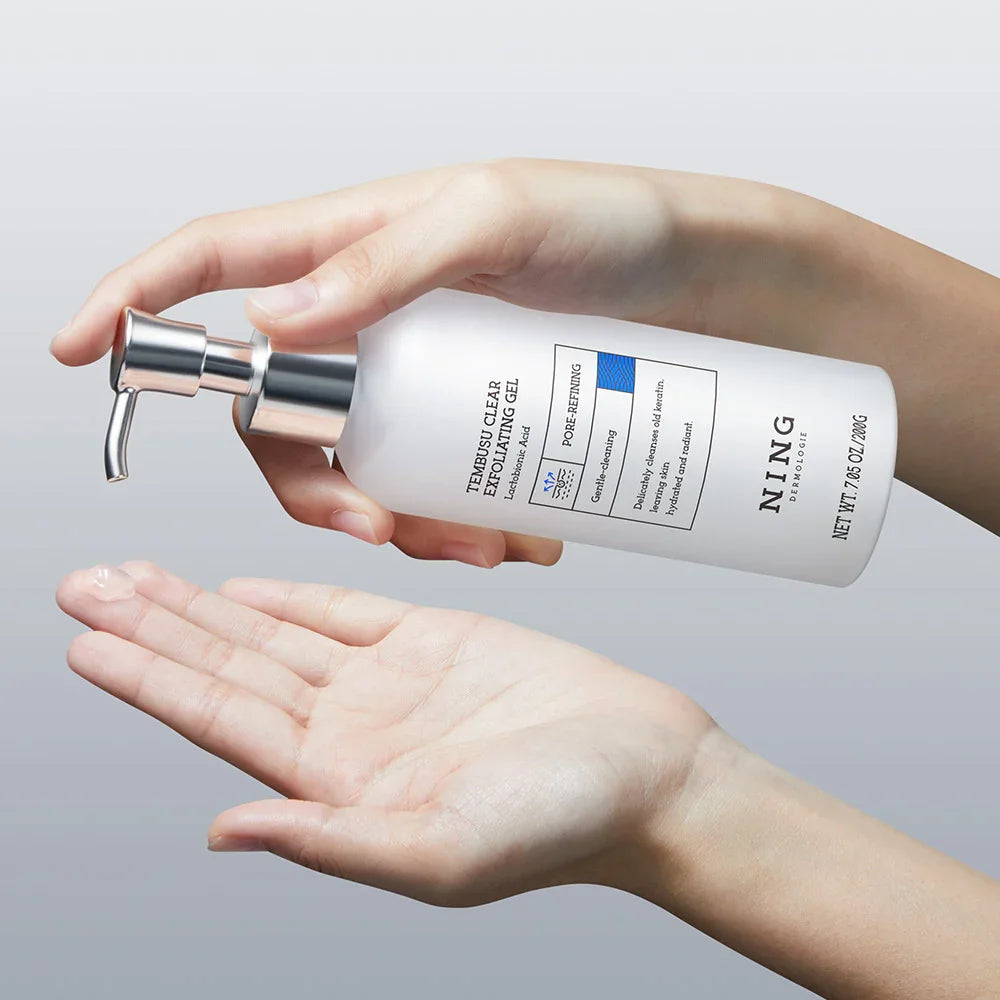
- The Gentle Polish: Apply your NING DermologieExfoliating Face Wash to clean, dry skin. Massage in circular motions for 30 seconds.
- Hydrate: Follow with a serum containing hyaluronic acid and aloe vera.
- Protect: This is the most important step. Exfoliated skin is more "fresh" and therefore more susceptible to further damage. Use your broad-spectrum sunscreen religiously the next morning.
Final Thoughts: Respect the Barrier
Exfoliation isn't about "scrubbing away the sins" of a weekend in the sun. It’s about helping your skin breathe again. By choosing exfoliating face washes that prioritize Hydrating Ingredients and avoid the "sandpaper" effect of cheap facial scrubs, you’re playing the long game for your skin’s health.
Whether you're dealing with oily skin congestion or the dullness typical of sensitive skin, the key is a balanced approach. Brands like NING Dermologie have mastered this balance, providing the Pore Minimizing benefits we crave with the gentleness our post-sun skin deserves.
Don't wait for the peeling to start on its own—take control of your cell turnover and get that glow back safely.
Frequently Asked Questions (FAQ)
1. Can I exfoliate if my skin is actively peeling from a sunburn?
Absolutely not. Peeling is your skin’s way of protecting the raw, new layer underneath. If you use a physical exfoliator or harsh chemical exfoliants on a burn, you risk scarring and infection. Wait until the peeling has completely finished and the skin no longer feels tender.
2. How often should I use an exfoliating face wash after vacation?
Start slow. Even if you usually exfoliate daily, your skin is likely dehydrated from the sun. Use a gentle product like the NING Dermologie gel twice a week. Monitor for any stinging. If your skin feels comfortable, you can gradually return to your normal skincare routine.
3. Which is better for sun-damaged skin: Glycolic or Lactic acid?
Stick with lactic acid. Glycolic has a tiny molecular size, which means it can sting like crazy on sun-stressed skin. Lactic is much larger and acts as a humectant—essentially grabbing water while it sloughs off dead cells. It gives you that smooth finish without compromising an already sensitive, thirsty skin barrier.
4. Will exfoliating make my tan disappear faster?
A tan is a sign of pigment changes in the deeper layers of your skin. Exfoliating only removes the dead skin on the surface. While it might slightly lighten the appearance by removing "muddy" buildup, it actually makes your tan look more even and radiant rather than patchy.
5. Should I use a physical or chemical exfoliator for "sandpaper" skin?
For that rough, "sandpaper" texture, a peeling gel or a very gentle physical exfoliator with Jojoba Beads is ideal. Avoid harsh facial scrubs with large particles. You want to lift the debris without creating micro-tears in a barrier that is already struggling from UV radiation exposure.


Share:
Where to buy vitamin C serum for pigmentation near me?
Where can I order exfoliating face wash with subscription delivery services?