



How does Korean vitamin C serum differ from Western brands?
You know that slight, metallic smell of a Vitamin C serum that has started to turn orange? Or that "spicy" stinging sensation on your cheeks after applying a high-percentage Western formula? If you’ve been in the skincare game for more than a week, you’ve likely faced the dilemma: do I go for the heavy-hitting, clinical-strength Western skincare brands, or do I lean into the gentle, glow-inducing world of Korean beauty?
The debate of Korean skincare vs western skincare isn't just about different packaging or "cute" marketing. It is a fundamental clash of ideologies. On one side, you have the Western approach—think of it as a "boot camp" for your face. On the other, K-beauty treats your skin like a delicate silk garden that needs constant, gentle nurturing.
When it comes to Vitamin C serum, these differences become glaringly obvious. Let's peel back the layers on why your skin reacts differently to a bottle from Seoul versus one from Los Angeles, and how our own NING Dermologie philosophy bridges this gap.

The Philosophy: Why "Western Skincare" Wants to Fix, While "Korean Skincare" Wants to Prevent
If you look at typical Western skincare, the narrative is often about "war." We are fighting acne, erasing wrinkles, and attacking dark spots. This "corrective" mindset means western products often prioritize high-octane active ingredients. You’ll see 20% L-ascorbic acid (the purest but most unstable form of Vitamin C) shoved into a bottle with a very low pH. Why? Because it works fast. But the cost? Often, it’s a compromised skin barrier.
Korean skincare, or Asian skincare in general, takes the long road. The approach to skincare in Korea is centered on deep hydration and skin barrier protection. They aren't trying to burn off the top layer of your skin to find the "new" skin underneath. They want to keep the current layer so hydrate-ed and healthy that it naturally reflects light—the coveted glass skin effect.
In korean and western beauty circles, this is the biggest divider. Western skincare tends to be about the "hero" ingredient. K-beauty brands focus on the "symphony" of ingredients.
The Problem with the "More is Better" Western Mentality
Many popular western Vitamin C serums use L-Ascorbic Acid. While it’s the gold standard for efficacy, it’s a temperamental diva. It requires a pH of around 2.5 to 3.5 to actually penetrate the skin. For someone with sensitive skin, applying something that acidic is a recipe for redness and peeling. Western skincare routines are typically shorter, so they expect one product to do all the heavy lifting, which leads to these aggressive formulations.
Ingredient Deep Dive: Stability Over Stinging
When comparing korean vs Western formulations, the "type" of Vitamin C matters more than the percentage on the label.
-
Western Brands: Often stick to L-Ascorbic Acid. It’s powerful, but it oxidizes (turns brown and useless) the moment it sees sunlight or air.
-
Korean Skincare Products: Frequently use derivatives like Sodium Ascorbyl Phosphate or, more recently, Ethyl Ascorbic Acid.
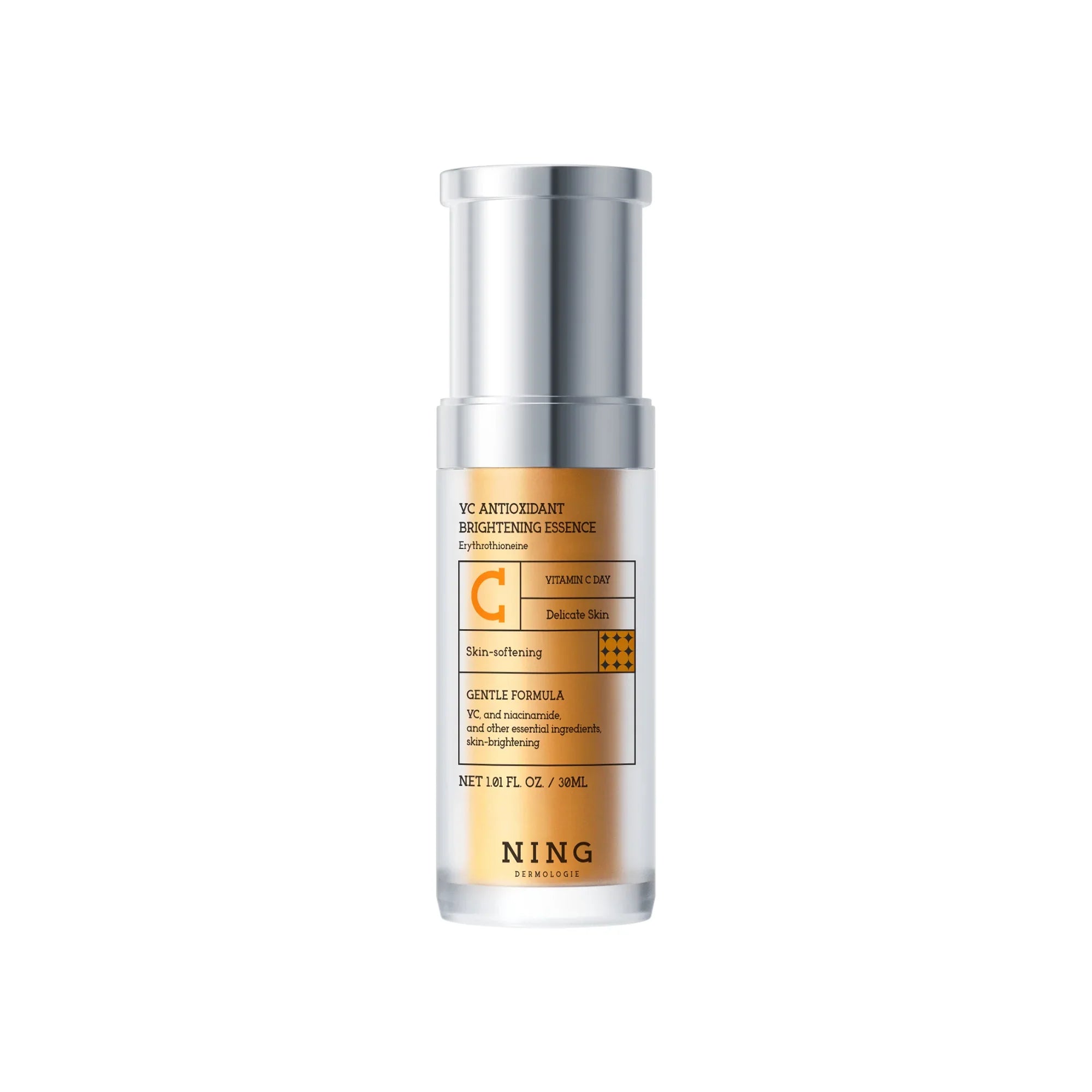
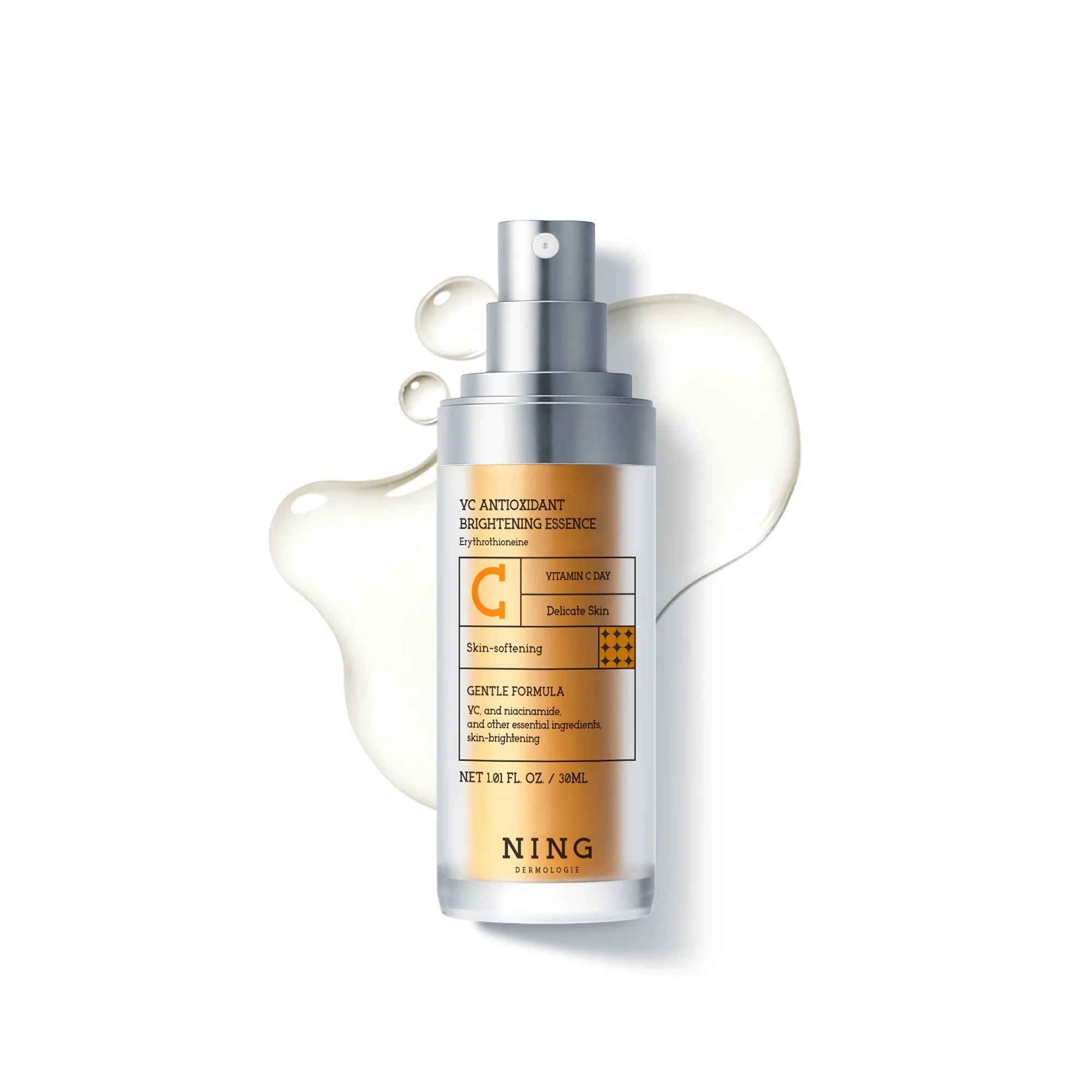
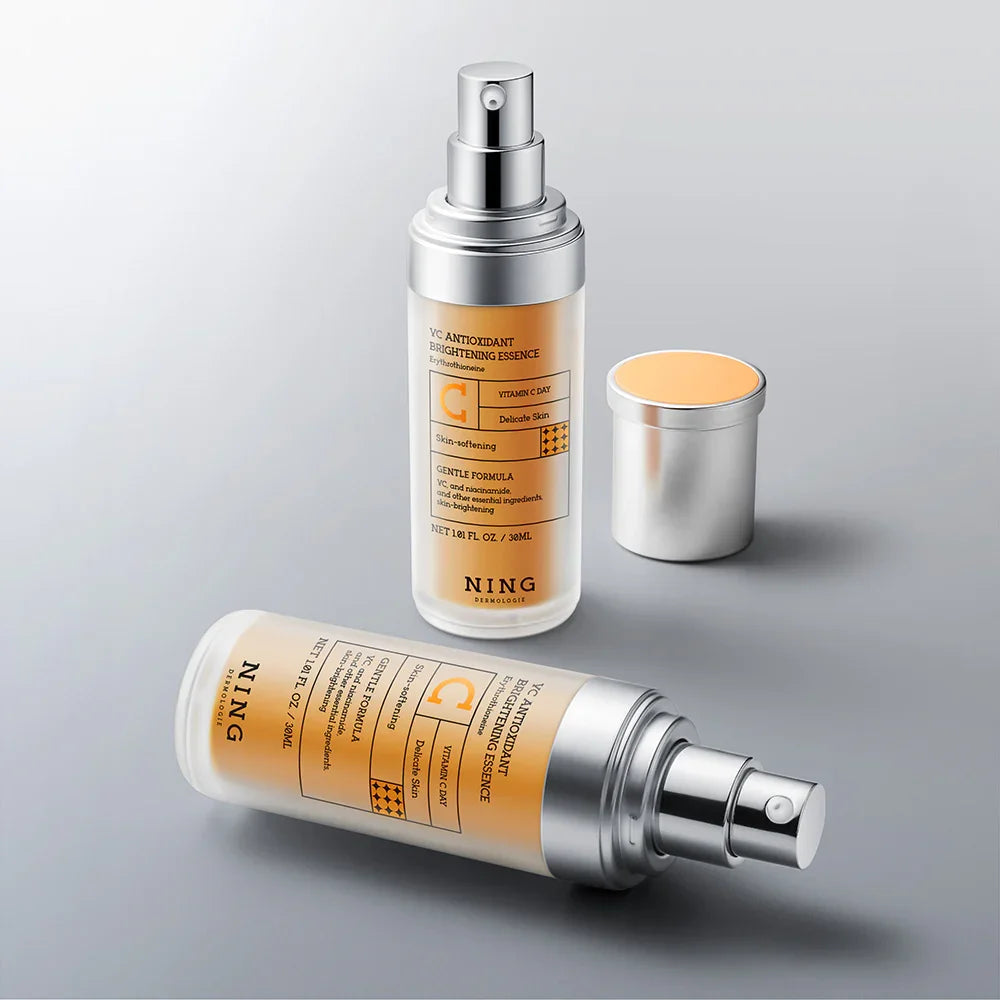
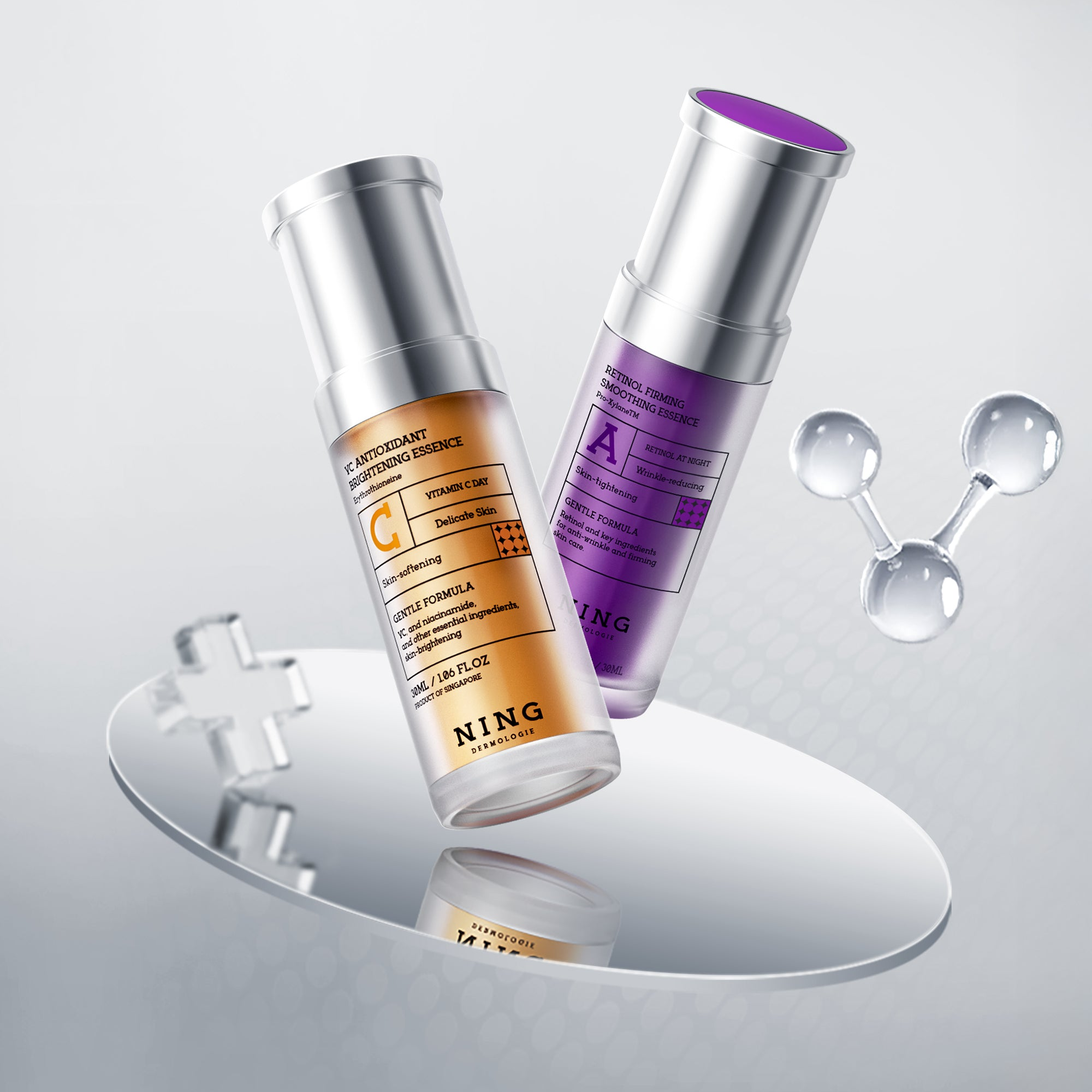
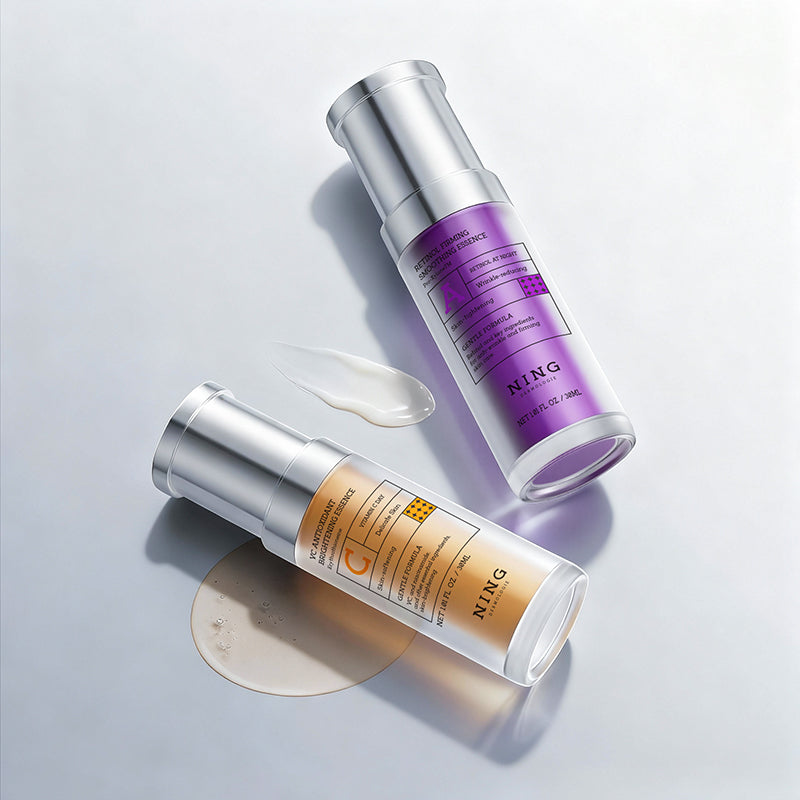
At NING Dermologie, we realized that the "stinging" of western skincare wasn't a sign of it working—it was a sign of distress. That’s why our Vitamin C Serum with Niacinamide & Ethyl Ascorbic Acid uses a stabilized derivative. Ethyl Ascorbic Acid provides the brightening power of western formulas but with the stability and gentleness found in korean products. It doesn't need a skin-shredding pH to be effective, meaning you get the glow without the "spicy" face.
The Role of "Supporting Actors"
Western skincare often focuses on Vitamin C alone, or maybe adds Vitamin E and Ferulic Acid. In contrast, korean products are a cocktail of botanicals. You’ll find toner, serum, and moisturizer steps infused with Centella Asiatica, Green Tea, or Licorice Root. These ingredients like these are designed to soothe the skin while the Vitamin C works on pigmentation.
The Routine: 10-Step Skincare vs. The Three-Step Dash
You’ve probably heard of the 10-step skincare routine. To some, it sounds like a chore; to others, it’s self-care. But there’s a functional reason for it in asian beauty.
In a korean skincare routine, Vitamin C isn't a standalone miracle. It’s part of a layering process:
- Double Cleanse: To ensure specific skin impurities are gone.
- Toner/Essence: To hydrate and "wet" the skin, making it more permeable.
- The Serum: This is where the vitamin c serum enters.
- Emulsion/Moisturizer: To seal everything in.
Western skincare routines are usually "Cleanse, Treat, Moisturize." Because there are fewer steps, western skincare is known for making each product highly concentrated. This is why korean skincare better suits those with reactive skin; the "buffer" of other products prevents the active ingredients from being too overwhelming.
Texture and Sensory Experience: Water vs. Silk
If you’ve used many western skincare products, you’ll notice they can feel "clinical." They might be sticky, or they might have a strong chemical scent. Western beauty consumers have been conditioned to believe that if it smells like a lab, it’s working.
Korean and western skincare also differ in "cosmetic elegance." K-beauty products are obsessed with texture. A korean beauty serum should feel like silk—never tacky, never heavy. This is because korean vs western consumers have different skincare goals. In the West, we want to matte out oil. In Korea, they want "Chok Chok"—that bouncy, moist look.
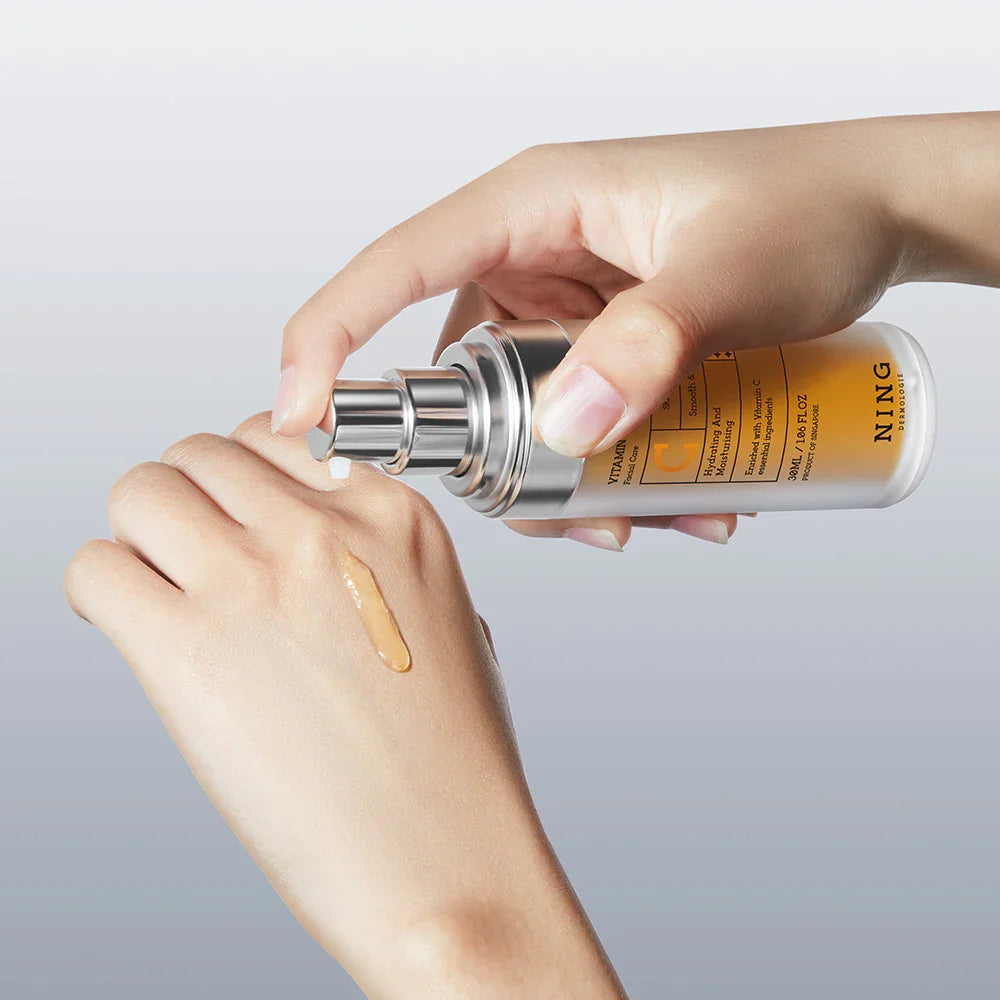
Our NING Dermologie serum was designed with this in mind. We wanted that western approach to high-potency brightening but with the "weightless" feel of a korean skincare product. It absorbs instantly, making it perfect for layering under sunscreen—a non-negotiable step in any skincare routine.
Addressing Specific Skin Concerns: Acne and Aging
Western skincare brands have traditionally dominated the acne and "anti-aging" (heavy retinol) markets. Their approach to skincare for acne often involves drying the skin out to kill bacteria.
However, korean skincare versus western skincare for acne is a fascinating comparison. K-beauty treats acne as an inflammatory wound. Instead of drying it out, they use skincare products that soothe and hydrate while gently brightening the post-acne marks (PIH) with Vitamin C.
If you have specific skin issues like stubborn hyperpigmentation, a western brand might give you a faster result but with more downtime (redness). A korean or western hybrid approach—using stabilized Vitamin C and Niacinamide—is often the "sweet spot" for long-term results without the cycle of irritation.
Why NING Dermologie is the Bridge
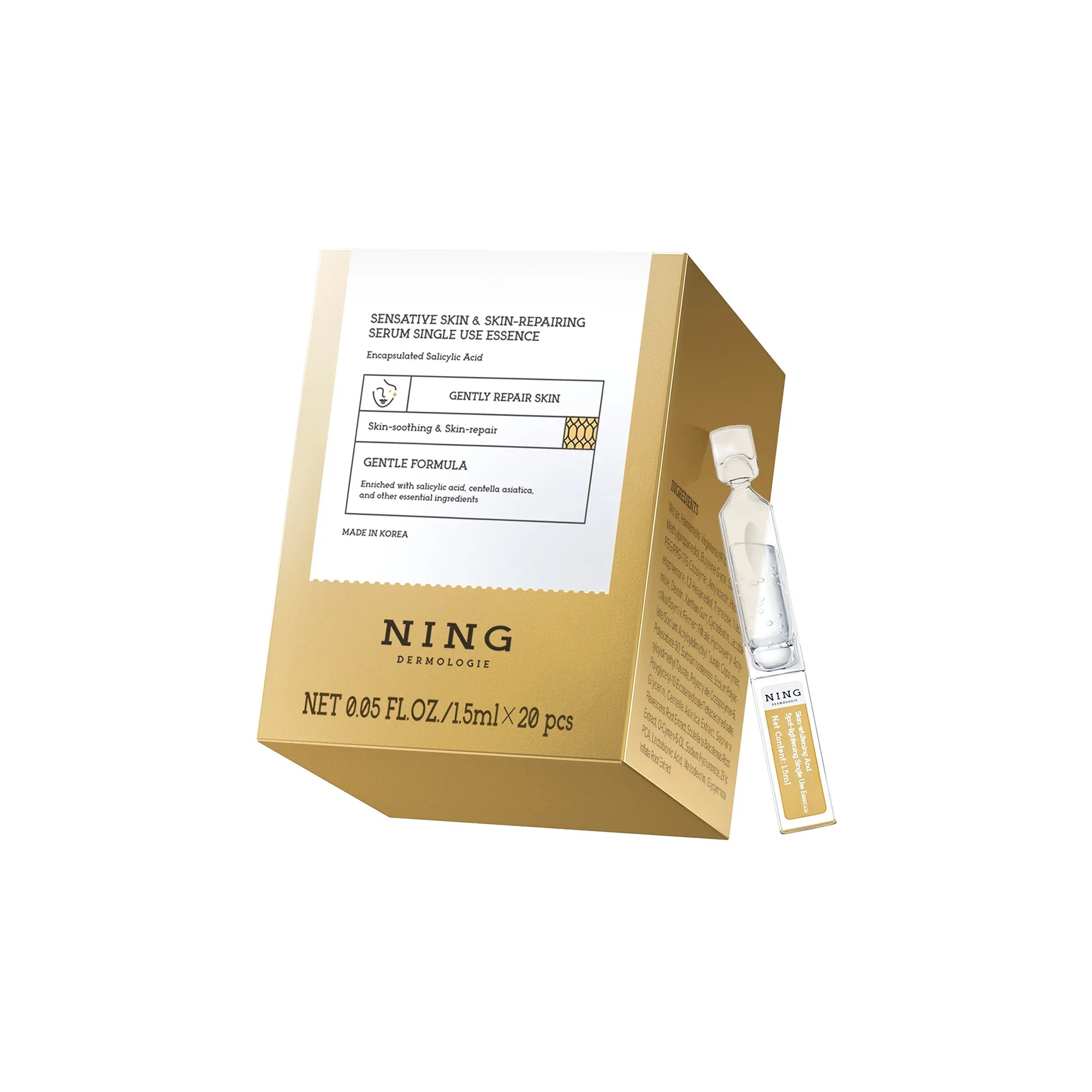
We didn't want to choose between skincare vs american skincare or vs asian philosophies. We wanted both. NING Dermologie was born from the idea that you can have the active ingredients that western skincare is known for, delivered through the gentle, barrier-first delivery systems of korean beauty.
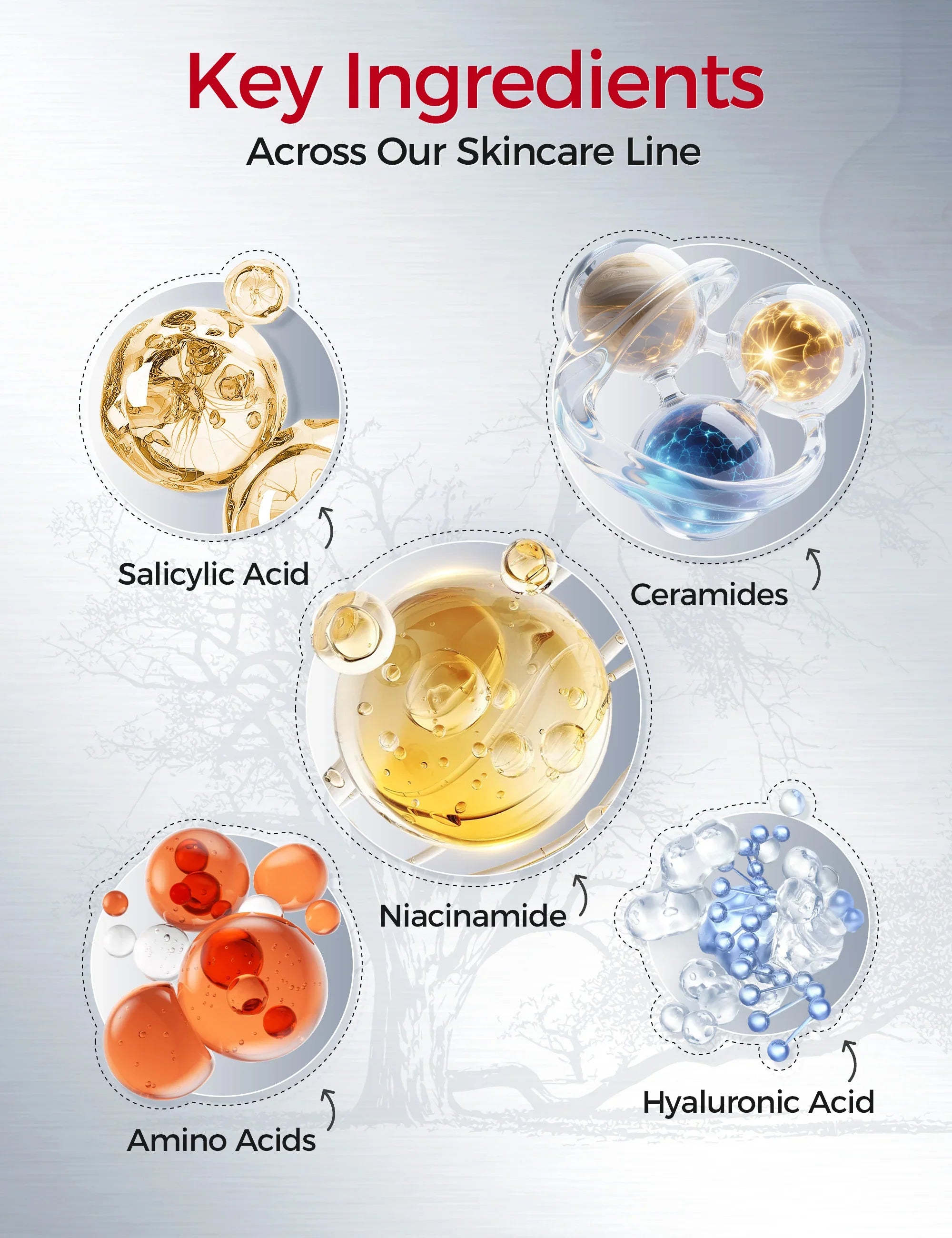
Our Vitamin C Serum isn't just about the Vitamin C. It’s about the synergy with Niacinamide (a staple in korean and western circles) to strengthen the skin barrier while inhibiting melanin production. It’s better than american products that are too harsh, and more "result-driven" than some korean products that are too diluted.

The Verdict: Which One Should You Choose?
When deciding between korean skincare vs western skincare, ask yourself what your skin needs right now:
- Choose Western Formulations if: You have "tough" skin, you aren't sensitive to low pH, and you want the fastest possible results for deep-set wrinkles, regardless of a little irritation.
- Choose Korean Skincare if: You have sensitive skin, you struggle with redness, you want that "lit-from-within" glow, and you enjoy the process of layering skincare products.
Skincare has become a global marketplace where the differences between k-beauty and western are blurring. K-beauty brands are starting to use higher concentrations, and western brands are starting to incorporate "soothing" ingredients like Cica.
Ultimately, the best skincare is the one you actually use every day. If a western skincare product makes your face sting, you'll stop using it. If a korean products feels too "weak," you might lose interest. That’s why finding a balance—like a stabilized, hydrating serum—is the most sustainable way to achieve healthy skin.
Frequently Asked Questions (FAQ)
1. Can I mix Korean and Western skincare products in one routine?
Absolutely. Most enthusiasts use a "high-low" mix. You might use a gentle korean beauty cleanser and toner to prep the skin, then apply a potent western skincare treatment, and finish with a rich korean moisturizer to seal the barrier. Just be careful not to overlap too many acids (like Vitamin C and AHA/BHA) at once, as this can lead to irritation regardless of the brand's origin.
2. Is Korean Vitamin C really "weaker" than Western versions?
Not necessarily "weaker," just different. Western skincare often uses L-Ascorbic Acid which is "faster," but korean skincare products use derivatives like Ethyl Ascorbic Acid. These derivatives stay active in the skin longer and don't oxidize as quickly. You might not see a change in 3 days, but in 3 weeks, your skin will look brighter without the inflammation often caused by "stronger" Western formulas.
3. Why does my Western Vitamin C serum turn orange so fast?
That’s oxidation. Because many western skincare formulas use pure L-Ascorbic Acid, it reacts with oxygen and light. Once it turns dark orange or brown, it’s not only useless—it can actually cause oxidative stress on your skin. K-beauty formulations often prioritize stability, using airless pumps or more stable derivatives (like those in NING Dermologie) to ensure the product stays effective until the very last drop.
4. Do I really need a 10-step routine for Vitamin C to work?
No. While the 10-step skincare routine is a hallmark of asian beauty, it’s not a requirement. The "must-haves" for Vitamin C efficacy are a clean base (cleanser), the serum itself, and most importantly, sunscreen. Vitamin C and SPF work together to protect your skin from UV damage. If you’re busy, a simple "Cleanse, NING Serum, Sunscreen" routine is perfectly effective for daily maintenance.
5. Is Korean skincare better for sensitive skin?
Generally, yes. The korean approach is inherently "barrier-first." While many western skincare products use fragrance, alcohol, and high-acid concentrations that can trigger sensitivity, korean brands prioritize hydrate-ing and soothing components. If you have rosacea or easily irritated skin, the differences between korean and western formulations will be very apparent, with K-beauty usually offering a much more comfortable, redness-reducing experience.
Ready to find the middle ground? Explore our Vitamin C Serum and see how NING Dermologie combines clinical power with a gentle touch. Your skin barrier will thank you.


Share:
Locate exfoliating face wash products suitable for use before facial treatments or peels.
Customer reviews for vitamin C serums that help with dark spot removal