

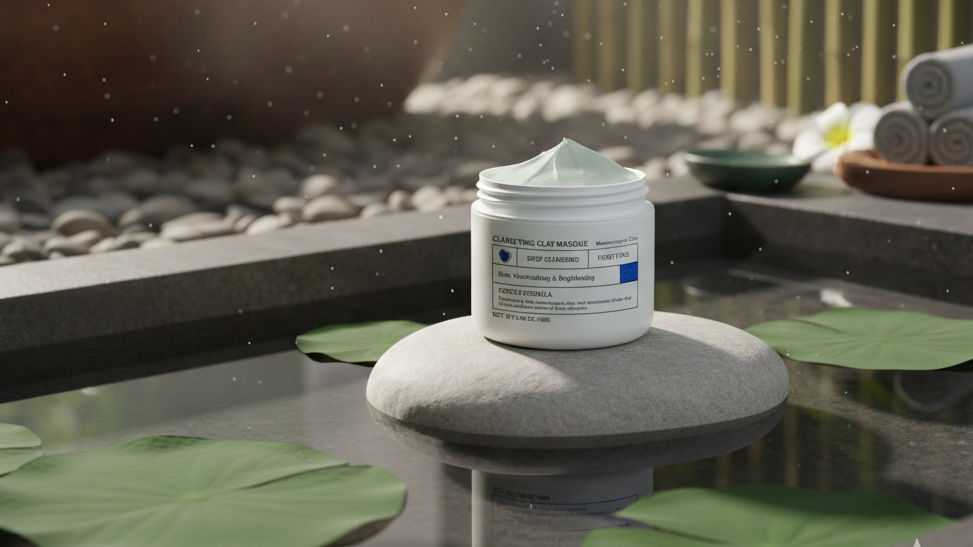

Transform Your Skincare Routine with These Gentle Clay Masks: No More "Desert-Cracked" Face
You apply a thick, mud-colored paste, wait ten minutes, and suddenly you can’t move your eyebrows. Your face feels like a dry riverbed in the Sahara. By the time you scrub it off, your skin is angry, red, and screaming for moisture.
For a long time, using a clay mask was synonymous with "stripping the skin." But the narrative is changing. You don’t have to sacrifice your skin barrier to get clear pores and smooth skin. If you have sensitive skin, or if your skincare routine has left you feeling raw, it’s time to rethink the type of clay you’re putting on your face.

Why Your Old Clay Face Mask Failed You
Traditional formulas often rely too heavily on a blend of bentonite clay without any buffering agents. While bentonite is the "vacuum cleaner" of the skincare world, it doesn't know when to stop. It sucks out the oil, but it also takes your essential hydration with it.
The goal isn't just to cleanse the skin; it’s to balance it. Clay masks aren’t meant to be a torture test for your face. The perfect clay mask should remove dead skin cells and tackle clogged pores while leaving your skin feeling plump and resilient.
Understanding Your Skin Needs: Not All Clay is Created Equal
Before you grab the first face mask you see, you need to know what’s inside. Different clay mask formulas serve different masters.
- Kaolin Clay (White Clay): The gentlest of the bunch. It’s the "best friend" for dry skin types because it picks up impurities without aggressively pulling at moisture.
- Bentonite Clay: The heavy lifter. Best for pores and oily skin, but needs to be balanced with oils or soothing agents.
- Pink Clay (Rose Clay): A superstar for radiant skin. It’s usually a mix of white and red clays, perfect for improving uneven skin texture.
- Green Clay: The go-to for acne-prone skin because it’s incredibly absorbent and helps soothe the skin during a breakout.
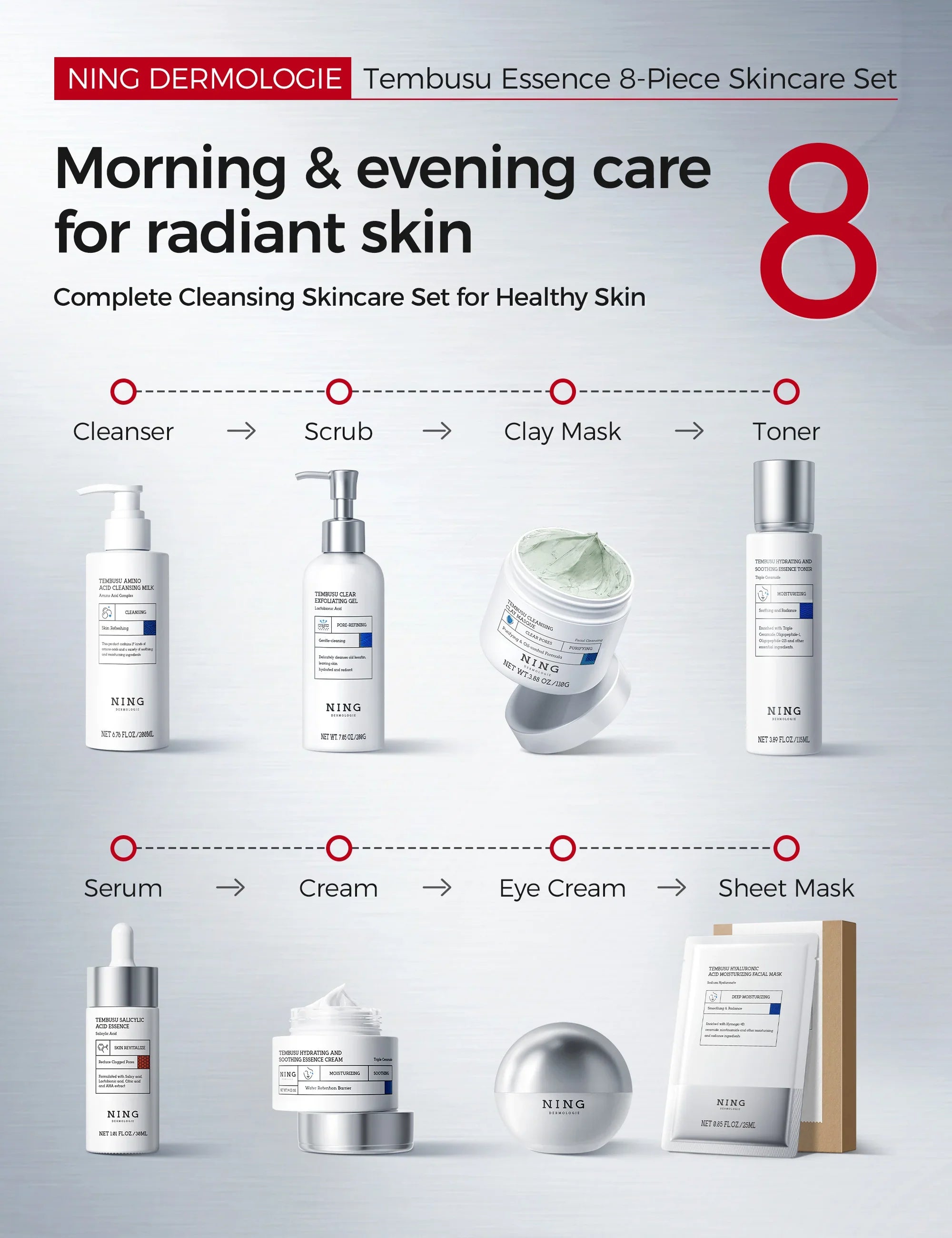
If you’re looking for a clay that won't leave you flaking, you should look for a clarifying clay mask that incorporates hydrating elements. This is exactly where NING Dermologie steps in. Their approach isn't about "stripping"—it's about "replenishing while refining."
The Game Changer: NING Dermologie Clay Mask for Face Sensitive Skin
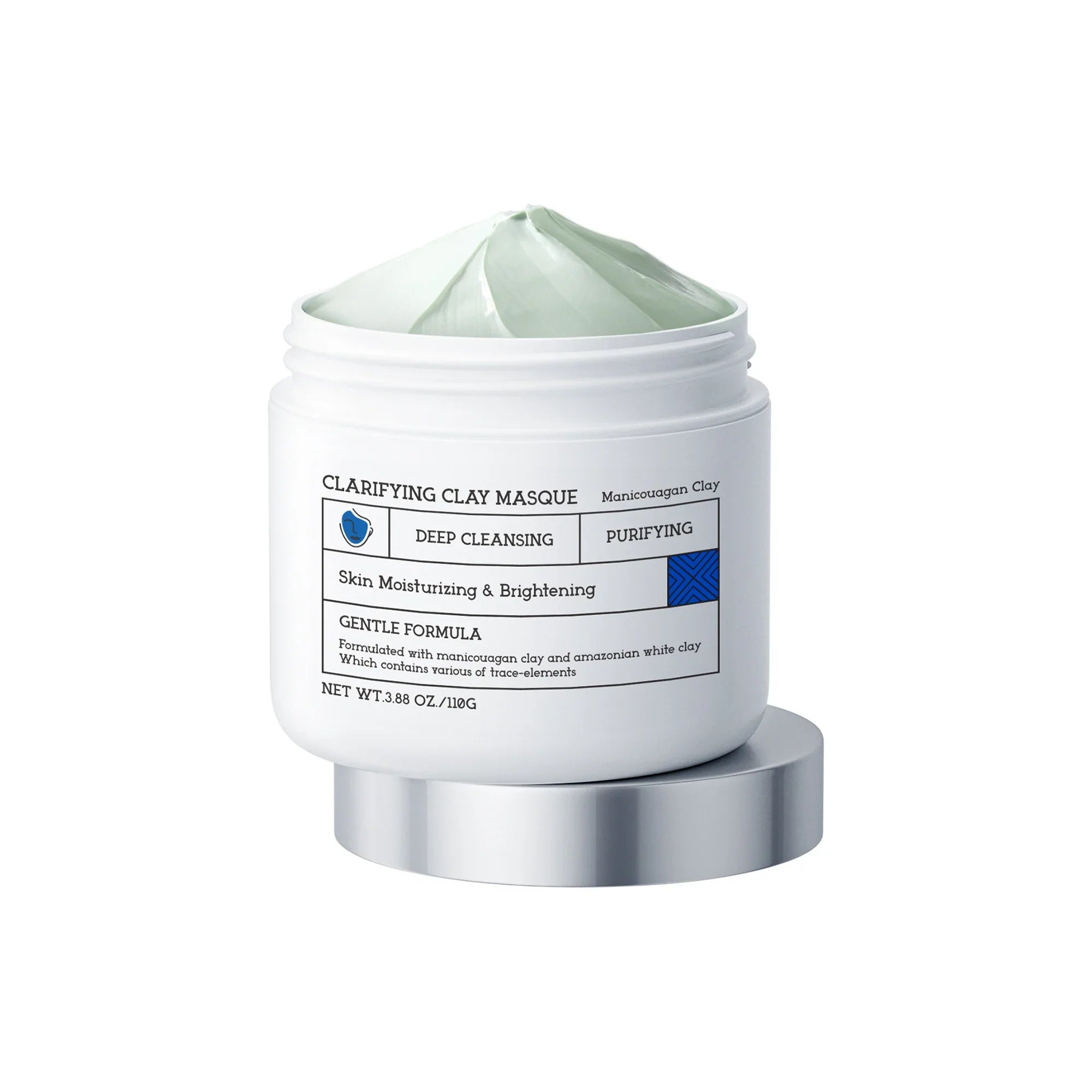
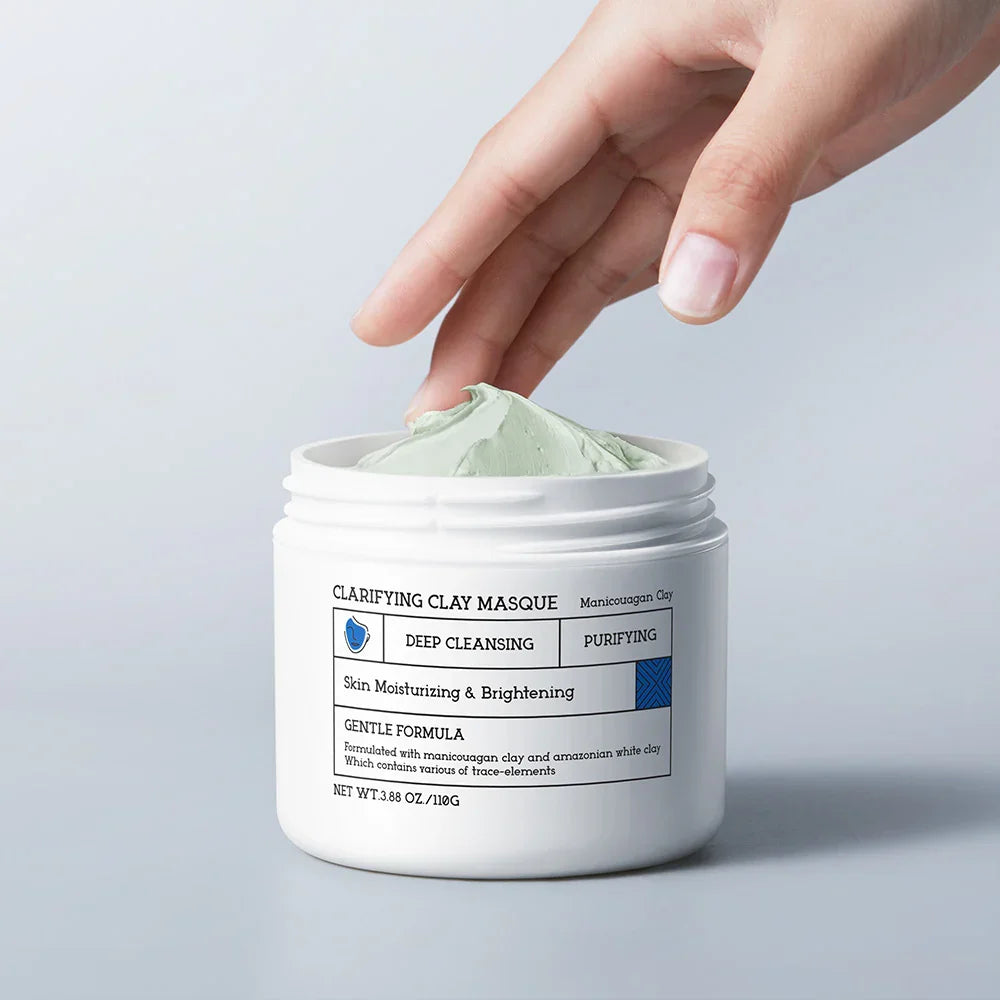
If you’ve avoided using a clay because of past trauma (aka redness and itching), the Clay Mask for Face Sensitive Skin by NING Dermologie is a total shift in perspective.
Most popular clay masks focus on the "crack and dry" sensation. This formula, however, leaves your skin feeling like it just had a spa day. It uses a sophisticated white clay base that manages to exfoliate dead skin cells and minimize the appearance of enlarged pores without that dreaded tightening effect. It’s perfect for sensitive skin because it respects the acid mantle while doing the dirty work of clearing out every blackhead and bit of grime.
How to Use Clay Masks Without Making Your Skin Angry
Practicality is key. Even the best clay mask will fail you if you use it incorrectly. Here is a guide to using clay effectively:
-
Preparation: Start with a clean slate. Use a gentle cleanser, but don't over-scrub before the mask.
-
Application: Apply clay masks with a silicone brush or clean fingers. You don't need a half-inch thick layer—a thin, even coat is enough to transform your skincare routine.
-
The Goldilocks Timing: Don't wait for it to crack! If it’s dry to the touch but still feels a bit tacky, it’s time to wash. This is usually the 7-10 minute mark.
-
The Removal: Use lukewarm water. Don't rub your face raw. A soft microfiber cloth can help away dead skin cells gently.
-
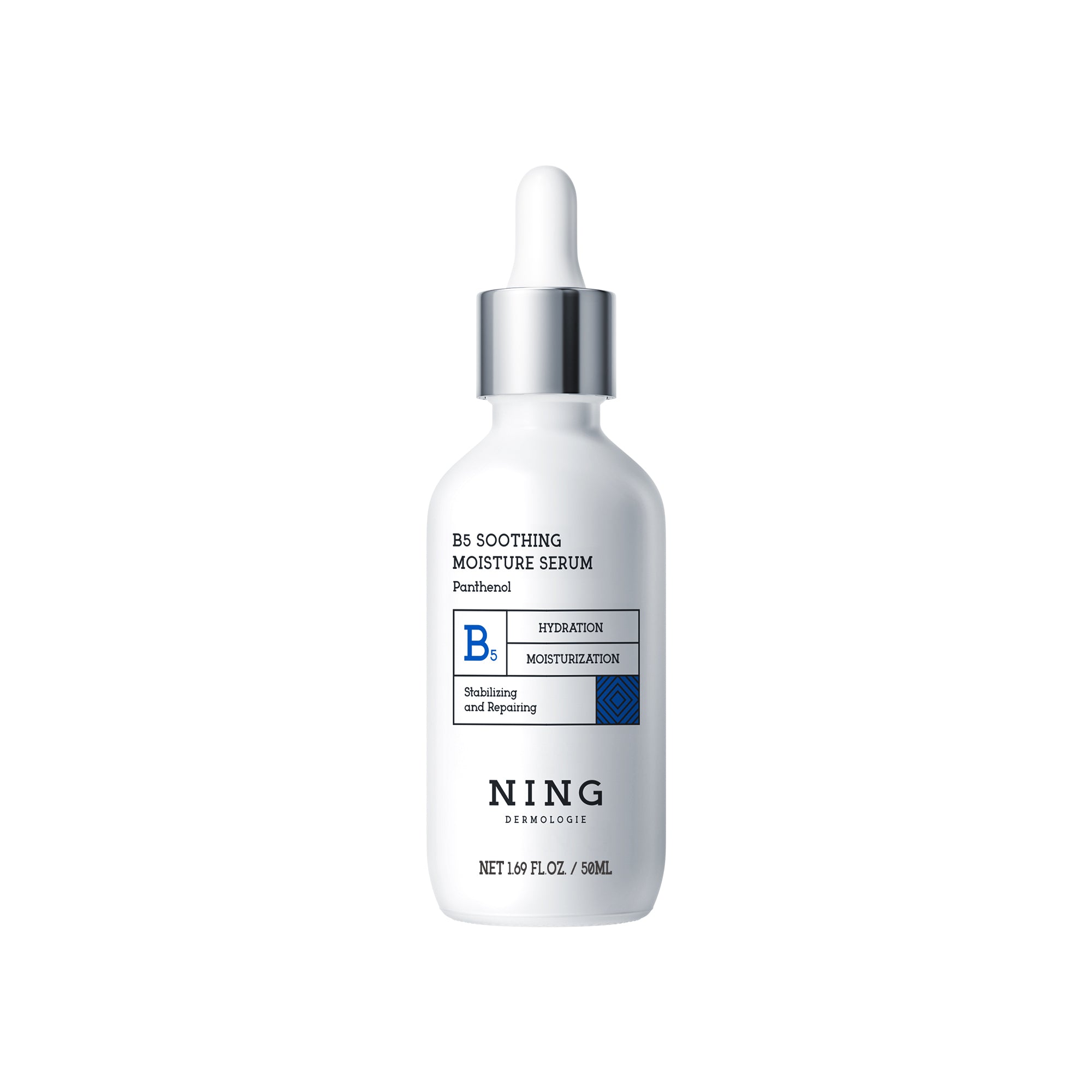
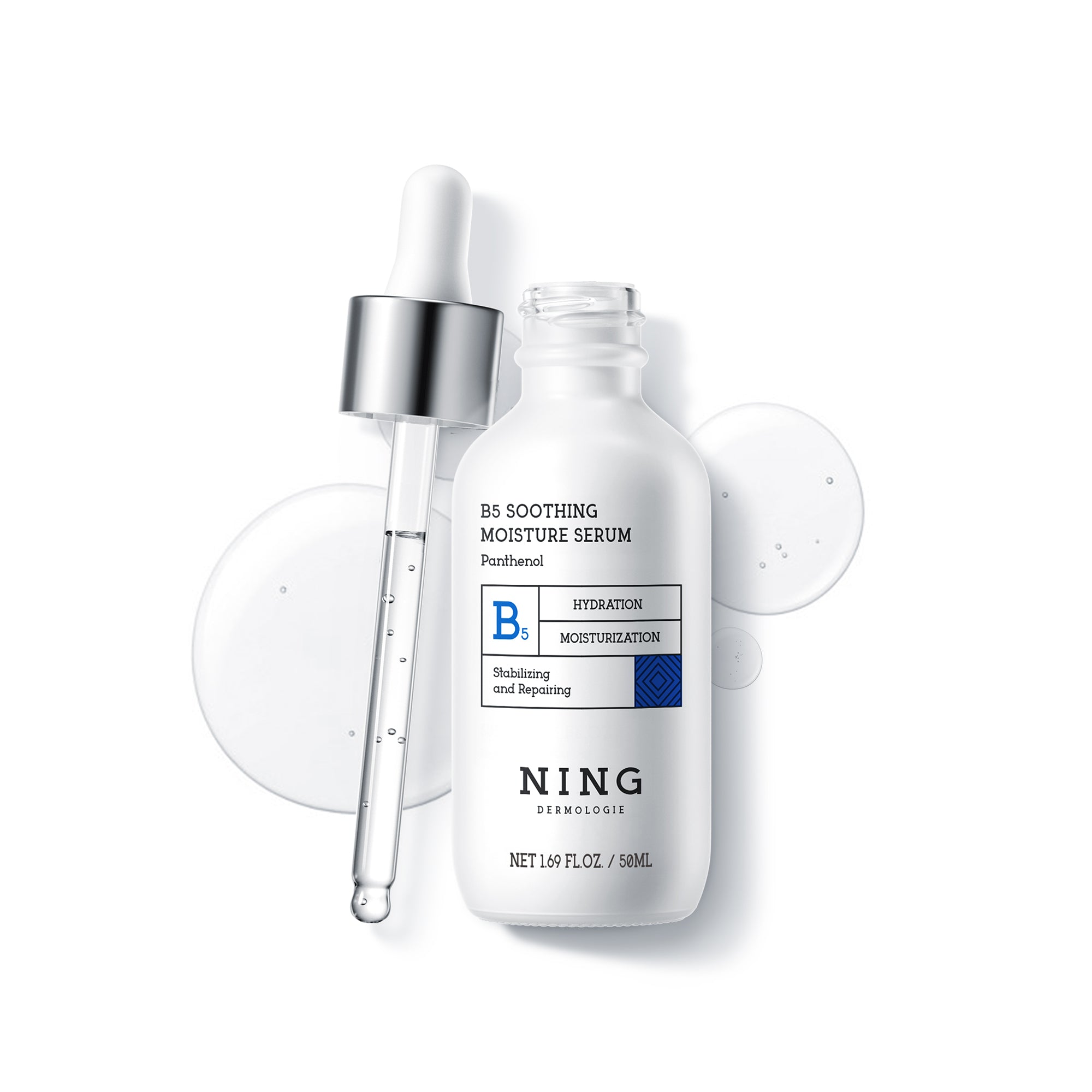
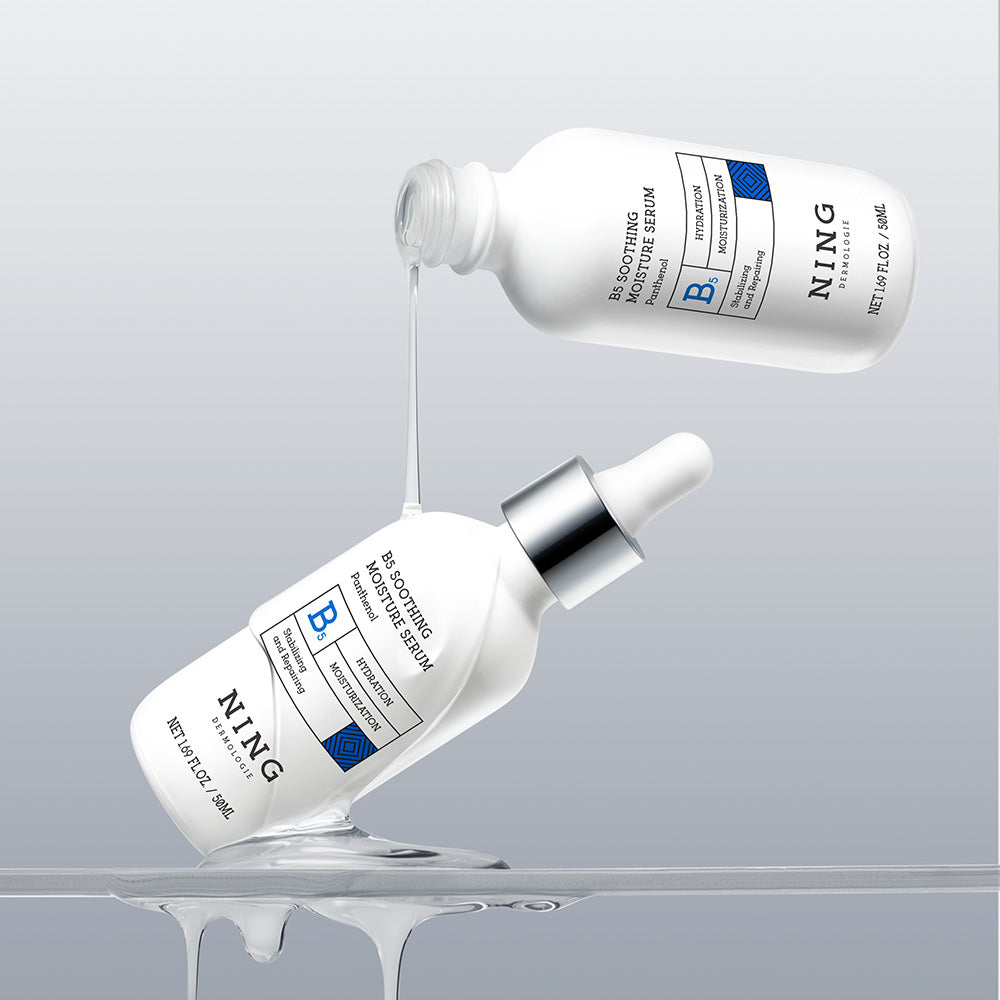
The Finish: Pat your skin dry with a soft towel and immediately follow up with a hydrating serum.
Addressing Every Skin Type
No matter your skin type, there is a way to make a clay face mask work for you:
- For Combination Skin: "Multi-mask." Apply the stronger volcanic aha pore clearing clay on your oily T-zone and a gentler rose clay or NING Dermologie on your cheeks.
- For Dull Skin: Look for a mask helps to even out skin tone. Ingredients like Amazonian white clay are famous for brightening.
- For Oily Skin: You can afford to use clay masks twice a week to keep clogged pores at bay and ensure your skin feels clean and matte.

The Result: Glowing Skin, Not Red Skin
When you choose a mask is formulated with sensitivity in mind, the effect on the skin is immediate. Your skin feels smooth, the skin tone looks more uniform, and your overall skin health improves over time. You’re not just cleaning; you’re conditioning.
Switching to a more mindful skincare routine means recognizing that "intense" doesn't always mean "effective." By using clay face masks that prioritize nourishment, you finally get that glowing skin without the irritation.
Frequently Asked Questions (FAQ)
1. How often should I use a clay mask if I have sensitive skin?
For sensitive skin types, less is usually more. Start with once a week. Because the NING Dermologie formula is so gentle, you might eventually move to twice a week, but always listen to your skin needs. If you feel any lingering dryness, scale back. The goal is radiant skin, not a compromised barrier.
2. Can I use a clay mask if I have very dry skin?
Yes, but you must be picky. Avoid high-bentonite formulas and look for kaolin clay or white clay. A best for dry skin option will include hydrating ingredients like aloe or glycerin. Always pat your skin dry with a soft towel and follow up with a heavy moisturizer to keep your skin juicy.
3. Do clay masks actually help with blackheads?
Honestly, they’re a lifesaver for maintenance. While a mask won’t "yank" out a deep-rooted blackhead in one go like a pore strip, the clay acts like a magnet for the oxidized oil that causes them. By regularly clearing out that gunk before it hardens, you’re stopping the cycle of clogged pores before they even start. It’s the most reliable way to keep clear pores and smooth skin without causing permanent scarring or inflammation.
4. Why does my face feel itchy while the mask is drying?
That "itch" is usually the clay contracting as it evaporates moisture. If it’s unbearable, the mask is formulated too strongly for you. To avoid this, don't let the mask get to the "crumbling" stage. Rinse it off while it’s still slightly damp to ensure your skin hydrated levels remain intact.
5. Is it okay to use a clay mask along with AHAs or Retinol?
Be careful. Using a clay mask and a chemical exfoliant in the same session can be too much for every skin type. I recommend using a clay on one night and your actives on another. This avoids over-sensitizing the skin while still achieving that smooth skin texture you’re after.


Share:
Skin Soothing Clay Masks You Can Trust for Sensitive Complexions
2026 Beauty Essentials: The Skincare Sets You Cant Miss