


The Real Reason Your Vitamin C Stings (And How to Finally Get That Glow Without the Redness)
Most of us with sensitive skin have a love-hate relationship with the word "active." You see a bottle of vitamin c serum promising the moon—brighter skin, faded dark spots, that "lit-from-within" look—and you want it. But the last time you tried a high-concentration l-ascorbic acid, your face felt like it was hosting a bonfire.
The truth is, the skin care industry has a "more is better" obsession that is absolutely wrecking delicate skin. We’ve been told that if it doesn’t tingle, it isn’t working. That’s a lie. Especially when it comes to finding a c serum for sensitive skin, the goal isn’t to overwhelm your barrier; it’s to nourish it.
In this guide, we’re going to cut through the marketing fluff. We’ll talk about why your skin is sensitive to traditional formulas, which form of vitamin c actually plays nice with your biology, and how to choose the best vitamin c serum that leaves your skin looking brighter—not angrier.

Why Traditional Vitamin C Fails Sensitive Skin Types
Most "award-winning" serums use l-ascorbic acid. On paper, it’s the gold standard. It penetrates the skin deeply and offers massive antioxidant protection. However, there’s a catch: it’s incredibly unstable and requires a very low (acidic) pH to work—usually around 2.5 to 3.5.
For someone with a healthy, "iron-clad" skin barrier, that acidity is fine. But if you have dry skin or a compromised skin barrier, that low pH acts like a trigger. It causes immediate redness, irritation, and that dreaded stinging sensation.
When your skin feel is tight and itchy, the antioxidant benefits don’t even matter because you’re dealing with a reactive skin flare-up. This is where a vitamin c derivative comes into play. Instead of using the raw, harsh acid, modern chemistry allows us to use stabilized versions like sodium ascorbyl phosphate or ascorbate—and our personal favorite at NING Dermologie, 3-O-Ethyl Ascorbic Acid.
Choosing the Right Vitamin C Serum for Sensitive Complexions
So, how to choose a vitamin c serum when your skin throws a tantrum at the sight of a new product? It comes down to three things: the form, the concentration, and the "supporting cast" of ingredients.
1. The Best Form of Vitamin C
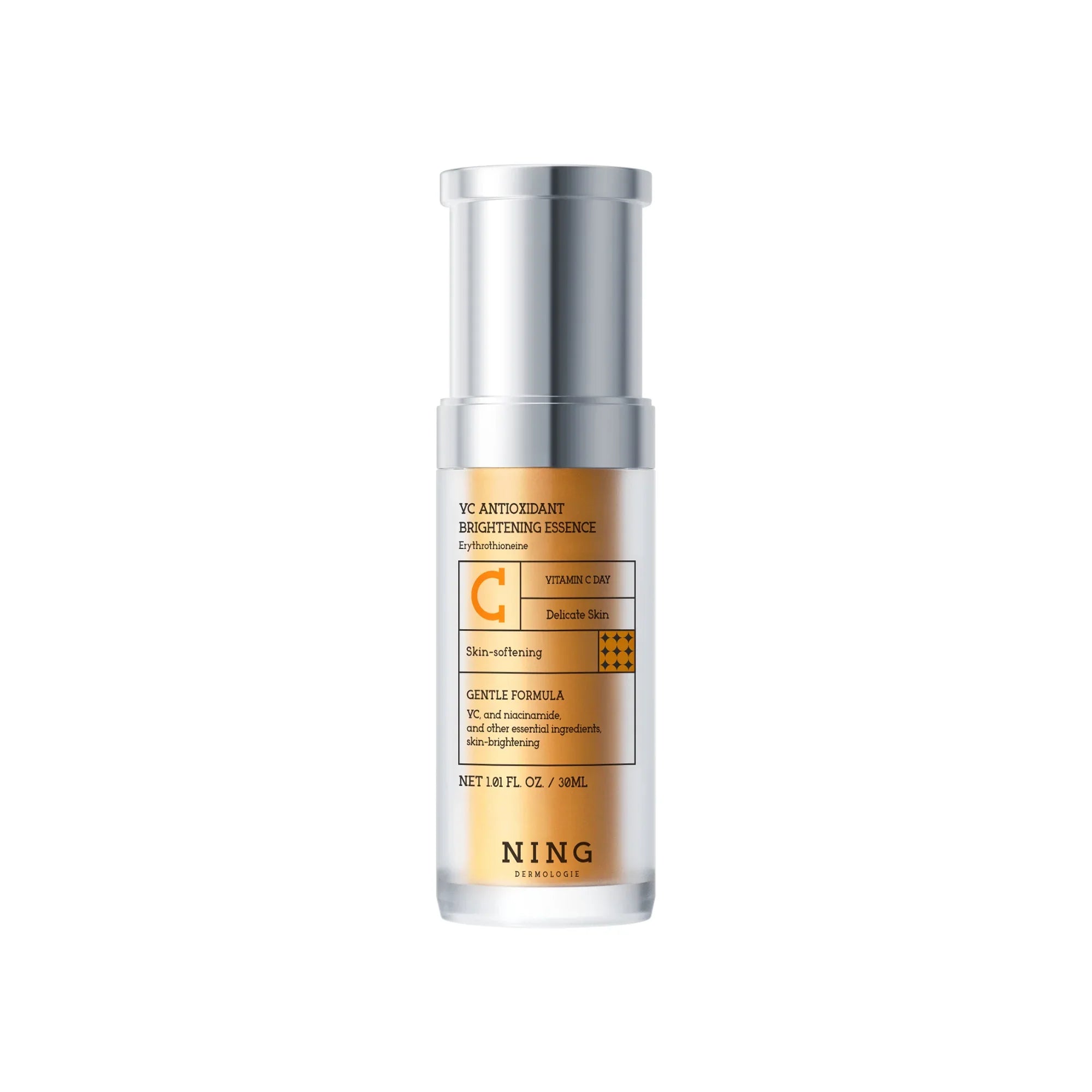
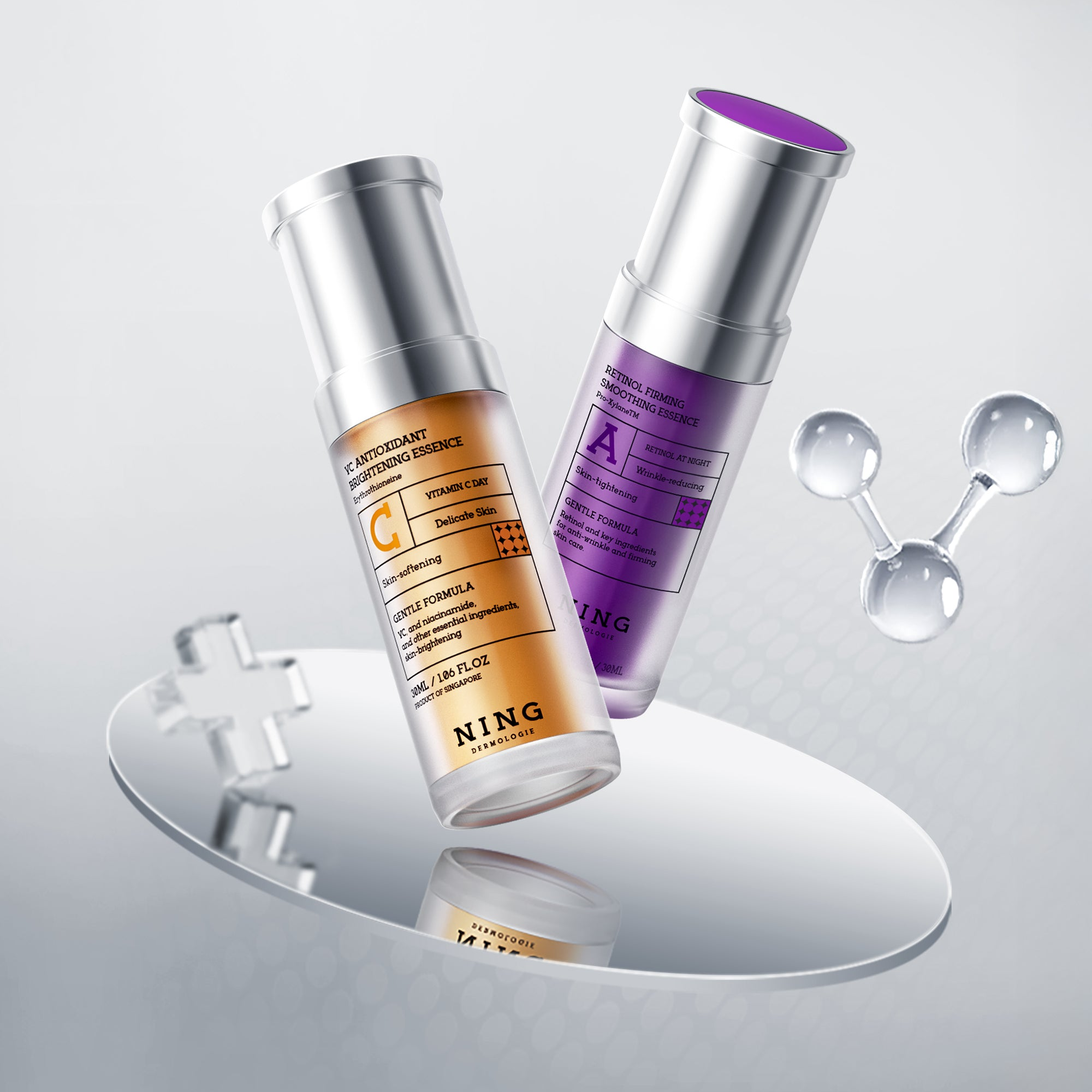
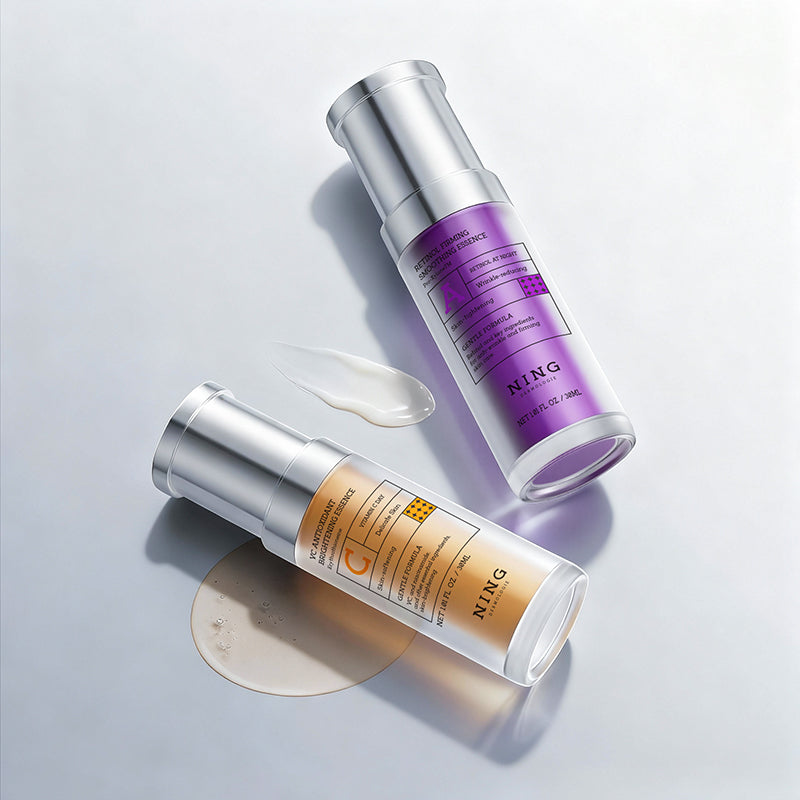
If you’ve struggled with skin irritation in the past, look for Ethyl Ascorbic Acid. Unlike pure ascorbic acid, this derivative is etherified, meaning it’s highly stable and works at a pH much closer to your skin’s natural level. It’s what we use in our NING Dermologie Vitamin C Serum because it provides the same brightening serum results without the "burn."
Other gentle vitamin c options include:
- Sodium Ascorbyl Phosphate: Great for combination skin because it’s also slightly antimicrobial (good for breakouts).
- Magnesium Ascorbyl Phosphate: A rockstar for dry skin because it’s less drying than traditional vit c.
2. The Golden Concentration
Ignore the "20% or Bust" crowd. For sensitive skin, a concentration of vitamin c between 5% and 10% is the sweet spot. Anything higher often leads to diminishing returns and a higher risk of redness. You want a vitamin c product that builds your skin up, not one that strips it down.
3. The Supporting Cast
A favorite vitamin c for most experts isn’t a solo act. It needs soothing ingredients to balance the activity.
- Vitamin E & Ferulic Acid: These two are the ultimate bodyguards. When you combine an antioxidant like vitamin c with vitamin e and ferulic acid, the stability and efficacy of the serum double. It’s the classic trio found in skinceuticals c e ferulic, but at NING Dermologie, we’ve tweaked the ratios to ensure it supports sensitive skin.
- Hyaluronic Acid & Vitamin B5: These soothing or hydrating ingredients ensure the serum absorbs while locking in moisture. This prevents the "flaky" look that some topical vitamin c products cause.
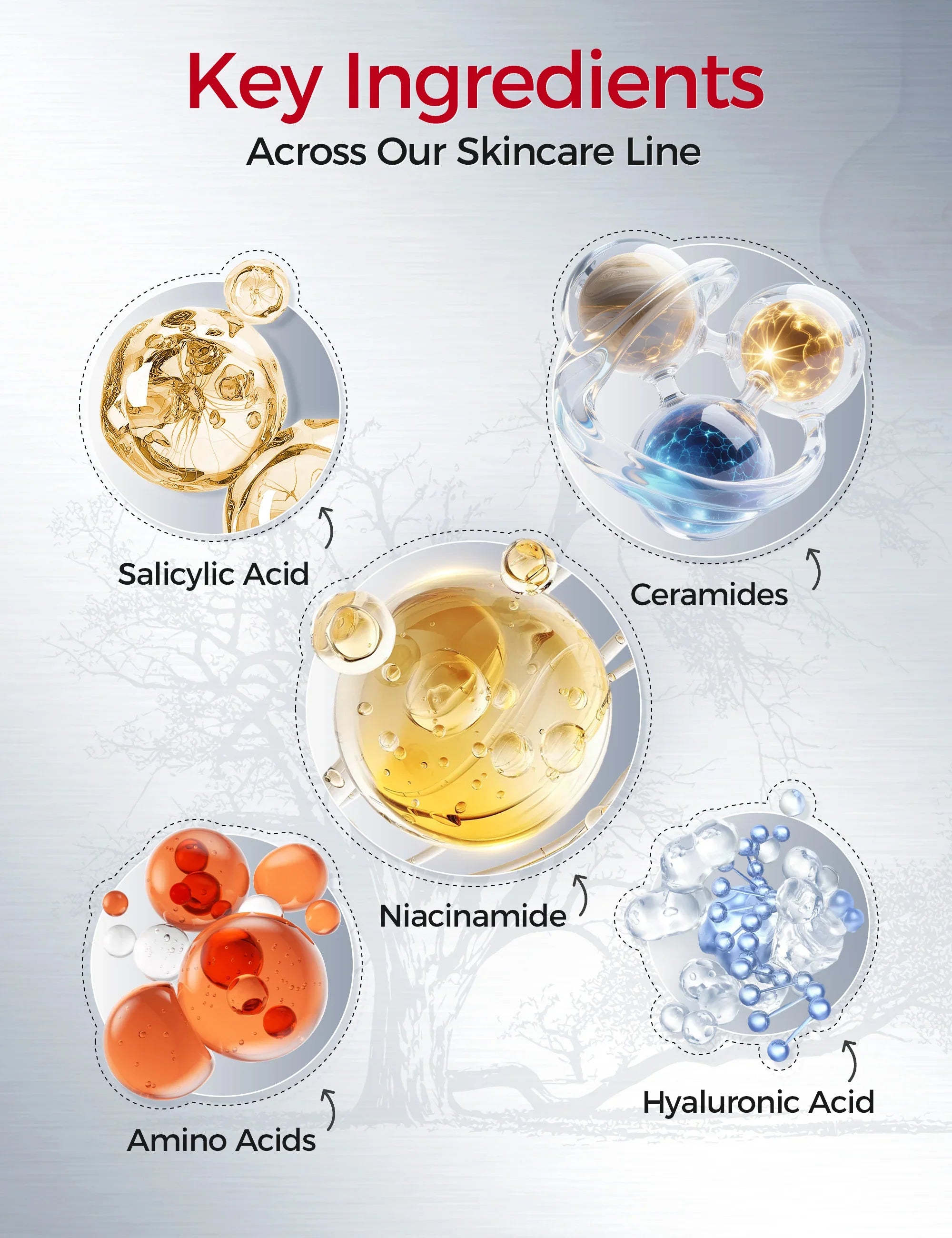
- Niacinamide: Often misunderstood, but when paired with a stable vit c, it helps smooth texture and strengthens the skin barrier.
Deep Dive: NING Dermologie’s Approach to Sensitive Glow
We realized that most skin care routines were missing a "middle ground." You either had the weak, drugstore stuff that did nothing, or the "professional" serums that were too harsh.
Our Vitamin C Serum was serum made with a specific philosophy: Effective, not Aggressive. By using 3-O-Ethyl Ascorbic Acid, we created a formula that leaves the skin feeling hydrated rather than stripped.
We also added a significant dose of Niacinamide. Why? Because sensitive skin may often deal with uneven skin tone and redness simultaneously. Niacinamide calms the reactive skin response while the Vitamin C works on dark spot correction. It’s about creating a skin look that is healthy and resilient.
How to Use Vitamin C Serum Effectively (Without the Flare-ups)
If you’ve been burned before (literally), you need a strategy. Here is how a dermatologist would typically suggest choosing a vitamin c serum and introducing it to a sensitive skin routine:
-
The Patch Test is Non-Negotiable: Apply a tiny drop behind your ear or on your inner jawline. Wait 24 hours. If there’s no redness or irritation, you’re good to go.
-
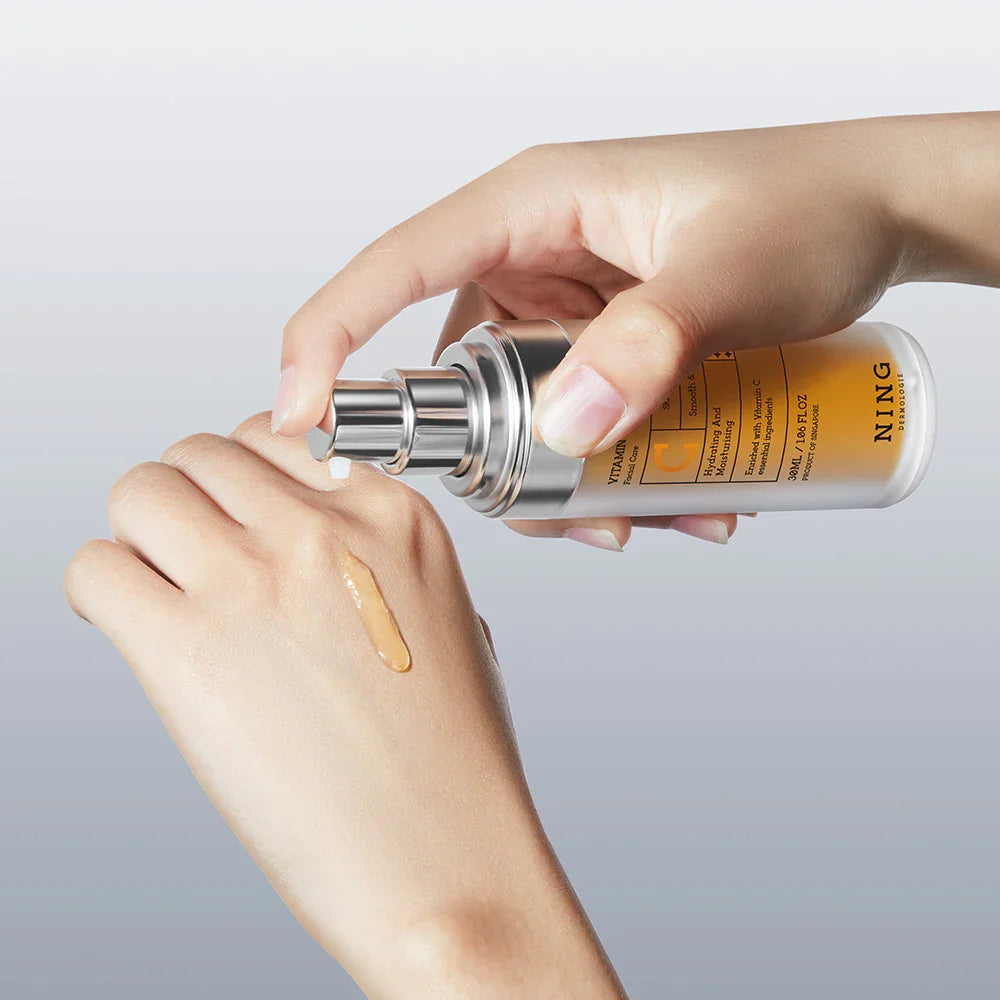
The "Buffering" Method: If your skin is sensitive, try applying your moisturizer first, then the vitamin c serum for sensitive skin over it. This slows down the penetration slightly, making it much more ideal for sensitive types.
-
Frequency over Intensity: Don't start by using it every morning. Use it every other day for the first two weeks. Let your skin needs dictate the pace.
-
Morning is Best: Since vitamin c helps provide antioxidant protection against UV rays and pollution, it’s best used in the AM under your sunscreen.
Comparing the Giants: What’s Best for You?
When looking for the best vitamin c serums, you'll likely run into these names. Here’s the "sensitive skin" verdict on them:
- Skinceuticals C E Ferulic: The legend. It’s effective, but the high l-ascorbic acid and low pH can irritate my skin if I'm having a rosacea flare-up. It's expensive, but powerful.
- Cerave Skin Renewing Vitamin C Serum: A solid best drugstore pick. It uses a 10% concentration which is gentle vitamin c for many, but some find the texture a bit heavy for combination skin.
- Truskin Vitamin C: Very popular on Amazon. It uses sodium ascorbyl phosphate, which is definitely a right vitamin c serum for beginners, though some find it lacks the "punch" for deep age spots.
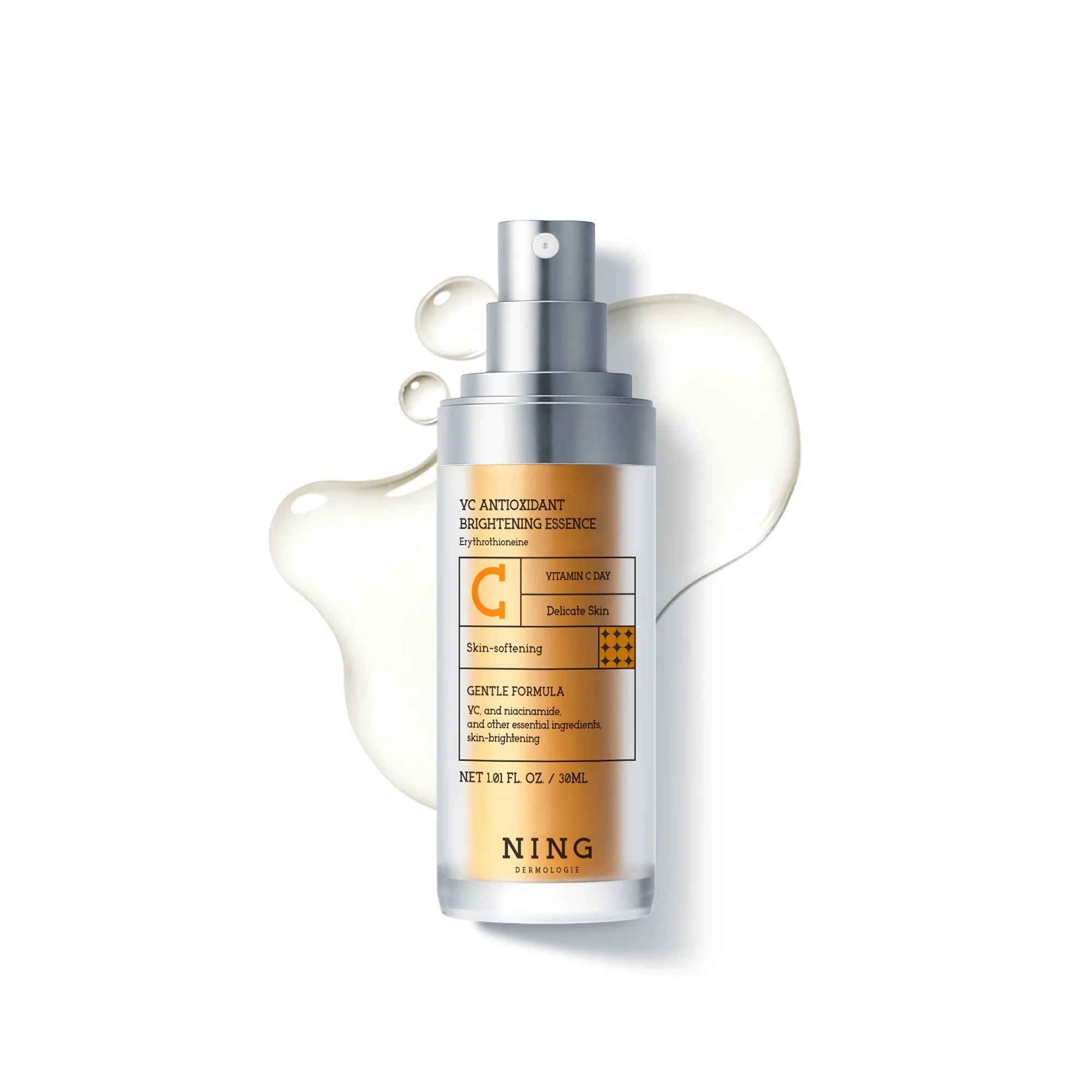
- NING Dermologie Vitamin C Serum: We designed this to be the favorite vitamin c for those who want the potency of high-end brands but need the calming ingredients of a recovery cream. It leaves skin glowing and skin soft without the sticky residue.
Common Ingredients Should I Avoid?
If you have delicate skin, your skin care routine shouldn't feel like a chemistry experiment gone wrong. Check your labels and avoid these if your skin is sensitive:
- High Alcohol Content: Used to make the serum absorbs faster, but it destroys the skin barrier.
- Synthetic Fragrance: The #1 cause of reactive skin. A vitamin c product should smell like... well, not much, or a slight citrus/metallic scent from the ingredients themselves.
- Over-High Concentrations: As mentioned, 20%+ is usually overkill for sensitive skin.
- Essential Oils: Lemon or orange oils might seem "thematic" for a vit c serum, but they can irritate and cause photosensitivity.

The Verdict: Does Your Skin Actually Need It?
Yes. Even if you have the most sensitive skin in the world, you can—and should—benefit from topical vitamin c. It is the most effective way to combat dark spot issues, uneven skin tone, and the collagen loss that leads to age spots.
The difference is in the form of vitamin c. When you switch from a harsh acid to a stabilized vitamin c derivative, you’ll see a massive difference in my skin (and your customers will too). Your skin looks brighter, your skin feel is smoother, and you aren't constantly reaching for a cold compress to calm the redness.
Choosing a vitamin c serum for sensitive skin is an investment in your skin's long-term health. Don't let one bad experience with a "hot" serum scare you away from the antioxidant protection your skin needs.
Frequently Asked Questions (FAQ)
1. Can I use Vitamin C serum if I have rosacea or extreme redness?
Yes, but you must be careful. Avoid pure L-ascorbic acid and opt for sodium ascorbyl phosphate or ethyl ascorbic acid found in NING Dermologie. These derivatives are non-acidic and won't trigger the vascular response that causes flushing. Always perform a patch test on your lower jaw first to ensure the formula doesn't irritate your condition.
2. How long does it take to see results on sensitive skin?
With a gentle vitamin c, you might not see the "instant peel" glow, but you will see real skin changes in 4 to 6 weeks. This is the time it takes for skin cell turnover to reveal the brightened layers beneath. Consistency is key—using it three times a week regularly is better than using a harsh serum once and quitting.
3. Should I store my NING Dermologie serum in the fridge?
Honestly, you don't have to because our formula is very stable. But if you’re like me and struggle with morning puffiness, that cold sensation is a lifesaver for sensitive skin. Storing your vitamin c serum in the fridge helps constrict blood vessels, instantly calming any redness. Plus, it keeps the soothing active ingredients fresh for even longer. It’s a small extra step that makes your routine feel much more like a spa treatment.
4. Can I use Vitamin C and Niacinamide together?
That "don't mix them" rule is old-school thinking that’s been debunked. Modern lab tests show they actually work better as a team. While Vitamin C handles the antioxidant protection, Niacinamide keeps your skin barrier from acting up and helps hydrate the surface. That’s exactly why we put both in our Vitamin C Serum—it’s a shortcut to a glow without the irritation usually found in combination skin products.
5. What should I do if my Vitamin C serum turns orange?
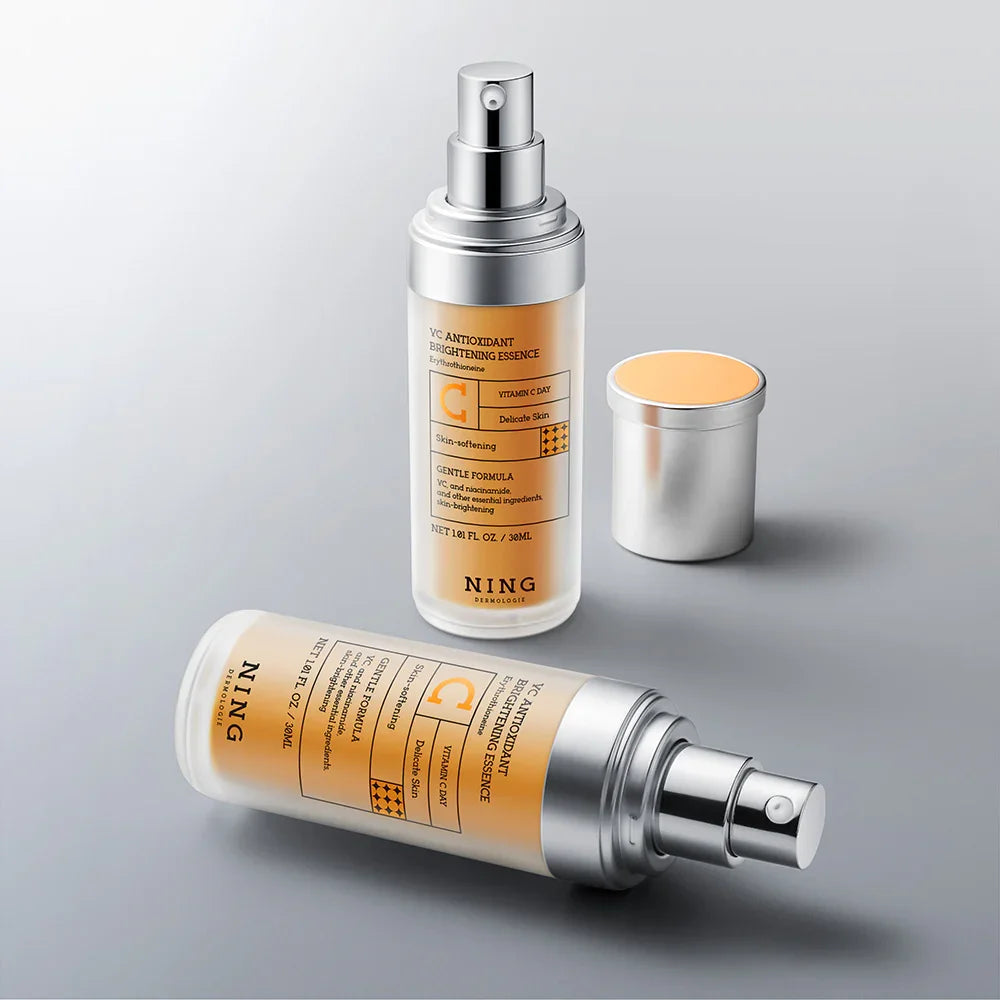
If your serum looks like dark orange juice, toss it. It means the topical vitamin c has oxidized from too much air or light exposure. Not only is it useless for brightening, but it can actually irritate a delicate face. We hate waste, so we used opaque, airless bottles to keep our vitamin c product potent. If your serum safely stays clear or pale yellow, you’re getting the full benefits without the risk.
Ready to find the right vitamin c serum for your delicate skin? Explore the NING Dermologie Vitamin C Serum here and give your skin the antioxidant boost it deserves without the drama.


Share:
How to choose a vitamin C serum for sensitive skin
Vitamin C serums free of irritants for sensitive skin