



Finding the right exfoliating face wash for aging skin is like walking a tightrope. On one side, you have the persistent dullness caused by slowing cell turnover; on the other, a fragile skin barrier that feels like it might snap if you look at it wrong.
If you’ve noticed that your foundation is suddenly clinging to dry patches or that your favorite serum isn’t "sinking in" like it used to, you’re likely dealing with a buildup of dead skin cells. But here’s the kicker: the aggressive face scrubs of our youth—the ones that felt like rubbing sandpaper on a peach—are the absolute last thing you need now.
At NING Dermologie, we’ve spent years analyzing how aging skin interacts with various skincare products. We’ve found that the "secret" isn't about scrubbing harder; it's about chemistry, pH levels, and respecting the moisture barrier.

Why Your 20s Routine is Failing Your 40s Skin
As we age, our natural collagen synthesis takes a nosedive. This isn't just about wrinkles; it affects skin elasticity and how quickly our skin repairs itself. Young skin sheds and replaces its surface every 28 days or so. For aging skin, that process can take 45 to 60 days. This lag results in what experts like Marisa Garshick from MDCS Dermatology often describe as a "compacted stratum corneum"—basically, a thick layer of dead skin that traps oils and reflects light poorly.
The goal of an Exfoliating Cleanser for mature faces is to jumpstart that cell turnover without causing micro-tears.
Chemical vs. Physical: The Great Debate
Most people think of physical exfoliation first—think Dead Sea Salt, Jojoba Beads, or even a Superfood face scrub. While Jojoba Beads are smooth and round (making them a safer choice than crushed walnut shells), many dermatologists, including Daniel Behroozan from the Dermatology Institute of Southern California, lean toward chemical exfoliation for long-term anti-aging benefits.
Chemical exfoliants—specifically Alpha Hydroxy Acids (AHAs) and Beta Hydroxy Acids (BHAs)—work by dissolving the "glue" that holds dead skin cells together.
- Glycolic Acid: The powerhouse. It has the smallest molecular size, meaning it penetrates deep to stimulate collagen production. However, for Sensitive Skin, it can be a bit spicy.
- Lactic Acid: The gold standard for aging skin. It’s larger and gentler than glycolic acid, and it’s a natural humectant, meaning it helps with moisture retention.
- Mandelic Acid: Derived from bitter almonds, this is excellent for those dealing with both age spots and occasional breakouts.
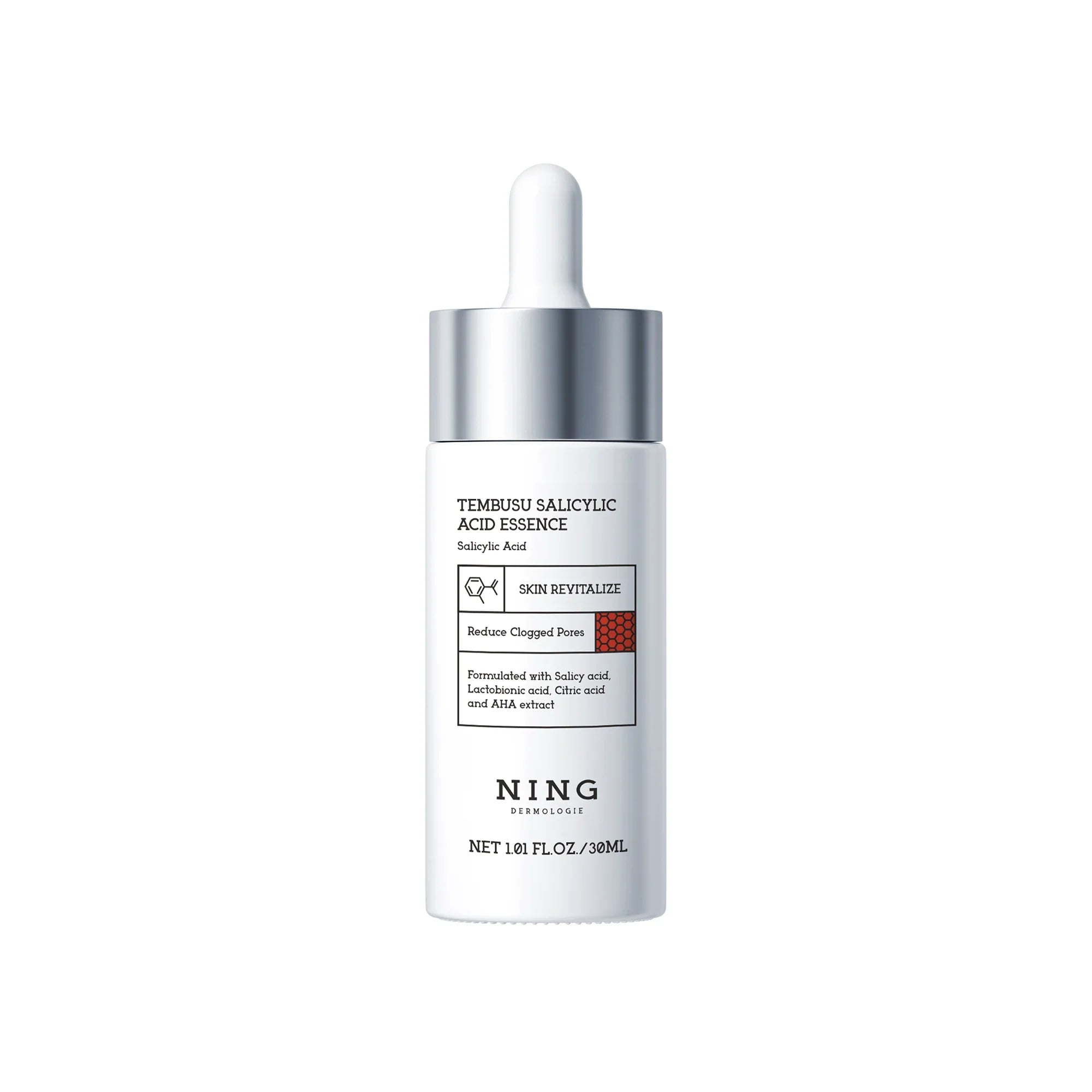
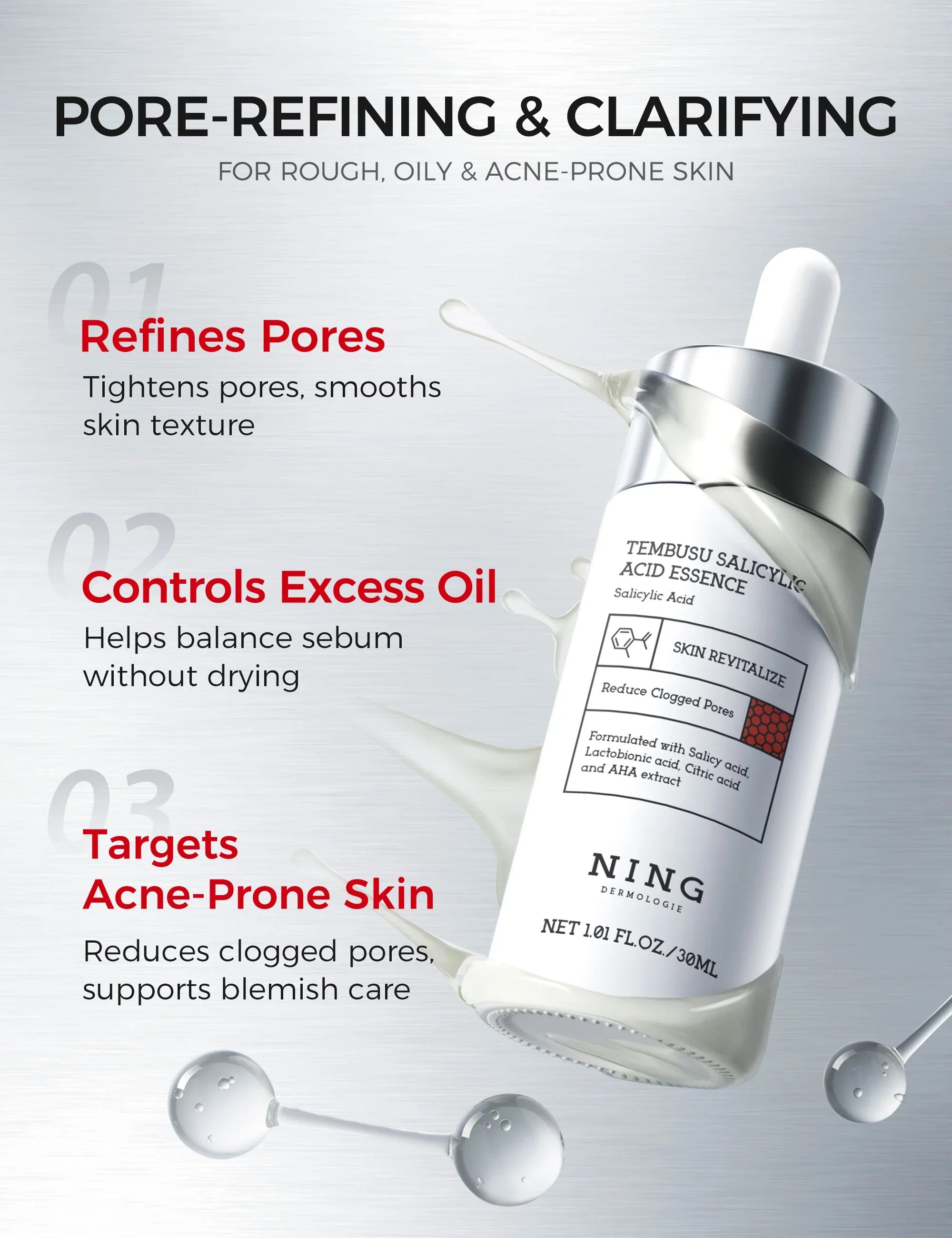
- Salicylic Acid (BHA): Usually reserved for oily skin or acne-prone types, but in a pH-balanced formulation, it can help clear out pores so that your anti-aging products actually reach their target.
The NING Dermologie Approach: Purification Without Pain
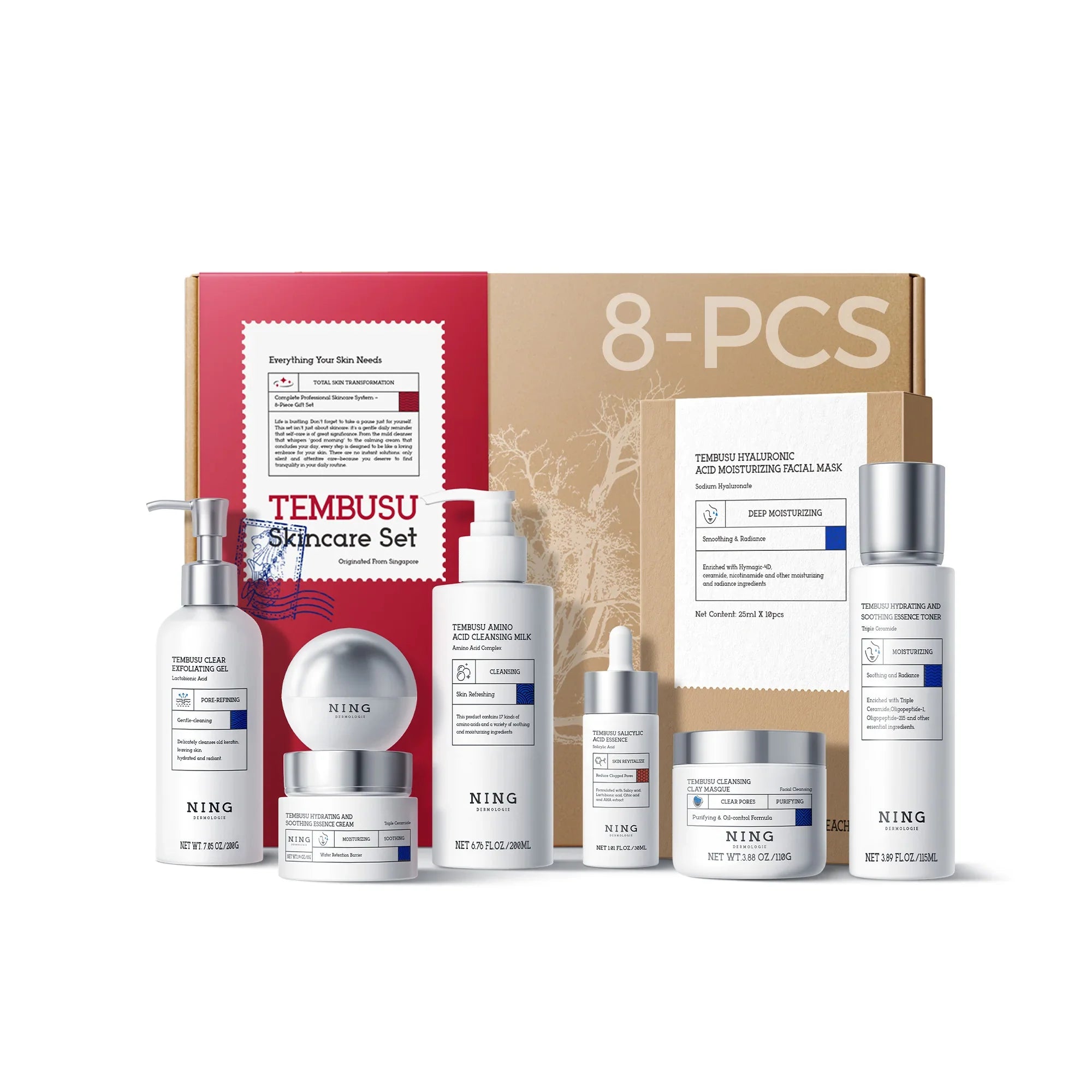
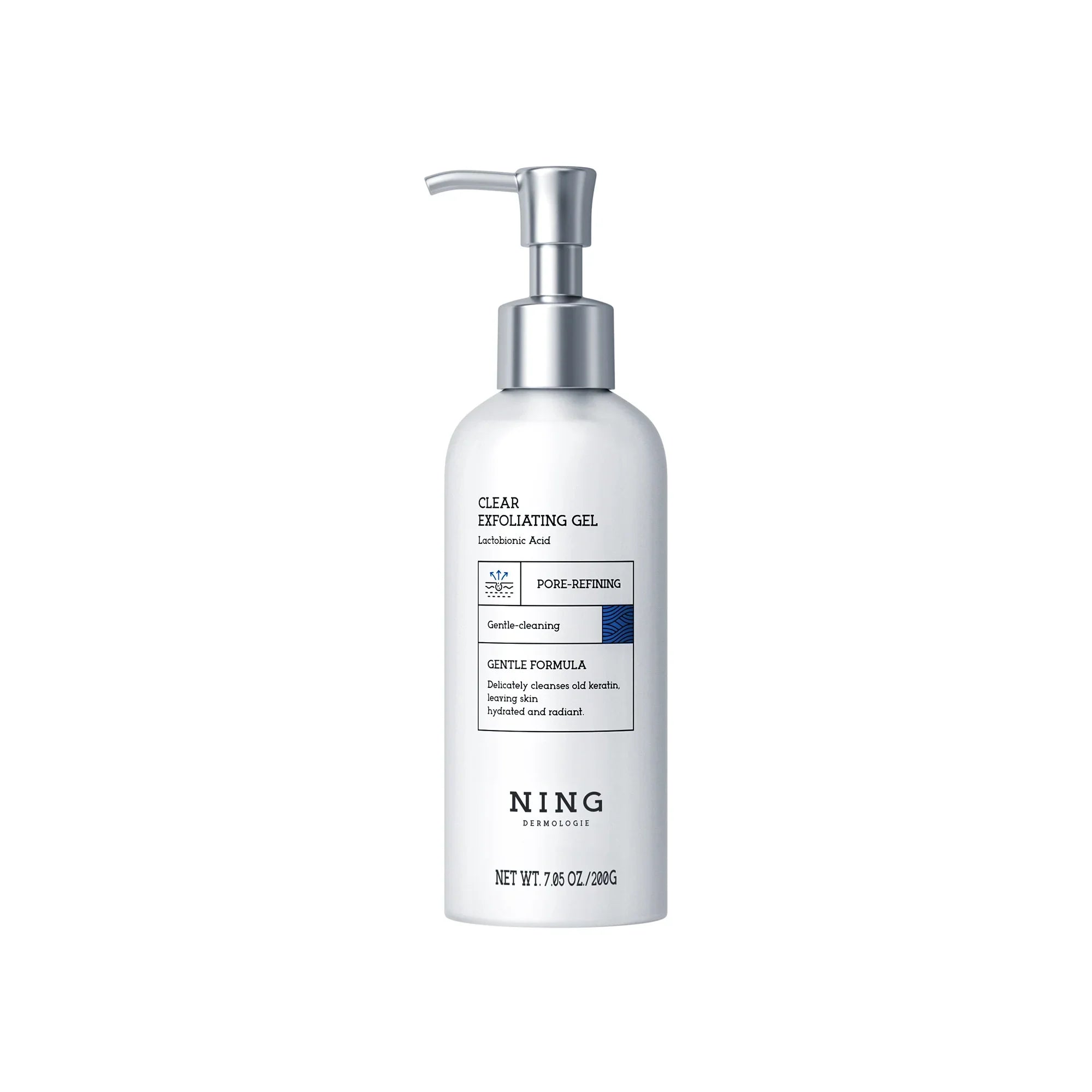
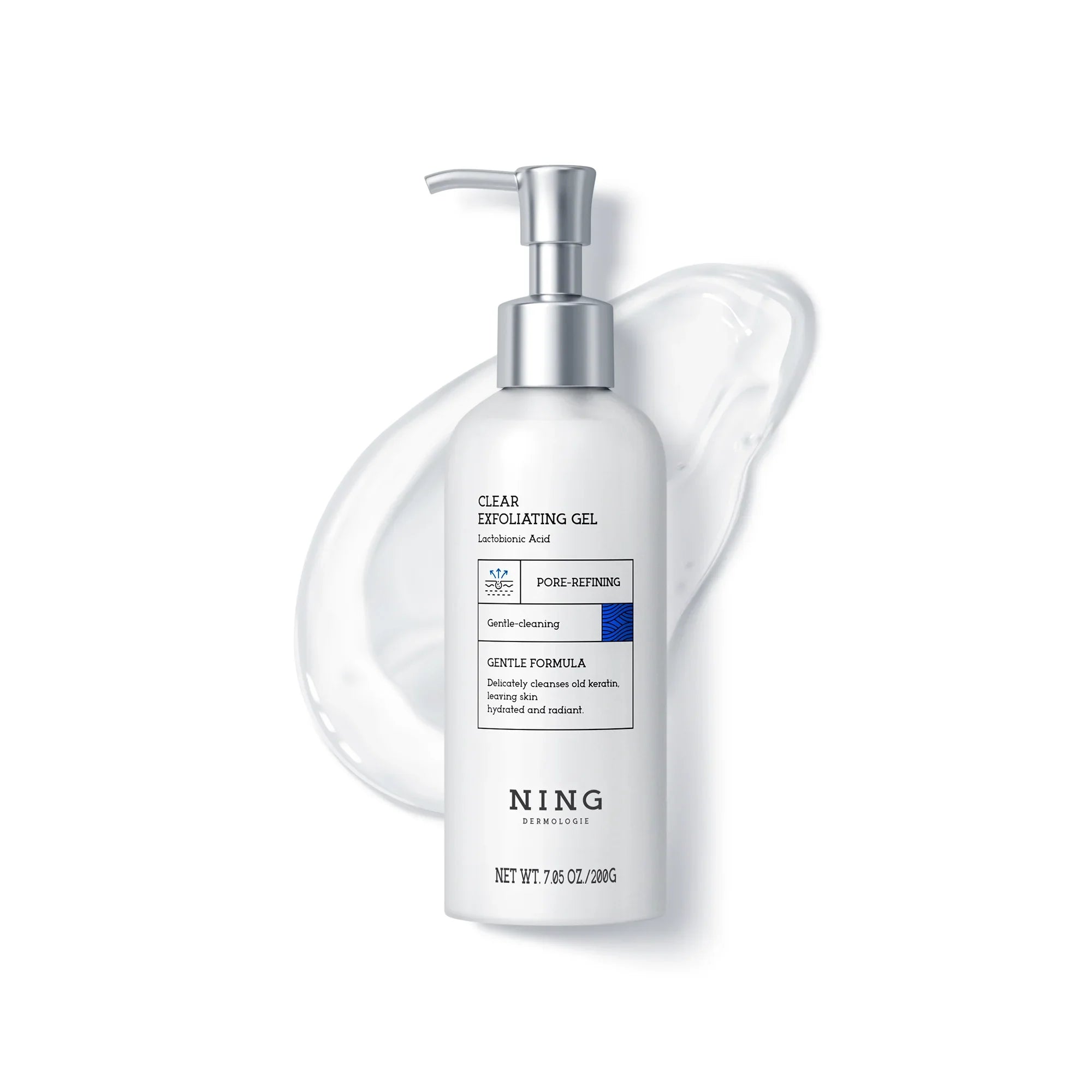
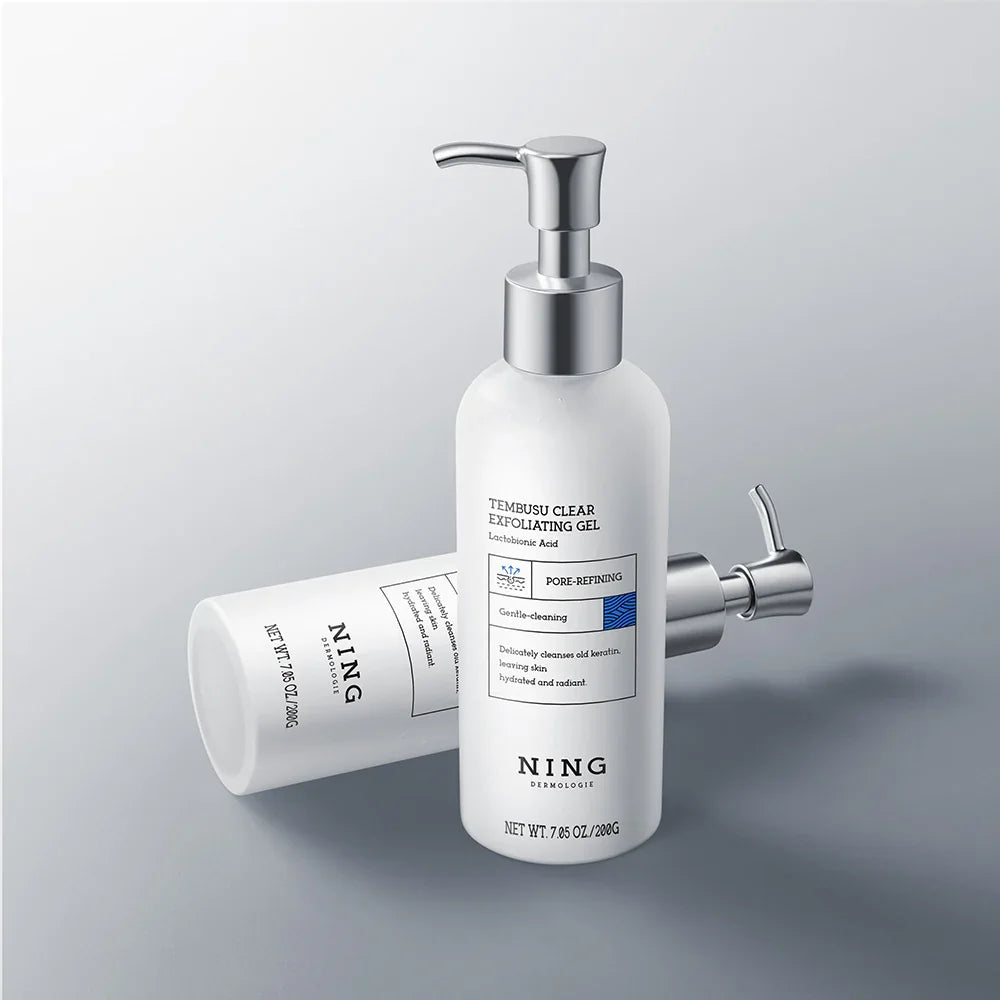
When we developed ourExfoliating Face Wash (Peeling Gel), we wanted to move away from the traditional AHA/BHA Exfoliating Cleanser that often leaves the skin red and angry. Instead, we focused on a "rolling" mechanism that captures dead skin and impurities without disrupting the skin barrier function.
For aging skin, your skincare routine should prioritize Gentle Exfoliation. If you use a dermaplane tool or high-strength exfoliating serums, your daily face wash needs to be a stabilizer, not another irritant.
Ingredients That Actually Matter (And Those That Don't)
If you’re scanning the back of a bottle at the pharmacy or browsing Ms. Marvelous Skin Essentials, here is what you should look for to support aging skin concerns:
The "Must-Haves"
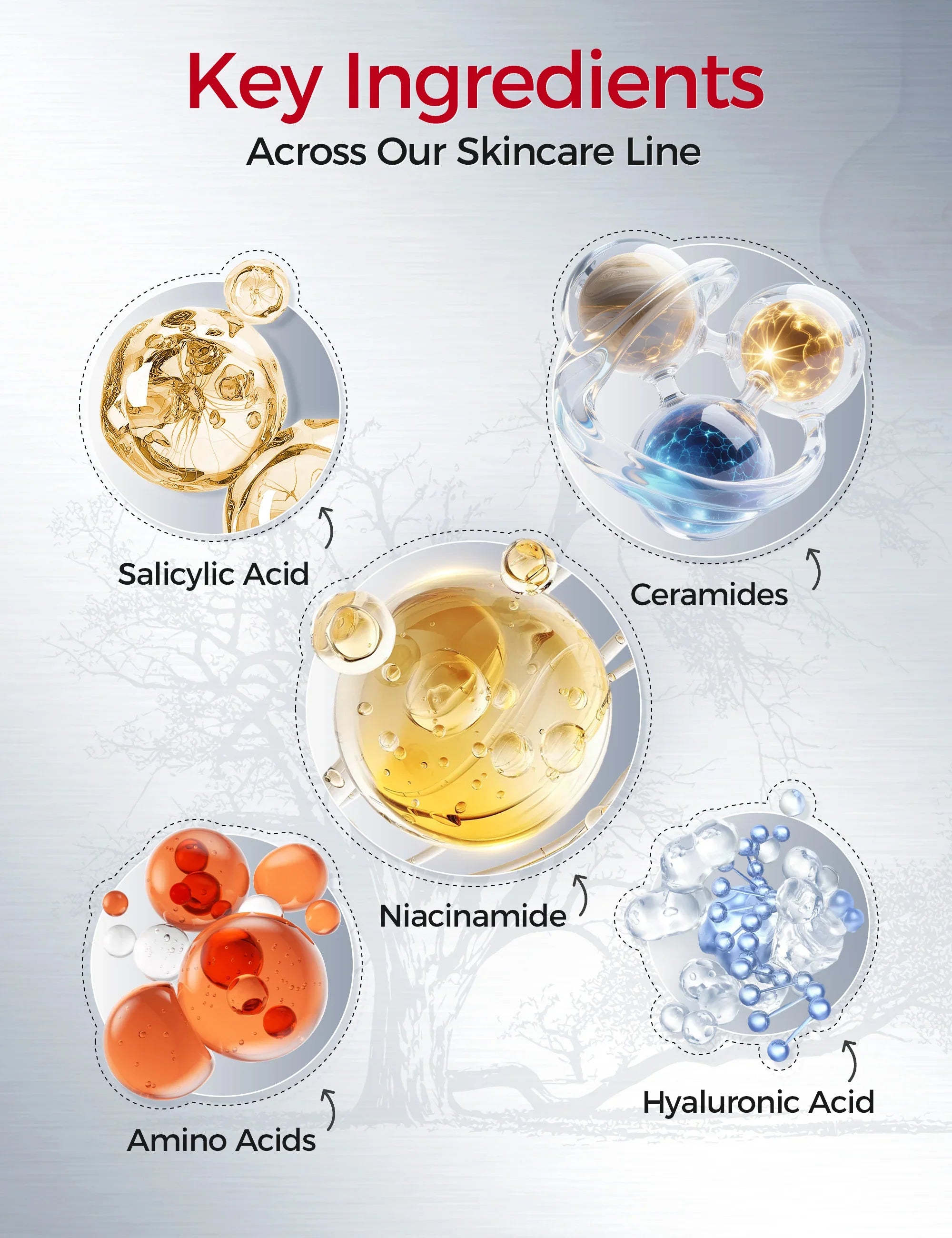
- Hyaluronic Acid & Hydrolyzed Collagen: These don't just "wash off." They help maintain the moisture barrier during the cleansing process, preventing that "tight" feeling.
- Botanical Extracts: Look for Green and White Tea Extracts or Aloe Vera. These antioxidants help neutralize the effects of UV damage incurred throughout the day.
- Natural Oils: Ingredients like Rosehip or Argan oil provide Natural Oils that mimic the skin’s sebum, which thins out as we age.
- Fruit Extracts & Papaya Enzymes: These provide a very mild enzymic exfoliation that is safe for almost all skin types, including Combination/All Skin Types.
The "Handle With Care" List
- Benzoyl Peroxide: Great for teens; usually too drying for aging skin unless you have severe adult acne.
- Witch Hazel: While a classic, it can be stripping if the formula isn't balanced with something like Manuka Honey.
- French Green Clay or Sea Kelp: These are fantastic for oily skin to pull out toxins, but if you have dry skin, they might leave you feeling parched.
Crafting the Perfect Anti-Aging Skincare Routine
It’s not just about what you use, but how you use it. Renée Rouleau, a renowned aesthetician, often emphasizes the importance of pH balance. If your Facial Cleansers are too alkaline, they destroy the skin barrier, leading to inflammation—the "silent killer" of collagen.
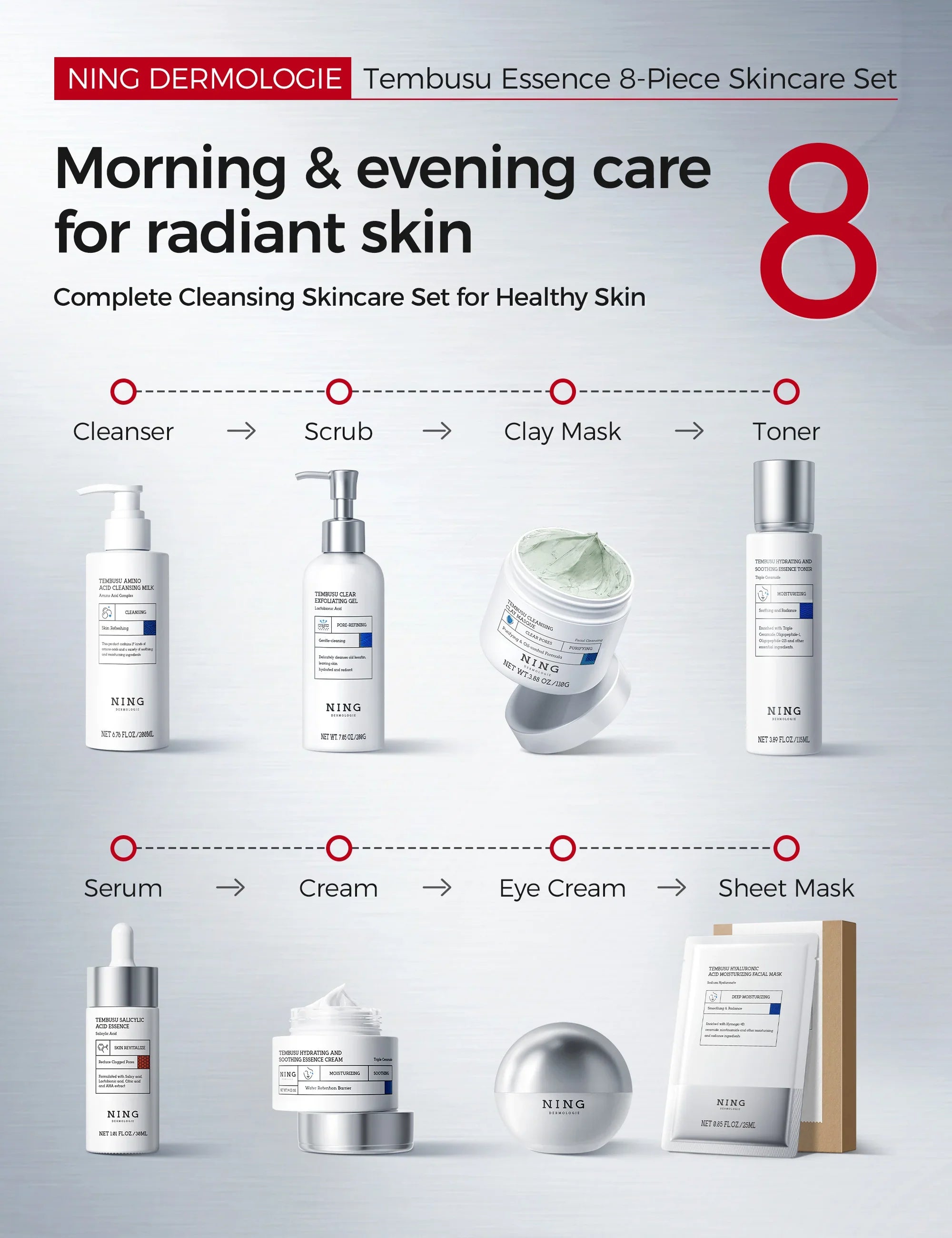
Morning Routine:
- Start with Micellar Water or a gentle Hydrating Cleanser (like Sothy's Clarity Cleansing Milk).
- Apply a Vitamin C serum to brighten the appearance of your skin.
- Finish with a broad-spectrum sunscreen application (like Hydrafactor SPF 30). Exfoliated skin is more vulnerable to the sun!
Evening Routine:
- Remove makeup and pollutants.
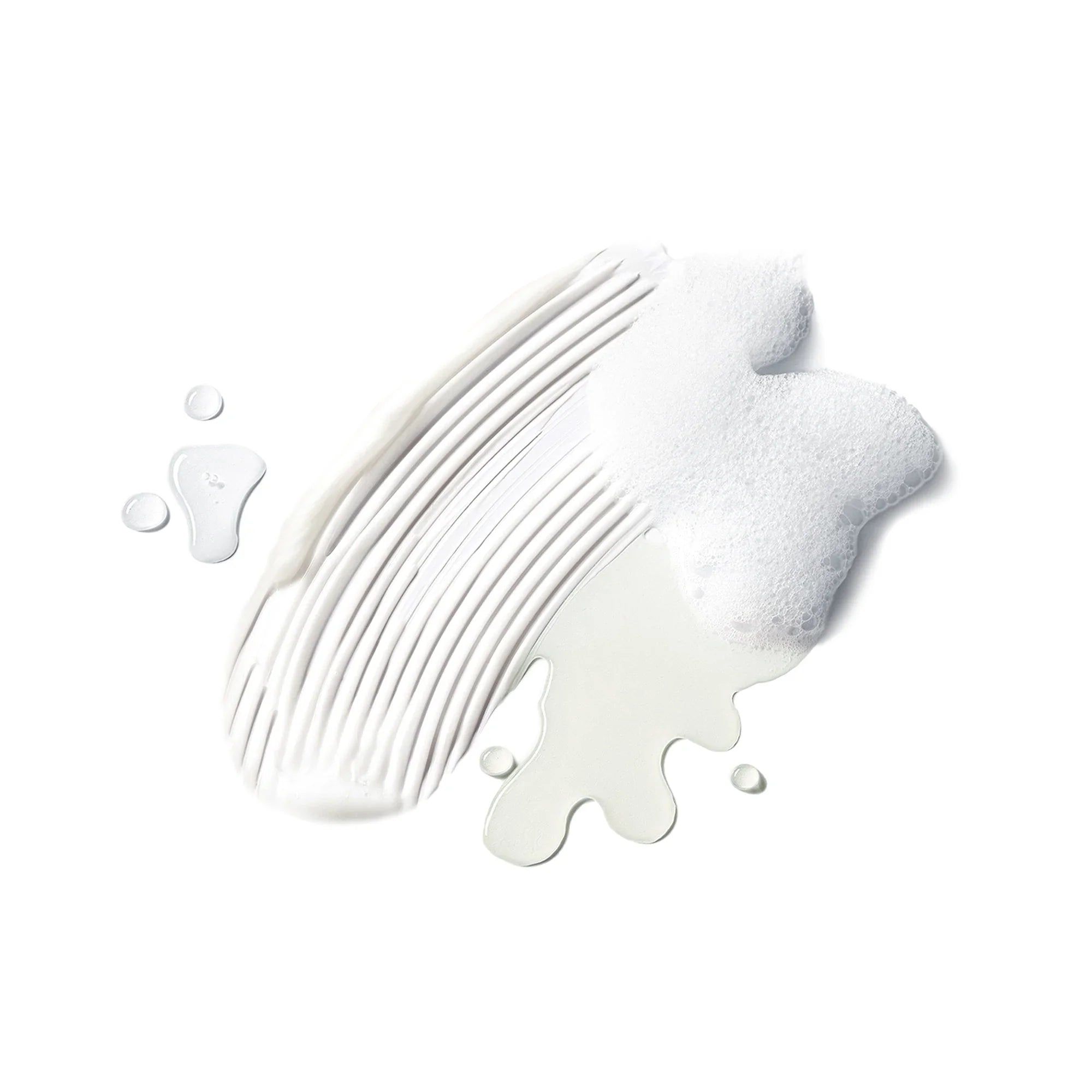
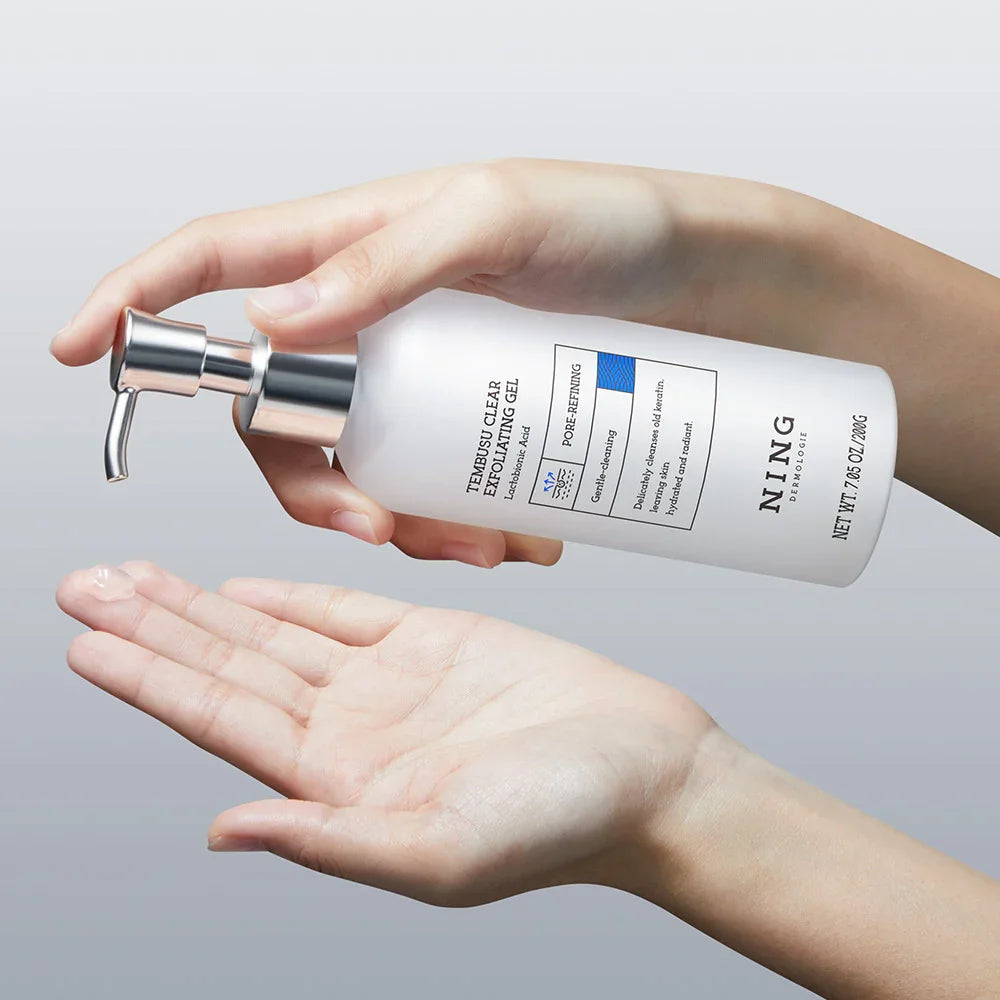
- Apply the NING Dermologie Exfoliating Face Wash to dry skin. Massage in circular motions to boost blood flow and lymph flow. You’ll feel the product "ball up"—that’s the gel picking up the dead skin cells.
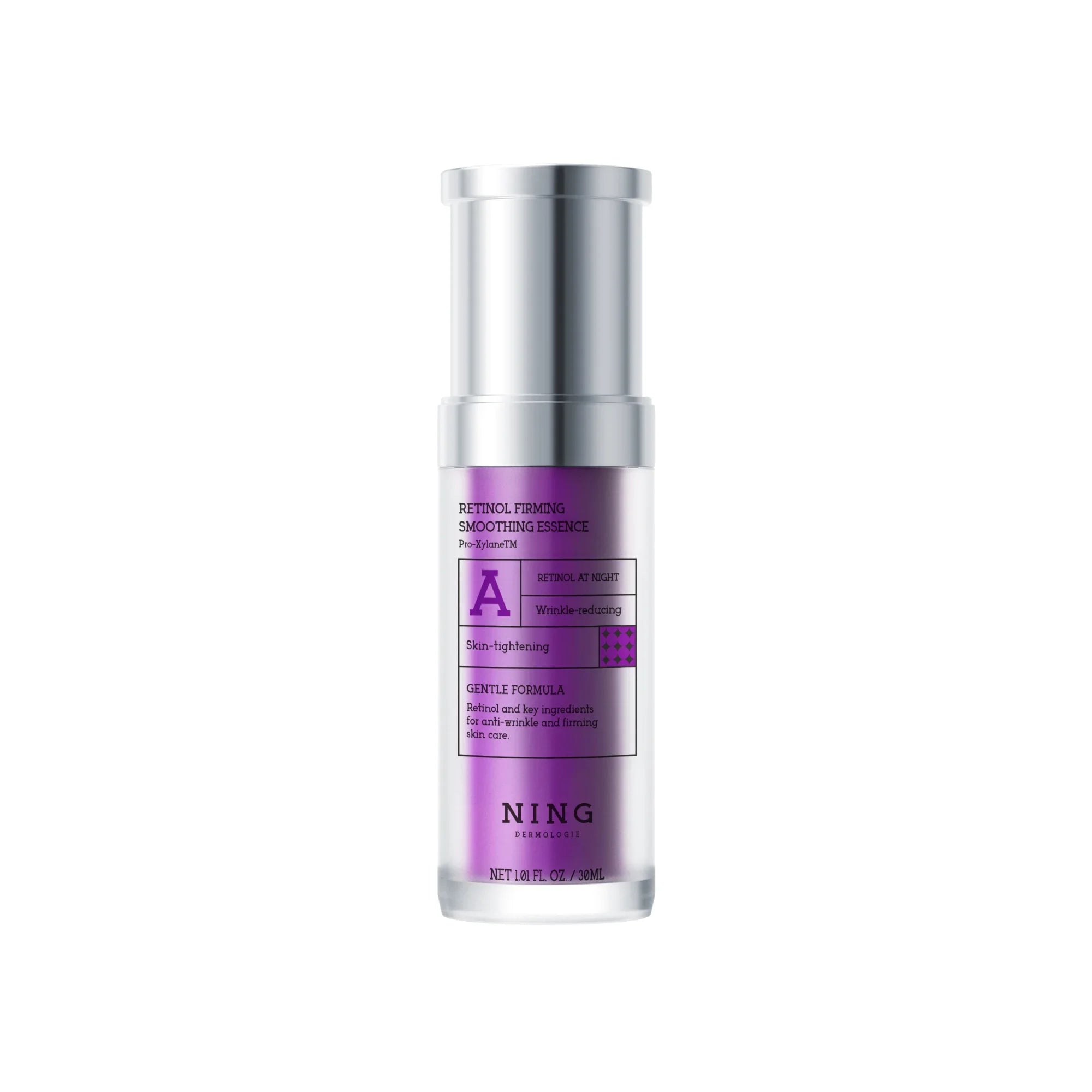
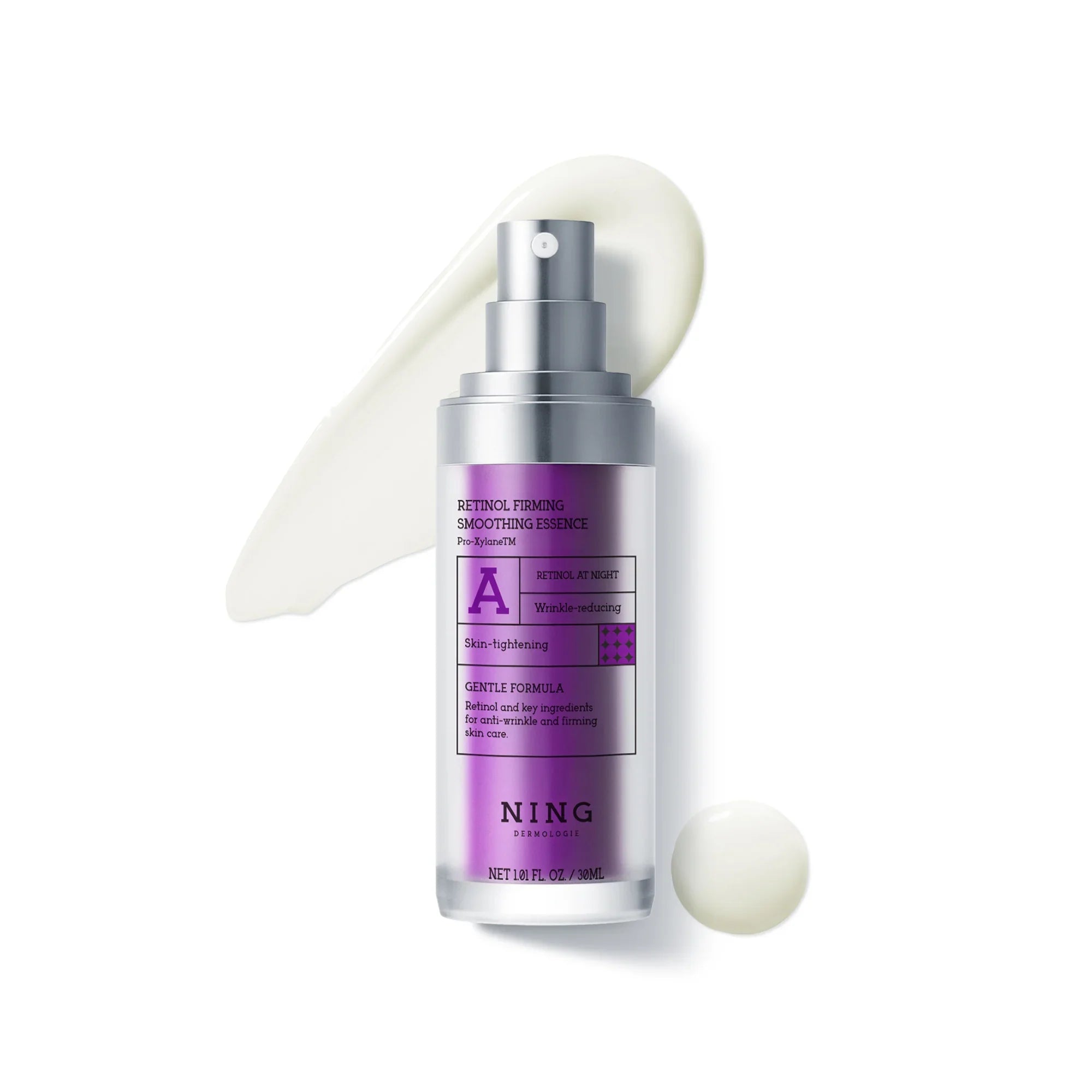
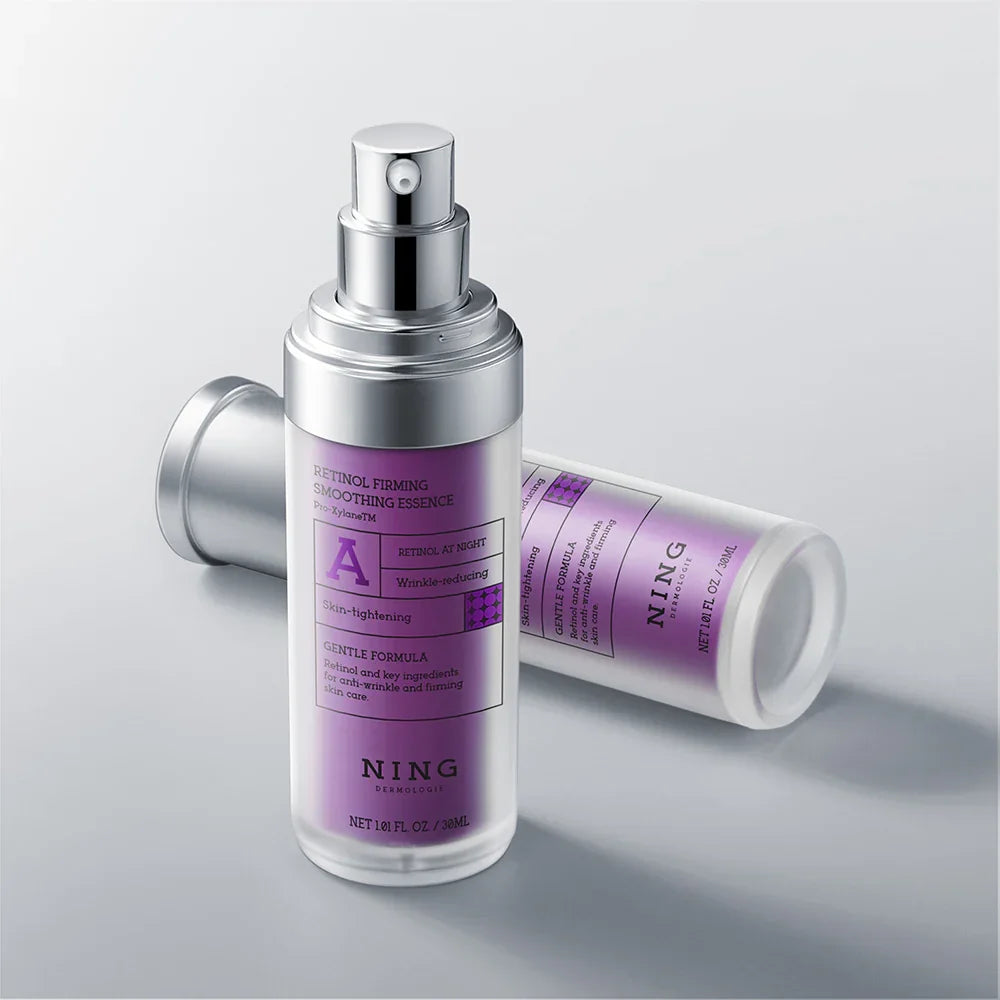
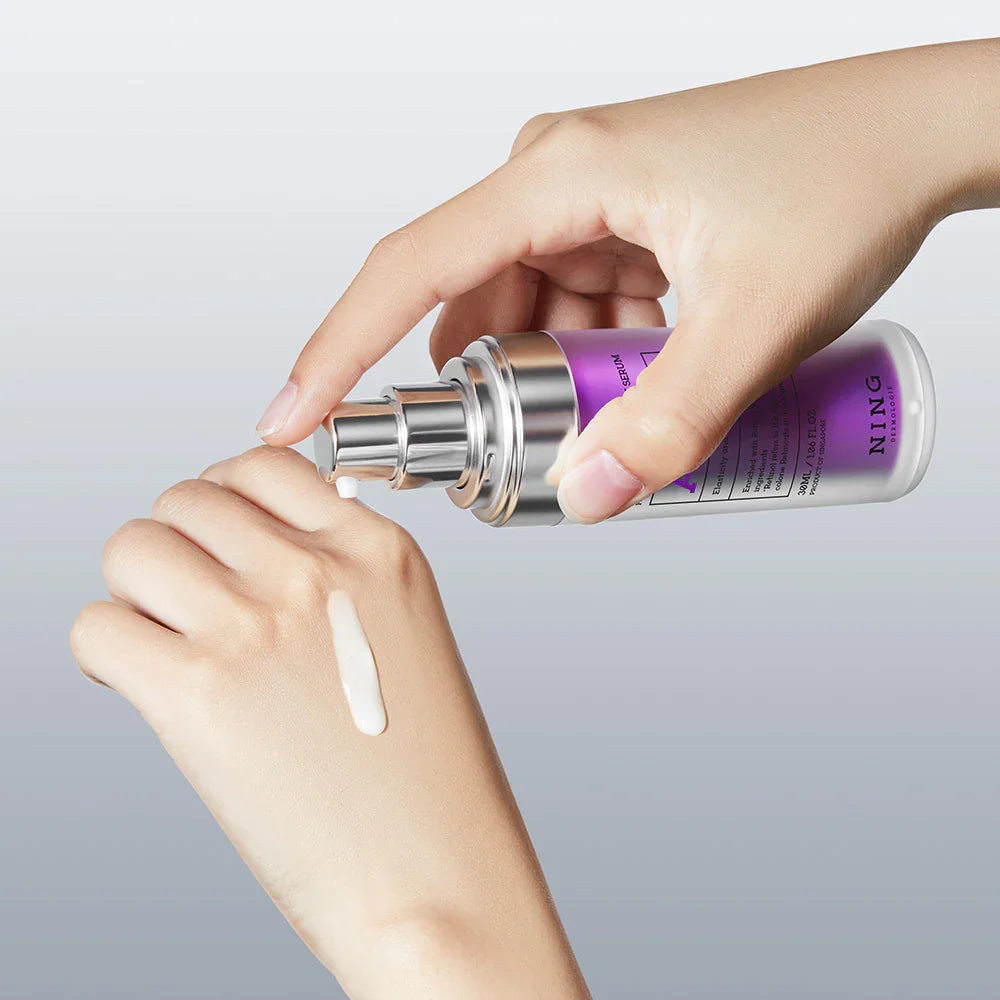
- Follow up with a Retinol 0.5 or a Collagen Mask from a brand like renewskin co or Nelly De Vuyst.
A Note on Professional Systems
Sometimes, a single product isn't enough. Professional kits like the Obagi 360 Kit or specialized lines from Good Medicine Beauty Lab and Eugenia Garnes offer tiered approaches. However, for most of us, a high-quality, standalone exfoliating cleanser used consistently is the most sustainable way to maintain a glow.
The Verdict: Don't Over-Exfoliate
The biggest mistake we see at NING Dermologie isn't people failing to exfoliate—it's people doing it too much. When you over-strip your moisture barrier, your skin enters a state of panic, leading to more wrinkles and redness.
Listen to your skin. If it’s stinging, stop. If it’s glowing and feels "bouncy," you’ve found your sweet spot. By choosing a product that balances AHAs with soothing agents like Aloe Vera, you ensure that your skin stays resilient against the passage of time.

Frequently Asked Questions (FAQ)
1. Can I use an exfoliating face wash if I have very sensitive skin?
Honestly, many people with sensitive skin are terrified of exfoliants, but you don't have to be. The trick is ditching those "scrubby" beads that scratch. Instead, look for a formula that relies on larger-molecule acids like Mandelic Acid or a rolling peeling gel. Our NING Dermologie Peeling Gel works differently—it clings to dead skin cells and lifts them away without any friction. It’s about being precise, not aggressive, so your skin barrier stays happy.
2. How often should I use an exfoliating cleanser on aging skin?
There’s a "more is better" trap that’s easy to fall into, but for aging skin, twice or three times a week is usually the sweet spot. Your skin’s natural repair cycle isn't as fast as it used to be, so you need to give it breathing room to recover. If you overdo it, you’ll end up with a shiny, tight look that’s actually inflammation, not a "glow." Start slow, listen to your skin, and always prioritize Gentle Exfoliation.
3. Should I use Vitamin C or Retinol after exfoliating?
You should be cautious. Exfoliating serums or cleansers prime the skin by removing the dead skin layer, which makes "actives" like Vitamin C or Retinol much more potent—and potentially more irritating. If you have dry skin, try using your exfoliator in the morning and your Retinol at night. Always follow up with a rich moisturizer containing Hyaluronic Acid to lock in hydration.
4. Will exfoliating help with the deep wrinkles on my face?
While a face wash won't act like a filler, it does improve the appearance of your skin by smoothing out the surface. Regular use of Alpha Hydroxy Acids has been shown to stimulate collagen production over time, which can soften the look of fine lines. More importantly, it allows your other anti-aging products to penetrate deeper, making your entire skincare routine more effective.
5. Why does my skin feel "tight" after I wash my face?
That "squeaky clean" feeling is actually a warning sign that your Facial Cleansers are too harsh and have stripped your Natural Oils. This damage to the skin barrier function makes wrinkles look deeper. Switch to Hydrating Cleansers or a gel-based Exfoliating Cleanser that includes Botanical extracts and humectants to ensure you are cleaning the skin without dehydrating the underlying tissue.


Share:
Find exfoliating face wash options with exfoliating beads made from natural sources.
How to incorporate exfoliating face wash into a daily skincare routine?