



Let’s Talk Real: Can You Actually Exfoliate Every Single Day?
You look in the mirror, notice some rough texture or Dull Skin, and the immediate instinct is to scrub it all away. But the old-school approach—those harsh face scrubs that felt like sandpaper—is exactly why so many people are terrified of the word "exfoliation."
If you’re asking, "Are there exfoliating face washes that are safe for daily use?" the short answer is yes. But—and it’s a big "but"—it depends entirely on the chemistry of the exfoliating formula and how it respects your skin barrier.
At NING Dermologie, we’ve spent a lot of time looking at cellular turnover and how to bridge the gap between a Deep Clean and maintaining a healthy pH balance. You don’t need to damage your skin to fix your skin texture.

The Science of "Daily" Exfoliation
The goal of an exfoliating cleanser isn't to peel off your face; it's to gently nudge dead skin cells and skin debris out of the way so your fresh, glowy skin can breathe. When you use a well-formulated Exfoliating Face Wash, you’re supporting the natural cell turnover process that slows down as we age.
Most board-certified dermatologists in places like New York City will tell you that the secret lies in the concentration. You aren't looking for a chemical peel in a bottle; you’re looking for a Gently Cleanse that uses a mix of chemical exfoliants and physical exfoliants that are small enough to be effective without causing micro-tears.
Chemical vs. Physical: Choosing Your Fighter
Not all exfoliating products are created equal. Depending on your Skin type, you might lean toward one of these two categories:
1. The Chemical Crew (AHAs, BHAs, and PHAs)
These are the heavy lifters that dissolve the "glue" holding dead skin cells together.
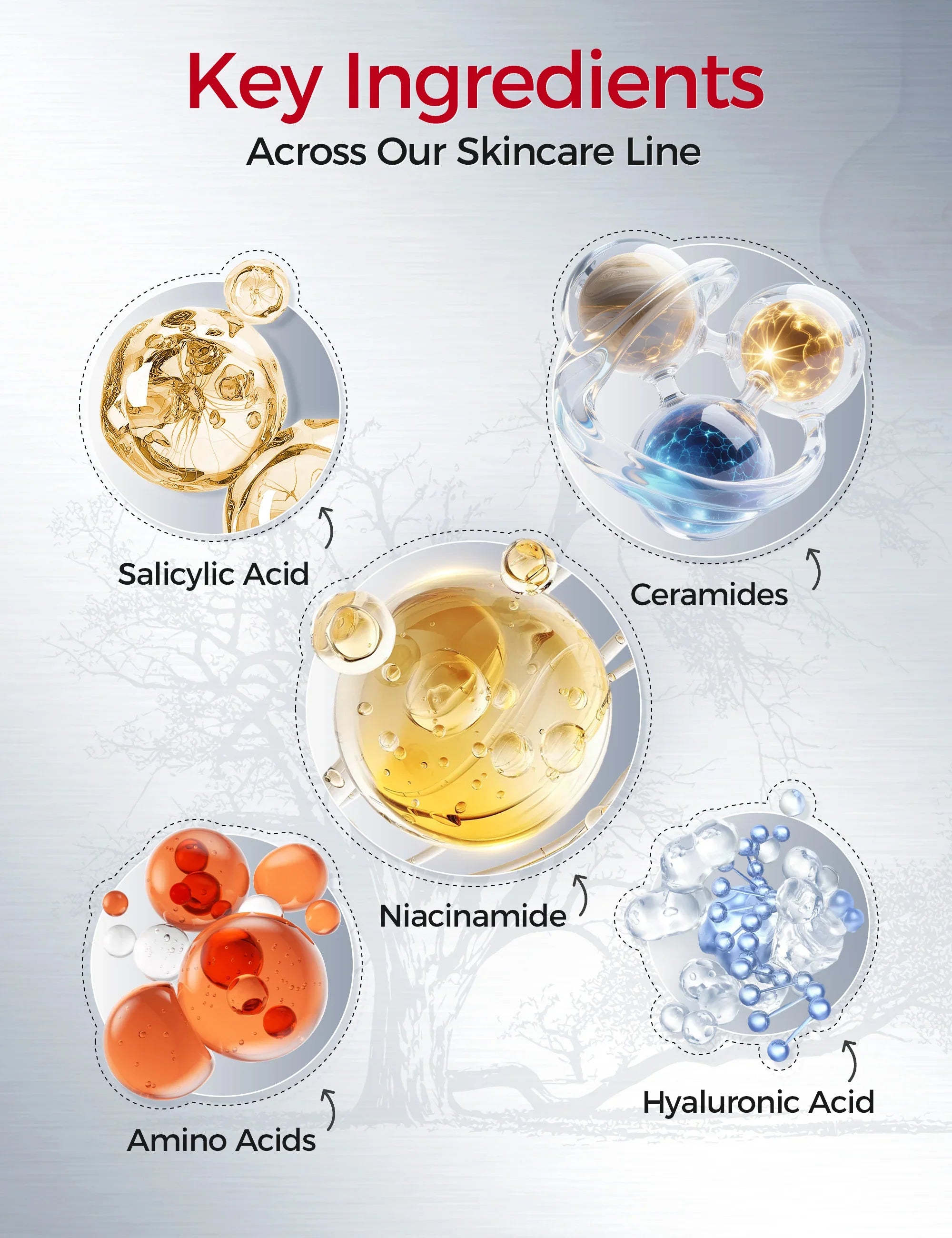
- Glycolic Acid & Lactic Acid: These alpha hydroxy acids (AHAs) are the gold standard for improving skin tone. Lactic acid is especially great for sensitive skin because it’s a humectant—it hydrates while it exfoliates.
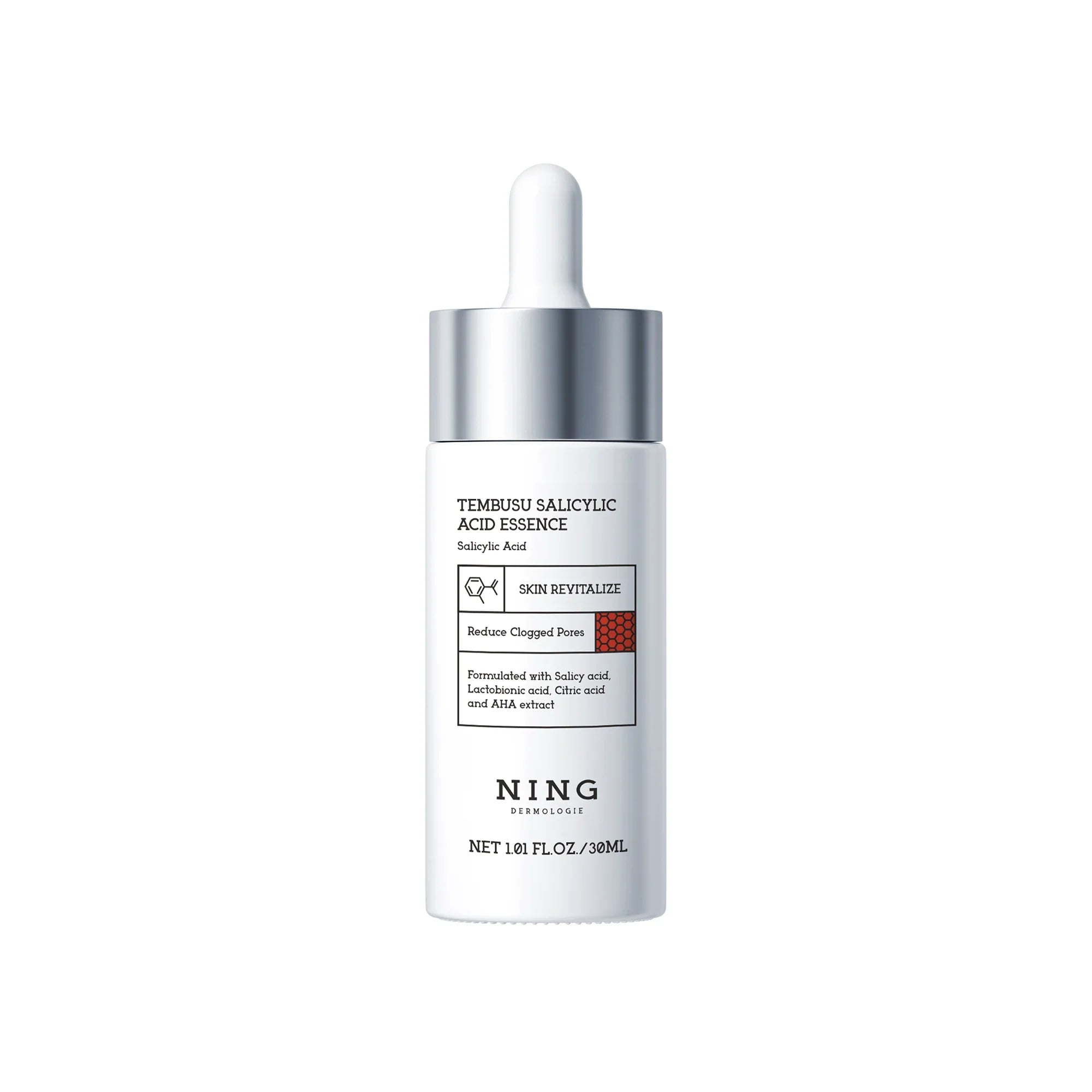
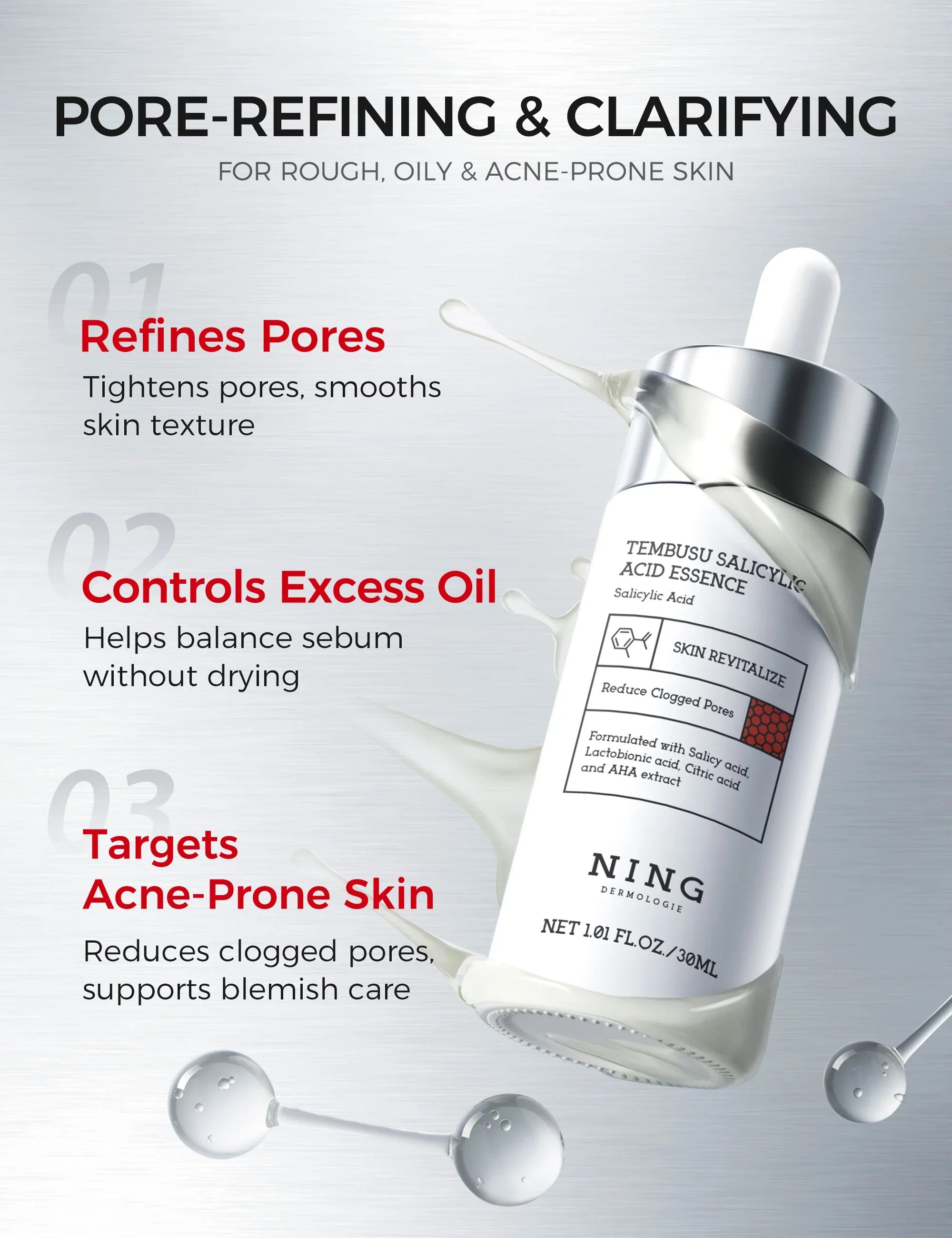
- Salicylic Acid: The go-to for excess oil and Pore Minimizing. It’s oil-soluble, meaning it gets deep into the pores to clear out gunk.
- Poly hydroxy acids (PHAs): Think of these as the gentle younger cousins of AHAs. Because they have a larger molecular size, they don't penetrate as deeply, making them perfect for a Daily Foaming Wash.
- Fruit Enzymes: Ingredients like Carica papaya Extracts and Pineapple Core enzymes (papain and bromelain) "digest" surface proteins. They are incredibly gentle and provide a velvety texture without the tingle of acids.
2. The Physical Path
We’re not talking about crushed walnut shells here. Modern physical exfoliants use jojoba beads, microcrystalline cellulose, or volcanic ash. These are perfectly spherical and roll over the skin rather than scratching it.
The NING Dermologie Approach: The Purifying Exfoliating Face Wash
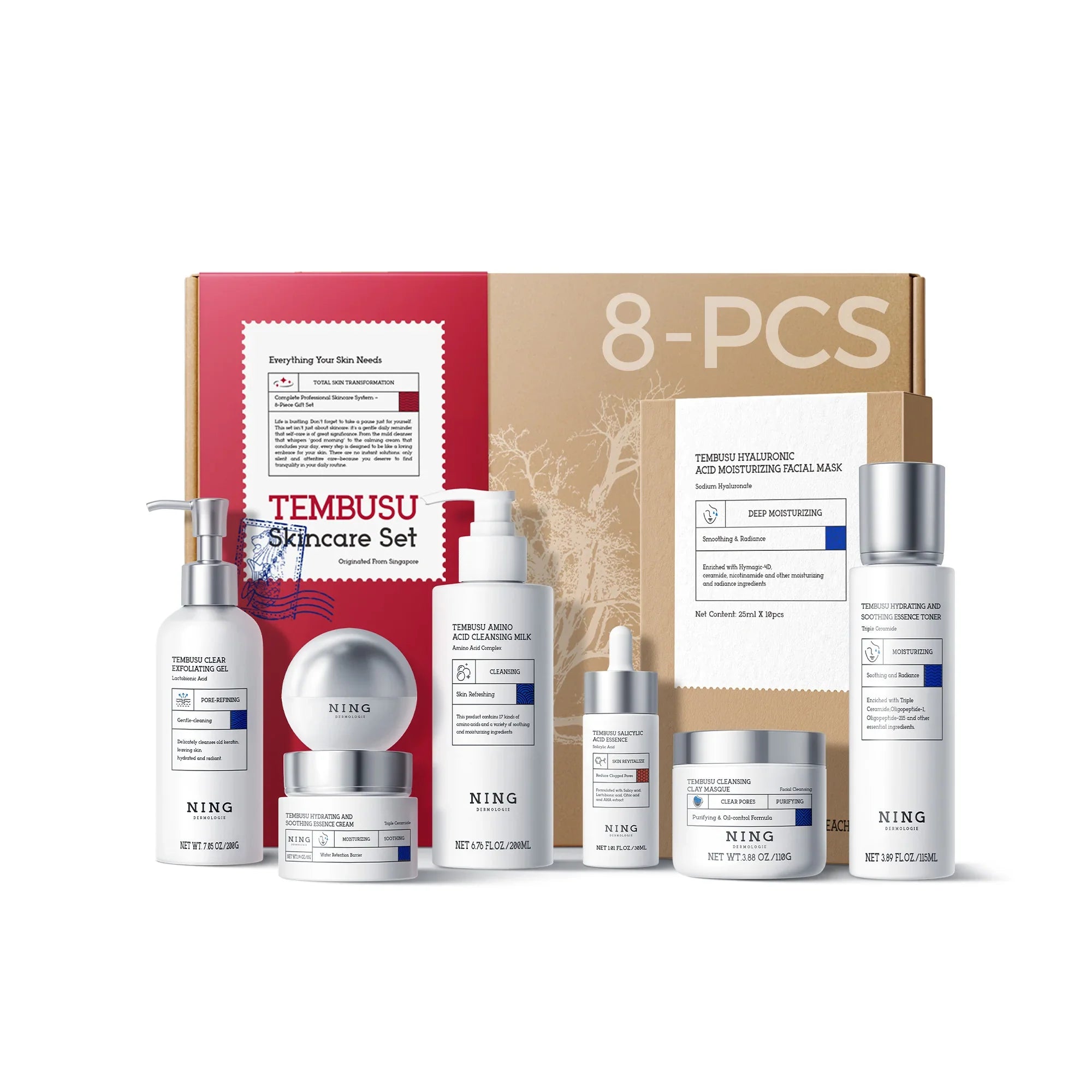
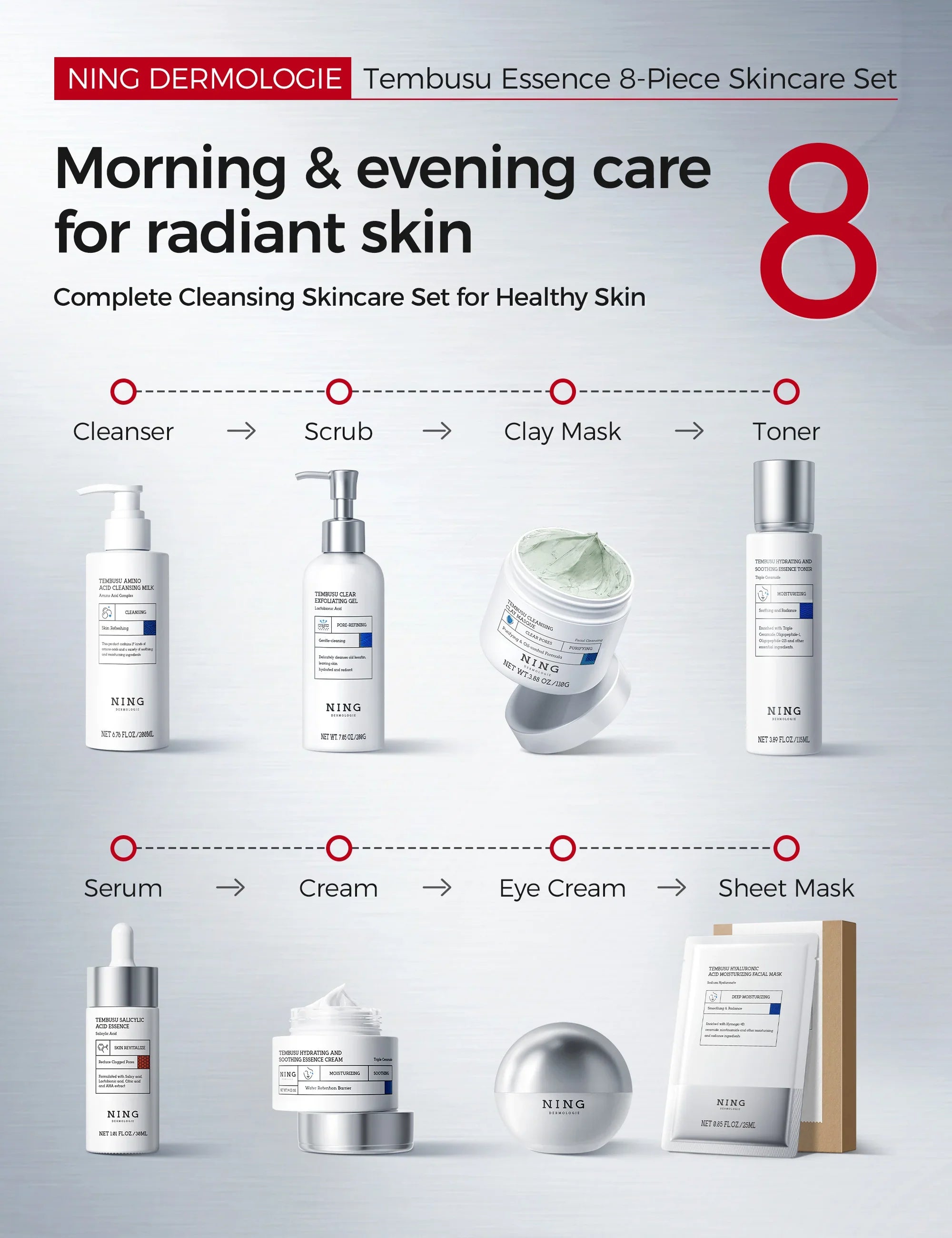
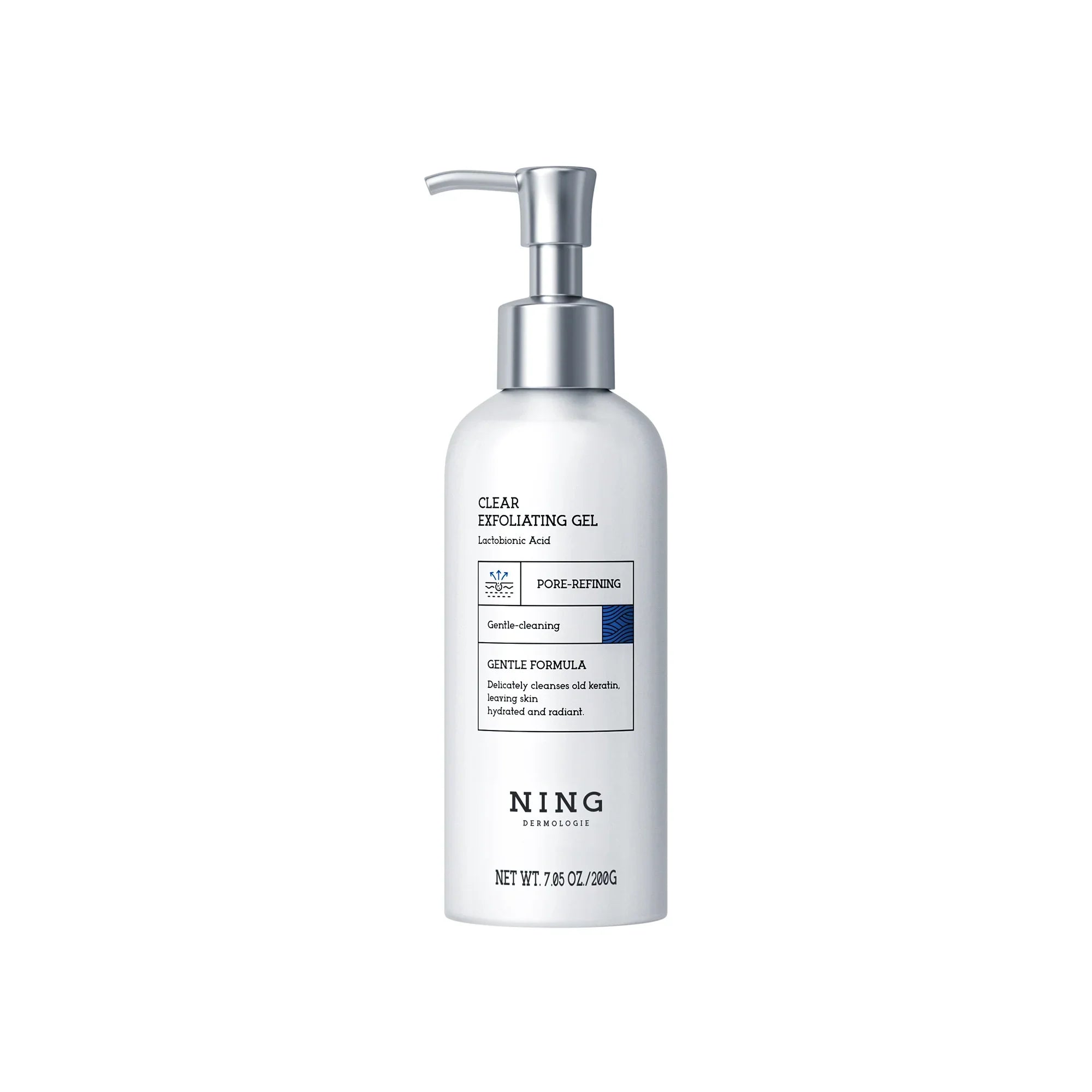
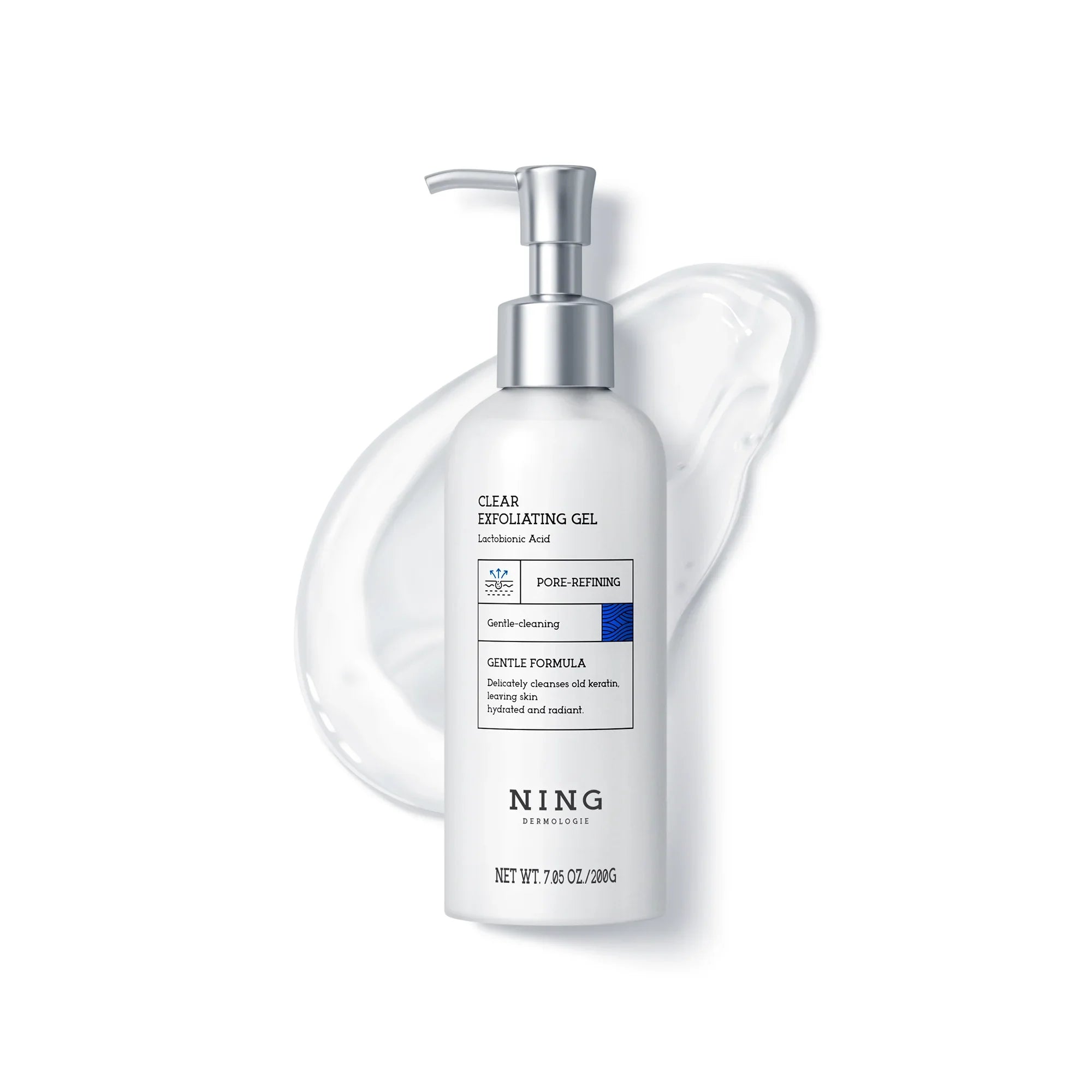
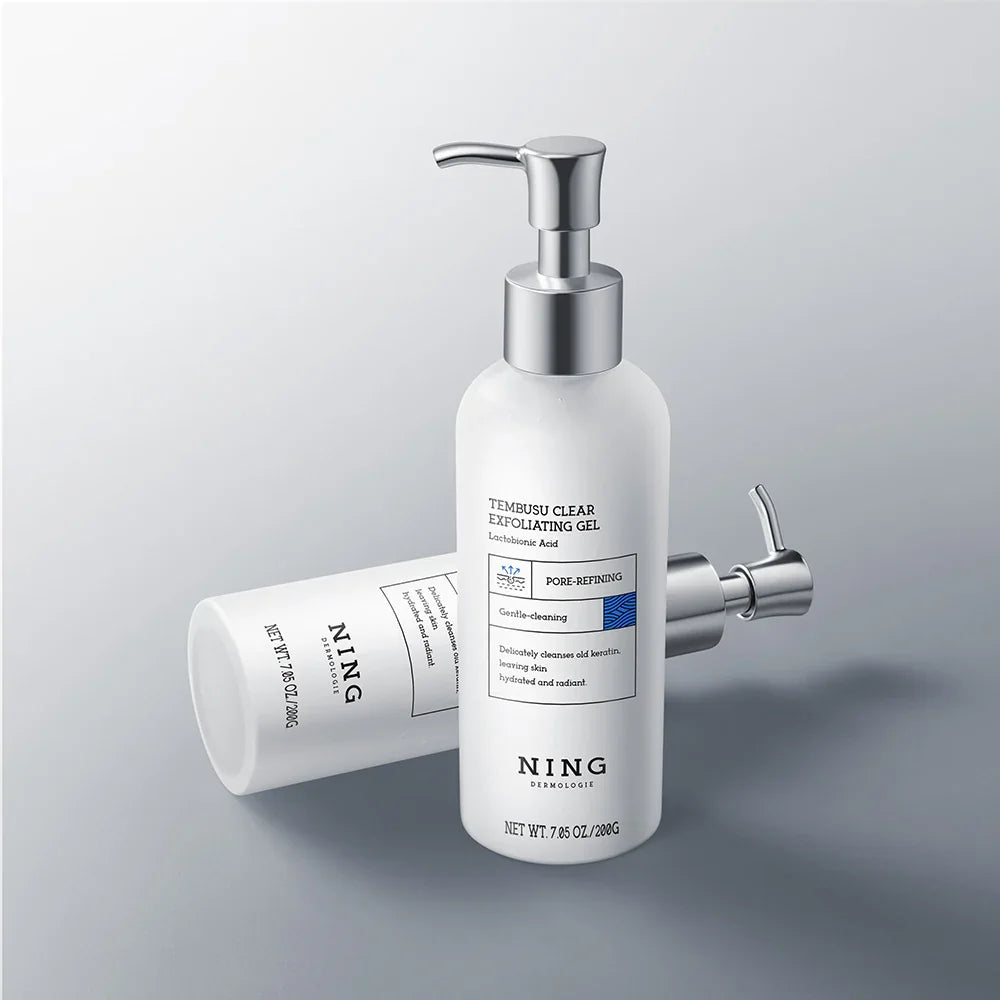
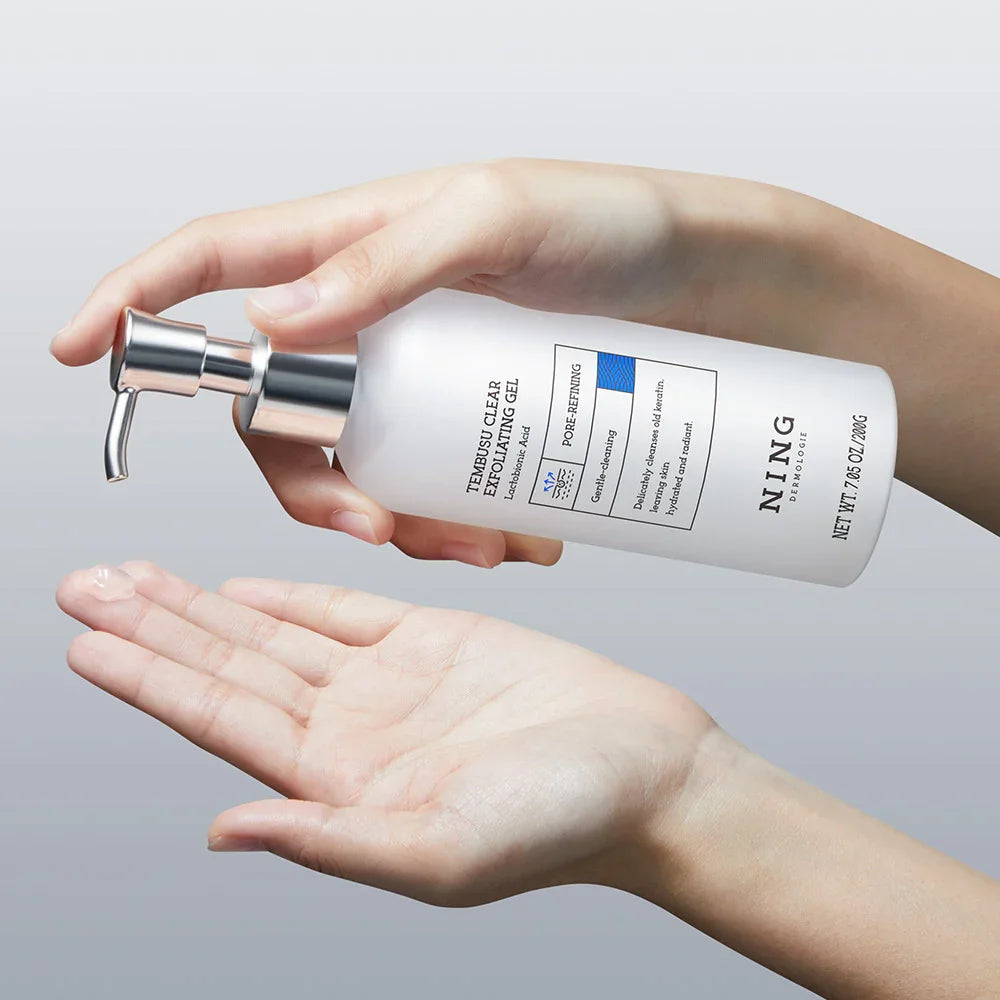
If you are looking for a Best Seller that balances these two worlds, our Purifying Exfoliating Face Wash (Peeling Gel) was designed specifically for daily or frequent use.
Unlike traditional water-based cleansers that might leave you feeling stripped, this formula focuses on the Skin's moisture barrier. It combines Dead Sea minerals and botanical enzymes to lift away skin debris while using Amino Acids and Sodium PCA to keep the Moisture barrier intact.
The goal? A Super Facial experience at home that leaves your skin feeling soft, not "squeaky" (which is actually a sign of damage!).
How to Fit Exfoliation into Your Skincare Routine
If you’re transitioning from a basic Foaming Cleanse to an exfoliating cleanser, here is the pro-tip: Double Cleanse.
- Step 1: Use an oil-based cleanser or a gentle Eye Cleanse to remove Longwear Makeup.
- Step 2: Follow up with your Exfoliating Face Wash. This ensures the AHA exfoliation or Salicylic acid actually touches your skin, not just your makeup.
Tips for Different Skin Types:
- Oily/Acne-Prone: Look for Salicylic acid and Amazonian white clay to manage sebum.
- Dry/Mature: Focus on Mandelic acid, Citric Acid, and Hyaluronic acid to maintain hydration during the cellular turnover process.
- Sensitive: Stick to PHAs and green tea extracts to soothe redness.
Why Professional Clinics Swear by "Daily Micro-Exfoliation"
From the Kate Somerville Medical Esthetics Skin Clinic to local certified nurse practitioners, the consensus is moving away from "harsh once-a-week treatments" toward "gentle daily maintenance."
The American Academy of Dermatology often points out that consistency is key. When you use a gentle exfoliating formula daily, you prevent the buildup that leads to breakouts and rough texture in the first place. It’s a proactive business model for your face—maintenance is easier than repair.
Look for the "Good" Stuff
When scanning labels, look for Sodium PCA and Amino Acids. These are natural moisturizing factors (NMF) that mimic your skin’s own chemistry. A clinical study often shows that cleansers containing these ingredients help maintain the skin barrier even when acids are present.
The "Must-Haves" for Your Vanity
While we love our NING Dermologie lineup, we respect the classics that have paved the way, such as the Elemis Dynamic Resurfacing Facial Wash or the iconic ExfoliKate™ Cleanser. These products have earned their spots in the SELF healthy beauty award circles for a reason: they work without causing chaos.
Whether you’re using a travel size for a weekend trip or diving into a full skincare routine at home, remember that your skin talks to you. If it feels tight, back off. If it looks radiant, you’ve found your "Goldilocks" zone.

Frequently Asked Questions (FAQ)
1. Can I use an exfoliating face wash if I have active acne?
Yes, but be careful. Avoid heavy physical exfoliants (scrubs) which can pop blemishes and spread bacteria. Instead, opt for an exfoliating cleanser with Salicylic acid. It dissolves dead skin cells and excess oil inside the pore without the need for scrubbing, helping with pore refinement and reducing inflammation safely.
2. How do I know if I’ve over-exfoliated?
Your skin will give you clear warning signs. If you notice a "shiny" but not oily look, increased sensitivity to your usual skincare routine, or a stinging sensation when applying hyaluronic acid, your skin barrier is likely compromised. Stop all exfoliating products for a week and focus on pH balance and hydration.
3. Is it okay to use Vitamin C or Retinol after an exfoliating wash?
It depends on your skin's tolerance. For many, combining AHA exfoliation with high-strength Retinol in the same night can be too much. If you're using the NING Dermologie peeling gel, its gentle nature usually allows for subsequent steps, but we recommend doing a "patch test" or taking a Skincare Quiz to map out your specific needs.
4. What is the difference between AHAs and BHAs in a daily wash?
AHAs (like glycolic acid) are water-soluble and work on the surface to brighten skin tone. BHAs (like Salicylic acid) are oil-soluble, making them better for Deep Clean tasks like unclogging pores. Many modern face washes combine both at low percentages to handle both surface skin texture and internal pore health simultaneously.
5. Can I use these products during the summer or on vacation?
Exfoliation makes your skin more sun-sensitive. If you are using an exfoliating formula daily, you must apply a broad-spectrum SPF every morning. Whether you're using a travel size cleanser on the beach or at home, protecting that "new" skin from UV damage is the only way to prevent Dull Skin from returning.
Ready to upgrade your glow? Check out our Best SellerPurifying Exfoliating Face Washand join our community for Loyalty Perks and more expert tips!


Share:
Show me the ingredients commonly found in exfoliating face washes.
Ultimate Guide to Exfoliating Cleansers for a Radiant Glow