



Best-Selling Clay Masks for a Spa-Like Experience at Home
You buy a high-end clay mask, slather it on, and wait 20 minutes until your face feels like a cracked desert landscape. You rinse it off, expecting a radiant glow, but instead, you’re left with beet-red irritation and skin that feels two sizes too small.
If that’s been your experience, you aren't doing it wrong—you’re likely just using the wrong formula.
Achieving a true spa experience at home isn’t just about putting on a robe and lighting a candle. It’s about the science of the clay face mask and how it interacts with your unique skin type. Whether you’re fighting a stubborn t-zone that produces enough excess oil to fry an egg, or you’re dealing with sensitive skin that reacts to a stiff breeze, there is a mud mask or clay mask out there that will actually improve skin texture without the drama.
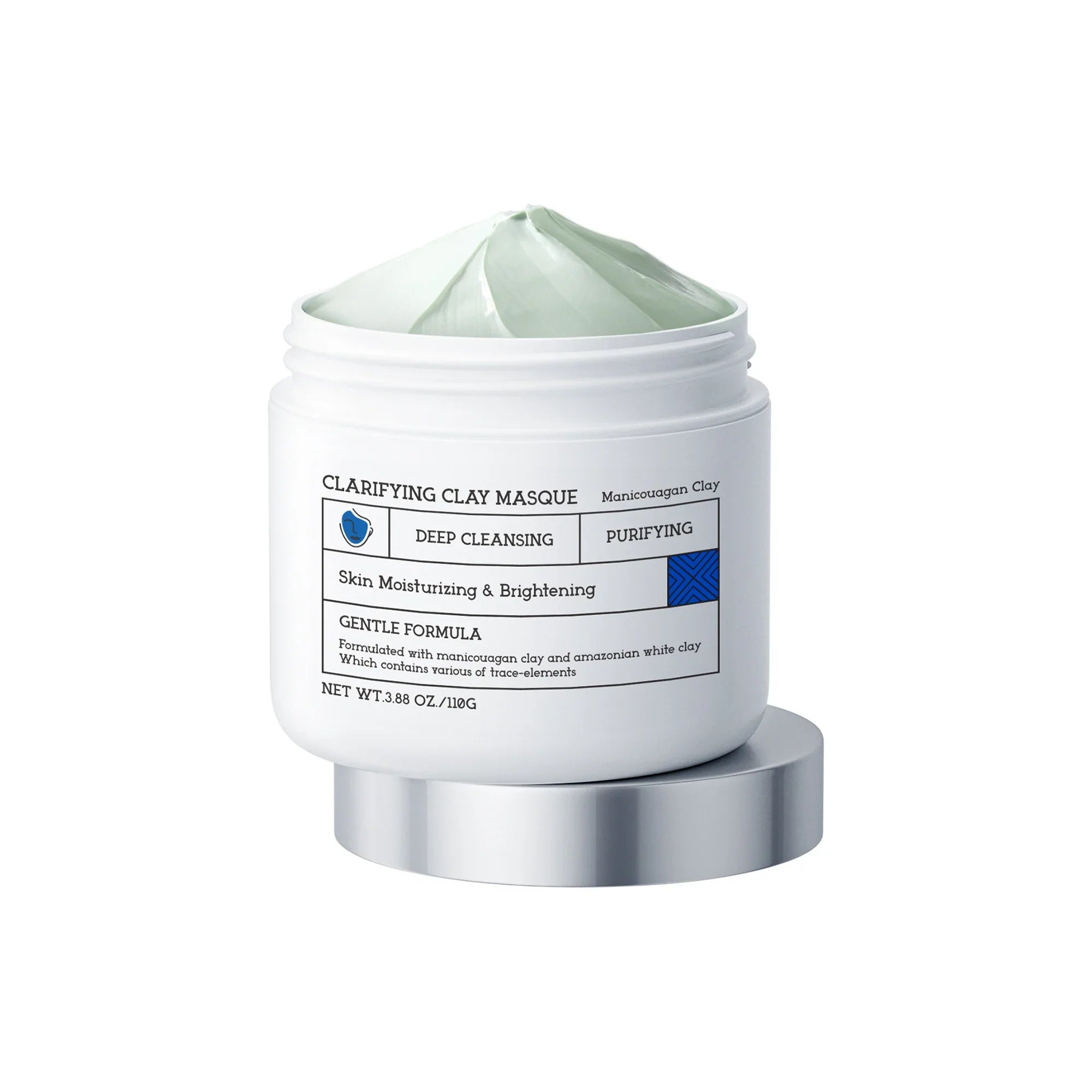
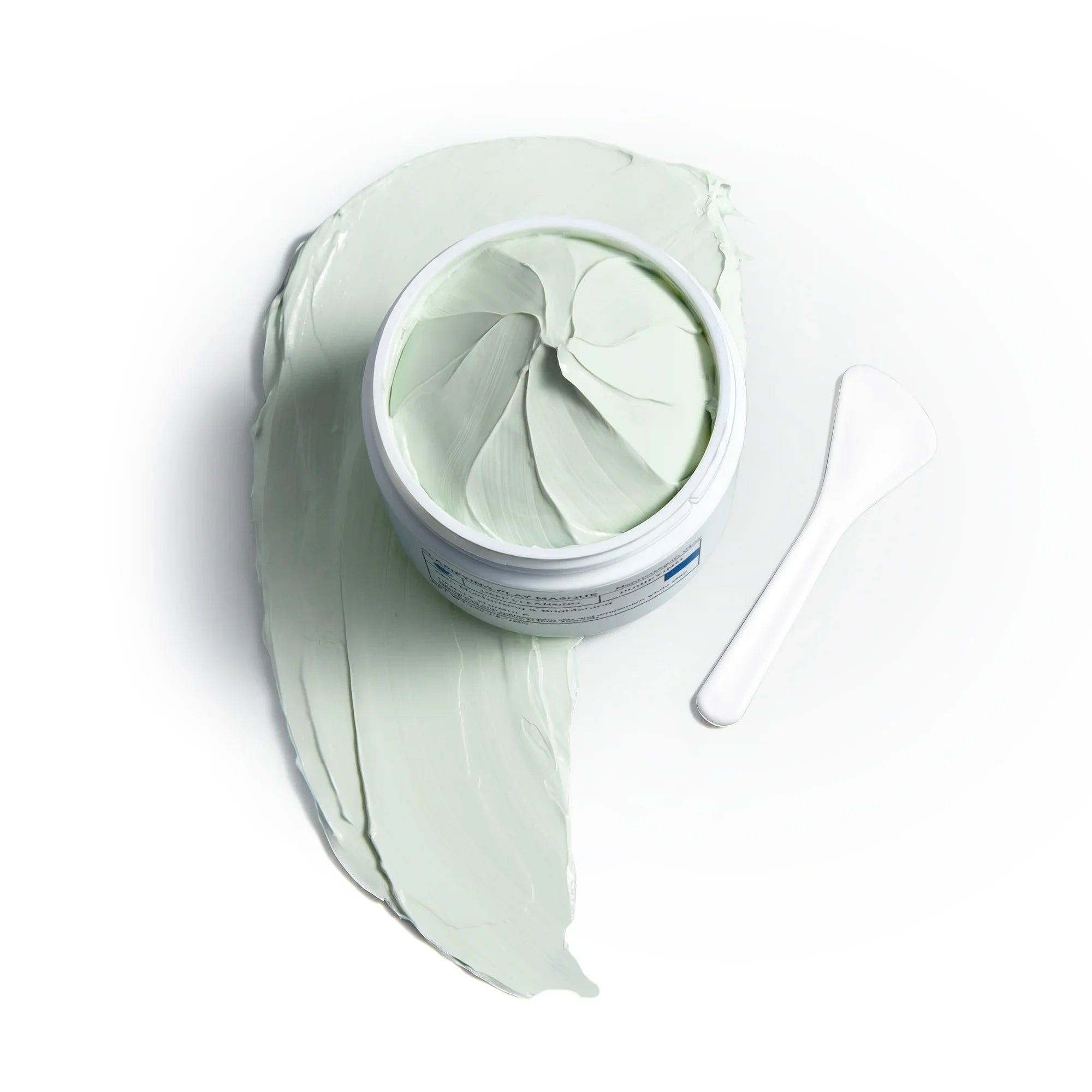
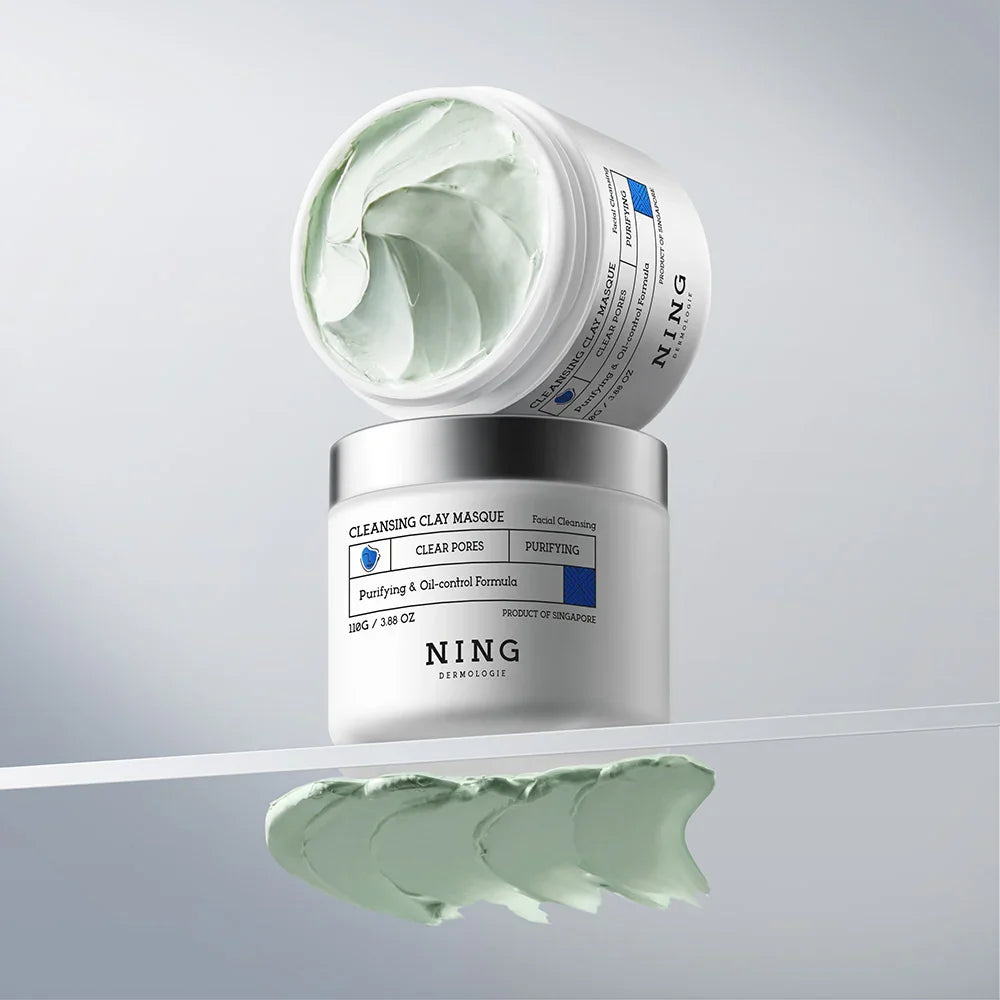
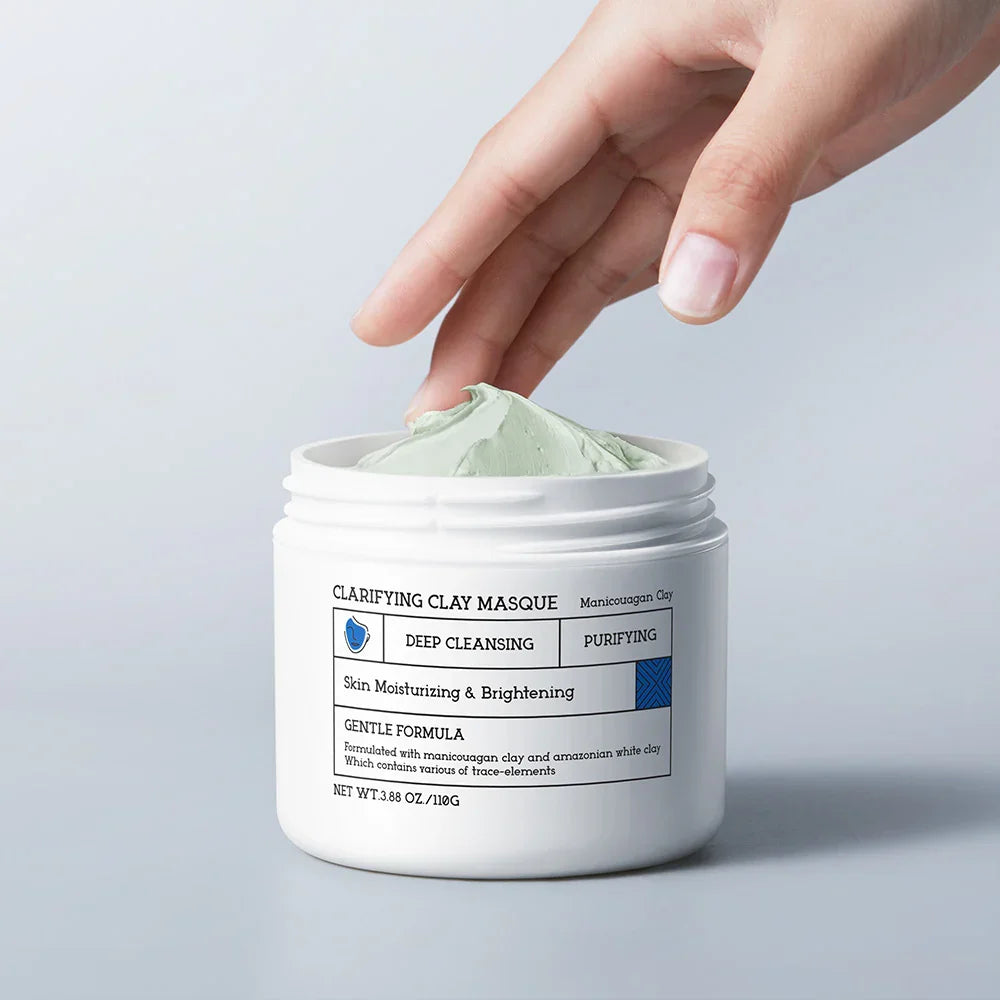
In this deep dive, we’re going to skip the fluff. We’ll look at the best clay masks for every concern, from clear pores to hydration, and why our NING Dermologie Clay Mask for Face Sensitive Skin is quietly becoming a cult favorite for those who thought they could never wear clay.

Why Your Skincare Routine Needs a Clay Mask (The Real Reason)
Let’s be real: your cleanser can only do so much. Daily washing removes surface dirt, but it doesn't "hoover" the pores. Throughout the week, impurity buildup, dead skin cells, and blackhead-causing sebum lodge themselves deep within your pore structure.
A good mask acts like a magnet. Different types of clay—like bentonite clay or kaolin clay—have a natural negative electrical charge. Many of the toxins and excess oil in your skin have a positive charge. When the mask works, it literally draws out impurities from the depths of the follicle.
But it’s not just about the "pull." A modern clay face mask also works to exfoliate and purify. By the time you rinse, you’ve not only detoxified the skin but also refined the skin tone. This is why your complexion looks instantly brightened and more glowy after a 15-minute session.
Clay Masks for Every Skin Type: Not All Mud is Created Equal
If you have dry skin, you probably avoid anything with the word "clay" in it. If you have oily skin, you might be over-using bentonite and stripping your skin’s moisture barrier. To get that spa-like result, you have to match the clay to the problem.
1. Oily Skin and the Battle with Blackheads
For those with oily skin or acne-prone skin, the goal is sebum control. You need a mask for oily skin that doesn't just sit there but actually absorbs the grease. Bentonite clay is the heavy lifter here. It soaks up excess oil like nothing else.
If you’re dealing with active acne, look for a formula that includes sulfur. Sulfur is a fantastic spot treatment ingredient that helps reduce the appearance of inflammation while the clay draws out the "gunk." A popular choice in this category is the Peter Thomas Roth Therapeutic Sulfur Mask, but if you want something more natural, a volcanic ash-based pore-refining mask like the Innisfree Super Volcanic Pore Clay Mask is a global best-selling staple.
2. The Sensitive Skin Struggle: The NING Dermologie Difference
This is where most brands fail. They make a clay mask so strong it feels like industrial cement. For sensitive skin, you need white clay or kaolin clay. These are much gentler and don't absorb every drop of moisture, keeping your skin’s moisture barrier intact.
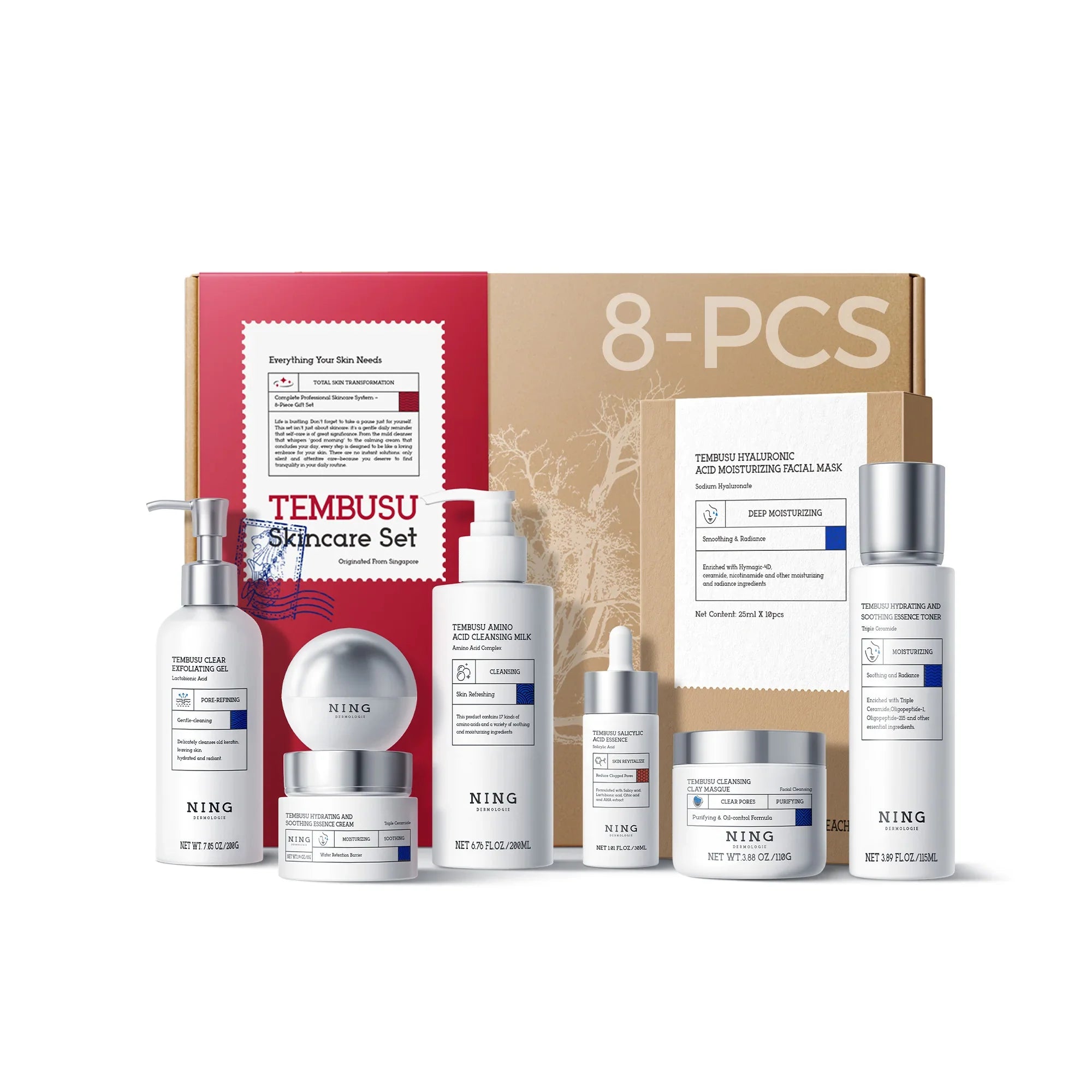
At NING Dermologie, we realized that people with sensitive skin still get blackheads and clogged pores. That’s why our Clay Mask for Face Sensitive Skin uses a refined kaolin base. We’ve added aloe to soothe and hydrate while the clay does the dirty work. It’s a recovery mask that leaves the skin felt soft to the touch and fresh, rather than tight and angry.
3. Dry and Combination Skin: The Hydration Myth
Yes, a clay mask can hydrate. It sounds like an oxymoron, but the best hydrating masks use clay as a delivery system. By incorporating hyaluronic acid and collagen, these masks clarify the skin while pumping in hydration.
If you have combination skin, don't feel like you have to put the same thing everywhere. Use a mask for oily skin on your t-zone and a cream mask or a best hydrating mud mask on your cheeks. This "multi-masking" technique is exactly what professional estheticians do during a spa facial.
How to Incorporate a Mask into Your Routine (Without Ruining Your Face)
I see people use it once a week, which is great, but their technique is usually what causes the breakout or irritation. Here is the "pro" way to treat skin:
-
The Double Cleanse: Never put a clay mask on a face full of makeup or sunscreen. Use a gentle cleanser first. You want the clay to touch your pores, not your foundation.
-
Steam (Optional but Recommended): You don't need a fancy machine. Just treat skin to a warm washcloth for 30 seconds before applying. This softens the blackhead plugs.
-
Application: Spread an even layer. Love this mask? Don't overdo it. You don't need a half-inch of mud. A thin, opaque layer is plenty.
-
The Goldilocks Timing: Here is the secret: Do not let the mask crack. If you see "cracks" in the clay, you’ve waited too long. The mask may have started pulling moisture out of your skin cells. You want to rinse when it’s still slightly tacky to the touch. This keeps the skin elasticity high and your complexion radiant.
-
The Rinse: Use lukewarm water. Don't scrub like you're cleaning a floor. Let the water do the work.
-
The Aftercare: Immediately follow up with a moisturizer or a serum containing hyaluronic acid. This locks in the refreshed feeling and ensures the appearance of pores stays minimizeed.
Ingredients to Look For (And What to Avoid)
When you're scanning the back of a clay face mask bottle, look for these "Power Players":
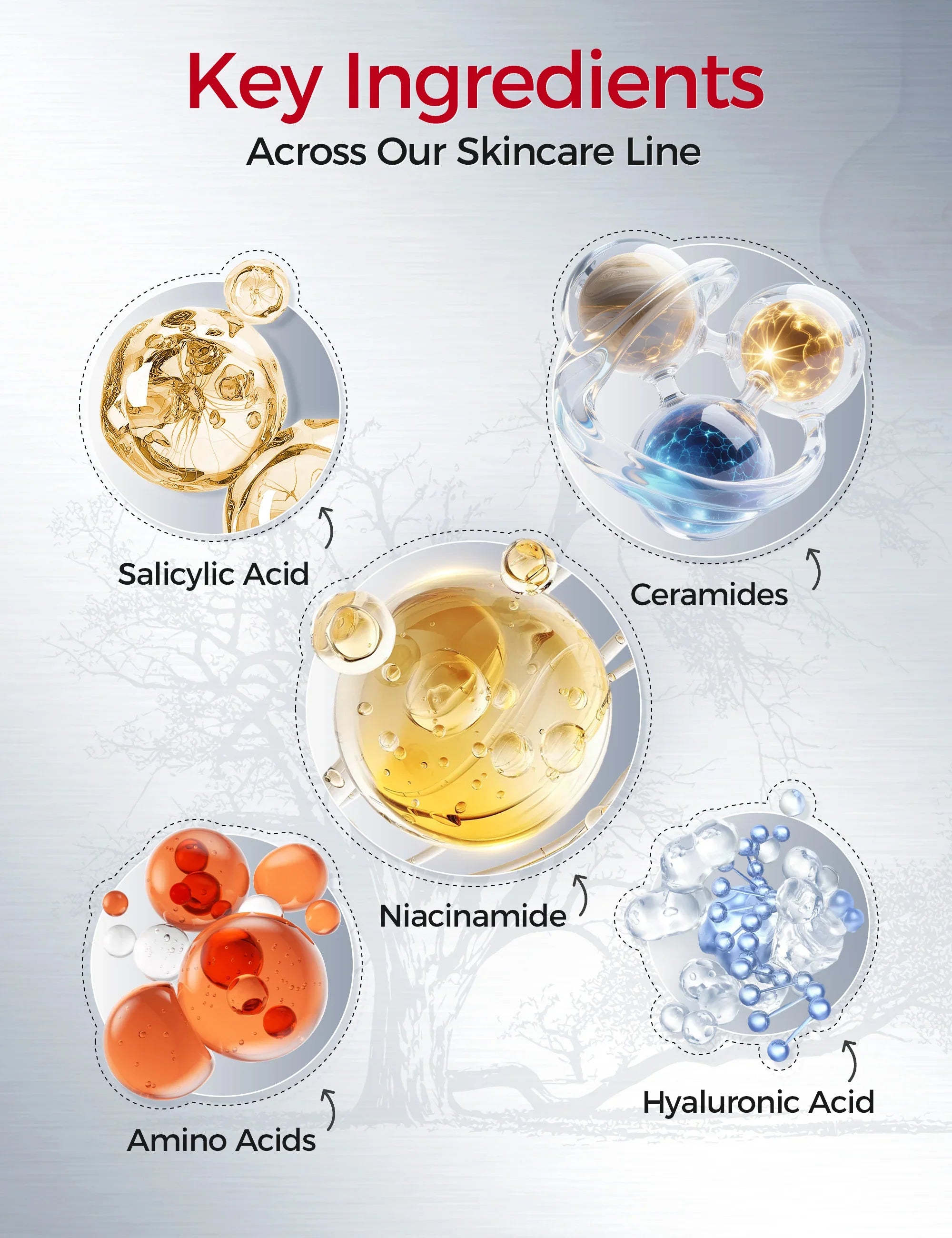
- Kaolin Clay: The "gentle giant." Perfect for purifying without stripping.
- Bentonite: The "vacuum cleaner." Best for oily skin.
- Hyaluronic Acid: Essential to hydrate and keep the skin fresh.
- Aloe & Jasmine: (Like the Jasmine and Lily healing masks) to soothe inflammation.
- Collagen: To help with skin elasticity and a glowy finish.
Avoid: High concentrations of denatured alcohol or synthetic fragrances, especially if you have acne-prone skin. These can trigger a breakout rather than prevent one.
The "Home Spa" Ritual: More Than Just a Mask
To truly treat skin like a professional would, think about the environment. Masks are great, but they work better when you're relaxed.
- Step 1: Apply your NING Dermologie mask.
- Step 2: Instead of scrolling on your phone (which carries bacteria!), lay down.
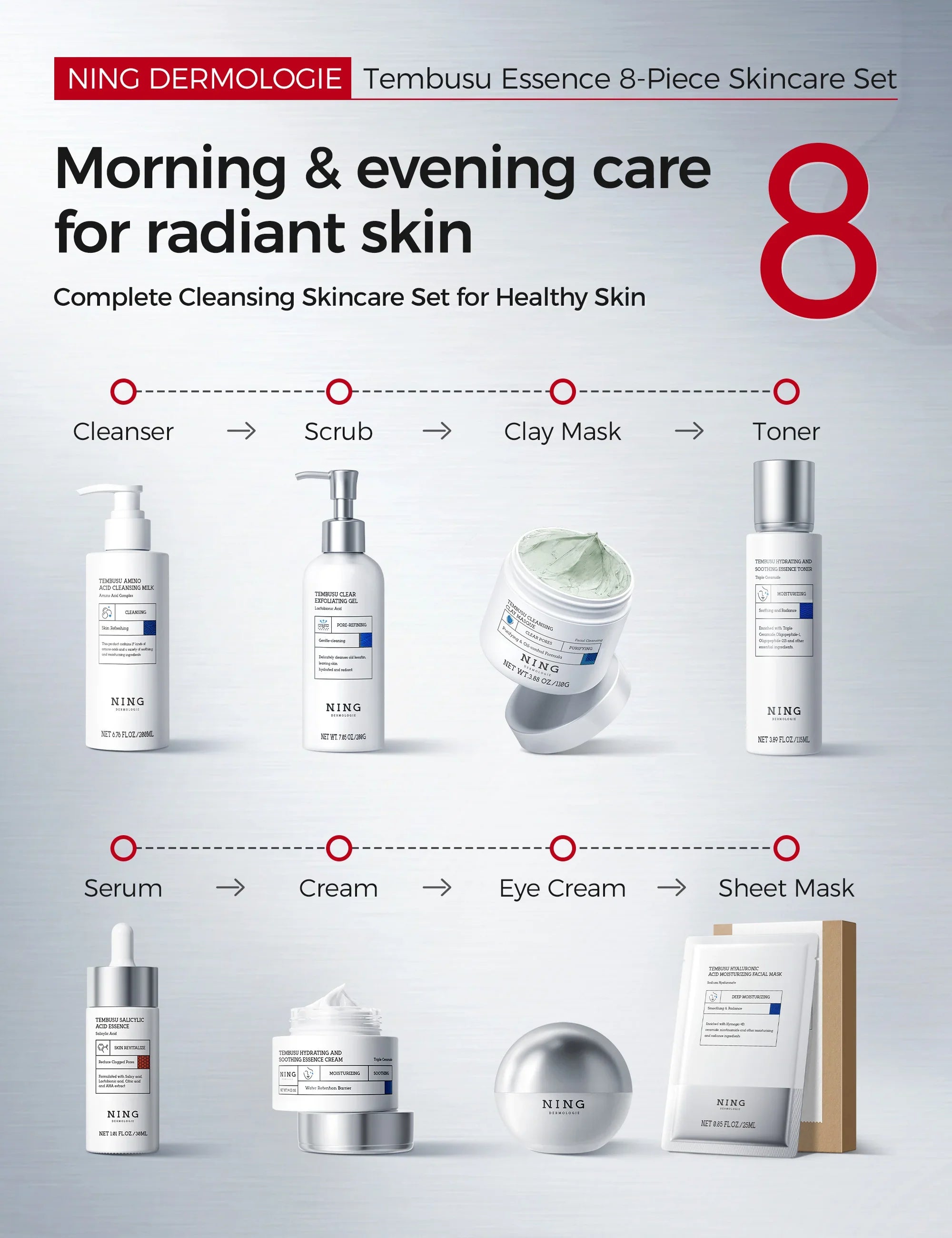
- Step 3: Use a sheet mask after your clay mask if you’re feeling extra dry. This is a "double-masking" secret that results in insanely smooth skin.
The mask comes off, the moisturizer goes on, and suddenly your skin felt like you just spent $200 at a boutique clinic. That’s the power of a highly effective skincare routine.

Conclusion: Finding Your Best-Selling Glow
At the end of the day, the best clay masks for every person are the ones they actually enjoy using. If a mask felt like a chore or left you irritated, you won’t mask to your routine consistently.
Whether you opt for a pore-refining mask from a big brand or choose the gentle, targeted approach of NING Dermologie, the goal is the same: clear pores, a balanced skin tone, and that elusive radiant complexion. Clay draws out the bad and lets your natural beauty shine through. So, keep your skin happy, keep skin clean, and don't forget to hydrate.
Frequently Asked Questions (FAQ)
1. How often should I actually use a clay mask?
Don't overdo it. Once or twice a week is usually the sweet spot for most people. If your T-zone is a total grease trap, you might hit it three times, but keep an eye on things. If you strip too much oil, your skin panics and makes even more. If your face starts feeling tight or looking like a desert, back off immediately.
2. Can I use a clay mask if I have active acne breakouts?
Totally, but don't scrub at them. A good mask, like NING’s, helps suck out the gunk and speed up the "exit" of a zit. Just skip anything with gritty exfoliating beads—they just spread bacteria and make things angry. Use the clay as a gentle vacuum, or just dab a bit on a single blemish as an overnight spot treatment to help it dry out.
3. Why does my skin itch while the clay mask is drying?
That itch? It’s just the clay doing its thing as it dries and pulls at your skin. A little tingle is fine, but if it starts burning, wash it off fast. To keep it comfortable, don't wait for it to crack like a dry lakebed. I usually keep a face mist handy and give myself a quick spritz if it starts feeling too tight.
4. Should I wash my face before or after masking?
Clean skin is a must before you start. You want the clay hitting your pores, not sitting on top of old foundation or sunscreen from eight hours ago. Give your face a quick wash with a mild cleanser first. Once you rinse the mask off, go straight to your moisturizer. You don't need a second soap scrub; you'll just end up stripping your skin's barrier.
5. Are DIY clay masks just as good as store-bought ones?
DIY is fun for a "mad scientist" moment, but it’s risky. Kitchen ingredients often mess with your skin's pH, and without stabilizers, things get messy fast. Professional masks, like NING Dermologie, are formulated to be skin-friendly and won't dry out instantly. It’s hard to replicate that smooth, creamy texture at home without ending up with a lumpy mess that’s way too harsh.


Share:
From Budget-Friendly to Luxurious: Top Clay Masks Reviewed
Curated Clay Mask Picks for Minimizing Pores and Enhancing Glow