


Exploring the Benefits of Salicylic Acid for Oily and Combination Skin
This is not your typical "skincare 101" fluff piece. If you’ve spent any time looking in the mirror at 3:00 PM only to see a reflection that looks more like a grease trap than a human face, you know the struggle. We are talking about that relentless midday shine, the pores that seem to get larger by the hour, and the unexpected breakouts that ruin an otherwise good week.
At NING Dermologie, we believe in science that actually shows up for work. And when it comes to managing the chaotic energy of oily and combination skin, there is one ingredient that stands head and shoulders above the rest: Salicylic Acid.
But what is it, really? Is it just another harsh chemical, or is it the "holy grail" everyone claims it to be? Let's strip away the marketing jargon and get into the nitty-gritty of how this beta hydroxy acid transforms your complexion.

The Science: How Does Salicylic Acid Work?
To understand why salicylic acid helps so much, we have to look at how it differs from its cousins, the AHAs (Alpha Hydroxy Acids). Most acids are water-soluble. They sit on the surface of the skin, dissolving the "glue" that holds dead skin cells together. That’s great for brightening, but it does nothing for a clogged pore.
Salicylic acid is a BHA, and its superpower is that it is oil-soluble. Imagine your pores are like narrow pipes filled with thick, sticky grease (sebum). A water-soluble acid just flows right over the top. But salicylic acid is a beta hydroxy acid that loves oil. It dives deep into the follicle, breaks down the sebum and dead skin buildup, and flushes it out.
When we talk about how salicylic acid works, we’re talking about "keratolysis." It softens and loosens the bonds between dead skin cells. For someone with oily or acne-prone skin, this process is a lifesaver. Your skin naturally sheds cells, but in oily skin types, those cells tend to get stuck, leading to the congestion that eventually becomes a blackhead or a painful blemish.
Why Oily and Acne-Prone Skin Needs This Ingredient
If you have oily and acne-prone skin, your sebaceous glands are essentially overachievers. They produce excess sebum, which sounds fine in theory (yay, moisture!), but in reality, it creates a breeding ground for bacteria.
The benefits of salicylic acid for this specific skin type are three-fold:
-
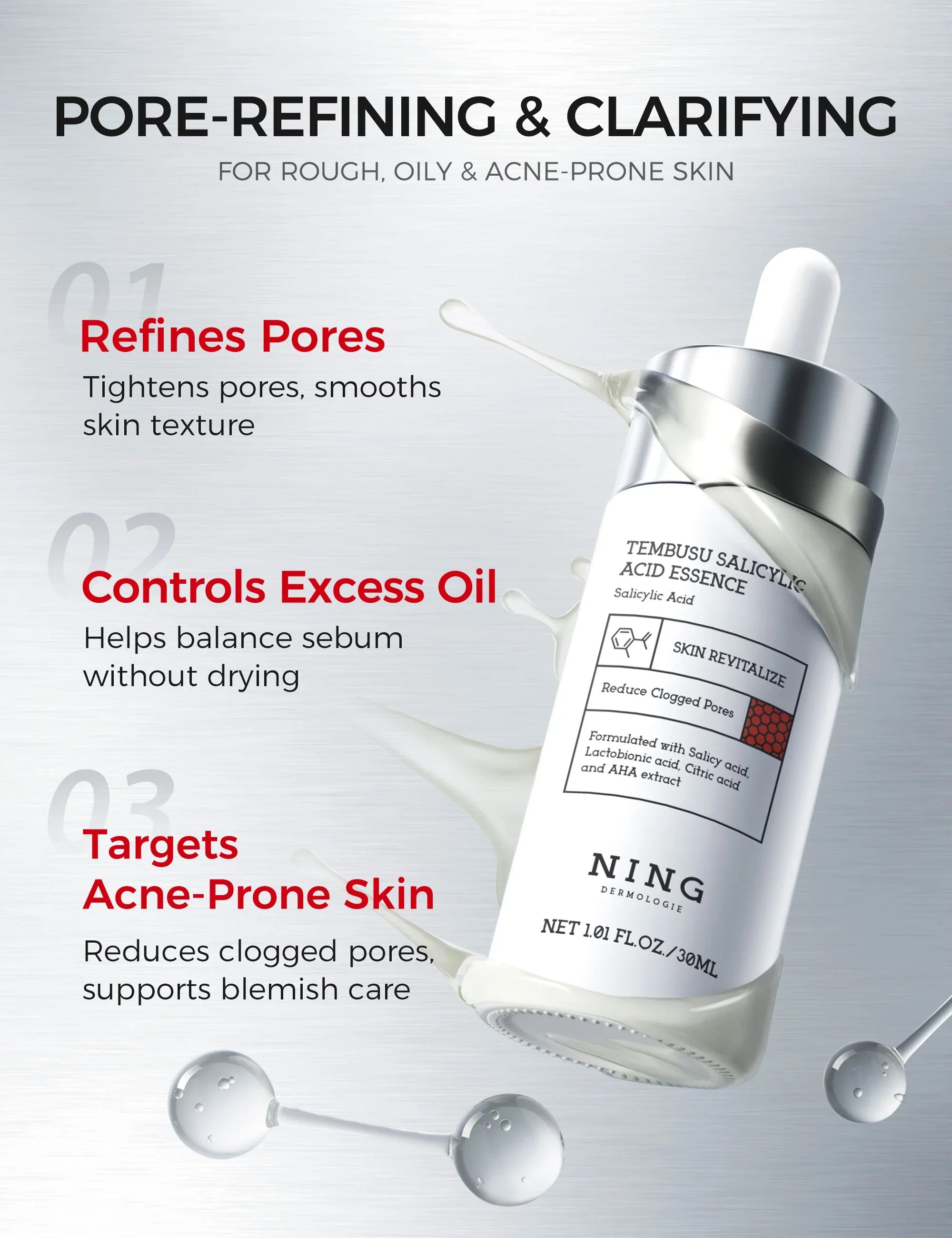
Regulating the Oil Slick: By keeping the pores clear, salicylic acid helps signal to your skin that it doesn't need to overproduce oil to "flush" the system.
-
Texture Overhaul: Regular use of salicylic acid leads to a visible change in skin texture. Those tiny bumps (closed comedones) that make your foundation look patchy? This acid dissolves them.
-
Calming the Storm: Beyond exfoliation, salicylic acid has anti-inflammatory properties. It doesn't just treat the acne; it helps soothe irritated skin and reduces the angry redness that comes with a flare-up.
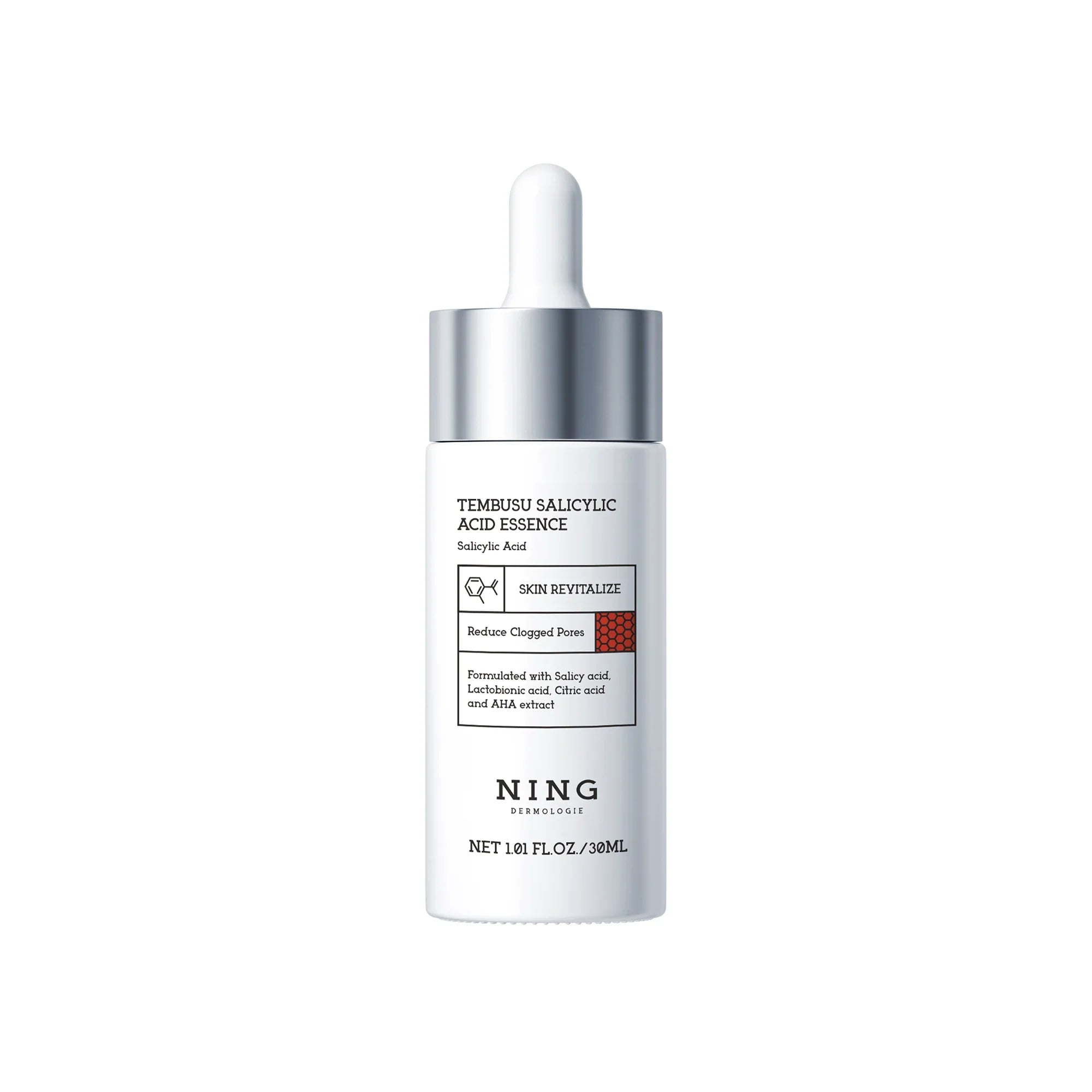
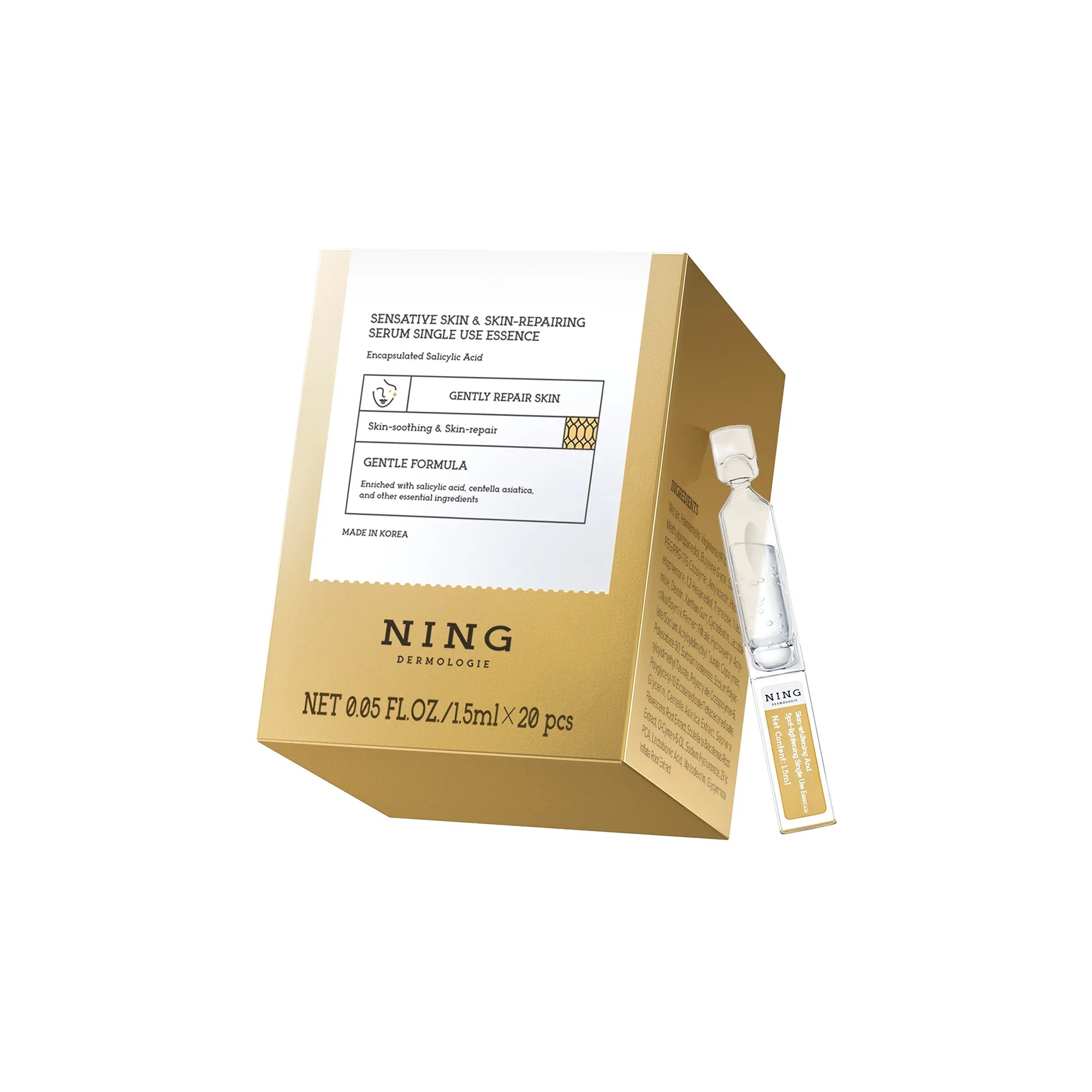
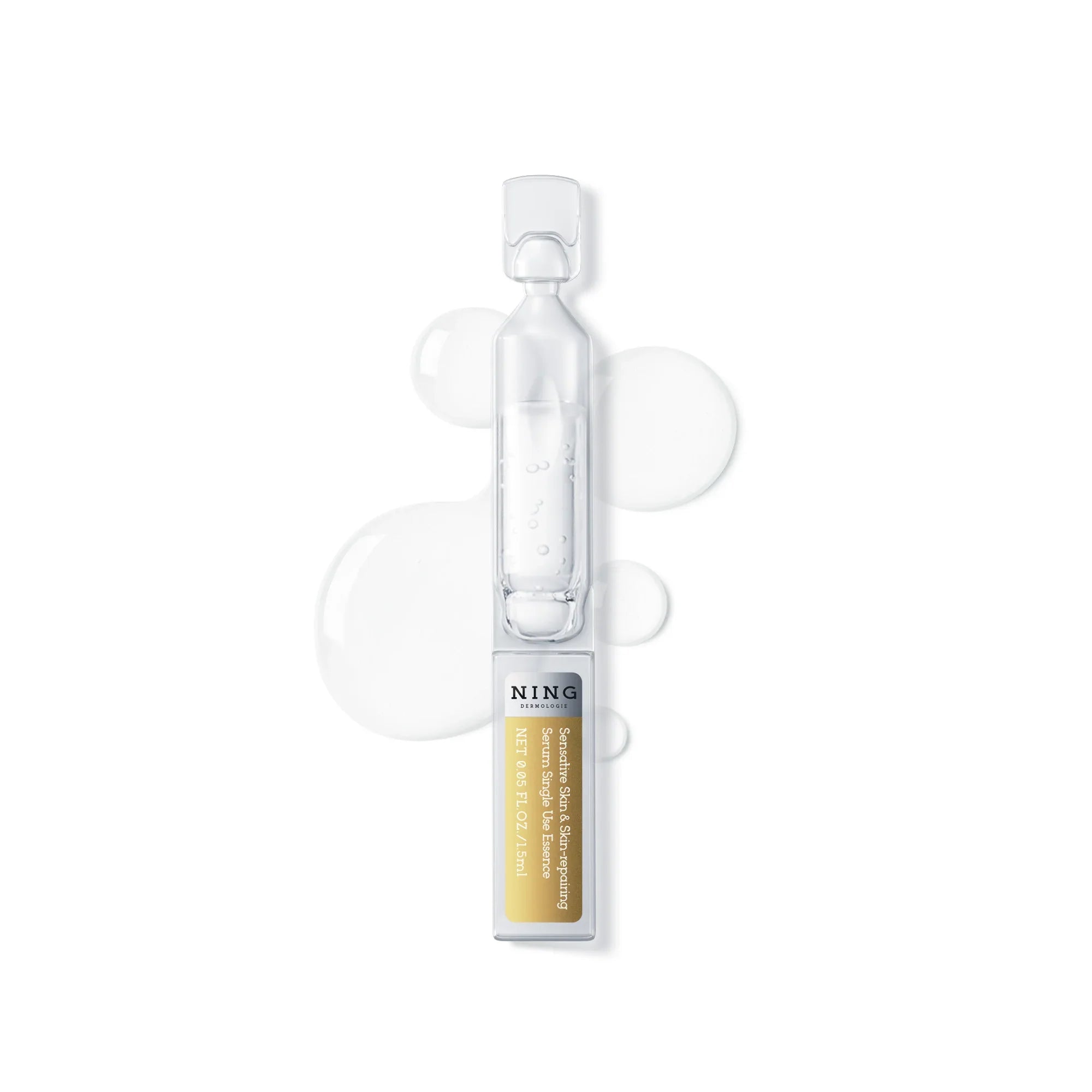
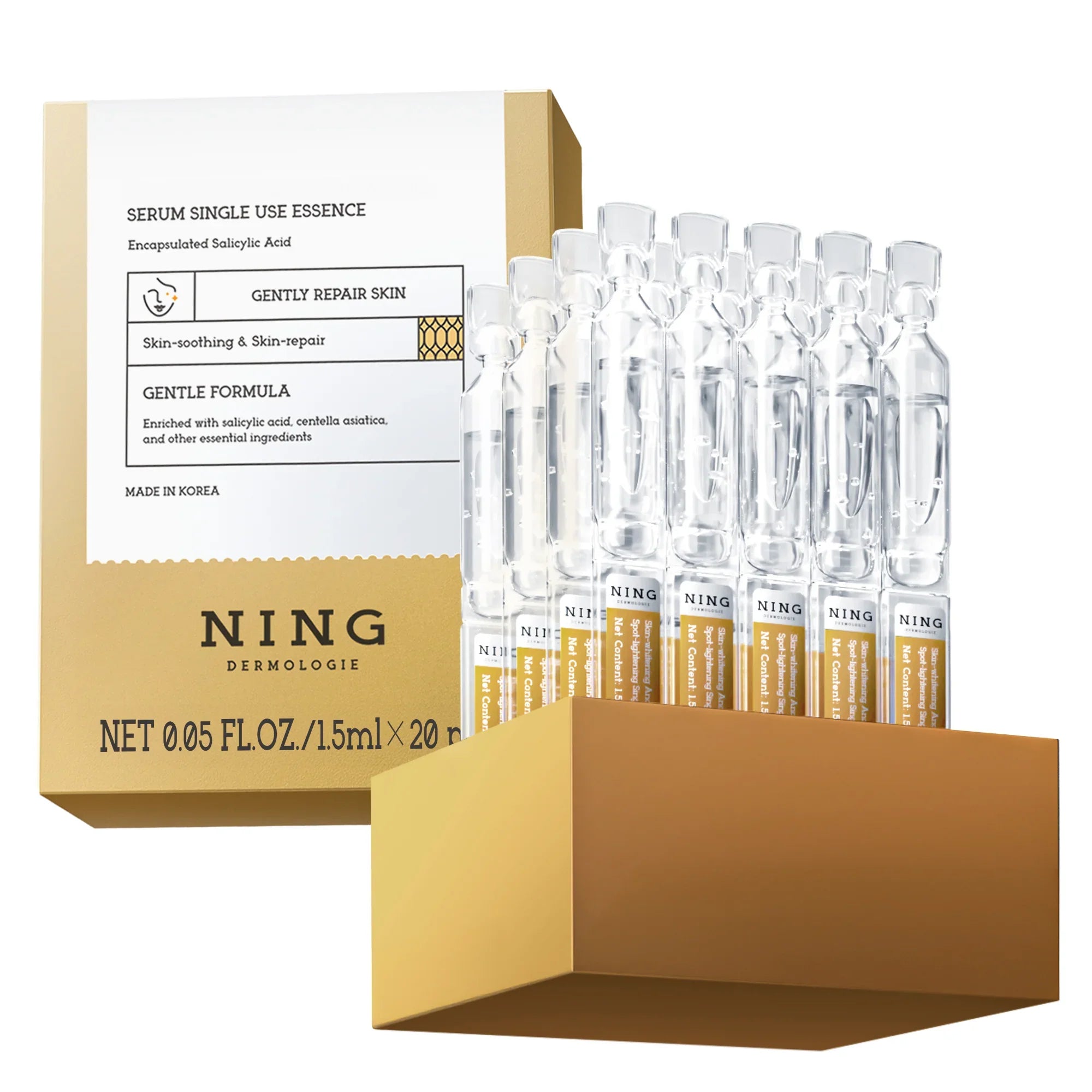
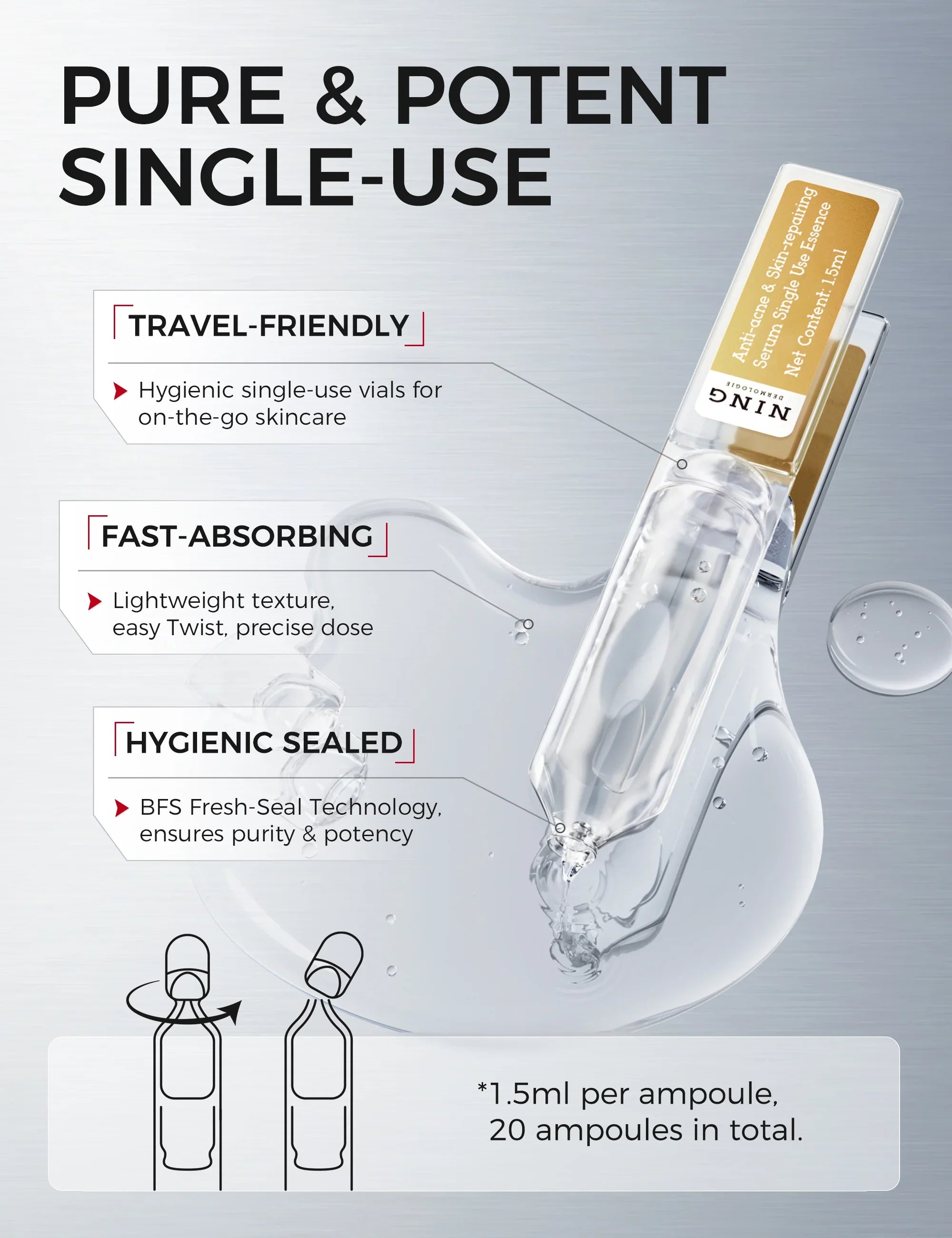
For those of us at NING Dermologie, we realized that most products on the market were either too weak to work or so aggressive they stripped the skin barrier. That’s why we developed the 2% Salicylic Acid Serum. It hits that "Goldilocks" zone—strong enough to exfoliate dead skin cells and clear deep congestion, but formulated to protect your skin from total dehydration.
The Combination Skin Dilemma: A Balancing Act
Combination skin is arguably the hardest skin type to manage. Your forehead and nose (the T-zone) feel like an oil field, while your cheeks feel like the Sahara. You might think, "I can't use an acid, it'll ruin my dry patches!"
Actually, the use of salicylic acid is incredibly effective for oily and combination skin types because it’s selective. You don't have to apply it everywhere. It allows you to target the oil and dead skin cells in the T-zone while leaving the drier areas alone.
When you incorporate salicylic acid into a routine for combination skin, the goal is balance. It helps improve skin harmony by ensuring the oily parts don't break out, which in turn allows your hydrating products to actually penetrate the skin rather than sitting on a layer of oil.
How to Use Salicylic Acid Products Without Wrecking Your Face
We see it all the time: someone gets a new skincare product, uses it twice a day, every day, and then wonders why their skin is peeling like a lizard. Stop right there. Even though salicylic acid is a versatile tool, you have to respect the skin barrier.
The NING Dermologie Protocol
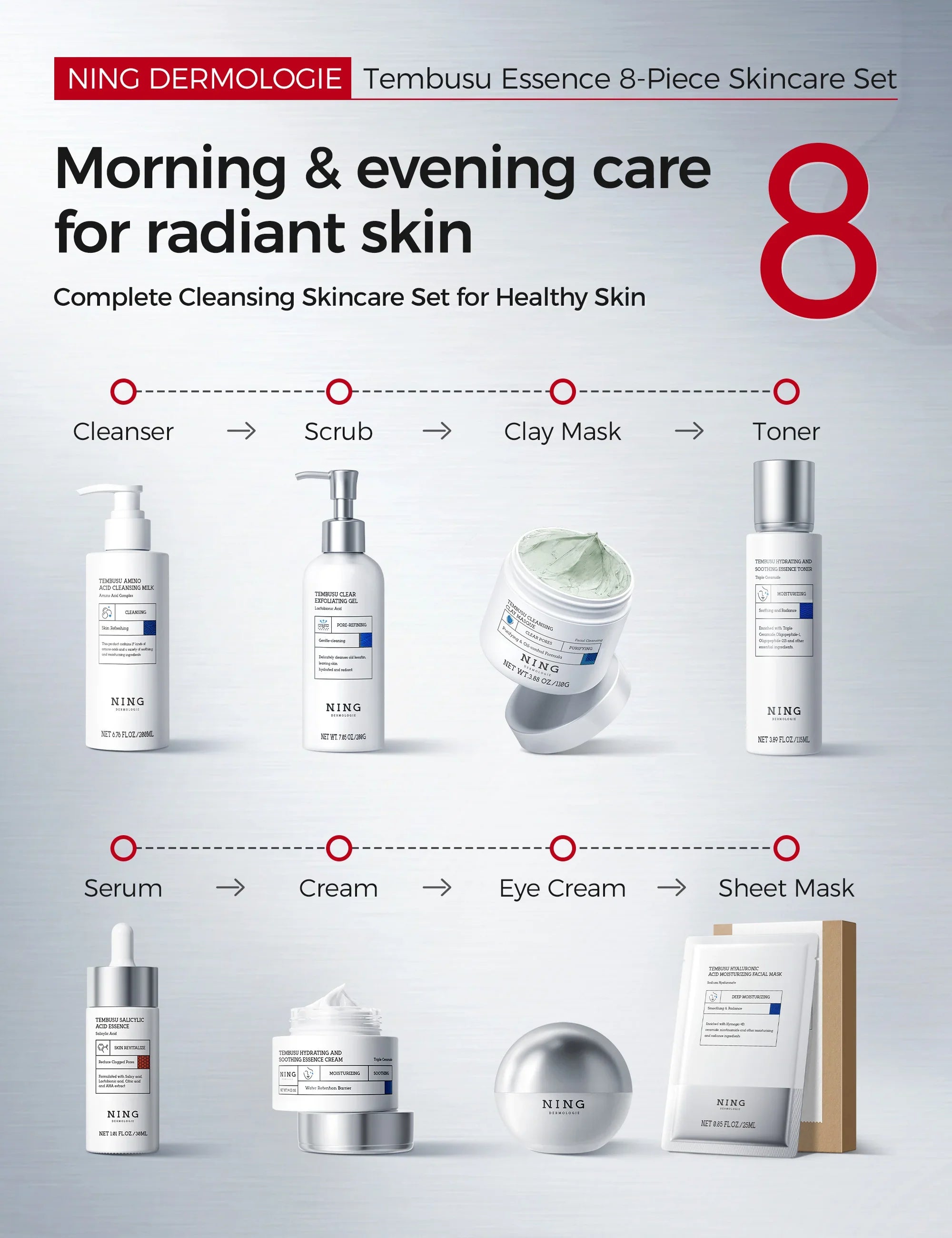
If you’re using our 2% Salicylic Acid Serum, follow these steps to ensure clearer skin without the irritation:
-
Patch Test: Seriously. See how your skin reacts by applying a small amount on your jawline first.
-
Cleanse First: Apply salicylic acid to clean, dry skin. If your skin is damp, the acid can penetrate too deeply and too fast, increasing the risk of side effects of salicylic acid like stinging.
-
Start Slow: Use it 2 or 3 times a week initially. As your skin adapts, you can increase the frequency as your skin allows.
-
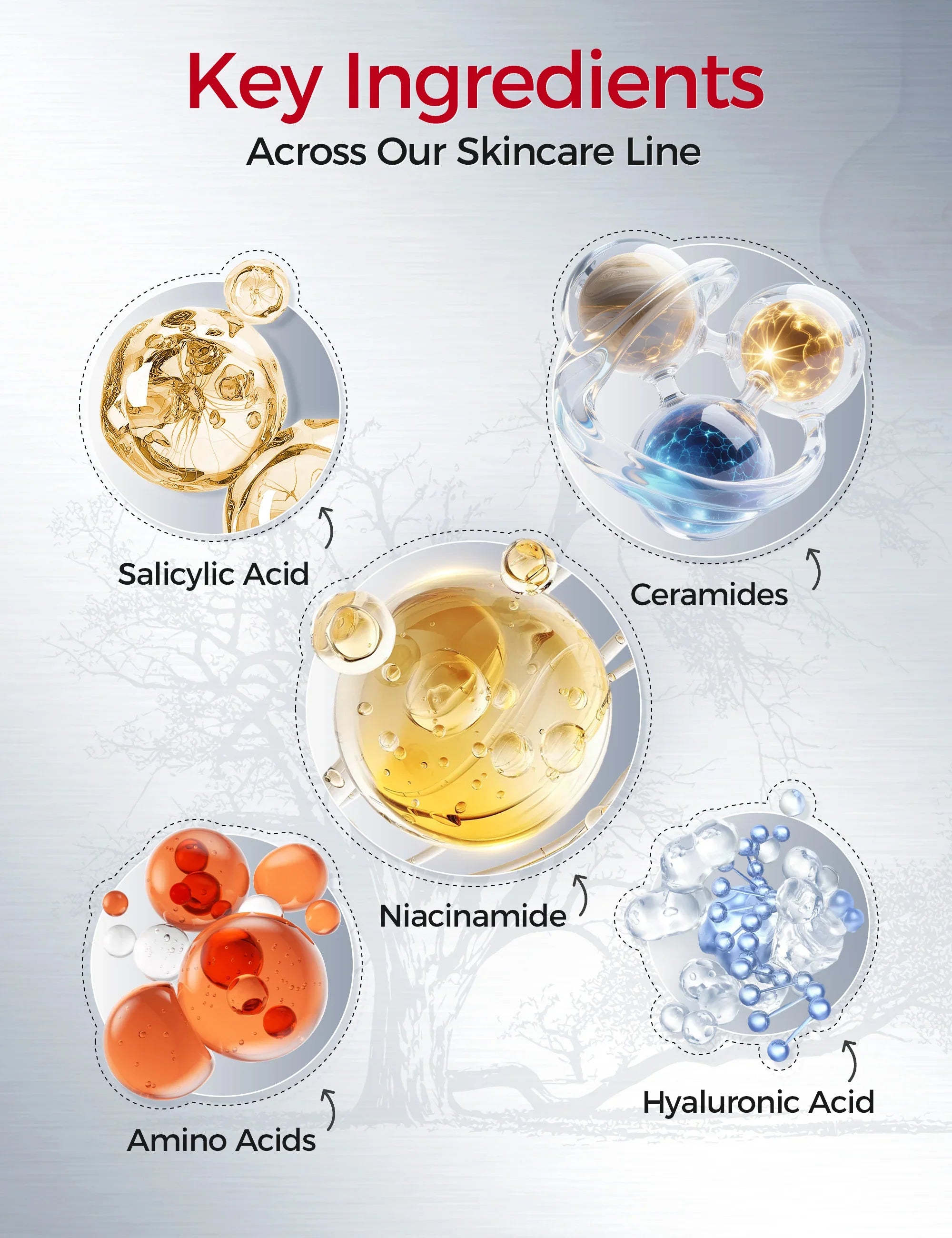
Hydrate, Hydrate, Hydrate: Always follow up with a moisturizer. Look for ingredients like hyaluronic acid or ceramides. While the acid helps clear the pores, hyaluronic acid keeps the water in your cells, preventing that "tight" feeling.
Mixing Acids: A Recipe for Disaster?
One of the biggest mistakes people make is over-exfoliating. If you are using salicylic acid in skincare, be very careful with glycolic acid or lactic acid.
- Salicylic Acid (BHA): Goes deep into the pores.
- Glycolic Acid (AHA): Works on the surface.
If you use both at the same time, you risk a chemical burn or a compromised skin barrier. If you have acne-prone skin and really want to use both, use them on alternate nights. And please, for the love of glowing skin, avoid using a physical scrub on the same day you use a salicylic acid product. Your skin isn't a kitchen floor; it doesn't need to be scrubbed.
Addressing Different Skin Types and Concerns
Does salicylic acid work for everyone? Mostly, but the effects of salicylic acid vary.
- Sensitive Skin Types: You might find that a leave-on serum is too much. Try a wash-off salicylic acid product (like a cleanser) instead. It stays on the skin for 60 seconds—enough time to do some work, but not enough to cause skin irritation.
- Dry Skin: While salicylic acid is best for oily folks, dry skin can still get "blackheads." If that's you, use the acid only as a spot treatment.
- Aging Skin: The benefits of salicylic acid aren't just for teenagers. By removing dead skin cells, it can actually help improve skin texture and make fine lines look less prominent.
Potential Side Effects: What No One Tells You
We have to be honest: salicylic acid may cause a "purge." Because the acid into your skincare routine is accelerating cell turnover, it might push all the gunk that was lurking under the surface up to the top at once. This usually lasts 2-4 weeks. If you’re breaking out in places you never usually do, that might be irritation. If it's in your usual "hot spots," it's likely a purge.
Common side effects of salicylic acid include:
- Mild tingling.
- Slight dryness or flaking.
- Increased sun sensitivity (you must wear sunscreen!).
If you notice extreme redness or a burning sensation, your skin barrier is telling you to back off. Give your skin a break and focus on taking care of your skin with soothing, bland moisturizers for a few days.

The NING Dermologie Difference
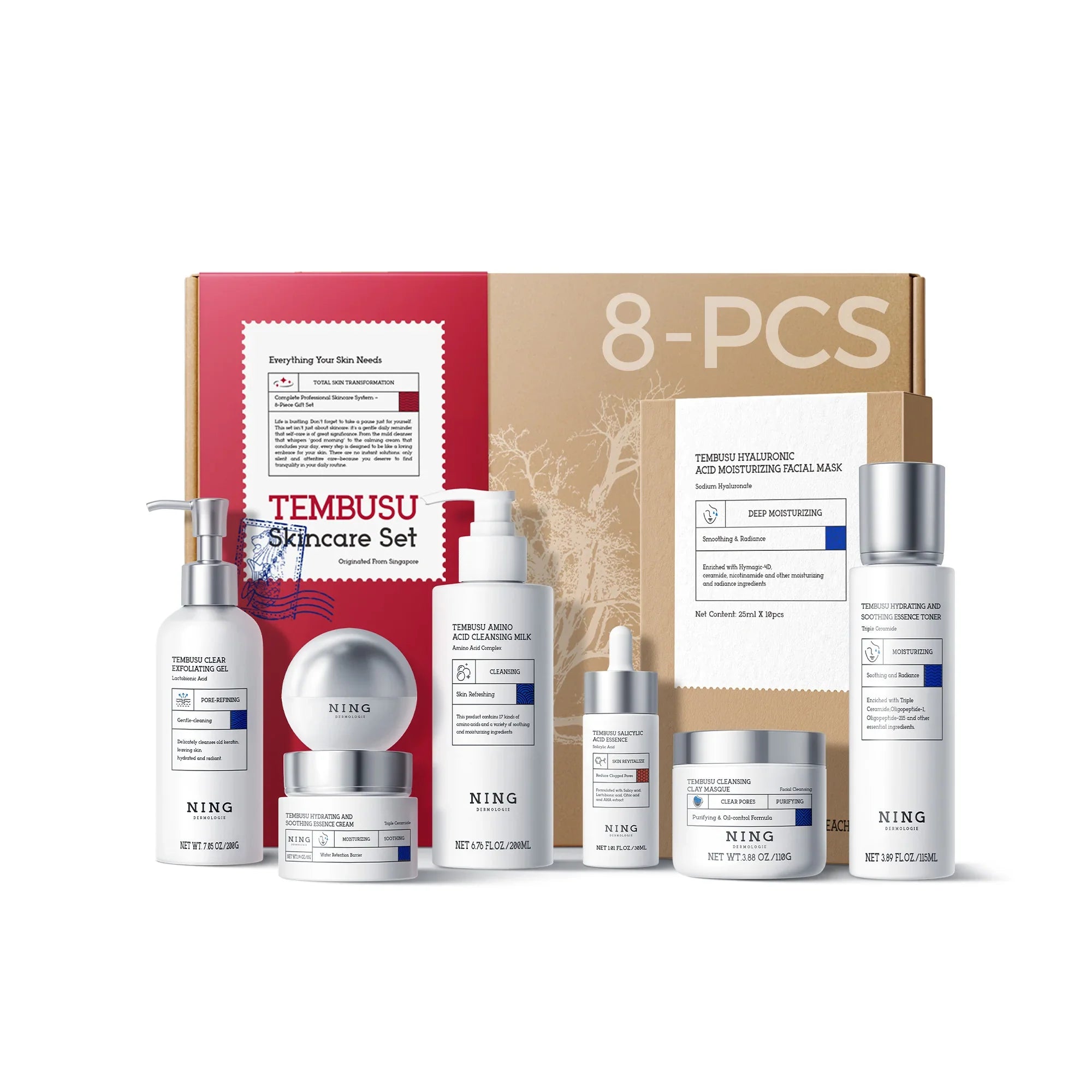
Why choose our 2% Salicylic Acid Serum? Because we know that taking care of your skin shouldn't be a guessing game. Our formula is designed for oily and acne-prone skin but is mindful of sensitive skin types. We’ve balanced the potency of the BHA with soothing botanicals to ensure that you get the benefits of salicylic acid without the "scorched earth" policy of traditional acne treatments.
Regular use of salicylic acid from NING Dermologie means you’re investing in long-term skin health, not just a quick fix. You’ll notice a smoother and more even skin tone, fewer skin issues, and a glow that comes from health, not oil.
Frequently Asked Questions (FAQ)
1. Can I use salicylic acid every day?
Honestly? It depends on your skin's patience. If you're fighting a constant oil slick, a daily dose of our 2% serum might be your sweet spot. But for most, starting 2 or 3 times a week is much smarter. Watch for peeling or that "tight" feeling. If your skin starts acting like it's in a drought, you're overdoing it. There’s no trophy for daily use—the real win is a healthy skin barrier, not an irritated face.
2. Can I use Vitamin C with my salicylic acid serum?
It is better to split them up. Use your Vitamin C in the morning to protect your skin from environmental damage and use your salicylic acid product at night. Both are acidic, and using them together can mess with the pH levels of your skin, making both products less effective and increasing the likelihood of skin irritation. If you must use both, wait 20 minutes between applications.
3. Does salicylic acid help with large pores?
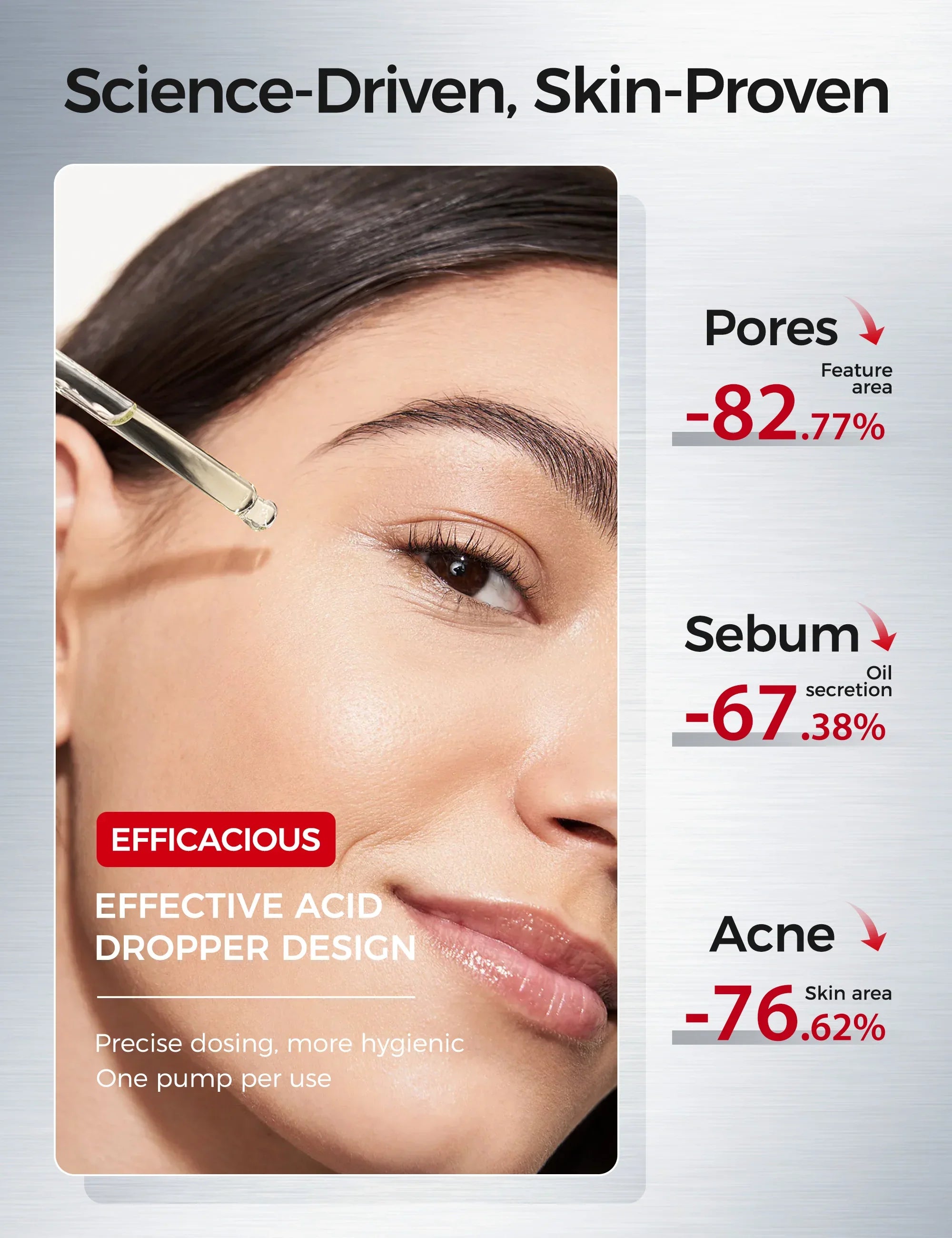
Pores aren't like doors; they don't open and close. However, when they are filled with excess sebum and dead skin, they stretch out and look much larger. Salicylic acid helps by cleaning out that debris. Once the oil and dead skin cells are removed, the pore "shrinks" back to its natural size. For clearer skin and a smoother skin feel, keeping pores clean is the #1 priority.
4. Is it safe to use salicylic acid during pregnancy?
Generally, doctors suggest avoiding high concentrations of salicylic acid in skincare during pregnancy. While over-the-counter products (under 2%) are often considered low-risk, you should always consult your healthcare provider first. Many people with oily skin switch to lactic acid or gentle enzymes during this time. At NING Dermologie, we prioritize your safety—when in doubt, check with a professional!
5. Why does my skin feel tighter after using the serum?
If your skin feels tight, it’s a sign that the acid for skin use is working but perhaps stripping too much moisture. Salicylic acid is a beta hydroxy acid that targets oil, so it can be drying. Ensure you are applying a moisturizer containing salicylic acid’s best friend: hyaluronic acid. This will give your skin the hydration it needs while the BHA handles the sebum and dead skin cells.
Final Thought: Achieving clearer skin doesn't happen overnight. It’s a marathon, not a sprint. By choosing a high-quality skincare product like the NING Dermologie 2% Salicylic Acid Serum, and using it with patience and respect for your different skin types, you are well on your way to the best skin of your life.
Ready to make the switch? Explore the NING Dermologie 2% Salicylic Acid Serum here.
Next Step: I can run this specific FAQ through another round of manual "humanization" or provide a list of high-converting meta descriptions for this specific article. Would you like me to do that?


Share:
Understanding Salicylic Acid: From Clearing Pores to Smoothing Skin Texture
The Power of Salicylic Acid in Fighting Acne and Blemishes