


The Truth About Your Pores: How Salicylic Acid Really Clears Acne-Prone Skin
Nobody wakes up and hopes for a breakout. Yet, for millions of us, the battle against acne feels like a never-ending cycle of "trial and error." You buy a product, it dries out your face, the pimples stay, and you’re left with skin irritation and a broken spirit.
If you’ve spent any time scouring the aisles for a solution, you’ve seen it: Salicylic Acid. It’s the "gold standard." But why? Is it just another marketing buzzword, or does the chemistry of salicylic acid actually hold the key to clearer skin?
At NING Dermologie, we believe you shouldn't just put things on your face because a label tells you to. You should understand the action of salicylic acid on a molecular level. Whether you are dealing with acne for the first time or are a seasoned pro with oily or combination skin, here is the deep dive into the role of salicylic acid and how it transforms acne-prone skin.

Why Most Treatments Fail Where Salicylic Acid Helps
To understand how salicylic acid works, we first have to talk about what’s actually happening inside your skin pores.
Your skin is a factory. It produces human skin cells and sebum (oil). In a perfect world, these dead skin cells would slough off naturally, and the oil would flow to the surface to keep things hydrated. But for those prone to acne, the factory goes haywire. The bonds between dead skin cells don't break. Instead, they act like glue, trapping excess oil and dead skin deep inside the follicle.
This creates a "microcomedone"—the invisible precursor to every pimple.
Most over-the-counter skin care products only sit on the surface. They might wash away some surface oil, but they can't reach the "plug" deep inside. This is where the various skin acids differ, and where the benefit of salicylic acid becomes undeniable.
The Chemistry: Why "Oil-Soluble" Is a Game Changer
In the world of skin care, there are two main families of exfoliating acids: Alpha-Hydroxy Acids (AHAs) and Beta-Hydroxy Acids (BHAs).
Glycolic acid and lactic acid are the famous AHAs. They are water-soluble. Think of them like a scrub for the surface; they are great for improved skin texture and fading dark spots, but they hate oil. If they hit a pore filled with sebum, they stop.
Salicylic acid is a beta-hydroxy acid (the only one used commonly in topical acne treatments). Its chemical structure includes an additional carbon group that makes it oil-soluble.
What does this mean for your face? It means the acid makes its way through the oil barrier. It doesn't just sit on top of your skin; it "dives" into the pore. Once inside, salicylic acid exfoliates the lining of the pore, dissolving the "glue" (the bonds between dead skin cells) that causes blockages. This is the fundamental role of salicylic acid in the treatment of acne.
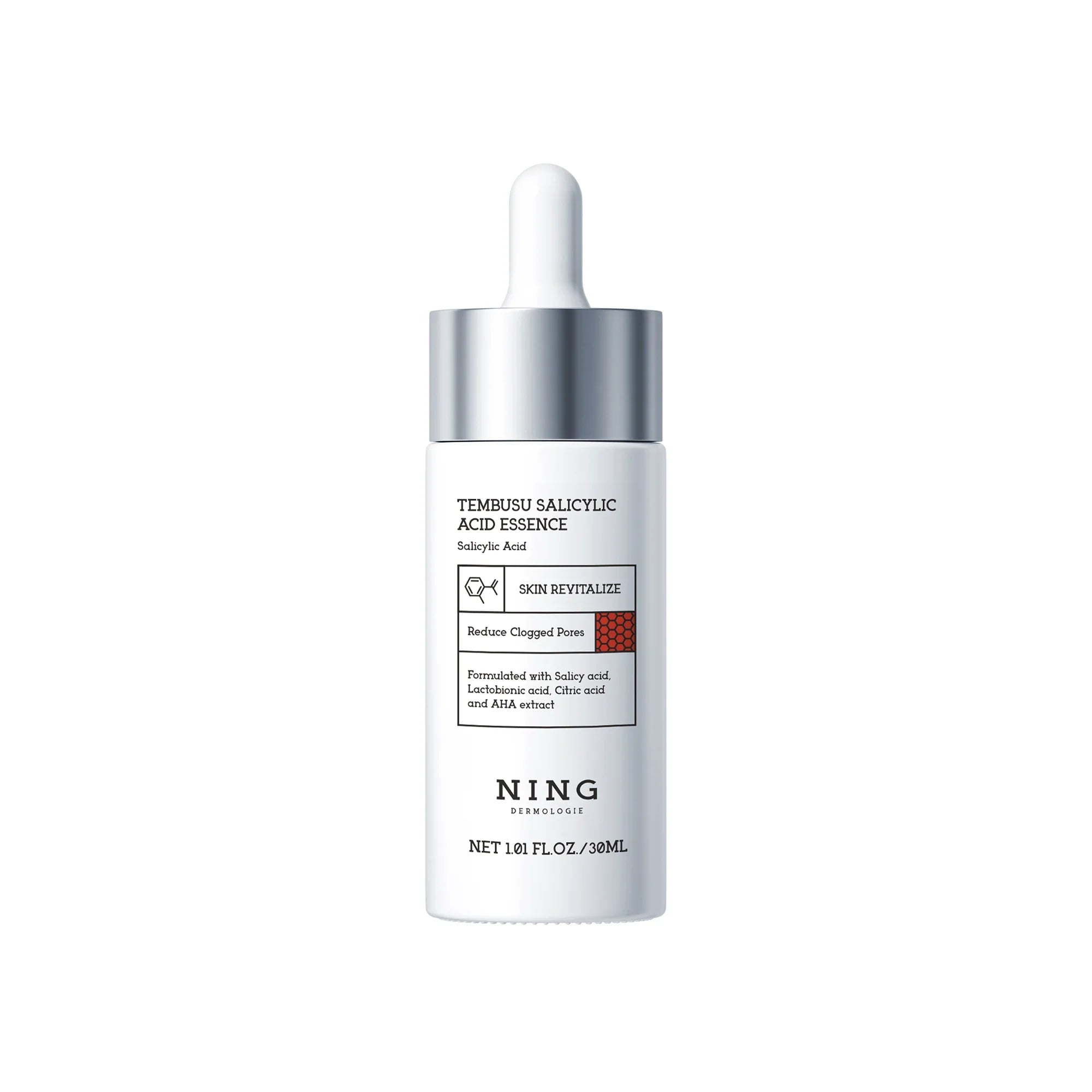
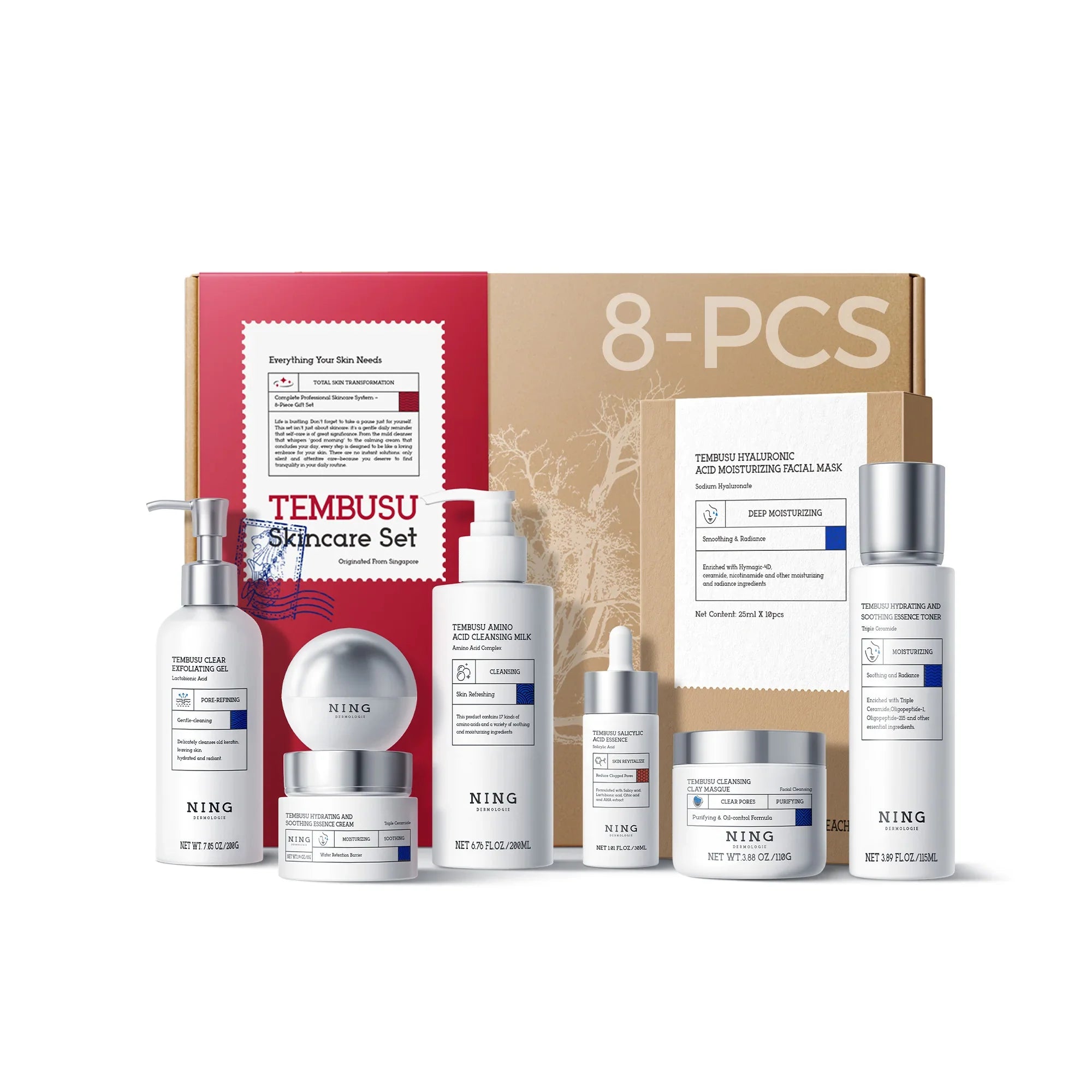
The NING Dermologie Approach: 2% Salicylic Acid Serum
Not all salicylic acid products are created equal. You’ve probably tried a salicylic acid cleanser and felt it did nothing. That’s because cleansers are washed off before the acid can help penetrate deeply.
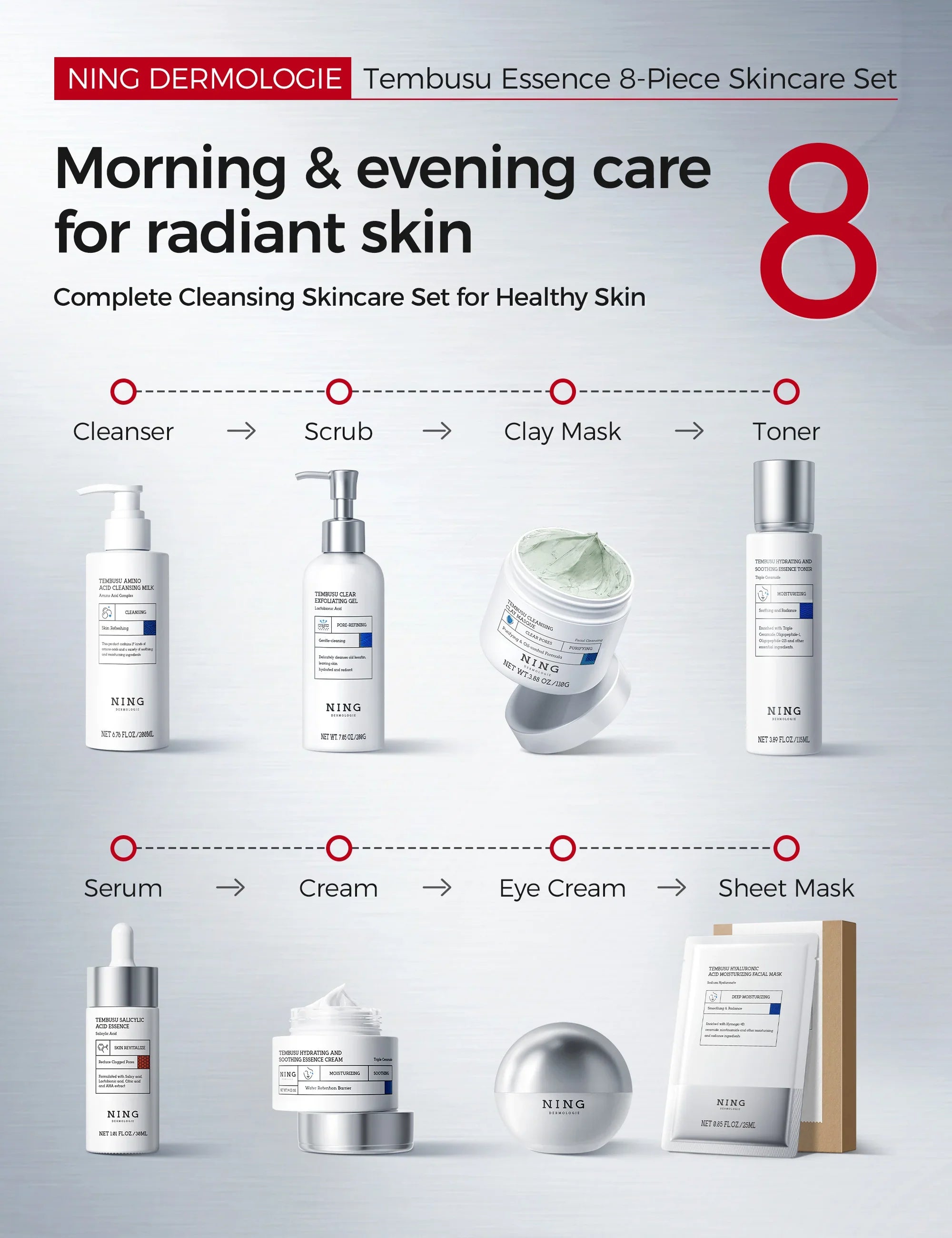
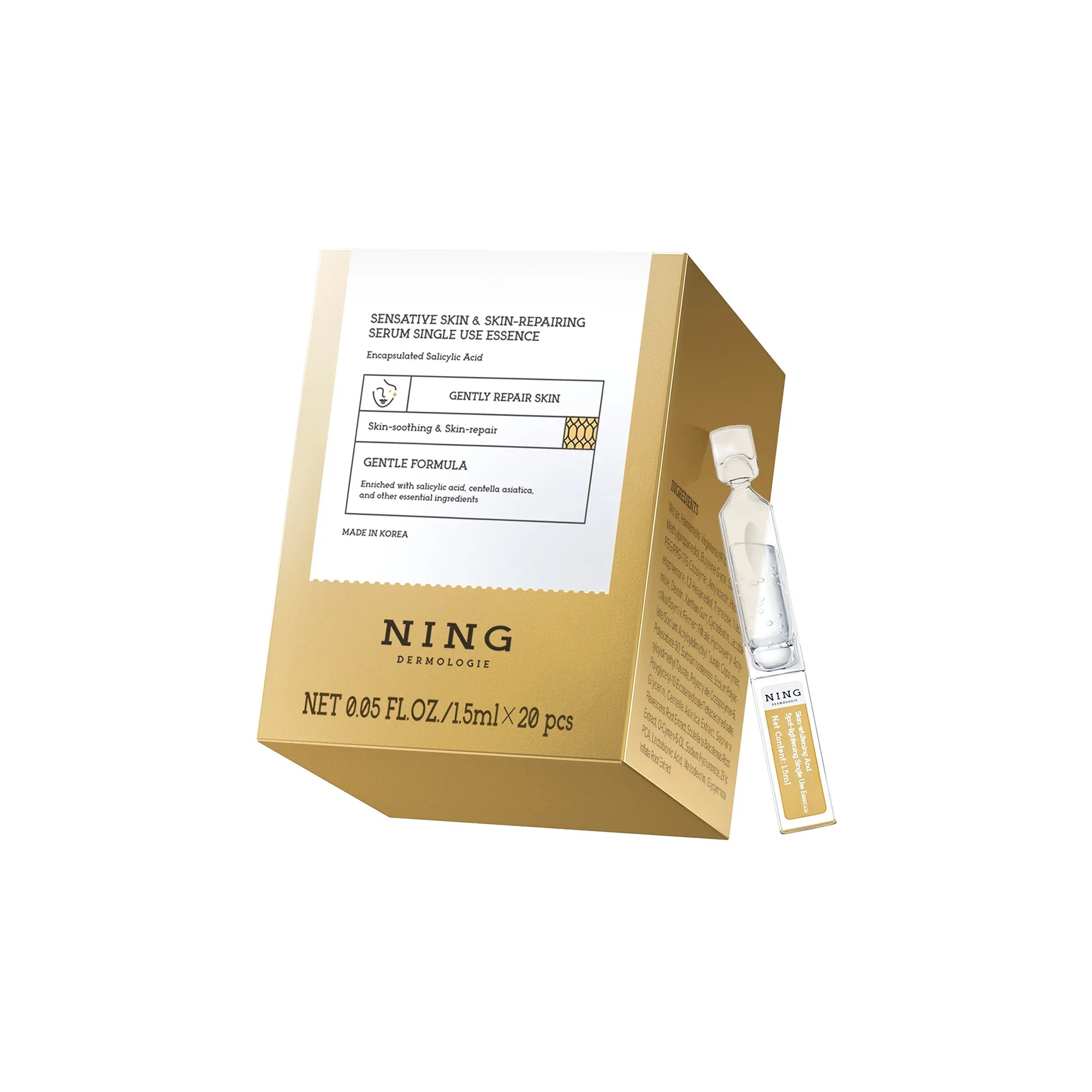
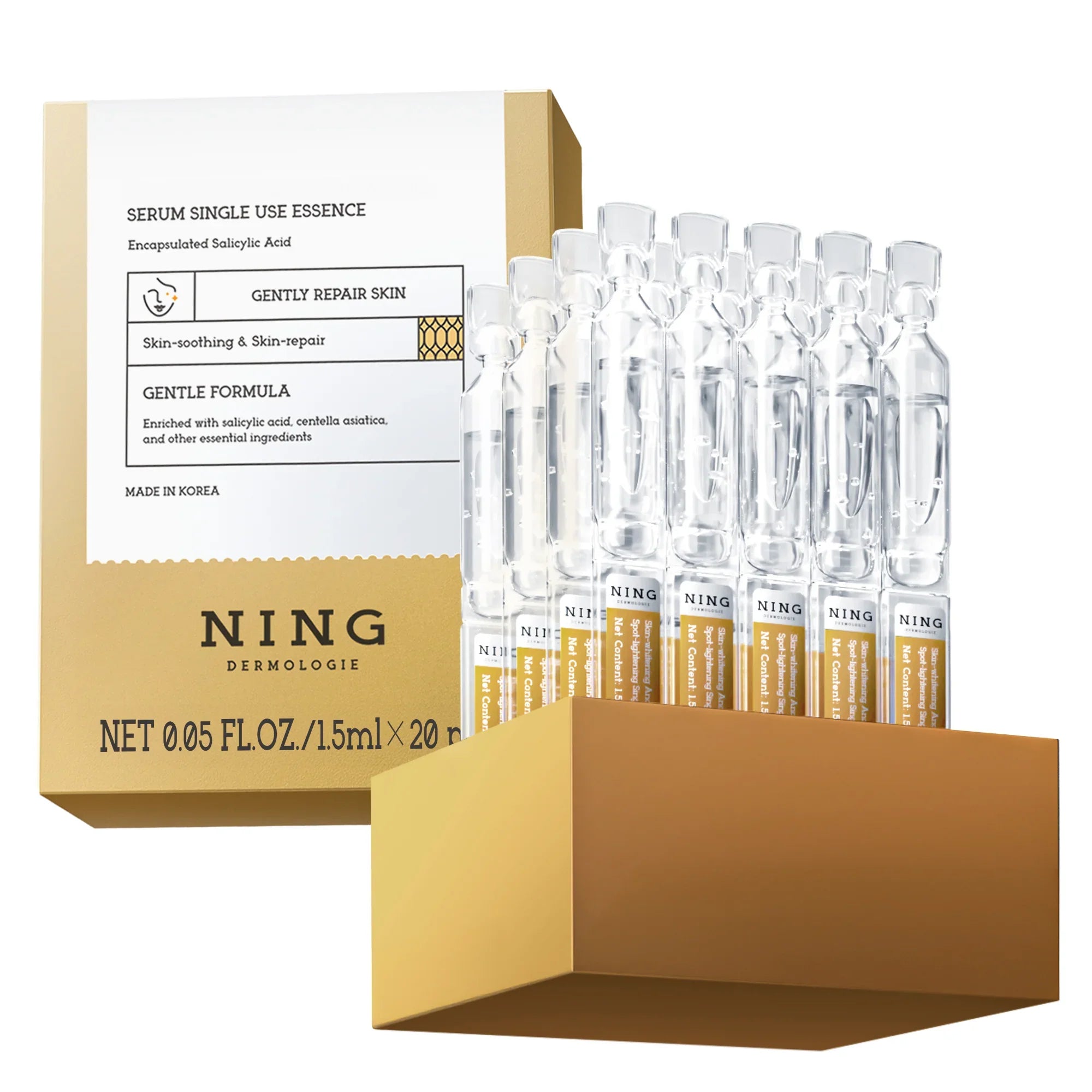
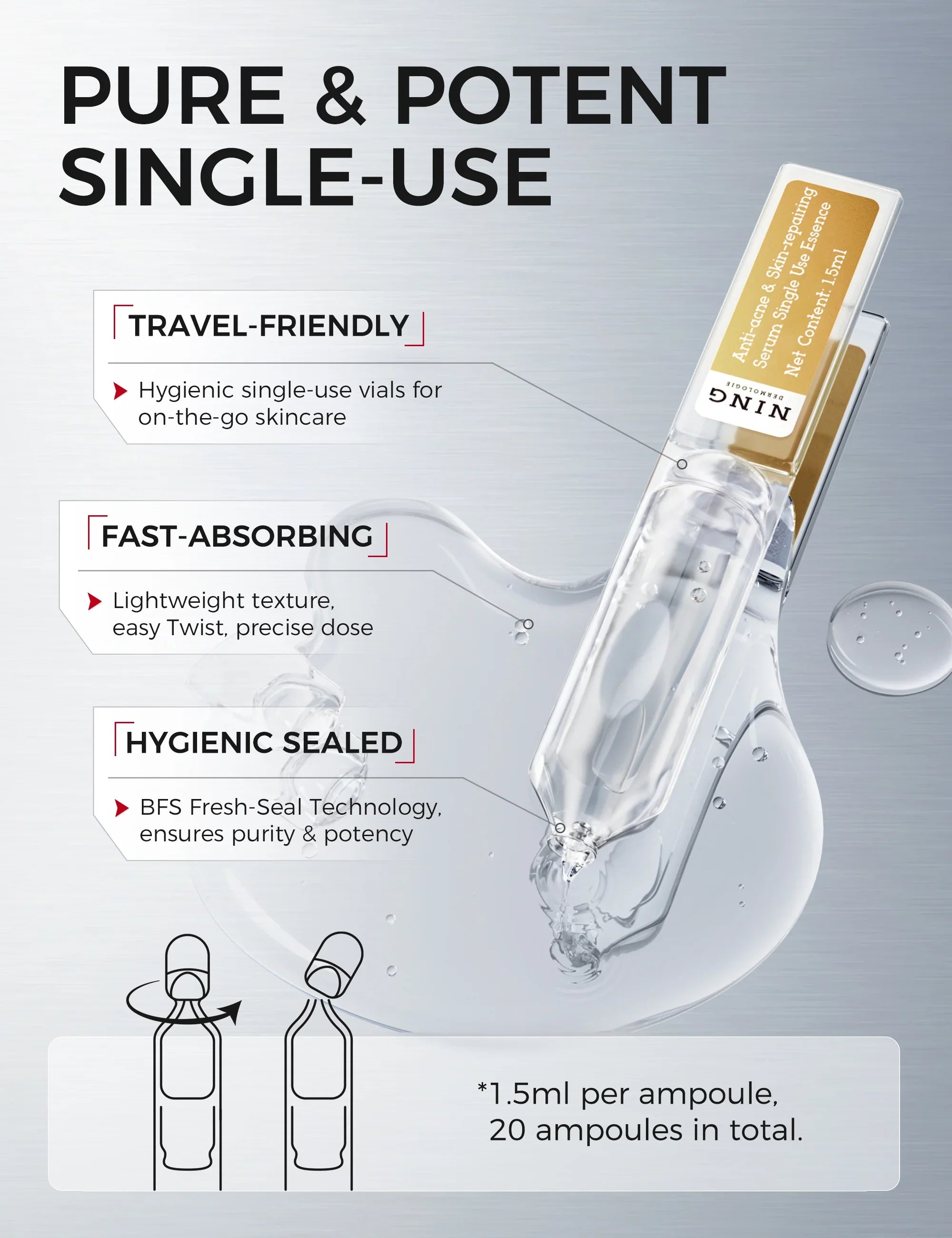
To treat acne effectively, you need "leave-on" time. This is why we developed the NING Dermologie 2% Salicylic Acid Serum.
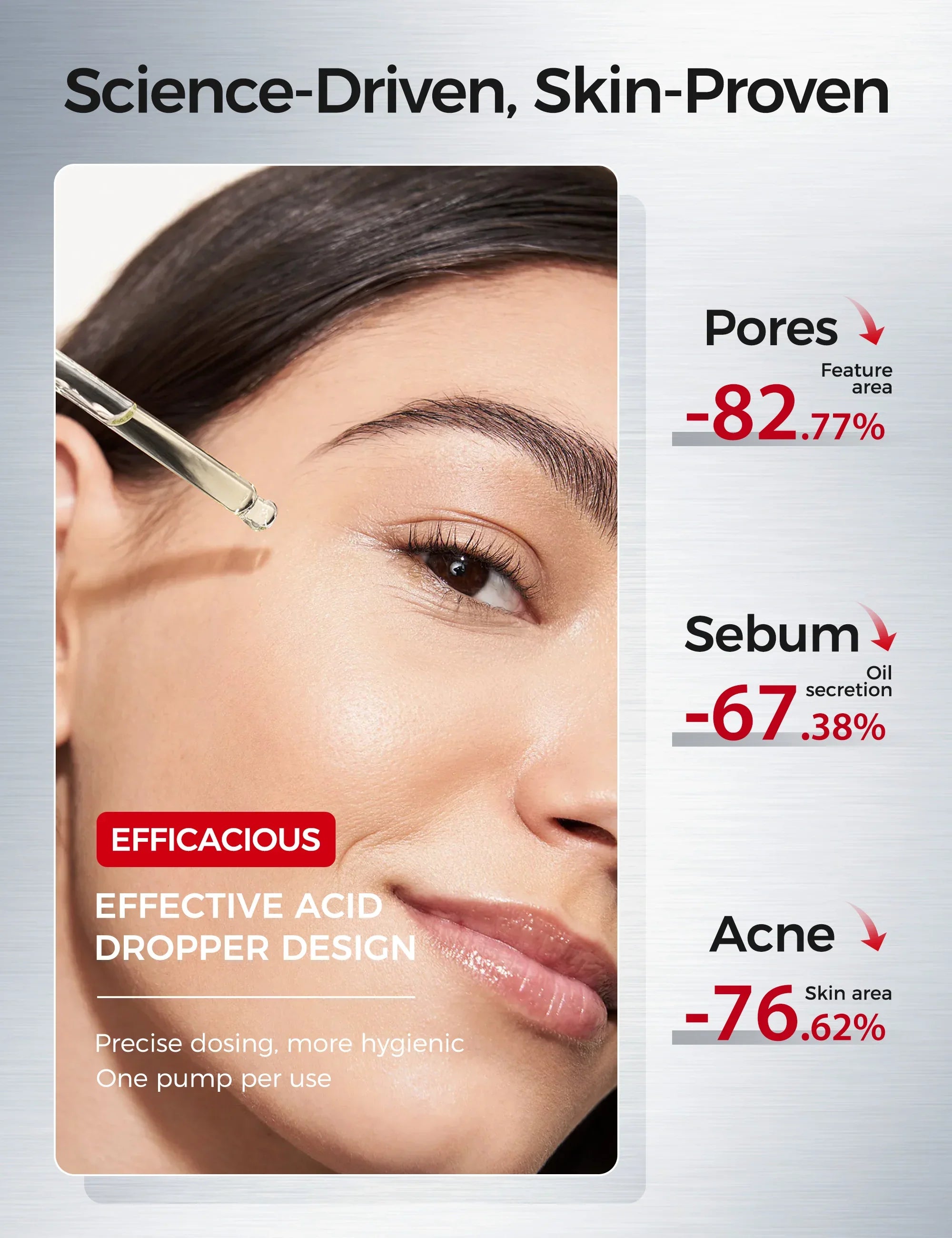
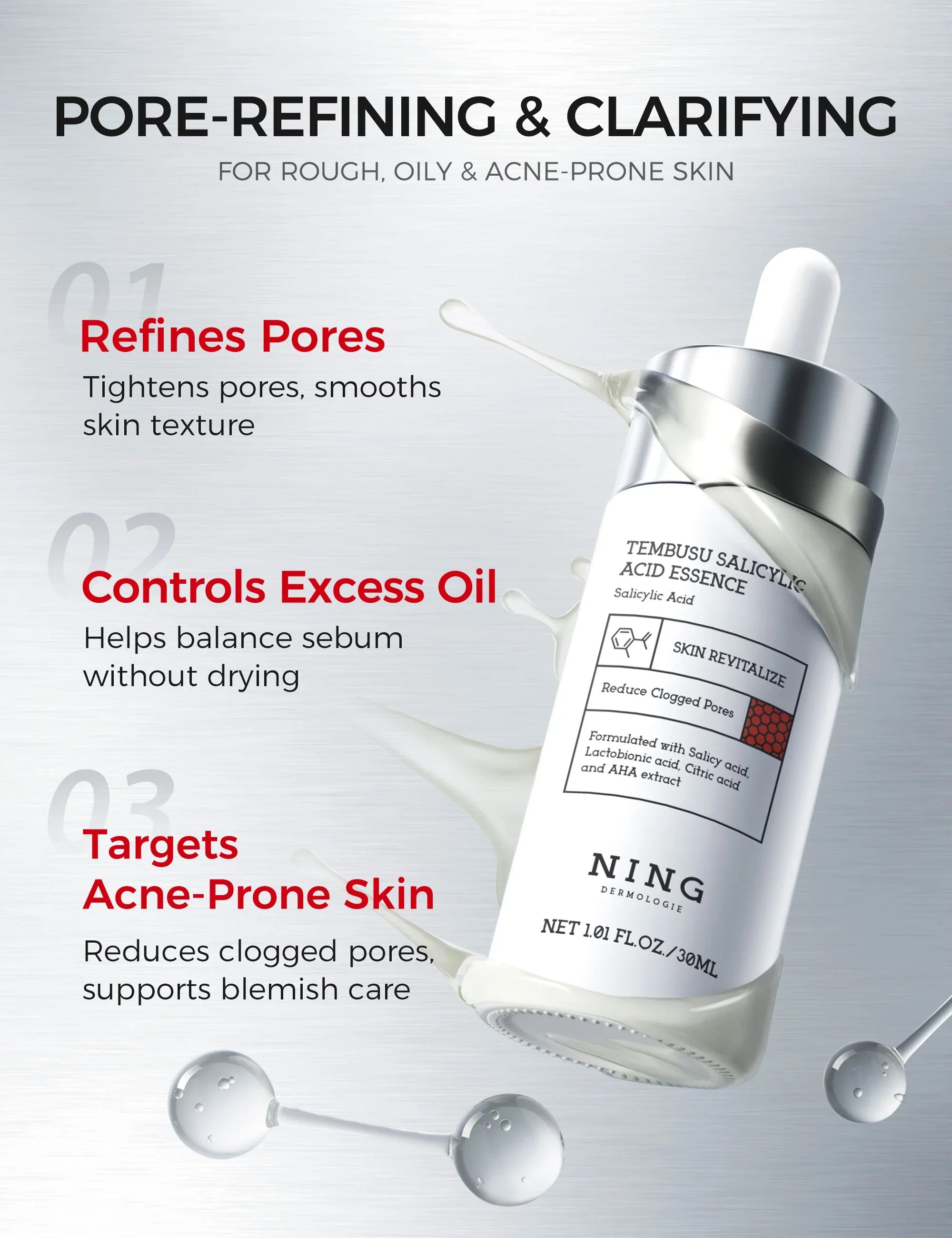
We chose a 2% concentration because the effect of salicylic acid is most potent at this level without being unnecessarily aggressive. This salicylic acid really targets the source of acne problems while the anti-inflammatory properties help soothe the skin, preventing that "raw" feeling often associated with various skin treatments.
How to Incorporate Salicylic Acid into Your Routine Without Wrecking Your Barrier
One of the biggest mistakes people make is overdoing it. They think, "If some is good, more is better." This leads to skin damage, a compromised skin barrier, and irritation to the skin.
If you want radiant skin, you have to play the long game. Here is how to incorporate salicylic acid safely:
-
The Patch Test
Before you apply it to your whole face, try a small amount on your jawline. Salicylic acid may cause a slight tingle, but it should never burn.
-
Start Slow (The "Low and Slow" Method)
If you have dry or sensitive skin, you shouldn't use it every day. Start with twice a week. Sensitive skin should start by letting the skin acclimate. As your skin type adjusts, you can gradually increase the frequency.
-
Layering Matters
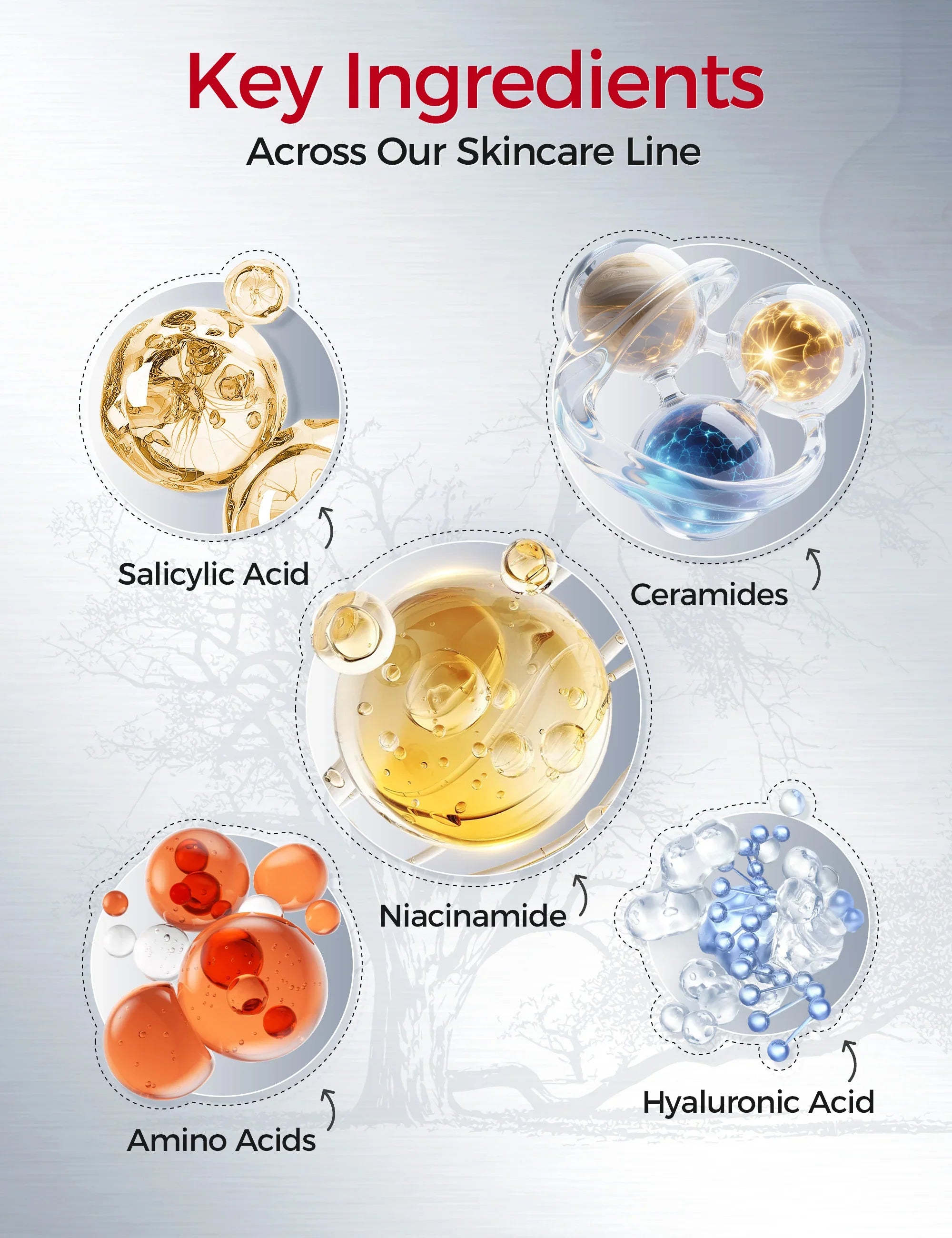
Does acid and niacinamide mix? Yes! In fact, using a hydrating serum alongside our 2% Salicylic Acid Serum can help reduce the potential for side effects of salicylic acid like dryness or peeling.
4. Sunscreen is Non-Negotiable
While BHA is less photosensitizing than AHAs, you are still revealing fresh, smoother skin. Protect those new layers of the skin with SPF 30+.
Dealing with the "Purge": Why It Gets Worse Before It Gets Better
Here is something most skin care brands won't tell you: You might break out more in the first two weeks.
This is called "purging." Because salicylic acid works by penetrating deep into the pores, it fast-tracks the lifecycle of pimples that were already forming. It’s clearing the "gunk" out. If your skin is still breaking out after 6 weeks, then it might be skin irritation rather than a purge, and you should use salicylic acid less frequently.
Salicylic Acid vs. Other Treatments: A Comparison
Many people ask, "Should I use salicylic acid or benzoyl peroxide?" or "Salicylic acid vs. glycolic acid?"
-
AHA (Glycolic/Lactic): Best for sun damage and fine lines. It stays on the surface.
-
Benzoyl Peroxide: Kills bacteria. Great for "angry" red bumps but doesn't do much for blackheads.
-
Salicylic Acid (BHA): The king of blackheads, whiteheads, and oily or combination skin. It’s also related to acetylsalicylic acid (aspirin), meaning it has natural anti-inflammatory properties help soothe the redness of a pimple.
For most people with acne-prone skin, the action of salicylic acid provides the most comprehensive results because it addresses the "clog" before it becomes an infection.
Special Considerations: Sensitive Skin and Darker Skin Tones
There’s a myth that salicylic acid is best only for very oily, "tough" skin. That’s not true. Even normal skin can benefit from occasional exfoliation to remove dead skin cells.
However, people with sensitive skin or darker skin tones need to be cautious. For darker skin, excessive skin irritation can lead to post-inflammatory hyperpigmentation (PIH). This is why we advised to use salicylic acid in a stabilized serum like the NING Dermologie formula, which balances potency with skin-comforting ingredients.
If you have dry or sensitive skin, look for "spot treating" rather than a full-face application. This allows the salicylic acid to help where you need it most without causing strip your skin of its necessary oils.

The Role of Salicylic Acid in Long-Term Skin Health
Using salicylic acid to exfoliate isn't just about fixing a pimple today. It’s about changing the environment of your skin. Regular use helps:
-
Keep the skin clear of micro-clogs.
-
Improve overall skin texture.
-
Help prevent future cystic breakouts.
-
Soothe the skin through its anti-inflammatory nature.
When you discover how salicylic acid interacts with your specific biology, you stop guessing and start glowing. It’s not magic; it’s just better chemistry.
Frequently Asked Questions (FAQ)
-
Can I use salicylic acid every day?
For most people with oily or combination skin, once-daily use is the goal. However, if you have dry or sensitive skin, every other day or even twice a week is plenty. Overusing it can strip your skin and damage your skin barrier, leading to "rebound oiliness" where your skin produces more oil to compensate for the dryness. Listen to your skin; if it feels tight or looks shiny (but not oily), back off.
-
Is the NING Dermologie 2% Serum safe for pregnancy?
Generally, doctors suggest avoiding high-dose salicylic acid (like chemical peels) during pregnancy. While low-concentration topical acne products (2% or less) are often considered low-risk, we always recommend you consult your obstetrician before starting any new acid during pregnancy. Every body is different, and professional medical advice is the only way to ensure total safety for you and your baby.
-
How long does it take to see results?
Patience is key. While you might feel smoother skin after just one use, the real benefits of salicylic acid for acne take time. You should expect to see a reduction in blackheads and pimple frequency after 4 to 6 weeks of consistent use. This timeline aligns with your skin's natural cell turnover cycle. Don't give up in the first two weeks if you experience a temporary "purge."
-
Can I mix salicylic acid with Vitamin C or Retinol?
It is best not to layer them at the exact same time, as this significantly increases the risk of skin irritation. A better skin care strategy is to use your Salicylic Acid Serum in the morning (followed by SPF) and your Retinol at night. Or, alternate days. Mixing too many active skin care products in one go can lead to skin damage and a "burn" sensation that sets your progress back weeks.
-
Will salicylic acid help with "maskne" or body acne?
Yes, absolutely! Salicylic acid works wonders for "maskne" because it dissolves the trapped sebum and dead skin caused by friction and heat under a mask. It is also highly effective for "bacne" (back acne) or chest breakouts. Because the skin on the body is thicker than the face, you can often use salicylic acid more frequently in those areas to clearer skin and help prevent future body breakouts.
Ready to stop the cycle of breakouts? Experience the difference that balanced chemistry makes. Shop the NING Dermologie 2% Salicylic Acid Serum here and give your pores the "deep clean" they’ve been waiting for.
Would you like me to create a customized 4-week routine guide for your specific skin type using this serum?


Share:
Beyond Acne: The Multifaceted Benefits of Salicylic Acid in Skincare
Improve Your Skincare Routine: Must-Have Salicylic Acid Serums of the Year