

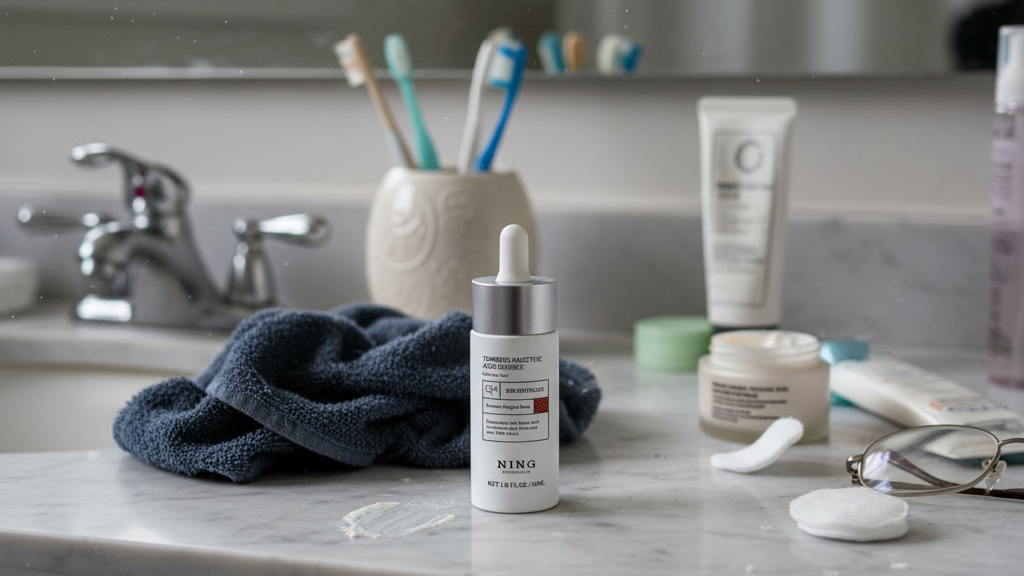
Salicylic Acid: The One Ingredient Your Skin Is Actually Begging For
We’ve all been there. You’re standing in front of the bathroom mirror, inspecting a breakout that decided to show up right before a big event. Or maybe you’re frustrated by those stubborn blackheads that seem to live permanently on your nose. If you’ve spent even five minutes researching skincare, you’ve run into the term salicylic acid. But here’s the thing: while everyone talks about it, few people actually know how to use it without wrecking their skin barrier.
At NING Dermologie, we believe skincare shouldn't be a guessing game. You deserve to understand the benefits of salicylic acid and, more importantly, how to make it work for your specific face. Whether you have oily, acne-prone skin or you're just looking for that elusive "glow," this guide is going to break down everything you need to know about this powerhouse ingredient.

Understanding Salicylic Acid: The Oil-Seeking Missile
First, let’s get the "science-y" part out of the way, but let’s keep it simple. What is salicylic acid? In technical terms, it’s a beta hydroxy acid (BHA). If you’ve used glycolic acid or lactic acid before, you’ve used AHAs (alpha hydroxy acids). Those are great for the surface of your skin, but they are water-soluble. They can't get through oil.
Salicylic acid is a beta-hydroxy acid that is oil-soluble. Think of it like a "drain cleaner" for your pores. While AHAs "unglue" the dead skin cells on the surface, salicylic acid works by diving deep into the follicle. It’s derived from willow bark, and its unique molecular structure allows it to penetrate the lipid layers of the skin. This makes salicylic acid for skin that is oily or prone to congestion an absolute must-have.
Why Is This Acid Good for You?
The reason salicylic acid is renowned in the dermatology world isn't just because it kills bacteria. It’s because it addresses the root cause of most skin concerns: the sebum and dead skin cells that get stuck together. When your skin produces too much oil, it acts like a glue, trapping dead skin cells together inside the pore. This leads to blackheads and whiteheads. Salicylic acid helps by breaking those bonds, allowing the "gunk" to flow out naturally.
The Big Wins: Salicylic Acid Benefits for Skin
If you’re wondering if you should incorporate salicylic acid into your routine, look at your primary goals. Here is why we at NING Dermologie advocate for its regular use in a balanced routine.
1. Improving Skin Texture and Tone
One of the most immediate salicylic acid benefits is its ability to exfoliate the skin. When you remove the top layer of dull, dead skin cells, you’re left with smoother skin underneath. Over time, this helps to improve skin texture and tone, making your complexion look more uniform. If you struggle with a "rough" feeling or uneven skin tone and texture, this BHA is your best friend.
2. The Ultimate Acne Treatment
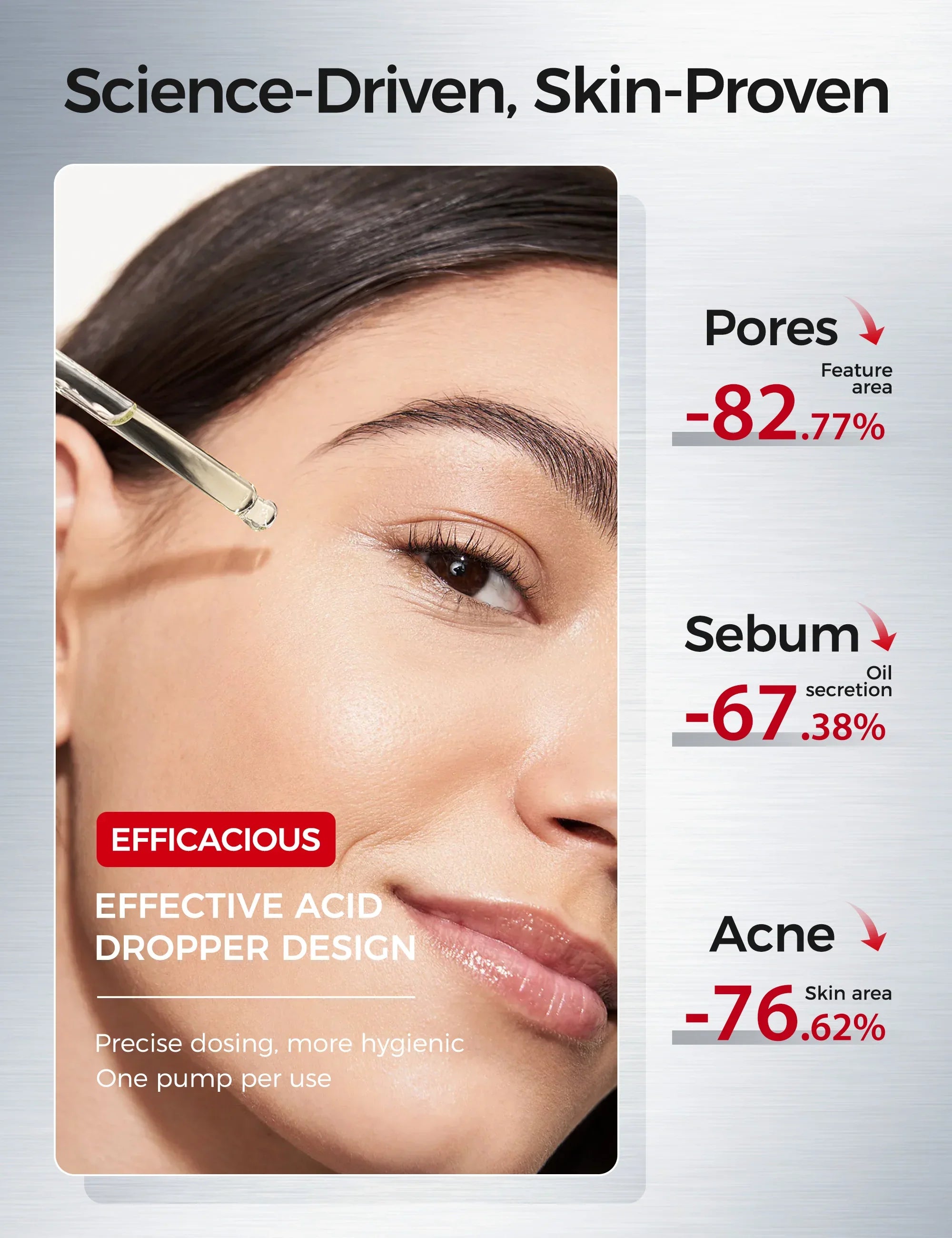
For oily and acne-prone skin, salicylic acid serum is often the gold standard. Because salicylic acid has anti-inflammatory properties, it doesn’t just clear out the pore; it also calms the redness associated with a breakout. It’s not just about fixing the pimple you have today; it’s about preventing the one that’s forming for next week. By keeping the pores clear, salicylic acid works to stop the acne cycle before it even starts.
3. Enhancing Skin Clarity for Radiant Skin
We all want radiant skin, but you can’t get that glow if your skin is covered in a layer of old cells. Salicylic acid promotes cell turnover. By assisting in the removal of dead skin cells, it allows light to reflect off your skin more evenly. The result? Healthier skin that looks bright and energized, not dull and tired.
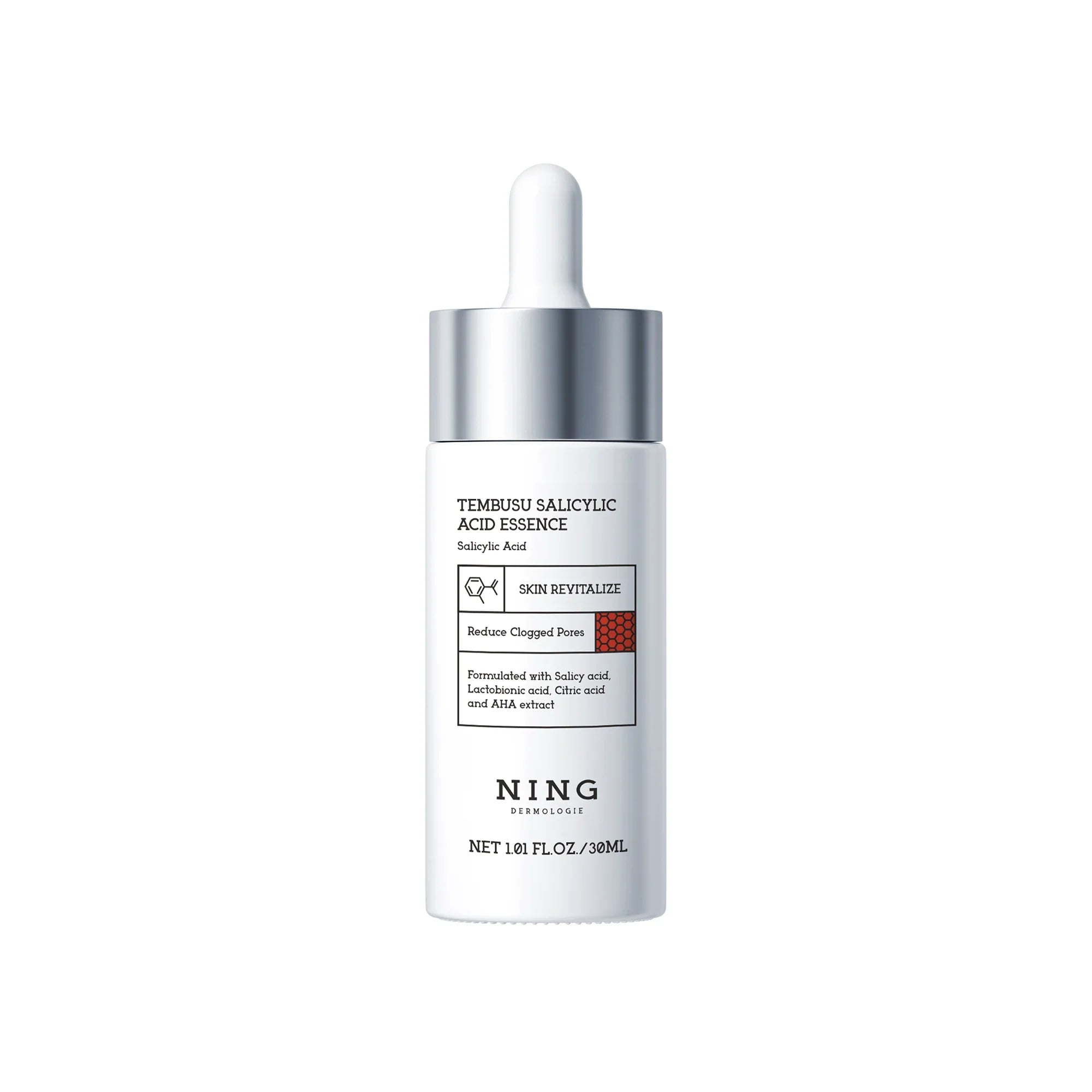
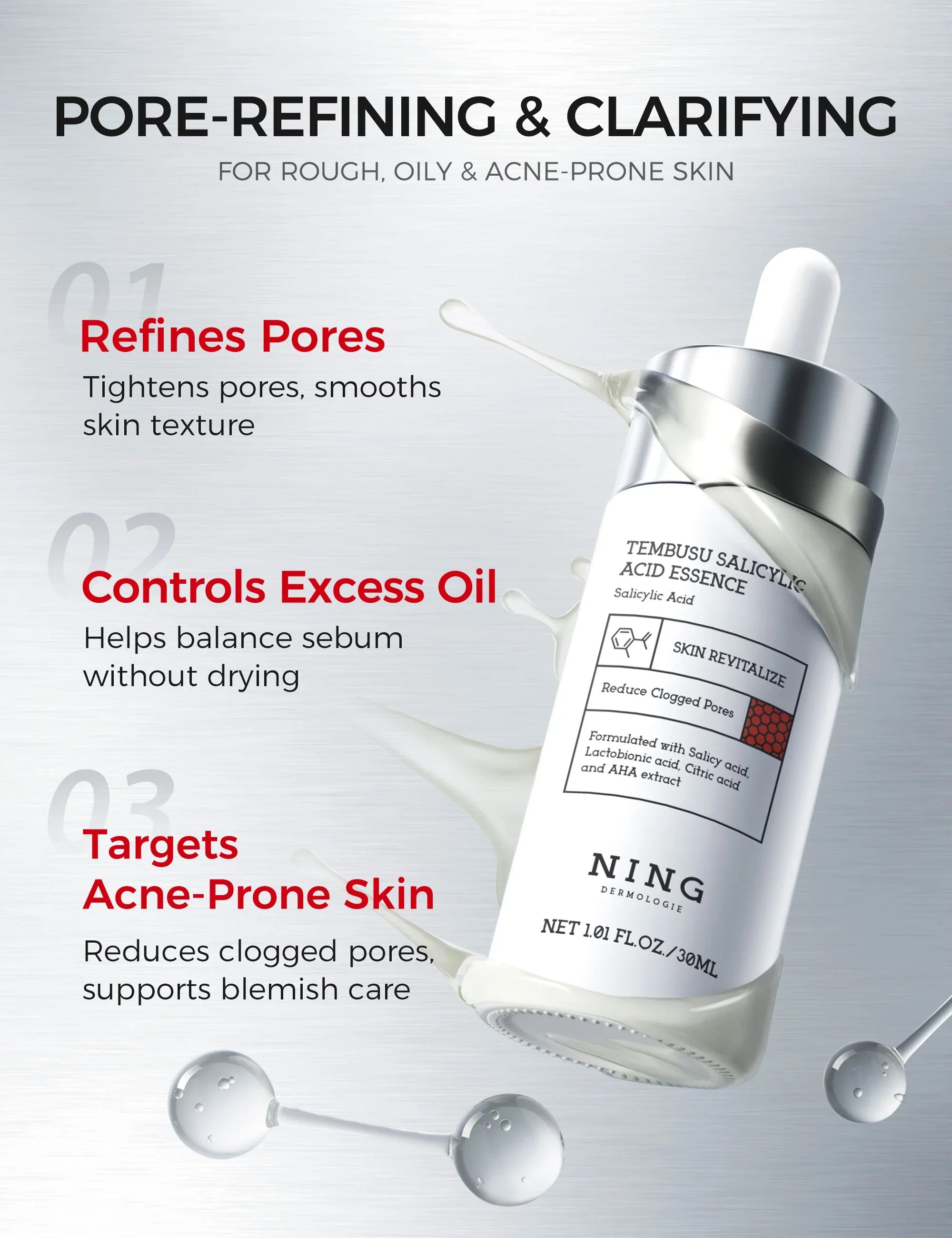
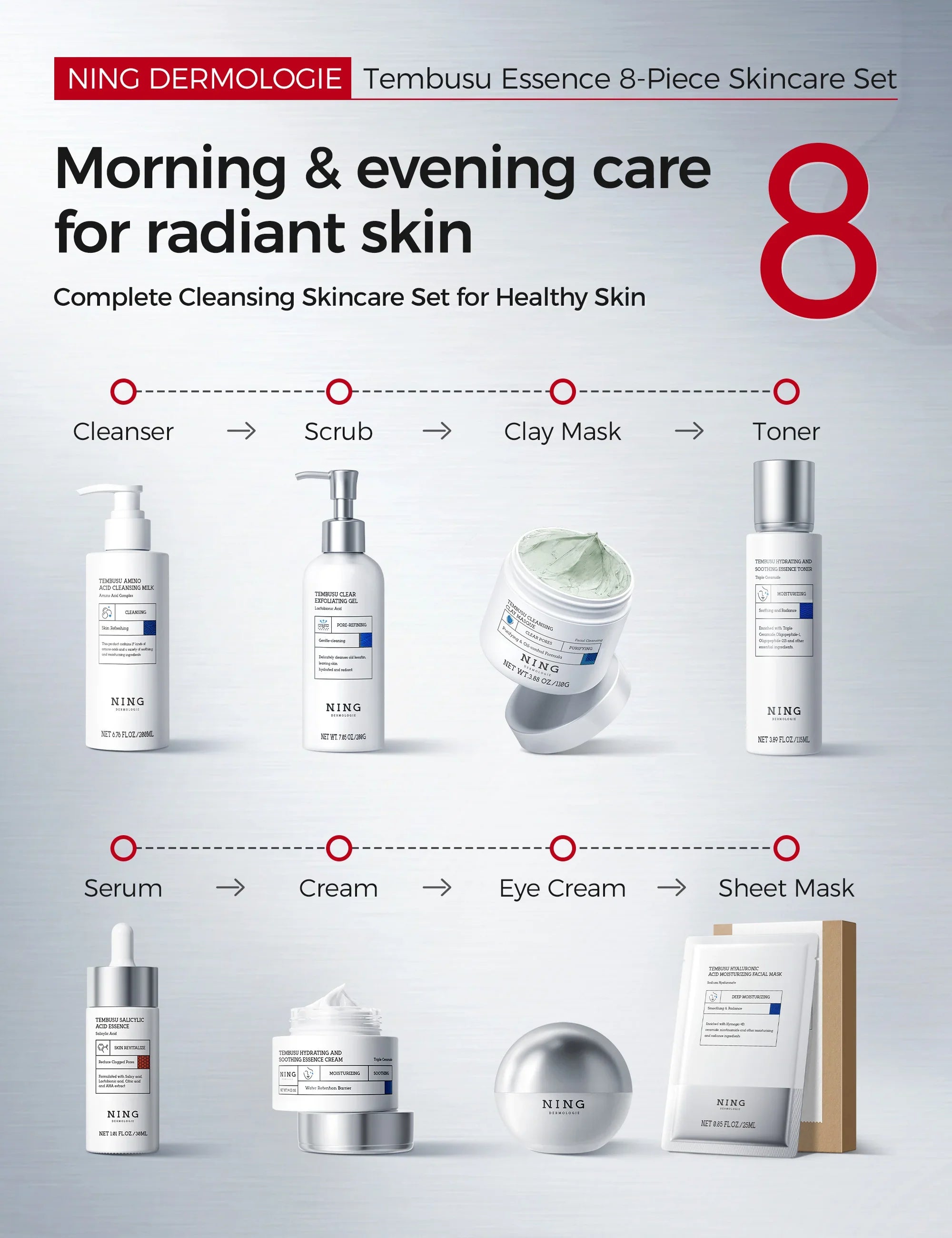
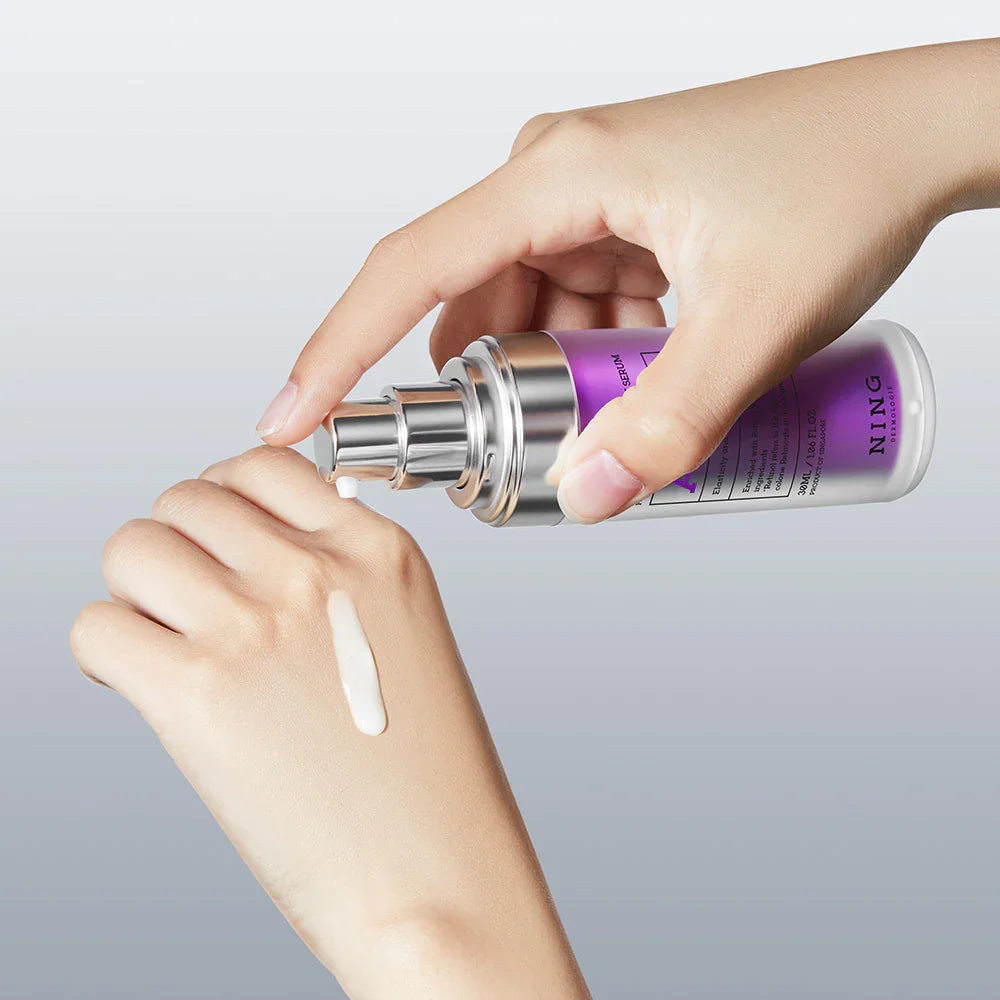
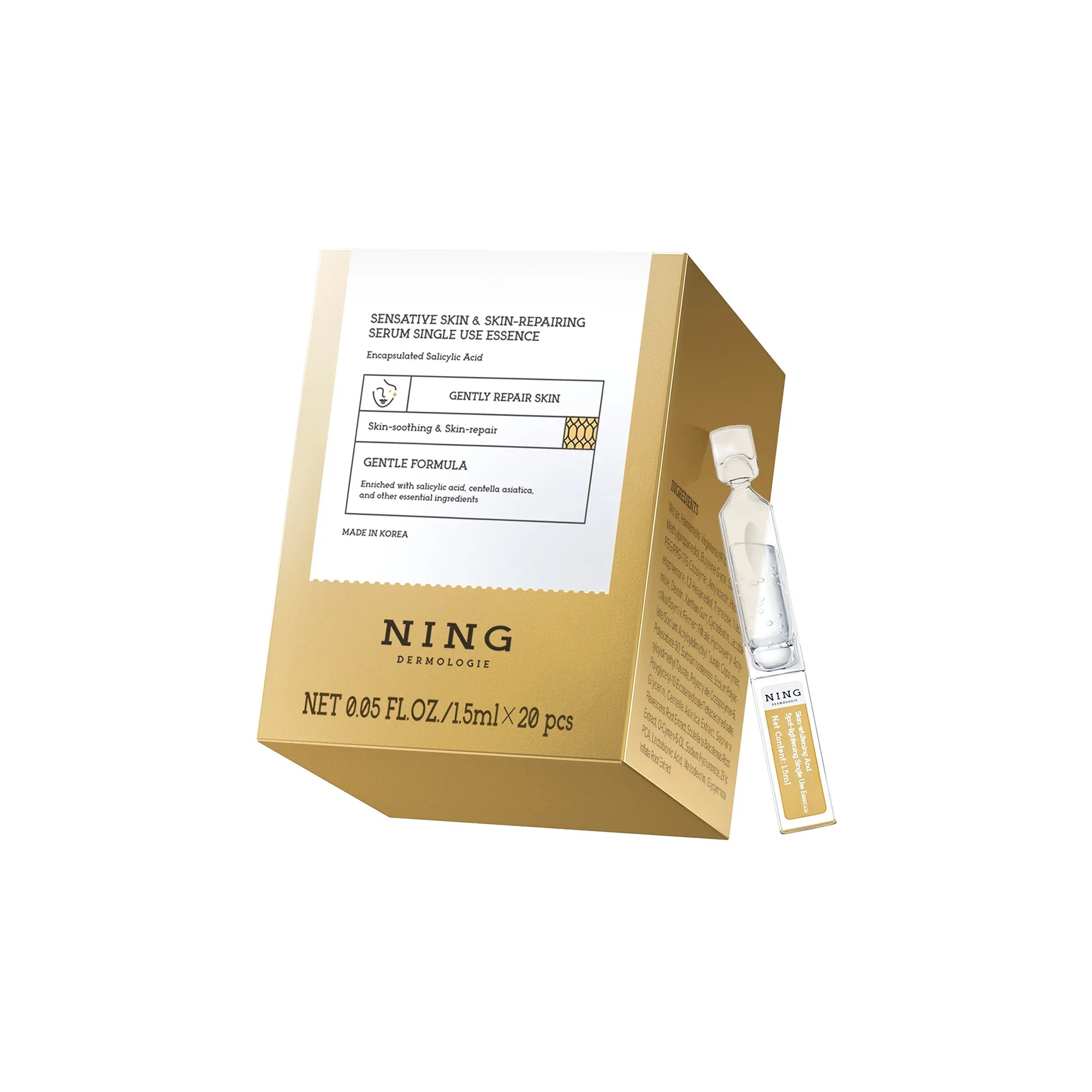
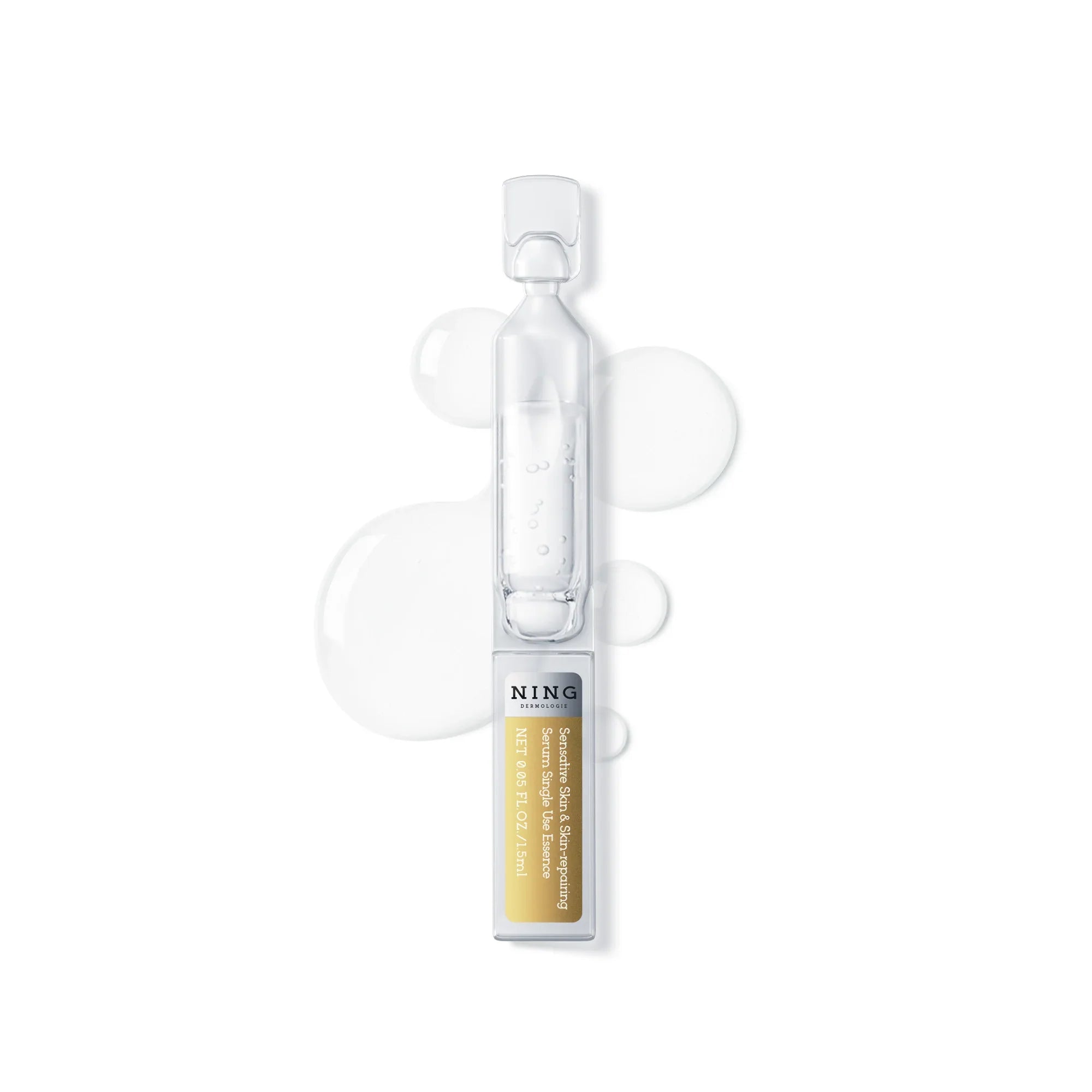
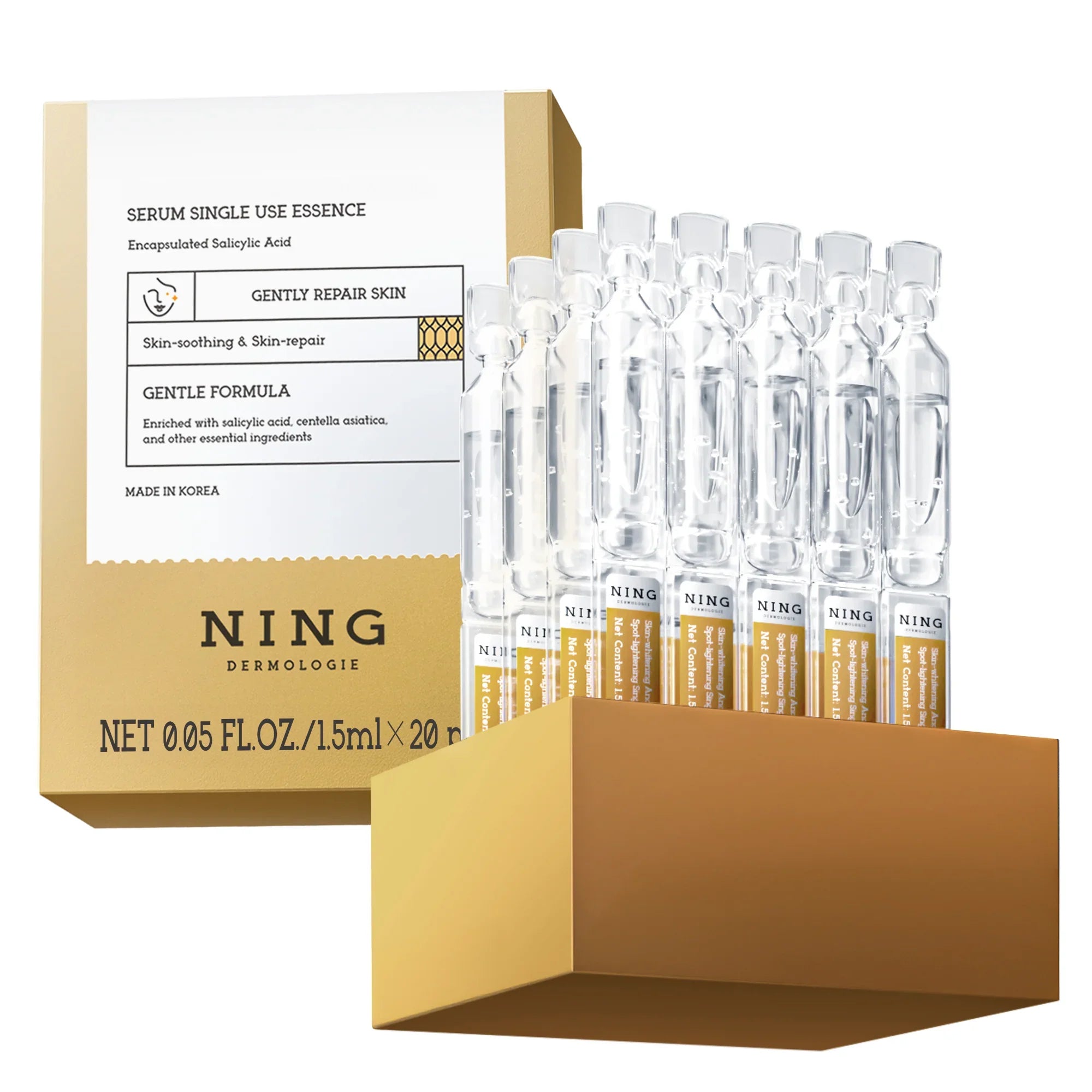
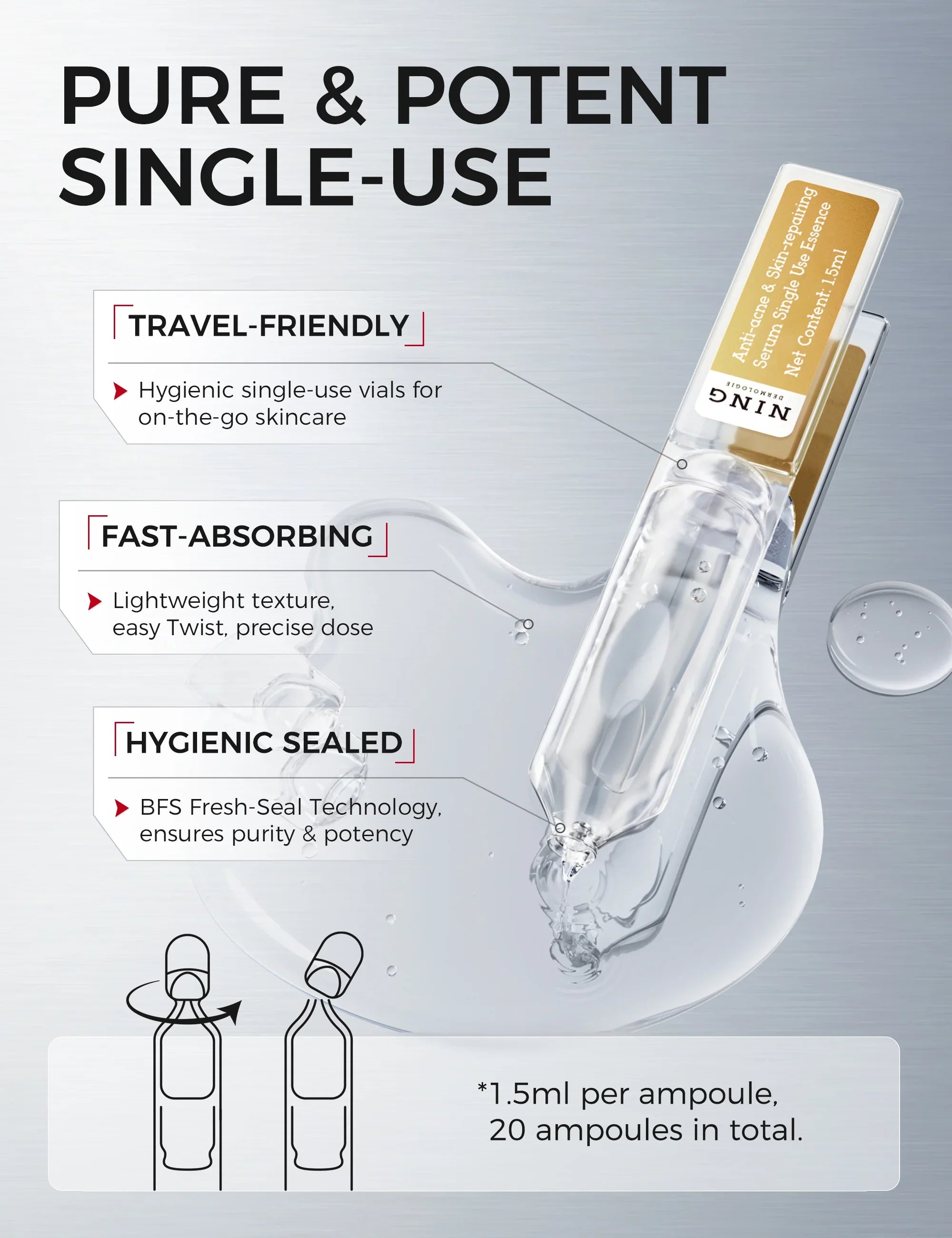
Introducing the NING Dermologie 2% Salicylic Acid Serum
Not all BHA products are created equal. Some are too harsh, stripping the skin and leaving it red. Others are so weak they don't do anything. We developed the NING Dermologie 2% Salicylic Acid Serum to hit that "sweet spot."
Our formula focuses on enhancing skin health without compromising the skin barrier. We know that salicylic acid can increase sensitivity if the formula isn't balanced. That’s why our salicylic acid product combines the power of BHA with soothing agents to ensure that even those with sensitive skin types (when used cautiously) can see results.
How to Properly Use Salicylic Acid Serum
This is where most people go wrong. They buy a salicylic acid product, apply it three times a day, and then wonder why their face is peeling. To get the full benefits of salicylic acid, you have to be smart about your skin care.
Step 1: Start Slow
If you are new to salicylic acid, do not use it every day. Start with twice a week at night. Let your skin to adjust to the chemical exfoliation. You can gradually increase to daily use as your skin builds tolerance.
Step 2: Cleanse and Prep
Apply salicylic acid to clean, dry skin. Water can sometimes interfere with the acid's penetration or cause it to irritate the surface. A thin layer is all you need—more is not better in the world of acids.
Step 3: Hydrate, Hydrate, Hydrate
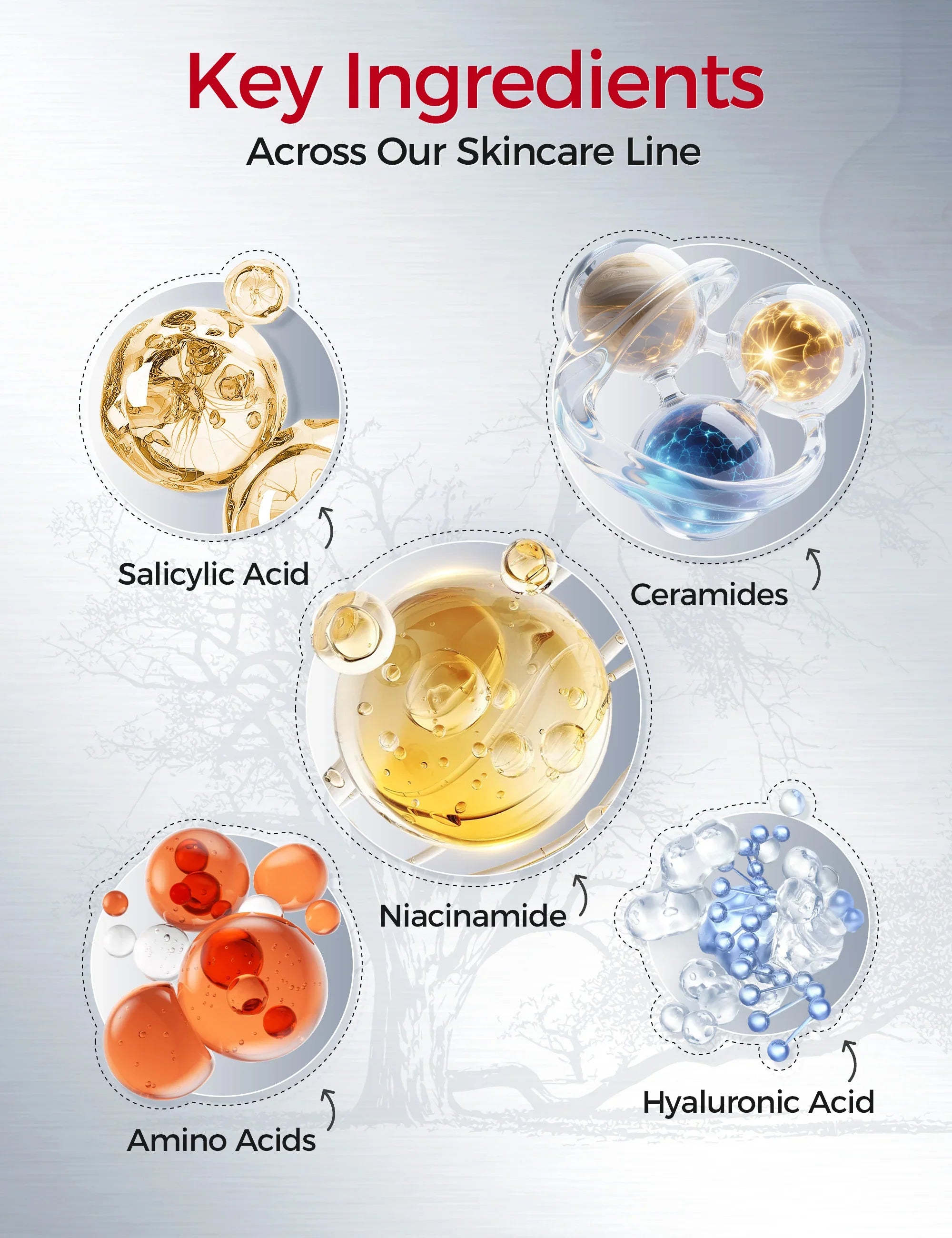
Since salicylic acid is its ability to dry out excess oil, it can sometimes lead to dry skin if you aren't careful. Always follow up with a good moisturizer. Look for ingredients like hyaluronic acid or ceramides to protect the skin and support your skin barrier.
Step 4: Sun Protection is Non-Negotiable
While BHA isn't as photosensitizing as AHAs or Retinol, you are still revealing fresh skin underneath. You must wear SPF. Salicylic acid helps your skin look better, but the sun will undo all that work in an afternoon if you aren't protected.
Combining Salicylic Acid into Your Skincare Routine
"Can I use this with my other stuff?" This is the #1 question we get. Salicylic acid into your skincare routine needs to be managed like a team—not everyone can be the captain at the same time.
- Salicylic Acid + Hyaluronic Acid: A match made in heaven. The BHA exfoliates, and the hyaluronic acid replenishes moisture.
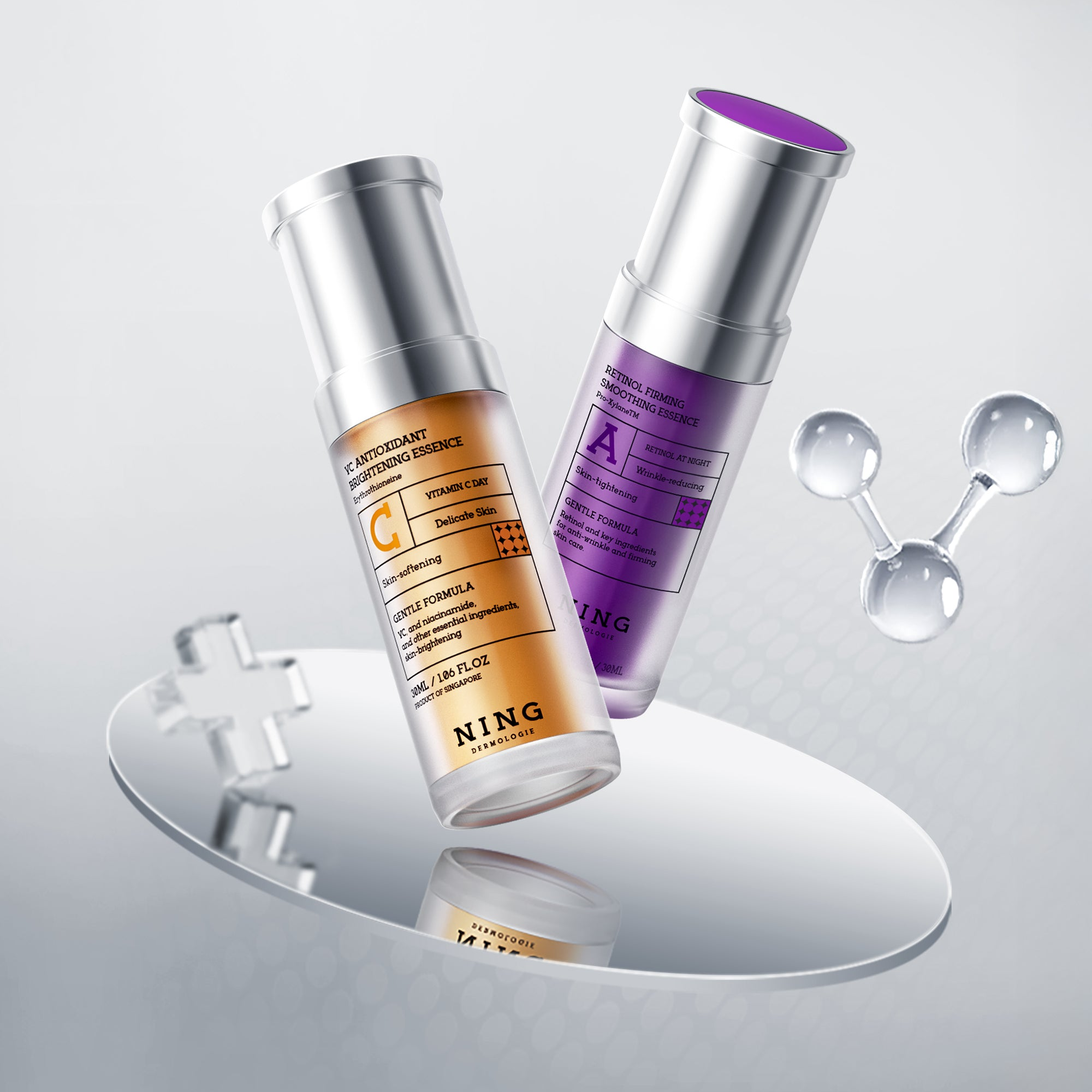
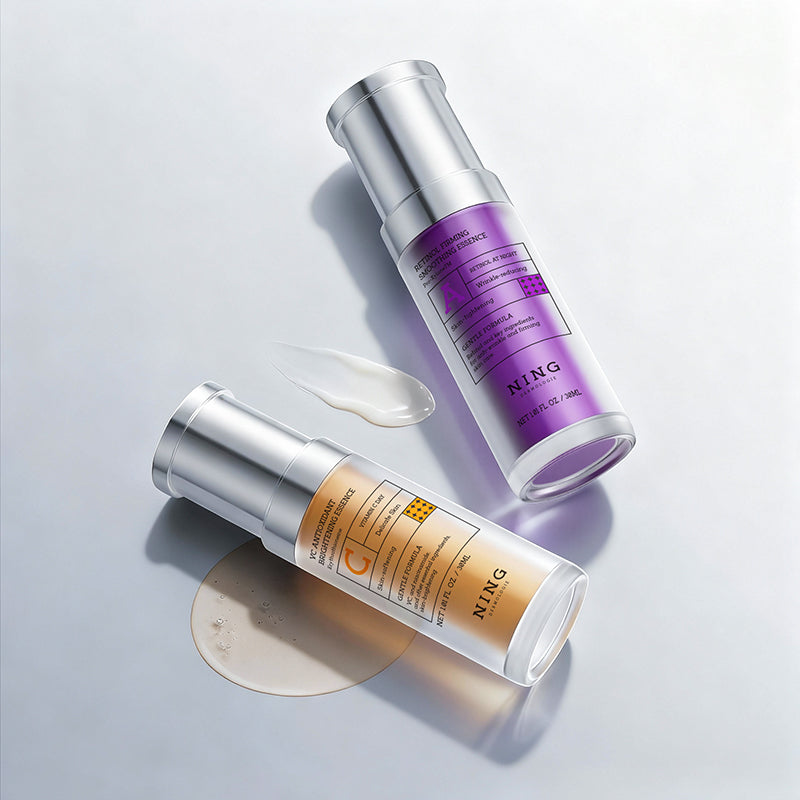
- Salicylic Acid + Vitamin C: Use Vitamin C in the morning and your salicylic acid serum at night. Using them at the same time can sometimes be too much for sensitive skin.
- Salicylic Acid + Retinol: Proceed with caution. Unless your skin is very resilient, don't use them in the same session. Alternate nights to avoid skin irritation.
Is Salicylic Acid Bad for Skin? (The Reality Check)
Let’s be real: no ingredient is perfect for everyone. While salicylic acid is best known for its miracle-working on acne, it can have drawbacks.
Is it bad for skin? No. But is it bad for everyone's skin? It can be. If you have extremely dry skin or certain skin conditions like rosacea, you need to be very careful. Salicylic acid’s anti-inflammatory properties are great, but the exfoliation might be too aggressive for a compromised barrier.
Signs you should stop or slow down:
- Excessive stinging that doesn't go away.
- Peeling or flaking in areas where you don't usually have issues.
- Sensitive skin that feels "tight" or "shiny" but isn't oily (a sign of over-exfoliation).
At NING Dermologie, we want you to have clearer skin, but not at the cost of your comfort. If you notice these signs, take a break for a week and focus solely on hydration.
Understanding Different Skin Types
How you use salicylic acid depends entirely on your biology:
- Oily Skin Types: You are the primary candidate. You can likely work up to daily use to keep sebum and dead skin cells under control.
- Combination Skin: Focus the salicylic acid product only on your T-zone (forehead, nose, chin). Avoid the cheeks if they tend to be dry.
- Sensitive Skin: Look for products with a lower percentage or use a "rinse-off" salicylic acid cleanser instead of a leave-on serum.

Final Thoughts: Why NING Dermologie?
The market is flooded with products containing salicylic acid. You can find them at the drugstore or at high-end boutiques. So why choose us? Because NING Dermologie focuses on the integrity of the skin. Our 2% Salicylic Acid Serum isn't just a bottle of acid; it's a tool designed to give you even skin and healthier skin without the drama of over-drying the skin.
Skincare is a marathon, not a sprint. By understanding how salicylic acid works and respecting your skin barrier, you can unlock radiant skin that lasts.
Frequently Asked Questions (FAQ)
1. Can I use salicylic acid every day?
Honestly, don't rush it. Everyone wants results overnight, but jumping straight into daily use is the fastest way to irritate your face. Start with twice a week. If your skin stays calm, you can try every other night. Oily types usually handle it better, but if you feel "tight" or see redness, back off immediately. It’s about consistency, not speed.
2. Is it normal to "purge" when I start using BHA?
Yeah, it’s that "gets worse before it gets better" phase. Since salicylic acid helps pull out deep gunk, you might see more spots for a week or two. It’s just the stuff that was already hiding under your pores coming to a head. If you’re still breaking out in totally new spots after a month, then it might be a reaction, not a purge.
3. Can I use salicylic acid if I have dry skin?
You can, but don't slather it everywhere. If you're already prone to dry skin, just dab it on oily spots like your nose or chin. Make sure you're using a heavy-duty moisturizer with hyaluronic acid afterward. If your face starts flaking, you're definitely doing too much. Using it as a targeted spot treatment is usually the safest bet for drier types.
4. What is the difference between Salicylic Acid and Glycolic Acid?
Think of it like this: salicylic acid (BHA) is a "pore cleaner" because it loves oil and gets inside the congestion. Glycolic acid (AHA) is more of a "surface polisher" that helps with glow and fading dark spots. If you're dealing with active acne and grease, stick with BHA. If you just want smoother-looking skin and less dullness, AHA is usually the way to go.
5. Can I use this serum during the day?
You can, but why risk the extra sun sensitivity? Most people find it way easier to use at night. If you do apply it in the AM, you absolutely cannot skip sunscreen. Also, don't mix it with Vitamin C in the same sitting. I usually suggest keeping the NING Dermologie 2% Salicylic Acid Serum for the evening so it can work while you sleep.
Ready to transform your skin? Check out the NING Dermologie 2% Salicylic Acid Serum and start your journey toward a clearer, more confident you. Your skin has been waiting for this.


Share:
Say Goodbye to Breakouts with These Top-Rated Salicylic Acid Serums
Which vitamin C serum brands have the best reviews for face use?