



Finding The Perfect Fit: A Realistic Guide to the Best Clay Mask for Your Skin
Sitting on the edge of the bathtub with a face so stiff we can’t even crack a smile, wondering if this "radiant glow" everyone talks about is worth the sensation of our skin being vacuum-sealed. The world of clay masks is vast, messy, and occasionally confusing. But when you choose the right formula, it isn’t just about the "mud"; it’s about a targeted mineral treatment that can fundamentally shift your skincare routine.
If you’ve ever felt like a clay mask left you red, itchy, or parched, the problem probably wasn’t the clay itself. It was likely a mismatch between the types of clay used and your specific skin type. This is your comprehensive guide to navigating those jars and tubes to find the best clay for your unique face.

Choosing the Right Clay Mask: Why It’s More Than Just Mud
Centuries before we had lab-synthesized acids and serums, people were digging into the earth to cleanse and purify the skin. Clay isn’t just dirt; it’s a mineral-dense substance formed over eons through the weathering of rocks. Its power lies in its absorbent properties. Think of clay as a microscopic magnet. Because many clays carry a negative electrical charge, they naturally draw out impurities and toxins that carry a positive charge.
However, not all "magnets" are equal. Some are industrial-strength (think bentonite), while others are as gentle as a silk cloth (like white clay or kaolin). Choosing the right clay mask means understanding this intensity scale.
Understanding Your Skin Type and Concerns
Before you even look at a product label, you need to be honest about what your skin is doing at 3 PM on a Tuesday. Understanding your skin type is the only way to ensure the clay is right for you.
Oily and Acne-Prone Skin Types
If your forehead looks like a mirror by noon and you’re dealing with frequent breakout episodes, you have oily and acne-prone skin. Your primary goal is to absorb excess oil and unclog pores without triggering a rebound effect where your skin produces even more oil to compensate.
Dry Skin
If your skin often feels tight, looks flaky, or has fine lines that become more visible after washing, you have dry skin. Most people with this profile avoid the world of clay masks because they fear the "desert-dry" feeling. But the right pink clay mask can actually nourish the skin and brighten a dull complexion without stripping the skin barrier.
Sensitive Skin
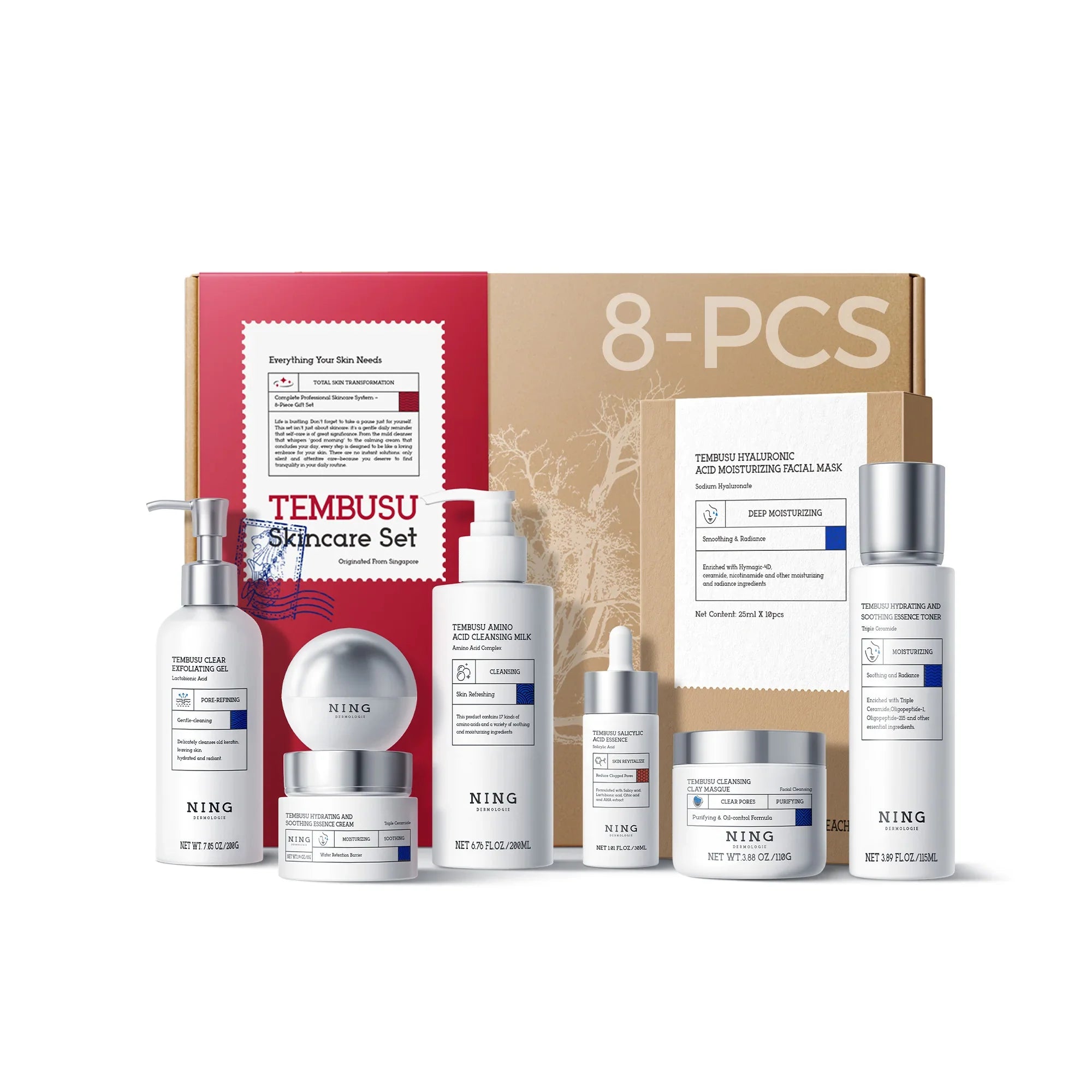
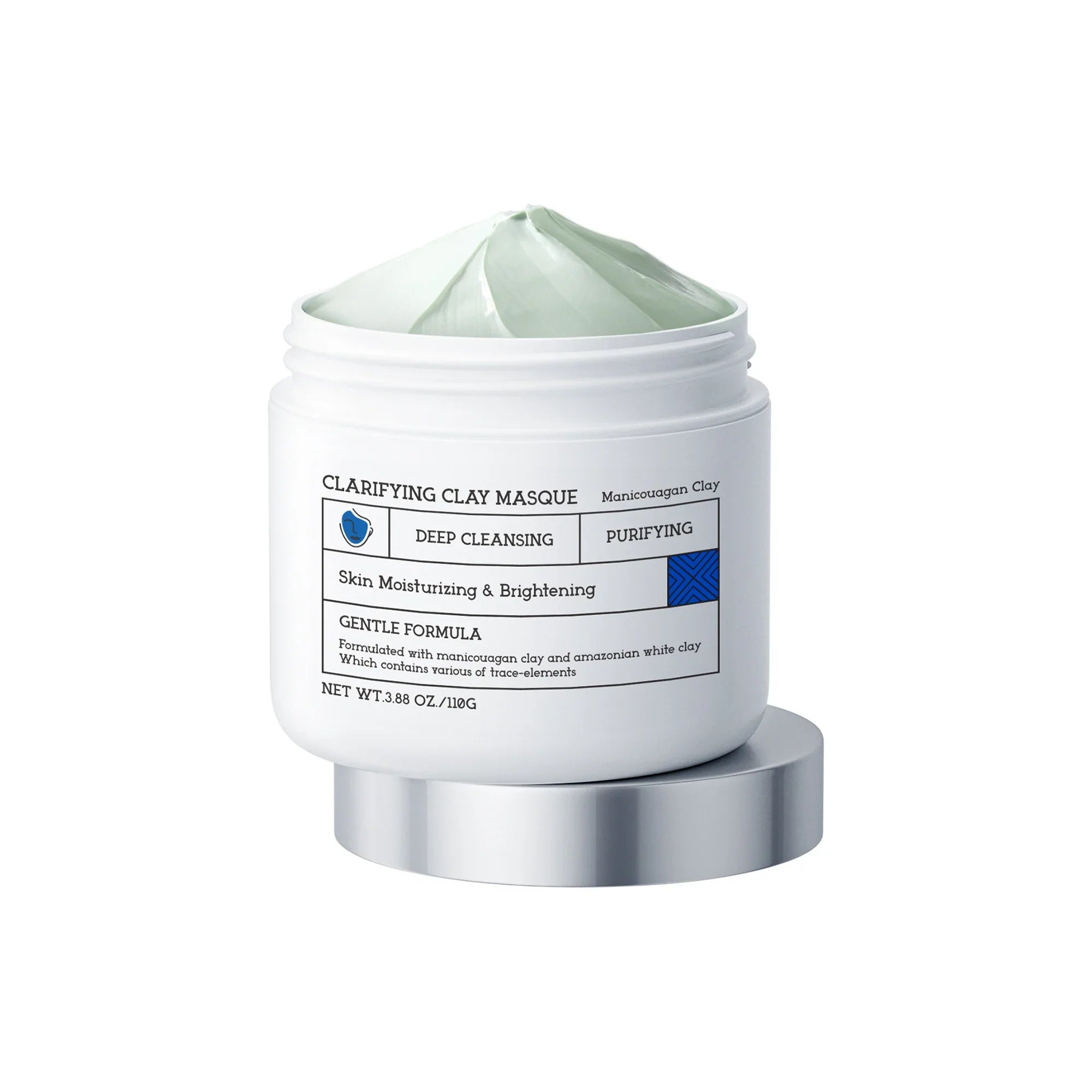
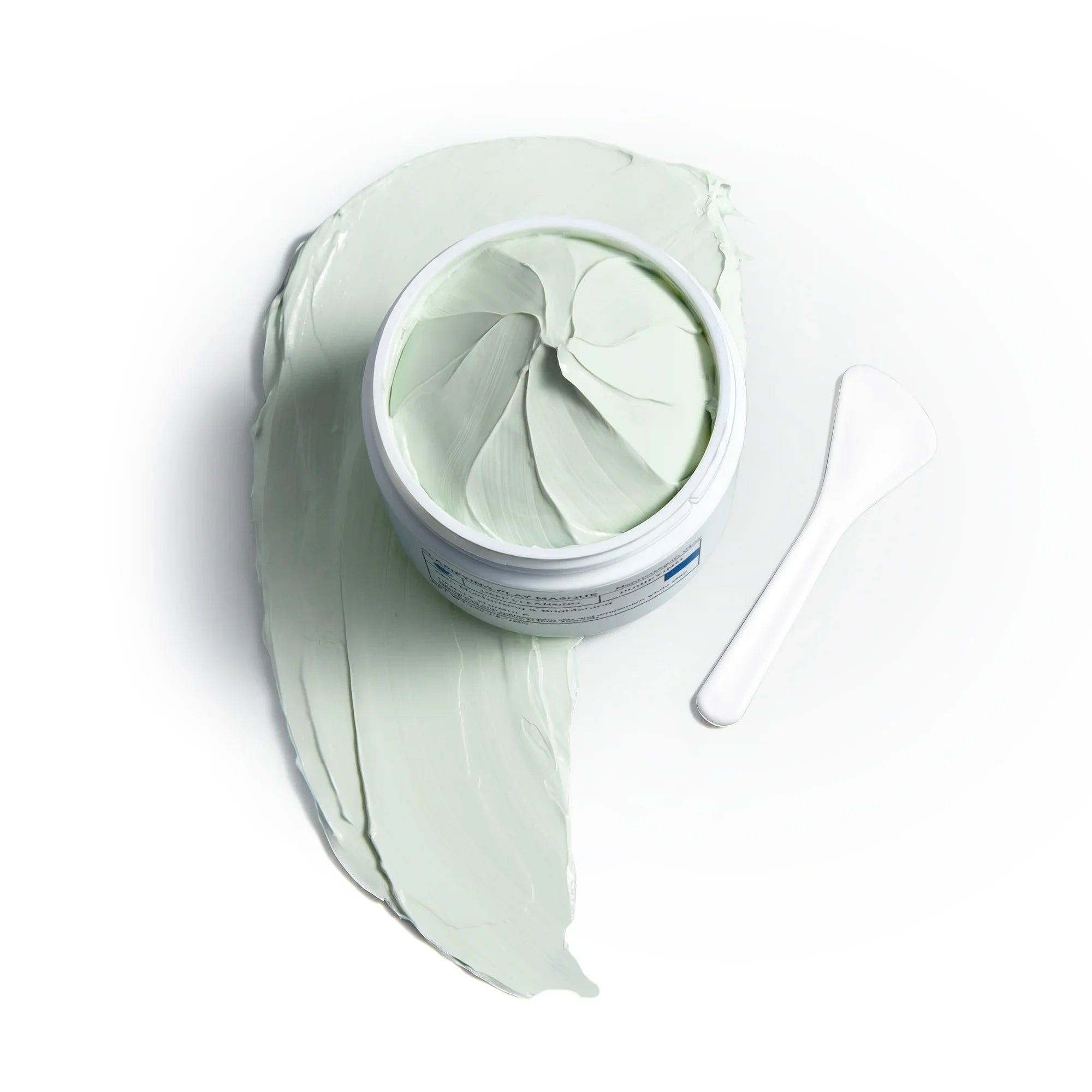
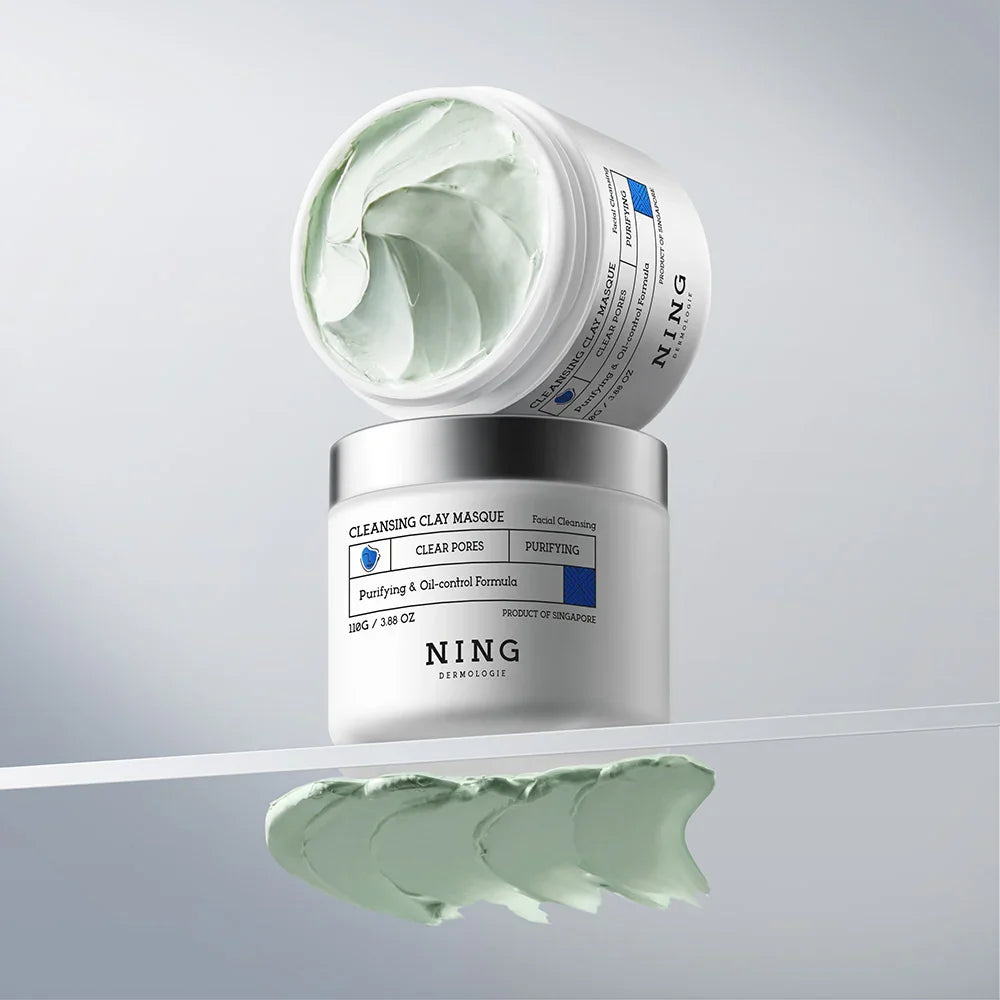
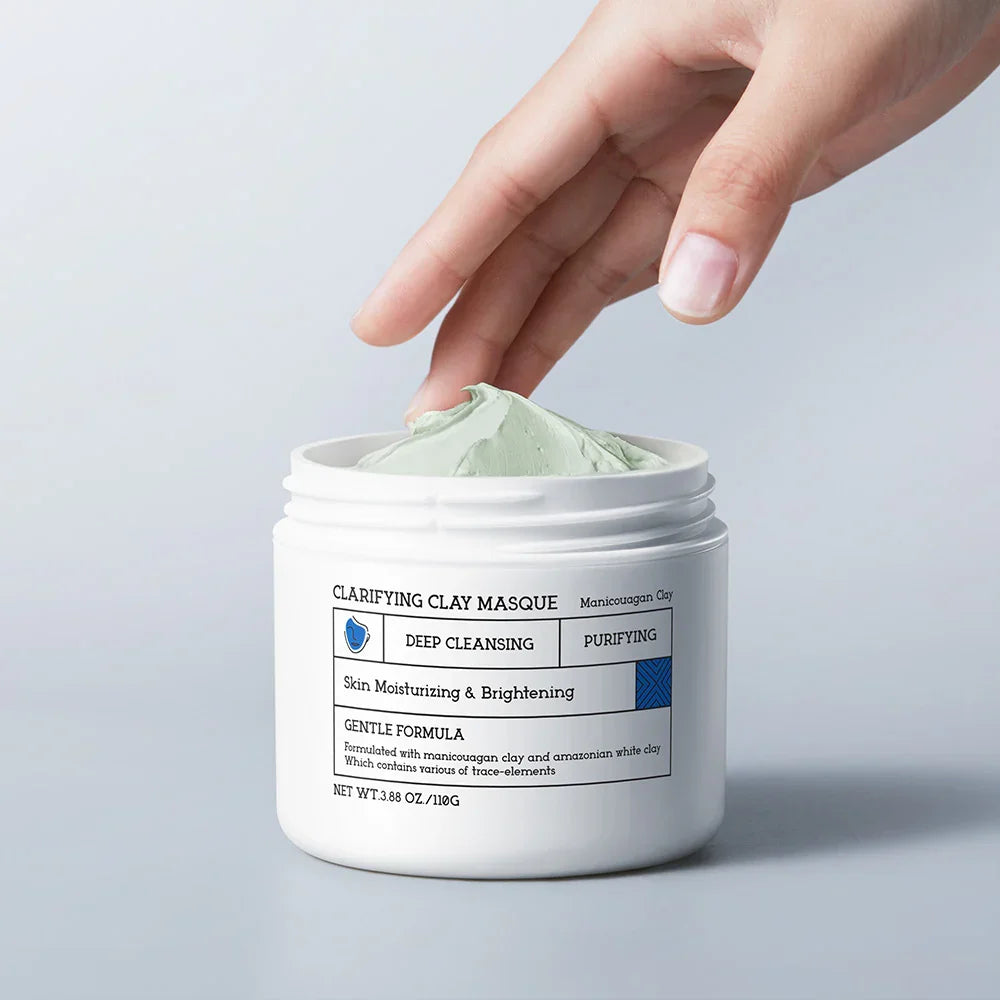
This is the trickiest category. If you turn red just by looking at a new product, you need a clay mask for your skin that focuses on "soothing" rather than "scrubbing." At NING Dermologie, we’ve seen how often people with sensitive skin are left out of the conversation. That’s why we developed the Clay Mask for Face Sensitive Skin. It’s designed to cleanse without the typical "crack and itch" sensation.
Combination Skin
You’re the "multi-masker." Your T-zone (forehead, nose, chin) is an oily skin situation, but your cheeks are dry. You need a range of clay masks or a very balanced formula that can remove impurities from the skin in one area while keeping the rest hydrated and balanced.
Decoding the Types of Clay: Which One Is Right for Your Skin?
The variety of clay types available can be overwhelming. Here’s a breakdown of the heavy hitters and how they affect various skin types.
Bentonite Clay: The Heavy Lifter
Derived from volcanic ash, bentonite clay is highly effective at deep cleaning. When it gets wet, it expands like a sponge, creating a huge surface area to absorb oil and impurities. It’s the best clay for oily and acne-prone skin because it literally sucks the sebum out of the pore. However, if you have normal skin or dryness, stay away—it’s too aggressive.
Kaolin Clay (White, Red, and Pink)
Kaolin clay is the "gentle giant" of the skincare world.
- White Kaolin: The mildest. It doesn't absorb oil aggressively, making it gentle and suitable for sensitive profiles.
- Red Kaolin: Has higher absorbent power and is rich in minerals, specifically iron oxide, which helps brighten the skin.
- Pink Clay: A hybrid of the two. A pink clay mask is the best clay mask for someone wanting to improve skin texture and achieve radiant skin without a harsh detox.
French Green Clay (Illite Clay)
The green color comes from decomposed plant matter (like kelp) and iron oxides. French green clay is legendary for its ability to stimulate blood flow. It’s fantastic for oily skin because it helps tighten the appearance of the pore while it works.
Rhassoul Clay
Sourced from the Atlas Mountains in Morocco, rhassoul clay is unique because it’s rich in minerals like magnesium and potassium. It’s often used in high-end cosmetic treatments because it improves skin elasticity and skin tone. It has a silky texture that feels more like a cream than a mud.
Guide to the Best Application: The NING Dermologie Method
You’ve found the right for your skin formula. Now, don’t ruin the experience with poor technique. Most people use a clay mask incorrectly.
-
Prep the Canvas: Always cleanse your face first. If you apply clay over makeup or sunscreen, the clay will just sit on top of the debris instead of reaching the impurities from the skin.
-
The "Goldilocks" Layer: You don't need a half-inch of mud. A thin, opaque layer is sufficient.
-
The Timing Rule: This is the most important part of our guide to clay. Never let the mask get to the "dusty and cracking" stage. If it’s crumbling off your face, you’ve gone too far. The clay has already absorbed the bad stuff; now it’s starting to suck the moisture out of your skin cells. Rinse when it still feels slightly tacky to the touch.
-
The Removal: Use warm water and a soft cloth. Don't scrub. Let the water rehydrate the clay so it slides off easily.
The Specific Struggle of Sensitive Skin
If you belong to the sensitive skin camp, your skin barrier is likely a bit more permeable. Standard bentonite masks can cause micro-tears or extreme dehydration. When selecting a clay product, look for "creamy" textures rather than "chalky" ones.
Our NING Dermologie Clay Mask for Face Sensitive Skin was formulated specifically to solve this. It utilizes a kaolin base to remove impurities but incorporates botanical agents that soothe the skin simultaneously. The goal is to leave the skin feeling soft, not "squeaky clean," which is often a sign of damage.
Deep Dive: How Clay Masks Improve Skin Texture
Beyond just cleaning out a clogged pore, regular use of clay masks acts as a gentle form of exfoliation. As the mask dries slightly, it grips onto dead skin cells on the surface. When you rinse, those cells are washed away, instantly improving skin texture and revealing a glowing skin underneath.
For those struggling with acne, the bentonite or green clay helps by drying out the impurity inside a breakout without you needing to pick at it. It’s a passive way to manage skin concerns that otherwise lead to scarring.
Guide to the Best Post-Mask Routine
What you do after you use a clay mask is just as important as the mask itself. Because clay is absorbent, your skin will be "hungry" for hydration immediately after.
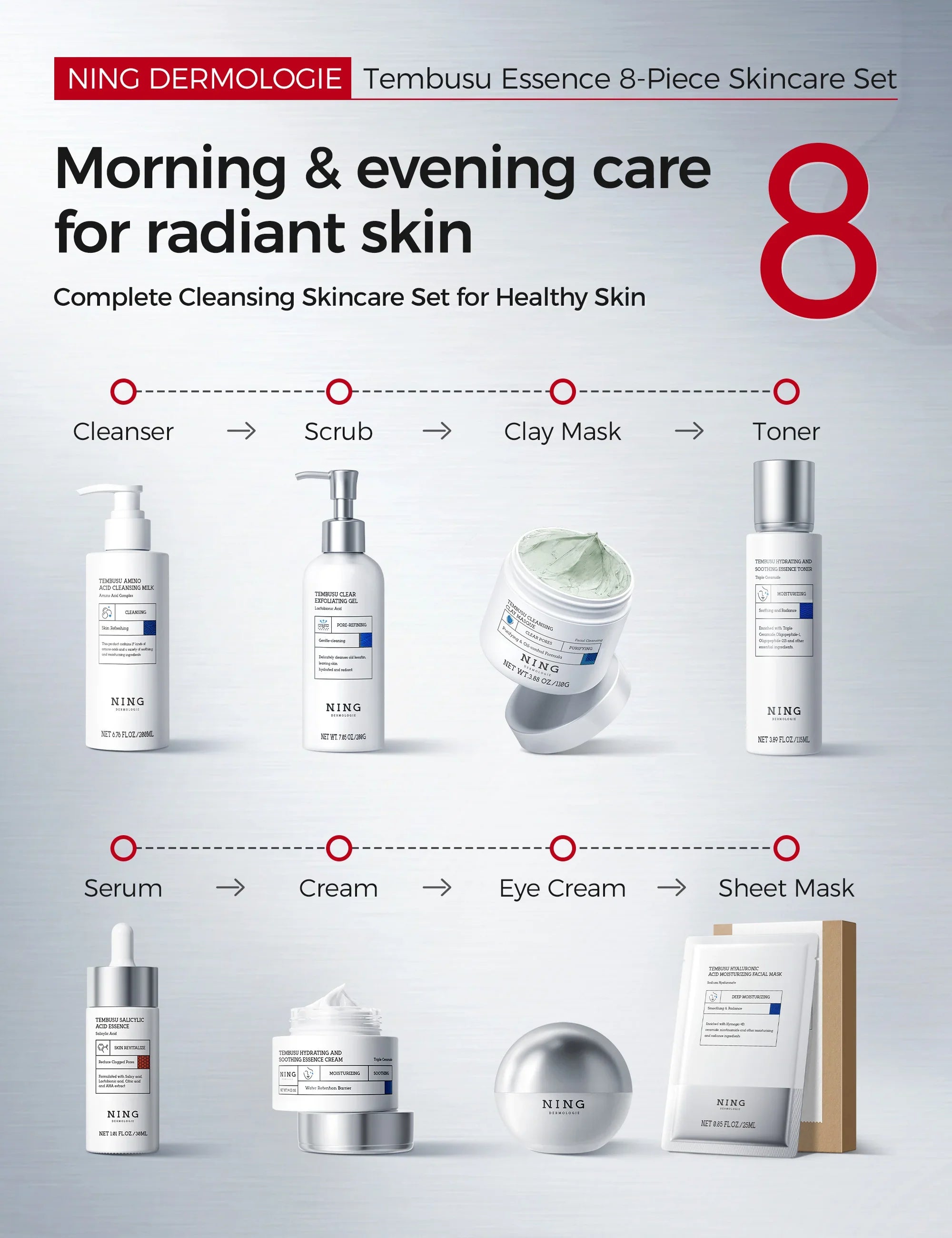
- Step 1: Use a hydrating toner to reset the pH of your skin.
- Step 2: Apply a hyaluronic acid serum.
- Step 3: Seal everything in with a moisturizer that supports the skin barrier.
If you follow this, you’ll find that a clay mask is the best tool in your kit for maintaining radiant skin year-round.

The Verdict: Which Clay Mask is Right for You?
To summarize this guide to the best earthy treatments:
- Oily? Go for Bentonite or French Green.
- Dull or Mature? Seek out Rhassoul or Red Kaolin.
- Sensitive or Dry? Stick to White Kaolin or specialized formulas like NING Dermologie.
- Acne-prone? Bentonite is your best friend, but use it as a spot treatment if you aren't oily everywhere.
The world of skincare is full of trends, but clay is a timeless constant. It’s nature’s way of helping us reset. Whether you are trying to brighten your complexion for an event or just want to cleanse away a week’s worth of city pollution, choosing the right clay mask will make all the difference.
Frequently Asked Questions (FAQ)
1. Can I use a clay mask every day if I have very oily skin?
Definitely not. Even for the most oily and acne-prone skin types, using a clay mask daily is a recipe for disaster. It can trigger "reactive seborrhea," where your skin panics because it’s too dry and produces double the oil. Stick to two or three times a week. This keeps your pores looking clear without damaging your skin’s natural defenses.
2. Why does my face turn red after I rinse off my clay mask?
A little redness can be normal because many types of clay (especially green clay) increase blood circulation to the surface. However, if it stings or lasts more than 30 minutes, the clay is right for a different skin type, not yours. You likely need something more gentle and suitable for sensitive skin, like a kaolin-based formula that doesn't tighten so aggressively.
3. Should I steam my face before applying a mask?
It’s a great idea. Steaming doesn't actually "open" pores (pores don't have muscles!), but it does soften the dead skin cells and the hardened sebum (oil) inside them. This makes it much easier for the absorbent properties of the clay to draw out impurities effectively. Just a few minutes over a bowl of warm water is enough to nourish the skin's readiness.
4. Is it okay to use different clay masks on different parts of my face?
Absolutely. This is called "multi-masking" and it's actually the guide to the best results. If you have a greasy nose but dry skin on your cheeks, apply a bentonite clay to the nose and a pink clay mask to the cheeks. This ensures you address specific skin concerns without compromising the comfort of your various skin types.
5. Can I use a clay mask if I have active, cystic acne?
Yes, but be gentle. Don't use a face mask with heavy scrub particles. A smooth bentonite or blue clay mask can help remove impurities and reduce the inflammation of an acne flare-up. If the skin is broken or raw, wait a day or two. For consistent management, regular use of clay masks helps prevent the pore from becoming clogged in the first place.
Ready to transform your skin without the irritation? Discover NING Dermologie’s Clay Mask for Face Sensitive Skin here.


Share:
How Clay Masks Can Transform Your Skincare Routine?
Enhancing Your Beauty Routine with Clay Masks: Tips and Tricks