



Finding an exfoliating face wash when you’re dealing with sensitive skin or the persistent redness of rosacea feels like a trap. Most people hear "exfoliate" and immediately think of scratchy walnut scrubs or stinging glycolic acids that leave the face looking like a sunburned tomato.
But here is the reality: even an inflammatory disorder like rosacea doesn't mean you have to skip exfoliation entirely. It just means the "scorched earth" policy is off the table. You need a skincare routine built around barrier recovery, not destruction.
The Myth of "Grubbing" Your Face Clean
If you have rosacea-prone skin, your skin barrier is likely leaky. This means irritants get in more easily, and moisture evaporates faster. Traditional physical exfoliants (the ones with beads or seeds) cause micro-tears, leading to contact dermatitis or flare-ups that can last for weeks.
The American Academy of Dermatology often suggests that for those with highly reactive skin conditions, less is more. However, dead skin cells still accumulate. When they do, they trap bacteria and make your skin care products (like that expensive topical ivermectin or Azelaic acid) struggle to penetrate.
The goal isn't to "scrub"; it's to gently dissolve.

Chemicals Aren't Always the Enemy
When we talk about chemical exfoliants, the names sound scary—alpha hydroxy acids (AHAs), beta hydroxy acids (BHAs), and salicylic acids. For someone with sensitive skin, these can be hit or miss.
- Salicylic acid (BHA): Great for oil, but can be drying.
- Lactic acids: A gentler AHA that actually helps hydrate.
- The Golden Child: Polyhydroxy Acids (PHAs): If you haven't heard of lactobionic acid or gluconolactone, pay attention. These are the "new generation" of exfoliating acids. Their molecules are larger, meaning they don't sink deep enough to irritate the nerves. They stay on the surface, polish the texture, and act as humectants.
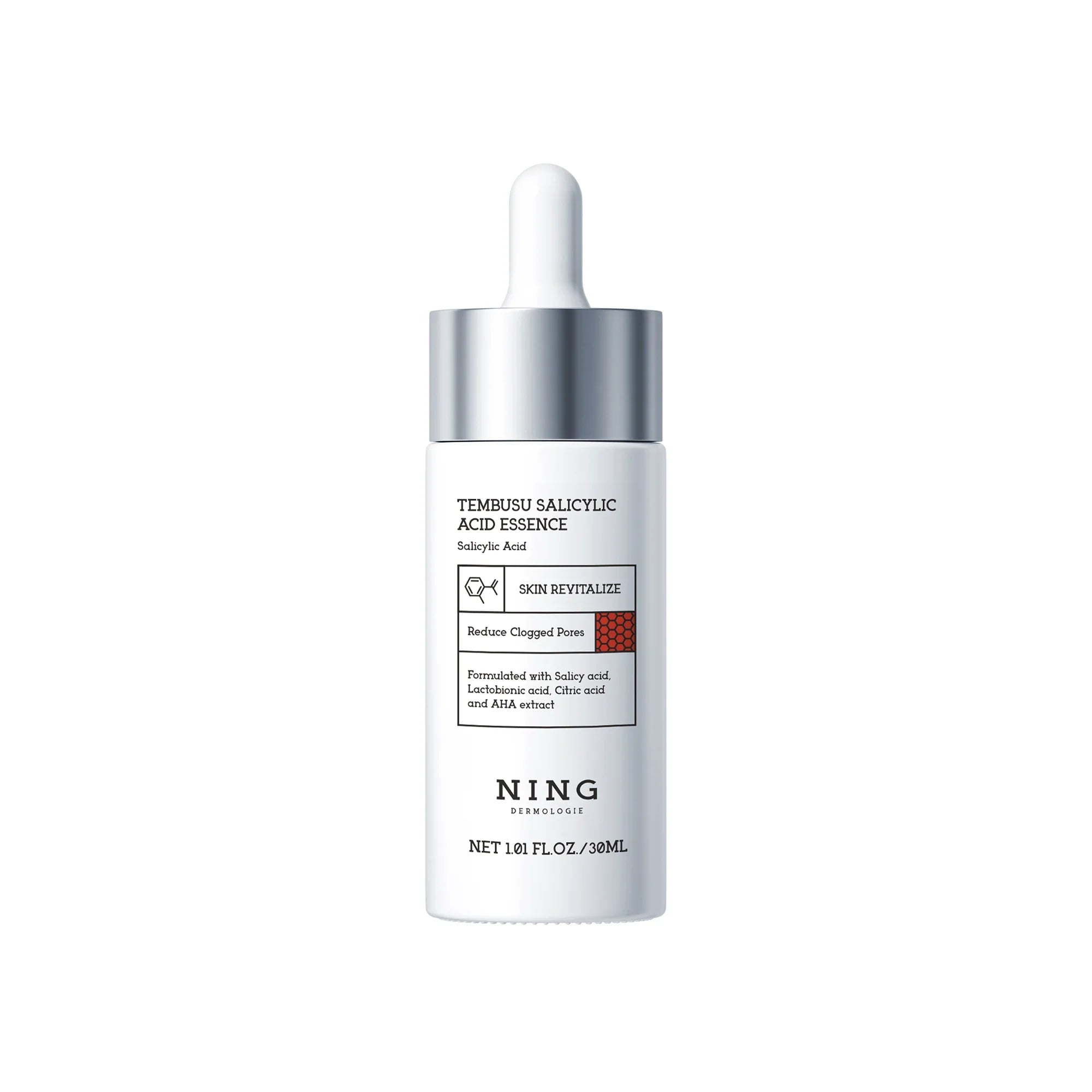
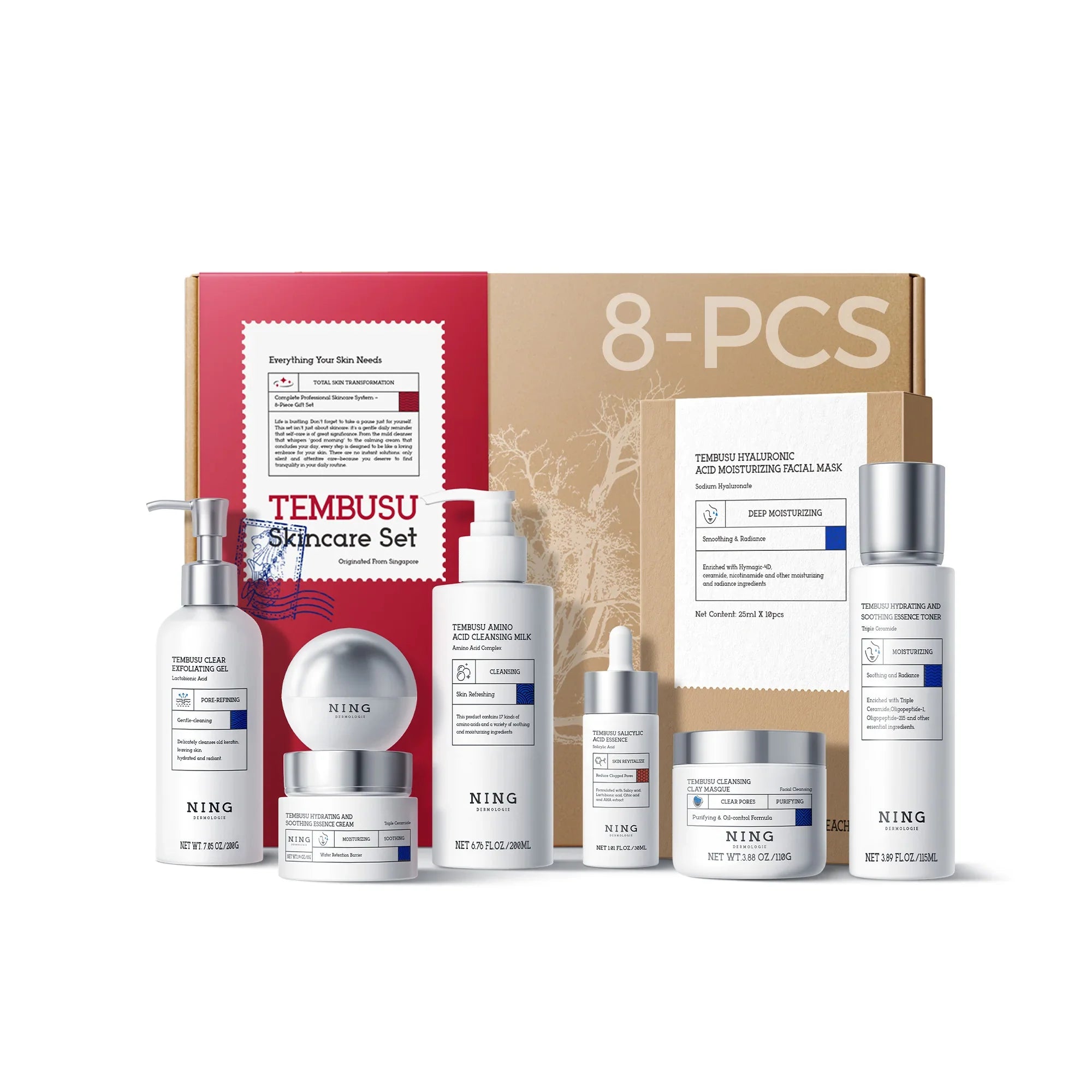
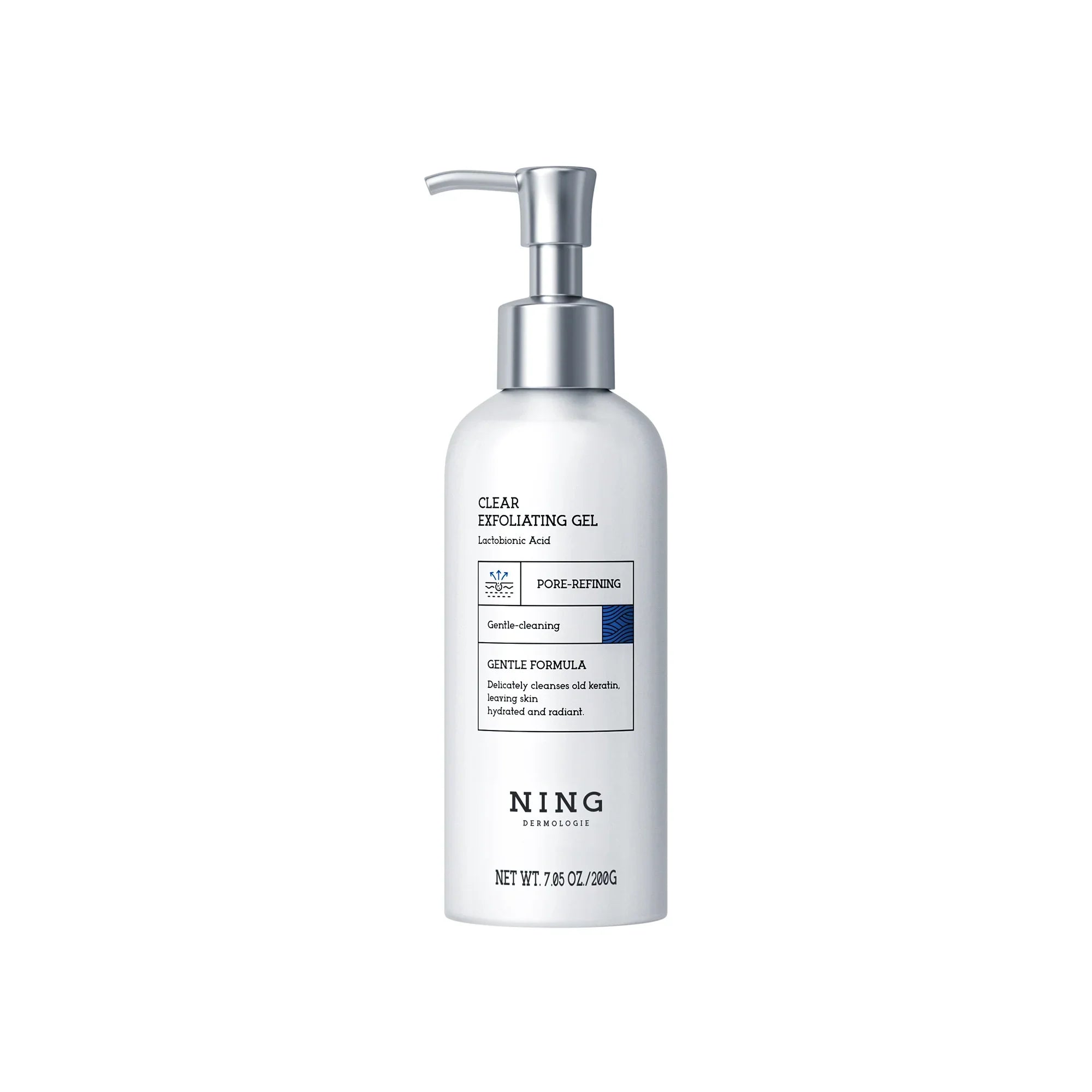
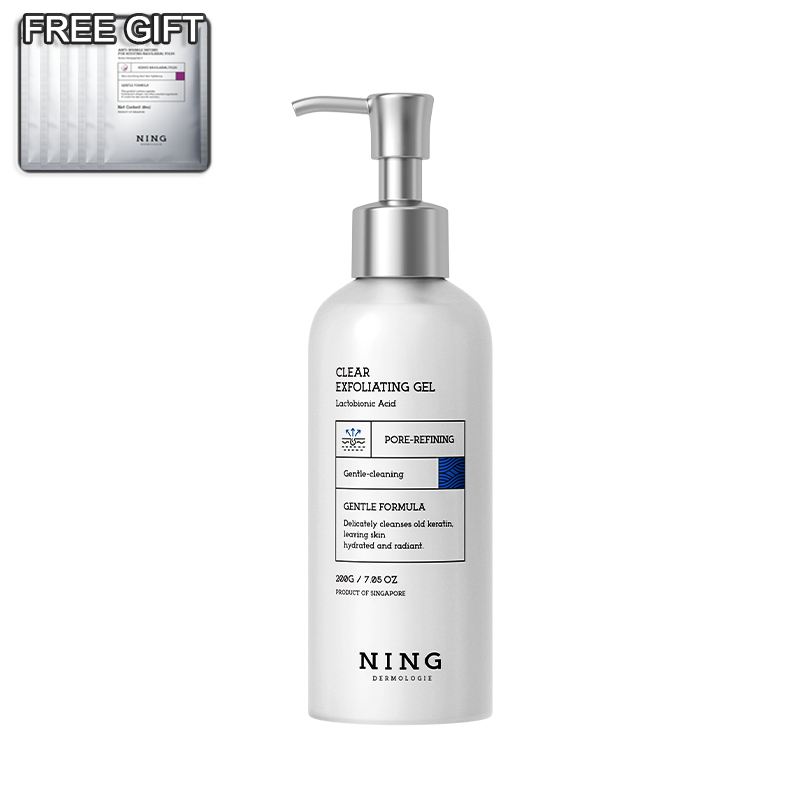
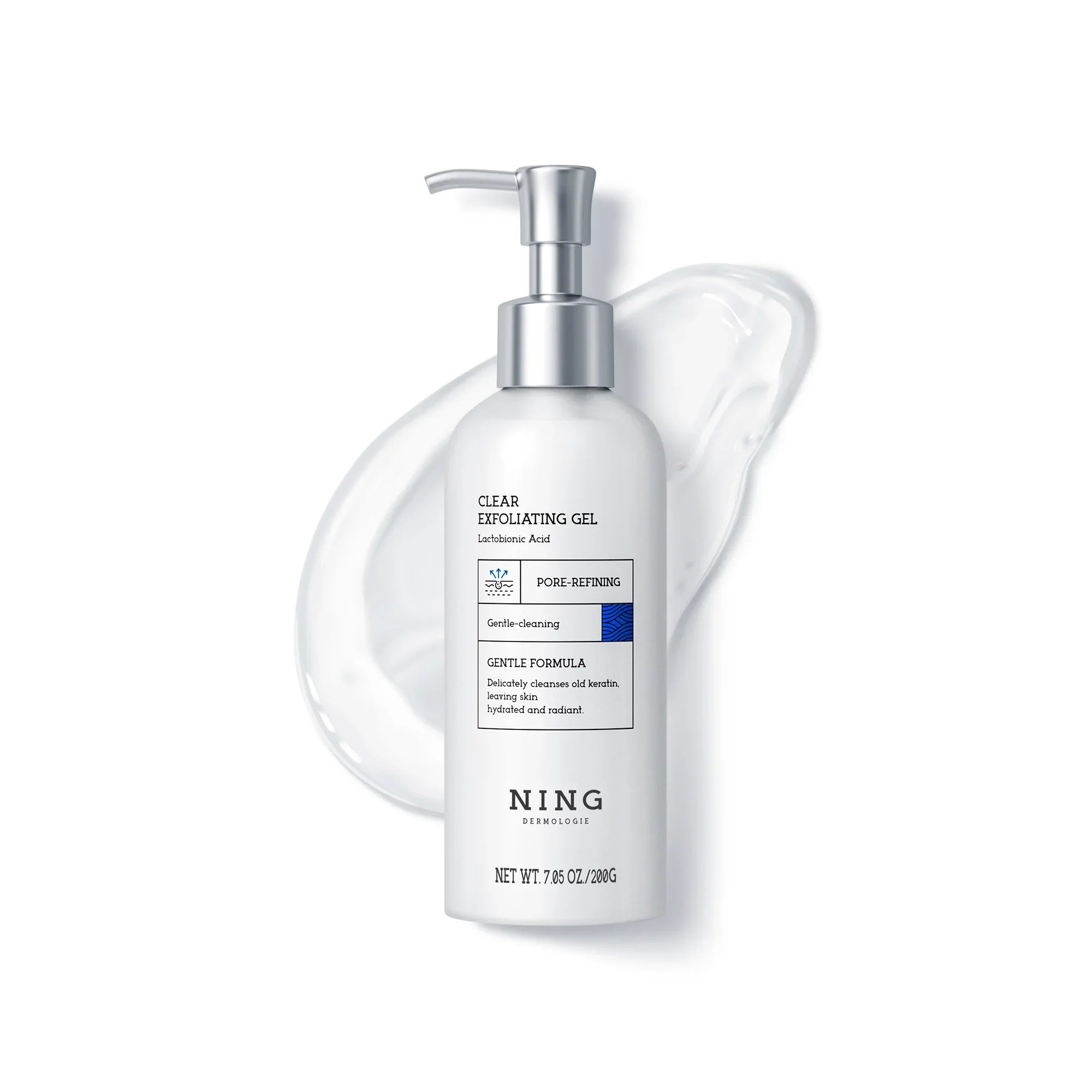
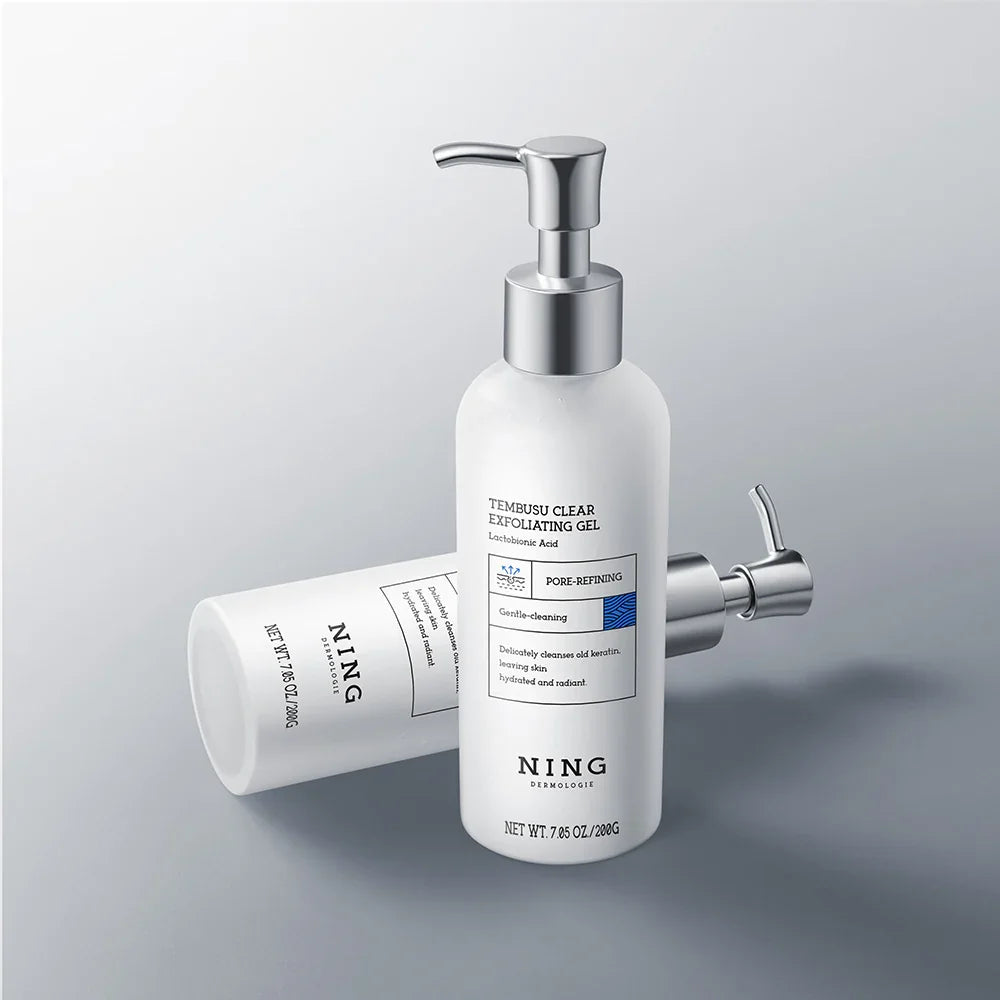
This is exactly why we developed the NING Dermologie approach. We believe ingredient selection should prioritize calming the fire while refining the surface. OurExfoliating Face Wash(a unique peeling gel formula) focuses on this "gentle-first" philosophy. It lifts away debris without the friction that triggers allergic reactions.
Decoding the INCI Panels: What to Avoid
Before you click "Add to Cart" on any facial cleanser, you need to act like a detective with the INCI panels (the ingredient list). Look out for these "red flags" that often hide in exfoliating cleansers:
- DMDM hydantoin: A preservative that can release formaldehyde—a nightmare for sensitive skin.
- Essential oils & Citrus oils: They smell great, but for a rosacea-prone person, they are a fast track to a burning sensation.
- Harsh Surfactants: Avoid anything that leaves your skin feeling "squeaky clean." That "squeak" is the sound of your skin barrier crying.
Instead, look for soothing heavy-hitters like colloidal oatmeal, shea butter, Vitamin E, and hyaluronic acid. These ingredients ensure that while the face wash cleanses, it’s also putting back what it takes away.
The "Rosacea-Safe" Exfoliation Strategy
If you're transitioning your skincare routine, don't just jump in. Follow this professional protocol:
1. The Patch Test is Non-Negotiable
I know, you want to try your new NING Dermologie product immediately. But please, perform a patch test. Apply a small amount near your jawline. Wait 24 hours. If there’s no itching or new redness, you’re good to go.
2. Temperature Control
Hot water is a vasodilator—it opens up blood vessels and makes rosacea worse. Use lukewarm water with your facial cleanser.
3. Sun Protection is the Final Step
Exfoliation, even the gentle kind, makes your skin more susceptible to UV exposure. You must follow up with a broad-spectrum sunscreen. For sensitive types, skip the chemical sunscreens and opt for mineral blockers like zinc oxide or titanium dioxide. These sit on top of the skin rather than absorbing into it, reducing the risk of irritation. A solid SPF 30 is your best friend.
Beyond the Bottle: Professional Options
Sometimes, a face wash isn't enough to reach your skin goals. If you have persistent thickening of the skin or visible broken capillaries, talk to a dermatology provider. They might suggest laser therapy, such as Pulsed Dye Laser or Sciton® BroadBand Light, to target redness. In some cases, chemical peels performed in a clinic can be customized for sensitivity, but never attempt a high-strength peel at home if your barrier is compromised.

Why NING Dermologie?
We aren't just another brand on a shelf. NING Dermologie was born out of the need for "intelligent exfoliation." OurExfoliating Face Washavoids the aggressive "acid-trip" of many competitors. Instead of stripping your face, it uses a peeling gel mechanism that physically clumps together with your dead skin cells, allowing you to wash them away with zero irritation.
We offer Secure transactions, payment security systems, and we never share your credit card details. Plus, with free delivery and free returns in many regions, you can test if it works for your unique skin condition risk-free. If you love it, our Subscribe & Save program ensures you never run out of your favorite cleansers for sensitive skin.
Frequently Asked Questions (FAQ)
1. Can I exfoliate if my face is currently in a rosacea flare-up?
No. If your skin is currently stinging, burning, or intensely red, stop all actives. Focus on barrier recovery with simple moisturizers containing shea butter or hyaluronic acid. Wait until the "fire" is out before reintroducing a gentle Exfoliating Face Wash like the one from NING Dermologie.
2. Is it better to use physical or chemical exfoliants for sensitive skin?
Generally, chemical exfoliants like polyhydroxy acids (PHAs) are better because they don't require the scrubbing motion that triggers redness. However, "peeling gels" (like our NING Dermologie formula) offer a middle ground—they provide a tactile experience without the abrasive edges of seeds or nuts.
3. What is the difference between Zinc Oxide and Titanium Dioxide in sunscreens?
Both are mineral filters recommended for sensitive skin. Zinc oxide provides slightly broader UVA/UVB protection and has anti-inflammatory properties, while titanium oxide is often lighter in texture. Both are safer for rosacea than chemical sunscreens, which can generate heat in the skin.
4. How often should I use an exfoliating face wash?
Start slow. Even with a gentle skincare routine, once or twice a week is plenty for sensitive skin. Monitor how your skin feels the next morning. If you see increased redness, scale back. The goal is a healthy glow, not a polished-raw look.
5. Can I use this face wash alongside prescription topical treatments?
Usually, yes, but timing is everything. If you use topical ivermectin or an Rx formula at night, consider using your NING Dermologie cleanser in the morning or on alternate nights. Always consult your dermatology provider to ensure your actives aren't clashing and causing contact dermatitis.
Ready to change how you think about "clean"?Enjoy fast shipping and exclusive deals on our Exfoliating Face Wash here.





Share:
Show me the ingredients commonly found in exfoliating face washes.
Where to find exfoliating face wash samples or trial sizes?