

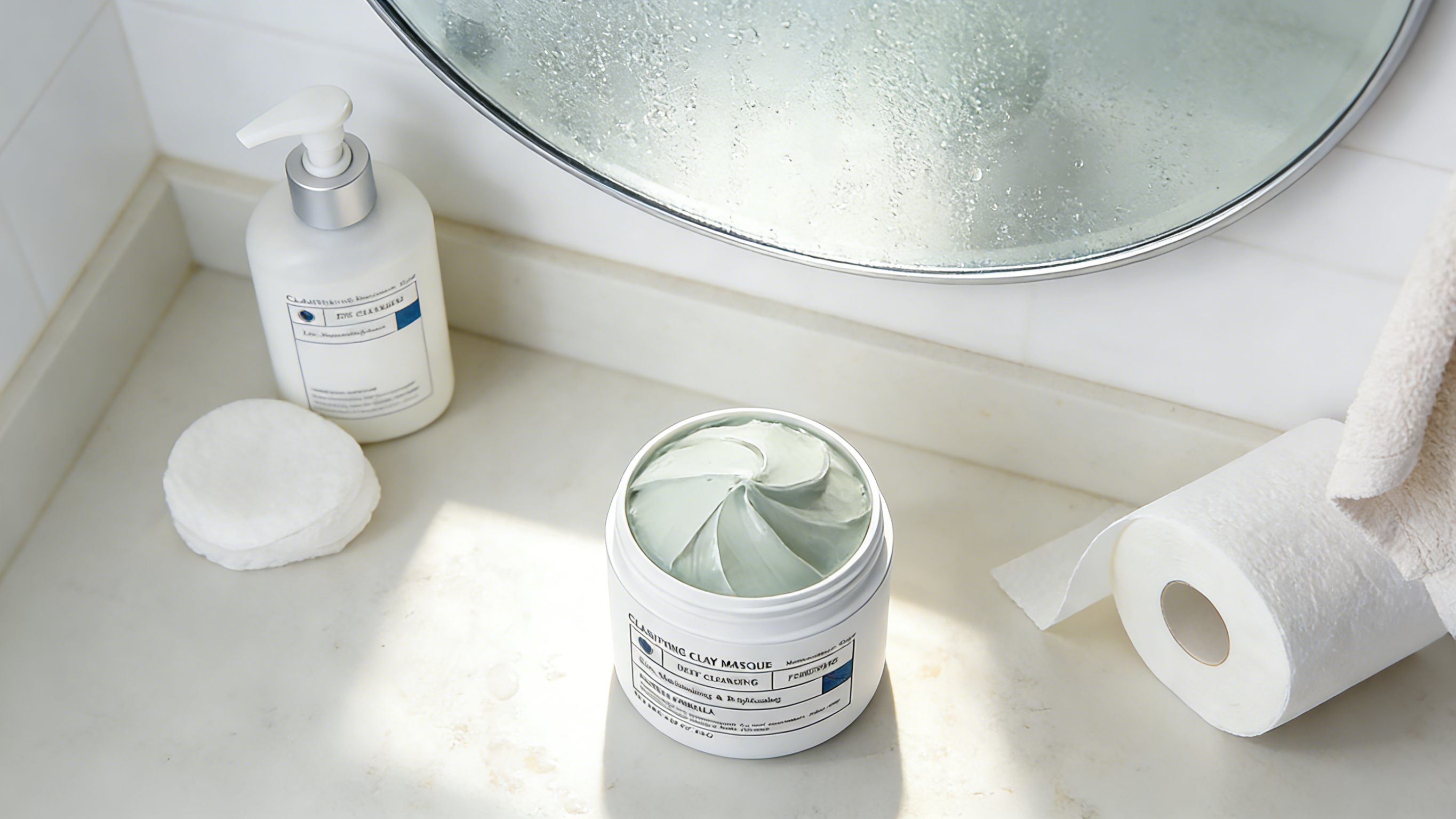

From Clogged to Clear: Clay Masks That Work Wonders on Pores
Leaning into the bathroom mirror, hovering just inches away from the glass, and fixating on those tiny, stubborn dots on our noses. Whether you call them "strawberry skin," "congestion," or just plain annoying, clogged pores are the ultimate skincare killjoy. You try to squeeze them (don’t), you try to hide them under foundation (it only makes it worse), and you wonder why your skin won't just behave.
Enter the clay mask. It’s the OG of skincare treatments, used for centuries because, frankly, it works. But not all clay is created equal. Some will leave your face feeling like a cracked desert floor, while others—the best clay mask options—will pull out the gunk while leaving your skin barrier intact.
In this guide, we’re diving deep into the world of masks for clogged pores. We’ll talk about why your pore gets congested in the first place, how to cleanse effectively, and which face mask is actually worth your hard-earned cash.

Why Your Pores Are Throwing a Tantrum
Before we talk about the best clay, we need to understand the enemy. Clogged pores happen when a cocktail of excess oil, dead skin cells, and daily grime gets trapped in the pore lining. For those with oily skin, this is a constant battle. Your sebaceous glands are overachievers, pumping out oil that acts like glue for dead skin.
The result? Blackhead formations, acne, and a general "congested" skin look. If you’ve noticed your skin feel is bumpy or uneven, it’s a sign that your deep pore status is "occupied."
The Signs of Congestion
- Visible Blackheads: That oxidized oil turning dark when it hits the air.
- Enlarged Pores: When a pore is filled with gunk, it stretches out, making the look of pores much more prominent.
- Frequent Breakouts: Acne-prone skin thrives in the environment created by trapped bacteria and oil.
The Science of the Mud Mask: How Clay Masks Work
How do clay masks work? Think of clay as a microscopic vacuum cleaner. Because most clays have a negative electrical charge, they naturally attract the positively charged impurity and toxin particles sitting in your skin. When you apply clay, it sits on the surface and literally "draws out" the debris.
As the clay face mask dries (but hopefully not too much), it absorbs excess oil and constricts slightly, which is why it tightens pores temporarily. When you finally rinse, you’re washing away everything the clay grabbed, leading to clear pores and a smoother skin texture.
Breaking Down the Type of Clay
If you look at the back of a facial mask bottle, you’ll see different names. Here’s the "cheat sheet" for finding the best clay mask for your specific needs:
- Bentonite Clay: The heavy hitter. It’s incredibly absorbent and is the best clay for oily and acne-prone individuals. It’s the star of the famous Aztec Secret Indian Healing Clay.
- Kaolin Clay: Much gentler. White clay is the mildest, making it a staple in a clay mask for face sensitive skin. It focuses more on softening than aggressive oil stripping.
- French Green Clay: Known for its "drinking" action on the skin. It’s amazing for deep pore cleansing because it pulls blood flow to the surface while it works.
- Pink Clay: Usually a mix of red and white kaolin. It’s the go-to for dry skin types who still want to clarify their skin without the irritation.
- Kucha Clay: A rare sea silt from Okinawa, often used in high-end Japanese clarifying clay mask formulas to mineralize the skin.
8 Best Clay Masks for Every Skin Type
I’ve tested dozens of these. Some were life-changing, others were just messy. Here are the 8 best clay masks that actually deliver on the promise of "from clogged to clear."
1. NING Dermologie: Clay Mask for Face Sensitive Skin
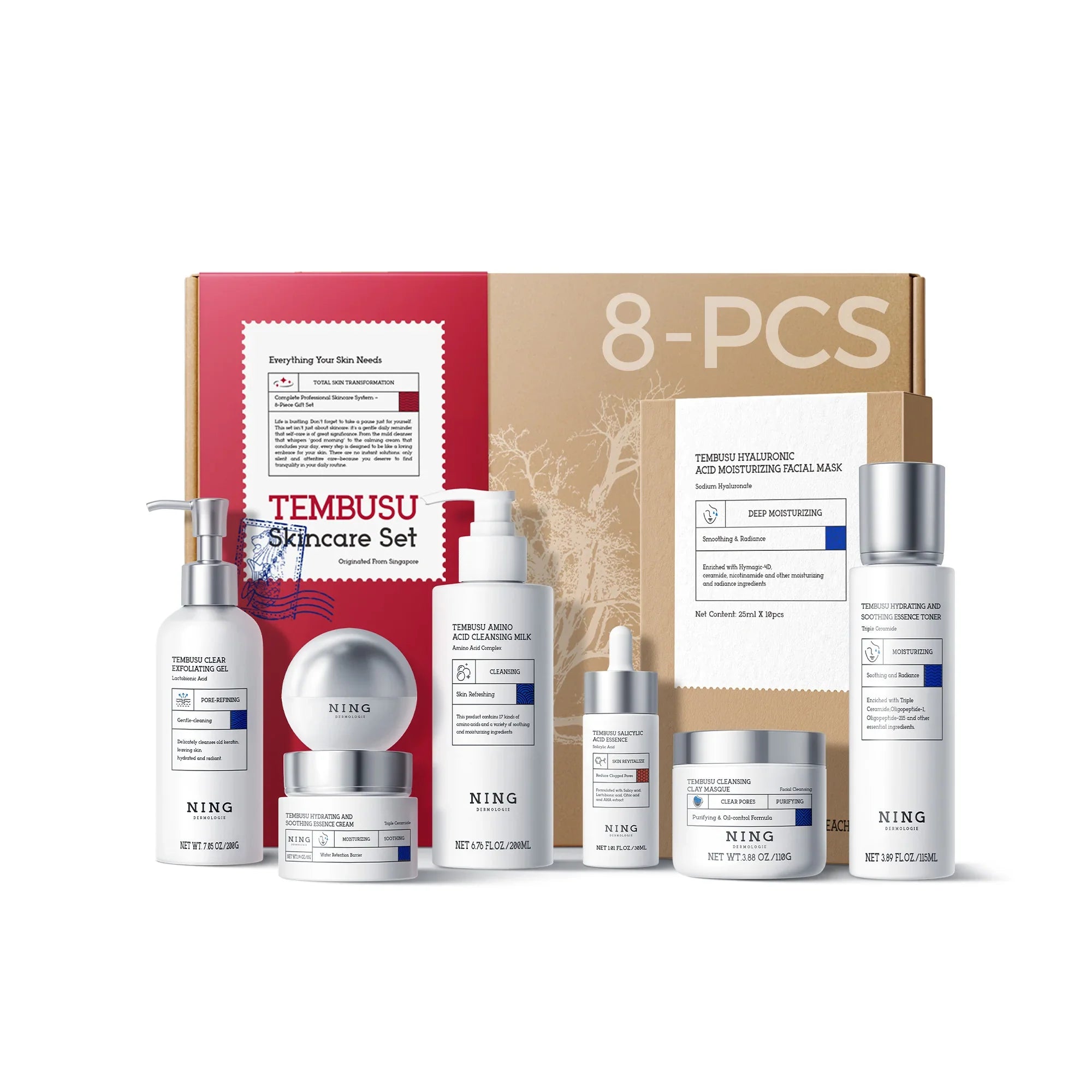
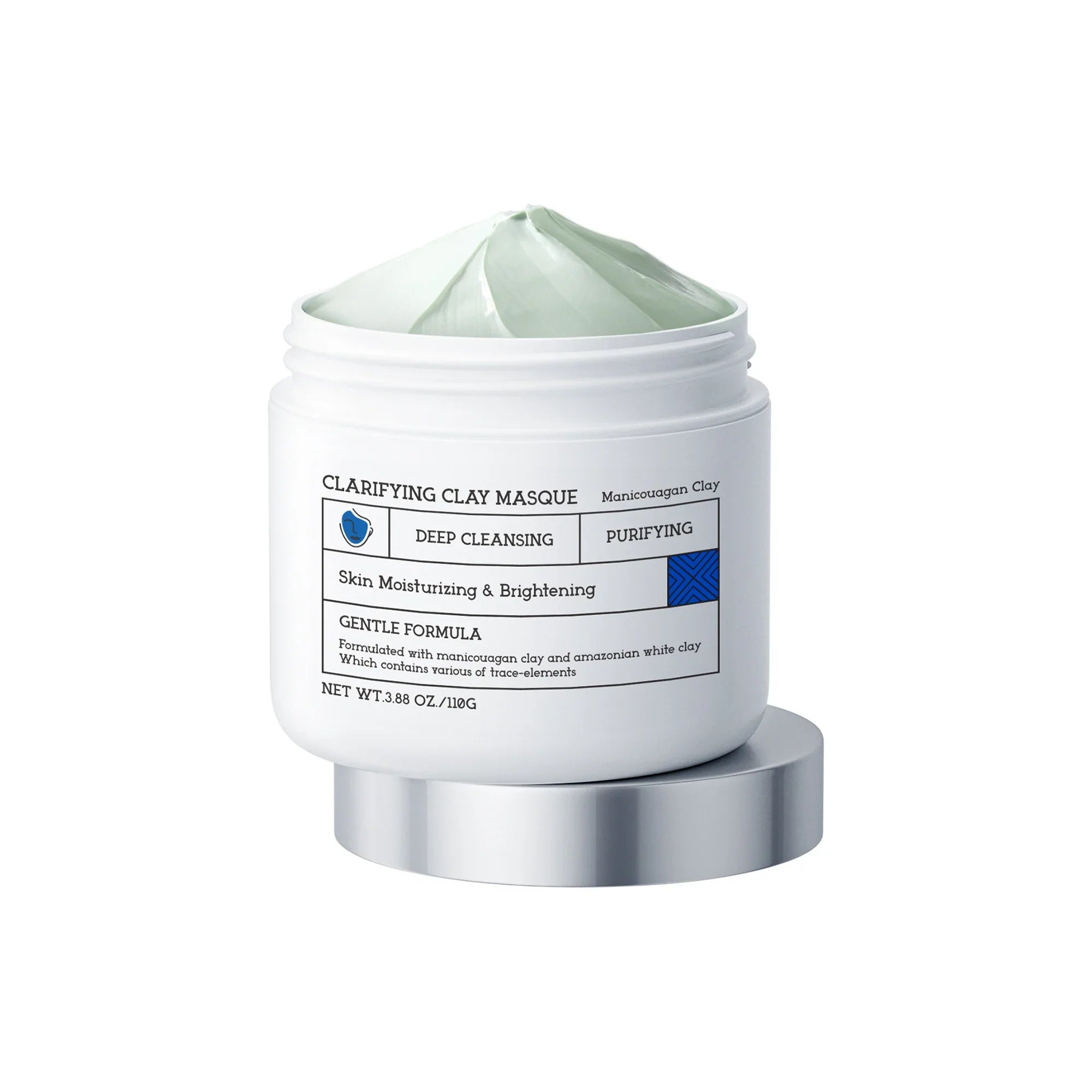
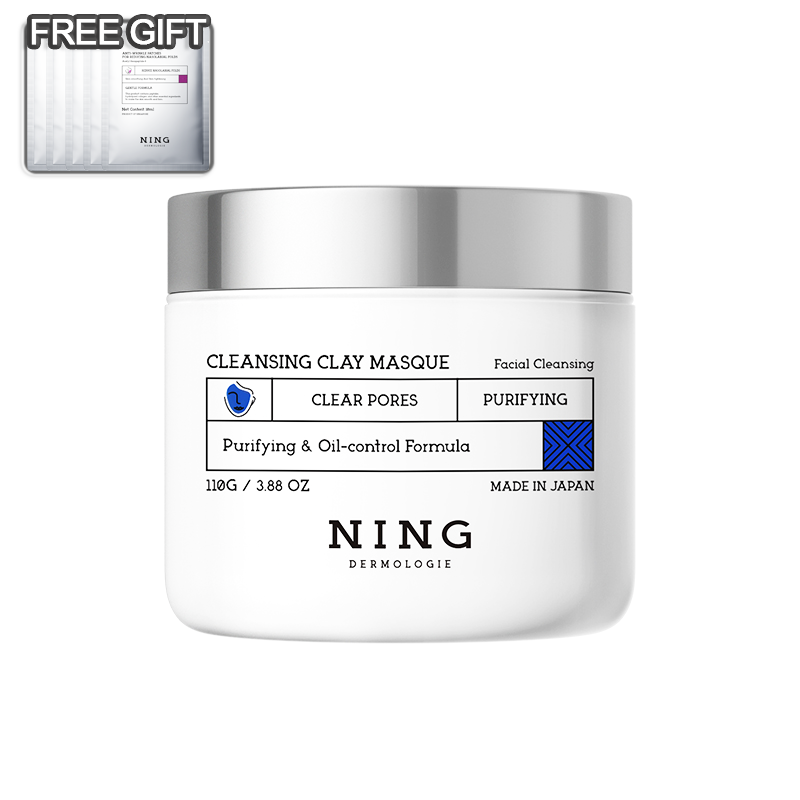
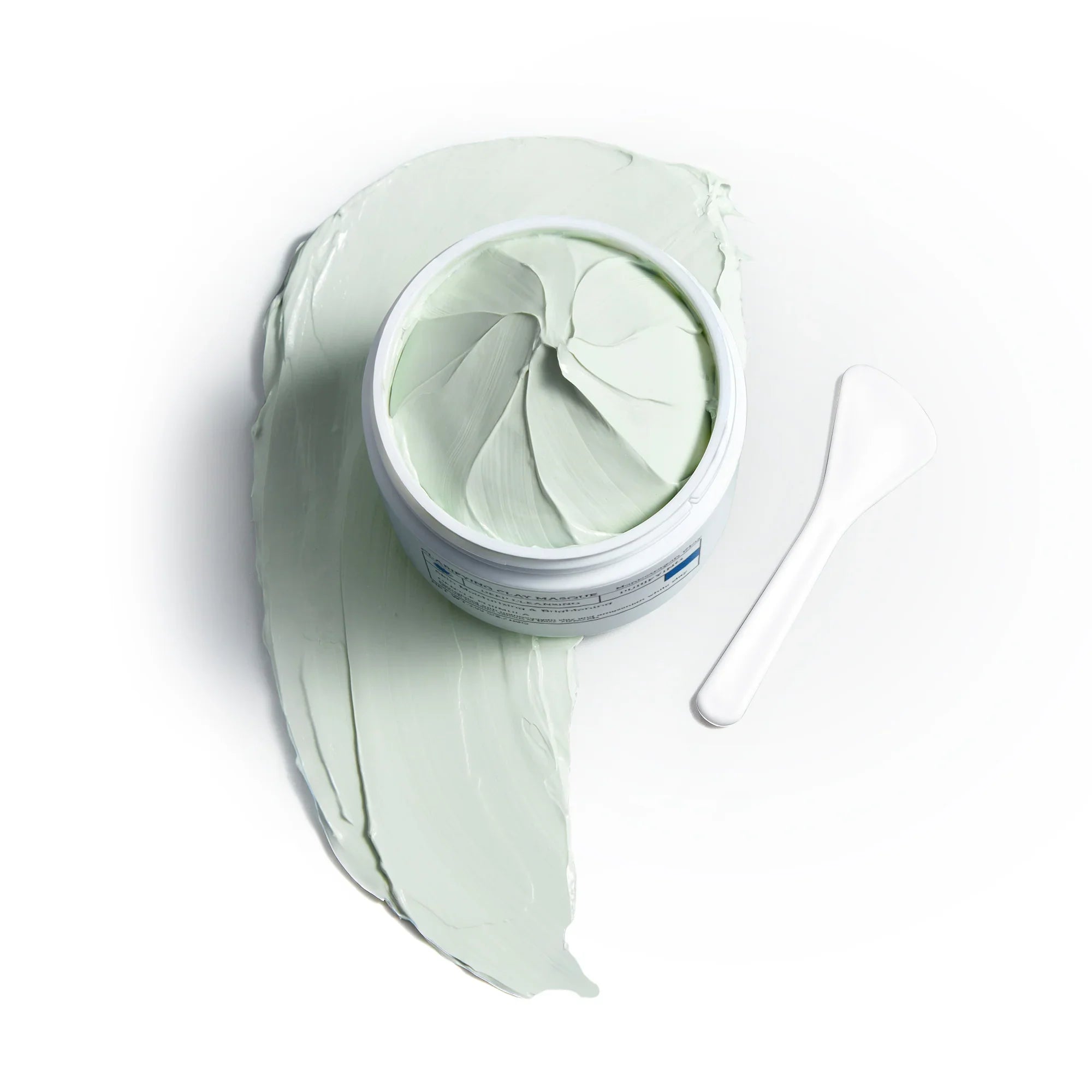
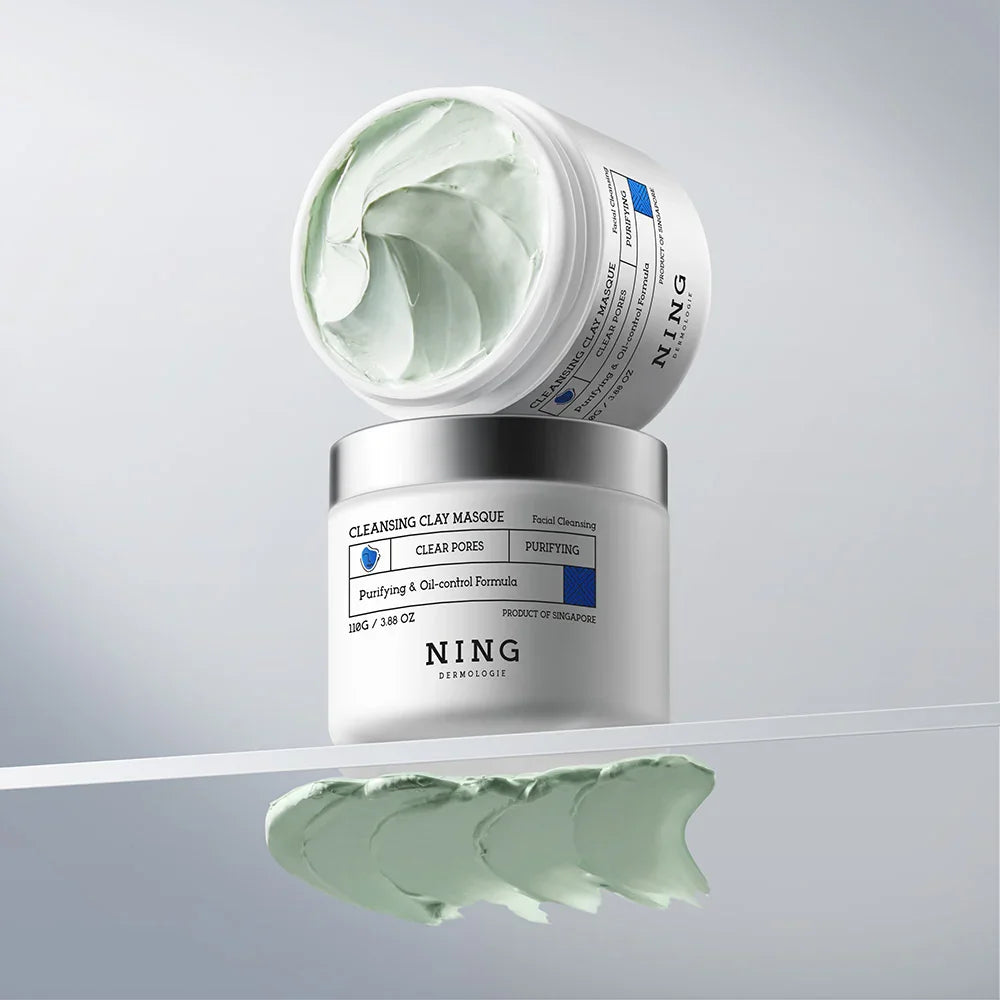
If you have sensitive skin or dry skin, you probably fear clay. Most masks leave you red and itchy. NING Dermologie changed the game with their Clay Mask for Face Sensitive Skin. This isn't your typical "crack and peel" mask. It’s a creamy clay formula that uses kaolin clay and soothing botanicals to cleanse without stripping. It’s honestly the best for sensitive skin because it focuses on the skin barrier while it works. It leaves my skin feeling hydrated rather than parched.
2. Tatcha The Clarifying Clay Mask
Tatcha the clarifying clay mask is a sensory experience. It changes color from sage green to red as you massage it in. It uses Okinawa Kucha clay and volcanic ash to gently exfoliate dead skin cells. It’s a luxury pick, but if you want your pores look invisible and your skin tone to brighten instantly, it’s worth the splurge.
3. SkinCeuticals Clarifying Clay Mask
For the oily or acne-prone skin crowd, this is a heavy-duty clinical option. The Skinceuticals clarifying clay mask combines kaolin and bentonite with a 5% hydroxy acid blend. It doesn't just sit there; it chemically and physically works to clarify the skin. It’s a purifying mask that dermatologists actually recommend.
4. Fresh Umbrian Clay Purifying Mask
The Fresh Umbrian clay mask is a cult favorite for a reason. It’s incredibly versatile—you can use it as a full face mask, a deep cleanse, or even a spot treatment for an incoming breakout. It’s high in minerals and works wonders on congested skin without being overly aggressive.
5. Innisfree Super Volcanic Pore Clay Mask
If you’re looking for a budget-friendly deep pore cleansing powerhouse, the Innisfree super volcanic mask is it. It uses Jeju volcanic clusters to absorb excess oil. It has a slightly cooling sensation that feels amazing after a long day in the sun.
6. Volcanic AHA Pore Clearing Clay
This volcanic aha pore clearing clay is specifically designed for those dealing with both blackhead issues and dullness. The addition of Alpha Hydroxy Acids means you’re getting a chemical peel and a mud mask in one go. It’s excellent for improving skin texture over time.
7. Aztec Secret Indian Healing Clay
The best overall for raw power. It’s just 100% natural calcium bentonite clay. You mix it with apple cider vinegar, and you can literally feel your face pulsate. Warning: this is NOT for dry or sensitive skin. But for oily and acne-prone skin, it’s the most effective purifying clay mask on the market.
8. Kiehl’s Rare Earth Deep Pore Cleansing Mask
Using Amazonian white clay, this pore clay mask is a classic. It’s creamy, easy to spread, and specifically targets those "gaping" pores. It’s a solid clay mask for oily skin that needs a weekly "reset."
How to Use a Clay Mask (The Right Way)
Most people use a clay mask incorrectly. They wait for it to get so dry that it cracks when they smile. By that point, the clay is actually drawing moisture out of your skin cells, which can irritate sensitive skin and cause your oil glands to overcompensate.
The Professional Method:
-
Double Cleanse: Start with an oil cleanser to break down makeup, then a water-based cleanser to cleanse the surface.
-
Steam (Optional): A warm towel for 30 seconds helps soften the dead skin cells.
-
Apply a Thin Layer: You don't need a thick cake of mud. A thin, even layer of clay face mask is enough.
-
The Goldilocks Zone: Rinse the mask off when it’s still slightly tacky to the touch. This is when the clay has finished the "absorption phase" and hasn't yet entered the "dehydration phase."
-
Use a Clay Mask Once a Week: Don't overdo it. Even the best clay mask can be too much if used daily. Once or twice a week is the sweet spot.
Clay Masks for Every Skin Type: A Summary Table
| Skin Type | Best Clay Type | Frequency | Goal |
| Oily Skin | Bentonite / Green Clay | 2x a week | Oil control & blackhead removal |
| Dry Skin | White Kaolin / Pink Clay | 1x every 10 days | Gentle cleanse & mineralizing |
| Sensitive Skin | Kucha Clay / Creamy Kaolin | 1x a week | Redness reduction & clear pores |
| Acne-Prone | Charcoal / Sulfur-infused Clay | 2x a week | Killing bacteria & deep pore detox |
Post-Mask Care: Don't Leave Your Pores Hanging
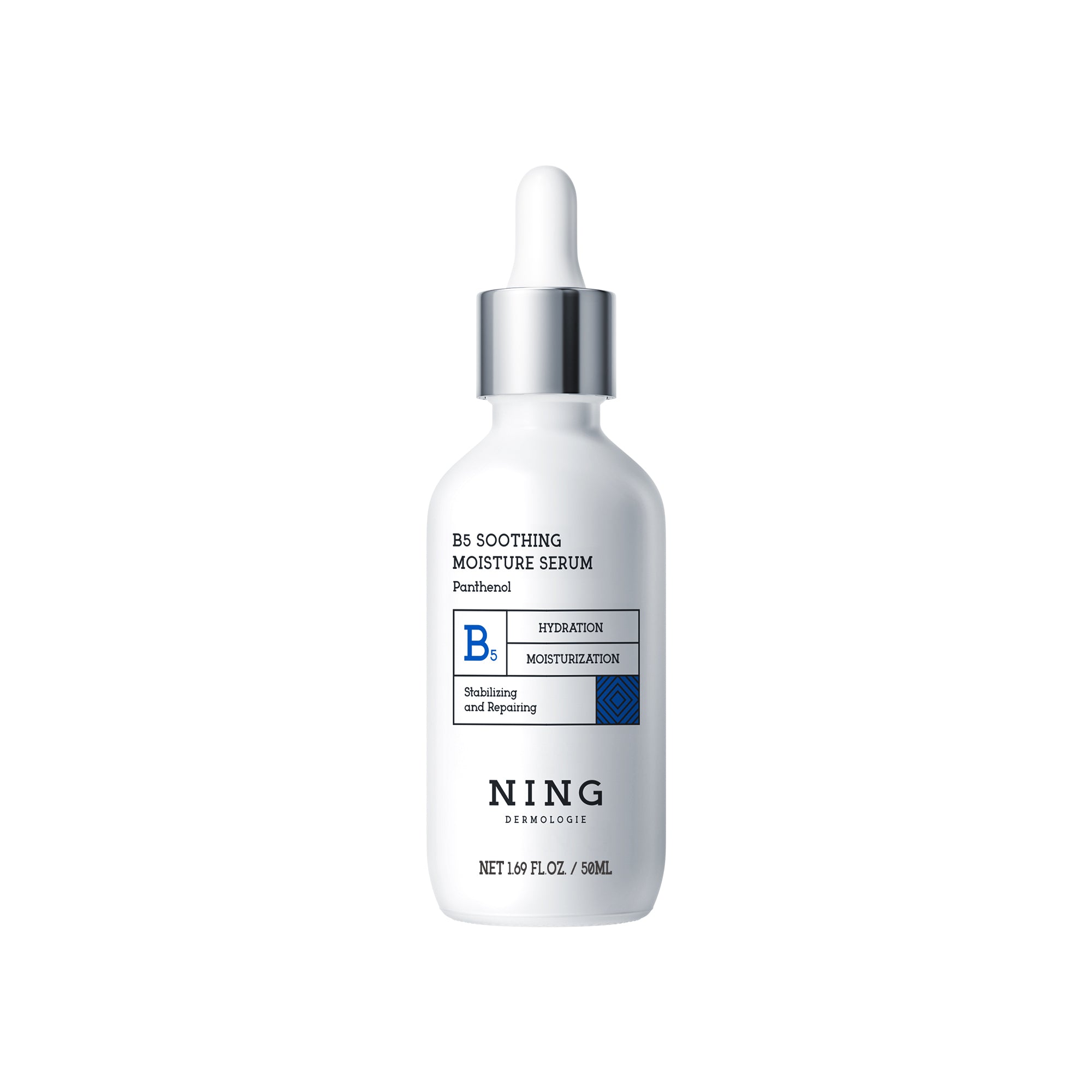
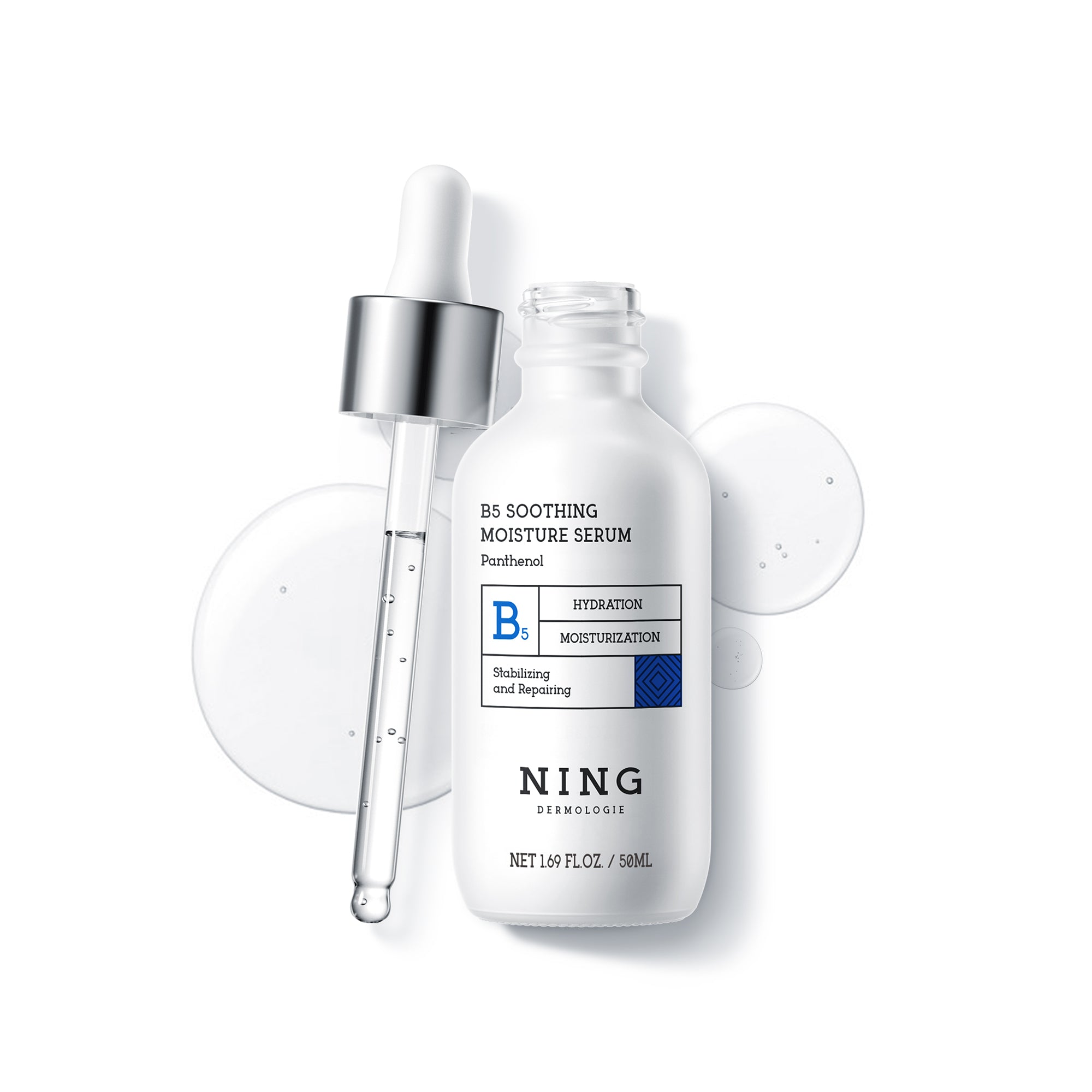
After you rinse, your pores are clean but vulnerable. This is the best time to apply active ingredients. I personally love this mask session followed by a serum containing kaolin clay or, better yet, a blend of clay and hyaluronic acid.
Because the mask contains ingredients that pull things out, you need to put hydration back in. Follow up with:
- A hydrating toner.
- A lightweight moisturizer to seal the "clean" feeling.
- Sunscreen (if you used a mask with AHAs, your skin will be more sun-sensitive).
Final Thoughts: Finding Your Glow
Achieving clear pores isn't about one-off miracles; it’s about consistency. Whether you choose the luxury of Tatcha, the clinical power of SkinCeuticals, or the soothing touch of NING Dermologie, adding a clarifying clay mask to your routine is the most effective way to manage clogged pores.
Stop squeezing your skin. Stop stressing about that one blackhead. Instead, apply clay, relax for ten minutes, and let the minerals do the heavy lifting. Your skin—and your bathroom mirror—will thank you.
Frequently Asked Questions (FAQ)
1. How often should I realistically use a clay mask?
For most, using this mask once a week is perfect. If you have extremely oily and acne-prone skin, you might push it to twice a week. However, if you have dry or sensitive skin, stick to once every two weeks. Over-masking can strip your natural oils, leading to "rebound oiliness" where your skin produces even more grease to compensate for the dryness. Always listen to your skin's moisture levels.
2. Can I use a clay mask if I have active cystic acne?
Yes, but be gentle. A purifying clay mask can help draw out inflammation, but rubbing a gritty mask onto "live" breakouts can spread bacteria or cause micro-tears. Look for a creamy clay or a mud mask that doesn't require heavy scrubbing to remove. Ingredients like charcoal mask blends or sulfur can be particularly helpful for acne-prone skin types to calm the redness without further irritation.
3. Why does my skin feel itchy while the mask is drying?
That "itch" is usually the clay contracting as the moisture evaporates. While a little tingling is normal—especially with bentonite clay—intense itching or burning is a sign of a reaction. If you have sensitive skin types, always do a patch test first. To prevent the itch, try not to let the clay face mask dry completely until it cracks; rinse it off while it still feels damp.
4. Is it okay to "multi-mask" with different types of clay?
Absolutely! This is actually the best clay strategy. You might apply a strong bentonite clay mask to your oily T-zone (forehead, nose, chin) where clogged pores are common, and a gentle pink mask or white clay to your drier cheeks. This ensures every part of your face gets exactly what it needs without over-drying the delicate areas. It's a professional secret for balanced, glowing skin.
5. Will a clay mask actually shrink my pores permanently?
The short answer is no. Pore size is largely genetic. However, a pore-refining mask makes them look smaller by removing the dark debris (like a blackhead) that stretches them out. When a pore is empty and clean, it naturally tightens back to its original shape. Regular use of a deep pore cleansing mask keeps them from staying stretched, maintaining a smoother, more refined skin look over time.





Share:
Trending Now: Why Everyone is Talking About Clay Masks in 2025
Pore Solution: The Most Effective Clay Masks Reviewed by Dermatologists