


The Great Debate: Hyaluronic Acid Serum vs. Moisturizer. (Spoiler: You’re Asking the Wrong Question.)
Standing in the skincare aisle, staring at shelves packed with identical-looking bottles, is exhausting. You see "hydrating serum" on one box and "repairing moisturizer" on another. They both promise dewy, plump skin. They both claim to fight fine lines.
So, do you need both? Are they doing the same thing? Is it all just marketing hype designed to make your skincare routine ten steps long?
It’s confusing, and it’s not your fault. The industry uses terms like "hydration" and "moisture" interchangeably when, scientifically, they are two very different processes.
If you want healthy skin resilience and actual results, you need to stop viewing these products as competitors in a cage match. You need to understand the mechanics.
Here is the no-fluff breakdown of how a hyaluronic acid serum compares to a moisturizer, why your skin barrier likely needs both, and how to stop wasting money on products you’re using incorrectly.

The 30-Second Science Lesson (The Sponge Analogy)
Before we dive into ingredients like lipids and ceramides, let's simplify it with an analogy.
Think of your skin like a dry sponge resting on a countertop.
- The Hyaluronic Acid Serum acts like water. When you pour water onto a dry sponge, it immediately plumps up, expands, and becomes soft. It draws hydration into the fibers.
- The Moisturizer acts like plastic wrap. If you leave that wet sponge sitting out unprotected, the water will evaporate into the air, and the sponge will eventually dry out again, becoming crispy. If you wrap that damp sponge in saran wrap, you seal the water inside, keeping it damp for days.
In short: Hydration (serums) puts water into the skin. Moisture (creams) keeps it there.
You cannot effectively seal an empty tank. And you cannot keep a full tank full without a lid.
Deep Dive: The Hyaluronic Acid Serum
Hyaluronic Acid (HA) has become the golden child of skincare ingredients over the last decade. But what is it?
HA is a humectant. It’s a naturally occurring sugar molecule found in your own body—in your skin, joints, and eyes. Its primary job is moisture retention. It is famous for its incredible ability to hold up to 1,000 times its weight in water.
When you apply a hyaluronic acid serum, it behaves like a magnet, pulling water from the environment (or from deeper layers of your skin) and binding it to the surface skin cells.
Why You Want It
- Instant Gratification: Because it floods the top layers with water, it gives an immediate temporary plumping effect. This makes fine lines and wrinkles look less distinct.
- Universal Tolerance: HA is generally not irritating because your body already recognizes it. It works across all skin types, from ultra-sensitive to extremely oily.
- Combatting Dehydration: Dehydrated skin is a skin condition, not a skin type. It means your skin lacks water, even if it’s swimming in oil. HA addresses this water deficit directly.
The Catch: Molecular Size Matters
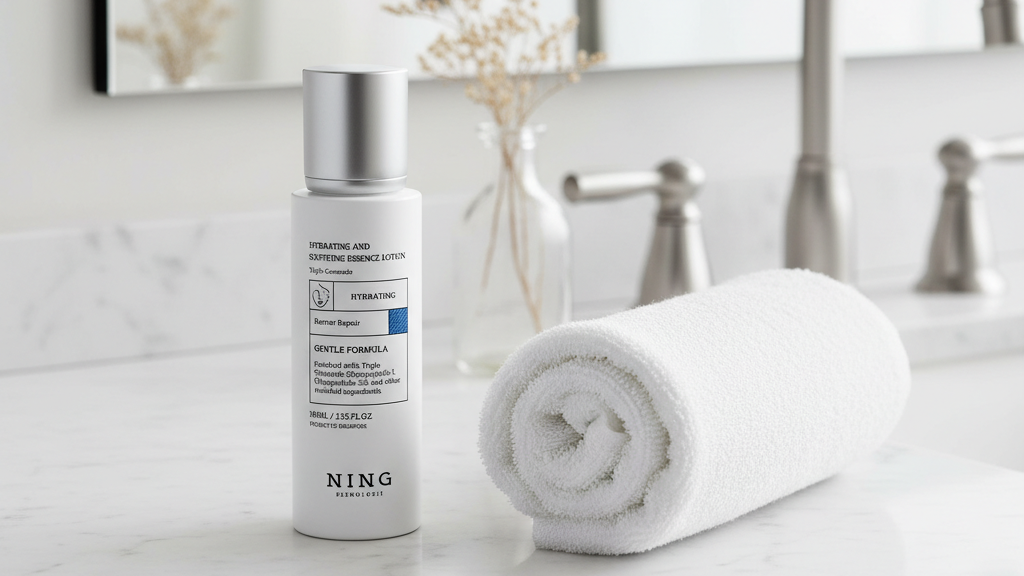
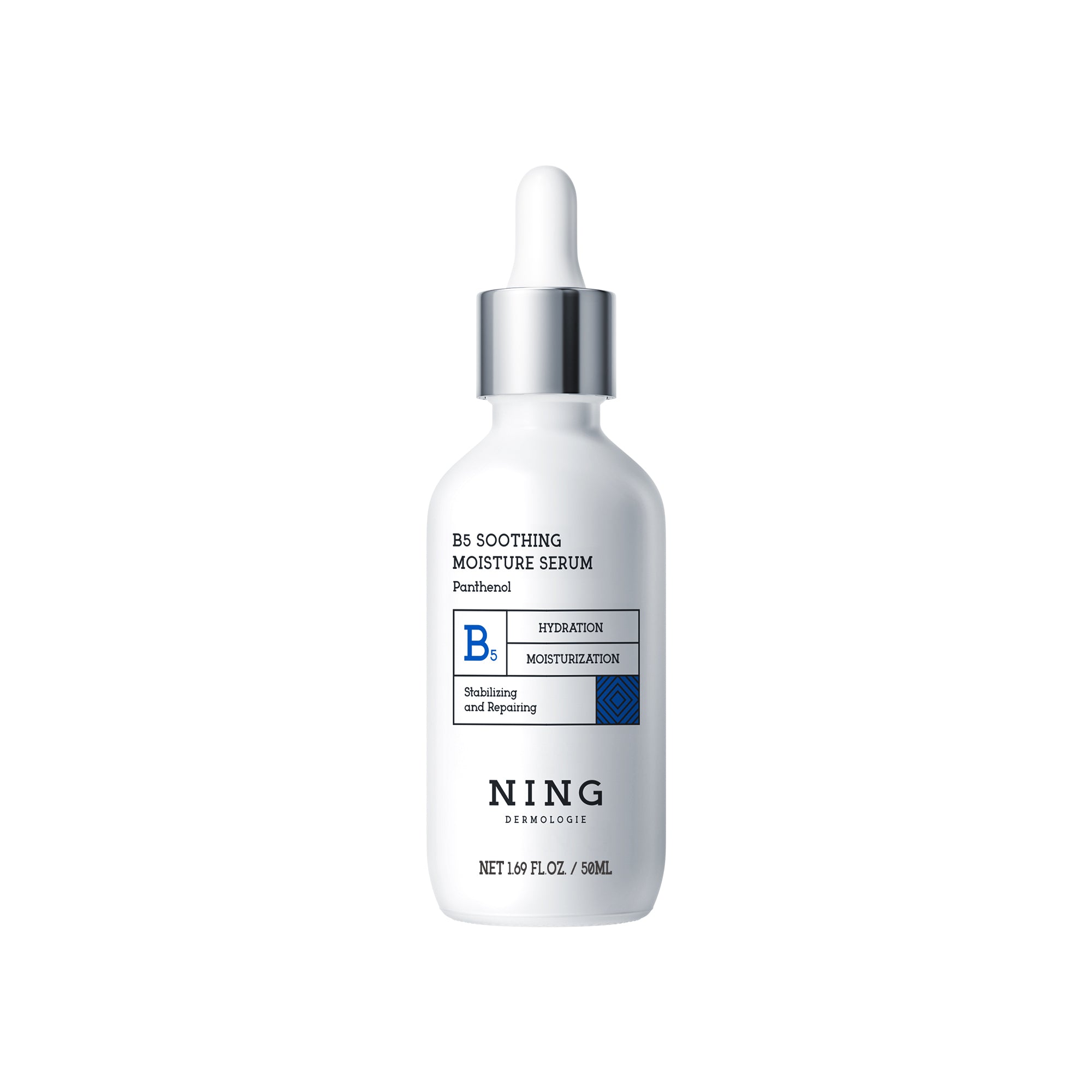
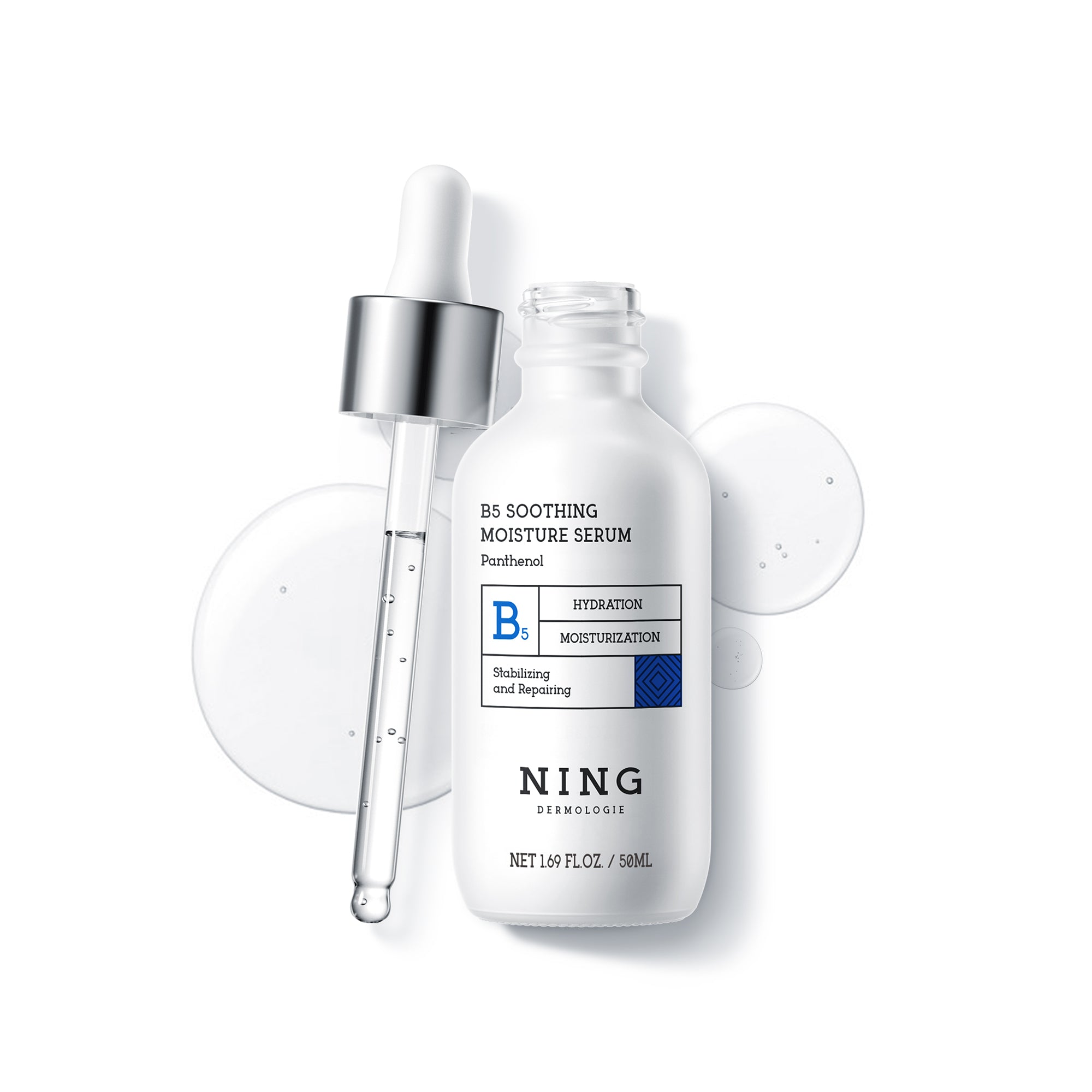
Not all serums are created equal. A cheap serum might use large HA molecules that just sit on top of the skin feeling tacky. Better formulations, like the NING Dermologie Hydrating & Soothing Essence Lotion, utilize varying molecular weights, including micro hyaluronic acid. The smaller sizes can penetrate a bit deeper, providing longer-lasting hydration rather than just a surface-level splash.
### A Quick Medical Sidebar
Hyaluronic acid isn’t just for vanity. Its ability to promote tissue hydration and assist in wound healing is recognized medically. Organizations like the Cleveland Clinic note its use in treatments for everything from joint pain to conditions like interstitial cystitis and vaginal dryness. It's a serious biological worker, not just a beauty buzzword.
Deep Dive: The Moisturizer
While serums are lightweight watery workers, moisturizers are the heavy lifters. Their primary job is to support and replicate the skin barrier.
Your skin barrier is essential. It keeps the bad stuff out (bacteria, pollution, UV rays) and keeps the good stuff in (water, electrolytes). This barrier is largely made up of lipid molecules, ceramides, cholesterol, and fatty acids.
A moisturizer is typically an emulsion of oil and water containing two types of ingredients that serums usually lack:
- Emollients: These fill in the cracks between rough, dead skin cells, making the skin texture feel smoother immediately. Think Shea butter or jojoba oil.
- Occlusive Ingredients: These form a physical seal over the skin to physically block trans-epidermal water loss (TEWL). This is the "plastic wrap" effect.
Why You Need It
If you have dry skin (meaning your skin doesn't produce enough of its own natural oils), a moisturizer is non-negotiable to replace those missing lipids.
Even if you have oily skin, you need occlusives to lock in the hydration from your serum. Without this seal, the expensive hydration you just applied will simply evaporate into the air, leaving your skin tighter than before.
The Comparison Breakdown
If you are prone to skimming, here is the cheat sheet on how these two distinct product categories compare.
|
Feature |
Hyaluronic Acid Serum |
Moisturizer |
|
Primary Function |
Hydration (Attracts water) |
Moisturization (Seals in water + adds lipids) |
|
Key Ingredient Type |
Humectant |
Emollient, Occlusive, and some Humectants |
|
Texture |
Thin, watery, gel-like. Absorbs fast. |
Thicker cream, lotion, or balm. Sits closer to the surface. |
|
Skin Depth |
Penetrates somewhat deeper (depending on molecular size). |
Works primarily on the surface to reinforce the barrier. |
|
Best for... |
Dehydrated skin, plumper skin look, fine lines. |
Dry skin, damaged skin barrier, locking in routine. |
|
The "Feel" |
Tacky or invisible once dry. |
Soft, smooth, sometimes slightly greasy. |
The NING Dermologie Philosophy: The "And" Strategy
At NING Dermologie, we get frustrated when we see brands pushing consumers to choose between hydration and barrier support. You need both to achieve your skincare goals.
It is not "HA Serum VS. Moisturizer." It is "HA Serum AND Moisturizer."
They are a power couple. The serum loads the gun; the moisturizer pulls the trigger.
If you apply thick Shea butter to dehydrated skin, you are just greasing up a dried prune. It won't look plump.
If you apply pure HA serum and walk out into dry winter air without sealing it, the dry air will actually pull water out of your skin via the HA, making you drier.
How to Layer Correctly
The golden rule of skincare layering is texture: Thinnest to Thickest.
- Cleanse: Remove dirt, surface oil, and makeup.
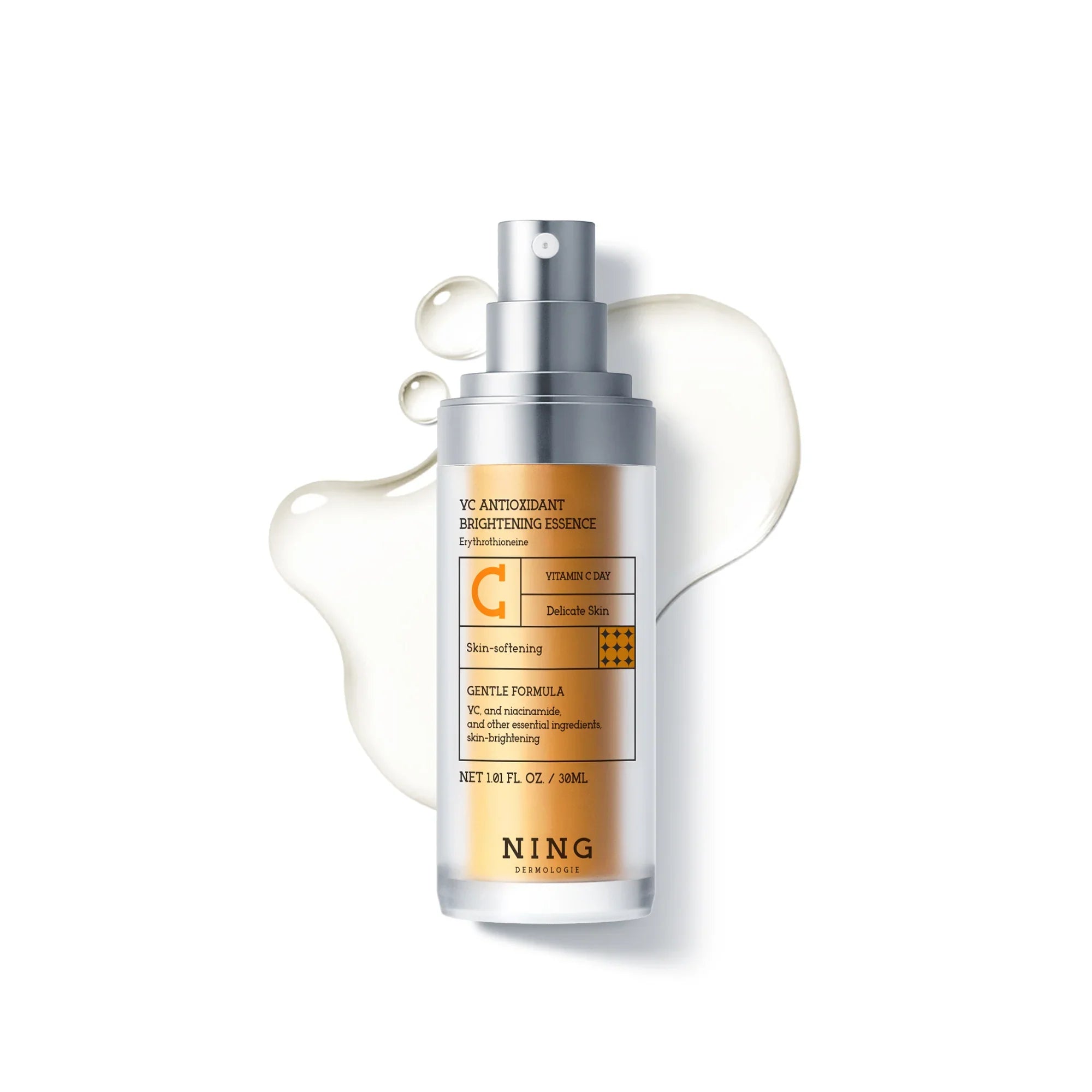
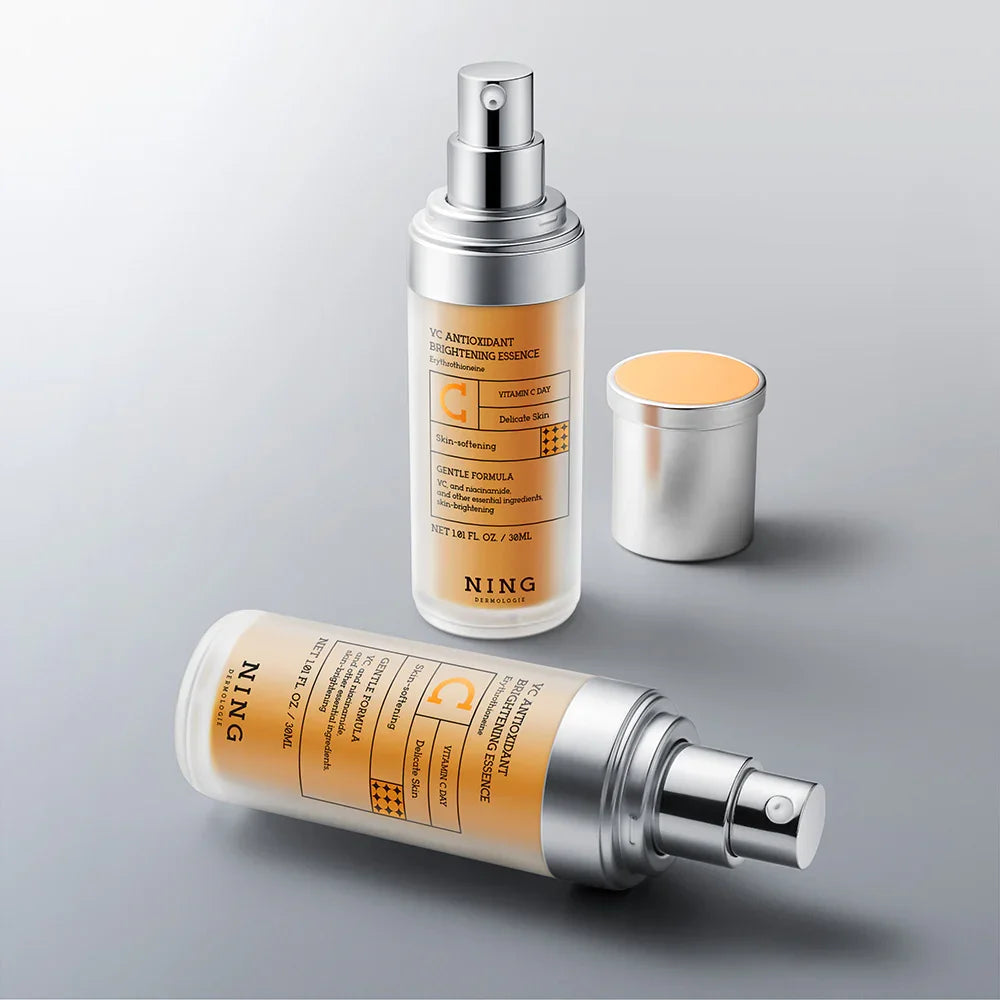
- Treat (Optional): This is where your pH-dependent actives go. If you use salicylic acid for acne or vitamin C for brightening, apply them to bare skin.
- Hydrate (The Serum Step): Apply your hyaluronic acid on slightly damp skin. This gives the HA immediate water to grab onto.
-
- Product Spotlight: This is where the NING Dermologie Hydrating & Soothing Essence Lotion shines. It's not just plain HA; we combined effective hydrators with soothing botanicals like Aloe vera and licorice extract. It hydrates deeply while calming sensitive skin, prepping it perfectly for the next step. Check out the Essence Lotion here.
- Moisturize (The Sealant Step): While the serum is still slightly tacky, immediately apply your cream or lotion to lock it all in.
- Protect (Morning Only): Sun exposure is the fastest way to destroy your skin barrier and degrade your natural hyaluronic acid supply. A broad-spectrum sunscreen protects against both UVA rays (aging) and UVB rays (burning) and lowers the risk of skin cancer.
Troubleshooting by Skin Type
A common mistake is thinking certain skin types get a pass on one of these steps. They don't, but the type of product you choose changes.

Oily and Acne-Prone Skin
You might think you don't need moisture because you have oil. Wrong. Sebum production (oil) is distinct from moisture levels (water). Oily skin is often desperately dehydrated because harsh acne treatments (like benzoyl peroxide or strong lactic acid) strip water away.
- Your Strategy: Use a lightweight HA serum to hydrate without clogging pores. Follow with a gel-cream moisturizer that contains ceramides but is oil-free.
Dry and Sensitive Skin
Your skin barrier is likely compromised, meaning it has tiny cracks that let water out and irritants in. You have low skin resilience.
- Your Strategy: You need a ceramide serum or a robust HA serum rich in soothing agents (like the NING Essence Lotion). Follow with a richer, thicker cream containing substantial lipids and occlusives like shea or squalane to physically patch up the barrier. Avoid harsh physical exfoliation.
The Final Verdict
Stop expecting a moisturizer to do a serum’s job, and stop expecting a serum to act like a barrier cream.
A hyaluronic acid serum like our Hydrating & Soothing Essence Lotion is your tall glass of water. Your moisturizer is the lid on the cup.
If you want plump, resilient skin that doesn't feel tight by 3 PM, quit trying to shortcut the process. Use the right tools for the right jobs, in the right order. It’s simple science.
Frequently Asked Questions (FAQ)
Q: Can I just use a hyaluronic acid serum alone instead of a moisturizer?
A: No. HA draws water to the surface, but it cannot hold it there against evaporation. Without a moisturizer containing occlusive ingredients to seal it in, the water will escape, potentially leaving your skin even more dehydrated than before you started.
Q: Is hyaluronic acid okay for oily or acne-prone skin?
A: Yes, it’s excellent. Oily skin is often dehydrated (lacking water). HA adds necessary hydration without adding grease or clogging pores. Balancing skin’s water levels can sometimes actually help regulate excess sebum production.
Q: Why does my skin feel tighter after using hyaluronic acid?
A: This happens in dry climates. If the air humidity is low, the HA has nowhere to pull water from, so it pulls it from the deeper layers of your skin outward. Always apply HA to damp skin and immediately seal it with a moisturizer.
Q: If my moisturizer lists hyaluronic acid as an ingredient, do I still need a separate serum?
A: Usually, yes. The concentration of HA in a cream is typically lower than in a dedicated serum. Furthermore, creams prioritize larger molecules that sit on top. A serum is formulated to penetrate deeper for more intense hydration.
Q: Can I use Hyaluronic Acid with active ingredients like Retinol or Vitamin C?
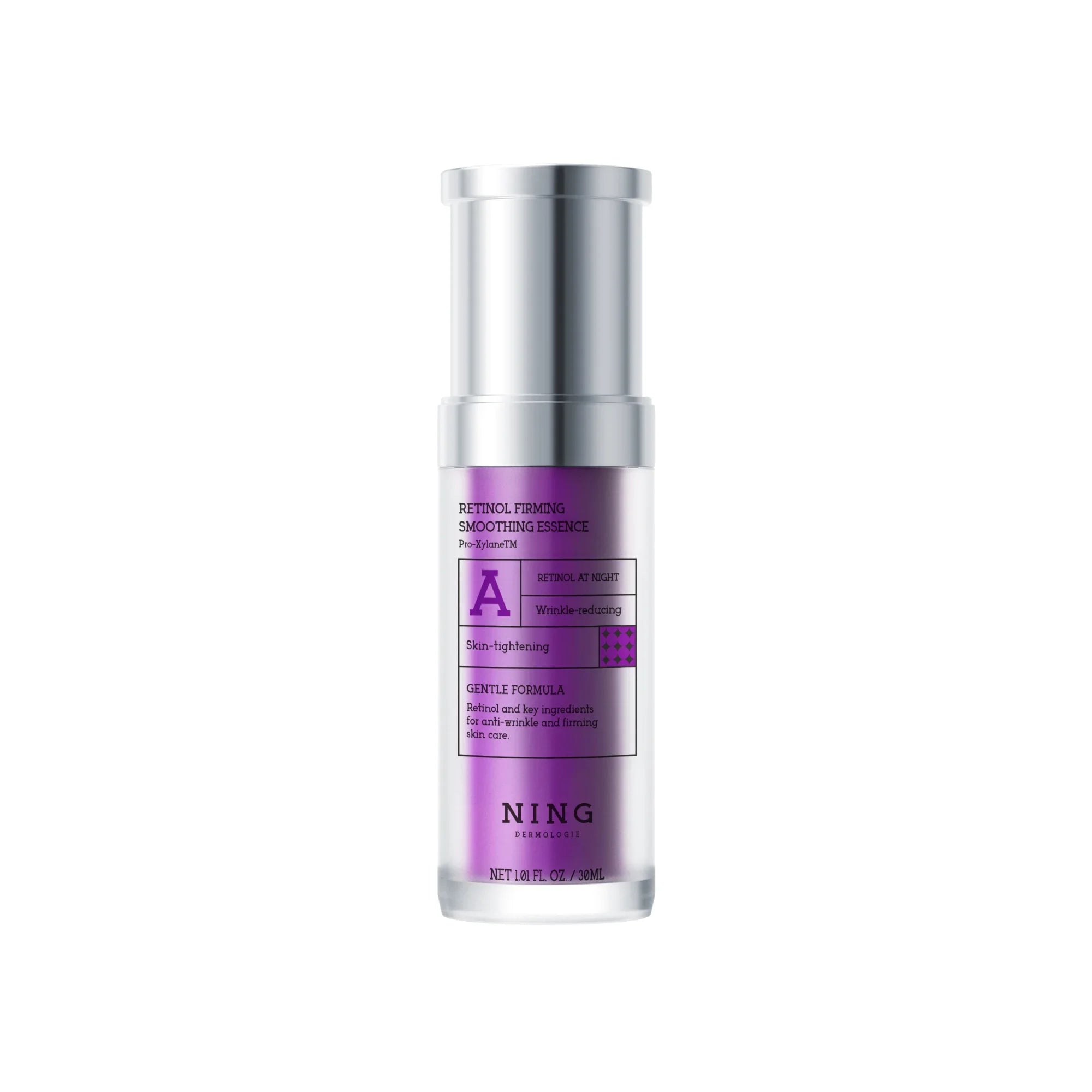
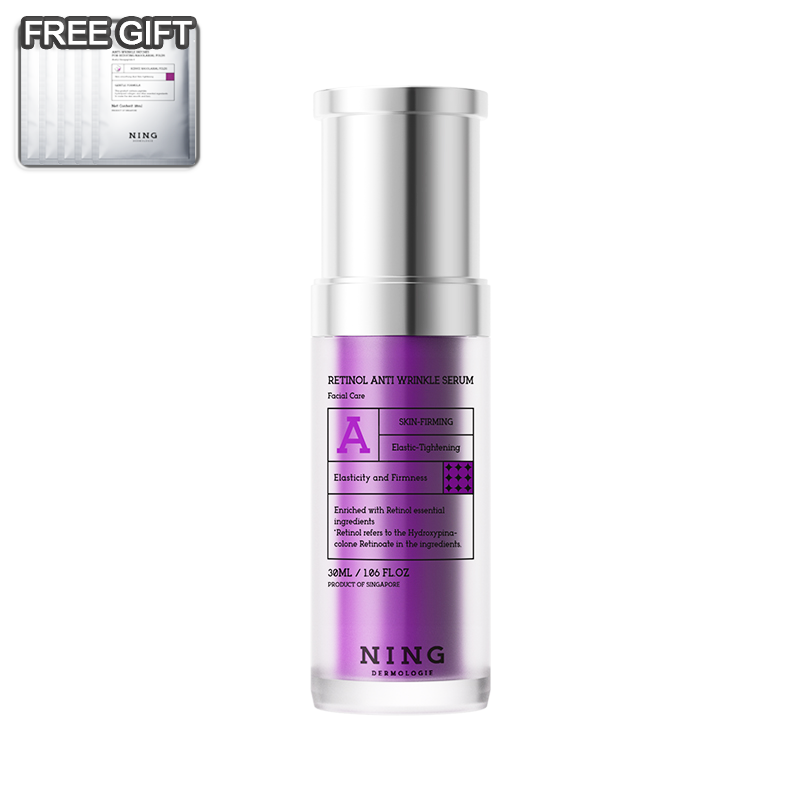
A: Yes, HA plays well with almost everything. In fact, it can help soothe the irritation sometimes caused by strong actives like retinol or chemical exfoliants. Apply your active treatment first, let it absorb, then follow with HA and moisturizer.





Share:
Reviews for hyaluronic acid serums suitable for sensitive skin
Which brands offer cruelty-free hyaluronic acid serums?