



If you have sensitive skin, the word "acid" probably triggers a fight-or-flight response. I get it. You’ve spent years babying your skin barrier, avoiding anything that might cause a flare-up. But then, the breakouts start. Maybe it’s hormonal acne, maybe it’s just excess oil, or perhaps those stubborn clogged pores that just won’t budge.
You scroll through TikTok, seeing Sydney Sweeney or Amanda Seyfried with flawless complexions, or you watch influencers rave about TikTok-viral cleansers. You want that clear skin. But you also know that one wrong move with a harsh exfoliant could leave your face red, stinging, and angry.
Here is the truth that many board-certified dermatologist experts will tell you: You can use Salicylic Acid (BHA) on sensitive skin. In fact, for acne-prone sensitive types, it is often better than physical scrubs or strong benzoyl peroxide. The secret isn't avoiding the ingredient; it's choosing the right vehicle for it.
Let’s break down exactly how to navigate the overwhelming world of face washes and find "The One" that clears your pores without wrecking your barrier.

The Science: Why Salicylic Acid? (Without the Boring Lecture)
Before we buy anything, we need to understand what we are putting on our faces. Salicylic Acid is a beta hydroxy acid (BHA). Unlike Glycolic Acid (an AHA), which is water-soluble and works mostly on the surface, BHA is oil-soluble.
Think of your pores like a tunnel. AHAs clean the entrance of the tunnel. BHAs have the VIP pass to go inside the tunnel, mix with the oil (sebum) produced by the sebaceous gland, and dissolve the gunk that causes acne-causing bacteria to thrive.
It has keratolytic properties, which is a fancy way of saying it acts as a keratolytic agent to unglue dead skin cells that are blocking your pores. This promotes cell turnover. But here is the kicker for sensitive folks: Salicylic Acid also has inherent anti-inflammatory properties. It is related to aspirin. So, while it is deep cleaning, it is actually trying to calm the redness down.
The Sensitive Skin Dilemma: It’s Not the Acid, It’s the Formula
If BHA is anti-inflammatory, why does it burn my face?
Great question. Usually, the problem isn't the beta-hydroxy acid itself; it’s the supporting cast in the bottle. Many acne-prone skin products are formulated for "tough" teenage skin. They are loaded with high alcohol content to dry out grease, harsh sulfates (SLS) that strip the skin barrier, and synthetic fragrances that smell like a peppermint factory explosion.
For sensitive skin, skin irritation happens when the pH-balanced cleanser rule is ignored, or when the concentration is too high. You need a facial cleanser that respects your biology.
1. The Concentration Sweet Spot
In the skin-care product aisle, you will see percentages ranging from 0.5% to 2%. For cystic acne or severe nodular acne on tough skin, 2% is the gold standard.
However, if you are prone to redness, look for a salicylic acid cleanser that sits around the 0.5% to 1% mark, or uses a time-release technology. You don't need a nuclear weapon to kill a mosquito. A lower concentration used consistently is better than a high concentration that you use once and then quit because your face hurts.
2. The "Vehicle" Matters: Wash-Off vs. Leave-On
If you have sensitive skin, face cleansers are your best friend. Why? Because they are "short contact therapy."
When you use a spot treatment or a toner, the acid stays on your skin all day (or night). That increases the risk of dryness. A salicylic acid face wash, however, does its job in 60 seconds and then gets rinsed down the drain. You get the exfoliating properties and the deep clean, but you minimize the risk of irritation.
What to Look For: The Checklist
We are ignoring the hype. I don't care if it's the top seller on Amazon Prime or if it has cute packaging. We are looking at the ingredient deck.
The Surfactants (The Cleaning Agents)
This is the most critical part. Most face washes use harsh soaps to strip oil. This triggers your skin to produce more oil to compensate (the rebound effect).
You want gentle cleansers that use Amino Acid-based surfactants. These are chemically similar to the proteins in your skin. They clean without stripping.
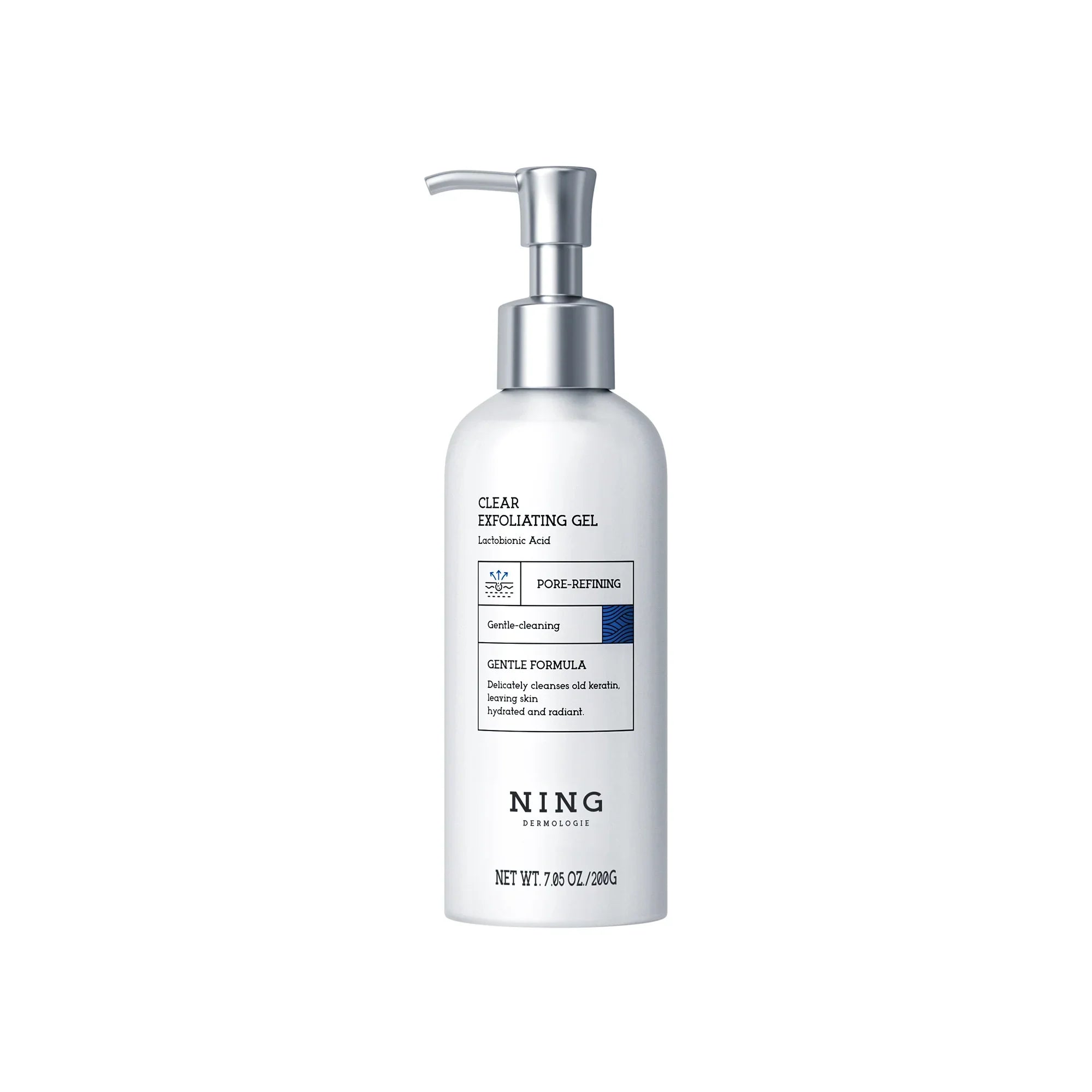
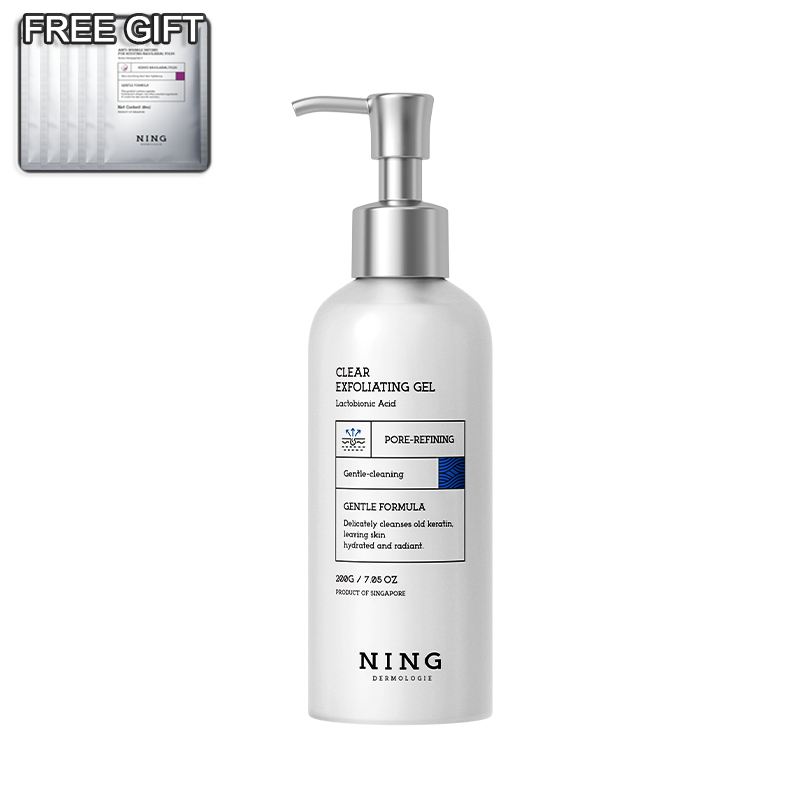
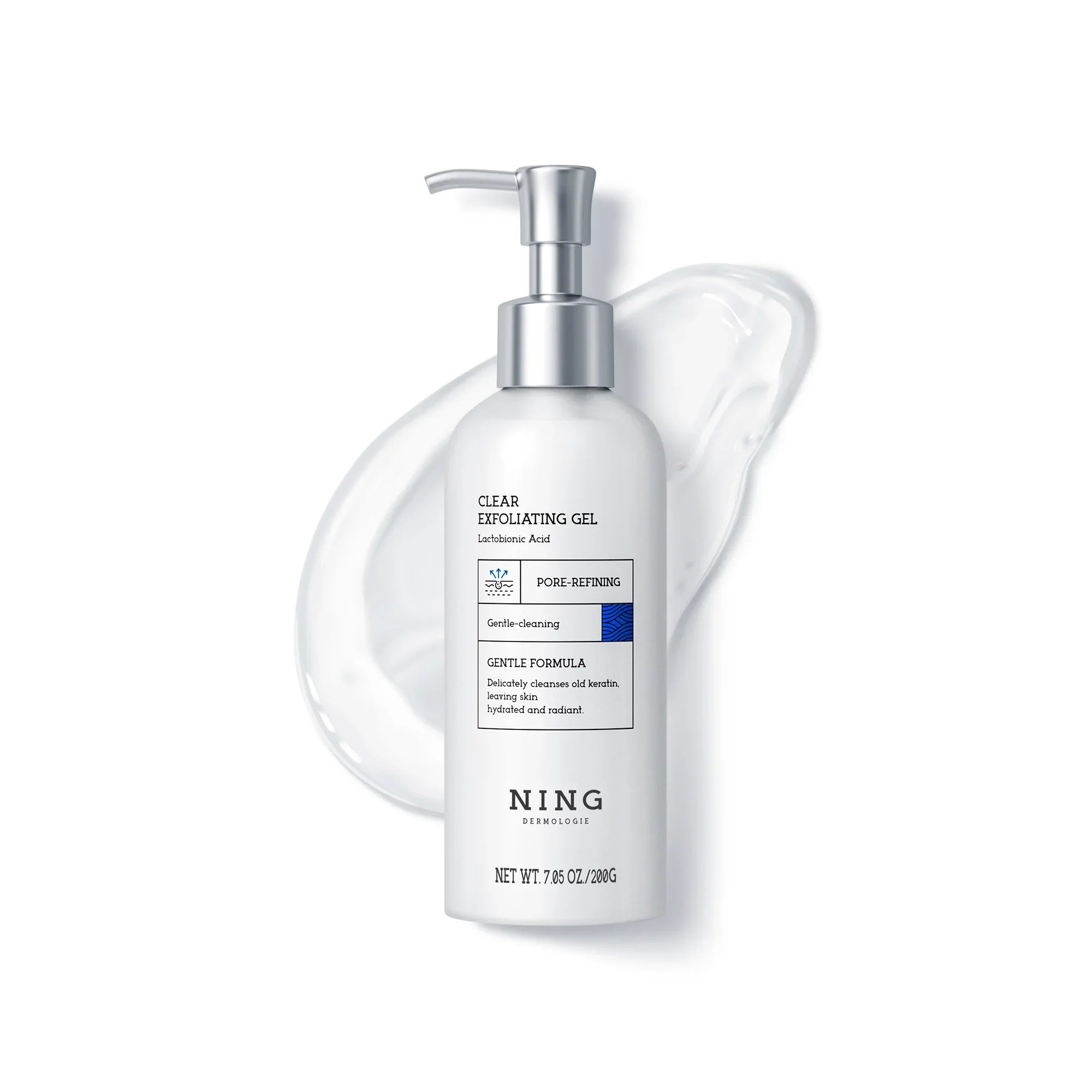
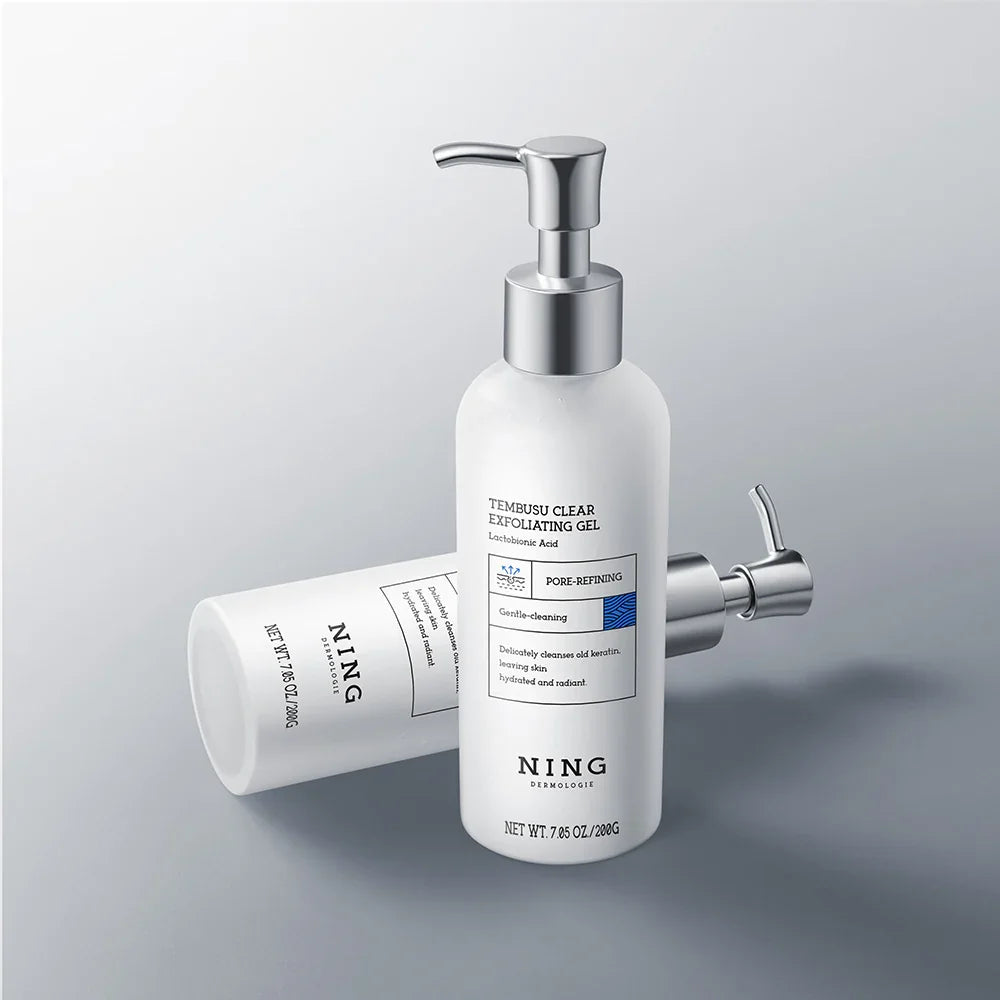
This is where NING Dermologie really understands the assignment. Their Amino Acid Facial Cleanser with Salicylic Acid is designed specifically for this balance. It uses a mild amino acid base that lifts oil buildup and dirt but leaves the hydration barrier intact. It treats the cleansing step as the foundation of your skin-care routine, not just a "wash and go."
The Soothers
A BHA cleanser for sensitive skin must contain moisture-sealing ingredients or anti-inflammatories to buffer the acid. Look for:
- Aloe vera or Aloe juice: Classic, effective soothing.
- Hyaluronic Acid: To pull water back into the skin immediately.
- Thermal spring water: Often found in French pharmacy brands.
- Tea tree oil: Caution here. While antibacterial, it can be irritating. Only accept it in low doses.
The NING Dermologie formula pairs its Salicylic Acid with soothing botanicals, ensuring that while the BHA dives deep into clogged pores, the surface of the skin remains calm.
Ingredients to Avoid (The "No-Go" List)
If you see these in the top 5 ingredients of a BHA cleanser, put it back on the shelf:
- Sodium Lauryl Sulfate (SLS): Too harsh for sensitive acne types.
- Physical Scrubs: You do not need apricot kernels or plastic beads. The chemical exfoliant (BHA) is doing the work. Don't double exfoliate.
- High levels of Alcohol Denat: It gives a "tight" feeling that people mistake for clean, but it’s actually dehydration.
Incorporating It Into Your Routine: The "Low and Slow" Method
So, you bought the NING Dermologie cleanser. Do not—I repeat, do not—start using it twice a day, every day. Even with gentle cleansers, your skin needs to adjust to the increase in cell turnover.
Week 1: Use it once every other evening. On off nights, use a plain, non-active cleanser. Week 2: If you have no peeling or stinging, move to once daily (preferably night). Week 3: Listen to your skin. If you are essentially oily, you might work up to twice a day, but most sensitive types do best with once daily usage.
The "Sandwich" Concept
Think of your routine like a sandwich.
- Bottom Bun: Your cleanser (The active step).
- The Filling: Your serums. If you are using a BHA wash, skip other strong actives like benzoyl peroxide or high-strength retinoids at the same time.
- Top Bun: A hydrating moisturiser or face cream. This is non-negotiable. Even oily skin needs moisture. Look for Night Creams that focus on barrier repair (ceramides, peptides) to support collagen production and recovery while you sleep.
Addressing Different Skin Conditions
"But I have Dry, Sensitive Skin with Acne"
It’s a paradox, but it happens. Skin disorders often overlap. In this case, the NING Dermologie Amino Acid base is even more vital because it won't strip the little oil you do have. You might strictly use it 3 times a week.
"I have Textured Skin and Blackheads"
BHA is the king of fixing skin texture. Those little bumps (closed comedones) are just clogged pores waiting to happen. Consistent use of a salicylic acid face wash dissolves the glue holding those bumps together better than physical Face Exfoliators.
The Market: Hype vs. Reality
The beauty industry is weird. We spend hours researching the hair market to find sulfate-free shampoos for our split ends, but we’ll slap a $5 harsh dish-soap-style cleanser on our faces because a teenager on the internet said it cured their acne.
Brands like Bare Addiction Daily Foaming Gel Cleanser or formulations recommended by the Cleveland Clinic often follow the principles we discussed: low irritation, effective actives. But you have to read the label.
Whether you are shopping for a beauty product on a luxury site or grabbing a bottle during your weekly grocery run, the rules don't change. Skin types vary, but the biology of the skin barrier is universal. You break it, you buy it (the consequences, that is).
A Note on "Purging"
When you start using exfoliating ingredients like the Salicylic Acid in the NING Dermologie cleanser, things might look worse before they get better. This is called "purging."
It’s not a reaction; it’s a cleanup. The acid is speeding up the lifecycle of acne-causing bacteria and oil deep in the pore. A pimple that was going to show up in three weeks might show up tomorrow. This usually lasts 2-4 weeks. Keep going unless you feel intense burning or see a rash (that’s irritation, not purging).
Final Thoughts: Your Self-Care Routine
Treating your face shouldn't feel like a punishment. If your self-care routine involves stinging pain, you are doing it wrong.
Choosing the right cleanser is about respect—respecting your sensitive skin’s limits while acknowledging its need for deep cleaning. By opting for a balanced, amino-acid-based formula like NING Dermologie’s, you get the best of both worlds: the pore-clearing power of BHA and the gentle touch your skin craves.
Clear skin isn't about scrubbing it into submission. It's about finding the balance.

Frequently Asked Questions (FAQ)
Q: Can I use a salicylic acid face wash every single day?
A: Eventually, yes, but not on day one. If you have sensitive skin, start with 2-3 times a week. If your skin feels tight or dry, dial it back. Consistency beats intensity. Listen to your face, not the instructions on the back of the bottle.
Q: Will this cleanser remove my makeup?
A: It can remove light makeup, but for a full face (foundation, waterproof mascara), you should double cleanse. Use an oil balm or micellar water first to break down the makeup, then follow with your salicylic acid cleanser to actually clean the pores.
Q: Can I use Vitamin C or Retinol with a BHA cleanser?
A: Proceed with caution. Using a BHA wash and then immediately applying Retinol can be a recipe for irritation on sensitive skin. Try using Vitamin C in the morning and your BHA cleanser at night. If you use Retinol, maybe use a gentle, non-active cleanser that night instead.
Q: Does Salicylic Acid work for cystic acne?
A: It helps, but it’s not a magic cure for deep hormonal cysts. BHA is best for blackheads, whiteheads, and surface inflammation. For deep cystic acne, the anti-inflammatory effect helps reduce pain, but you may need to consult a dermatologist for a stronger treatment plan.
Q: Is it safe to use during pregnancy?
A: Generally, yes. Most doctors agree that Salicylic Acid in wash-off forms (cleansers) at concentrations under 2% is safe because systemic absorption is minimal. However, always double-check with your OB-GYN just to be 100% sure before adding it to your routine.





Share:
I Ditched the Filters: Real Talk on 5 Salicylic Acid Face Washes (And Which One Actually Saved My Skin)
Stop Overpaying for Clear Skin: The Best Affordable Salicylic Acid Face Washes (That Actually Work)