



Wake up. You wash your face. Instantly, your skin feels like it’s two sizes too small. There is a hot, stinging sensation spreading across your cheeks, and a dull, angry redness that won't fade.
Your skin is screaming. You aren't just dealing with dryness. You are dealing with a compromised skin barrier.
To understand what is happening to your face, we need to talk about the physical body. We are familiar with the concept and the art of being 'tight' when it comes to muscles and joints. If you experience muscle tightness, muscle pain, or chronic muscle tension, you don't ignore it. If you have tendon tightness and stiffness in your shoulder tendons, or you feel muscle weakness radiating from your gluteus maximus up through your levator scapulae, you know something is structurally wrong.
When your body breaks down, you seek help. You might look for physical therapy, book a sports massage to work out trigger points, or consult orthopedic surgeons and sports medicine doctors. For severe joint instability, a ligament injury, or extreme ligament laxity, people often explore arthroscopic surgery, steroid injections, medication injection, or trigger point injections just to function normally again. We understand the kinetic chain of the human body. We know that poor posture, spinal misalignment, or movement variability issues can cause referred pain and long-term musculoskeletal pain.
Your skin has a kinetic chain, too. It’s your moisture barrier—the stratum corneum. And right now, yours is fundamentally broken.

The Anatomy of a Breakdown
Think of your skin barrier as a brick wall. The skin cells are the bricks. The lipids (ceramides, cholesterol, fatty acids) are the mortar holding it all together. When you strip that mortar away through over-exfoliation, harsh weather, or stress, the wall crumbles. Micro-tears form. Irritants get in. Water evaporates out.
Let's look at this through an economic lens. When your barrier is damaged, your skin's micro-economy faces severe market tightness. Your hydration levels plummet. There are massive job vacancies where your essential lipids should be, and a buildup of dead, unemployed workers (dehydrated skin cells) clogging the surface. Your skin’s natural security service—the acid mantle—is offline. If this biological security solution had an IP Address or a Reference number, it would trace back to a system completely stripped of its defenses.
People panic when their face turns red and burns. They mistakenly assume they are having a sudden allergic reaction. They jump online, scouring every clinic page for medical advice. In the medical world, patients desperate for relief from conditions like laryngopharyngeal reflux or muscle tension dysphonia might demand proton pump inhibitors or H2 blockers. Patients with Myofascial pain syndrome or joint pain might rely heavily on pain medicines rather than fixing their daily mechanics.
We do the exact same thing with skincare. Instead of resting the skin, people attack it with more products.
If you had delayed onset muscle soreness or a fatigue induced muscle disorder from a heavy training load, you wouldn't go run a marathon. You would scale back. You would listen to experts like Tom Goom (known online as The Running Physio), who advocate for managing load and utilizing eccentric exercise or Nordics exercises to rebuild strength slowly. You'd use a foam roller. You'd engage in self treatments and soft tissue work.
Your skin requires that exact same philosophy. It needs dermatological physical therapists, not more trauma.
The Lifestyle Connection: Stress and Skin
You cannot separate your skin from your nervous system. Stress-related muscle tension drastically reduces the optimal blood supply to your face. When you suffer from sleep problems or repetitive stress from hunching over a laptop, it leads to shoulder blade protraction and muscle spasms. Your neck tightens. Your blood flow restricts.
You might visit Preferred Family Chiropractic in Clermont, FL, for chiropractic adjustments, or seek a dedicated support team at a facility like Samitivej Srinakarin Hospital to address mobility issues. A doctor, perhaps a Dr. Williams or another specialist, might explain how chronic stress spikes your endogenous hormones, leading to inflammation that shows up directly on your face. A holistic approach is mandatory. Lifestyle modification isn't just for bodily pain; it is a requirement for healing your face.
The Rehab Routine (Morning & Night)
This is your new protocol. It is boring. It is simple. And it is exactly what your skin needs to rebuild its structural integrity, much like joint stabilization rehab after an injury.
Step 1: The Hard Stop
Stop all active ingredients. No Vitamin C. No retinoids. No exfoliating acids (AHA/BHA). No scrubs. Put them in a drawer. You are not chasing monetary rewards or quick fixes here; you are rebuilding a foundation.
Step 2: Morning Routine
- Cleanse: Do not use cleanser in the morning. Splash your face with lukewarm (never hot) water. Hot water strips the remaining lipids you are desperately trying to keep. Gently pat dry with a clean microfiber towel.
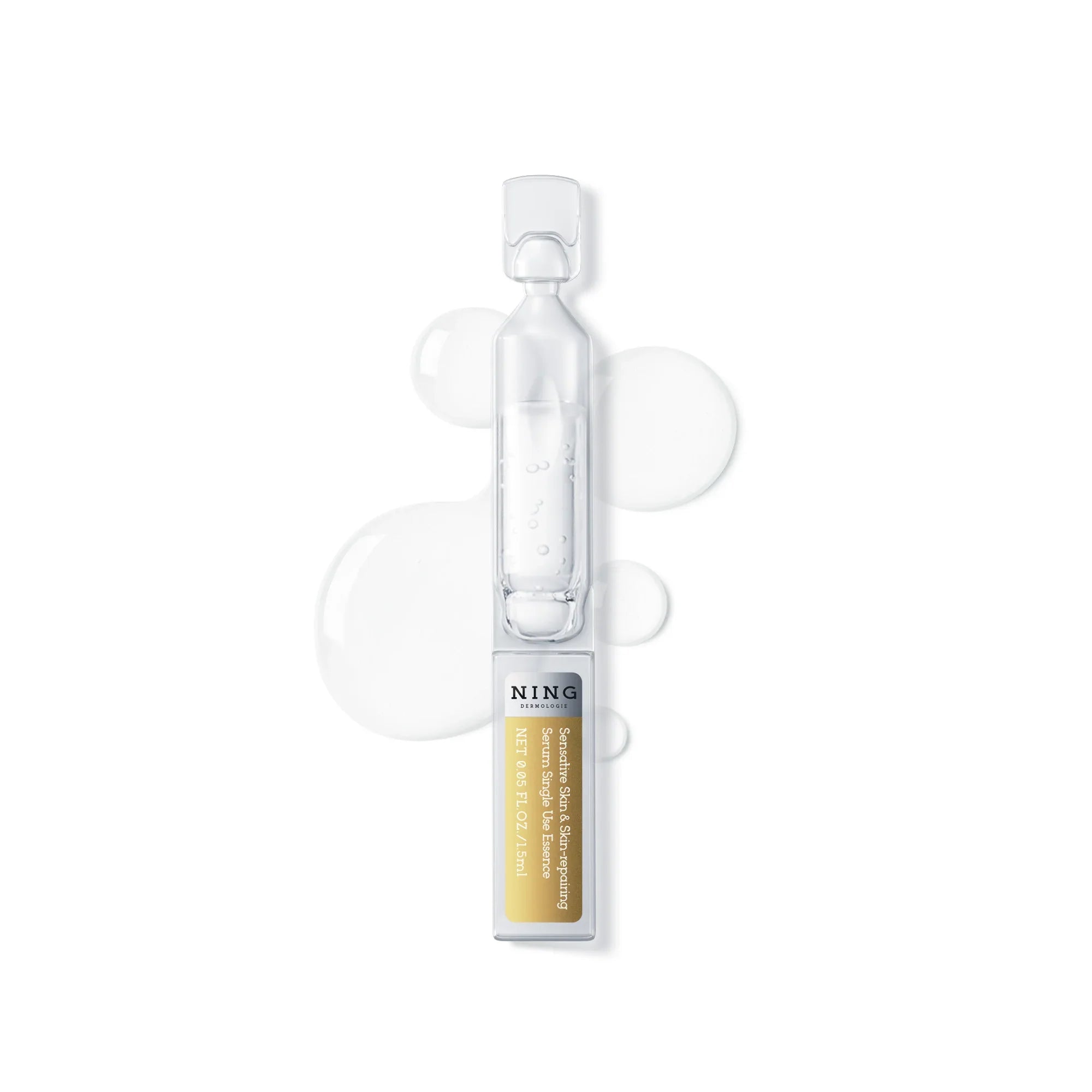
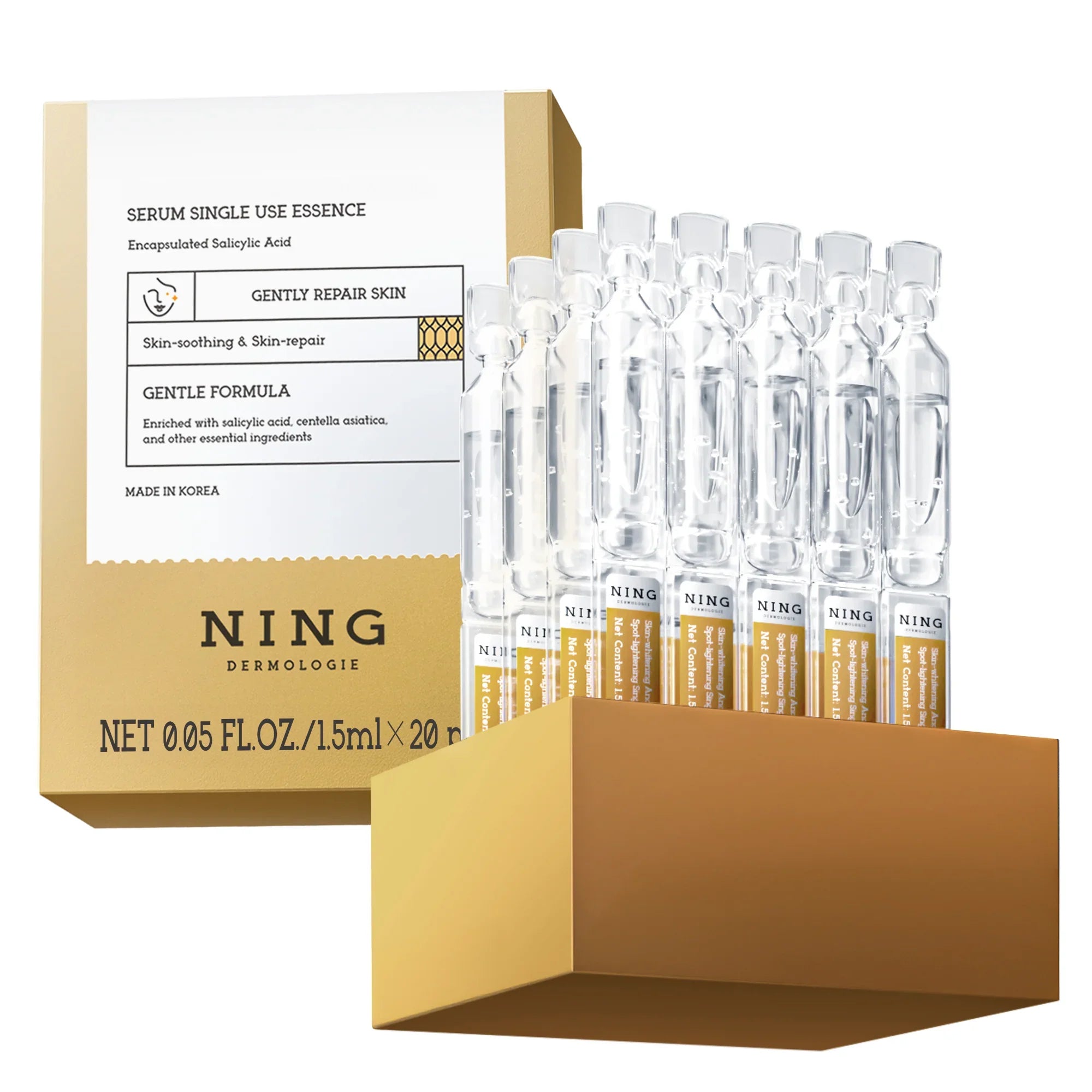
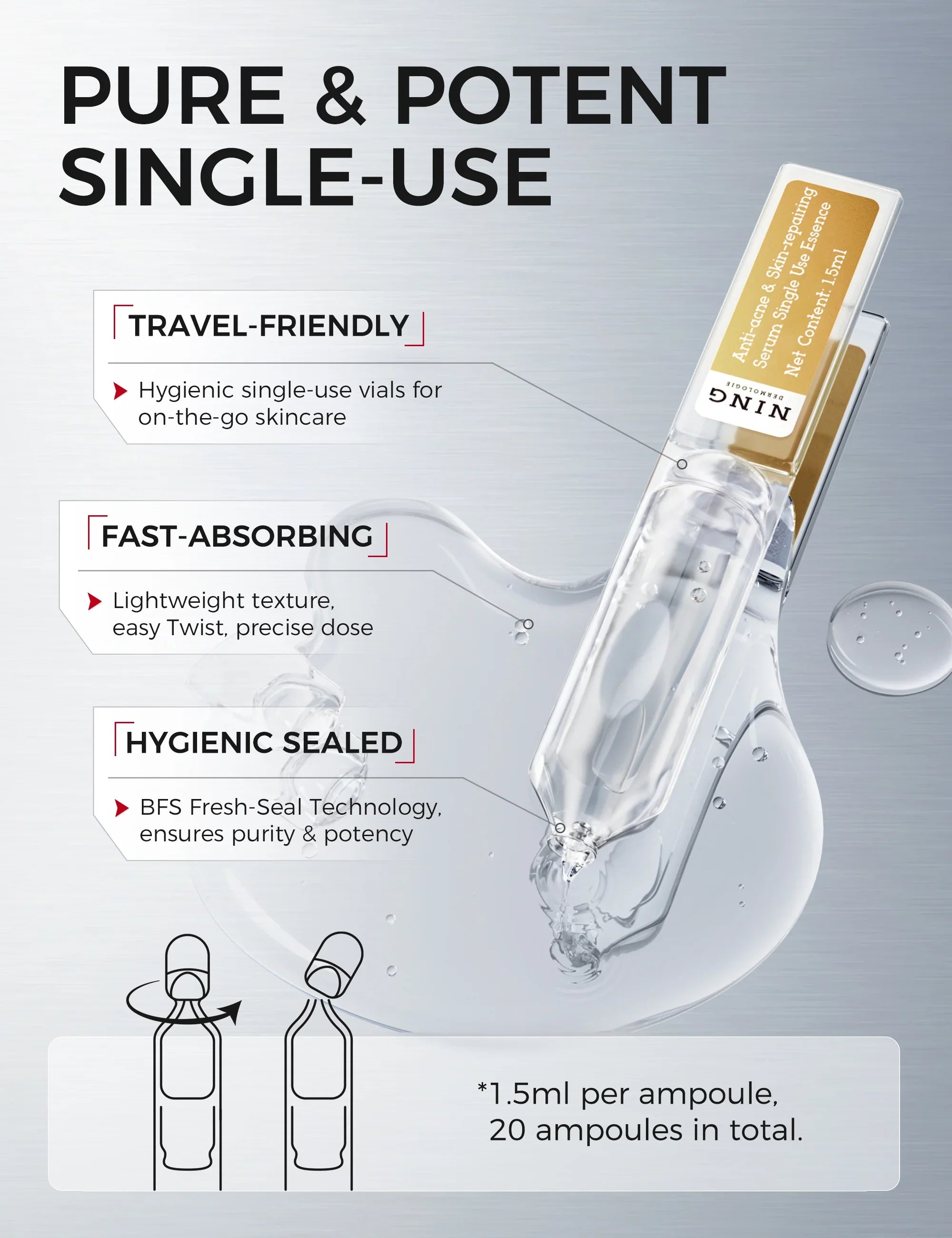
- Treat & Shield: This is where you bring in the heavy structural support. Apply the NING Dermologie Sensitive Rescue & Barrier Shield System. We rely heavily on this specific system because it doesn't just sit on the surface like cheap petroleum jelly. It actively replenishes the missing "mortar" between your skin cells, providing immediate relief from that tight, pulling sensation while rebuilding the lipid matrix over time. It is formulated specifically for skin that is actively angry and reactive.
- Protect: Apply a mineral sunscreen (zinc oxide or titanium dioxide). Chemical sunscreens can sting a broken barrier. Mineral options sit on top of the skin and deflect UV rays without causing internal heat or chemical reactions.
Step 3: Evening Routine
- Cleanse: Use a non-foaming, milky, or cream cleanser. Massage it in very gently with your fingertips for 30 seconds. Do not use cleansing brushes. Do not scrub. Rinse with lukewarm water.
- Damp Application: While your skin is still slightly damp (not dripping wet), apply the NING Dermologie Sensitive Rescue & Barrier Shield System again. Applying it to damp skin helps lock in ambient water, reducing trans-epidermal water loss (TEWL) overnight.
- Seal (Optional): If your skin is flaking off in dry patches, you can apply a tiny, pea-sized amount of a plain healing ointment (like pure Vaseline) specifically over the driest areas to act as a physical roof over your skincare.
Healing a broken barrier requires immense patience. You are letting your skin's natural defenses rest, recover, and rebuild. Stick to the routine, manage your physical stress, and let your skin do the repairing.

Frequently Asked Questions (FAQ)
1. How long does it actually take to fix a broken skin barrier?
Usually 2 to 4 weeks of a strict, zero-active routine. Severe damage might take up to two months. If you cheat and use an exfoliating acid because your skin looks dull, you restart the clock completely. Be patient.
2. Why does my gentle, everyday moisturizer suddenly sting and burn?
Your acid mantle is gone. Without that protective layer, even basic, safe ingredients penetrate too deeply and trigger your skin's nerve endings. It’s like putting water on an open wound. You need barrier-repair specific formulas.
3. Can I still use my Retinol or Vitamin C while doing this routine?
Absolutely not. Using actives on a compromised barrier drives inflammation deeper and causes more hyperpigmentation and premature aging. Lock them in a drawer until your skin no longer turns red after a basic face wash.
4. Is "slugging" (using Vaseline) good for a damaged barrier?
Yes, but with a catch. Slugging traps everything underneath it. If you apply it over clean, bare skin or a repairing cream, it prevents water loss. If you apply it over active ingredients, it will burn your face off.
5. How often should I use the NING Dermologie Sensitive Rescue System?
Use it twice daily, morning and night, as your primary moisturizer. If your skin feels incredibly tight midday due to dry air or wind exposure, you can gently pat a small extra amount onto the driest areas for instant relief.






Share:
Barrier Support Skincare Set for Sensitive and Easily Irritated Skin
How to Smooth Smile Lines and Firm the Eye Area with Targeted Skincare