



Which Korean vitamin C serums are best for sensitive skin?
The "Vitamin C Sting." If you have sensitive skin, you know exactly what I’m talking about. You buy a highly-rated, expensive serum, apply it with high hopes of erasing dark spots, and within thirty seconds, your face feels like it’s being poked by a thousand tiny, hot needles. By the next morning, you’re dealing with a compromised skin barrier and a breakout that takes a week to heal.
It’s a frustrating cycle. We want the brighten and antioxidant benefits of a vitamin c serum, but our skin reacts to pure vitamin c (L-Ascorbic Acid) like it’s a personal attack.
This is where Korean skin care changed the game. Unlike Western formulations that often engage in a "percentage war" (pushing 20% or 25% concentrations that are basically battery acid for sensitive types), top korean brands focus on stability, soothing, and hydration. They understand that a vitamin c brightening serum is useless if you can’t use it daily because of irritation.
In this guide, we’re going to cut through the marketing noise and look at the 8 best options—including the breakthrough formulation from NING Dermologie—to help you improve skin texture without the redness.

Why Sensitive Skin Struggles with Traditional Vitamin C
Before we jump into the best korean vitamin c serum list, we need to address the elephant in the room: ascorbic acid.
Pure vitamin c is notoriously unstable. It hates light, it hates heat, and it needs a very low (acidic) pH level to penetrate your skin. That low pH is precisely what causes the "tingle" that turns into a "burn" for sensitive skin types.
If you have dry skin or a weak skin barrier, a high-concentration acid serum can cause micro-tears and inflammation. This leads to irritated skin, which ironically causes more hyperpigmentation—the very thing you were trying to fix.
The Shift to Stable Derivatives
The "secret sauce" in modern korean skincare products is the use of stable derivatives. Ingredients like Ethyl Ascorbic Acid (found in our NING Dermologie Vitamin C Serum) offer the same brighten skin results as pure vitamin c but at a neutral pH. This means no stinging, no oxidation (the serum doesn't turn orange in the bottle), and much better results for uneven skin tone.
8 Best Korean Vitamin C Serums for Sensitive Skin
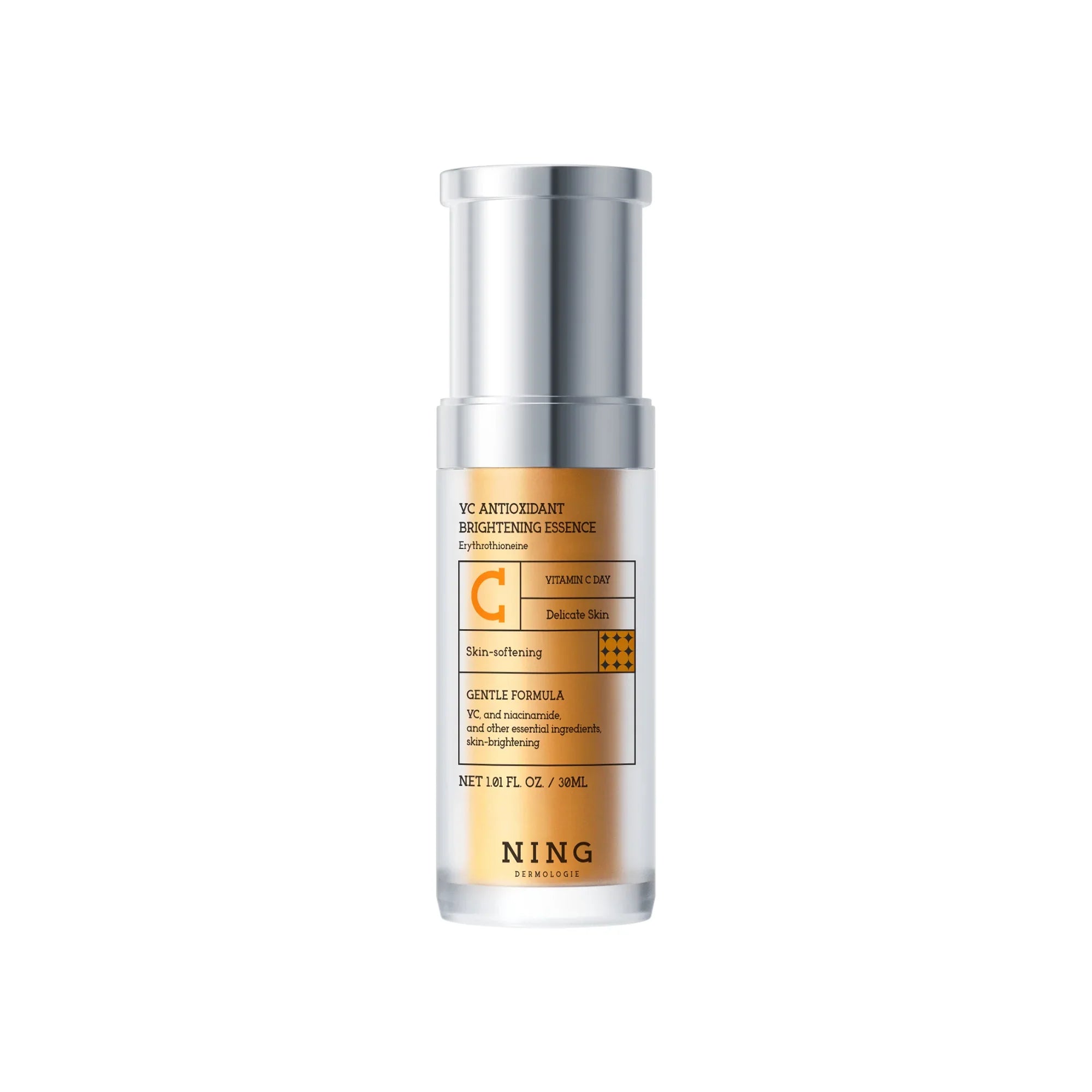
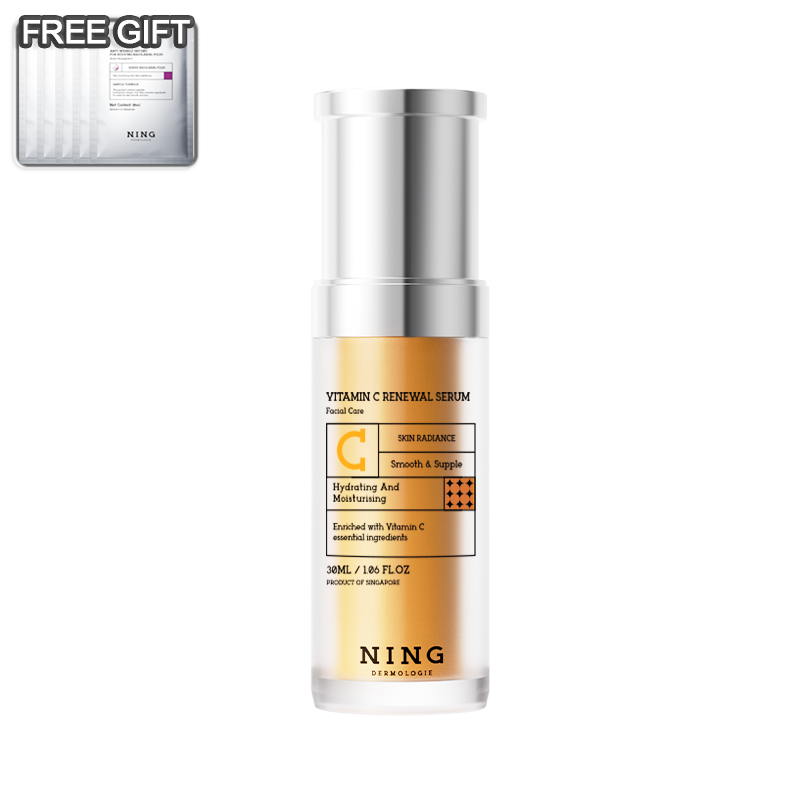
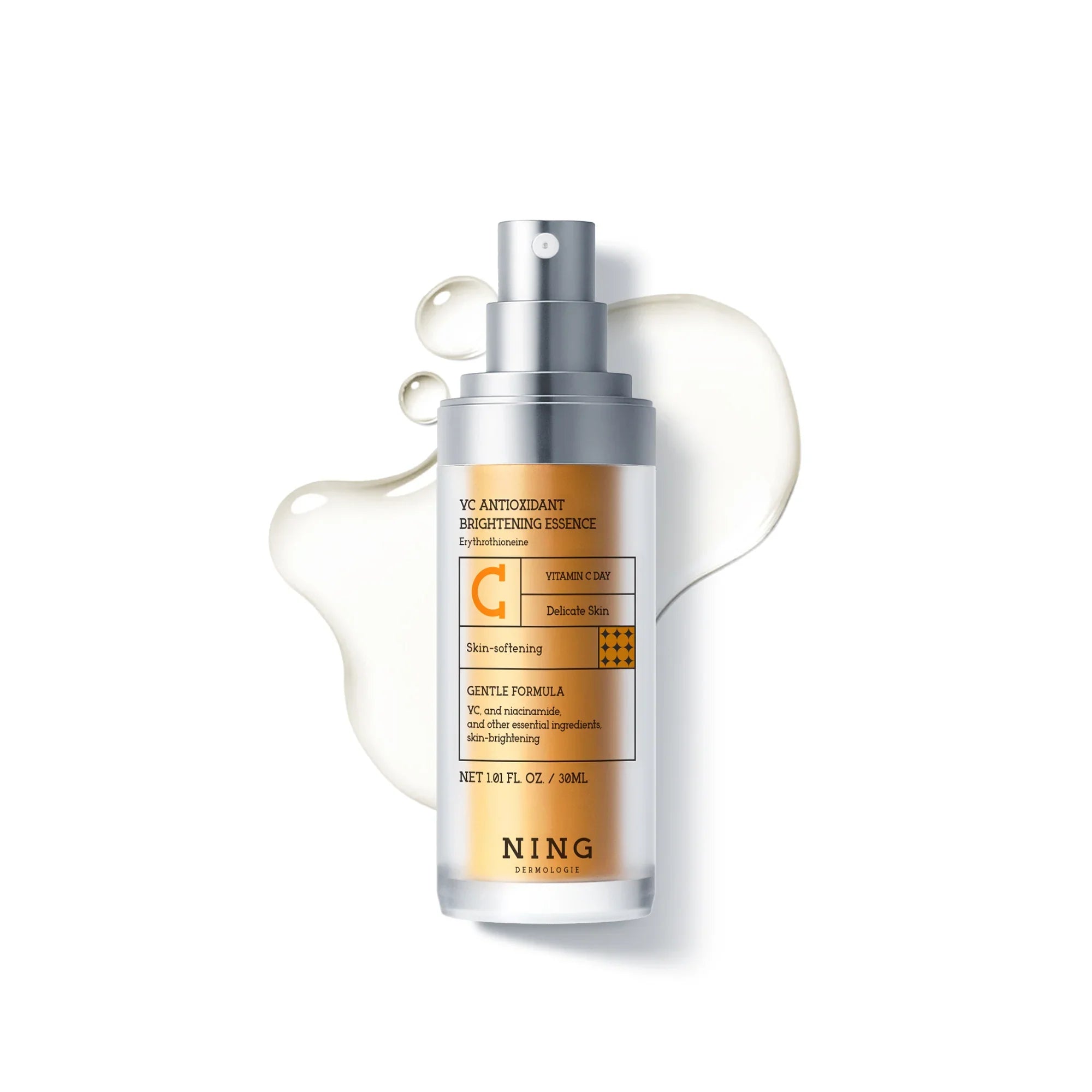
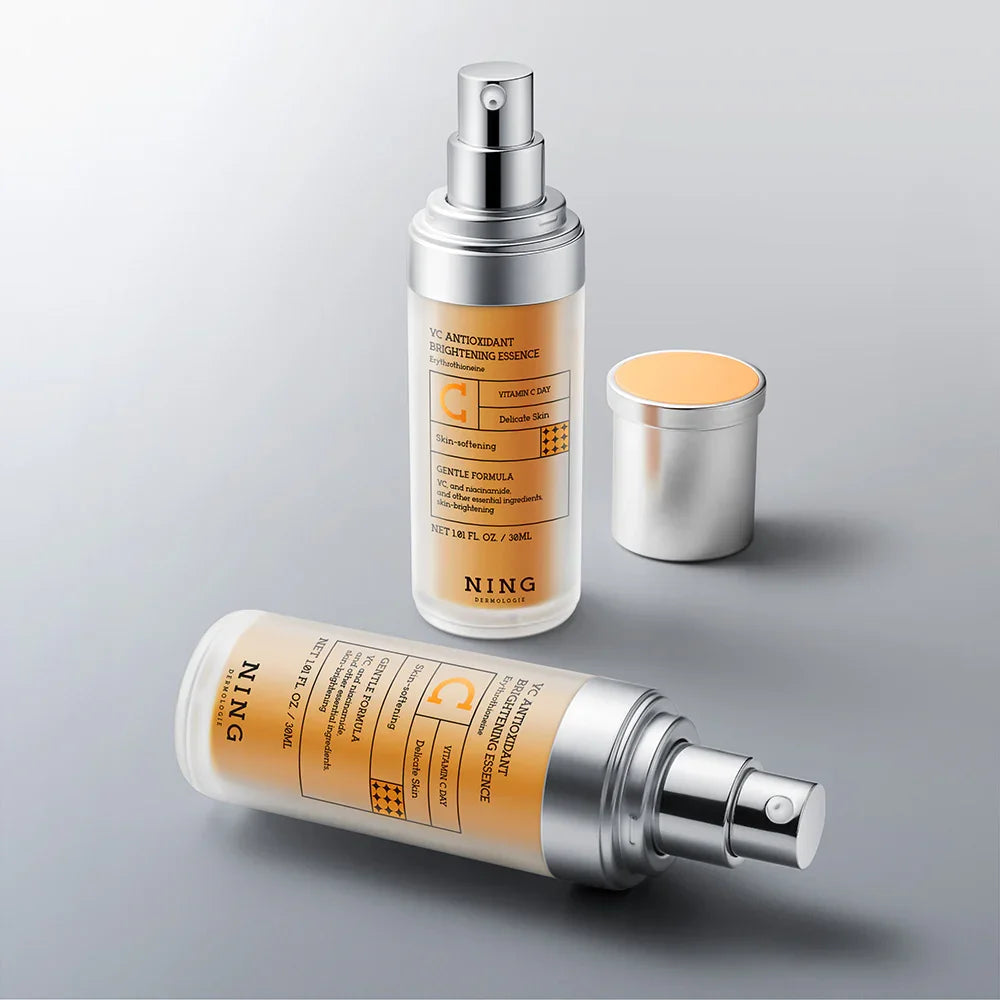
1. Best Overall: NING Dermologie Vitamin C Serum (with Niacinamide)
If you are tired of the "will it or won't it burn" gamble, the NING Dermologie Vitamin C Serum is the gold standard for sensitive skin.
What sets this apart is the use of Ethyl Ascorbic Acid. Unlike the vitamin c 23 serums that are highly acidic, this vitamin c brightening serum is formulated to be gentle yet effective. It pairs the Vitamin C with Niacinamide, which is a powerhouse for dark spots and skin barrier support.
When you use this vitamin c serum for sensitive skin, you aren't just getting an antioxidant hit; you're getting a formula that hydrates with hyaluronic acid and calms with botanical extracts. It’s a vitamin c dark spot solution that actually feels like a luxury moisturizer rather than a harsh chemical treatment. Your skin feels plump and looks radiant, not stripped.
2. The Cult Classic: Beauty of Joseon Glow Serum
You’ve likely seen this all over social media, and for good reason. The Beauty of Joseon Glow Serum isn't a traditional high-octane vitamin c, but it’s a masterclass in korean beauty philosophy.
It utilizes Propolis (60%) and Niacinamide (2%) to brighten skin and handle inflammation. While it’s technically a "glow" serum, it targets dull skin effectively for those who find even the mildest pure vitamin c serum too much to handle. It's the perfect "entry-level" skincare product for someone rebuilding a damaged barrier.
3. The Recovery Choice: Dr.Althea Vitamin C Boosting Serum
The Dr.Althea Vitamin C Boosting Serum is a fantastic top korean choice for those dealing with fine lines and wrinkles alongside sensitivity. This vitamin c boosting serum uses a blend of 8 different vitamins to even out skin tone.
It’s specifically designed to hydrate and brighten without the heavy, oily residue some acid serum formulations leave behind. If you have combination skin that is also prone to redness, this is a solid contender.
4. The Targeted Fix: Althea Vitamin C Boosting Serum
Not to be confused with the "Dr." brand, the Althea Vitamin C Boosting Serum is a more straightforward approach to ascorbic acid. It’s still gentle enough for most, but it leans more into the brightening vitamin c serum category. It’s excellent for dark spots but should be introduced slowly—perhaps every other morning—to ensure your skin type can handle the activity.
5. For the Minimalist: Dear, Klairs Freshly Juiced Vitamin Drop
This has been a korean skin care staple for years. It contains a low 5% concentration of pure vitamin c. For a dermatologist, 5% might seem low, but for someone with sensitive skin, it’s the sweet spot. It provides enough antioxidant protection to fight free radicals without causing a flare-up.
6. The Barrier Builder: Purito SEOUL Pure Vitamin C Serum
Purito is known for "safe" skincare. Their c serum for sensitive skin often includes centella asiatica (or centella) to soothe the skin while the Vitamin C works. This combination of vitamin c and e plus ferulic acid stabilizes the formula, making it a great vitamin c dark spot fighter that won't leave you peeling.
7. The High-Tech Option: COSRX The Vitamin C 23
Wait, didn't I say vitamin c 23 was high? Yes, it is. However, COSRX formulated this with a massive dose of hyaluronic acid and allantoin to "buffer" the ascorbic acid. I would only recommend this for sensitive skin users who have already "graduated" from lower concentrations and are looking to tackle stubborn hyperpigmentation or signs of aging.
8. The Fruit-Based Solution: Goodal Green Tangerine Vitamin C Dark Spot Serum
Instead of lab-created pure vitamin c, this uses 70% green tangerine extract. It’s a very stable korean vitamin c serum that focuses heavily on dark spots and uneven skin tone. It’s more of a gel texture, making it great for dry skin that needs an extra layer of skincare before applying moisturizer.
Key Ingredients: The "Soothing Squad"
When shopping for the best vitamin c, don’t just look at the Vitamin C. Look at what’s supporting it. In korean skin care 2026 trends, the supporting cast is just as important as the lead actor.
- Centella Asiatica (Cica): This is the holy grail of korean skincare. Centella helps repair irritated skin and strengthens the skin barrier. If your vitamin c serum includes Cica, it’s a sign the brand cares about your sensitivity.
- Hyaluronic Acid: Since vitamin c can sometimes be drying, hyaluronic acid is essential to hydrate and keep the skin texture smooth.
- Ferulic Acid & Vitamin E: This trio (vitamin e and ferulic + C) is the "gold standard" for antioxidant protection. They make the Vitamin C more effective and protect the skin from free radicals more efficiently than C alone.
- Tranexamic Acid: Often paired with Vitamin C in korean brands to target hyperpigmentation at a deeper level without the irritation of hydroquinone.
How to Use Vitamin C Without Irritation
Even the best overall serum can cause issues if applied incorrectly. Here is the NING Dermologie guide to using vitamin c successfully:
-
The Patch Test: Apply a tiny amount to your inner arm. Wait 24 hours. If there's no redness, you’re good to go.
-
Damp vs. Dry: Unlike hyaluronic acid, vitamin c should be applied to dry skin. Applying it to damp skin can increase penetration, which sounds good but actually increases the risk of irritation for sensitive skin types.
-
The Sandwich Method: If you are extremely sensitive, apply a thin layer of a basic, fragrance-free moisturizer, then your vitamin c serum, then another layer of moisturizer. This slows down absorption and prevents the "acid shock."
-
Morning is Best: Use your c serum into your skincare routine in the morning. This allows the antioxidant properties to protect the skin from free radicals and UV skin damage throughout the day.
-
Sunscreen is Non-Negotiable: Vitamin C and SPF are best friends. They work together to prevent skin aging. If you use Vitamin C without SPF, you’re essentially wasting your money.
The NING Dermologie Difference: Why Stability Matters
Many serums containing pure vitamin c start to degrade the moment you open the bottle. You’ll notice the serum feels different or the serum comes out of the dropper looking dark orange or brown. That is oxidized Vitamin C, and it can actually cause free radical damage to your skin.
Our Vitamin C Serum at NING Dermologie uses Ethyl Ascorbic Acid because we believe skincare should be reliable. It stays clear, stays potent, and makes skin look healthy and brightened from the first drop to the last. By combining it with Niacinamide, we ensure that while we improve skin tone, we are also soothing the skin barrier. It’s the best vitamin c for someone who wants results without the drama.

Conclusion: Achieve the Glow, Skip the Burn
Finding the best korean vitamin c serum for sensitive skin doesn't have to be a trial-by-fire experience. By moving away from high-percentage ascorbic acid and embracing stable, korean-inspired formulations, you can effectively treat dark spots, fine lines and wrinkles, and dull skin.
Whether you choose a classic like Beauty of Joseon or opt for the advanced stability of NING Dermologie, the key is consistency. Vitamin c has been shown to work best when used daily over several months. Be patient, protect your barrier, and always, always wear your sunscreen.
Frequently Asked Questions (FAQ)
1. Can I use Vitamin C every day if I have sensitive skin?
Yes, but you shouldn't start that way. Begin by applying your vitamin c serum two to three times a week. Monitor how your skin feels. If you don't experience redness or peeling after two weeks, you can increase the frequency. Using a stable formula like NING Dermologie makes daily use much easier to achieve because it avoids the acidic pH that typically causes daily irritation.
2. Why does my Vitamin C serum smell like hot dogs?
That "metallic" or "hot dog" scent is common in serums that use a high concentration of pure vitamin c combined with ferulic acid. While it's unpleasant, it doesn't always mean the product is expired. However, if the serum boasts a dark orange color alongside that smell, it has oxidized. NING Dermologie uses Ethyl Ascorbic Acid, which is virtually odorless and far more stable.
3. Should I keep my Korean Vitamin C serum in the fridge?
Honestly, it depends on the bottle. If you're using a finicky pure vitamin c that turns orange if you even look at it wrong, then yes—the fridge is a lifesaver. It slows down that annoying oxidation. But with stable formulas like NING Dermologie, it's more about the 'vibe.' A cold serum feels amazing on a puffy morning and can help calm irritated skin, but it’s not strictly necessary for the chemistry to work.
4. Can I use Vitamin C and Retinol together?
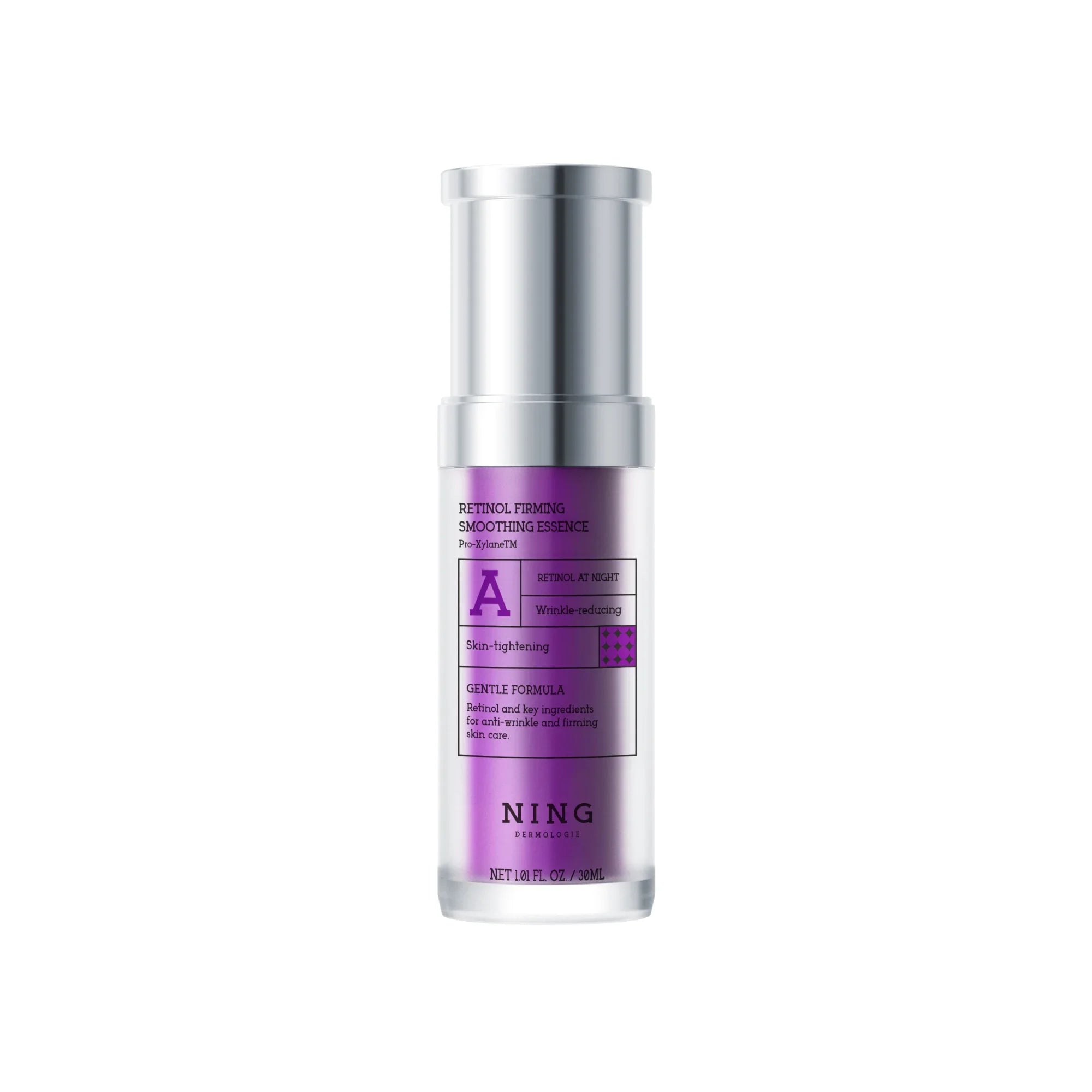
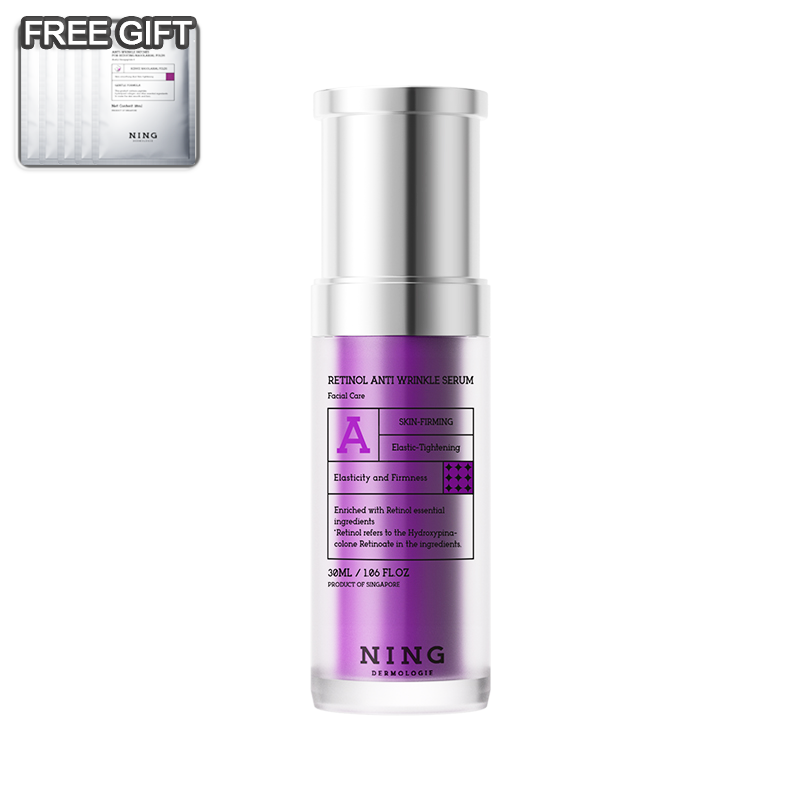
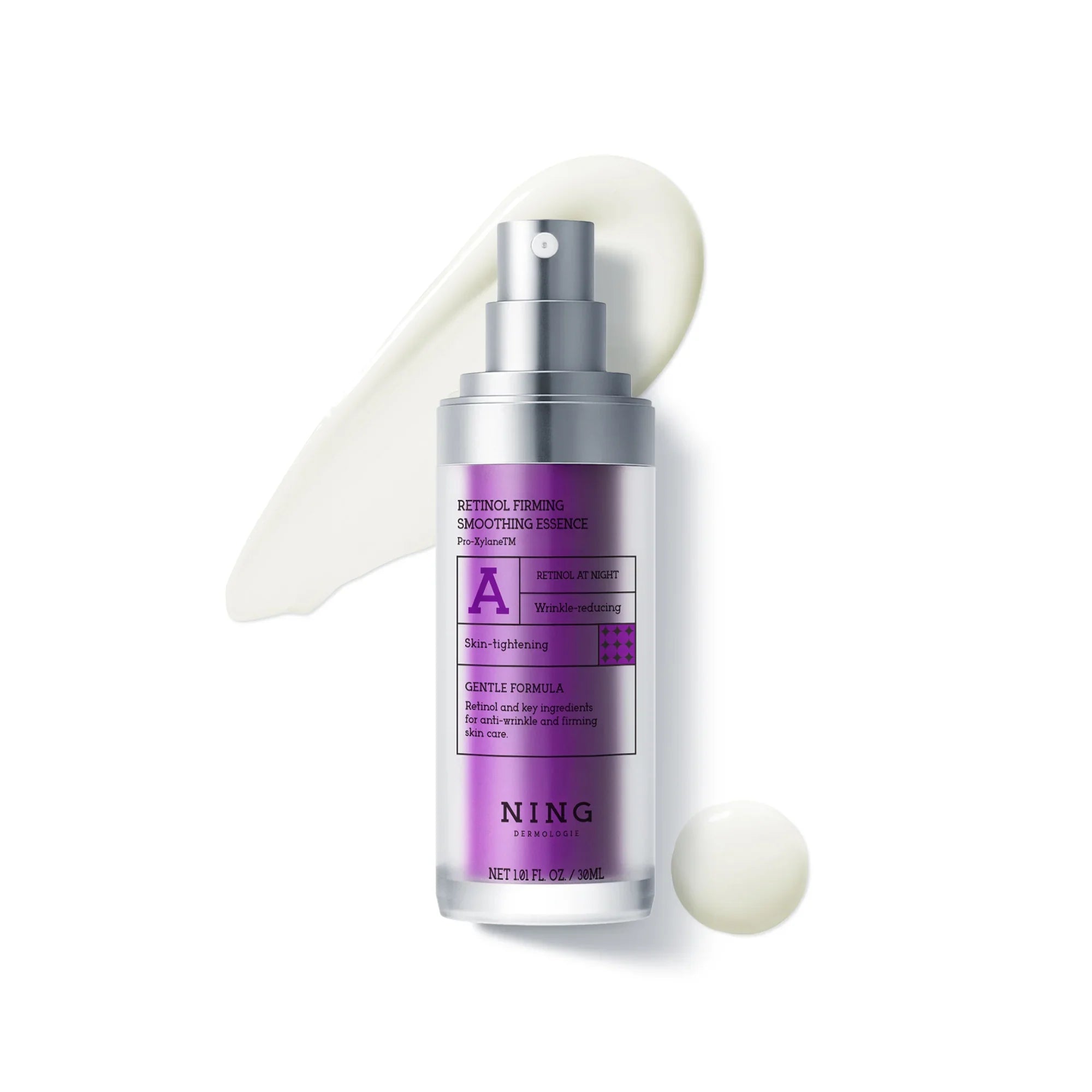
I wouldn't risk it—especially with sensitive skin. Think of them as two 'divas' who can't share the same stage. Layering them together usually leads to a red, peeling mess. The smartest move is to use your vitamin c brightening serum in the AM to shield against free radicals, and keep the Retinol for your PM routine. Your skin barrier will thank you for not overcomplicating things.
5. How long does it take to see results on dark spots?
Don't expect overnight miracles. While you’ll probably notice a 'glow' and better hydrated skin within a week, the heavy lifting—like fading dark spots—takes about 2 to 3 months. Why? Because that’s how long it takes your skin cells to actually flip over and renew. Consistency is the boring but true secret to seeing real changes in hyperpigmentation, overall skin tone, and skin elasticity.





Share:
Are Korean vitamin C serums effective for acne scars?
Which companies specialize in vitamin C serums for anti-aging effects on the face?