



The Real Deal: Are Korean Vitamin C Serums Effective for Acne Scars?
So, you’ve finally cleared the breakout, but the ghosts of pimples past—those stubborn red and brown marks—are still hanging around. It’s frustrating. You look in the mirror and see a map of where every blemish used to live. If you’ve spent any time on social media or in skincare forums, you’ve probably heard the hype: Korean Vitamin C serums are the "holy grail" for fading these marks.
But do they actually work, or is it just clever marketing and pretty packaging?
Let’s be honest. Not every vitamin c serum is created equal. Some are too weak to do anything, while others are so unstable they turn orange and smell like hot dog water before you’re halfway through the bottle. If you are hunting for the best korean vitamin c serum to target acne scars, you need to understand what’s happening beneath your skin barrier.

The Science: How Vitamin C Battles Acne Scars
When we talk about an acne scar, we’re usually talking about two different things: Post-Inflammatory Hyperpigmentation (PIH), which are the brown spots, and Post-Inflammatory Erythema (PIE), which are the red/pink marks.
Vitamin C, or ascorbic acid, is a powerhouse active ingredient because it tackles these on two fronts. First, it’s a tyrosinase inhibitor. In plain English? It stops your skin from overproducing melanin, which is what causes those dark spots. Second, it’s a precursor to collagen production. When you have a "pitted" scar, your skin needs new collagen to fill that gap. A high-quality korean vitamin c serum doesn't just sit on the surface; it tells your skin to get to work repairing itself.
PIH vs. PIE: Why Your Serum Matters
If your marks are brown (PIH), you need a vitamin c brightening serum that focuses on exfoliation and melanin suppression. If they are red (PIE), you need something that focuses on the skin barrier and inflammation. This is where Korean skincare shines. Unlike Western products that sometimes go too "hard" with high acid percentages that irritate sensitive skin, best korean serums prioritize soothing the skin while they treat it.
Why Korean Vitamin C Serums Are Different
The Korean skin care philosophy isn't about stripping the skin; it's about "feeding" it. Many people find that a standard pure vitamin c (L-Ascorbic Acid) at 20% concentration is just too much for acne-prone skin. It causes more breakouts, which leads to more scars. It’s a vicious cycle.
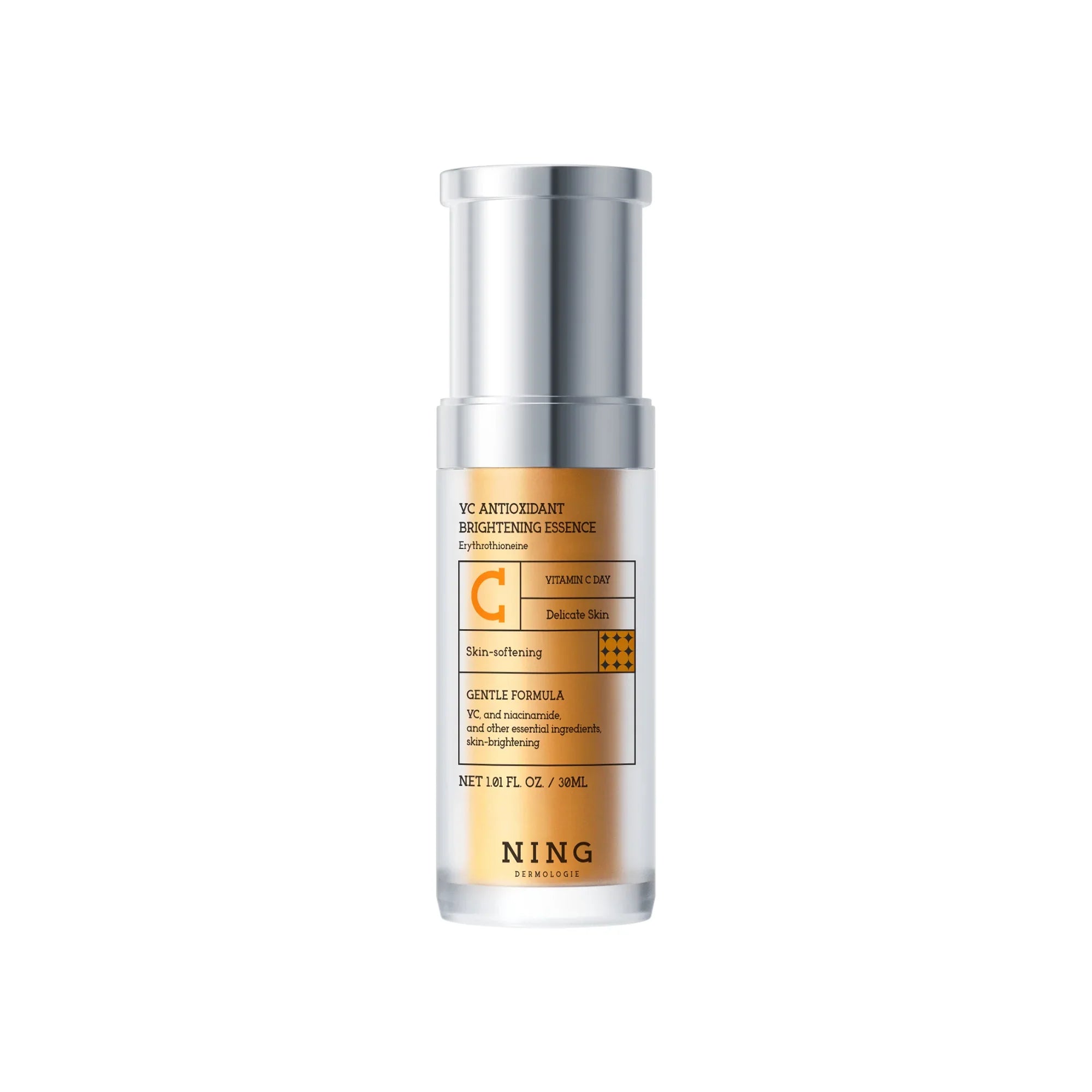
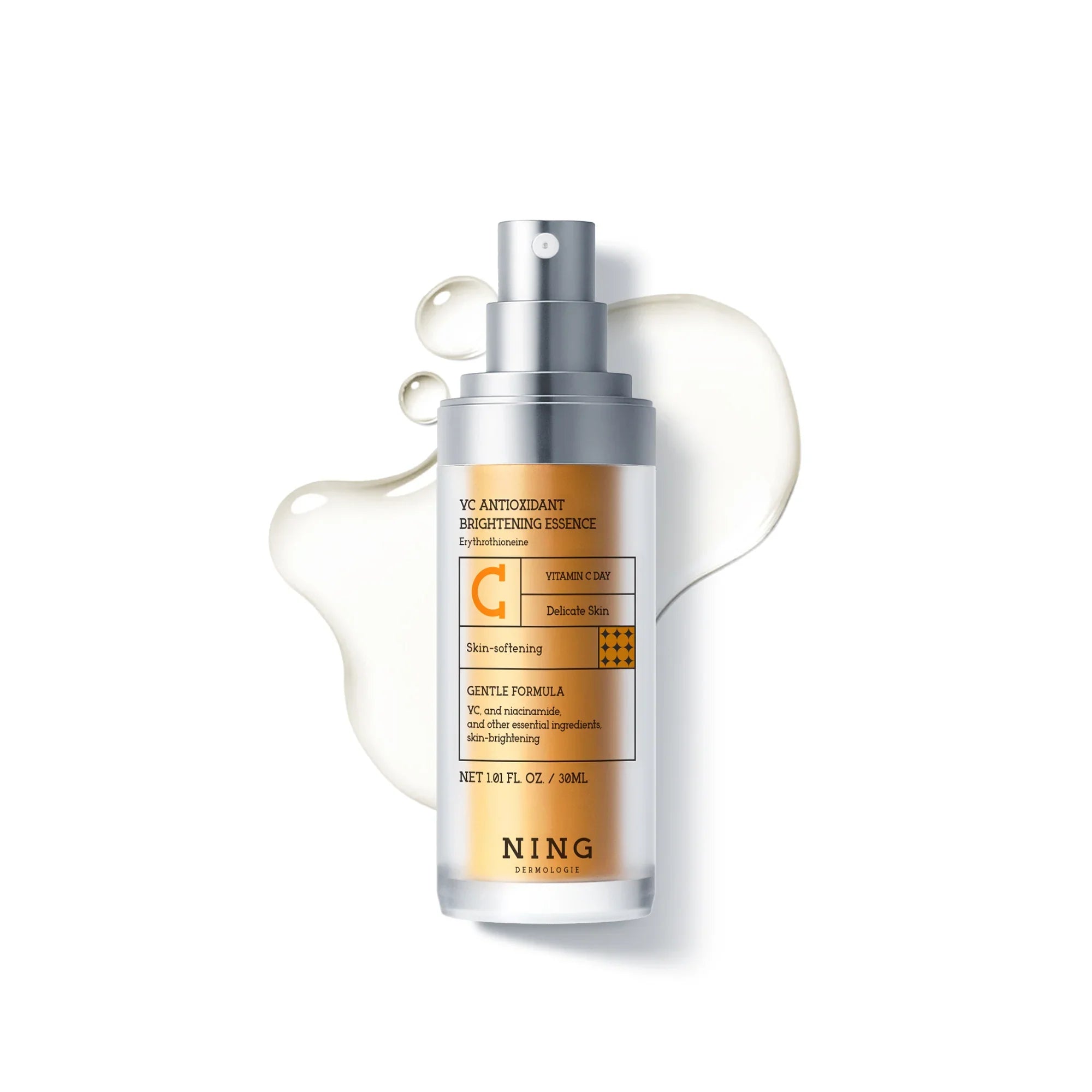
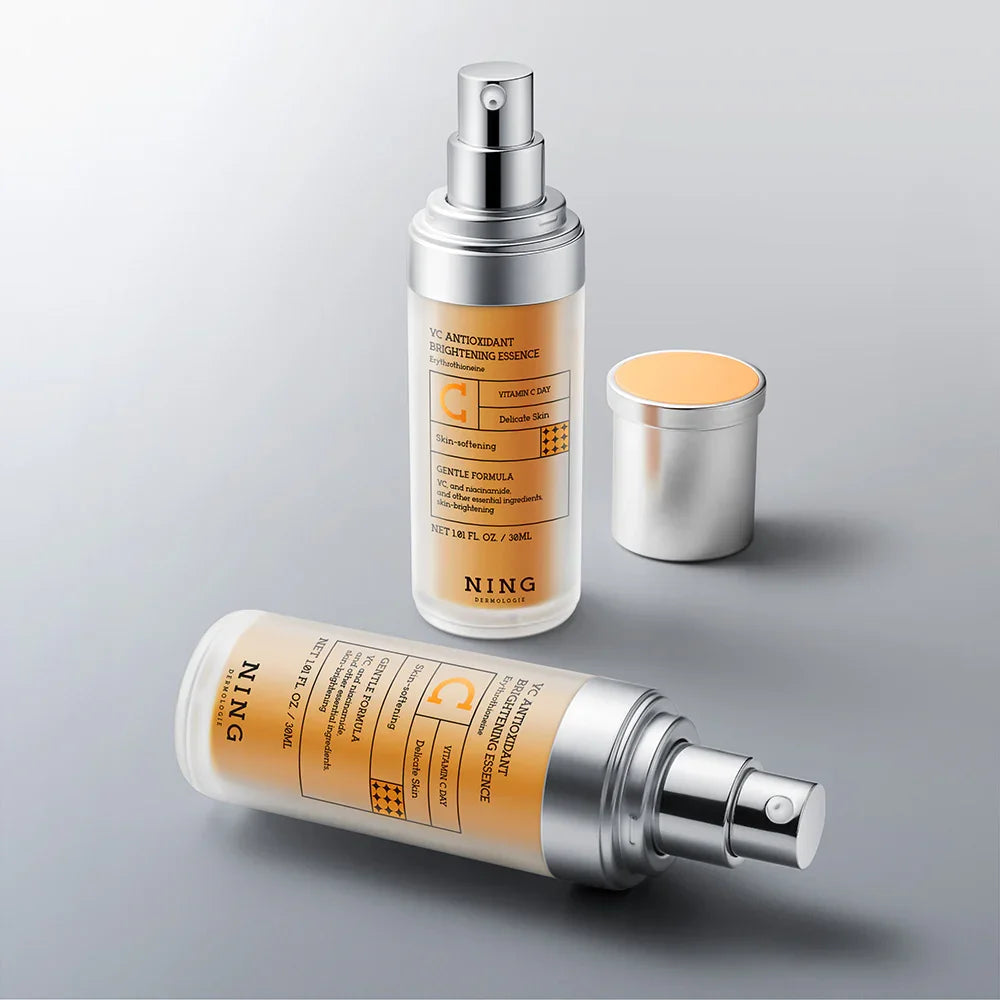
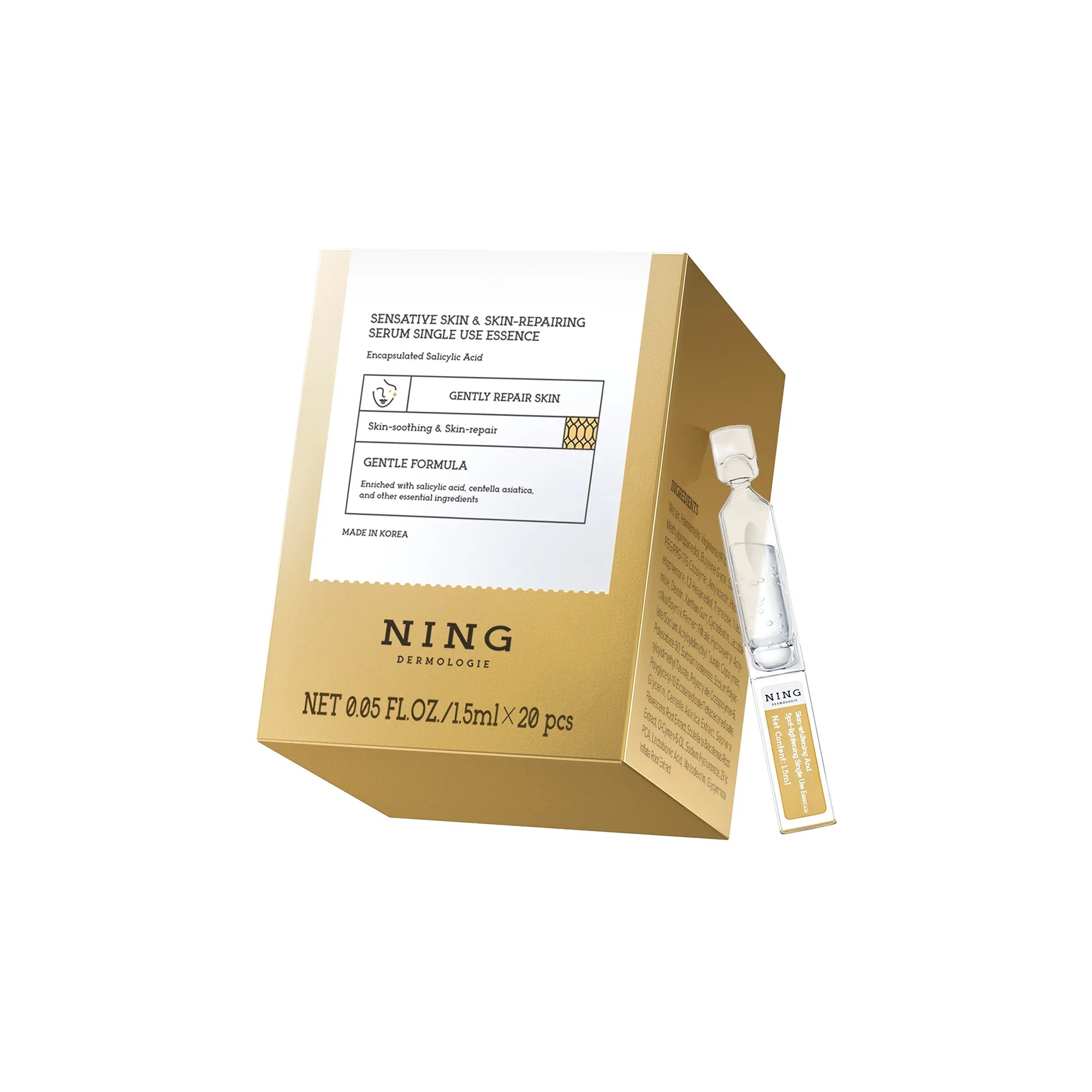
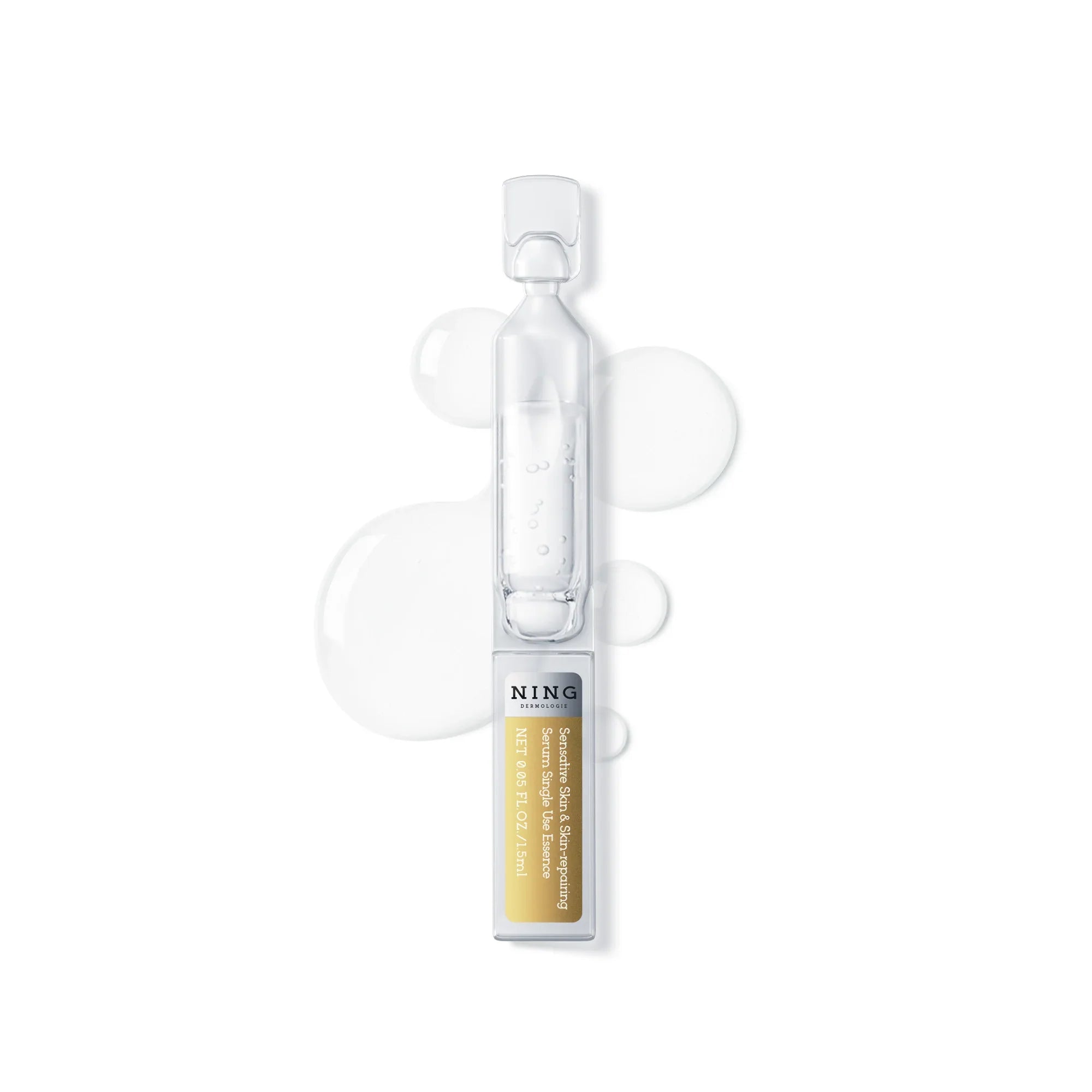
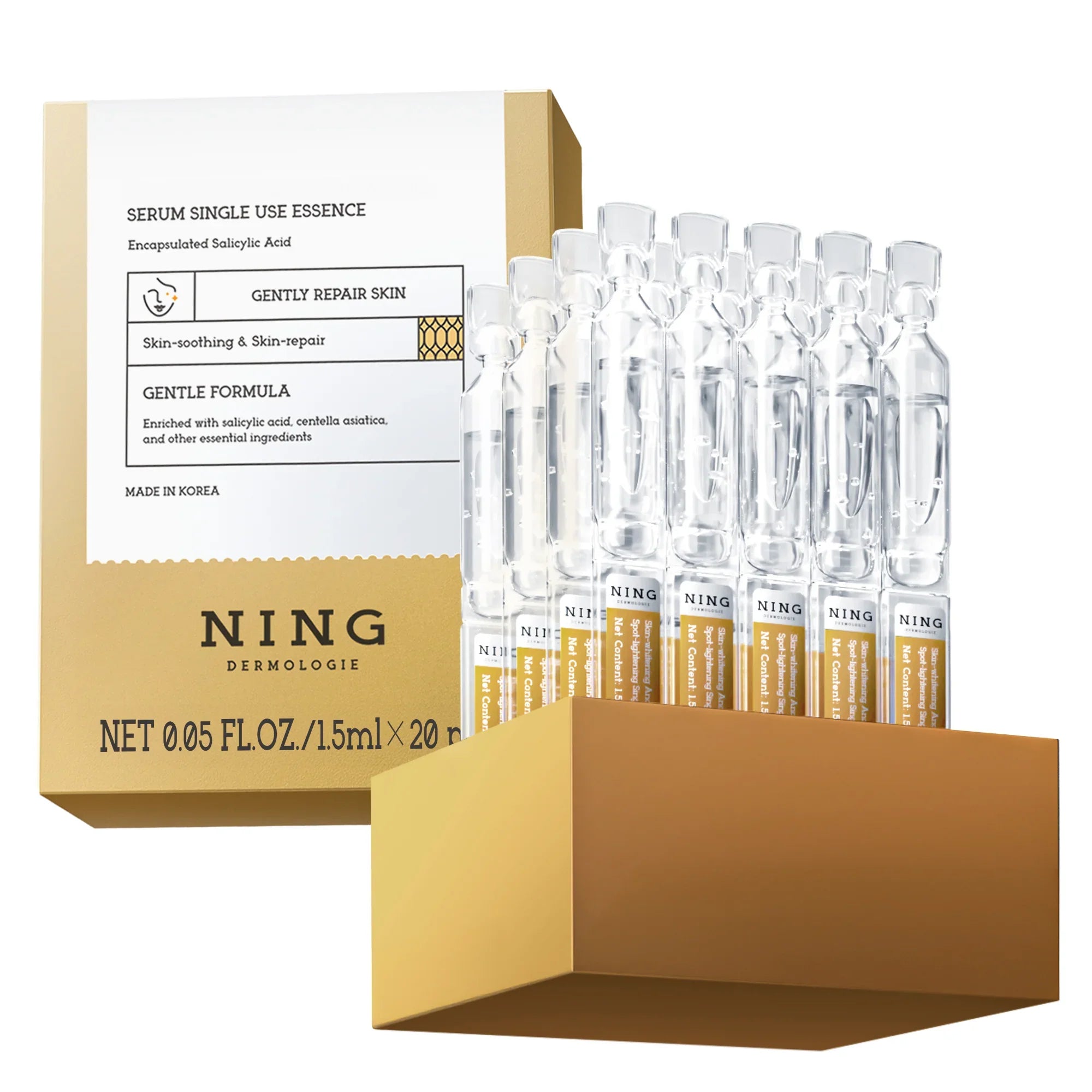
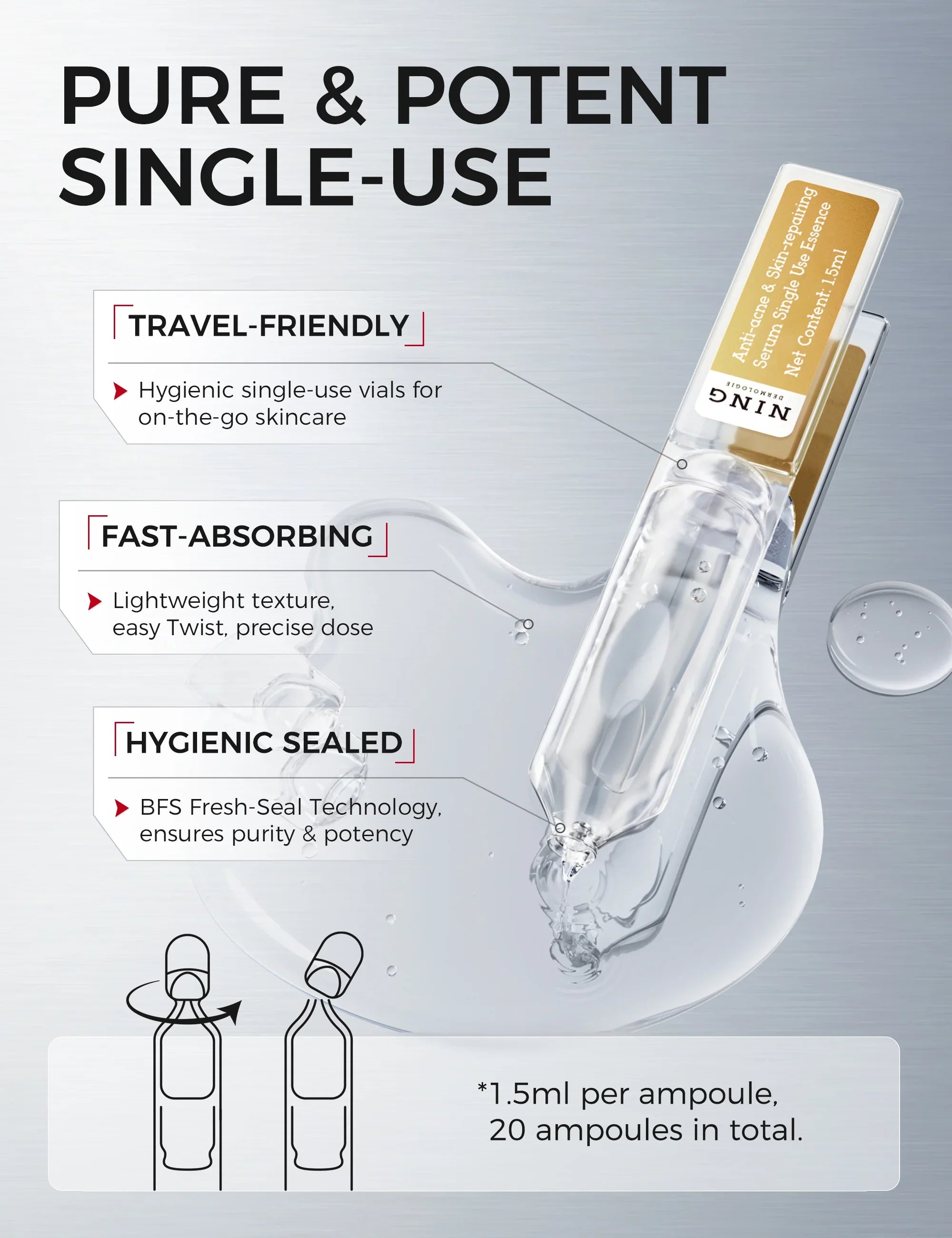
Korean brands, like NING Dermologie, often use vitamin c derivatives. For instance, the NING Dermologie Vitamin C Serum utilizes Ethyl Ascorbic Acid. Why does this matter? Because it’s way more stable than traditional vit c. It won't oxidize the moment it touches the air, and it's much gentler on sensitive or reactive skin.
The "Glow Serum" Ingredients List
When searching for the best vitamin c, look for these supporting players:
- Niacinamide: The ultimate partner for Vitamin C. It helps improve skin tone and shrinks the look of pores.
- Hyaluronic Acid: Because acne-prone skin is often dehydrated. It helps the serum absorb deeper and leaves skin feeling plump.
- Vitamin E and Ferulic Acid: This is the "Golden Trio." Vitamin E and ferulic stabilize the Vitamin C, making it significantly more effective at fighting signs of aging and UV damage.
Comparing the Heavy Hitters
You’ve probably seen names like SkinCeuticals C E Ferulic or La Roche-Posay Vitamin C. These are great, but they come with a heavy price tag or a high risk of irritation. In the K-Beauty world, you have options like the Beauty of Joseon Glow Serum or the Vitamin C 23 formulations.
While the Beauty of Joseon Glow Deep Serum is famous for using rice bran, it’s often more of a maintenance product. If you have deep-set acne marks, you need a higher concentration of vitamin c.
Recently, the Dr.Althea Vitamin C Boosting Serum and the NING Dermologie formulation have gained traction for being "smart" serums. They don't just dump acid on your face; they use a lightweight serum texture that serum glides on smoothly, making them suitable for all skin types.
How to Use Vitamin C Serum for Acne (Without Breaking Out)
If you use it wrong, even the best korean vitamin c will fail you. Here is the dermatologist-approved way to integrate it into your skin care routine:
-
Cleanse: Use a gentle cleanser. You want your overall skin clean but not "squeaky" dry.
-
Apply on Dry Skin: Topical vitamin c absorbs best on dry skin. If your face is damp, the acid can penetrate too fast and cause stinging.
-
The "Two-Finger" Rule for Sunscreen: This is the most important part. Vitamin C doesn’t work if you don't use SPF. In fact, UV rays can make hyperpigmentation worse. Always follow up with a broad-spectrum sunscreen to protect the skin.
-
Consistency is King: You won’t fade scars in a week. It takes about 4 to 8 weeks to see a change in skin texture and overall skin health.
What to Avoid
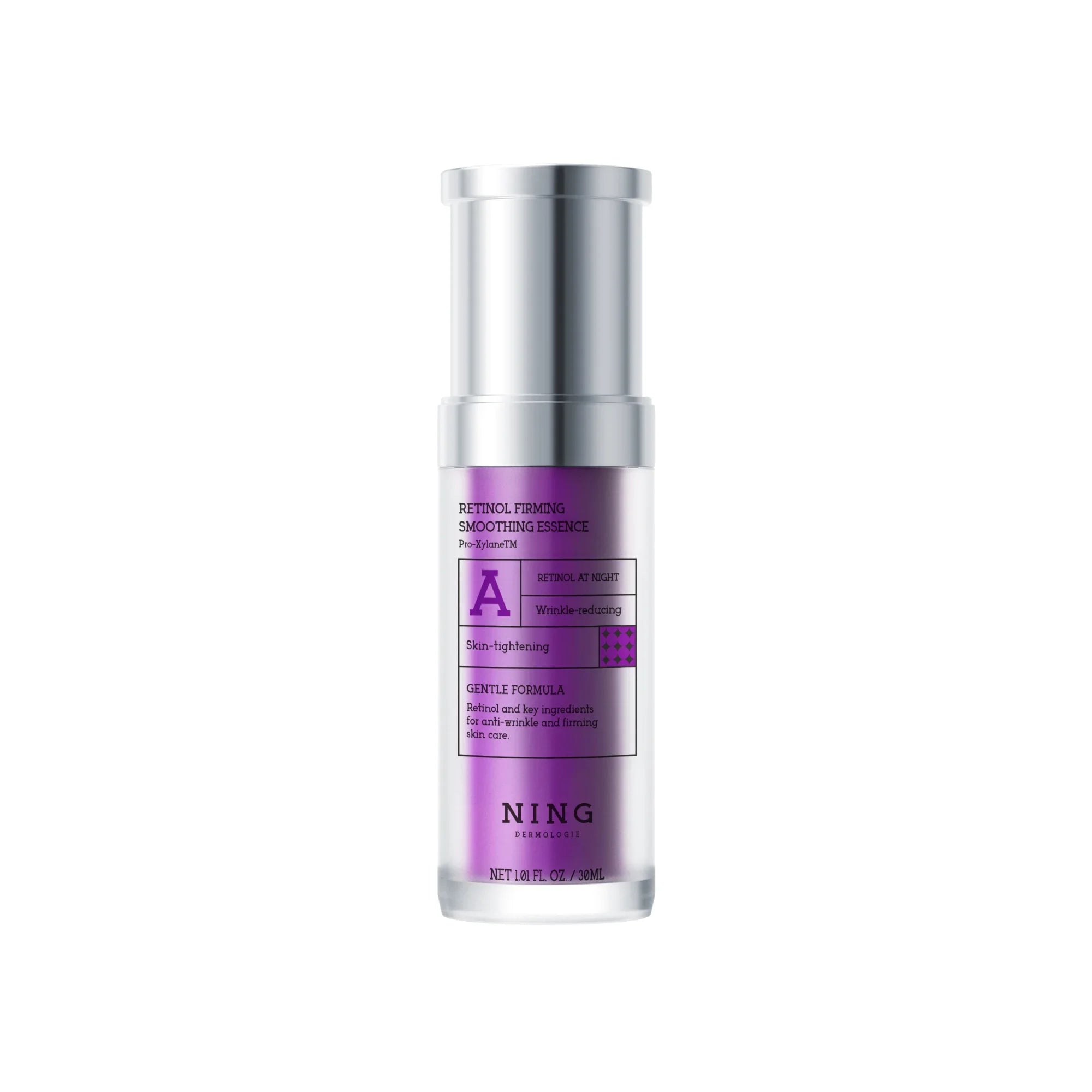
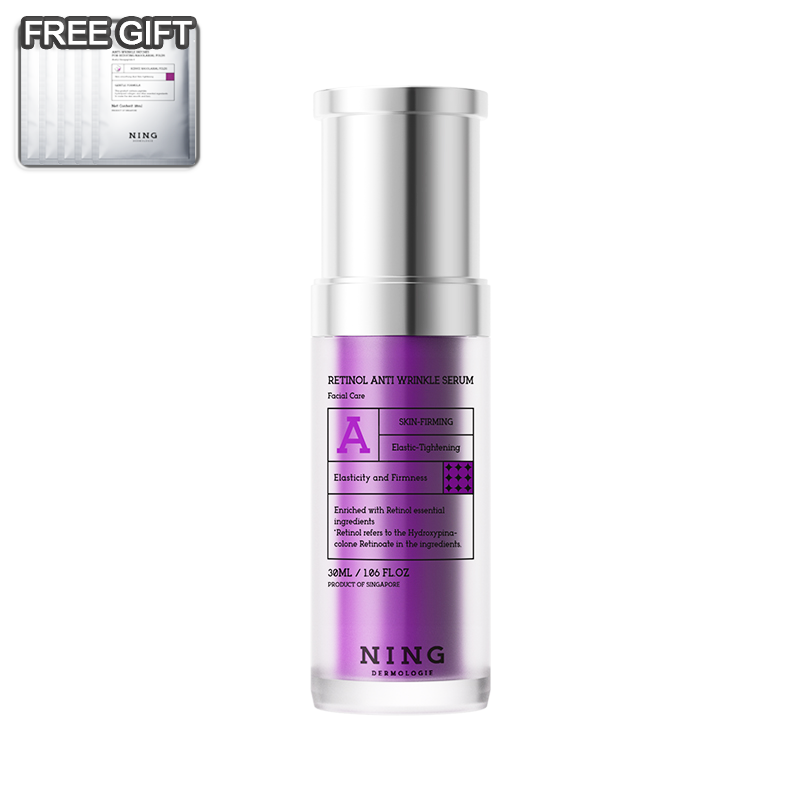
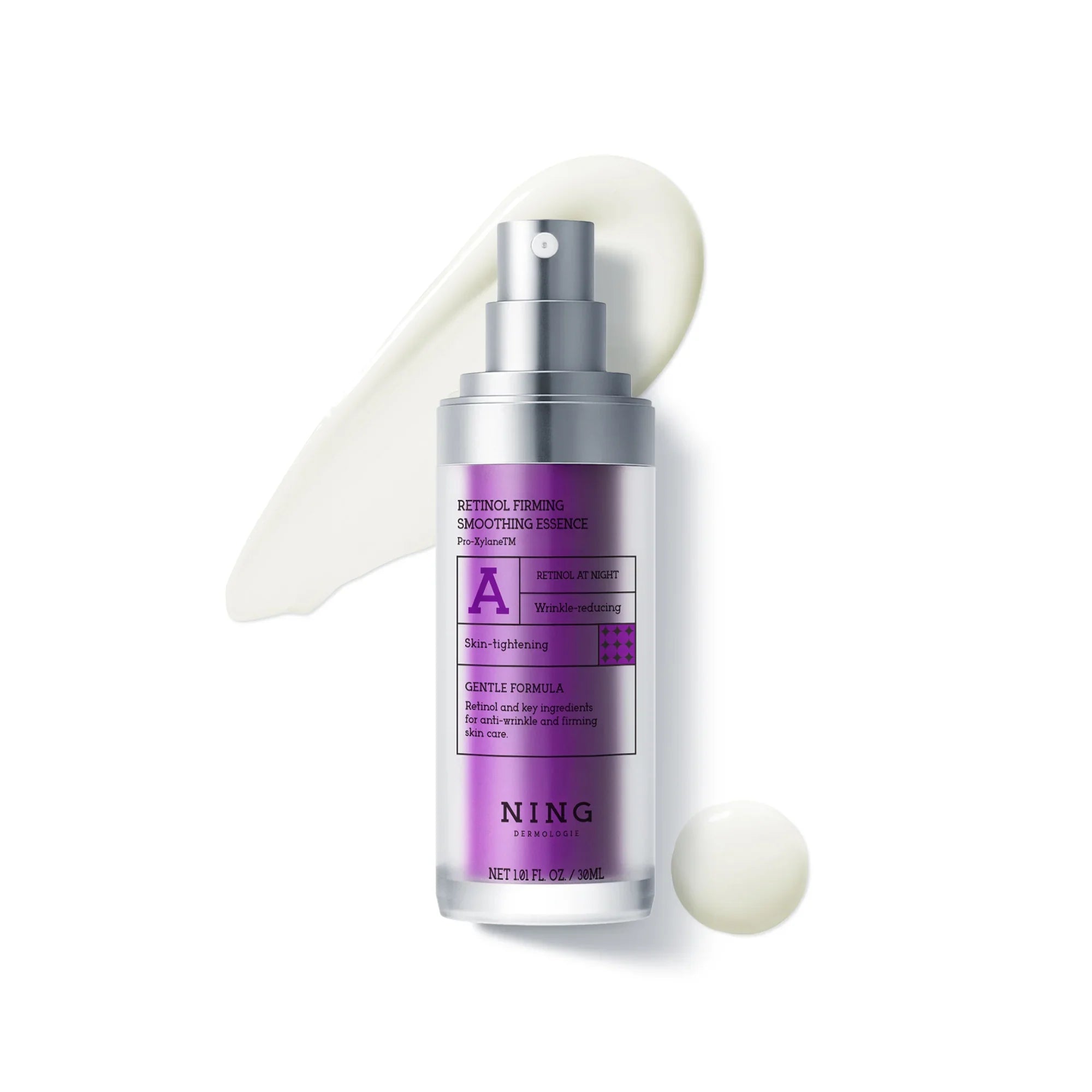
Do not mix your acid serum with Retinol or Benzoyl Peroxide in the same morning routine. Think of them as two magnets that repel each other—you’ll just end up with a red, peeling mess. Use your korean vitamin c serum in the morning and save the heavy hitters for the night.

NING Dermologie: A Better Way to Brighten
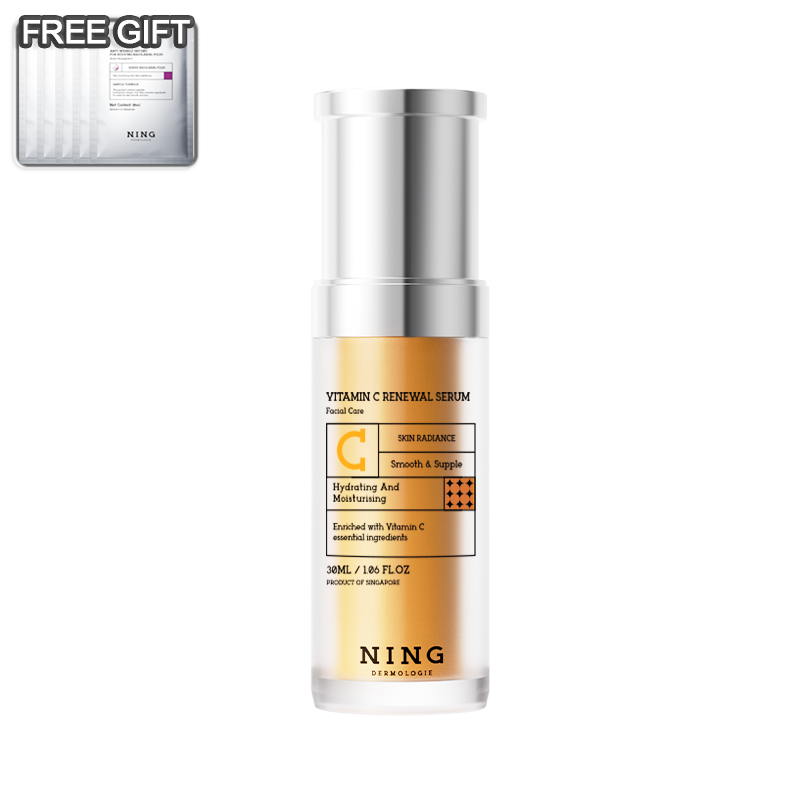
At NING Dermologie, the focus is on a vitamin c serum for acne that actually respects the skin barrier. Their Vitamin C Serum with Niacinamide & Ethyl Ascorbic Acid is specifically designed for people who have struggled with hormonal acne or persistent dark spots.
Because it combines vitamin c with hyaluronic acid, it doesn't leave that sticky, tacky skin feel that many other serums do. Instead, the serum absorbs quickly, making it the best overall choice for layering under makeup or moisturizer. It improves skin texture by focusing on both the surface (brightening) and the deeper layers (collagen).
The Verdict: Does it Really Work?
Yes, korean vitamin c serum is effective for acne scars, provided you choose a formula that targets both melanin and skin repair. If you have sensitive skin, stay away from the 20% pure ascorbic acid and opt for a stable derivative like the ones found in NING Dermologie.
Remember, you aren't just trying to brighten skin for a day; you’re trying to improve skin for the long haul. Be patient, stay protected from the sun, and your skin look will gradually transform from scarred to glowing.
Frequently Asked Questions (FAQ)
1. Can I use Vitamin C serum if I still have active acne?
Absolutely. While many people use it only for acne marks, a korean vitamin c serum with niacinamide can actually help target acne by reducing inflammation. It helps prevent the dark spot from forming in the first place while the blemish is healing. Just ensure the formula is non-comedogenic so it doesn't clog your pores.
2. Why does my Vitamin C serum turn orange or brown?
That’s oxidation. When pure vitamin c (ascorbic acid) is exposed to light and air, it loses its power. Using an oxidized vitamin c product can actually cause oxidative stress on your skin—the opposite of what you want! To avoid this, look for stable vitamin c formulations like Ethyl Ascorbic Acid or serums packaged in dark, airtight bottles.
3. How long does it take to see results on acne scars?
Patience is key in korean beauty. While you might see a "glow" in a few days, fading scars and improving uneven skin tone typically takes 6 to 12 weeks of daily use. This timeline matches your skin’s natural cell turnover cycle. Consistent use of a brightening vitamin c serum is the only way to see a permanent difference.
4. Is it better to use Vitamin C in the morning or at night?
C is best used in the morning. When paired with sunscreen, Vitamin C acts as a second line of defense against UV-induced free radicals. It helps protect the skin from UV damage that your sunscreen might miss. If you must use it at night, that’s fine, but you’ll miss out on its primary antioxidant protective benefits.
5. Will Vitamin C serum irritate my sensitive skin?
It can, especially if the concentration of vitamin c is too high or the pH is too acidic. For sensitive skin types, a vitamin c derivative is a much safer bet than pure vitamin c. Ingredients like hyaluronic acid and vitamin e also help calm the skin, making the treatment much more tolerable for daily use.





Share:
Korean vitamin C serums with added hydration benefits
Which companies specialize in vitamin C serums for anti-aging effects on the face?