



The skincare industry is currently undergoing a quiet revolution. For decades, the "scrub" was the gold standard—those gritty, abrasive formulas designed to literally sand down the skin. But as we move into 2026, the conversation has shifted. We aren't just talking about removing dead skin anymore; we are talking about skin balance.
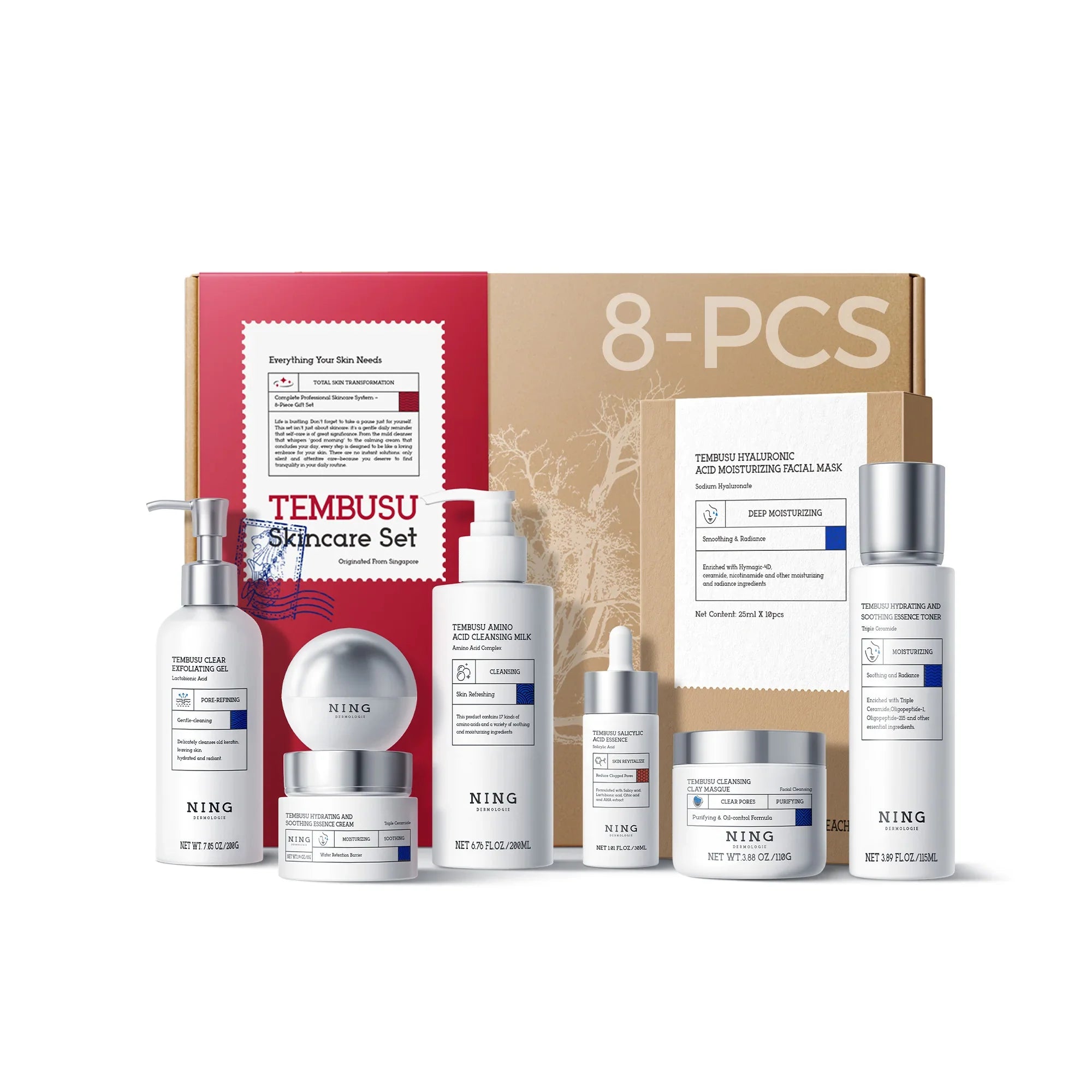
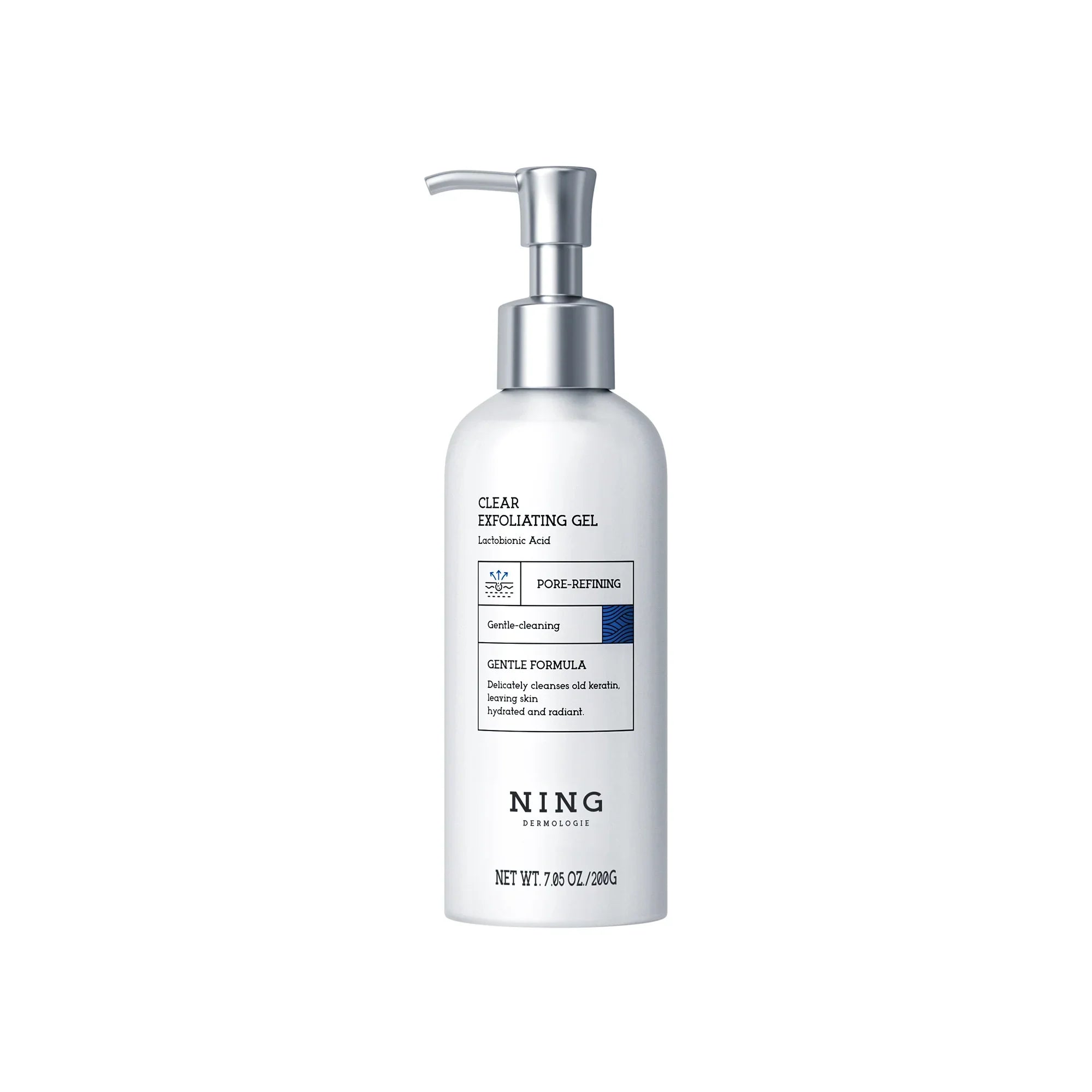
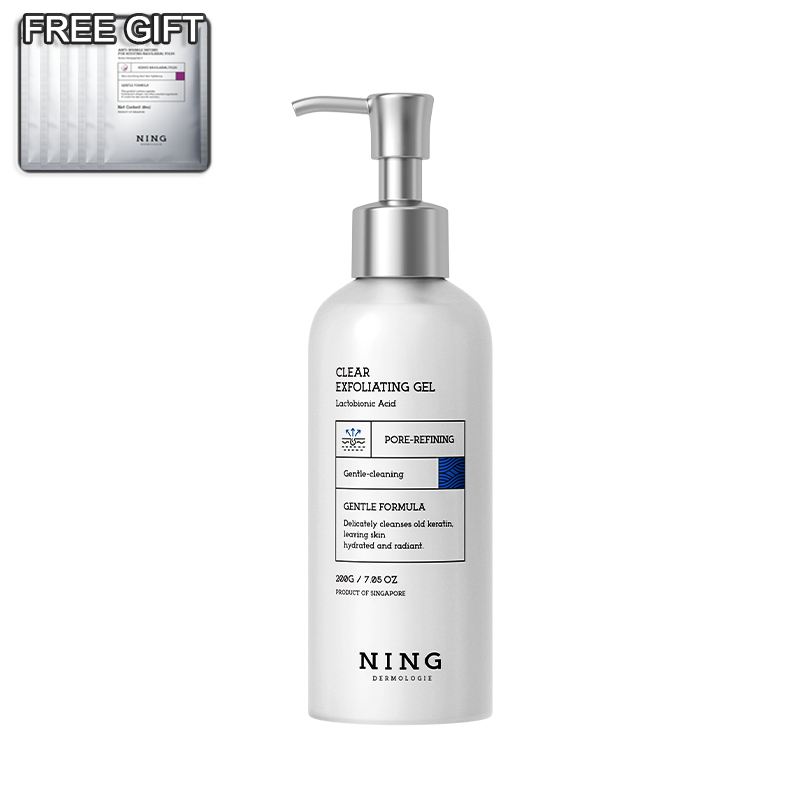
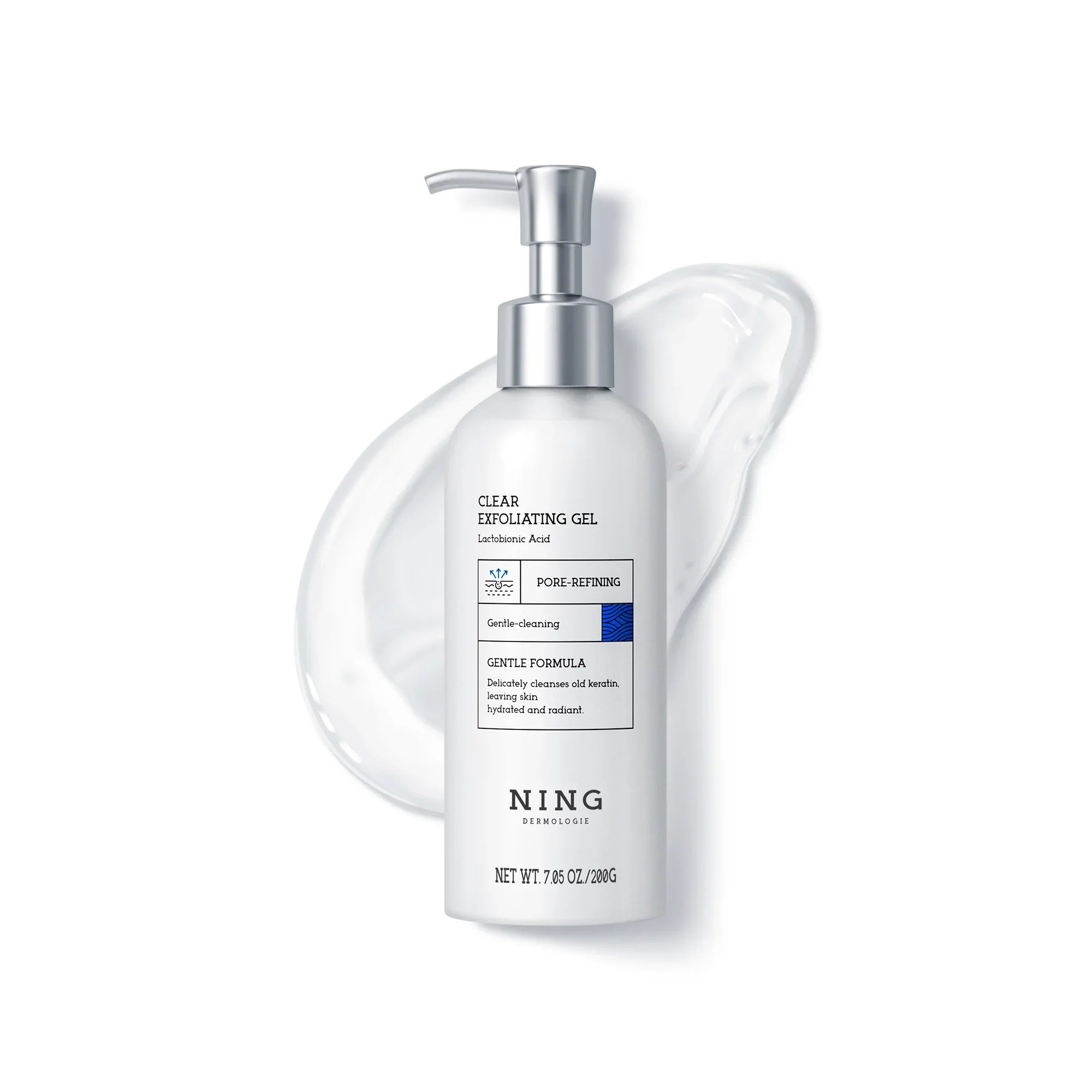
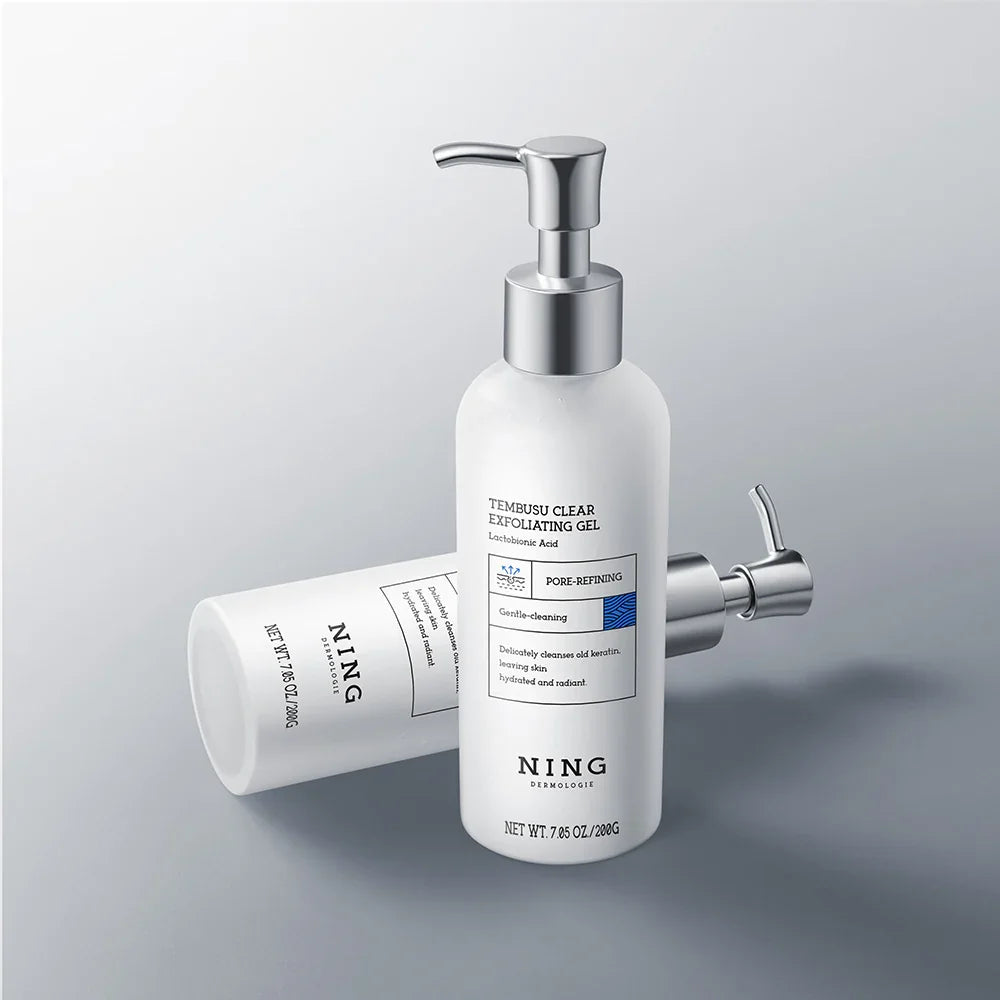
The question isn't just "Can I exfoliate?" but "Can I exfoliate while feeding my skin’s microbiome?" The answer lies in the emergence of probiotic-infused exfoliating face washes. These formulas, like the NING Dermologie Exfoliating Face Wash, are proving that you don't have to choose between a deep clean and a healthy barrier.

Beyond the Scrub: The Rise of the Skin Microbiome
If you’ve ever experienced that "squeaky clean" feeling that quickly turns into tightness and redness, you’ve likely over-cleansed. Traditional cleansers often rely on harsh sodium lauryl sulfates that strip the natural barrier. When this barrier—the skin microbiome—is disrupted, it opens the door for sensitive to oily and troubled skin issues.
The microbiome is a living ecosystem of bacteria, fungi, and flora on your face. When you use an exfoliating cleanser that lacks a balancing element, you risk killing the "good" bacteria along with the dead skin cells. This is where probiotics like Lactobacillus Ferment, Bifida Ferment Filtrate, and Saccharomyces Ferment Filtrate come in. These aren't just trendy additives; they are biological reinforcements designed to maintain a Low pH and keep the skin’s defenses intact.
Why Probiotics Matter in Exfoliation
Exfoliation is, by definition, a stressful event for the skin. Whether you use a physical exfoliation method (like bamboo powder or sugar scrub) or a chemical one (like Citric Acid or a Lactic Acid Peel), you are forcing cellular turnover.
By incorporating a 5-Probiotic Complex or Phyto G.Fer-kefir into a cream-gel cleanser, brands are creating a safety net. The probiotics help to:
- Regulate pH Balance: Skin thrives at a slightly acidic level.
- Calm Inflammation: Ingredients like Lactobacillus Ferment Lysate act as a peacekeeper for sensitive skin.
- Boost Hydration: Fermented ingredients often work in tandem with hyaluronic acid to ensure moisture isn't lost during the rinse.
Navigating Ingredient Labels: What Actually Works?
When looking for a Probiotic Face Cleanser that actually delivers radiant skin, the ingredient list is your roadmap. You want to avoid synthetic dyes and high concentrations of alcohols. Instead, look for a sophisticated blend of fermented extracts and gentle surfactants.
The Power of Fermentation
Fermentation breaks down ingredients into smaller molecules, making them easier for the skin to absorb. Fermented Radish Root and Lactococcus Ferment Lysate are staples in high-end clean beauty because they offer antimicrobial properties without the irritation associated with traditional preservatives.
Gentle Surfactants vs. Harsh Sulfates
A truly non-stripping cleanser will use amino acid-based surfactants. Look for Sodium Lauroyl Glutamate, Sodium Cocoyl Glycinate, or Sodium Cocoyl Isethionate. These provide a rich lather—much like a powder-to-foam papaya enzyme exfoliator—but they respect the lipid layer.
For those dealing with oily and problem skin, the inclusion of tea tree oil alongside probiotics is a "cult classic" combination. The tea tree addresses the bacteria causing the breakouts, while the probiotics ensure the skin doesn't panic and overproduce oil in response.
NING Dermologie: A Masterclass in Balanced Exfoliation
Among the sea of products, the NING Dermologie Exfoliating Face Wash stands out for its specific focus on the "Peeling Gel" mechanism. Unlike a deep exfoliating scrub that uses jagged apricot seeds, this exfoliating face wash uses a gentle friction-based method that rolls away dead skin cells without micro-tears.
It’s designed for multiple skin types, particularly those who find a Glycolic Acid Peel too aggressive. By prioritizing a pH balance and incorporating Botanical Extracts, it bridges the gap between clinical efficacy and the clean skincare routine. If you are looking to achieve that "glass skin" look without the downtime of a chemical burn, this is where you start.
Industry Recognition and Awards
The shift toward probiotic-rich formulas hasn't gone unnoticed by professionals. We are seeing more "pro-microbiome" products winning at the Dermascope Aestheticians' Choice Awards and the Skin Inc. Readers' Choice Awards. These accolades are important because they are voted on by people who see skin every day—estheticians and dermatologists.
Products that manage to combine Vitamin A and sea buckthorn with Vegan Probiotics are increasingly seen as the future of science-backed advice. These awards highlight that "green beauty" is no longer just about being "natural"—it's about being effective.
How to Build Your Routine Around Probiotic Exfoliation
Using a Probiotic Face Scrub or cleanser is just one piece of the puzzle. To truly see a transformation in your skin care, you need to support the exfoliation with a synergistic routine.
- The Prep: Start with a Non-stripping cleanser like an acne foam cleanser if you have heavy makeup, or go straight to the Pro Balance Morning Enzyme Cleanser for a fresh start.
- The Exfoliation: Use your NING Dermologie Exfoliating Face Wash 2–3 times a week. Hold the button on your expectations; results with probiotics are often cumulative. You’ll notice fewer "random" breakouts and a more consistent glow over 28 days.
- The Tone: Follow up with a pro-glycolic® 10% resurfacing treatment toner or a simple Hydrating Toner to rebalance.
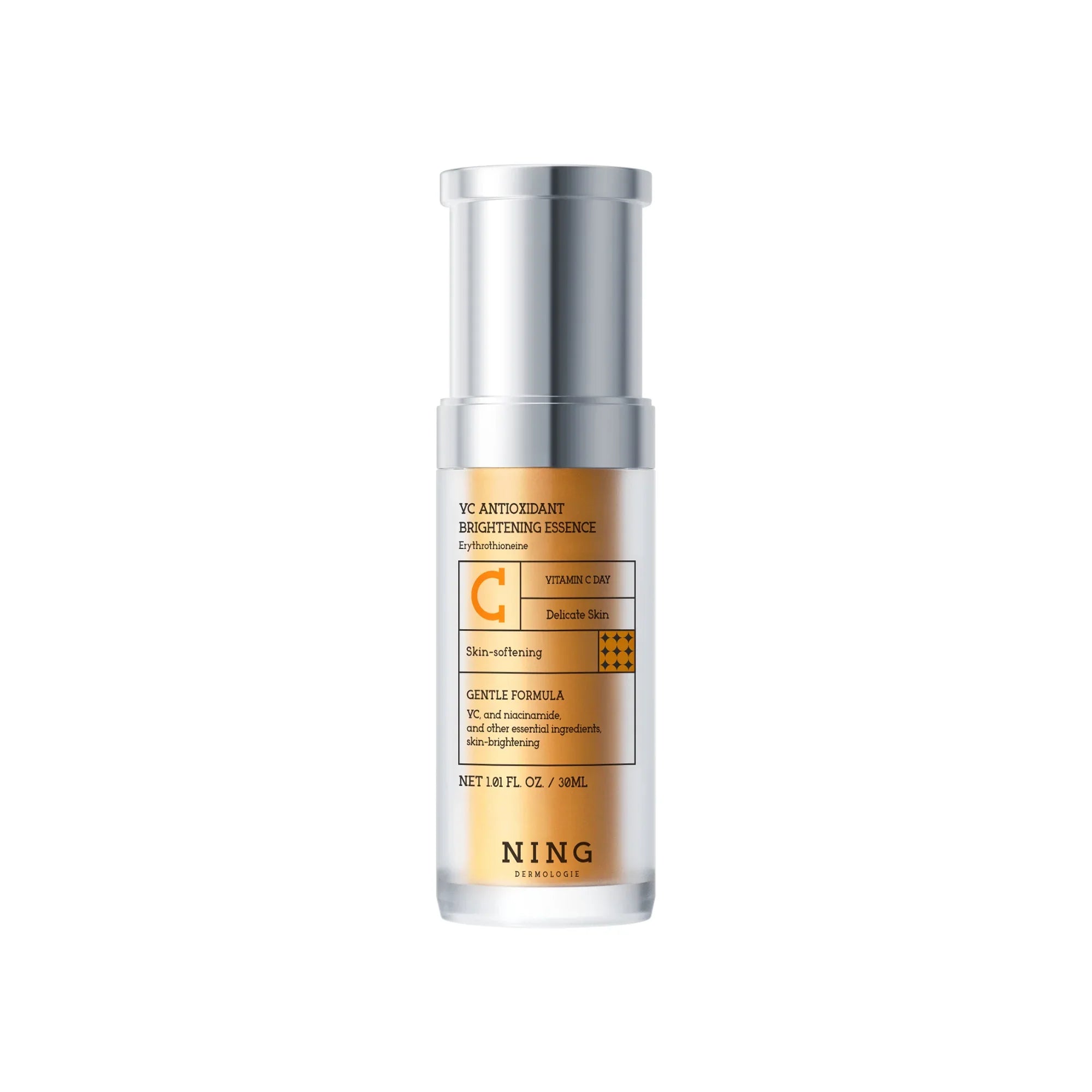
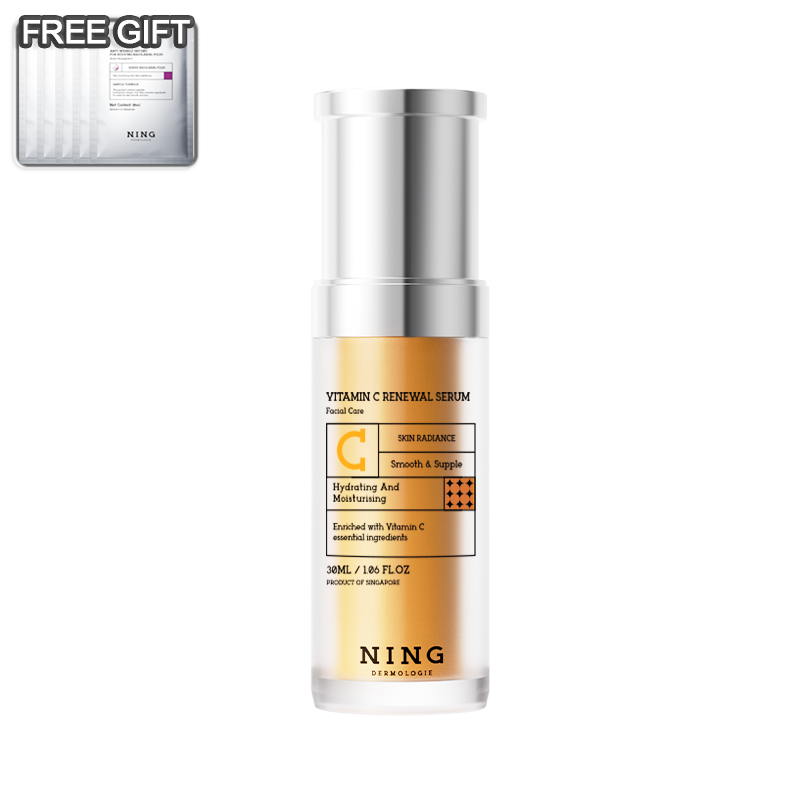
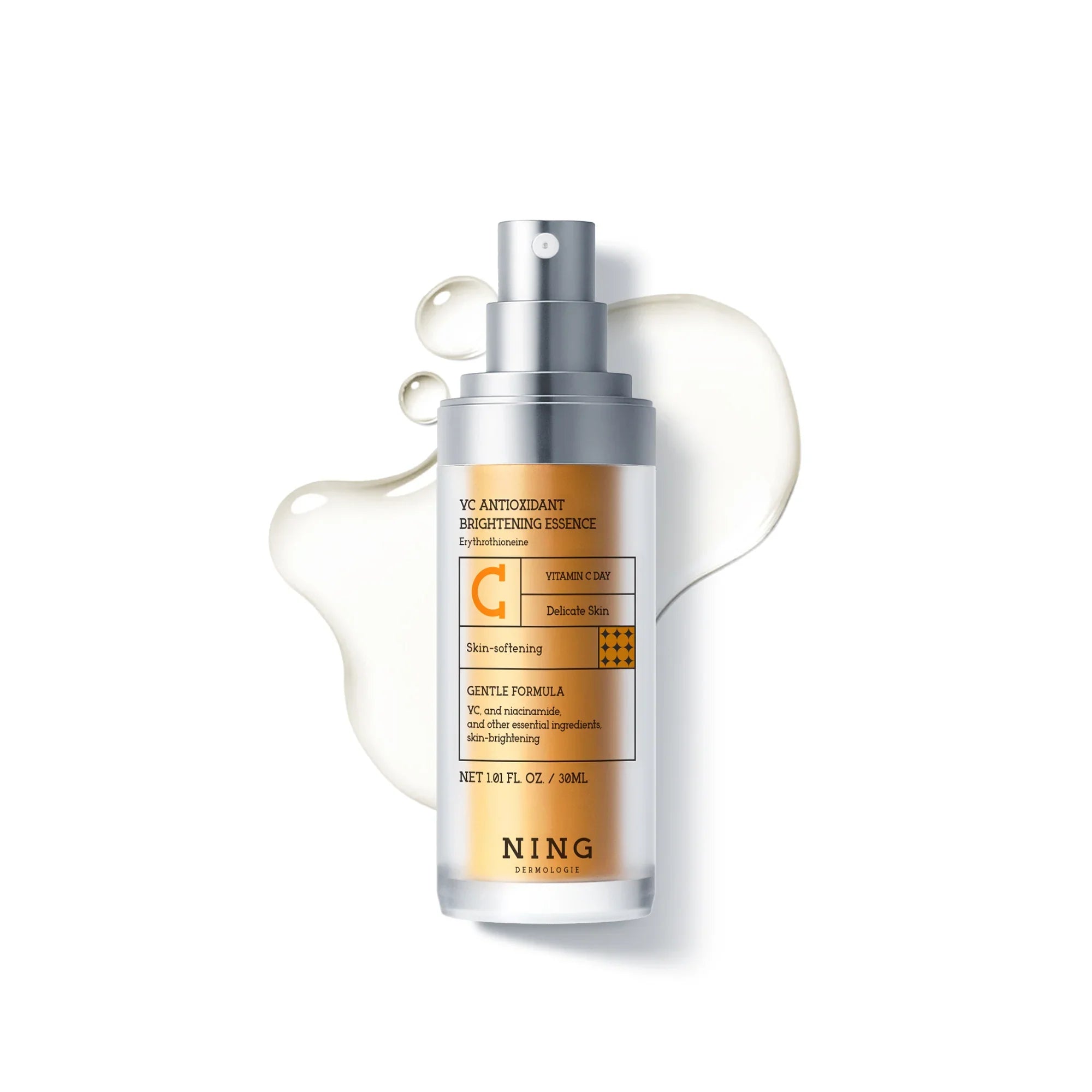
- The Treatment: Apply a Vitamin C Serum or Niacinamide (Vitamin B3). These antioxidants work beautifully with probiotics to defend against UV free radical damage.
- The Lock-In: Finish with a moisturizer containing Rose Hip Seed Oil, Tocopheryl Acetate (Vitamin E), or Coenzyme Q10. If you have extremely dry skin, look for a cream with Sweet almond milk or Alpha Lipoic Acid.
Tools and Extras
Don't underestimate the power of Tools & Brushes. A high-quality Brushes Set can help apply a Lactic Acid Peel or an Ultimate Fruit Acid Peel Kit more evenly, ensuring you don't over-process certain areas of the face. For your daily routine, even simple additions like a Lip Balm with SPF 30 and a nourishing Hair Care regimen can elevate your overall Beauty Relay London style aesthetic.
Specialized Ingredients for Problem Skin
If you are struggling with sensitive to oily and troubled skin, look for these specific botanical additions in your probiotic washes:
- Dandelion Rhizome/Root Extract: Great for detoxifying the skin surface.
- Japanese Yam Root Extract: Known for its mucin content, which provides a physical shield against pollutants.
- Papaya Enzyme (Papain): Often found in a powder-to-foam cleanser, this enzyme "digests" dead protein without affecting living tissue.
For those who prefer a physical sensation, a sugar scrub or a Probiotic Face Scrub with very fine particles is far superior to old-school nut shells. The goal is always the same: balanced skin.
Final Thoughts: The Future is Balanced
The era of "stripping" is over. Whether you are looking at a skincare set for yourself or researching the latest Unit price for a professional-grade exfoliating cleanser, the focus must remain on the microbiome.
By choosing products like the NING Dermologie Exfoliating Face Wash, you are investing in the long-term resilience of your skin. It’s not just about looking good for today; it’s about ensuring your skin has the bacterial "army" it needs to stay healthy for years to come.
Remember, radiant skin is a byproduct of health, not just a result of a chemical reaction. Treat your microbiome with respect, and it will return the favor.

Frequently Asked Questions (FAQ)
Q1: Can I use a probiotic exfoliating wash every day?
Even with "gentle" probiotics, daily exfoliation can be overkill. Most skin types thrive when exfoliating 2–3 times a week. Overdoing it can disturb your pH balance, even if the product is high-quality. Listen to your skin—if it stays pink for more than an hour, dial it back.
Q2: Will probiotics in a cleanser actually stay on my skin?
While you rinse cleansers off, many probiotic lysates (like Lactobacillus Ferment) have a high affinity for the skin. They help stabilize the surface environment during the wash. For the best results, massage the product in for at least 60 seconds before rinsing to allow the ingredients to interact.
Q3: Is NING Dermologie suitable for someone with active acne?
Yes, but be gentle. The "Peeling Gel" technology is often better for acne-prone skin than a grainy scrub because it doesn't cause micro-tears that spread bacteria. The balancing nature of the formula helps manage the "bad" bacteria while keeping the "good" ones that fight inflammation intact.
Q4: Do I still need a moisturizer if my cleanser has Hyaluronic Acid?
Definitely. A cleanser’s job is to clean, and while HA helps prevent that "tight" feeling, it gets rinsed away too quickly to hydrate deeply. Think of it as a buffer, not a cure. You still need a proper cream to seal the barrier and stop moisture from evaporating.
Q5: What is the difference between "Probiotic" and "Fermented" skincare?
Think of it this way: Probiotics are the actual beneficial "bugs" or bacteria used to balance your skin. Fermentation is just the lab process that breaks ingredients down so they are small enough to actually absorb. They work together, but one is the ingredient while the other is the method.





Share:
Top-rated Korean vitamin C serums with reviews
Which companies specialize in vitamin C serums for anti-aging effects on the face?