

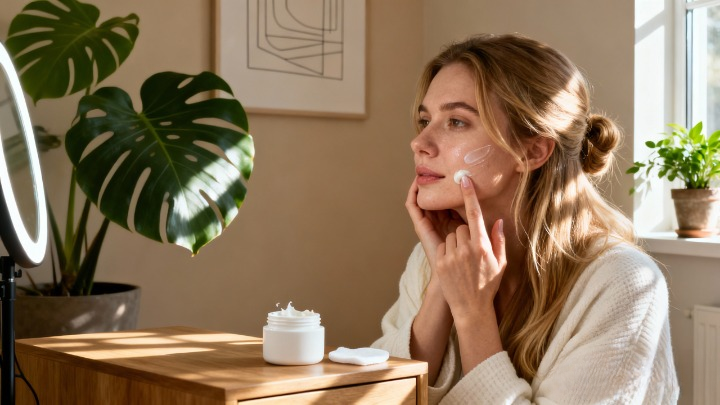

Holy Grail Skin Care for Dry and Super Sensitive Skin: The Ultimate Guide
Let’s be honest: having super sensitive skin isn’t just annoying; it can be painful. You know the feeling—you wash your face, and instead of feeling fresh, your skin feels tight, itchy, or even burns. You walk down the skincare aisle, overwhelmed by promises of "glow" and "anti-aging," only to find that most products leave you with redness and regret.
If you have dry skin that reacts to everything, you don't need a miracle. You need a strategy.
Finding the holy grail of skincare isn't about buying the most expensive bottle on the shelf. It is about understanding your skin barrier and treating it with the respect it deserves. Whether you are dealing with eczema, flakiness, or just general reactivity, this guide will walk you through building a routine that actually works, featuring expert insights and the comprehensive solution offered by NING Dermologie.

Understanding Why Your Skin Reacts: It’s All About the Barrier
Before we dive into the best products, we need to talk about biology. Think of your skin barrier as a brick wall. The bricks are your skin cells, and the mortar holding them together is made of lipids, like ceramide and fatty acids.
When you have sensitive skin or dry skin, that mortar is cracked or missing. This allows moisture to escape (leading to dryness) and irritants to get in (leading to irritation and redness).
A dermatologist will tell you that the goal of skin care for your skin type is not to "attack" problems like wrinkles or acne aggressively. The goal is to patch up the mortar. When you repair the barrier, the itchiness, inflammation, and dullness often resolve themselves.
The Cleanser Dilemma: Stop stripping Your Skin
The most common mistake people make is cleansing too harsh. If your face feels "squeaky clean" after washing, you have damaged your barrier.
Choosing a Gentle Cleanser
For dry skin, you must avoid high-pH soaps and foaming agents that use sulfates. These strip the natural oils you desperately need. Instead, look for a gentle cleanser that is fragrance-free and pH-balanced.
- Oil Cleanser: An oil cleanser is fantastic for the evening. It dissolves sunscreen and makeup without stripping the skin.
- Micellar Water: Good for a quick morning refresh, but be careful not to rub too hard with cotton pads.
- Milk or Cream Cleansers: These are often the best products for the driest skin types because they leave a moisturizing film behind.
A great routine often starts with a product that respects the skin's pH, ensuring that dead skin and dirt are removed without drying out the surface.
The Importance of Toner: Hydration, Not Astringency
Forget the old advice that a toner should sting to prove it's working. That is a myth that causes skin damage.
For sensitive skin, a toner is a hydration delivery system. You want a hydrating toner that acts like a glass of water for your face. Look for alcohol-free formulas. Avoid alcohol-based astringents that are designed to dry out oily acne-prone skin, as these are the enemy of sensitivity.
Ingredients to look for include:
- Rosewater: A natural anti-inflammatory that can soothe redness.
- Hyaluronic Acid: Grabs moisture from the air and pulls it into your skin.
At NING Dermologie, we understand that the step between cleansing and moisturizing is vital. It prepares the face to absorb the active ingredients in your serums without causing a reaction.

Serum Selection: Targeted Treatment Without the Sting
This is where things get tricky. You want to address lines and wrinkles or hyperpigmentation, but potent serums often cause a breakout or rash on sensitive faces.
Ingredients Like Niacinamide and Peptides
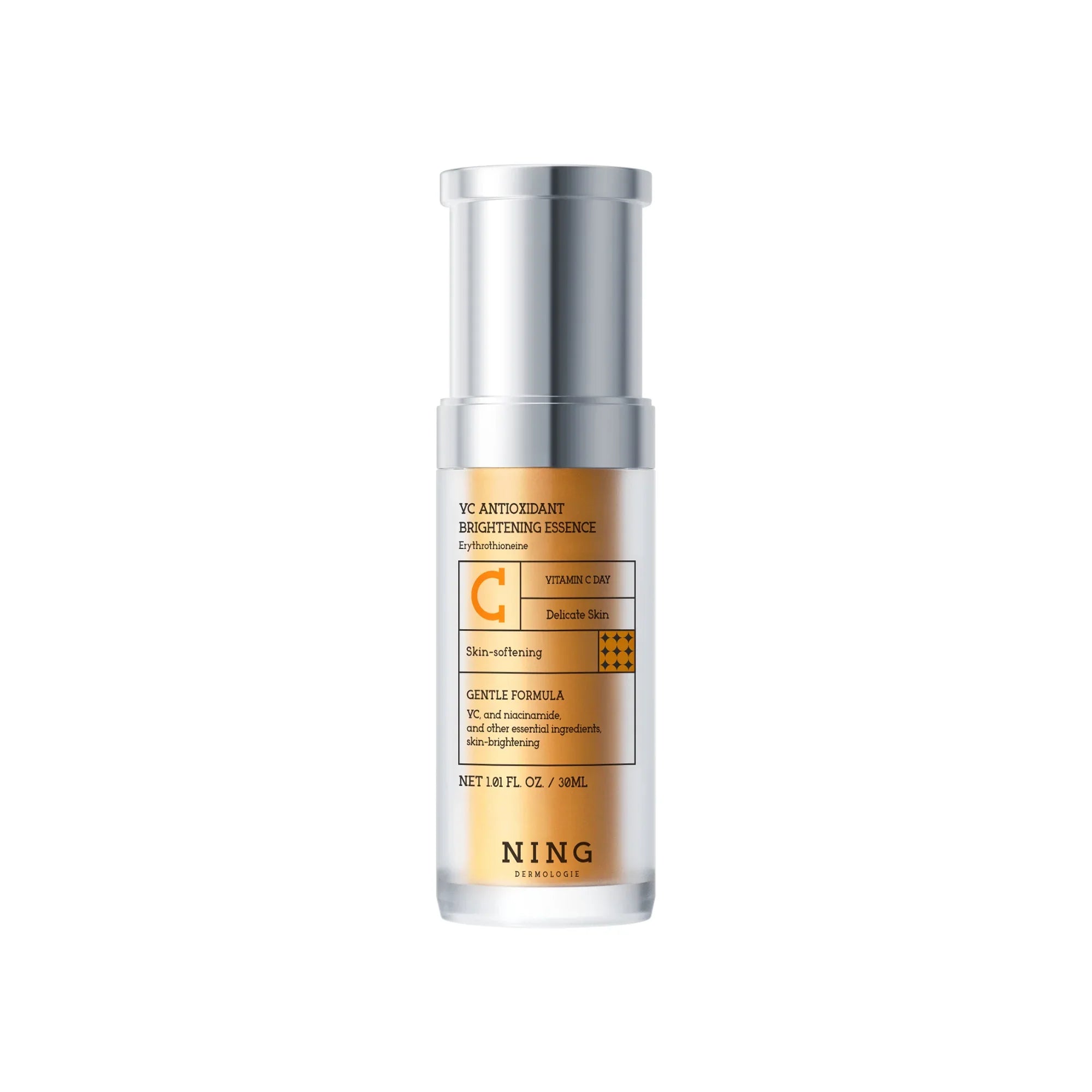
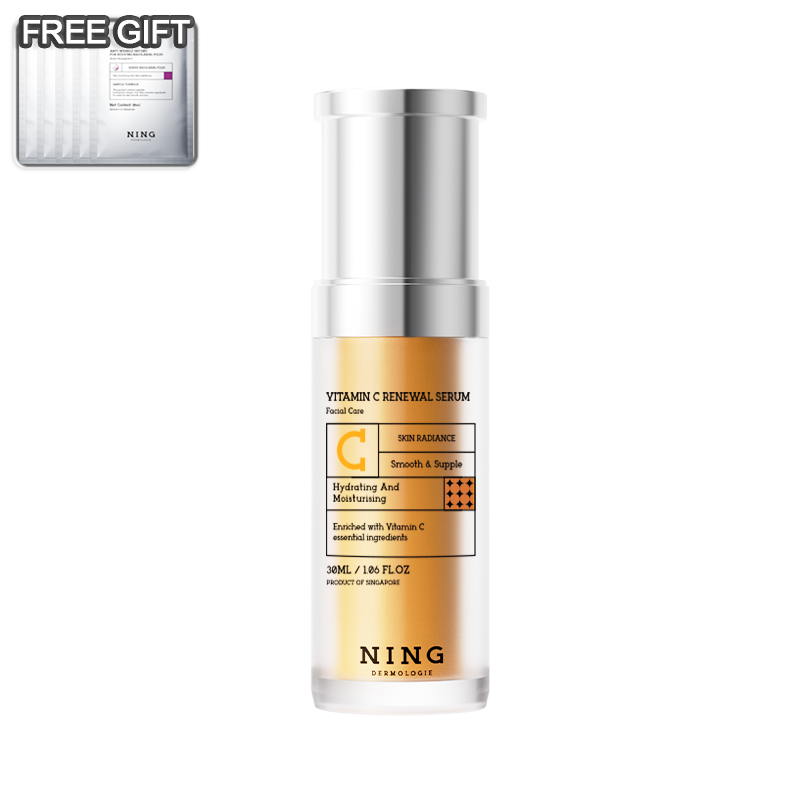
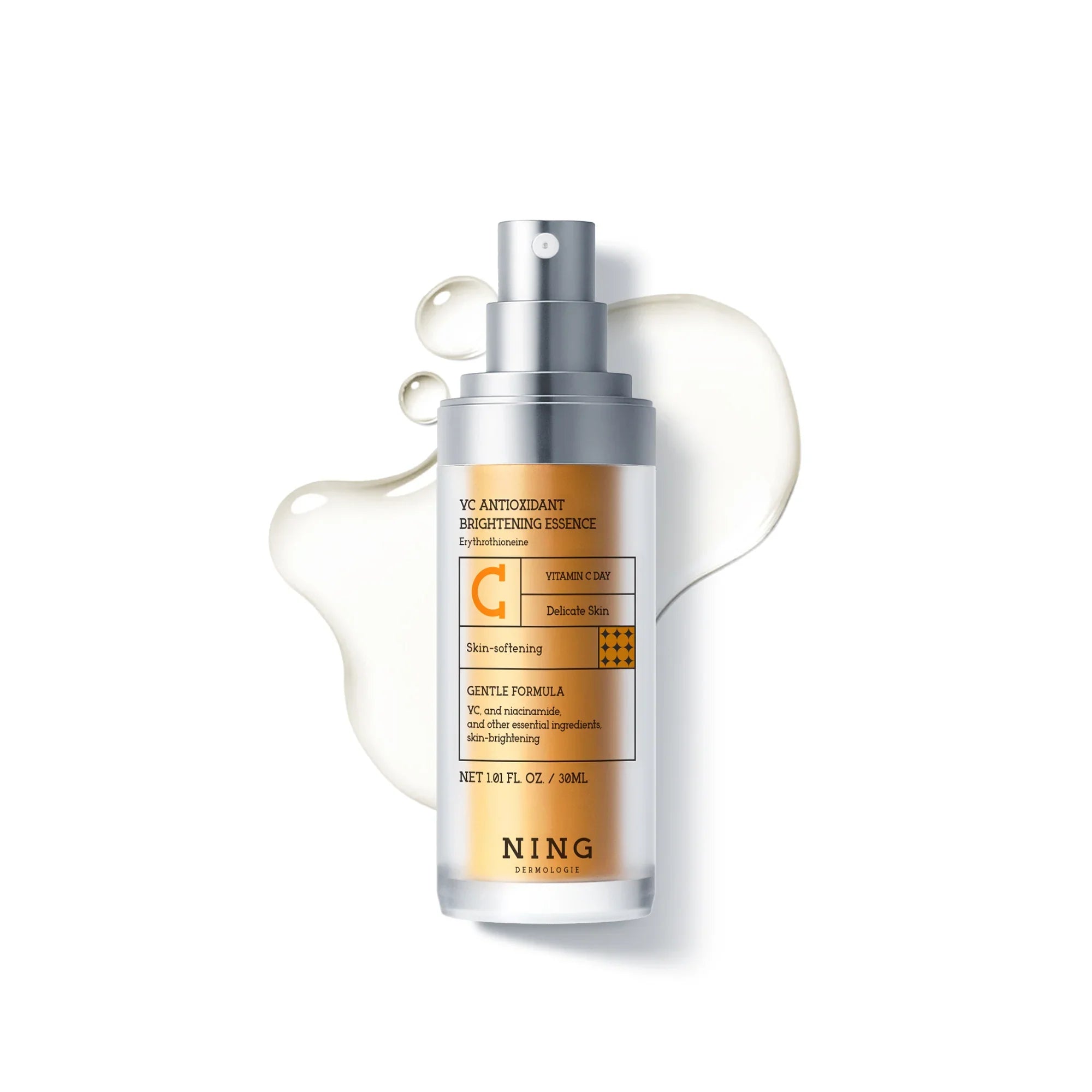
A serum for your skin type should be a multitasker. Niacinamide is a superstar here. It helps brighten the skin, strengthens the barrier, and calms inflammation. It is generally well-tolerated, unlike high-strength Vitamin C or Retinol which can irritate super sensitive skin.
Peptide complexes are also excellent. They signal your skin to produce collagen, helping with firmness and wrinkle reduction without the peeling associated with acids.
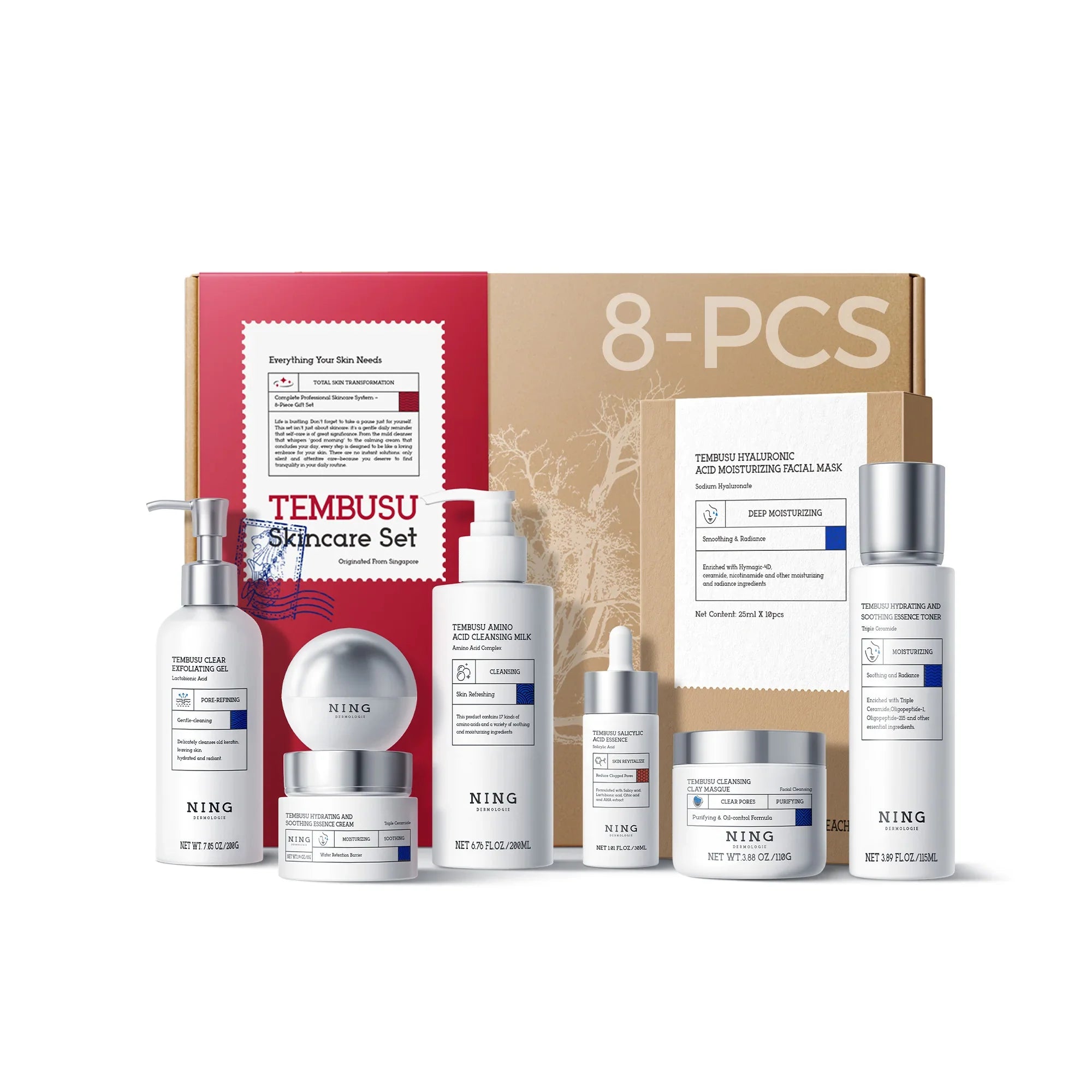
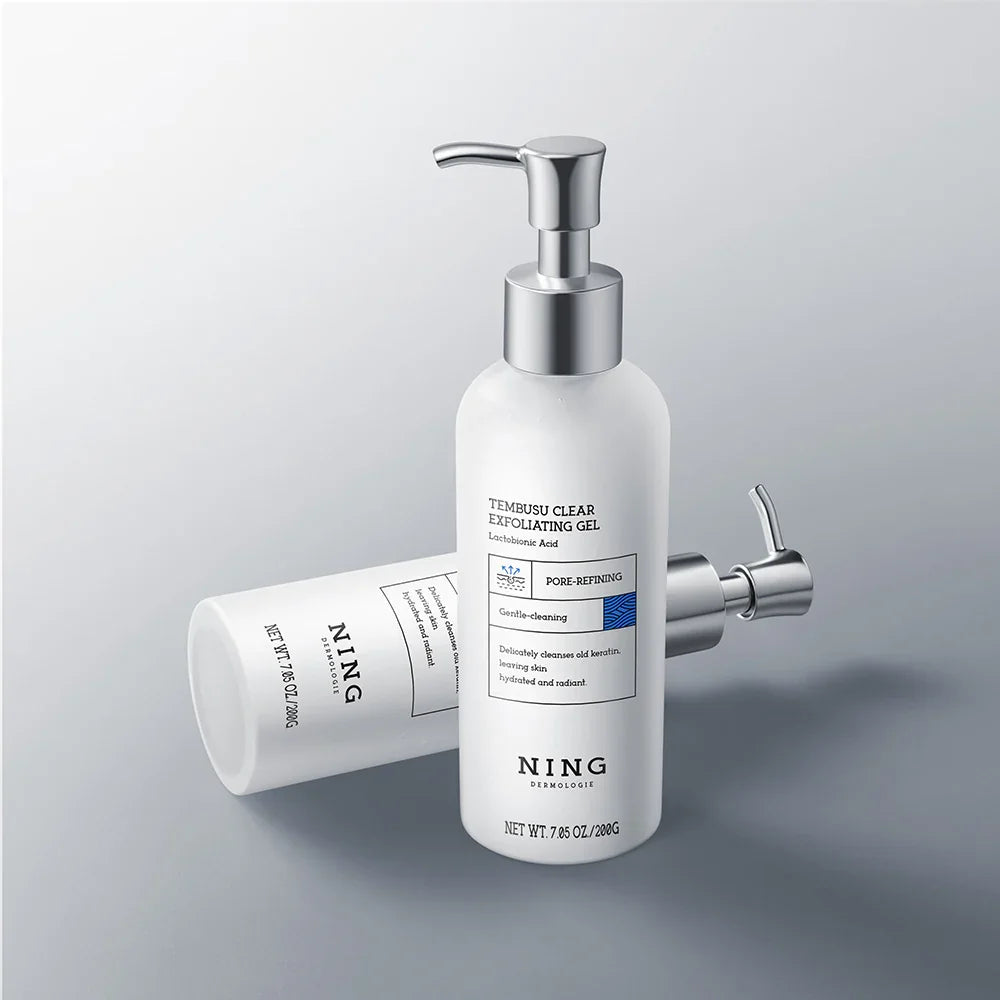
If you are looking for an all-in-one solution that takes the guesswork out of layering, the TEMBUSU 8-Step Routine Skincare Set by NING Dermologie is curated specifically to ensure every serum and essence works in harmony, rather than fighting against each other on your face.
Best Products for Moisturizing Sensitive Skin
Moisturize, moisturize, moisturize. If there is one step you cannot skip, it is this one.
The Role of Moisturizing Lotion and Creams
A moisturizing lotion or cream acts as a sealant. You need a mix of humectants (to draw water in) and occlusives (to keep water in).
- Ceramide: Essential for rebuilding that "mortar" in your skin barrier.
- Squalane: An oil that mimics your skin's natural sebum, making it highly compatible and noncomedogenic.
- Cicaplast / Centella Asiatica: Known for its rapid soothing properties, perfect for when skin gets angry or red.
While drugstore brands like Cerave offer basic fragrance-free options that get the job done, they often lack the botanical complexity needed to truly nourish and revitalize aging or stressed skin. NING Dermologie formulations go beyond basic hydration; we blend all-natural botanical extracts with clinical science to provide deep relief without drying out as the day goes on.

Fragrance-Free is Non-Negotiable
Always check the ingredients list. Fragrance is the number one cause of allergic contact dermatitis in cosmetic products. Always opt for fragrance-free to ensure you don't irritate your face unnecessarily.
Protecting Sensitive Skin from the Sun
Sun damage is the fastest way to age your skin and weaken your barrier. However, many chemical sunscreens cause stinging and itchiness for sensitive users.
Finding the Right SPF
You need sun protection every single day, even when it is cloudy.
- Mineral Sunscreens: Look for Zinc Oxide or Titanium Dioxide. These sit on top of the skin and reflect UV rays, making them less likely to cause a reaction compared to chemical filters like oxybenzone.
- Moisturizer and SPF: Using a dual-purpose product can be helpful, but ensure you apply enough of it.
If you have super sensitive skin, sticking to physical blockers is usually the expert recommendation from any aesthetician or dermatologist.
Dealing with Acne on Sensitive Skin
Having acne and dry, sensitive skin simultaneously is frustrating. Most acne products (like benzoyl peroxide) are designed to dry out oil, which destroys your already fragile barrier.
Best Acne Treatments for Dry Skin
- Azelaic Acid: A gentler alternative that kills bacteria and reduces redness without the harsh side effects of stronger acids.
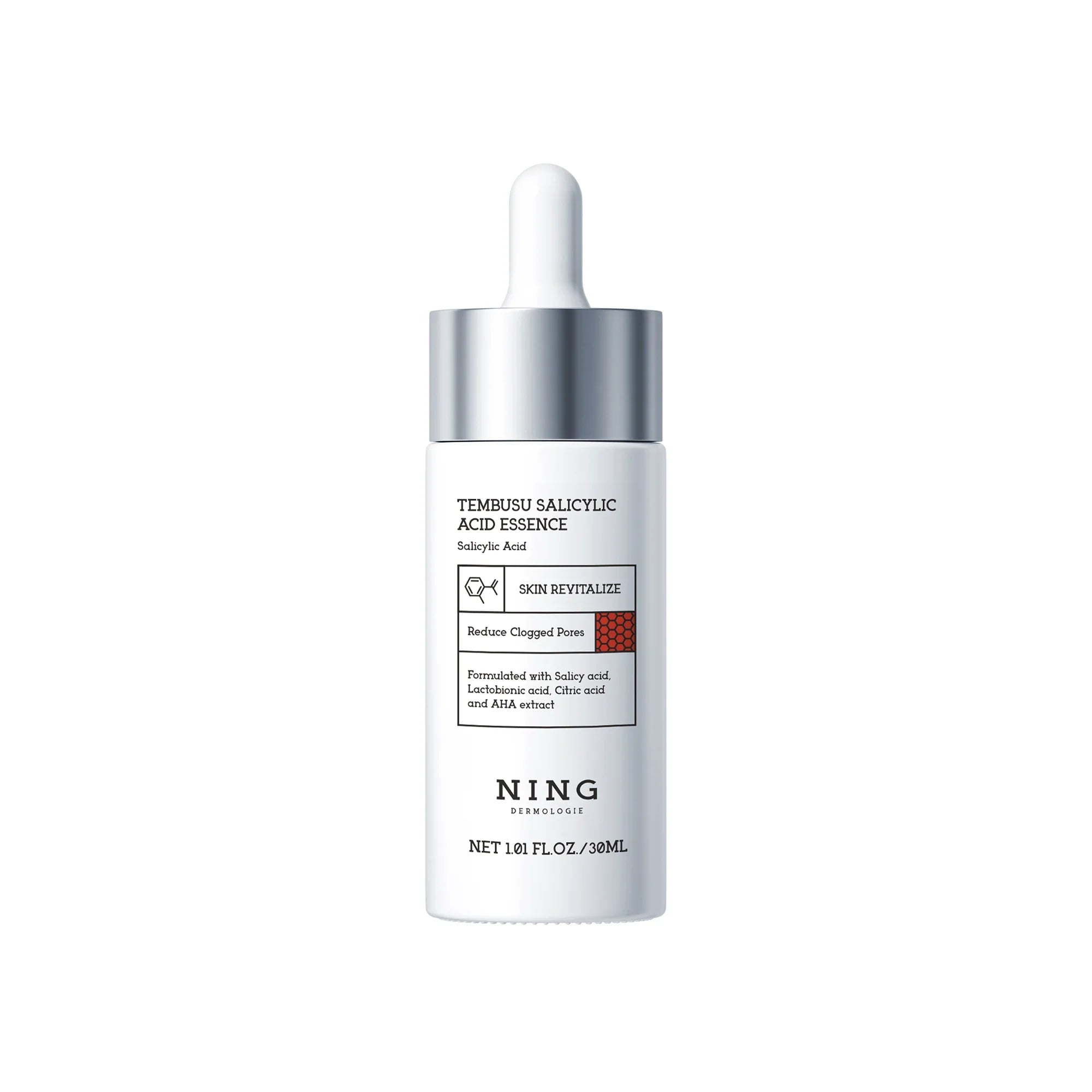
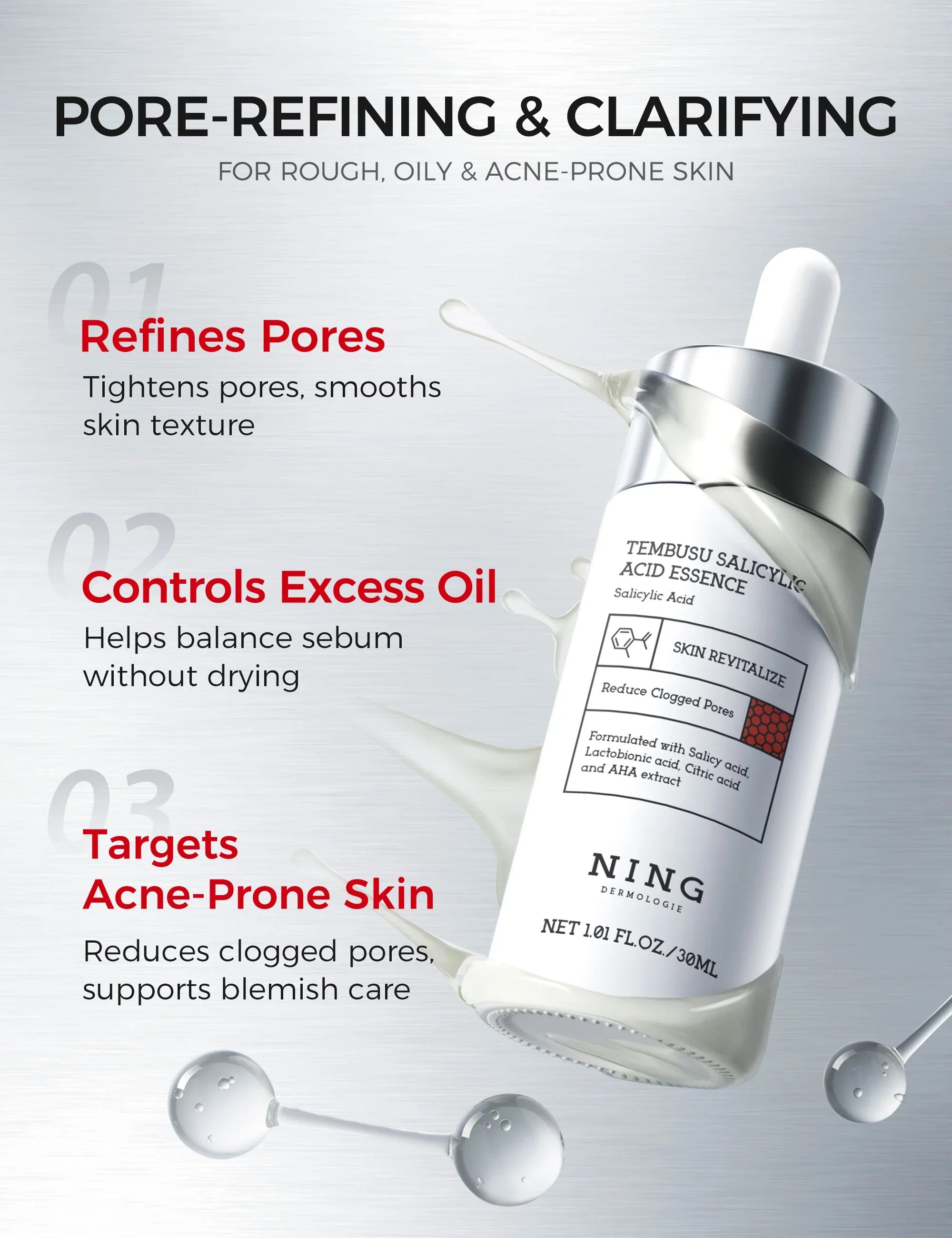
- Salicylic Acid (Low %): Use with caution. Spot treat rather than applying it all over.
- Don't Overdo It: Using too many actives will destroy your barrier, leading to more breakouts.
When skin becomes inflamed, stop all actives and focus solely on barrier repair until the redness subsides.
The Holy Grail Solution: NING Dermologie TEMBUSU Set
Navigating the market of products for sensitive skin is exhausted. You buy a cleanser from one brand, a serum from another, and a moisturizer from a third. Often, these products have preservatives or ingredients that clash, leading to "cocktailing irritation."
This is why we created the TEMBUSU 8-Step Routine Skincare Set.
We believe the best products work as a team. This set is the holy grail for those who are tired of guessing. It includes everything from a gentle cleanser to a nourishing lotion and protective treatments.
- Why it works: It is formulated with alcohol-free, fragrance-free, and all-natural principles where it counts, backed by science.
- Target Specific: It targets dryness, lines and wrinkles, and uneven tone without aggressive chemicals that strip the skin.
- Cohesion: Every step prepares the skin for the next, ensuring maximum absorption and zero irritation.
If you are looking for a cosmetic overhaul that feels like a therapy session for your face, check out the TEMBUSU 8-Step Routine Skincare Set here.
Expert Recommendations for a Healthy Routine
To summarize, here is what a dermatologist dr might recommend for a simplified, effective routine:
-
Cleanse: Use a creamy, non-foaming cleanser.
-
Tone: Apply a hydrating toner with rosewater or chamomile.
-
Treat: Use a serum with peptide or hyaluronic acid.
-
Moisturize: Apply a rich cream with ceramide.
-
Protect: Finish with SPF in the morning.
Many products claim to be safe, but you must be your own advocate. Read the label. If you see alcohol high up on the list, put it back. Your skin is capable of healing; you just need to give it the right tools.
Frequently Asked Questions (FAQ)
1. What is the single best ingredient for dry, sensitive skin?
While there is no magic wand, ceramide is arguably the most critical. Ceramides make up about 50% of your skin's natural barrier. Replenishing them via creams or serums helps seal the cracks in your skin, preventing water loss and keeping irritants out. Hyaluronic acid is a close second for hydration, but ceramides are essential for protection and repair.
2. Can natural ingredients irritate sensitive skin?
Yes, absolutely. "All-natural" does not always mean safe. Essential oils like lemon, peppermint, or tea tree oil are natural but are common allergens that can cause burning and redness on super sensitive skin. It is better to look for "hypoallergenic" or "fragrance-free" rather than just "natural." At NING Dermologie, we select botanical ingredients that are clinically proven to soothe, not irritate.
3. How often should I exfoliate if I have sensitive skin?
Proceed with extreme caution. Physical scrubs (with beads or shells) can cause micro-tears and significant skin damage. Chemical exfoliants are better, but should be used sparingly—perhaps once every 10 days. Look for gentle options like PHAs (Polyhydroxy Acids) or Lactic Acid, which hydrate while they exfoliate. If your skin feels stung, stop immediately.
4. Why does my skin sting even when I apply moisturizer?
If your moisturizer stings, your skin barrier is likely compromised (broken). The nerve endings are exposed and reacting to the product. This creates a cycle of inflammation. Switch to the simplest, blandest product available (like a pure balm or a specialized barrier repair cream) and avoid all active ingredients (like retinols or acids) until the barrier heals.
5. Is the NING Dermologie TEMBUSU set suitable for acne-prone sensitive skin?
Yes. The TEMBUSU set is formulated to be noncomedogenic, meaning it won't clog pores. It focuses on hydration and barrier support. Often, acne-prone skin breaks out because it is dehydrated and overproducing oil to compensate. By balancing the skin's hydration levels with our gentle routine, you can actually reduce breakouts caused by irritation and dryness.
6. Can I use tap water to wash my super sensitive face?
Surprisingly, for some people, the answer is no. Hard tap water contains minerals that can disrupt the skin's pH and leave a residue, leading to dryness. If you find your skin is constantly irritated despite a good routine, try washing your face with distilled water or using a micellar water to cleanse without rinsing with tap water. This is a common aesthetician tip for reactive skin.





Share:
Best Skincare Set for Dry Skin: Hydration & Care
Best Skincare Set: Beauty Product Sets for Skin