


You bought the bottle. You had high hopes. You washed your face faithfully. And now? You’re staring in the mirror at a face that looks worse than when you started.
I know the feeling. It’s that mix of frustration and panic where you’re about to throw the product in the trash and swear off active ingredients forever.
But before you give up, put the bottle down and listen.
The short answer to "Can salicylic acid face wash make acne worse?" is yes, but usually not for the reasons you think. In the dermatology world, there is a massive difference between your skin "purging" (which is actually good) and your skin screaming for help because its barrier function is destroyed.
If you are seeing more bumps after introducing a beta hydroxy acid (BHA) like salicylic acid, you are likely experiencing one of two things: the "Purge" or the "Breakout."
Let’s break down exactly what is happening to your skin barrier, how to tell the difference, and why a gentle approach (like the NING Dermologie philosophy) might be the fix you need.

The Science: Why Salicylic Acid Causes Chaos (At First)
To understand why your face is rebelling, you have to understand how salicylic acid works compared to other acids like glycolic acid or lactic acid (alpha hydroxy acids).
Salicylic acid is oil-soluble. This means it doesn't just sit on top of your face; it dives deep into the clogged pores, cuts through the oil (sebum production), and dissolves the glue holding dead skin cells together. It is a potent keratolytic agent.
Think of your pores like a pipe under your sink. If that pipe hasn’t been cleaned in years, and you suddenly pour a heavy-duty cleaner down it, all the gunk sticking to the sides is going to come loose at once.
This is "Skin Purging"
When you start using a product that accelerates skin cell turnover, like a salicylic acid face wash or a retinoid (like Clindamycin Phosphate or AlphaRet Clearing Serum), the skin speeds up its shedding process.
Micro-comedones (tiny, invisible clogged pores sitting under the surface) turn into visible pimples faster than usual. Essentially, you are fast-forwarding your acne.
Signs it’s just a Purge:
- Location: The acne flare-ups are happening in areas where you usually get breakouts (e.g., if you have oily skin on your T-zone, the pimples are there).
- Timing: It starts within a few days of using the new face wash.
- Duration: The pimples appear and heal relatively quickly compared to a deep cyst.
- The Look: They are usually whiteheads or small pustules, representing the gunk exiting the skin.
If this is happening, do not stop. It means the active acne-fighting ingredients are working. The "mess" was already down there; the cleanser just brought it to the party early.
The Danger Zone: When It’s NOT Purging
However, not all reactions are "good" reactions. Sometimes, a salicylic acid face wash makes acne worse because it is irritating your skin, not cleaning it.
If you have sensitive skin or a compromised barrier, strong acids can cause contact dermatitis. This happens often with old-school, harsh scrub products (think Clearisil Face Scrub or heavily fragranced face soaps with exfoliating beads).
Signs it’s a Breakout (Irritation):
- Location: You are getting pimples in places you never usually break out (e.g., on your dry cheeks or neck).
- Sensation: Your skin feels hot, itchy, tight, or stings when you apply other products.
- Appearance: The bumps look like a rash, or they are deep, red, and inflamed without a "head."
- Duration: It doesn’t get better after 4-6 weeks.
This is often caused by over-the-counter products that have a high percentage of acids combined with alcohol denat or pore-clogging ingredients (comedogenic ingredients).
The "More is Better" Trap
One of the biggest mistakes skincare fans make is attacking acne-prone skin with too much aggression.
I see this all the time: Someone buys a PanOxyl 4% Acne Creamy Wash (benzoyl peroxide), pairs it with a salicylic acid toner (like Lotion P50), and then spot treats with tea tree oil.
This is a chemical disaster.
When you strip your skin of all its natural oils, your skin panics and produces more oil to compensate. Plus, when the barrier is broken, bacteria penetrate easier, leading to—you guessed it—more acne.
The Gentle Solution: Amino Acids + Salicylic Acid
This is where the formulation matters more than the percentage. You need to clean the pores without stripping the "roof" off your skin.
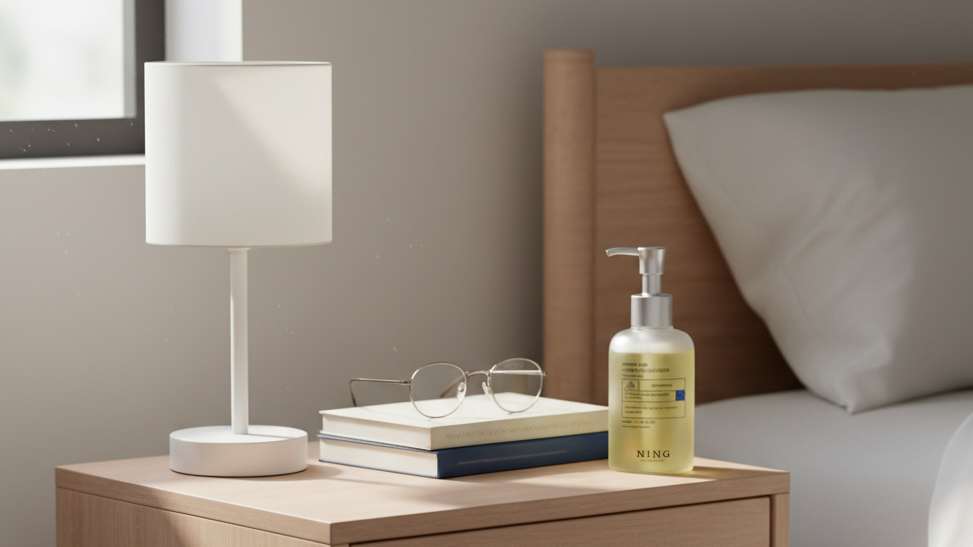
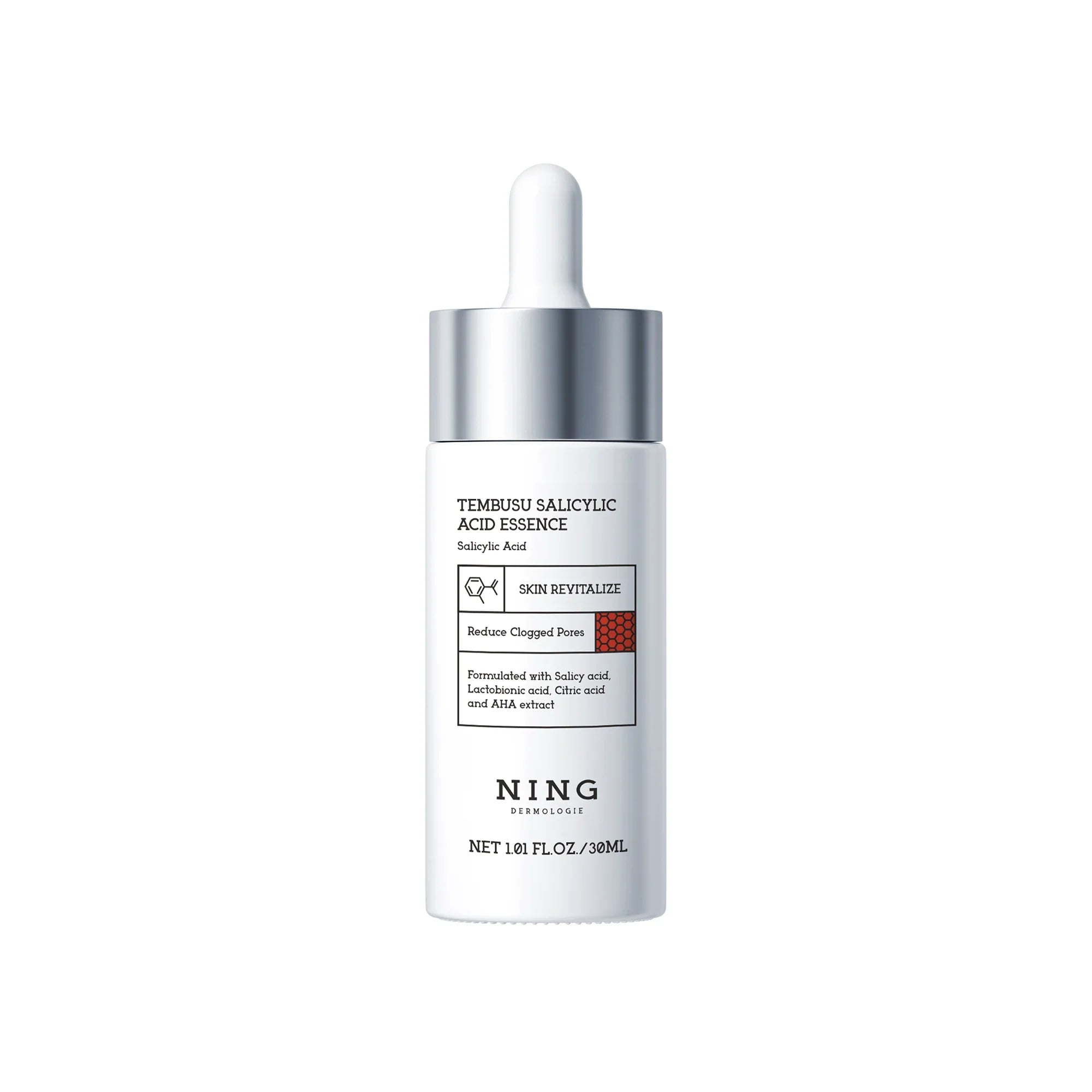
We developed the Amino Acid Facial Cleanser with Salicylic Acid specifically for this dilemma.
At NING Dermologie, we realized that most acne cleansers are basically detergents. They clean, but they destroy. By using an Amino Acid base (which mimics the skin's natural structure), we cushion the impact of the Salicylic Acid.
This allows the BHA to do its job—clearing clogged pores and managing sebum production—while keeping the pH balance of the skin intact. It’s the difference between power-washing your face and gently exfoliating it.
How to Fix Your Routine (If You're Breaking Out)
If you are currently in the middle of a flare-up from a new cleanser, here is a practical rescue plan.
1. Check Your Frequency
Are you washing your face with the acid cleanser twice a day? Stop. Topical dosages matter. Even the American Academy of Dermatology suggests easing into actives.
- Plan: Use your Salicylic Acid cleanser once a day (preferably at night) or even every other day. In the morning, use water or a super gentle, non-active cleanser.
2. Hydrate, Hydrate, Hydrate
"But I have oily skin!" I hear you say. It doesn't matter. Dehydrated skin is acne-prone skin. If you are using drying agents like Bioelements Breakout Control or a strong acne face wash, you need to replace the moisture. Look for hyaluronic acid or poly hydroxy acid (a hydrating exfoliator) to keep the skin supple.
3. Review Your "Extra" Factors
Sometimes the face wash is the innocent bystander.
- Diet & Supplements: Did you recently start drinking a Mass Gainer or whey protein shake? High-glycemic foods and dairy can spike blood sugar and hormonal fluctuations, causing deep cysts.
- Tools: Are you using dirty makeup brushes?
- Sun: Are you skipping sunscreen? UV rays thicken the outer layer of the skin (hyperkeratosis), which traps bacteria. Plus, free radicals from the sun inflame existing acne.
4. Know When to Pivot
If Salicylic Acid isn't working after 6 weeks, your skin type might respond better to Benzoyl Peroxide (kills bacteria) or Azelaic Acid (great for inflammation and redness). Or, if you have fungal acne, ingredients like tea tree oil might be more effective.
Expert Opinions: When to see a Pro
If you’ve tried the gentle route (like the NING Dermologie cleanser), waited out the 6-week purge, and removed comedogenic ingredients from your makeup, but your skin is still angry, it’s time to call in the pros.
Experts from top institutions like the NYU Grossman School of Medicine or the Icahn School of Medicine often note that adult acne can be complex. It’s not just about dirt.
Dermatology providers like Dr. Sejal Shah (founder of SmarterSkin Dermatology) frequently discuss how stubborn acne requires a multi-faceted approach. Sometimes you need an Rx formula (prescription strength) or oral medication to handle the internal causes.
Also, listen to the community. Whether it's advice from an aesthetician like Gabriella Cetrulo or reliable forums of skincare fans, the consensus is clear: Pain is not gain. A slight tingle is okay; burning is not.
A Note on "Clean" Skincare
Be careful with the marketing hype. Just because something says "Natural" doesn't mean it's safe for acne. Coconut oil is natural, but it is a nightmare for clogged pores.
Always check your ingredient lists. At NING Dermologie, we ensure our Amino Acid Facial Cleanser is free from hidden triggers. We want to support your skin condition, not fight it.

Summary: Should you keep using it?
- Yes, if: It’s been less than 4 weeks, the pimples are small, and they are in your usual problem areas. This is just cell turnover doing its job.
- No, if: Your skin is burning, itching, or breaking out in new areas.
- Modify if: Your skin feels tight. Switch to the NING Dermologie Amino Acid Facial Cleanser with Salicylic Acid for a hydrating, non-stripping deep clean.
Frequently Asked Questions (FAQ)
Q: How long does the "purging" phase last with salicylic acid?
A: Typically 4 to 6 weeks. Since one full cycle of skin cell turnover takes about a month, you need to give the product time to clear out the deep congestion. If you are still breaking out after 6 weeks, it’s likely irritation, not purging.
Q: Can I use salicylic acid and benzoyl peroxide together?
A: Proceed with caution. Using both in the same routine is a recipe for drying out your skin barrier. A better approach is to use a salicylic acid face wash in the morning and a benzoyl peroxide spot treatment at night, or use them on alternate days.
Q: Does salicylic acid work for cystic acne?
A: It helps, but it’s not the cure-all. Salicylic acid is best for blackheads and surface pustules. Deep cystic acne is usually hormonal. While SA helps reduce inflammation, you might need stronger acne treatments or oral medication from a NYC cosmetic dermatologist for severe cysts.
Q: Should I use a moisturizer if I have oily skin and acne?
A: Absolutely. Skipping moisturizer causes your skin to produce more oil to compensate for the dryness caused by acne face wash. Use a lightweight, oil-free moisturizer with hyaluronic acid to keep the barrier healthy without clogging pores.
Q: Is it okay to use salicylic acid every day?
A: For most people, yes, provided the formula is gentle (like NING Dermologie’s amino acid blend). However, if you are new to acids, start 3 times a week and build up. If you notice peeling or redness, scale back immediately. Listen to your skin.





Share:
The No-Nonsense Guide to Salicylic Acid Cleansers (And Which Brands Actually Work)
The Insider’s Guide to Salicylic Acid Face Wash Deals: Stop Overpaying for Clear Skin