


Let's be honest. You wake up, look in the mirror, and there they are. Again.
Dark circles.
You have probably bought countless skin care products promising an overnight miracle, only to end up disappointed. I get it. As a formulator, I see the marketing fluff every day. The truth about the periorbital region—that incredibly delicate under-eye area—is that it requires highly specific active ingredients to see any real change.
Slapping your regular, heavy face moisturizer closer to your eyes just won't cut it.
Today, we are cutting through the noise. We will break down exactly what causes those shadows, the real skin anatomy behind them, and the definitive ingredient checklist you need for a brightening eye serum that actually works.

Why Your Under-Eyes Look Dark (The Real Skin Anatomy)
Before you buy another eye cream, you need to know what you are trying to fix. Not all dark under-eye circles are created equal.
Your skin anatomy in this specific area is unique. The skin is incredibly thin—about 0.5 mm compared to 2 mm on the rest of your face. Because of this thinning skin, everything happening underneath is highly visible.
Generally, we divide the root causes into three main camps:
1. Vascular Issues and Blood Pooling
Sometimes, it is just about blood vessels. When you lack sleep, your blood vessels dilate. Because the skin is so thin, this shows through as a blue or purplish tint. Poor circulation can lead to capillary fragility. When these tiny capillaries leak microscopic amounts of blood, your body breaks it down, resulting in hemosiderin staining—a persistent, rust-colored shadow.
2. Hyperpigmentation
This is actual pigment in the skin. Genetics play a big role here, but so does sun damage. UV damage and UVB rays trigger melanin production. Even blue light from excessive screen time can trigger hyperpigmentation. If your circles look strictly brown, skin discolouration is your main culprit.
3. Structural Shadows
Sometimes, it's not color at all. It's a shadow caused by volume loss. As part of natural skin ageing, you lose fat and collagen production slows down. This creates hollows. A simple light test can confirm this: tilt your head back and look in the mirror. If the shadow disappears, it’s a structural issue, not pigment.
Now that you know what you are dealing with, let's talk ingredients.
The Ultimate Ingredient Checklist for Dark Circles
When I formulate or review a natural under eye serum, I look for specific chemical compounds. Here is your cheat sheet.
For Pigmentation (The Brown Shadows)
If you are dealing with sun damage or genetic pigment, you need ingredients that block melanin production and speed up cell turnover.
- Vitamin C: The gold standard. It brightens skin texture and defends against environmental stress. It is a powerful antioxidant that helps reverse the visible effects of UV damage.
- Kojic acid & Alpha arbutin: These are heavy hitters for fading stubborn dark spots. They are much safer and gentler for the under-eye area than harsh bleaches.
- Licorice Root (Liquorice extract): A fantastic, soothing botanical that naturally brightens skin discolouration without causing irritation.
- Mandelic acid: A very gentle AHA. It lightly exfoliates to speed up cell turnover without burning the delicate periorbital region.
- Purple pigments: In some daytime formulas, temporary color-correcting purple pigments are added to instantly neutralize sallow, yellow-toned dark circles.
For Vascular Issues & Puffiness (The Blue Shadows)
If your eyes are puffy from fluid retention and looking blue from dilated blood vessels, you need constrictors and soothers.
- Caffeine powder: Think of it as an espresso shot for your eyes. It temporarily constricts blood vessels, making them less visible, and helps drain excess fluid retention that causes the dreaded under-eye bag.
- Vitamin K: Widely studied for its ability to help with capillary fragility and blood clotting. It is excellent for reducing that bruised, purple look.
- Cucumber Extract & Aloe vera juice: These provide an instant cooling effect. They soothe the skin and provide lightweight hydration.
- Witch hazel: A natural astringent. In very small, carefully formulated amounts, it helps tighten the skin surface temporarily.
For Structure and Anti-Aging (The Hollows and Lines)
You cannot replace lost facial fat with an eye serum, but you can plump the skin to hide fine lines and support the underlying structure.
- Hyaluronic acid: A moisture magnet. It pulls water into the thinning skin, instantly plumping fine lines and making the area look more hydrated and awake.
- Collagen-stimulating ingredients: Look for gentle Retinol or Peptides. They force your skin to ramp up collagen production over time.
- Pisum sativum (Pea extract): A brilliant botanical active. Pea extract works to protect existing collagen and elastin from degrading, keeping the skin firm.
Formulation Matters: The Base Ingredients
A good brightening eye serum isn't just about the star players. The base determines how well it absorbs. Formulators rely on ingredients like Xanthan gum for a smooth, spreadable gel texture that won't tug at your skin. We also need safe preservatives. Euxyl K712 is a widely used, gentle preservative that keeps your skincare products safe from bacteria without irritating your eyes.
The Market Hype vs. Reality
If you scroll through social media, you see endless gadgets and trendy under-eye cream options. The market is saturated.
You might see influencers promoting everything from the Fountain of Truth Magic Wand Sculpting Eye Roller to the waterlight Grace + Tonic Eye Serum. Maybe you have tried the Good Skin Day Shaker, or relaxed with Patchology MoodPatch Happy Place Aromatherapy Eye Gels. Some people swear by Live Tinted correctors to hide the shadow, while others read blogs on Health Shots telling them to use a simple metal roller from the freezer.
Even clinical brands push hard. You will find products like DERMAdoctor DD Eye making bold claims. At the manufacturing level, giants like Zeun Cosmetic Factory pump out thousands of different formulations. More recently, devices like the Solawave Radiant Renewal Skincare Wand have popularized at-home Red Light Therapy.
Do they work? Some do. But tools and patches are only temporary fixes. A solid skin care routine with a highly concentrated, well-formulated eye serum is the non-negotiable foundation of good skin health.
When Skincare Isn't Enough: Clinical Treatments
I want to be completely transparent. According to almost every dermatology study and guidelines from the American Academy of Ophthalmology, topical skincare has limits.
If your dark circles are entirely caused by severe volume loss, an eye cream won't fix it. In these cases, you might need to look into professional cosmetic procedures.
A thorough patient consultation at a reputable clinic is step one. Based on your specific anatomy, a doctor might suggest a clinical treatment plan. This could involve injectable fillers—specifically tear trough fillers (sometimes referred to as tearing trough fillers)—to physically lift the hollow area.
Other clinical treatments include laser skin resurfacing or targeted laser rejuvenation to thicken the skin and destroy stubborn pigment. Some clinics, like Envi Aesthetics, even specialize in Platelet-Rich Plasma (PRP) injections to naturally stimulate healing in the periorbital region.
However, these procedures are expensive and carry downtime. Even with the best aesthetic outcomes from a clinic, your doctor will still tell you to maintain the results with high-quality under eye care at home.
Your Daily Defense: Sun Protection
If you take nothing else away from this, remember this rule: no eye serum can outwork sun damage.
The skin around your eyes is the first to show UV damage. You must apply a broad‑spectrum SPF every single morning. A minimum of SPF 30 is required. Good sun protection stops hyperpigmentation from forming in the first place and protects the collagen you already have. Make it a non-negotiable part of your skin routine.
The NING Dermologie Solution
After years of analyzing what fails and what actually delivers results, we knew there was a gap in the market. People needed a product that tackled vascular pooling, pigmentation, and fine lines simultaneously, without heavy, pore-clogging waxes.
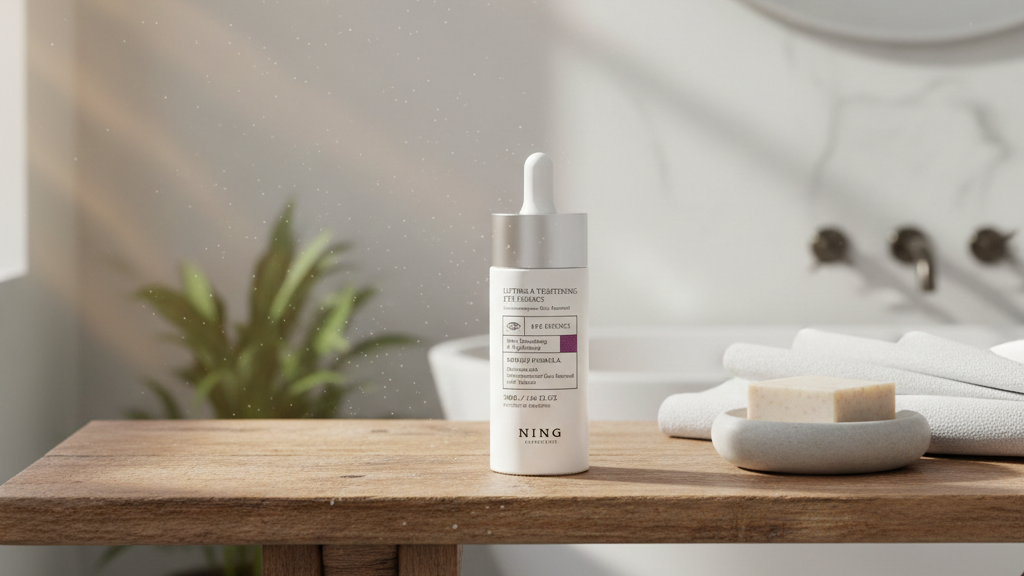
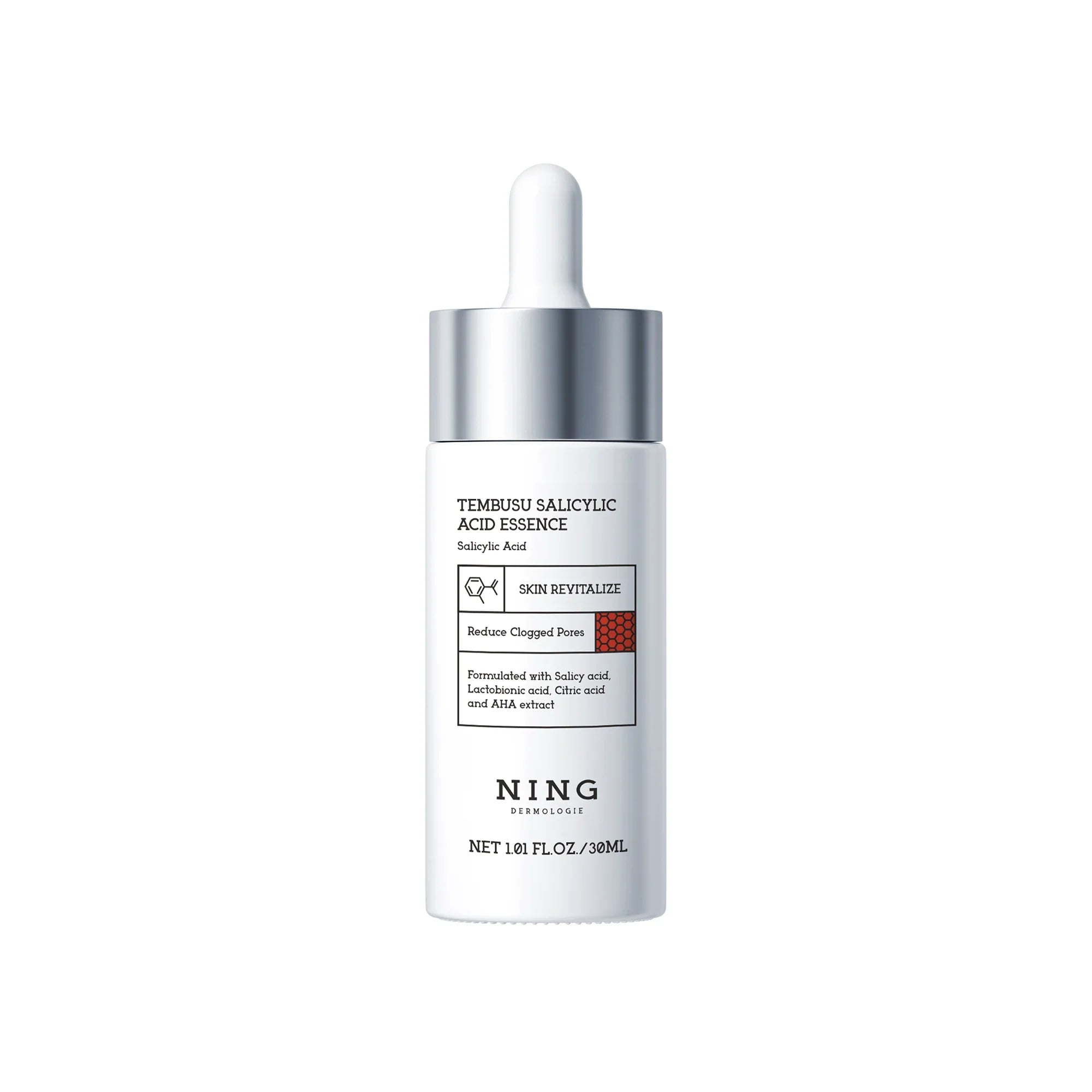
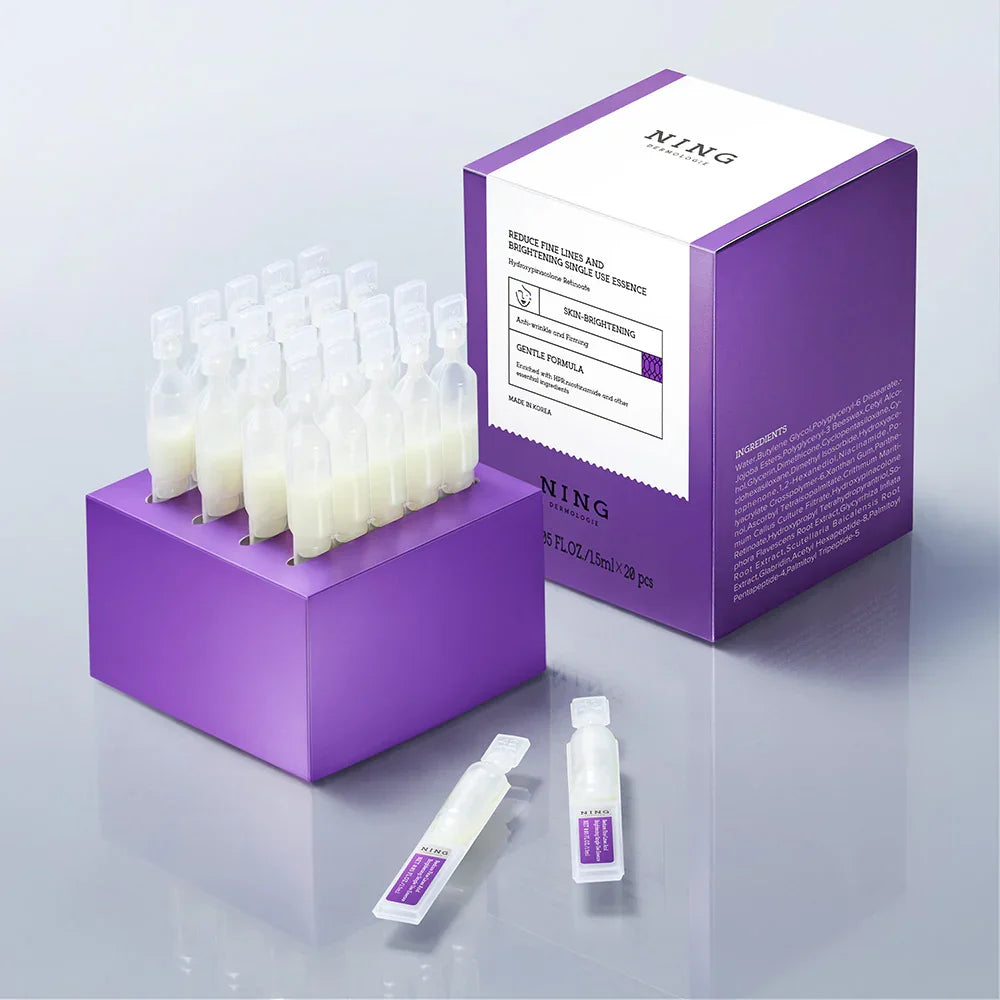
That is exactly why we formulated the NING Dermologie Lifting & Tightening Eye Essence.
We didn't just throw trendy ingredients into a jar. We built a targeted formula designed to penetrate the thin under-eye skin rapidly. It combines the tightening power of specific botanical extracts with the brightening force needed to combat modern environmental stress and screen time fatigue. It is lightweight, layers perfectly under makeup, and delivers active ingredients exactly where they are needed to restore a brighter, firmer look.
If you are tired of wasting money on under-performing creams, it is time to upgrade your routine. You can explore the exact formulation and see the results for yourself here: NING Dermologie Lifting & Tightening Eye Essence

Frequently Asked Questions (FAQ)
1. Do eye serums actually work for dark circles?
Yes, but you must match the ingredient to the root cause. Vitamin C and Kojic acid work for brown pigmentation. Caffeine powder works for blue vascular pooling. If you have deep hollows from volume loss, serums can plump fine lines, but cannot physically fill the gap.
2. How long does it take to see results?
Consistency is everything. Expect to wait at least 4 to 6 weeks. Natural cell turnover takes about 28 days. You simply will not see true, lasting changes in skin discolouration or collagen production before that skin cycle finishes.
3. Can I use my regular face moisturizer under my eyes?
You can, but it is not ideal. The under-eye area is incredibly thin. Heavy face creams can cause milia (tiny white bumps) or trap fluid, making puffiness worse. A dedicated eye serum is molecularly lighter and safer.
4. Does screen time make my dark under-eye circles worse?
Absolutely. Staring at screens causes eye strain, which dilates the blood vessels under your eyes, worsening blue shadows. Additionally, the blue light emitted from screens can trigger hyperpigmentation. Take frequent breaks.
5. When should I apply eye serum in my skin care routine?
Apply it immediately after cleansing and using any watery toners, but strictly before your heavy moisturizers or face oils. Tap it gently with your ring finger. It should always be the lightest, thinnest layer closest to your bare skin.





Share:
Best Eye Serum Under Makeup: No Pilling, Smooth Concealer Application
Eye Serum for Puffiness Causes, Fixes, and the Best Actives to Look For