


Finding an eye serum that actually works without making your eyelids feel like they’re on fire is a modern-day odyssey. If you have sensitive skin, you know the drill: you buy a highly-rated "miracle" cream, apply it with hope, and wake up looking like you’ve gone twelve rounds in a boxing ring. Redness, itching, and that localized "tight" feeling aren’t just minor inconveniences; they are signs that your skin barrier is screaming for help.
The skin around our eyes—the periorbital region—is roughly ten times thinner than the skin on the rest of the face. It has fewer oil glands, meaning it’s prone to dryness and skin irritation by default. When you add sensitive skin into the mix, finding the right skincare product becomes less about "what’s trending" and more about "what won’t cause a reaction."
In this guide, we’re going to strip away the marketing fluff. We’ll look at why certain skin care products trigger contact dermatitis, how to navigate the complex world of retinol eye creams, and—most importantly—how to perform a proper Patch Test so you never have to deal with a surprise allergic reaction again.

The Fragile Barrier: Why Your Eyes React First
Our skin acts as a shield. However, for those with atopic dermatitis or general sensitivity, that shield has microscopic cracks. When we apply an eye cream, the ingredients penetrate deeper and faster than they would on our cheeks or forehead.
When the skin barrier is compromised, irritants like artificial fragrances, essential oils, and artificial dyes seep in, triggering an immune response. This often leads to allergic contact dermatitis, a condition where the skin becomes red, scaly, and incredibly itchy. Even "natural" products aren't always safe; many plant extracts are actually common triggers for Ingredient sensitivities.
The "Red Flag" Ingredients for Sensitive Eyes
If you’re scanning a label in the aisle (or scrolling through an ingredient list online), there are specific "No-Go" zones for the sensitive-skin crowd.
1. Artificial Fragrances and Essential Oils
Fragrance is the number one cause of allergic reaction in cosmetics. Even if a product smells like a dream, those volatile compounds are a nightmare for the thin skin near the tear troughs. Even essential oils, often touted as "clean," can be incredibly sensitizing when exposed to UV rays.
2. High-Strength Retinol
We all want to address crow's feet and skin texture, but traditional retinol can be brutal. It accelerates cell turnover so fast that sensitive skin can’t keep up, leading to peeling and "retinol burn." If you must use it, look for encapsulated retinol, which releases slowly over hours rather than hitting the skin all at once.
3. Drying Alcohols
Ingredients like Alcohol Denat can strip the tiny amount of natural moisture the eye area has, leading to Barrier irritation and making dark circles look even more prominent due to dehydration.
The "Green Light" Heroes: What to Look For
So, what should you use? The goal is to find ingredients that provide skin elasticity and hydration without the sting.
- Hyaluronic Acid: This is a moisture magnet. It’s naturally occurring in the body, making it highly compatible with sensitive skin. It plumps the skin, reducing the appearance of fine lines without causing a flare-up.
- Colloidal Oatmeal: A gold standard for soothing. It’s often used to treat eczema and can significantly calm the "burning" sensation.
- Sodium Ascorbyl Phosphate: If you want the brightening effects of Vitamin C without the acidity of L-ascorbic acid, this is your best bet. It’s a stable, gentle derivative that helps with dark circles without the irritation.
- Zinc Oxide: While usually found in sunscreens, it’s a powerful anti-inflammatory.
- Peptides: These are the building blocks of skin elasticity. They communicate with your cells to boost collagen without the aggressive "shedding" associated with acids.
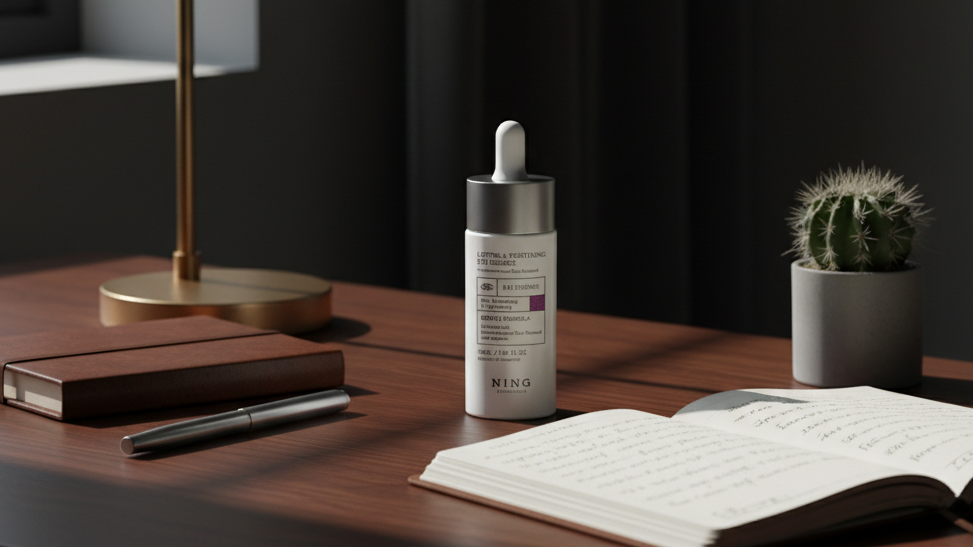
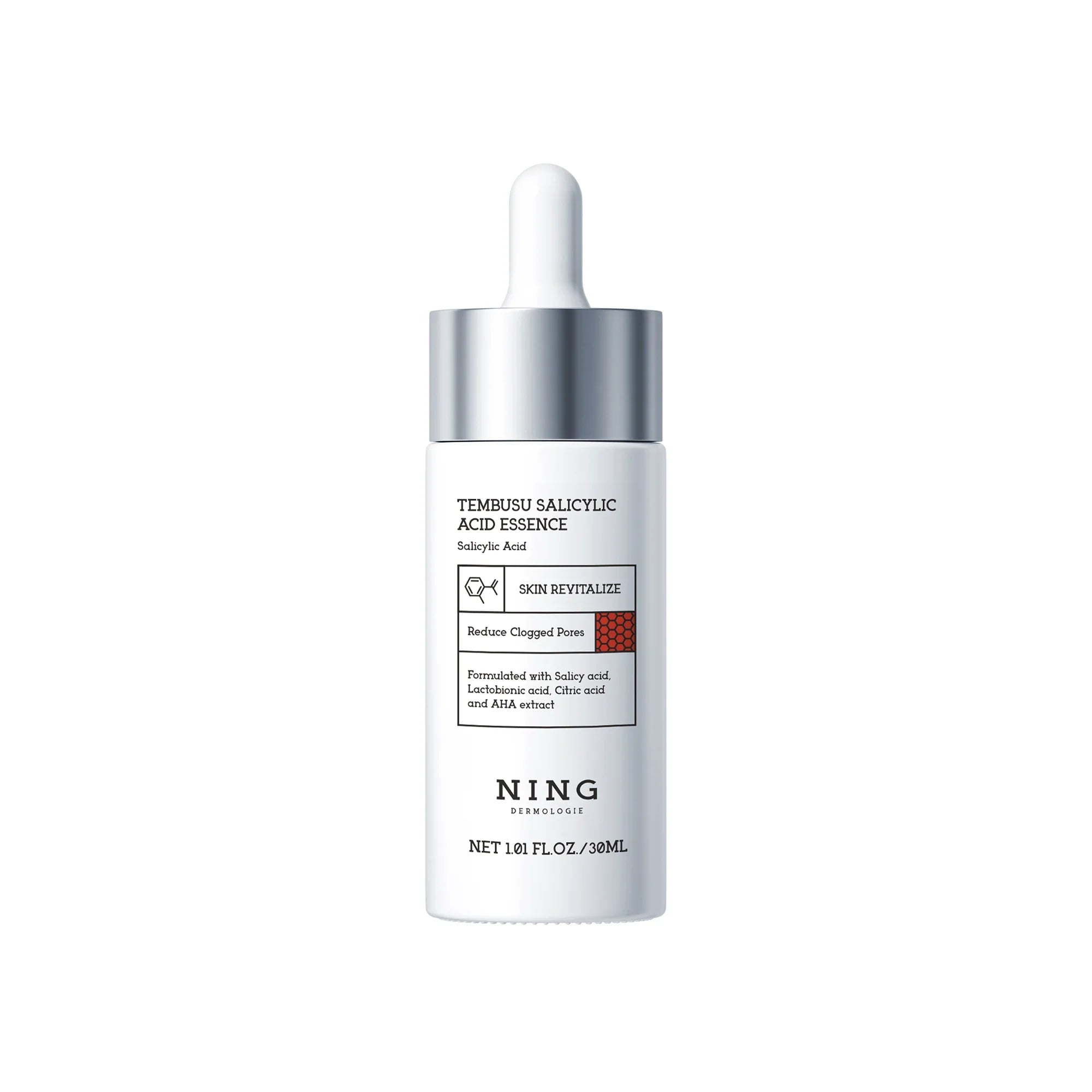
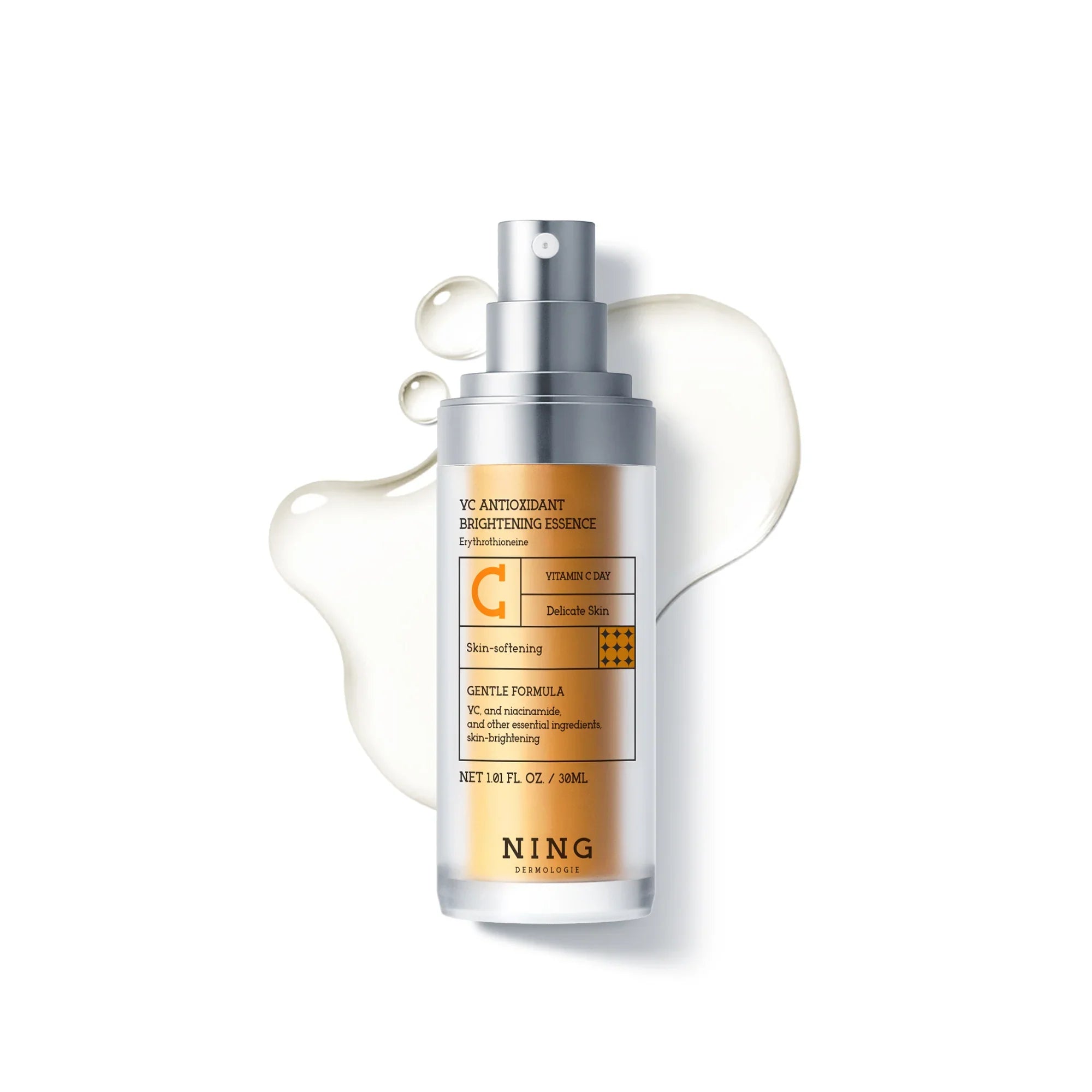
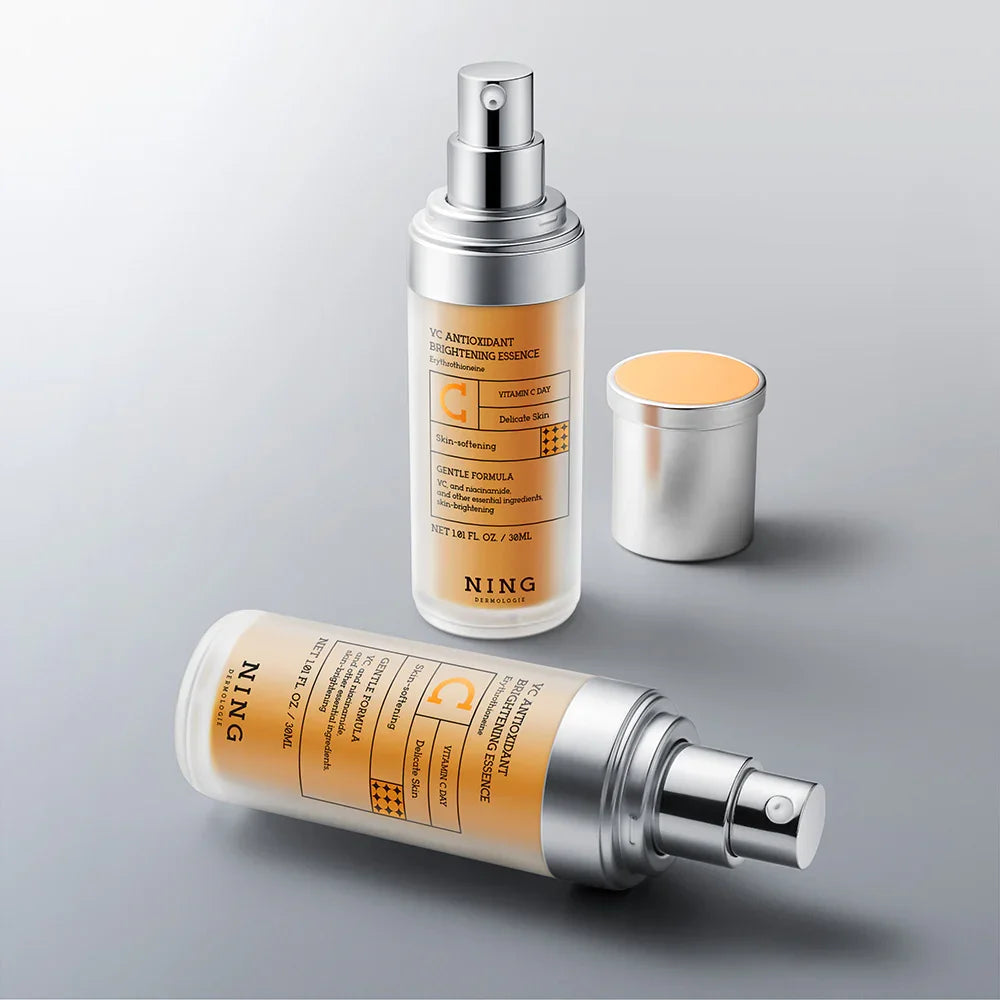
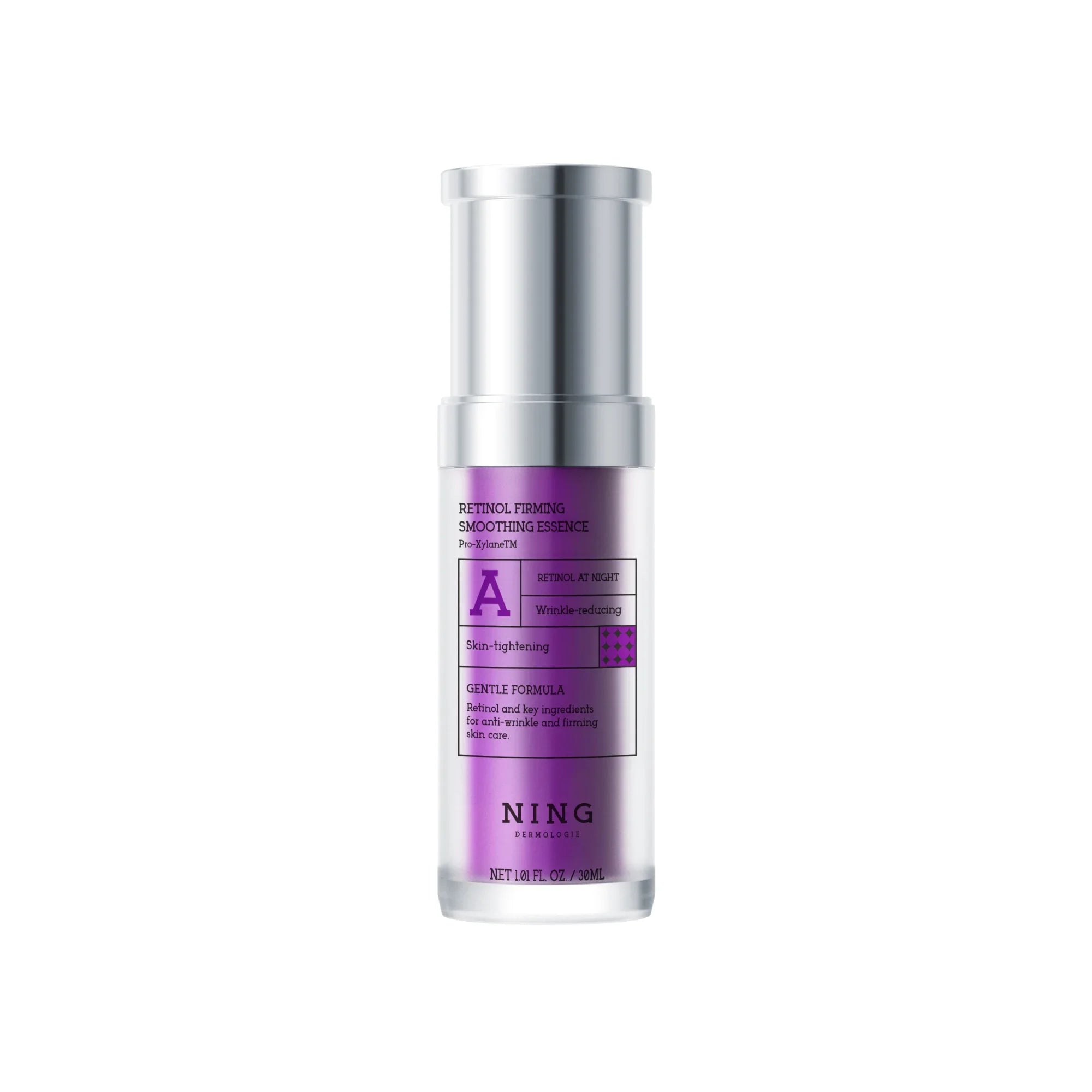
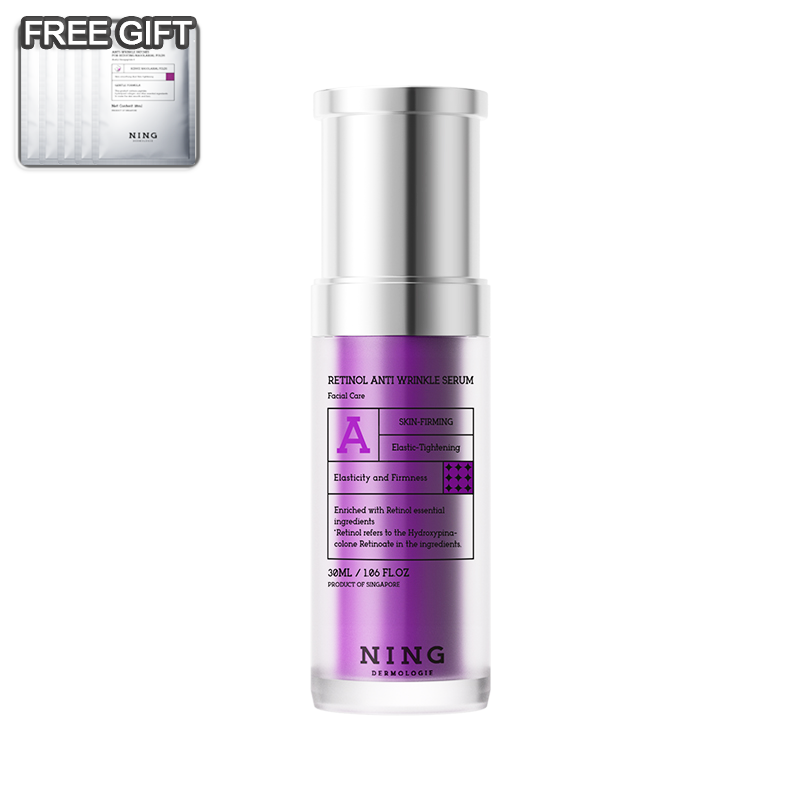
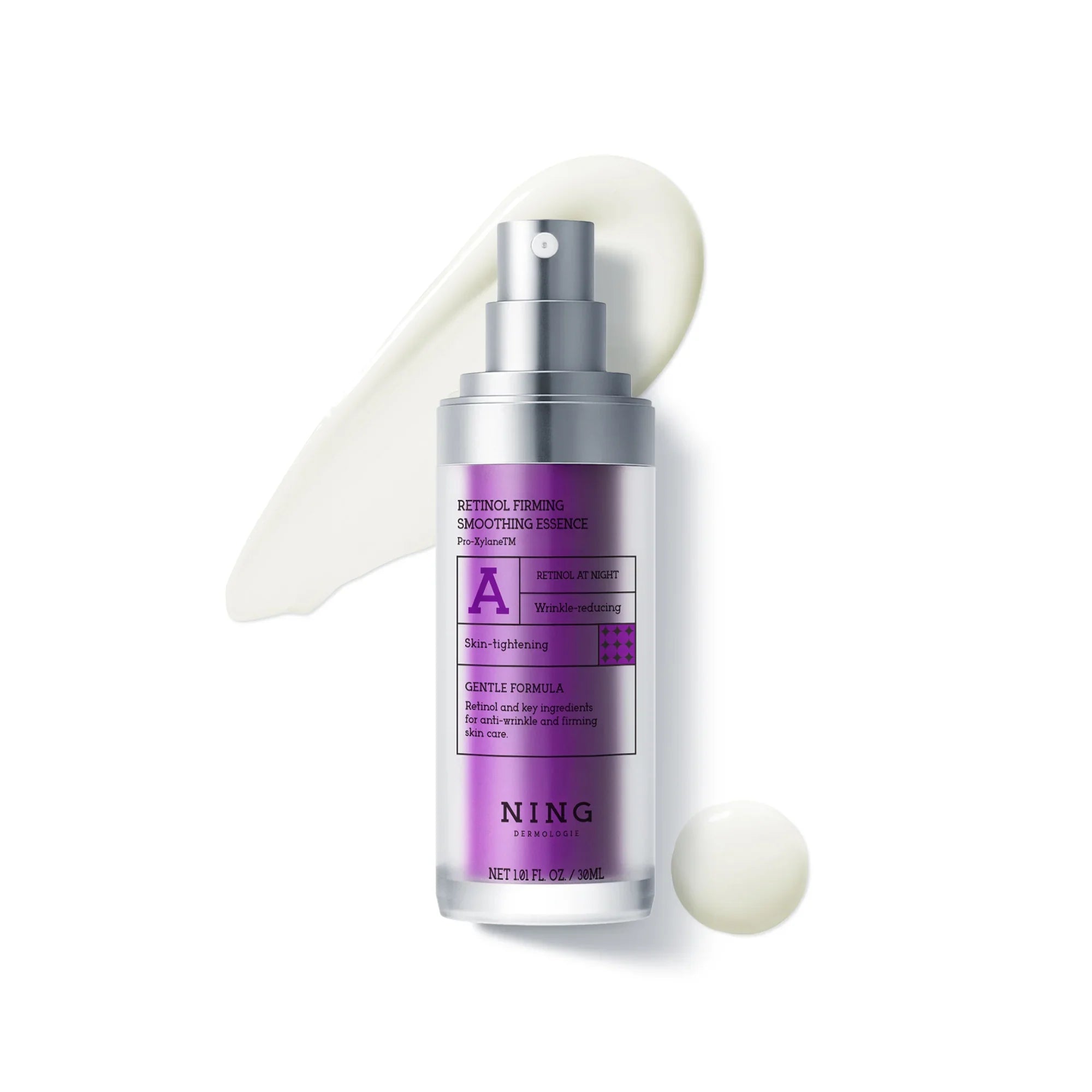
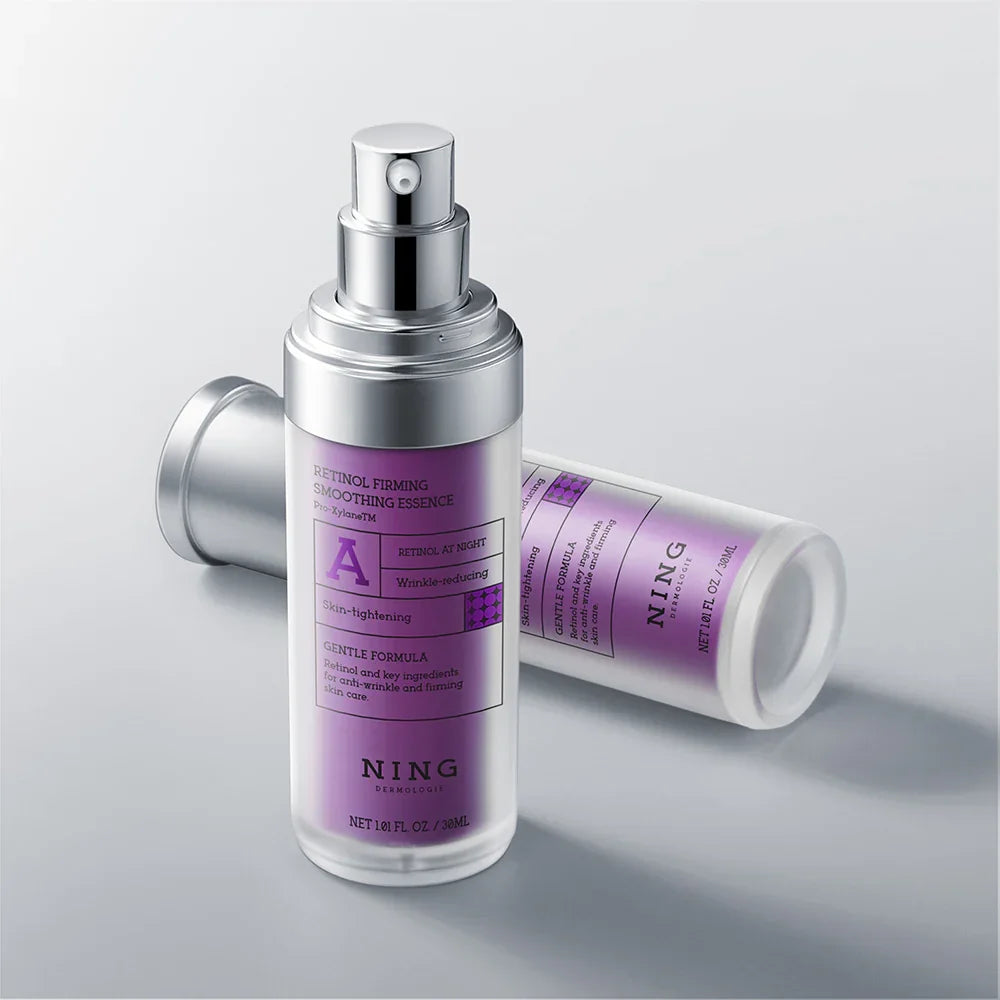
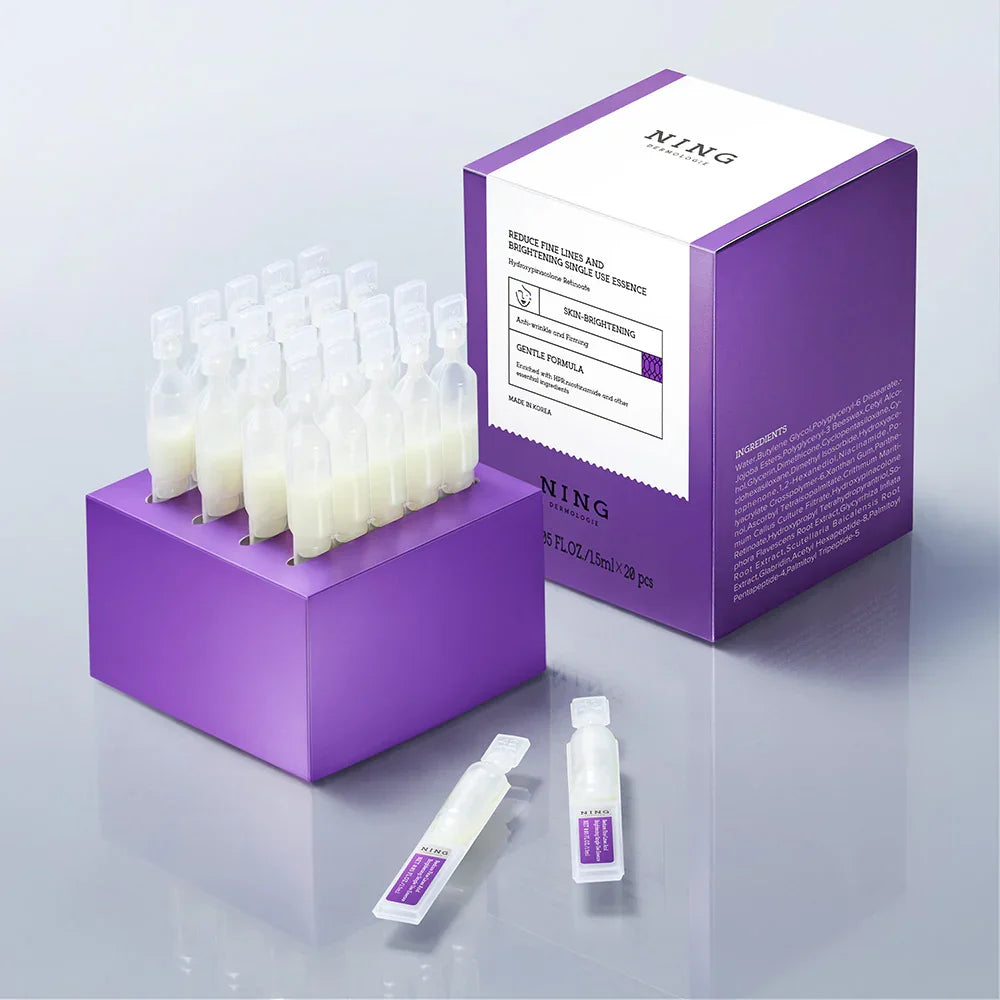
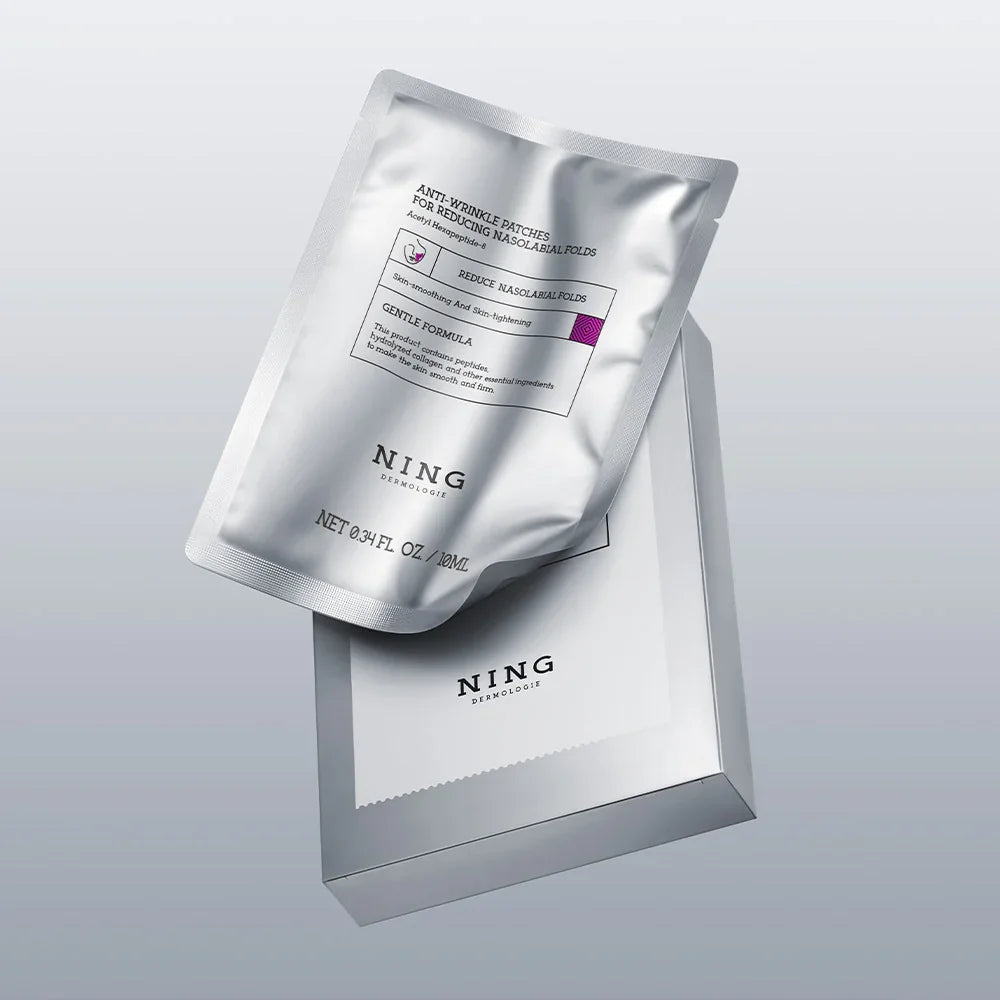
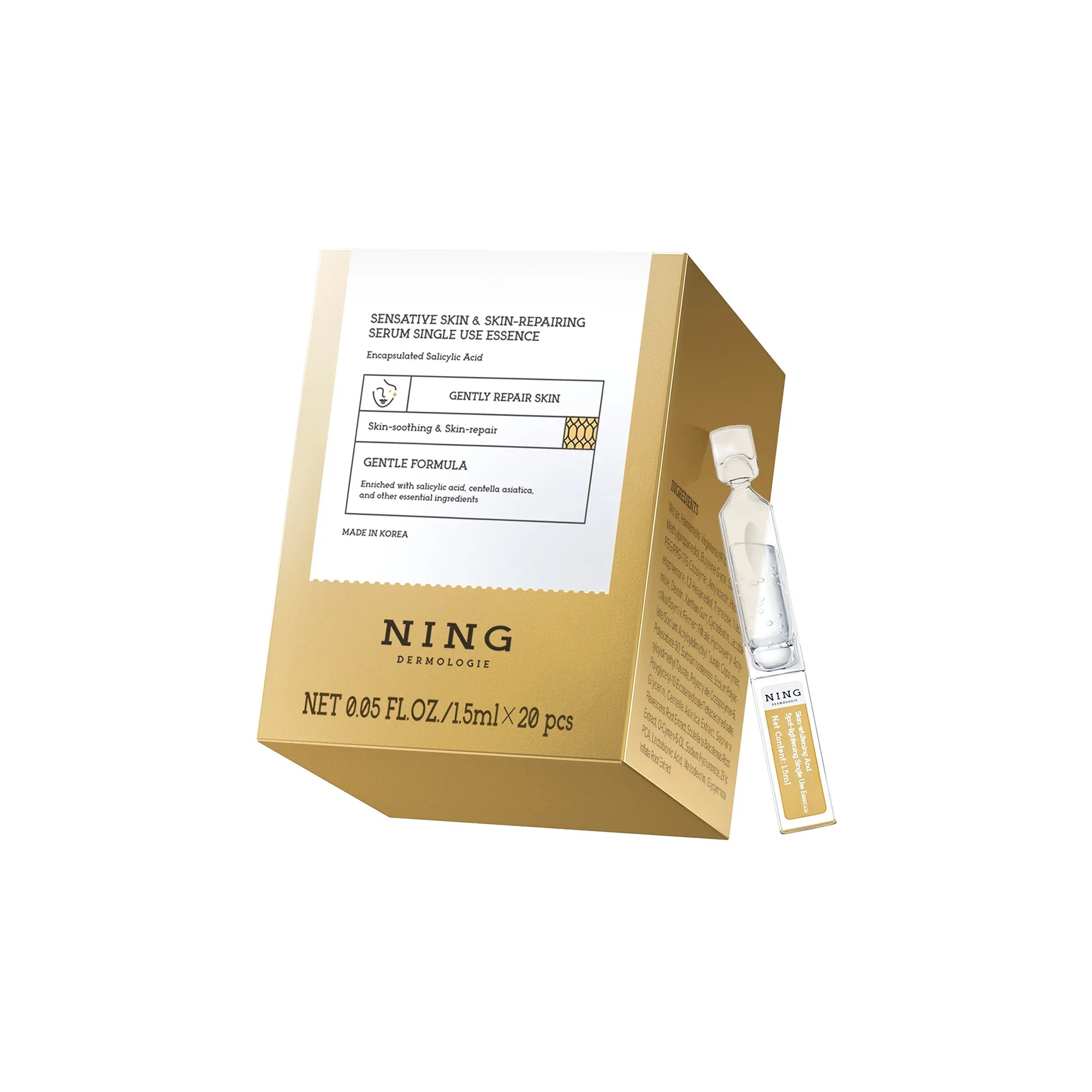
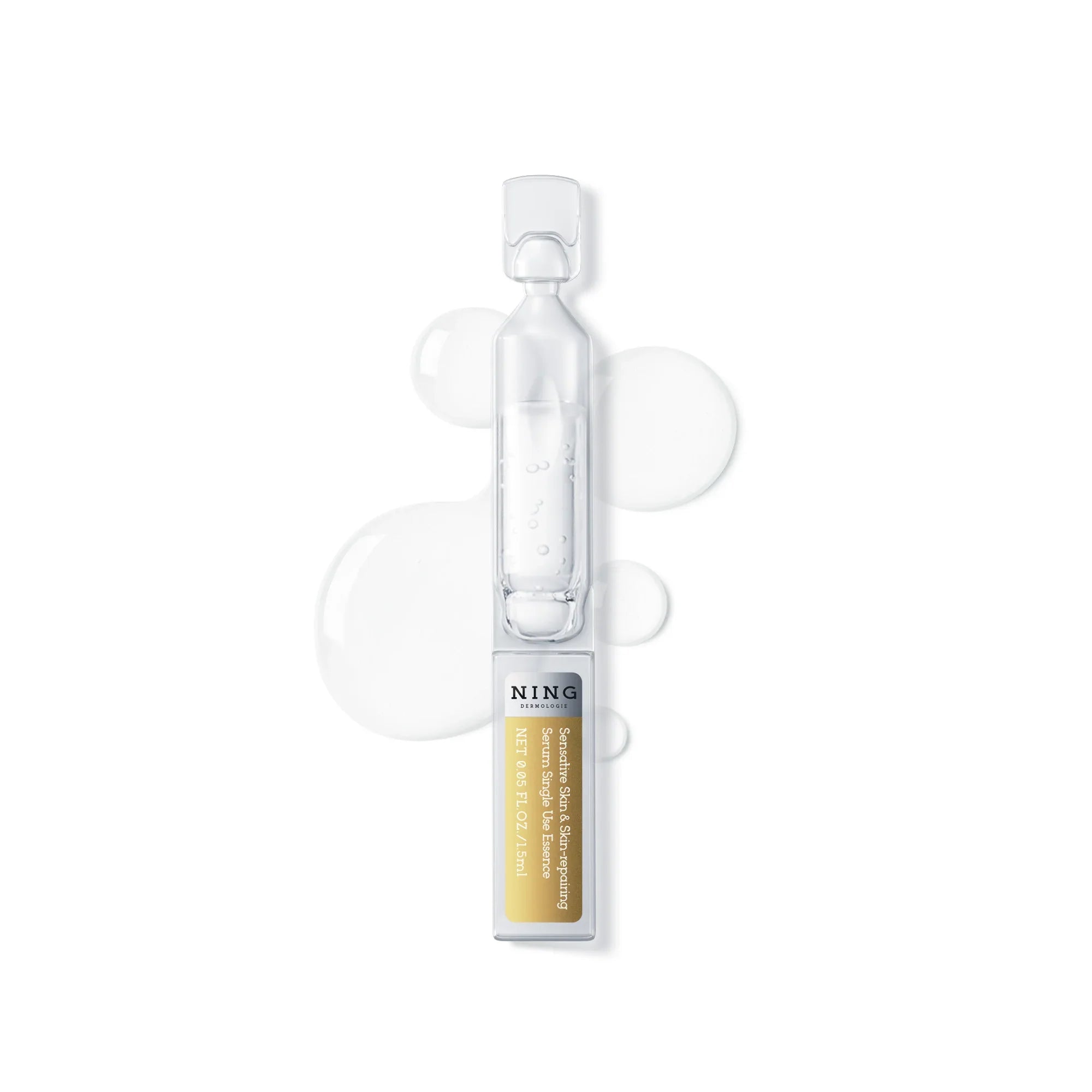
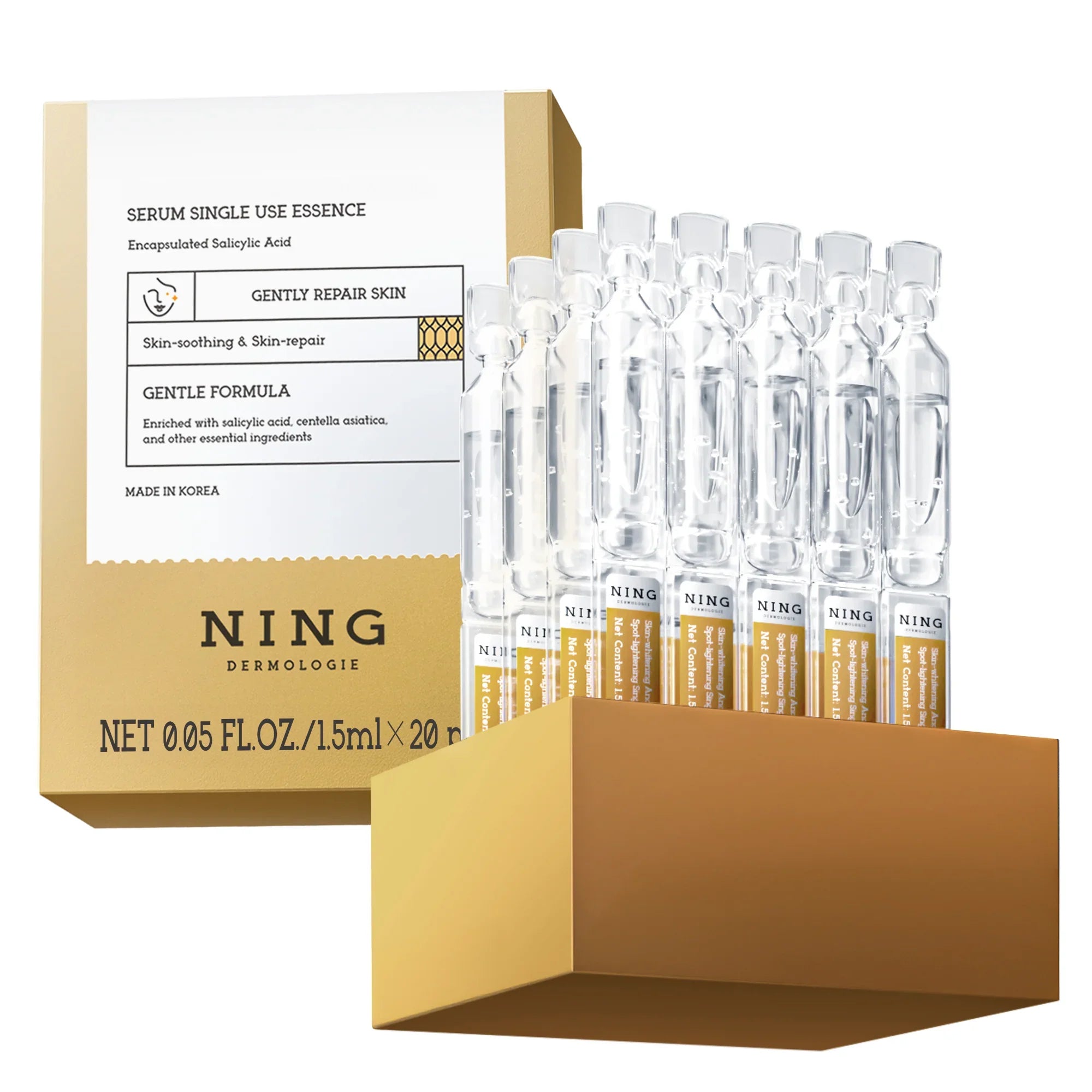
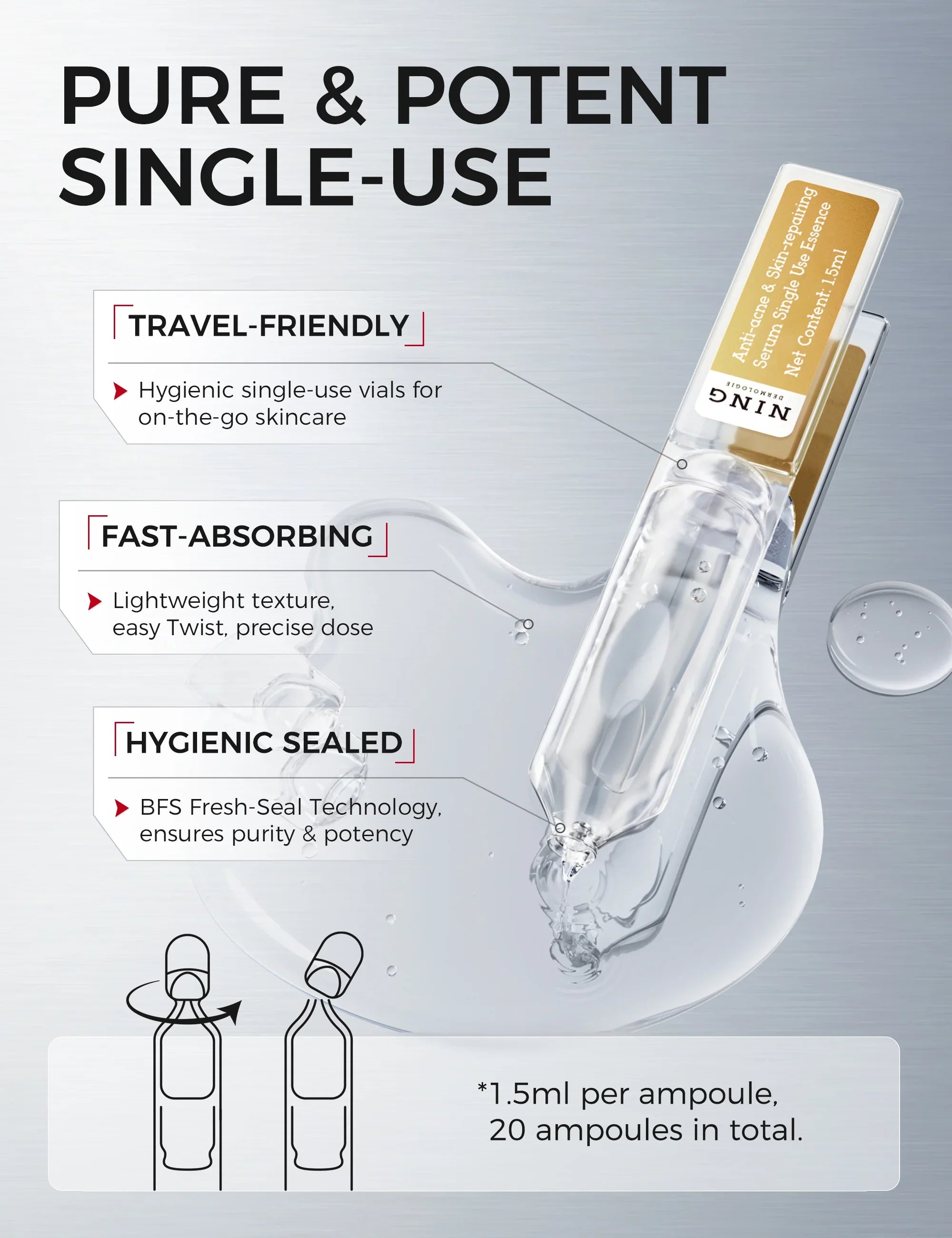
For a formula that balances these needs, NING Dermologie focuses on a minimalist approach. Their Lifting & Tightening Eye Essence is designed specifically to bypass the usual irritants while still delivering the "lift" people expect from high-end serums. It avoids the heavy waxes that can clog pores or cause milia, making it a solid choice even for those with Oily Skin who still suffer from sensitivity.
The Golden Rule: How to Patch Test Like a Pro
Most people "test" a product by slathering it on their face and hoping for the best. That isn’t a test; that’s a gamble. Patch testing is a 48-hour commitment that saves you weeks of recovery time.
Step 1: The Inner Arm Test
The skin on your inner arm is sensitive and clear, making it the perfect "lab" for a new skincare routine.
- Apply a small pea-sized amount to the inside of your elbow.
- Cover it with a bandage if you want to simulate "occlusion" (which makes the test more rigorous).
- Wait 24 hours. If you see redness or feel itching, stop immediately.
Step 2: The "Behind the Ear" or Orbital Bone Test
If the arm test passes, move closer to the target. Apply a tiny amount to the skin behind your ear or just along the orbital bone (the hard ridge under your eye). Do not put it on the eyelid yet.
- Wait another 24 hours.
- Check for any signs of allergic contact dermatitis or subtle skin irritation.
Step 3: Full Integration
If there’s no reaction after 48 hours, you’re likely safe to incorporate the product into your full skincare routine.
Comparing the Market: Sensitive Skin Edition
There are hundreds of options out there. Let's look at how some popular choices stack up for the sensitive-skin community.
|
Product |
Key Benefit |
Sensitive Skin Verdict |
|
The Ordinary Multi-Peptide Eye Serum |
Affordable, peptide-rich |
Great for hydration, but some users report slight tingling due to the complex formula. |
|
SVR SENSIFINE |
Minimalist ingredients |
Excellent for extreme sensitivity; very "safe" but lacks heavy-duty anti-aging. |
|
SkinCeuticals A.G.E. Eye Complex |
Anti-aging / Glycation |
Very effective for crow's feet, but the price point and some active ingredients might be too much for reactive skin. |
|
Lifting & Soothing |
Hits the "sweet spot" by using gentle actives that focus on skin texture without the usual redness. |
|
|
First Aid Beauty Hydrating Eye Cream |
Soothing |
Uses colloidal oatmeal; very safe, but can feel a bit heavy for those with Oily Skin. |
Other notable mentions include Alastin Restorative Eye Treatment and Neocutis Lumiere Firm, which are often found in dermatology offices. They are clinically backed but come with a premium price tag. For those looking for a drugstore hero, RoC Retinol Correxion Line Smoothing Eye Cream is popular, but be warned: even their "sensitive" versions can be too strong for some due to the cell turnover rate.
Managing Your Routine with Sensitive Eyes
Having a shelf full of skin care products doesn't help if you're applying them in a way that causes friction.
- Dab, Don't Rub: Use your ring finger—it has the lightest touch. Press the serum into the skin rather than dragging it.
- Less is More: You only need a grain-of-rice-sized amount for both eyes. Over-applying increases the chance of the product migrating into the eye itself, causing stinging.
- Temperature Matters: If your eyes feel puffy or irritated, keep your NING Dermologie essence in the fridge. The cold temperature constricts blood vessels and provides immediate relief to the skin barrier.
- Protect from UV Rays: Sun damage is a major cause of skin irritation and thinning. Always follow up with a mineral sunscreen (look for zinc oxide) during the day.
When to See a Professional
If you’ve tried patch testing and everything still causes a flare-up, you might be dealing with more than just "sensitivity." Conditions like atopic dermatitis or chronic contact dermatitis require a dermatologist’s intervention. They may perform a clinical Patch Test, where they apply small amounts of common allergens to your back under medical supervision to identify the exact chemical you need to avoid.
Sometimes, the issue isn't the product, but a lifestyle factor. High blue light exposure from screens can cause us to rub our eyes more frequently, creating micro-tears in the skin. Always be mindful of how often you touch your face throughout the day.
Final Thoughts
Your eyes are the most expressive part of your face; they shouldn't be the most stressed. By prioritizing the skin barrier, avoiding artificial fragrances, and religiously patch testing every new addition to your cabinet, you can achieve a brighter, tighter look without the pain.
Whether you choose a clinical powerhouse like StriVectin Peptight 360 or a more focused, gentle option like NING Dermologie, remember that patience is your best ingredient. Sensitive skin doesn't want a "miracle overnight"—it wants consistency, safety, and a little bit of breathing room.

Frequently Asked Questions (FAQ)
1. How long does a patch test actually take to show results?
While some reactions happen within minutes, allergic contact dermatitis often takes 48 to 72 hours to fully develop. It’s a delayed immune response. If you want to be 100% sure, apply a small amount to your inner arm for two consecutive days before moving to your face.
2. Can I use Vitamin C if my eye area is extremely reactive?
Yes, but skip the pure L-ascorbic acid. It’s too acidic for thin skin. Instead, look for sodium ascorbyl phosphate. It’s a gentler, stable form of Vitamin C that brightens dark circles without the stinging sensation. Always follow up with a moisturizer to keep the skin barrier intact.
3. Why does my eye serum sting even though it says "fragrance-free"?
"Fragrance-free" doesn't mean "irritant-free." The sting could come from pH imbalances, high concentrations of preservatives, or even Hyaluronic Acid if applied to bone-dry skin in a desert climate (it can pull moisture out of your skin). Try applying your serum to slightly damp skin to lock in hydration.
4. Is it okay to use retinol eye creams every night?
Not if you have sensitive skin. Start with "sandwiching"—apply a thin layer of a gentle essence like NING Dermologie, then your encapsulated retinol, then another layer of moisturizer. Do this only twice a week initially. If your skin doesn't get red or flaky, you can slowly increase frequency.
5. My eyelids are scaly and red. What should I do immediately?
Stop all active skincare products immediately. Switch to a "basic" routine: a gentle cleanser and a plain barrier cream containing colloidal oatmeal or ceramides. Avoid makeup for a few days. If the redness doesn't subside within a week, consult a dermatologist to rule out a severe allergic reaction.





Share:
Vitamin C Eye Serum: Brightening Benefits and How to Avoid Irritation
Eye Serum for Eczema Around Eyes Safer Alternatives and Soothing Ingredients